Cruise

Search documents
Robotaxi「眼睛」革命:三次激光雷达换代潮,无人车从0走向100000
3 6 Ke· 2025-09-26 02:42
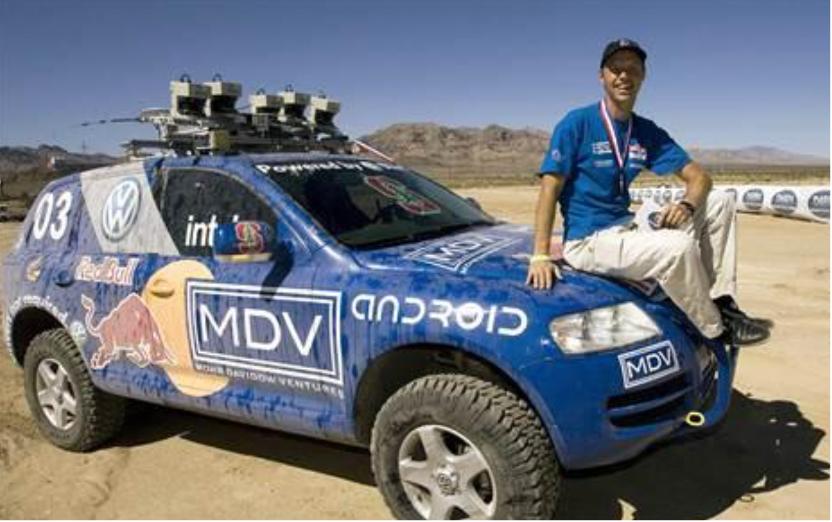
Core Viewpoint - The future of Robotaxi is heavily reliant on the ongoing evolution of perception hardware, particularly the advancements in LiDAR technology, which are crucial for achieving large-scale commercial deployment of autonomous driving solutions [1][5]. Group 1: Historical Context and Development - The DARPA Grand Challenge from 2004 to 2007 served as a pivotal moment for the development of autonomous driving, inspiring teams and entrepreneurs to create the Robotaxi industry [3][6]. - The introduction of LiDAR technology during the DARPA challenges marked a significant turning point, evolving from a novelty to a necessary component for autonomous vehicles [5][14]. - The success of the 2005 challenge, where Stanford's team utilized LiDAR, catalyzed the shift of companies like Ibeo and Velodyne towards automotive applications, solidifying the relationship between LiDAR and Robotaxi [8][19]. Group 2: Technological Advancements - The transition from L2 to L4 autonomous driving systems necessitates a high level of reliability and precision in perception systems, with LiDAR providing significant advantages over traditional camera-based systems [10][12]. - LiDAR's ability to actively sense the environment through point cloud data allows for more accurate 3D reconstruction and reduces the risk of missed detections compared to passive camera systems [12][14]. - The evolution of LiDAR technology has led to a competitive landscape where companies that can deliver high-performance, low-cost, and reliable LiDAR solutions will gain a significant advantage in the Robotaxi market [5][34]. Group 3: Market Dynamics and Future Outlook - The cost of LiDAR has historically been a barrier to the commercial viability of Robotaxi, but recent advancements have led to significant reductions in costs, making Robotaxi more competitive with traditional ride-hailing services [21][32]. - The year 2025 is projected to be a turning point for Robotaxi commercialization, with expectations of rapid fleet expansion and the potential for widespread adoption [32][50]. - Companies that prioritize the development of next-generation digital LiDAR technologies are likely to establish a competitive edge in the evolving landscape of autonomous driving and Robotaxi services [40][51].

Robotaxi三国杀:Lucid交车了,特斯拉慌吗?
汽车商业评论· 2025-09-25 23:08
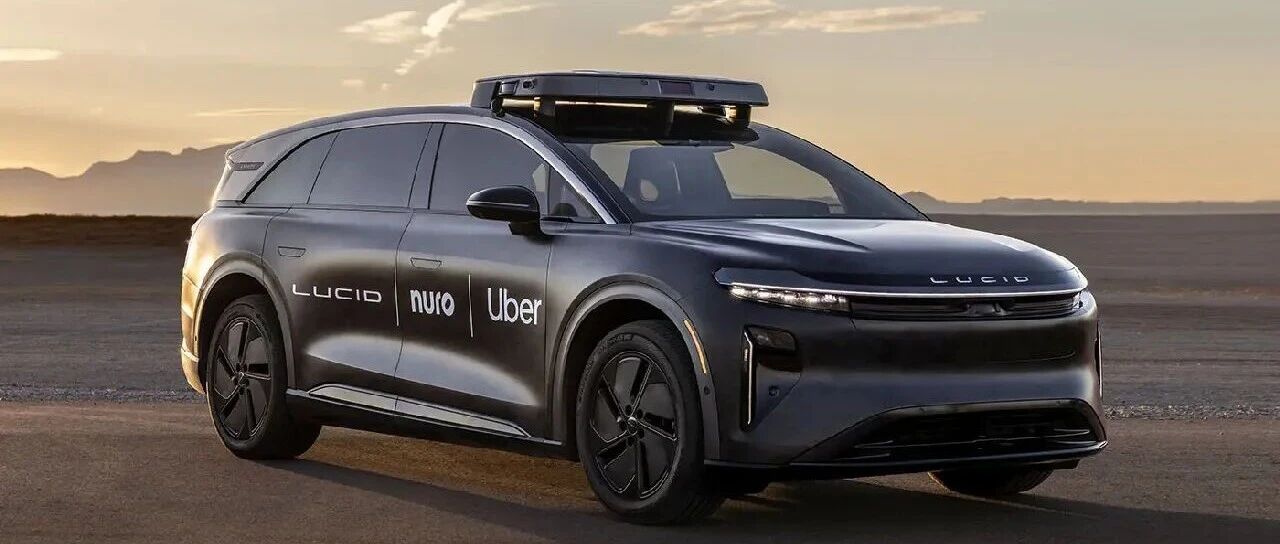
Core Viewpoint - Lucid has initiated its entry into the Robotaxi market by delivering its first engineering vehicle to Nuro for integration with the "Nuro Driver" system, marking a significant step towards operational deployment in partnership with Uber [4][5]. Group 1: Delivery and Partnership - The delivery of the first vehicle signifies the beginning of an exciting new chapter for Lucid, with plans to deploy at least 20,000 L4 Robotaxis over the next six years starting in 2026 [5]. - Uber has invested $300 million in Lucid, which has been completed as of September 4, providing initial funding for engineering prototypes and early-stage production [9]. - The vehicle will be exclusively available to passengers through the Uber app, with the first city launch planned for 2026 [9]. Group 2: Production and Regulatory Challenges - Lucid has faced production capacity challenges due to supply chain fluctuations, but claims these issues have been largely resolved, with the Gravity platform ramping up as planned [11]. - The company is extending the $7,500 federal tax credit through the end of the year to stabilize delivery expectations [12]. - Regulatory compliance is another hurdle, with updates from U.S. transportation safety regulators streamlining the temporary exemption application process for autonomous driving [13]. Group 3: Competitive Landscape - The entry of Lucid and other new players is reshaping the autonomous driving landscape, with Tesla recently reigniting interest in Robotaxis through pilot programs [17]. - Waymo is expanding its services in multiple cities, emphasizing a cautious and steady approach to growth [20]. - Uber is diversifying its partnerships and technology routes, moving towards a platform-based model rather than heavy asset ownership [22]. Group 4: Future Outlook - The period from 2026 to 2028 is anticipated to be critical for evaluating the operational capabilities of various autonomous driving models, including those of Lucid, Nuro, and Uber [22].
英伟达5亿美元投资Wayve,寻求自动驾驶突破口
Jing Ji Guan Cha Bao· 2025-09-19 11:03
Group 1 - Nvidia is increasing its investment in the autonomous driving and artificial intelligence sectors, with a recent commitment to invest $500 million in the UK startup Wayve [1] - This investment follows a previous $1 billion investment led by SoftBank, highlighting Nvidia's strategic positioning in the global AI landscape [1] - Wayve, founded in 2017, is known for its "end-to-end" algorithms that rely on cameras and machine learning rather than high-definition maps, aligning with Nvidia's computing ecosystem, although its commercialization is still in early stages [1] Group 2 - Despite Nvidia's dominance in AI training through GPUs, its progress in autonomous driving has not met expectations, relying more on partnerships rather than its own product breakthroughs [1] - The investment in Wayve reflects the capital anxiety within the autonomous driving sector, as companies like SoftBank, Uber, and Nvidia have yet to achieve scalable implementation [1] - In contrast to European firms that depend on capital for breakthroughs, Chinese suppliers like Yuanrong Qixing and Momenta showcased a robust and complete supply chain at the Munich Auto Show, indicating strong competition [2]

Robotaxi的“新游戏”已然启幕
Hua Er Jie Jian Wen· 2025-08-28 12:01
Core Insights - The emergence of Robotaxi in Wuhan signifies a transformative shift in the autonomous driving industry, moving from a costly venture to a potentially profitable business model [2][3] - Baidu's announcement of achieving profitability on a per-vehicle basis in Wuhan marks a significant milestone for the industry, indicating a transition from a long history of losses to a viable economic model [2][3] Industry Developments - The cost of operating an autonomous vehicle is projected to drop below 300,000 RMB by the second half of 2025, with half of this cost attributed to the vehicle itself and the other half to the autonomous driving suite [3] - The price of key sensors, such as LiDAR, has decreased significantly, from around 5,000 RMB in 2022 to approximately 1,300 RMB today, facilitating the profitability of Robotaxi operations [3] - Major players in the industry are planning to scale their fleets to over a thousand vehicles by the end of 2025, indicating a push towards mass deployment [3] Market Potential - UBS forecasts that by the early 2030s, first-tier cities in China could have a fleet of 300,000 Robotaxis, with national demand potentially reaching 4 million vehicles, creating a new industry worth approximately $183 billion [4] - The competition in the Robotaxi sector is not limited to China, as global tech giants like Waymo, Cruise, and Tesla are also vying for dominance, indicating a broader strategic contest over future urban infrastructure and transportation standards [7] Data and Policy Support - The success of Robotaxi is heavily reliant on data accumulation, with China having a unique advantage due to its early commercialization efforts, allowing for rapid data collection and model optimization [4][5] - Recent regulatory changes, including new laws in Beijing and mutual recognition of testing permits in cities like Shenzhen and Guangzhou, have reduced testing costs and time for companies [5][6] - The Chinese government is balancing the promotion of new technologies with the need to collaborate with traditional taxi companies, creating a conducive environment for the growth of Robotaxi [6] Future Implications - The evolution of Robotaxi is expected to reshape societal structures, as reduced transportation costs and increased automation could redefine urban living and commuting patterns [6][7] - The competition in the Robotaxi space is not just about replacing drivers but also about the broader implications for future city life and transportation systems [6][7]

Tesla's Dual Bets: Robotaxis and Optimus Could Define Its Next Decade
The Motley Fool· 2025-08-18 01:15
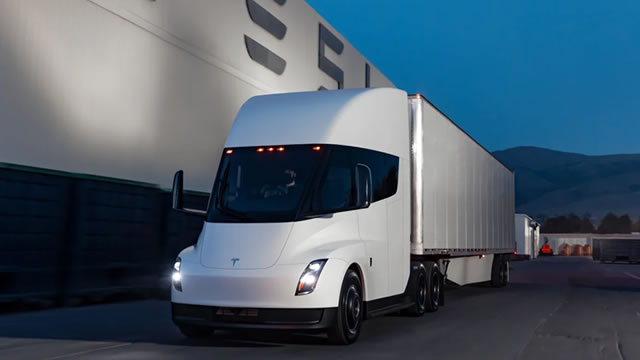
Core Insights - Tesla is positioning itself beyond just an electric vehicle manufacturer, with ambitions in fully autonomous robotaxis and humanoid robots that could significantly alter its growth trajectory [1][10]. Robotaxi Opportunity - Tesla plans to launch a fleet of robotaxis once its Full Self-Driving (FSD) technology achieves true autonomy, which could transform the economics of ride-hailing by eliminating human drivers [4][6]. - The global robotaxi market is projected to grow from approximately 617 units in 2021 to about 1.45 million vehicles by 2030, with a compound annual growth rate (CAGR) exceeding 130% [5]. - Revenue from the robotaxi market is expected to increase from around $1.7 billion in 2022 to approximately $108 billion by 2029, representing an 80.8% CAGR [5]. - Tesla has initiated a limited robotaxi service in Austin, Texas, with rides priced at $4.20, using modified Model Ys, although human safety monitors are currently present [6]. - Challenges include the need for regulatory approval, a flawless safety record, and building customer trust, while competitors like Waymo and Cruise have already deployed limited fleets [7]. Optimus: General-Purpose Robotics - The Optimus humanoid robot aims to perform general-purpose tasks, with potential applications in industrial automation, elder care, hospitality, and household assistance [10][11]. - If successful, Optimus could surpass Tesla's car production in terms of units sold, potentially elevating Tesla's market cap to $25 trillion [11]. - Tesla could generate recurring revenue through direct sales or subscription models for Optimus units, leveraging existing technology and supply chains [12]. Implications for Investors - Both the robotaxi and Optimus projects rely on AI-driven autonomy and Tesla's execution capabilities, with transformative potential over the next decade [14]. - While neither project is expected to contribute significant revenue in the short term, success in either could dramatically enhance Tesla's long-term growth trajectory [15]. - Investors are encouraged to monitor Tesla's progress in these ambitious projects, which could redefine its market position [16].

Robotaxi致人重伤后,通用“再战”自动驾驶
Guan Cha Zhe Wang· 2025-08-14 12:22
导读:以通用为鉴,车企真正需要的其实是穿破资本泡沫、脚踏实地对待技术的态度。 (文 / 观察者网 周盛明 编辑 / 高莘) 2023年10月,美国旧金山的一辆由人类驾驶的日产汽车不慎撞到了一名行人。在撞击之下,该行人被抛 至通用自动驾驶子公司Cruise的一辆无人驾驶出租车(Robotaxi)的前方。 Cruise的Robotaxi碾压过该行人的身体。由于系统设定的程序,在撞击发生并停车后,这辆Robotaxi又开 始执行"靠边程序"——这名被卷入车底的行人不幸被Robotaxi拖行了近6米,并身受重伤。 一时间,通用和Cruise陷入风口浪尖。同年10月,加州暂停了Cruise无人自动驾驶汽车的运营许可。同 年11月,Cruise的联合创始人凯尔·沃格特(Kyle Vogt)迫于压力辞职。 在这些数字背后,其实暗藏着通用的野心——通用曾提出到2030年集团营收翻番的目标,而Cruise则被 视为重要支撑之一。 但是2023年10月的事故为高歌猛进的故事按下了暂停键。在监管压力之外,Cruise的人事层面震动不 断。2023年年底,Cruise宣布裁员约24%,涉及约900人。 2024年年底,通用宣布不再继 ...

裁员6个月后又要召回千名员工,这家车企唱的是哪一出?
Zhong Guo Qi Che Bao Wang· 2025-08-14 02:48
Core Insights - General Motors (GM) has decided to recall approximately 1,000 former employees of its subsidiary Cruise to refocus on passenger vehicle autonomous driving technology, aiming for levels L3 to L5 [2][3][10] - This decision comes just six months after Cruise laid off over 50% of its workforce, amounting to more than 1,000 employees, as part of a strategic shift away from autonomous taxi services [3][10] - The new strategy emphasizes safety redundancy, cost constraints, and production rhythm, led by GM's new Chief Product Officer, Sterling Anderson, who has a background in autonomous vehicle technology [4][10] Company Background - Cruise was founded in 2013 and initially targeted the consumer market with modified vehicle kits for autonomous driving, but shifted focus to providing autonomous driving software for automotive companies by 2014 [6][7] - GM acquired a 90% stake in Cruise for $581 million in 2016, allowing Cruise to operate independently while focusing on autonomous taxi development [5][6] - Despite significant investments totaling around $10 billion since GM's acquisition, Cruise has faced challenges, including a traffic accident in 2023 that led to the suspension of its autonomous testing in California [5][8][9] Financial Performance - From 2017 to 2023, Cruise has accumulated losses exceeding $8 billion, with increasing loss rates [8][9] - In June 2024, GM injected $850 million into Cruise to support its operations, indicating continued belief in Cruise's potential [9] Future Outlook - The shift back to passenger vehicle autonomous driving is seen as a strategic move to prioritize deliverable and sustainable technology, allowing for the accumulation of data and experience necessary for higher levels of automation [10][11] - The decision to abandon the autonomous taxi development reflects broader industry challenges, including high testing costs and regulatory scrutiny, which have made this path less viable in the short term [10][11]

X @Bloomberg
Bloomberg· 2025-08-11 17:35
Autonomous Vehicle Development - General Motors aims to revive its driverless car project [1] - The company is attempting to rehire former employees from its Cruise autonomous-vehicle business [1]
X @Elon Musk
Elon Musk· 2025-07-30 18:06
RT Ray (@ray4tesla)Kyle Vogt, Cruise co-founder, has come to realize Tesla’s end2end neural network approach to self driving is the right bet. Waymo knows this too but is stuck with LiDAR/sensor fusion and HD map.https://t.co/EDpteHSIAX ...
百度联姻Uber:方向盘后的革命,中国自动驾驶驶向全球
美股研究社· 2025-07-16 11:49
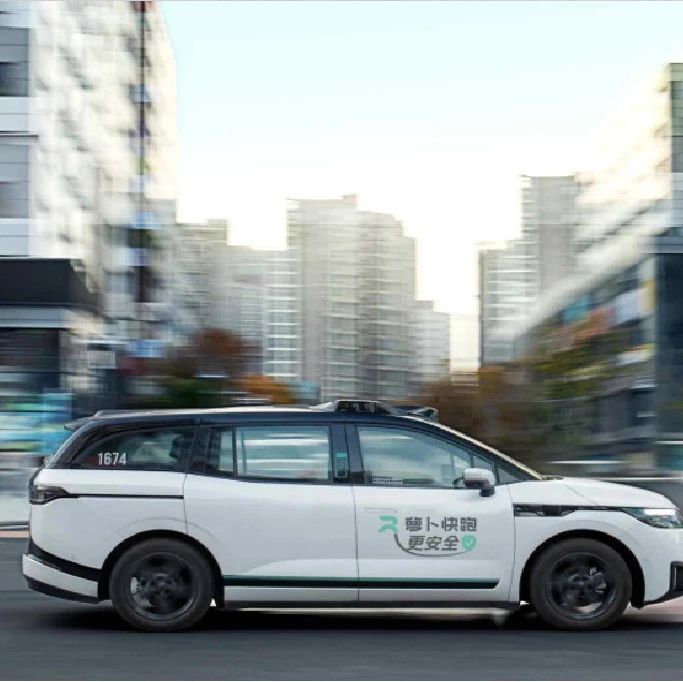
Core Viewpoint - The partnership between Baidu's Apollo and Uber marks a significant milestone in the global autonomous driving landscape, enabling Baidu to expand its Robotaxi services internationally, particularly in Asia and the Middle East, while leveraging Uber's extensive user base and operational experience [1][3][4]. Group 1: Strategic Partnership - Baidu's Robotaxi service, known as "萝卜快跑," will deploy thousands of sixth-generation autonomous vehicles through Uber's global network, aiming to provide safe and reliable autonomous transportation [3][4]. - The collaboration is seen as a strategic complement, allowing both companies to leverage their strengths: Baidu's advanced autonomous driving technology and Uber's vast operational reach [2][3][5]. Group 2: Market Positioning - The partnership signifies a shift in the competitive landscape of autonomous driving, moving from a focus on technology alone to the construction of an "ecosystem" that includes various players such as tech giants, traditional automakers, new entrants, and ride-hailing platforms [6][7]. - Baidu's Robotaxi service has already provided over 11 million rides and accumulated more than 170 million kilometers of safe driving, establishing itself as a leading player in the autonomous driving sector [4][8]. Group 3: Challenges and Solutions - The collaboration addresses key challenges in the commercialization of autonomous driving, including technology reliability, cost control, and regulatory acceptance [11][12]. - Baidu's sixth-generation vehicles utilize a multi-sensor fusion approach and advanced AI models to enhance safety and decision-making capabilities, which are crucial for navigating complex environments [11][12]. Group 4: Future Implications - The partnership may create new business models beyond Robotaxi services, potentially expanding into areas like autonomous delivery and freight, thus broadening the commercial applications of Baidu's technology [12][14]. - The collaboration is expected to accelerate the global competition in the autonomous driving market, particularly against established players like Waymo and Cruise, as it leverages Uber's existing infrastructure and market presence [8][14].