
京东方

Search documents
京东方A(000725) - 004-2026年1月22日投资者关系活动记录表
2026-01-23 01:04
Group 1: LCD TV Product Price Trends - The demand for TV products has increased due to preparations for upcoming sporting events, leading to higher procurement by brand manufacturers since December 2025 [1] - The overall production rate in the industry remains high as manufacturers adopt a "production based on demand" strategy [1] - As of January 2026, prices for mainstream TV products across various sizes have risen significantly [1] Group 2: OLED Technology Development - AMOLED technology is becoming a key choice for high-end IT products due to its high picture quality and lightweight characteristics [2] - The company's 8.6 generation AMOLED production line was successfully lit up five months ahead of schedule on December 30, 2025, marking a significant breakthrough in mid-size OLED technology [2] - Mass production of this line is expected to begin in the second half of 2026, enhancing the company's competitiveness in the display industry [2] Group 3: Depreciation and Capital Expenditure Trends - The depreciation of existing production lines is continuously decreasing, with capital expenditures expected to peak in 2025 [3] - From 2027 onwards, a significant decline in capital expenditures is anticipated [3] Group 4: Perovskite Project Progress - The company is leveraging its long-term experience in the display industry to advance the research and production of perovskite solar cells [4] - The efficiency of perovskite photovoltaic components has reached industry-leading levels, with rigid single-junction components achieving a champion efficiency of 27.61% [4] - The company is focused on improving the efficiency and lifespan of perovskite products to address industrialization challenges [5] Group 5: Glass-Based Packaging Technology - The company has completed the construction of a pilot line for large glass-based packaging boards and has initiated technical and product development collaborations with leading domestic and international clients [5] Group 6: Shareholder Return Planning - In May 2025, the company completed the cancellation of inventory shares valued at nearly 1 billion yuan and distributed approximately 1.87 billion yuan in cash dividends in June 2025 [5] - The company plans to execute a share repurchase scheme exceeding 1.5 billion yuan within the year and is committed to its shareholder return plan for 2025-2027 [5]

京东方A(000725) - 003-2026年1月22日投资者关系活动记录表
2026-01-23 01:04
Group 1: Market Trends and Product Pricing - The demand for TV products has increased since December 2025 due to preparations for upcoming sporting events, leading to higher procurement by brand manufacturers and an overall increase in TV product prices as of January 2026 [1][2]. - The overall operating rate in the industry remains high as manufacturers adopt a "production based on demand" strategy, adjusting their operating rates accordingly [2]. Group 2: OLED Technology Development - The company's 8.6 generation AMOLED production line was successfully lit up five months ahead of schedule on December 30, 2025, marking a significant breakthrough in mid-size OLED technology [3]. - The production line is expected to enter mass production in the second half of 2026, enhancing the company's ability to meet high-end IT product demands [3]. Group 3: Financial Projections - The company's depreciation amount is expected to peak in 2025, with a continuous reduction in depreciation for existing production lines [4]. - Capital expenditures are projected to peak in 2025, primarily due to investments in the Chengdu 8.6 generation AMOLED production line and the Beijing 6th generation LCD LTPO/LTPS production line [5][6]. - A significant decrease in capital expenditures is anticipated starting in 2027 [6]. Group 4: Perovskite Project Progress - The company has achieved industry-leading efficiency levels in perovskite solar cell components, with rigid single-junction components reaching a champion efficiency of 27.61% [7]. - The company is focused on improving the efficiency and lifespan of perovskite products, addressing challenges in the industrialization of perovskite thin-film solar cell technology [7]. Group 5: Glass-Based Packaging Technology - The company has completed the construction of a pilot line for large glass substrate packaging and has begun technical and product development collaborations with leading domestic and international clients [9].
京东方取得显示面板及刷新方法专利
Sou Hu Cai Jing· 2026-01-23 01:03
成都京东方光电科技有限公司,成立于2007年,位于成都市,是一家以从事仪器仪表制造业为主的企 业。企业注册资本2500000万人民币。通过天眼查大数据分析,成都京东方光电科技有限公司参与招投 标项目920次,专利信息5000条,此外企业还拥有行政许可522个。 北京京东方技术开发有限公司,成立于2016年,位于北京市,是一家以从事计算机、通信和其他电子设 备制造业为主的企业。企业注册资本3800万人民币。通过天眼查大数据分析,北京京东方技术开发有限 公司共对外投资了1家企业,参与招投标项目92次,专利信息3849条,此外企业还拥有行政许可4个。 声明:市场有风险,投资需谨慎。本文为AI基于第三方数据生成,仅供参考,不构成个人投资建议。 来源:市场资讯 国家知识产权局信息显示,京东方科技集团股份有限公司取得一项名为"一种显示面板、显示装置及刷 新方法"的专利,授权公告号CN118486280B,申请日期为2024年5月。 天眼查资料显示,京东方科技集团股份有限公司,成立于1993年,位于北京市,是一家以从事计算机、 通信和其他电子设备制造业为主的企业。企业注册资本3741388.0464万人民币。通过天眼查大数 ...
索尼退场,日本电视全军覆没
3 6 Ke· 2026-01-23 00:36
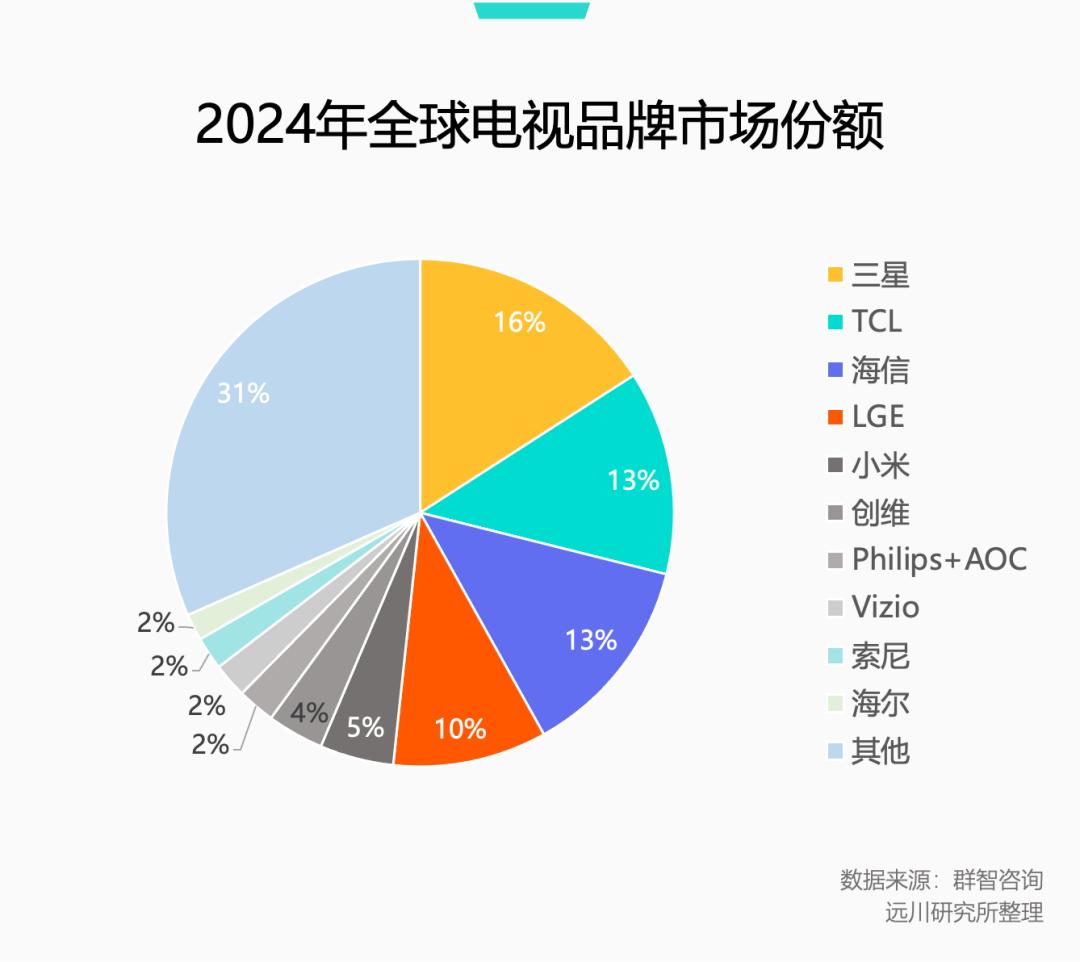
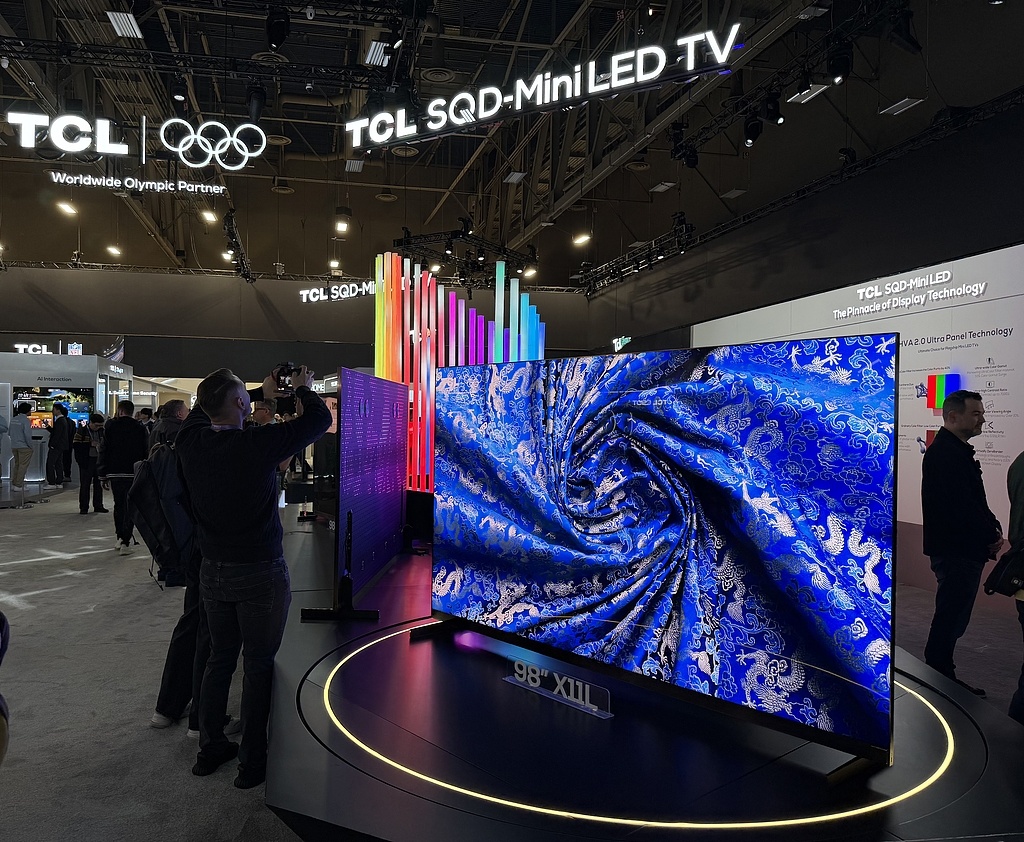
Core Viewpoint - Sony has announced a joint venture with TCL to manage its home entertainment business, with TCL holding a 51% stake, effectively transferring Sony's television operations and the BRAVIA brand to TCL, marking a significant shift in the consumer electronics market [1][5]. Group 1: Sony's Strategic Shift - Sony lacks display panel production capabilities, which are crucial for maximizing profits in the television market, relying on LG and TCL for panel supply and Mediatek for picture quality chips [1]. - Sony's television market presence is minimal, consistently ranking in the "others" category, and its television segment is less profitable compared to its other businesses like CIS chips, gaming, and music [1][5]. - The move signifies Sony's exit from the competitive global television market, following a trend where Japanese brands have been selling off their consumer electronics divisions [5][7]. Group 2: TCL's Positioning - For TCL, acquiring Sony's brand equity is a strategic asset that, combined with its own panel production capabilities, positions it to challenge Samsung's dominance in the global market [5]. - TCL is currently the only domestic television brand in China with display panel production capabilities, which is essential for maintaining competitive pricing and product quality [18][27]. Group 3: Decline of Japanese Brands - The exit of Sony marks the end of Japan's independent television brands, with other major players like Sharp, Toshiba, and Panasonic also having exited or significantly downsized their television operations [5][15]. - The decline of Japanese television brands is attributed to their loss of panel production capabilities, which has resulted in a lack of pricing power in the market [16][23]. - The financial crisis of 2008 and subsequent strategic missteps led to a shift in focus for Japanese companies from consumer electronics to higher-margin components, further diminishing their presence in the television market [7][12][13].






财经观察:日韩品牌为何纷纷牵手中国电视厂商
Huan Qiu Shi Bao· 2026-01-22 22:35
Core Viewpoint - Sony's decision to spin off its television business and form a joint venture with China's TCL reflects a significant structural reorganization in the global television industry, driven by increasing competition and changing consumer demands for larger, higher-resolution screens [1][2][7]. Group 1: Industry Dynamics - The global television market is not declining; instead, it is growing in the large-screen and high-end segments, with a shift in competition rules from technology differentiation to manufacturing scale and cost structure [4][8]. - Japanese brands are losing their competitive edge in the television industry, with companies like Toshiba and Sharp either selling their TV businesses or significantly downsizing their operations [2][6]. - The joint venture between Sony and TCL is seen as a rational choice, allowing both companies to leverage their strengths—Sony's expertise in high-value products and TCL's efficiency and scale [4][7]. Group 2: Market Positioning - Chinese television brands are rapidly gaining market share, with TCL's global TV shipments reaching 20.8 million units in the first three quarters of 2025, marking a 4.1% year-on-year increase [10]. - By 2024, Chinese brands are expected to surpass Korean brands in global TV shipments, with TCL, Hisense, and Xiaomi collectively holding a market share of 31.8% compared to 28.5% for Samsung and LG [8]. - The shift in the global television supply chain is evident, with Chinese manufacturers dominating the LCD panel market, while Japanese and Korean companies are retreating from this segment [11]. Group 3: Competitive Landscape - The decline of Japanese brands is attributed to multiple factors, including slow progress in supply chain advancements and inadequate localization strategies [5][6]. - Despite the rise of Chinese brands, Samsung still maintains a significant lead in brand reputation and high-end market segments, indicating that the competition is ongoing and evolving [12].
国产显示芯片独角兽云英谷再闯港交所,台积电是最大供应商
Guan Cha Zhe Wang· 2026-01-22 14:10
Core Viewpoint - Yunyinggu Technology Co., Ltd. is seeking to list on the Hong Kong Stock Exchange after a tumultuous journey, including attempts to list on the A-share market and a near acquisition by another company. The firm specializes in semiconductor design, particularly display driver chips for AMOLED and Micro-OLED technologies [1][2]. Company Overview - Established in 2012 and headquartered in Shenzhen, China, Yunyinggu focuses on the design and sale of display driver chips. The company has raised over 1.3 billion RMB through multiple funding rounds, with notable investors including BOE Technology Group and Qualcomm China [1]. - As of August 2024, the company's valuation reached approximately 8.33 billion RMB [1]. Product Portfolio - The company primarily offers two product categories: AMOLED display driver chips for smartphones and Micro-OLED display driver/backplane for AR/VR devices [1]. - In 2024, Yunyinggu ranked as the fifth largest supplier of AMOLED display driver chips globally, with a market share of about 5.7%, and the largest in mainland China with a 12.4% market share [2]. Financial Performance - Revenue for the years 2022, 2023, and 2024 was reported at 551.29 million RMB, 720.40 million RMB (30.7% YoY growth), and 891.30 million RMB (23.8% YoY growth), respectively, with a compound annual growth rate of 27.1% from 2022 to 2024 [4]. - The company reported net losses of 124 million RMB, 232 million RMB, and 309 million RMB for the respective years, totaling approximately 722 million RMB in cumulative losses [4]. Pricing and Margins - The average selling price of AMOLED display driver chips has decreased significantly from 25.7 RMB in 2022 to 15.9 RMB in 2024, reflecting a nearly 40% decline [5]. - The gross margin for AMOLED chips plummeted to 0.3% in 2024, with a negative gross margin of -1.4% in 2023 due to falling prices and inventory devaluation [5][6]. Market Strategy - To maintain market share amid fierce competition, the company adopted a pricing strategy that involved lowering the average selling price of its products [7]. - The shift from direct sales to a dealer-based sales model has increased the proportion of revenue from dealers from 4.8% in 2022 to 73.7% in 2024, aimed at improving cash flow management [8][9]. Supply Chain and Production - As a fabless company, Yunyinggu relies heavily on third-party foundries, with TSMC being a key partner. The procurement from TSMC accounted for a significant portion of total purchases [10]. - The company is gradually shifting towards domestic foundries like SMIC to mitigate supply chain risks amid geopolitical tensions [10]. Investment Outlook - Despite having a strong customer base and market presence, the company faces challenges in profitability and cash flow, necessitating funds from the secondary market to alleviate financial pressures and continue R&D investments [10].



索尼退场,日本电视全军覆没
远川研究所· 2026-01-22 13:17
Core Viewpoint - Sony's decision to form a joint venture with TCL for its home entertainment business marks a significant shift in the global television market, indicating the complete exit of Japanese companies from the competitive landscape of television manufacturing [4][10]. Group 1: Sony's Strategic Move - Sony will transfer its television business and the BRAVIA brand to TCL, with TCL holding a 51% stake in the new joint venture [4]. - This move reflects Sony's inability to produce display panels, which are crucial for profitability in the television market, relying instead on LG and TCL for panel supply [4][10]. - Sony's market share in the global television sector has been consistently low, often categorized under "others," indicating a lack of competitive presence [5][10]. Group 2: TCL's Positioning - For TCL, acquiring Sony's brand equity is a strategic advantage, allowing it to leverage its panel production capabilities to challenge Samsung's dominance in the global market [9]. - TCL is currently the only domestic television brand in China with display panel production capabilities, positioning itself uniquely in the industry [25]. Group 3: Decline of Japanese Brands - The exit of Sony signifies the end of an era for Japanese television brands, which have been in decline since the 2010s, with major players like Sharp and Toshiba also having sold their television businesses [10][13]. - The loss of panel production capabilities has been a critical factor in the decline of Japanese brands, as they have lost pricing power and market relevance [29]. - The shift in focus for Japanese companies has been towards higher-margin components rather than low-margin consumer electronics, reflecting a strategic pivot in response to competitive pressures [16][17]. Group 4: Historical Context - The rise and fall of Japanese television brands can be traced back to their initial dominance in the 1990s, where they controlled over 90% of the global market, primarily due to their advanced panel production technologies [20]. - The financial crisis of 2008 and subsequent strategic missteps led to significant losses for these companies, prompting a reevaluation of their business models [15][16]. - The transition from being manufacturers of consumer electronics to component suppliers has been a common theme among Japanese firms, as they adapt to the changing landscape of the electronics industry [29].
“北方第二城”险易主?青岛未能反超天津
Sou Hu Cai Jing· 2026-01-22 10:44
搜狐城市注意到,2024年两城GDP相差1304亿。2025年前三季度,长期稳居"北方第二城"的天津GDP为 13416.08亿,同比增长4.7%;青岛以13373.47亿经济总量、5.4%增速紧追,将两城差距拉近至42.61亿。 彼时,外界对青岛争夺" 北方第二城 " 排位讨论甚嚣尘上。但根据最新数据可看出,青岛未能完成超 越。 攻擂VS守擂:2025年前三季度最小差距不足50亿 2026年1月20日,青岛市长透露预计去年全市生产总值突破1.7万亿,但未提供更具体的数字;22日,天 津公布GDP数据为1.85万亿。两城仍存在千亿左右的差距。 但近十年的发展竞速才是区域经济格局演变的生动注脚。2016年,青岛成全国第12个GDP"万亿元俱乐 部"城市。2019年,天津(GDP14104.28亿)以超2300亿经济总量优势领先青岛(GDP11741.31亿),其"北 方第二城"地位依旧无可撼动。而随着两座城市产业路径差异逐渐显现、两城发展差距逐年收窄,2024 年天津(GDP18024.32亿)与青岛(GDP16719.46亿)差距进一步压缩至1304亿。 进入2025年,青岛对天津的追赶提速,与天津的经济总量 ...

1月22日深证国企股东回报(970064)指数跌0.25%,成份股山金国际(000975)领跌
Sou Hu Cai Jing· 2026-01-22 10:44
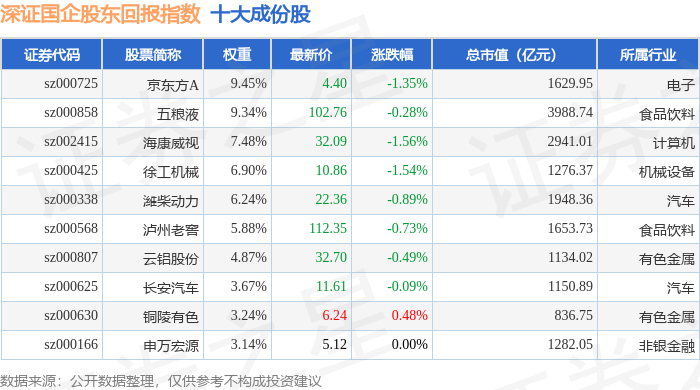
Core Viewpoint - The Shenzhen State-Owned Enterprises Shareholder Return Index (970064) closed at 1740.66 points, down 0.25%, with a trading volume of 37.125 billion yuan and a turnover rate of 1.46% [1] Group 1: Index Performance - On the day, 31 constituent stocks rose, with North New Building Materials leading with a 4.99% increase, while 17 stocks fell, with Shanjin International leading the decline at 2.07% [1] - The index's top ten constituent stocks include: - BOE Technology Group (sz000725) with a weight of 9.45%, closing at 4.40 yuan, down 1.35% [1] - Wuliangye Yibin (sz000858) with a weight of 9.34%, closing at 102.76 yuan, down 0.28% [1] - Hikvision (sz002415) with a weight of 7.48%, closing at 32.09 yuan, down 1.56% [1] - XCMG Machinery (sz000425) with a weight of 6.90%, closing at 10.86 yuan, down 1.54% [1] - Weichai Power (sz000338) with a weight of 6.24%, closing at 22.36 yuan, down 0.89% [1] Group 2: Capital Flow - The net outflow of main funds from the index's constituent stocks totaled 872 million yuan, while retail investors saw a net inflow of 1.149 billion yuan [1] - Detailed capital flow for selected stocks includes: - Yuexiu Capital (000987) with a main fund net inflow of 107 million yuan, but retail outflows of 54.4 million yuan [2] - Huazhong Steel (000932) with a main fund net inflow of 85.6 million yuan, but retail outflows of 33.9 million yuan [2] - Yun Aluminum (000807) with a main fund net inflow of 54.8 million yuan, but retail outflows of 68.3 million yuan [2]




又一例“人工心脏”植入手术在合肥京东方医院完成
Ke Ji Ri Bao· 2026-01-22 09:47
据介绍,"人工心脏"即左心辅助装置,是一种尖端生命支持系统。整个装置系统分为体内和体外两部 分,体内的血泵和管道与心脏精密连接,体外的控制器和电池组让患者能够自由活动。此次接受"人工 心脏"植入的患者患有扩张型心肌病,其左室射血分数(LVEF)仅为15%,远低于55%的正常标准。该 疾病是一种遗传性疾病,目前尚无根治方案,随着病情进展,患者心脏功能逐年衰退。 合肥京东方医院心脏中心团队经过全面评估与审慎研讨,迅速组建由心脏外科、心血管内科、麻醉科、 体外循环科、重症监护室、超声科等多领域专家构成的诊疗团队。术中,团队默契配合、精准操作,成 功将"人工心脏"植入患者体内。装置启动后运行平稳,即刻承担起左心室泵血功能,患者全身血液循环 得到显著改善。 姚建民介绍,"人工心脏"是救治终末期心衰的关键手段,与心脏移植相比,术后不用终身服用抗排异 药。此外,该技术也为稀有血型、体重较大或65岁以上等难以接受心脏移植的患者,提供了新的治疗希 望。 近日,又一例"人工心脏"植入手术在合肥京东方医院成功开展。合肥京东方医院心胸外科主任姚建民表 示,植入的"人工心脏"仅90克,是由新型材料制成的一个很轻很小的机械装置。它协助心 ...