
奈雪的茶

Search documents
全国首店撤出深圳海岸城!茶饮巨头遭转型阵痛
Sou Hu Cai Jing· 2025-10-26 06:33
Core Insights - The closure of Naixue Life's first store in Shenzhen marks a significant shift in the new tea beverage industry, highlighting the challenges of innovation and transformation within the sector [1][9][11] Company Overview - Naixue Life's first store, which opened in August 2022, was a multi-brand platform that aimed to create a shared operational model but has now closed after three years of operation [1][4] - The brand has faced ongoing financial difficulties since its IPO, with a cumulative net loss of nearly 1.5 billion yuan over four years, and has closed 132 stores in the first half of 2023 [8][9] Strategic Shifts - Naixue has shifted from a fully direct-operated model to a franchise model in response to rising costs and inefficiencies, aiming to penetrate lower-tier cities [10] - The company has also attempted to adapt its product strategy to align with health trends, launching new product lines and opening 30 "Naixue Green" stores [10][11] Industry Context - The closure of Naixue Life's flagship store reflects broader challenges in the new tea beverage industry, where brands are grappling with the dual pressures of scaling and achieving profitability [9][11] - The industry is moving towards a phase of "precision cultivation" rather than mere conceptual innovation, emphasizing the need for deeper integration of core products with specific consumer scenarios [11] International Expansion - Naixue has made strides in international markets, with its first U.S. store opening in October 2025 in New York, which generated significant initial revenue [3][10]


秋冬“暖经济”持续升温 奶茶咖啡店迎来消费旺季
Zheng Quan Shi Bao Wang· 2025-10-24 10:56
Group 1 - The "warm economy" is gaining traction as colder temperatures drive demand for hot food and beverages, with consumers seeking comfort and warmth through their purchases [1][3] - Sales of hot drinks have significantly increased, with brands like Tea Baidao reporting over 350,000 cups sold of their new "cake milk tea" on its first day, particularly in northern cities like Beijing and Tianjin [1][2] - Heytea's popular product "Snowy Yak Milk" has sold out in multiple cities due to increased demand and seasonal supply fluctuations, prompting the brand to work on restocking [1][2] Group 2 - Naixue's Tea has launched a new "Raw Cocoa Black Tea" series, combining traditional tea flavors with modern ingredients to appeal to younger consumers during the winter hot drink season [2] - The coffee segment is also experiencing growth, with Lucky Coffee reporting over 300 million yuan in sales and 30 million cups sold of their "Coconut Latte" this year [2] - Online platforms are seeing a surge in hot drink orders, with coffee orders increasing by 800% and overall beverage orders up by 270% compared to the previous year [2]
奈雪生活全国首店闭店 茶饮巨头转型阵痛
Nan Fang Du Shi Bao· 2025-10-24 09:55
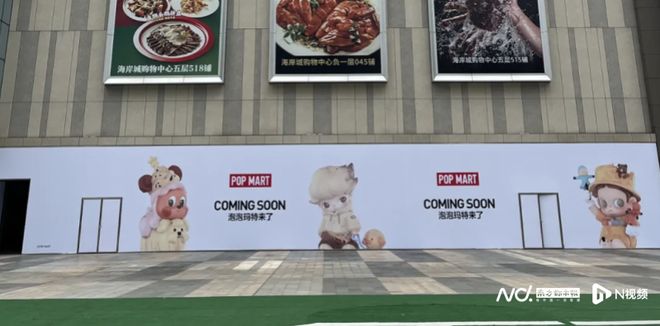
Core Insights - The closure of Naixue's first store in Shenzhen's Nanshan Coastal City marks a significant shift in the new tea beverage industry, highlighting the challenges of innovation and transformation within the sector [2][6] - Naixue's international expansion continues, with its first store in the U.S. opening in Flushing, New York, indicating a new direction for the brand [2][7] Company Overview - Naixue's Life originated from the "Naixue Dream Factory," which opened in 2018 and was a multi-functional space that combined tea, baking, and retail, becoming a popular destination in Shenzhen [3] - In 2022, Naixue upgraded to "Naixue Life," shifting its focus from a product experience store to a brand co-creation platform, featuring 16 brands in a shared space [3] - Despite initial success, the actual effectiveness of shared customer flow among brands did not meet expectations, leading to operational challenges [3] Financial Performance - Naixue has struggled financially since its IPO, with cumulative net losses nearing 1.5 billion yuan over four years, and only achieving slight profitability in 2023 [4] - In the first half of the year, Naixue closed 132 direct-operated stores, leaving a total of 1,638 tea shops, with 1,321 being direct-operated and 317 franchised [4] Industry Context - The closure of Naixue's first store reflects broader adjustments in the new tea beverage industry, where leading brands face pressures from both expansion and profitability [6] - The competitive landscape has intensified, with brands like Naixue and Heytea expanding into high-end shopping centers while mid-tier brands are increasingly diversifying their offerings [6] Strategic Shifts - Naixue has shifted from a fully direct-operated model to a franchise model to reduce costs and improve efficiency, although this has raised concerns about quality control [6] - The company has also made frequent changes to its product strategy, launching health-oriented products to align with consumer trends, but these efforts appear reactive rather than part of a cohesive long-term strategy [6][8] Future Directions - The opening of Naixue's U.S. store has shown promising initial results, with significant customer interest and sales, suggesting potential for growth in international markets [7] - The industry is moving towards a phase of "precision cultivation" rather than mere concept accumulation, emphasizing the need for deeper integration of core products with specific consumer scenarios [8]
奈雪生活全国首店闭店,茶饮巨头转型阵痛
Nan Fang Du Shi Bao· 2025-10-24 09:37
Core Insights - The closure of Naixue Life's first store in Shenzhen's Nanshan Coastal City marks a significant shift in the new tea beverage industry, highlighting the challenges of transformation and innovation within the sector [1][9][11] Company Overview - Naixue Life, originally launched as "Naixue Dream Factory" in 2018, aimed to create a multi-functional space combining tea, baking, and retail, becoming a popular destination in Shenzhen [4][8] - The brand transitioned to Naixue Life in 2022, rebranding itself as a "brand co-creation platform" with a focus on shared operations and cross-brand marketing [4][6] Store Performance - The first store experienced initial success, benefiting from the "first store economy" and a large member base, but ultimately faced challenges in shared traffic and high operational costs [6][8] - Naixue has closed 132 direct-operated stores in the first half of 2023, with a total of 1,638 stores as of June 30, 2025, indicating a trend of store closures becoming a norm for the company [8][10] Industry Context - The closure of Naixue Life's first store reflects broader adjustments in the new tea beverage industry, where leading brands face pressures of scale expansion and single-store profitability [9][11] - The competitive landscape has intensified, with brands like Naixue and Heytea expanding into high-end shopping centers while mid-tier brands are diversifying their offerings [9] Strategic Shifts - Naixue has shifted from a fully direct-operated model to a franchise model to reduce costs and improve efficiency, raising concerns about product quality control [9][10] - The company has also attempted to pivot towards health-oriented products, launching new offerings like "Daily Fruit Bottles" and "Fruit Smoothies," but these efforts appear reactive rather than part of a cohesive long-term strategy [9][11] International Expansion - Naixue's first international store opened in Flushing, New York, in October 2025, generating significant initial sales, indicating a potential new growth avenue for the brand [3][10] Future Outlook - The closure of the Naixue Life store serves as a warning for the industry, suggesting that future innovations should focus on core categories and specific consumer needs rather than broad, unfocused concepts [11]
港股收评:恒指涨0.74%,芯片半导体十分强势,券商股午后拉升明显
Ge Long Hui· 2025-10-24 08:28
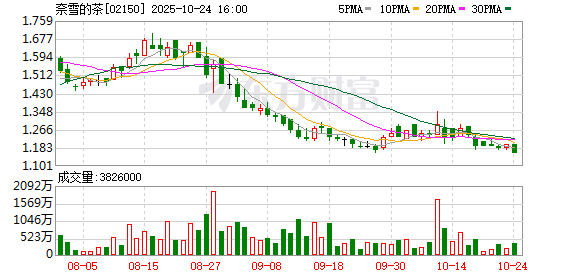
Market Performance - The three major indices of the Hong Kong stock market collectively rose, with the Hang Seng Tech Index leading with a gain of 1.82%, while the Hang Seng Index increased by 0.74%, both recovering the 6000 and 26000 points thresholds respectively [1] - The National Enterprises Index rose by 0.68%, indicating a positive trend across the indices for the week [1] Sector Performance - Large technology stocks generally saw an increase, with Alibaba and Kuaishou rising over 2%, and Baidu and NetEase increasing over 1%, while Xiaomi experienced a decline of nearly 2% [1] - Semiconductor stocks performed notably well, with Huahong Semiconductor surging nearly 14%, and leading company SMIC rising by 8% [1] - The military industry stocks became active following the Fourth Plenary Session's emphasis on modernizing national defense, with notable gains in Chinese brokerage stocks such as CICC rising by 4.4% and CITIC Securities by 3.7% [1] - The non-ferrous metals sector, including gold, copper, and aluminum, also saw collective gains [1] Underperforming Sectors - Water utility stocks, nuclear power stocks, new consumption concept stocks, domestic property stocks, gas stocks, and coal stocks mostly performed poorly, with China Water Affairs Group dropping over 11% and Nayuki Tea falling over 3% [1] - Real estate companies such as Longfor Group and Agile Group both declined by over 2% [1]
36氪首发|「UMe Tea优米茶铺」完成1000万美元A轮融资,华人工程师在北美开奶茶店
3 6 Ke· 2025-10-24 04:41
Core Insights - UMe Tea has successfully completed a $10 million Series A funding round led by Conductive Ventures, with plans to enhance team structure and expand store presence in the Bay Area [1][3] Company Overview - Founded in 2019 in California by Li Jiachun, UMe Tea combines American consumer preferences with the advantages of Chinese tea brands, offering a range of products including milk cap tea, fruit tea, baked goods, and snacks, with approximately 30 SKUs [1][3] - The company has grown its store count from 9 to 27 in two years, with plans to reach 33 stores by the end of 2025, primarily focusing on direct-operated stores [3] Market Position - UMe Tea's customer base is predominantly non-Asian, with about 60% of customers being from diverse backgrounds, including Indian, Vietnamese, and Korean [3] - The company has experienced a 30% increase in same-store sales year-over-year, indicating resilience against competitive pressures [4] Product Strategy - UMe Tea emphasizes localization in its product offerings, catering to American tastes while maintaining a diverse menu that accommodates dietary preferences [5] - Popular items include classic bubble tea and seasonal products, with a significant portion of sales coming from salt and crispy chicken, which accounts for 30% of total sales [5][6] Marketing Approach - The company engages younger consumers through emotional marketing strategies, utilizing social media campaigns and interactive promotions that have significantly boosted store performance [9] Industry Context - The U.S. bubble tea market is fragmented, with no single brand holding more than 5% market share among approximately 6,635 tea shops, projected to grow to around 8,000 by 2025 [11] - UMe Tea aims to solidify its presence in California, particularly in the Bay Area, with plans to open more stores within a 3-mile radius of existing locations [11]

中国奶茶地图:“两广”之外,这个省被严重低估了
3 6 Ke· 2025-10-24 02:30
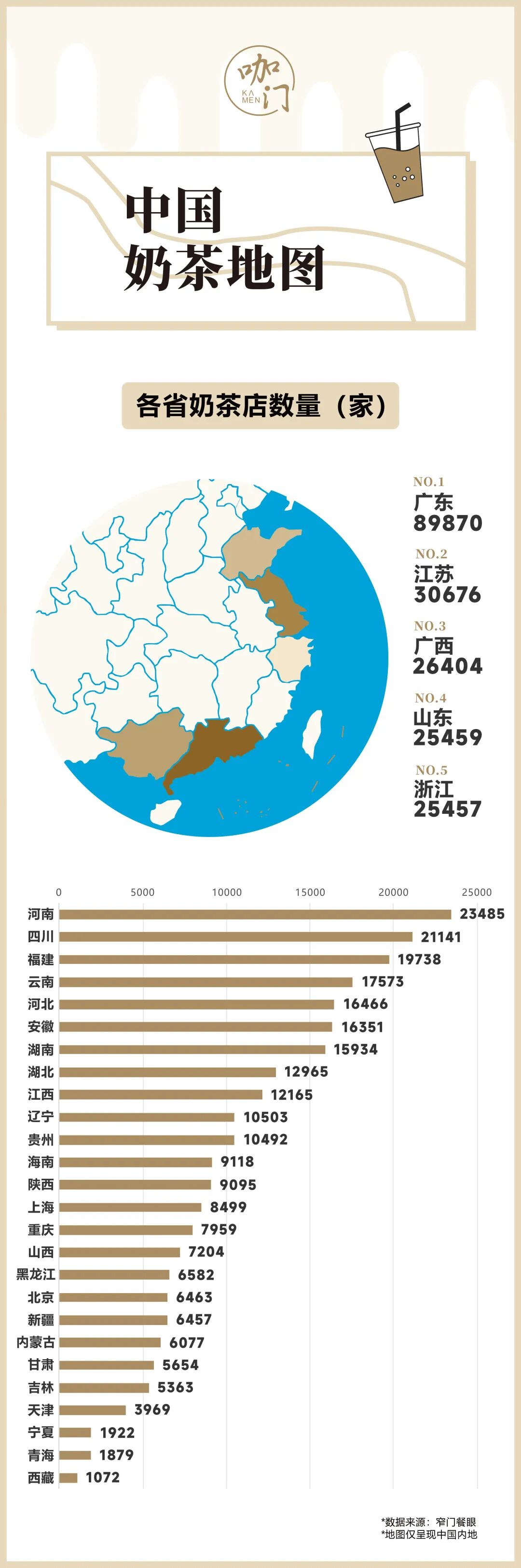
Core Insights - The article discusses the current landscape of the tea beverage industry in China, highlighting the distribution of tea shops across various provinces and identifying key players in the market [1][6][11]. Summary by Sections National Overview - As of October 15, 2025, there are 478,480 tea beverage shops in China, with Guangdong leading at 89,870 stores, accounting for 18.78% of the total [1]. - Other top provinces include Jiangsu with 30,676 stores and Guangxi with 26,404 stores [1]. Regional Highlights - **Guangdong**: Home to major brands like Mixue Ice City, Gu Ming, and Shanghai Auntie, with a significant market share held by local brands [6]. - **Jiangsu**: Features a mature tea market with brands such as Mixue Ice City and CoCo, supported by local brands [6]. - **Guangxi**: Recognized as a tea beverage hub, known for its unique local brands [6]. Emerging Markets - **Hainan**: Surprising leader in tea shop density with 8.7 shops per 10,000 people, driven by high temperatures and a booming tourism industry [6][18]. - **Beijing**: Transitioning from a "tea desert" to a competitive market with new brands entering, such as Blueglass and Lanxiong Fresh Milk [12][16]. - **Yunnan**: Known for its rich tea culture, with 17,573 tea shops and a focus on local flavors, leading to the rise of brands like Kirin Big Mouth Tea [22][24]. Unique Characteristics - **Hainan's Market**: Dominated by external chains like Mixue Ice City, with local brand Old Salt gaining traction through unique offerings [18][20]. - **Yunnan's Strategy**: Local brands leverage regional flavors to create competitive advantages, with a focus on traditional ingredients [22][24]. - **Qinghai**: Despite being a smaller market, it has a notable density of tea shops due to the presence of external chains and local brands like Bao Hulu [26][28]. Consumer Trends - The tea beverage market is evolving with a focus on experiential offerings and premiumization, particularly in urban centers like Beijing [16][18].

2025全球高端食品及优质农产品(深圳)博览会盛大启幕
Zhong Guo Zhi Liang Xin Wen Wang· 2025-10-23 13:40
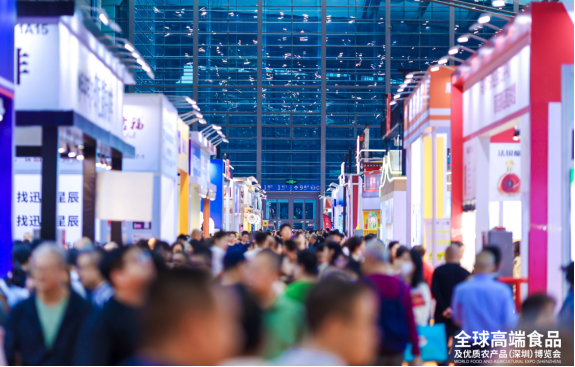
Core Insights - The 2025 Global High-end Food and Quality Agricultural Products Expo (Shenzhen Food Expo) has officially opened in Shenzhen, attracting exhibitors from nearly 30 countries and regions, showcasing over 50,000 products, and aiming to create an international one-stop food industry trade platform [1][3] - A new beef quality grading group standard was released during the opening ceremony, providing a new basis for industry quality norms [1] - The expo emphasizes industry collaborative development and includes multiple strategic cooperation agreements signed during the opening ceremony [3] Group 1: Event Overview - The expo features participation from countries such as Australia, New Zealand, Canada, Uganda, Indonesia, Singapore, and Russia, along with representatives from various Chinese provinces and cities [3] - The event is organized into ten specialized exhibition areas, covering a wide range of food categories from raw materials to consumer products, promoting the integration of primary, secondary, and tertiary industries [5] Group 2: Strategic Collaborations - Partnerships were established between Sichuan Pixian Douban Co., Ltd. and China Agricultural University Shenzhen Research Institute to research salt-reduction technology for traditional foods [3] - A collaboration was signed between China Agricultural University Shenzhen Research Institute and Chongqing Hailin Pig Development Co., Ltd. to promote the "Hailing No. 1" black pig industry chain [3] - The County Economic Cooperation Alliance signed agreements to strengthen regional industrial collaboration [3] Group 3: Industry Forums and Activities - The expo hosted high-level forums, including the 2025 County Economic High-Quality Development Forum, focusing on leveraging the advantages of the Guangdong-Hong Kong-Macao Greater Bay Area [5] - The second day featured the Future Agriculture Food 500 Innovation Forum, discussing topics such as future food systems, technological changes, and investment opportunities in the agricultural sector [6] Group 4: Market Orientation - The expo emphasizes market demand orientation and enhances market-driven exhibition efforts to improve participation effectiveness [8] - Various procurement activities, including one-on-one meetings and specialized procurement sessions, were organized to facilitate supply-demand matching [8] - Major buyers such as Luckin Coffee, Nayuki Tea, Walmart, and others were invited to express procurement needs, promoting business negotiations and transactions [8]

新茶饮如何走出价格战
Jing Ji Ri Bao· 2025-10-22 22:03
Core Insights - The new tea beverage industry in China is experiencing a shift from rapid expansion to a more rational restructuring phase, with a focus on profitability, supply chain efficiency, brand differentiation, and digital operations [2][4][5] Industry Development - As of now, there are over 301,000 new tea beverage-related enterprises in China, with a compound annual growth rate of 31.6% from 2015 to 2020. However, the growth rate has declined since 2021, indicating a period of industry consolidation and increased competition [2] - Major provinces with a high number of new tea beverage companies include Guangdong, Jiangsu, and Zhejiang, reflecting a strategic expansion into lower-tier markets [2] Company Performance - In the first half of this year, major companies like Mixue Group reported revenues of 14.875 billion yuan, a year-on-year increase of 39.3%. Bawang Chaji achieved net income of 3.332 billion yuan, up 10.2%, while Nayuki's Tea reported revenues of 2.178 billion yuan, showing significant improvement in core metrics [3] - Companies are increasingly focusing on health-oriented products, with initiatives like "Caffeine Red and Green Light" labels to help consumers manage caffeine intake [3][4] Market Trends - The industry is witnessing a trend towards health-focused products, with Nayuki's Tea launching initiatives to promote natural nutrition and reduce sugar content [4] - Companies are rejecting price wars and blind expansion, opting instead for differentiated competition strategies that enhance brand loyalty and customer experience [5][6] International Expansion - Bawang Chaji's overseas market transactions reached 235.2 million yuan, a year-on-year increase of 77.4%, with significant growth in the U.S. and Philippines [7][8] - Nayuki's Tea opened its first U.S. store, achieving sales of nearly 87,000 USD in just three days, indicating strong international demand [7] - Companies like Mixue Ice City are building a global supply chain, with plans to invest at least 4 billion yuan in Brazil over the next 3 to 5 years [8]
新茶饮赚疯了,卖茶叶的为啥挣不到钱?
Hu Xiu· 2025-10-22 08:35
Core Insights - The traditional tea industry in China is facing significant challenges, with many businesses experiencing a sharp decline in sales and closures, while new tea beverage brands are thriving and expanding rapidly [1][3][6] Industry Overview - The tea industry in China is vast, with a total production value projected to reach approximately 330 billion yuan by 2025, and the entire industry chain exceeding one trillion yuan [1] - The market is characterized by a large number of small and medium-sized enterprises, with a few leading companies shaping the industry dynamics [2] Market Trends - New tea beverages account for about 10% of tea sales and are seen as a potential savior for the traditional tea industry, driving significant growth and providing a new revenue stream for upstream tea producers [6][7] - The new tea beverage sector has shown impressive performance, with total revenue exceeding 300 billion yuan in the first half of the year, and individual brands like Mixue Ice City achieving over 10 billion yuan in revenue [6][7] Capitalization Challenges - Traditional tea companies, such as Baima Tea, have faced numerous challenges in their attempts to go public, highlighting the difficulties in capitalizing the tea industry [3][4][5] - The lack of successful listings for traditional tea companies on the A-share market reflects a broader trend of capital disinterest in the sector [3][4] Brand and Product Differentiation - The tea industry struggles with brand recognition and standardization, making it difficult for companies to establish strong market positions [9][10][11] - The non-standard nature of tea products complicates consumer decision-making, as quality and value are often subjective [9][10] Consumer Behavior Shifts - The younger generation, particularly Generation Z, is driving changes in tea consumption preferences, favoring convenience and diverse flavors, which has led to the rise of new brands that leverage social media for marketing [21][22] - Online sales channels are flourishing, but they also present challenges, including issues of quality and trust among consumers [22] Future Outlook - The tea industry must find a balance between industrial efficiency and the cultural significance of tea, as it navigates the complexities of modernization and consumer expectations [22]
