
中国稀土

Search documents
高开高走,但后力不足
Ge Long Hui· 2026-01-15 12:23
Market Performance - The three major indices experienced significant gains, with the Shanghai Composite Index rising by 1.2%, the Shenzhen Component Index increasing by 1.98%, and the ChiNext Index up by 2.24% [1] - Over 4,700 stocks in the two markets saw an increase, with a total trading volume of 2.22 trillion yuan [1] Sector Highlights - The AI application sector saw a continuous surge, with Liou Co. achieving six consecutive trading limits in nine days, and over 20 stocks, including Xinhua Net and Sanjiang Shopping, hitting trading limits [3] - The semiconductor sector also performed well, with Yaxiang Integration reaching a trading limit and setting a historical high [3] - The commercial aerospace concept remained active, with Haige Communication achieving three consecutive trading limits and several other stocks, including Sanwei Tiandi and Jiayuan Technology, also hitting trading limits [3] - The Alibaba Cloud concept continued to rise, with Hangang Co. and Data Port both reaching trading limits [3] Sector Declines - The energy metals sector opened lower and fell by 2.69%, with stocks like Obsidian Optical down by 2.51%, followed by Jin Hao Medical and others [3] - Other sectors such as lithium mining, insurance, and robotic actuators also faced declines [3] Industry Insights - According to a report from Zhongyou Securities, major domestic companies like ByteDance are accelerating investments, which is expected to increase the scale of AIDC and computing power procurement [3] - The monthly active user count for Qianwen C-end has surpassed 100 million within two months, showing rapid growth among students and white-collar workers [3]

深海挖矿、全球囤货,日本折腾13年仍逃不出中国稀土手掌心
Sou Hu Cai Jing· 2026-01-15 12:12
Group 1 - The article discusses Japan's long-term efforts to reduce its dependence on Chinese rare earth elements, which have not yielded the desired results, as evidenced by high costs and reliance on Chinese technology [1][10][21] - Rare earth elements, a group of 17 metals, are crucial for modern industries, but their distribution and processing are highly imbalanced globally, with China dominating both resource availability and processing capabilities [3][7][8] - Japan's attempts to establish a self-sufficient rare earth supply chain have included global mining investments, technology recycling, and ambitious deep-sea mining projects, but these efforts have faced significant challenges and limitations [12][14][20] Group 2 - Japan's "rare earth anxiety" stems from a past crisis in 2010 when tensions with China led to a drastic reduction in rare earth exports, highlighting the need for supply chain security [10][21] - Despite investing heavily in alternative sources and technologies, Japan's actual dependence on China for critical heavy rare earths remains above 90% [21][23] - The global landscape shows that attempts to decouple from China in the rare earth sector are fraught with difficulties, as other countries, including the U.S., face similar challenges in establishing competitive processing capabilities [23][25] Group 3 - China's dominance in the rare earth market is attributed to a combination of resource endowment, technological advancement, and established industrial scale, creating high barriers for other countries to replicate [25][27] - The comprehensive industrial ecosystem in China, from mining to processing, allows for cost efficiencies that foreign competitors struggle to match due to regulatory and environmental challenges [27][29] - The environmental costs associated with rare earth processing in China have been internalized, affecting the overall cost structure and competitiveness of the industry [29][31]

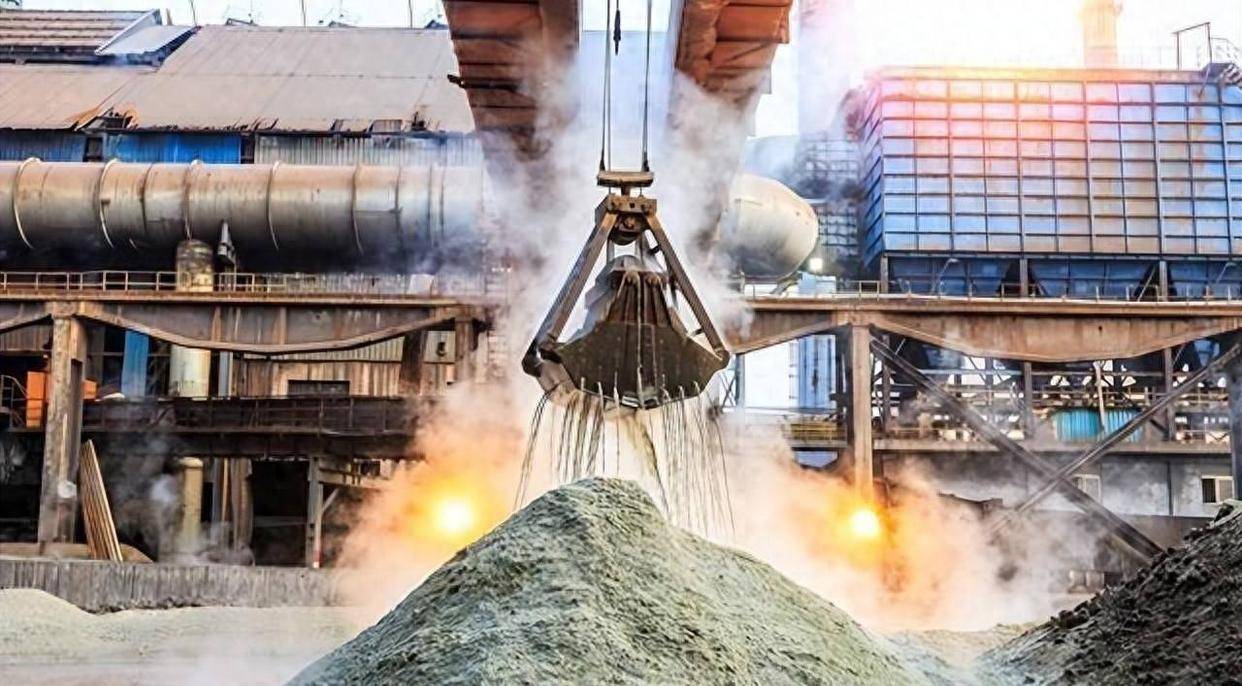
中国稀土地位悬了?撬走中方人才,攻克提炼技术,但西方笑得太早
Sou Hu Cai Jing· 2026-01-15 10:51
Core Viewpoint - The announcement by Lynas Corporation regarding the commercial production of dysprosium in May 2025 is perceived as a significant step towards reducing dependence on Chinese rare earths, but the reality reveals a substantial gap in production scale and cost efficiency compared to China [1][3][5]. Production Capacity Discrepancy - Lynas plans to produce 1,500 tons of dysprosium annually, while China's production consistently ranges from 10,000 to 15,000 tons [5][13]. - The export price of Chinese dysprosium is approximately $4 to $7 per kilogram, whereas Lynas's cost is between $10 to $15 per kilogram, highlighting a significant cost disparity [5][7]. Technological and Operational Challenges - Lynas's production capabilities are still at a laboratory level, leading to higher costs and inefficiencies compared to China's well-established industrial processes [7][9]. - The lack of a complete production chain and low efficiency in Lynas's operations raises doubts about its ability to compete effectively in the market [9][11]. Equipment Export Restrictions - Since 2023, China has ceased exporting critical equipment and technology for rare earth separation and magnet production, creating a significant barrier for Western companies attempting to develop their own capabilities [15][17]. - The "0.1% long-arm jurisdiction" rule implemented by China further restricts Western access to technology, as any product containing even a small percentage of Chinese rare earths is subject to export controls [17][19]. Dependency on Chinese Supply - The U.S. and other Western nations are heavily reliant on Chinese rare earths, with 17 out of 50 critical rare earth elements being highly dependent on Chinese supply [19][21]. - The inability to source essential materials for advanced manufacturing, such as the F-35 fighter jet, underscores the critical nature of this dependency [26][28]. Historical Context and Future Outlook - Historical shifts in rare earth production, such as Japan's transition to China due to high environmental costs, illustrate the challenges Western nations face in attempting to rebuild their own supply chains [31][33]. - Lynas's current production levels are insufficient to meet the demands of global high-end manufacturing, indicating that the Western push for self-sufficiency in rare earths is overly optimistic [13][35]. Conclusion - The perceived breakthroughs by Lynas are more reflective of Western anxieties about dependency on China rather than a genuine shift in the global rare earth landscape, suggesting that the industry will continue to rely on China for the foreseeable future [36][37].

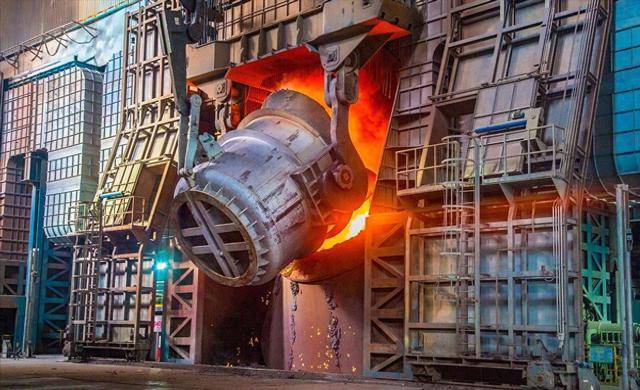
中国稀土地位不保?撬走中方人才,攻克提炼技术,但西方笑得太早
Sou Hu Cai Jing· 2026-01-15 09:31
Core Viewpoint - Lynas Corporation's attempt to shortcut decades of technological accumulation in rare earth extraction by hiring Chinese talent has proven to be a flawed strategy, as the complexities of industrial technology cannot be simplified to mere recruitment [1][3][5]. Group 1: Technological Challenges - The extraction of rare earth elements, particularly dysprosium, is not as straightforward as following a recipe; it requires a comprehensive engineering process that Lynas has not successfully implemented [3][5]. - Historical parallels are drawn to a U.S. company that failed in a similar endeavor due to the inability to solve complex separation challenges, highlighting the risks of underestimating the intricacies involved in rare earth processing [5][9]. - Lynas's low yield rates and the return of contaminated products underscore the challenges of achieving consistent quality in high-performance materials required for electric vehicles [7][9]. Group 2: Supply Chain and Economic Viability - The imbalance in Lynas's production strategy, focusing on heavy rare earths while neglecting the processing of lighter rare earths, has resulted in unsellable byproducts that erode profitability [9][11]. - The lack of a full supply chain capability means that Lynas's operations resemble charity rather than a viable business, as they cannot effectively manage the waste and costs associated with their production processes [11][16]. - The environmental and regulatory challenges faced by Lynas in Malaysia, particularly concerning radioactive waste, complicate their operational landscape and add to the costs [11][14][16]. Group 3: Competitive Landscape - Western countries face a dual challenge of needing clean energy solutions while avoiding the environmental costs associated with rare earth extraction, leading to a hypocritical stance on supply chain management [13][16]. - China's dominance in rare earth technology, evidenced by its vast number of patents, creates significant barriers for Western companies like Lynas attempting to establish independent operations [18][20]. - The collaboration among the U.S., Japan, and Australia in the "critical minerals alliance" is characterized by conflicting interests and lacks the cohesive strategy needed to compete with China's integrated approach to resource management [21][23]. Group 4: Future Outlook - By 2026, the demand for heavy rare earths is expected to grow exponentially, and Lynas's current production levels will be insufficient to meet global needs, reinforcing China's central role in the market [23][25]. - The investment of 600,000 AUD will not lead to independence in the supply chain, indicating that the challenges posed by China's dominance in rare earth development are insurmountable for Lynas [25].
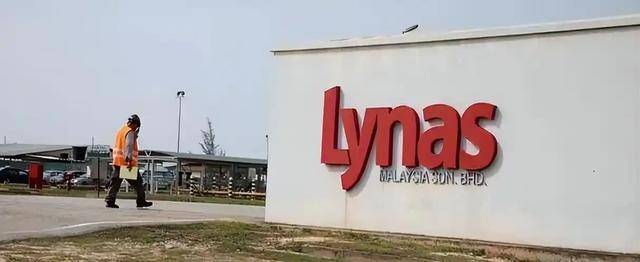
七国集团VS中国稀土,注定难产!
Jin Tou Wang· 2026-01-15 08:41
Core Viewpoint - The G7 aims to reduce dependence on Chinese rare earth imports to strengthen their supply chains, but this move may not significantly impact China's economy while posing substantial risks to the G7's high-tech industries [1][4]. Group 1: G7's Strategy and Challenges - The G7 finance ministers agreed to accelerate the reduction of rare earth imports from China during a meeting in Washington on January 12, 2026 [1]. - The G7's reliance on China is stark, with the EU importing 98% of its critical rare earths and the US 80% [1]. - The G7's strategy includes collaboration with resource-rich countries like Australia and India to rebuild the global rare earth supply chain [4][5]. Group 2: China's Dominance in Rare Earths - China holds 70% of the global rare earth production and 90% of the refining capacity, making it a critical player in the industry [3]. - The cost of rare earth separation and refining in China is significantly lower than in the US and Europe, with costs of $1,350 per ton compared to $4,200 and $4,800 respectively [7]. - China's rare earth industry benefits from a well-integrated supply chain, reducing logistics costs and improving efficiency compared to the fragmented supply chains of the G7 countries [7]. Group 3: Future Outlook for China - China aims to strengthen its position through "industrial chain extension + resource binding," focusing on high-end applications in new energy vehicles and electronics [9]. - The country has signed 15 agreements with resource countries to secure rare earth supplies for the next 20 years, enhancing its strategic control [9]. - China's transition from a raw material supplier to a core player in high-end rare earth applications reflects its growing influence and profitability in the global market [9].
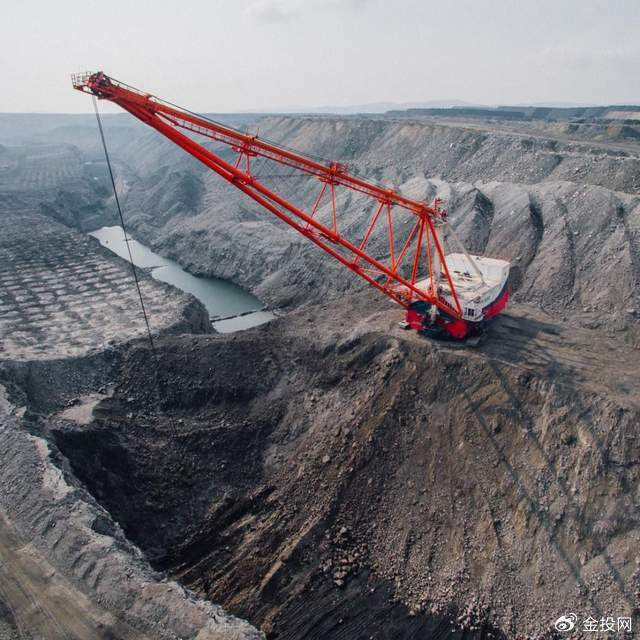
特朗普给盟友下令:180天打破中国稀土垄断,不然加税
Guan Cha Zhe Wang· 2026-01-15 07:51
Core Viewpoint - The U.S. aims to reduce its dependence on Chinese rare earths by leveraging alliances, but employs unilateral tactics such as tariffs and deadlines to pressure global suppliers [1][3]. Group 1: U.S. Policy and Strategy - President Trump signed a presidential proclamation on January 14, emphasizing the need for negotiations with global suppliers to secure key mineral agreements, threatening new trade barriers if agreements are not reached [1][3]. - The proclamation highlights that the U.S. relies entirely on imports for 12 key minerals and has over 50% net import dependence for an additional 29 minerals, posing a national security risk [3][4]. - The U.S. Department of Commerce concluded that this reliance makes critical sectors vulnerable to supply disruptions and price volatility, necessitating a secure supply chain for key minerals [3][4]. Group 2: International Collaboration and Supply Chain Diversification - The announcement did not specify demands from allies but emphasized the need for supply chain diversification away from potentially coercive sources, encouraging investment in non-Chinese facilities [4][8]. - The U.S. is increasing collaboration with allies such as Australia, Malaysia, Indonesia, and Vietnam to establish alternative supply chains, with a focus on local production and supplier diversification [8][9]. - The G7 and EU are reportedly considering setting a price floor for rare earths and imposing tariffs on certain Chinese exports, which may pressure countries like the EU and India [9][10]. Group 3: Market Dynamics and Future Outlook - The U.S. aims to create a resilient supply chain for critical minerals through negotiations, with a 180-day deadline for binding agreements, after which remedial measures may be implemented [3][6]. - Experts suggest that establishing a stable supply chain independent of China could take at least a decade, indicating a long-term challenge for the U.S. [8][9].
嘴真硬!明明是中国稀土出口管制,G7硬是统一口径:我们不想买了
Sou Hu Cai Jing· 2026-01-15 05:11
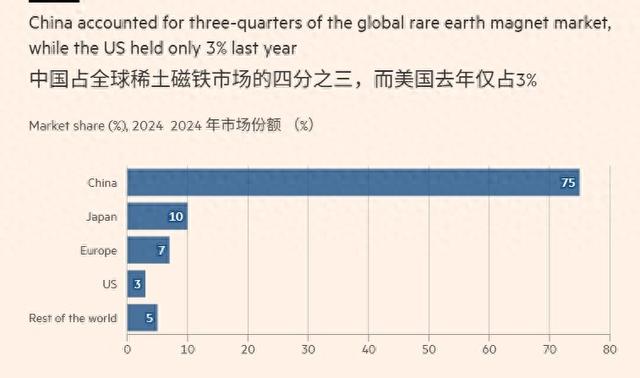
Core Viewpoint - The G7's decision to reduce reliance on Chinese rare earth imports is a strategic move that reflects both economic and political motivations, coinciding with China's tightening of export controls on rare earths [3][4][14]. Group 1: G7's Strategy and Political Implications - The G7's announcement to decrease dependence on Chinese rare earths is not a spontaneous decision but part of a long-term strategic plan [3]. - The timing of this decision aligns with China's increased control over rare earth exports, indicating a response to perceived threats to their own industries [3][4]. - The G7 aims to project a united front against China's dominance in the global supply chain, although their statements lack concrete implementation details [4][10]. Group 2: China's Dominance in Rare Earths - China holds approximately 36% of global rare earth reserves but dominates production, contributing over 80% of the world's annual output of around 210,000 tons [6][9]. - The country possesses advanced processing and purification technologies, achieving purity levels above 99.99%, which other nations struggle to replicate [7][10]. - China's complete industrial chain from mining to processing gives it significant control over supply and pricing in the global market [9][10]. Group 3: Challenges for G7 in Reducing Dependence - The G7 faces three main challenges in reducing reliance on Chinese rare earths: finding alternative sources, achieving technological breakthroughs, and controlling costs [10][12]. - Alternative sources for rare earths are limited, with countries like Australia facing high extraction costs and environmental regulations, while the U.S. has struggled with production limitations [10][12]. - Even if alternative production capabilities are developed, they would require substantial investment and time, estimated at 5 to 10 years, to become competitive with China's established supply chain [10][12]. Group 4: Growing Global Demand for Rare Earths - Global demand for rare earths is expected to grow at over 10% annually, driven by industries such as electric vehicles, wind power, and semiconductors, complicating the G7's goal of reducing imports from China while meeting domestic needs [12][14].
资金5天狂揽22亿!工业有色ETF(560860)规模飙至近130亿,“纯粹工业金属”稀缺工具引关注
Sou Hu Cai Jing· 2026-01-15 04:21
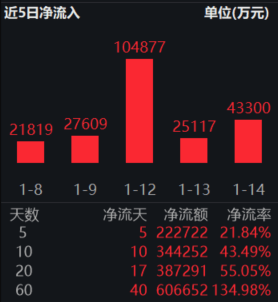
Group 1 - The Industrial Nonferrous ETF (560860) has seen a price increase of 0.94%, reaching 1.831 yuan, with a turnover rate of 1.15% [1] - The top ten weighted stocks in the ETF include Northern Rare Earth (up 1.83%), Luoyang Molybdenum (up 1.59%), and Huayou Cobalt (up 7.33%), among others [1] - The fund has attracted significant capital inflow, with a net inflow of 430 million yuan on January 13 and a total of 2.227 billion yuan over the past five trading days, exceeding 3.4 billion yuan in the last ten days [1] Group 2 - The fund's scale has rapidly increased, surpassing 10 billion yuan on January 6 and approaching 13 billion yuan by January 14 [3] - The Industrial Nonferrous ETF closely tracks the CSI Industrial Nonferrous Metals Theme Index, which includes 30 leading stocks in the industrial nonferrous metal sector, with copper (34.4%), aluminum (21.8%), and rare earths (13.6%) being the top three metals [5] - The top ten constituent stocks account for 56.18% of the index, indicating a concentrated weight in leading companies within the industrial metal sectors [9] Group 3 - The Industrial Nonferrous ETF (560860) is the only ETF product tracking the CSI Industrial Nonferrous Metals Theme Index, providing investors with an efficient one-stop solution for exposure in this sector [7] - Investors can also access the fund through connection classes (A class: 018489; C class: 018490) to capitalize on cyclical and policy-driven opportunities [7]
锂钴镍资源供需反转,稀有金属ETF(562800)聚焦稀有金属板块投资机遇
Xin Lang Cai Jing· 2026-01-15 02:47
Group 1 - The small metal sector experienced a significant rise, with the China Rare Metals Theme Index increasing by 3.30% as of January 15, 2026, driven by stocks such as Jinchuan Group up by 7.50% and Huayou Cobalt up by 6.76% [1] - The demand for energy storage is rapidly growing due to policy and market drivers, potentially becoming the second growth engine for the lithium battery industry after electric vehicles. Global lithium demand is expected to outpace supply growth from 2026 to 2028, with a supply-demand reversal anticipated in 2027 [1] - The Democratic Republic of Congo's implementation of cobalt export quotas is leading to raw material shortages, while Indonesia plans to tighten nickel ore quotas to support prices, indicating a strengthening of resource constraints that may elevate cobalt and nickel price levels [1] Group 2 - Data from Zhongyuan Securities indicates that prices for lithium hydroxide and lithium carbonate increased by 30.87% and 28.33% respectively by December 2025, reflecting strong market conditions in the new energy materials industry chain [1] - The top ten weighted stocks in the China Rare Metals Theme Index as of December 31, 2025, include Luoyang Molybdenum, Northern Rare Earth, and Huayou Cobalt, collectively accounting for 59.54% of the index [2] - The Rare Metals ETF (562800) tracks the China Rare Metals Theme Index, providing a convenient tool for investing in the rare metals sector [3]
稀有金属ETF基金(561800)早盘拉升涨近3%,成分股华友钴业、赣锋锂业涨幅居前
Xin Lang Cai Jing· 2026-01-15 02:37
Group 1 - The core viewpoint of the news highlights the strong performance of rare metal ETFs and the significant price increases of lithium products, indicating a recovery in the upstream resource sector of the new energy industry [1][2] Group 2 - As of January 15, 2026, the CSI Rare Metals Theme Index (930632) rose by 3.52%, with key stocks such as Huayou Cobalt rising by 6.79% and Ganfeng Lithium by 6.28% [1] - The top ten weighted stocks in the CSI Rare Metals Theme Index accounted for 59.54% of the index, with companies like Luoyang Molybdenum and Northern Rare Earth among the leaders [1] - The rare metal ETF fund (561800) reached a new high of 204 million yuan as of January 14, 2026, with a net inflow of 7.2511 million yuan [1] Group 3 - Lithium carbonate and lithium hydroxide prices saw significant increases of 28.33% and 30.87% respectively in December 2025, reflecting a recovery in the upstream resource sector [2] - Global lithium supply growth is expected to slow down, with 2026 projected as a turning point for supply increments, while energy storage demand is anticipated to grow significantly [2] - The rare metal ETF fund (561800) tracks the CS Rare Metals Index, which has a high content of energy metals like lithium and cobalt, positioning it to benefit from ongoing market trends [2]
