华为技术有限公司

Search documents
算力之光点亮千行百业!看华为如何用"数字底座"撬动湖南智变
Chang Sha Wan Bao· 2025-11-22 05:54
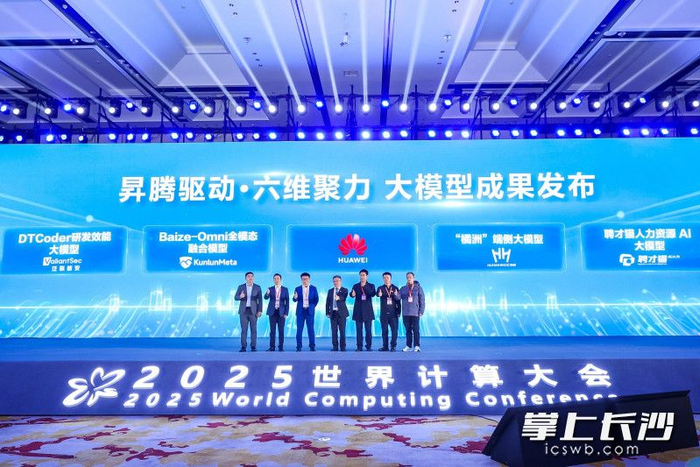
Core Insights - Huawei focuses on innovative breakthroughs in computing infrastructure during the 2025 World Computing Conference, emphasizing the importance of AI computing power for various industries' intelligent upgrades [1][2] - The collaboration between Huawei and Hunan aims to enhance computing infrastructure innovation, leveraging Hunan's strengths in advanced computing and AI [2][7] Group 1: Event Highlights - Two thematic activities were held during the conference, focusing on cutting-edge computing technologies and ecosystem building [1] - Various reports and cooperation agreements were released, including a strategic white paper on AI by Aier Eye Hospital and Huawei [4] Group 2: Technological Innovations - The conference showcased the latest achievements in computing, including advancements in Ascend and Kunpeng technologies, as well as Huawei Cloud [5] - Huawei's approach integrates core technologies with computing power and industry scenarios, promoting high-end, intelligent, and green development [7] Group 3: Talent Development - The Digital Skills Talent Public Training Base in Changsha has trained over 20,000 digital talents, with a 76% employment rate, supporting the digital economy in Changsha [8][10] - The training base focuses on practical skills in AI, 5G communication, and HarmonyOS, addressing the employment challenges faced by graduates [10]

趋势研判!2025年中国AI智算行业产业链全景、发展现状、企业布局及未来发展趋势分析:智算驱动增长,千亿市场加速成型[图]
Chan Ye Xin Xi Wang· 2025-11-22 02:45
Core Insights - The AI computing industry is transitioning into an "application dividend period," driven by the integration of artificial intelligence and high-performance computing, with a projected global market size of $234 billion in 2024 and expected to exceed $2.75 trillion by 2032, reflecting a compound annual growth rate of 36.8% [5][6][10] AI Computing Industry Overview - AI computing (Intelligent Computing) combines AI with high-performance computing, utilizing dedicated hardware and distributed architecture to provide efficient and scalable computing power for AI tasks [2][3] - The industry is characterized by a three-pronged model of "computing power + algorithms + data," which supports complex AI model training and inference, making it a critical infrastructure for the digital economy [2][3] Global and Chinese AI Computing Development - The global AI market is evolving from a "model dividend period" to an "application dividend period," becoming a core engine for the digital economy, with significant advancements in computing power architecture [5][6] - In 2024, the total global computing power is expected to reach 2207 EFLOPS, with intelligent computing power contributing 1610 EFLOPS, marking a year-on-year growth of 63.8% [5][6] - China's total computing power is projected to reach 280 EFLOPS in 2024, with intelligent computing power at 90 EFLOPS, indicating a significant gap between supply and future demand [6][10] AI Computing Industry Chain in China - The AI computing industry chain in China consists of upstream hardware (GPUs, NPUs), midstream service providers (telecom operators, cloud service providers), and downstream application sectors (internet, finance, manufacturing) [8][10] - The market for AI acceleration chips is expected to grow from 17.56 billion yuan in 2020 to 142.54 billion yuan in 2024, with a compound annual growth rate of 68.8% [9][10] Competitive Landscape - Major players in the infrastructure layer include Huawei, which leads in domestic chip production, and Inspur, which dominates the AI server market [10] - Telecom operators and cloud service providers, such as China Telecom, Alibaba Cloud, and Tencent Cloud, are key players in the computing service layer [10] Future Trends in AI Computing Industry - The industry is expected to evolve towards collaborative evolution, with a focus on efficient resource utilization and deep integration with the real economy [11][12] - The emphasis will shift from model performance to creating measurable business value through large-scale applications in key sectors such as manufacturing, finance, and healthcare [13]






美股三大指数上涨 甲骨文跌超5%;日本遭遇股债汇“三杀”|南财早新闻
2 1 Shi Ji Jing Ji Bao Dao· 2025-11-21 23:30
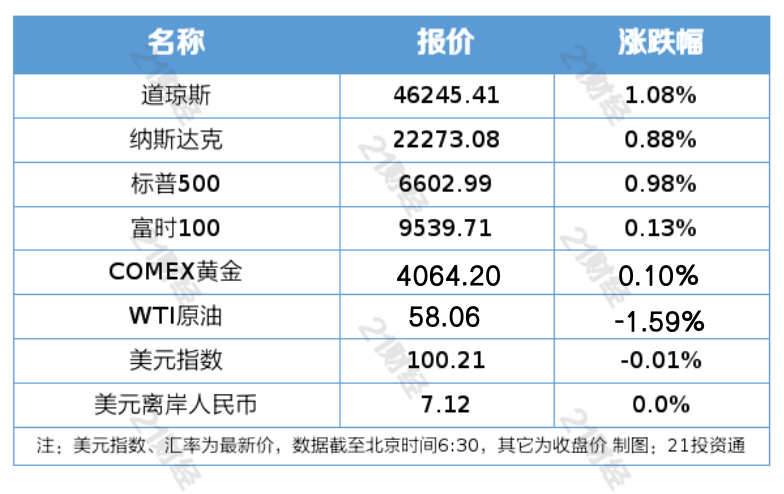
Company Developments - Huawei launched Flex:ai AI container software, utilizing computing power segmentation technology to divide a single GPU/NPU card into multiple virtual computing units, achieving precise segmentation down to 10% [7] - Huaxia Happiness's debt committee initiated a proposal for a special financial due diligence on Huaxia Happiness, focusing on issues related to debt resolution transparency and fund allocation [7] - GAC Toyota plans to exceed an annual production and sales of 800,000 units by 2026, aiming for over 10% sales growth by 2027 and a target of one million units by 2028 [7] - Foxconn's parent company, Hon Hai Group, announced a collaboration with OpenAI to focus on the design and manufacturing of next-generation AI infrastructure hardware, with an annual investment of $2 to $3 billion in the AI sector [7] - Ruifeng New Materials plans to jointly increase capital by 200 million yuan in Tai Rui Lian Teng to advance the construction of a 15,000-ton lithium hexafluorophosphate project [8] - Kaizhong Co. is planning to acquire control of Anhui Tuosheng Automotive Parts Co., with stock suspension starting from November 24 [8] - Daikin Heavy Industries' wholly-owned subsidiary signed a contract worth 1.339 billion yuan for a European offshore wind farm project, accounting for 35.41% of the company's audited revenue for 2024 [8] Industry Insights - The A-share market experienced a significant adjustment on November 21, with the Shanghai Composite Index dropping over 2% and the ChiNext Index falling over 4%, while the total trading volume reached 1.97 trillion yuan, an increase of 257.5 billion yuan from the previous trading day [4] - The Hong Kong stock market also saw a substantial decline, with the Hang Seng Index falling 2.38% and the Hang Seng Tech Index dropping 3.21%, marking a cumulative weekly decline of 5.09% and 7.18% respectively [4] - The China Securities Regulatory Commission reported that from November 17 to November 21, it took self-regulatory measures against 224 instances of abnormal trading behavior, including market manipulation and false declarations [4] - The Ministry of Finance and the China Securities Regulatory Commission announced a joint notice to expand the list of qualified accounting firms for auditing H-share companies, which is expected to enhance cooperation between the accounting sectors of mainland China and Hong Kong [4] - As of November 14, the stock private equity position index reached 81.13%, up 0.97 percentage points from the end of October, with significant increases noted among large-scale private equity funds [5] - On November 21, 16 hard technology products were rapidly approved, including the first batch of seven AI ETFs and three chip ETFs, aimed at guiding investments into high-quality listed companies in the hard technology sector [6]
全面推进联合共创 阿维塔与华为战略合作进入新阶段
Zheng Quan Ri Bao Wang· 2025-11-21 13:46
Core Insights - The strategic partnership between Avita Technology and Huawei has entered a new phase, with a focus on deepening collaboration across various fields, including user insights, product definition, and integrated marketing [1] - Avita is the only brand within Huawei's QianKun system that has mass-produced vehicles, and both companies plan to launch 17 new products by 2030, covering sedans, SUVs, and MPVs [2] - Avita has established a strong capital bond with Huawei, having invested 11.5 billion yuan in October, acquiring a 10% stake in Huawei's Shenzhen Yingwang Intelligent Technology Co., further solidifying their partnership [3] Partnership Development - Avita and Huawei have upgraded their collaboration model from HI to HIPLUS, expanding their cooperation scope significantly [1] - The launch of the Avita models on Huawei's QianKun APP allows users to view and order vehicles directly, enhancing customer engagement [2] - The companies are working together on the "Smart Beauty Seven-Star" service plan to improve customer service standards and user experience [2] User Engagement and Recognition - The joint "Avita × Huawei QianKun Intelligent Driving City Open Competition" attracted participation from 24,000 users across 299 cities, showcasing the capabilities of QianKun Intelligent Driving [3] - Avita has delivered over 4,000 vehicles to Huawei employees, reflecting strong internal recognition of Avita's product quality and the deepening strategic trust between the two companies [3] - The collaboration has created a strong emotional connection between the brand and users, with both companies emphasizing a unified approach to achieving success in the smart automotive sector [3]
华为与车企合作造车新故事:“两境”在磨合中前进
第一财经· 2025-11-21 10:21
Core Viewpoint - Huawei's automotive business unit (BU) is gaining attention at the 2025 Guangzhou Auto Show, particularly through its collaboration with Dongfeng Motor Group and GAC Group to create the "Two Realms" - Yijing and Qijing, which signifies a new cooperative model in the automotive industry [3][4]. Group 1: Collaboration Dynamics - The collaboration between Huawei and traditional automakers is characterized by intense discussions and disagreements, which are seen as a natural part of the process aimed at improving product quality [4][5]. - Both teams involved in the "Two Realms" project often engage in heated debates over product details, but these conflicts ultimately strengthen their partnership [4][6]. Group 2: Strategic Importance - The partnership with Huawei is crucial for traditional automakers as it represents a significant step towards their transformation into electric, intelligent, and high-end vehicles [4][5]. - Executives from both Dongfeng and GAC have prioritized the Qijing project, indicating its critical importance to their strategic goals [4][6]. Group 3: Collaboration Model - The collaboration encompasses the entire product lifecycle, from initial project discussions to marketing and ecosystem services, promoting a new integration of smart technology and brand synergy [5][6]. - Huawei is integrating its processes and methodologies, such as IPD and IPMS, into the automakers' existing frameworks to foster deep collaboration [5][6]. - Project teams from Huawei are embedded within the automakers, facilitating real-time adjustments to product planning and development [5][6]. Group 4: Market Strategy - Both Yijing and Qijing will establish independent sales channels, diverging from traditional automotive sales methods, with Qijing already initiating a nationwide dealer recruitment process [6][7]. - The first models from Yijing are set to debut at the 2026 Beijing Auto Show, while Qijing plans to launch two models next year, both equipped with Huawei's L3 autonomous driving system [7][8]. Group 5: Competitive Landscape - The automotive market is becoming increasingly competitive, and both Yijing and Qijing must differentiate themselves to avoid homogenization [7][8]. - There is ongoing speculation about the similarities and differences between Huawei's "Two Realms" and its "Five Realms" strategy, indicating a competitive yet collaborative environment within Huawei's automotive initiatives [7][8].


华为与车企合作造车新故事:“两境”在磨合中前进
Di Yi Cai Jing Zi Xun· 2025-11-21 09:36
Core Viewpoint - Huawei's automotive business unit (BU) has become a focal point at the 2025 Guangzhou Auto Show, particularly with its collaboration with Dongfeng Motor Group and GAC Group to create the "Two Realms" - Yijing and Qijing [1] Group 1: Collaboration Dynamics - The collaboration between Huawei and traditional automakers is marked by intense discussions and disagreements, which are seen as a natural part of the integration process [1][2] - Both teams often engage in heated debates over product details, but these disputes are aimed at enhancing product quality [1] - Huawei's CEO of Intelligent Automotive Solutions emphasized the importance of collaboration by suggesting that teams should take breaks to regroup and identify each other's strengths [1] Group 2: Strategic Importance - The partnership is crucial for traditional automakers as it represents a significant step towards electrification, intelligence, and premium transformation [1] - GAC Group's chairman highlighted the strategic importance of the Qijing project, stating it will be prioritized with concentrated resources for long-term development [1] Group 3: Collaboration Model - The collaboration model includes four key aspects: 1. Comprehensive cooperation throughout the product lifecycle, from initial project stages to marketing and ecosystem services [2] 2. Integration of Huawei's processes and methodologies with those of the automakers for deep collaboration [2] 3. Joint project teams with Huawei personnel embedded within the automakers to facilitate real-time adjustments [2] 4. Establishment of independent sales channels for both Yijing and Qijing, diverging from traditional and Huawei's existing channels [3] Group 4: Market Positioning and Product Plans - Yijing aims to create a diverse product matrix targeting various market segments, with its first model set to debut at the 2026 Beijing Auto Show [4] - Qijing plans to launch two models next year, both equipped with Huawei's L3 autonomous driving system, with the first model expected to be delivered by June [4] - The competition in the automotive market is intensifying, and both brands must differentiate themselves to avoid homogenization [4] Group 5: Competitive Landscape - There is ongoing market speculation regarding the similarities and differences between Huawei's "Two Realms" and "Five Realms" models, indicating a competitive dynamic within Huawei's automotive strategy [4]
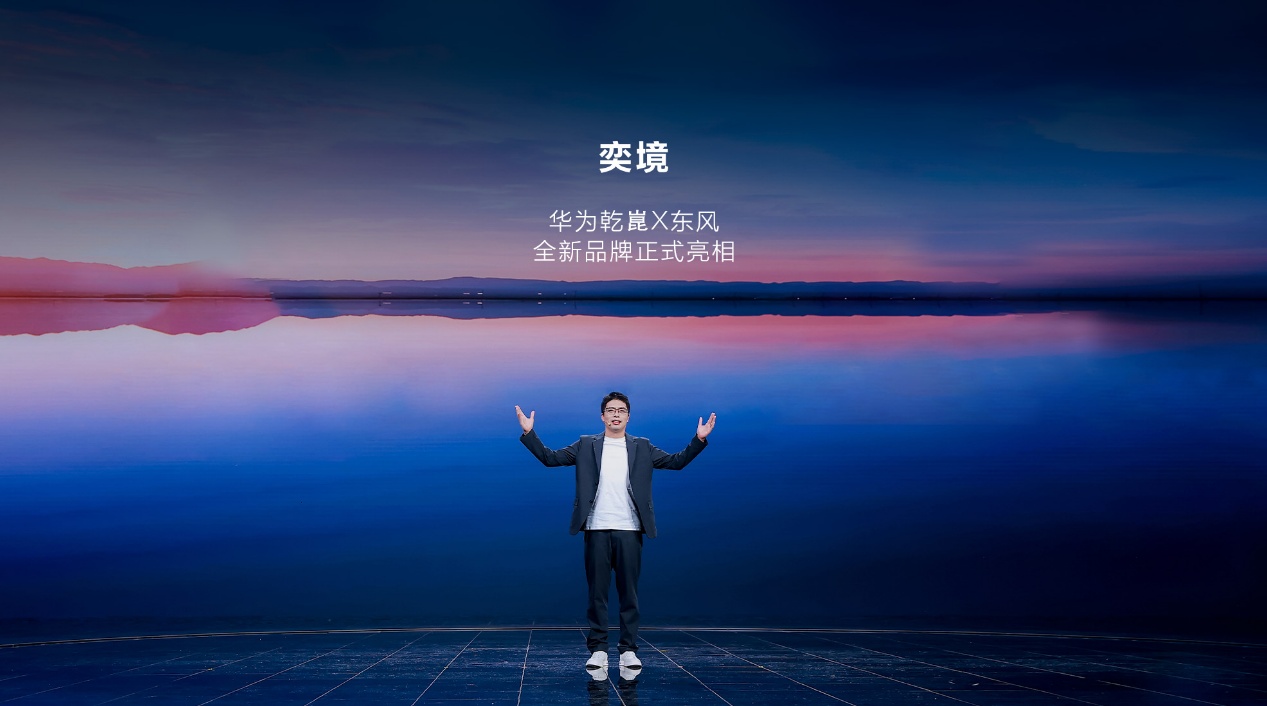
东风汽车与华为乾崑联合打造 新品牌“奕境”正式发布
Zheng Quan Shi Bao Wang· 2025-11-21 03:38
Core Viewpoint - The launch of the new electric vehicle brand "Yijing" by Dongfeng Motor and Huawei marks a significant collaboration in the automotive industry, aiming to redefine high-quality family vehicles through a unique partnership model [1][3]. Group 1: Brand and Investment - "Yijing" is the first automotive brand developed through deep collaboration between a state-owned enterprise and Huawei, representing a strategic investment of 10 billion yuan over three years [1][3]. - The mission of "Yijing" is to create the best vehicles for family users, leveraging the combined strengths of Dongfeng and Huawei [3]. Group 2: Collaborative Framework - The partnership involves comprehensive collaboration across the entire product lifecycle, including product definition, design, research and development, supply chain, and manufacturing [3]. - Huawei will provide its latest technologies, including the Kunlun intelligent driving system and Harmony cockpit, as well as a full-stack intelligent solution to enhance "Yijing's" competitive edge [3]. Group 3: Historical Context and Future Plans - Dongfeng and Huawei have a long-standing partnership dating back to 2010, with significant achievements in smart connected electric vehicle technology since their first strategic agreement in 2018 [4]. - The first model under the "Yijing" brand is expected to debut at the Beijing Auto Show in April 2026, with plans to release at least one new model annually thereafter [4].

从“信息天路”到“草原算力谷” 新型数字基建“铺就”内蒙古产业发展路
Zheng Quan Ri Bao· 2025-11-20 16:10
Core Insights - Inner Mongolia is transforming its digital infrastructure to enhance connectivity and support high-quality industrial development, creating a "broadband frontier" that integrates advanced technology into the daily lives of local herders and industries [1][2][6]. Group 1: Digital Infrastructure Development - The "broadband frontier" initiative has significantly improved communication in remote areas, with 168 herder families now enjoying broadband access speeds of 1000 Mbps, thanks to the deployment of 900MHz low-frequency base stations [2]. - The introduction of smart board technology has led to the intelligent upgrade of base stations, with over 3,500 5G-A base stations now operational in Hohhot, ensuring continuous coverage in urban and key areas [2]. Group 2: Environmental Protection and Monitoring - In the Daxing'anling region, 290 dedicated base stations have been established to enhance network coverage, enabling advanced monitoring technologies like drones and ecological sensing devices to protect forest areas [3]. - The integration of these technologies has improved fire detection capabilities, allowing for precise identification of potential fire hazards [3]. Group 3: Industrial Upgrades through Digital Technology - The mining sector is experiencing a transformation with the implementation of 5G-A networks, allowing for the operation of 100 autonomous mining trucks, significantly enhancing operational efficiency and safety [5]. - In the coking industry, the deployment of high-performance 5G private networks has led to a 10% increase in production efficiency and a 30% reduction in on-site personnel [6]. Group 4: Data Centers and Computing Power - Inner Mongolia is emerging as a "computing power hub," with modern data centers capable of providing 370,000 PFlops of computing power, supporting digital demands from eastern regions [7]. - The launch of the world's first Huawei Ascend 910C air-cooled super node cluster marks a significant milestone in domestic technology, converting local resources into powerful computing capabilities for AI and other high-intensity tasks [7]. Group 5: Connectivity and Data Transmission - The establishment of a computing power intelligent network and ultra-low latency connections aims to create a national integrated computing network, facilitating rapid data transmission across regions [8]. - The opening of the first 400G quantum-secure dedicated line in the region enhances cross-regional data transfer security, contributing to the overall digital infrastructure [8]. Group 6: National Digital Infrastructure Strategy - The developments in Inner Mongolia reflect a broader national strategy to digitize traditional infrastructure and enhance competitiveness in various industries, paving the way for future growth [9].
当毕业生不再加入仪器公司:清华大学精密仪器系就业光荣榜流出
仪器信息网· 2025-11-20 09:09
特别提示 微信机制调整,点击顶部"仪器信息网" → 右上方"…" → 设为 ★ 星标,否则很可能无法看到我们的推送。 日前,小编在某社交平台看到一位网友曝出清华大学精密仪器系研究生就业光荣榜。 其中绝大多数毕业生流向了政府、高校、科研院所和国有企业,只有少数学生去到了民营企业,而这些民营企业又以华 为、腾讯、京东这类大厂为主,真正做科学仪器的又是凤毛麟角。 当仪器专业的"高材生"都不再从事仪器行业,国产仪器怎么腾飞? 面对这个光荣榜,网友众说纷纭: 网友A陷入反思: 进研究所:求稳,失望!不进研究所进大厂:全是为了钱!出国:人才外流!反思! 网友B在为清北鸣不平 :那么多科研所博后的,骂人家精致主义,那么多大厂的,骂人家求稳耻辱,清华好难,这大 概就是他们不愿意读清华的原因吧,怕被骂。 网友C说 :能看出来就业环境真的很差。 可是小编认为,不是就业环境差,我们有很多优秀的科学仪器公司,只是大家开出来的 薪水不如大厂 、 稳 定 性不如 高校科研 、 上升的空间又比不了政府事业单位 。就业最终还是为了生活,谁不想要更好的生活呢? 最后,小编对这个光荣榜进行了整理(姓名和导师已隐去)。 | 学 | 就业去向单位 ...



大湾区数据应用创新大赛颁奖 近400支团队参赛
Zhong Guo Xin Wen Wang· 2025-11-20 07:28
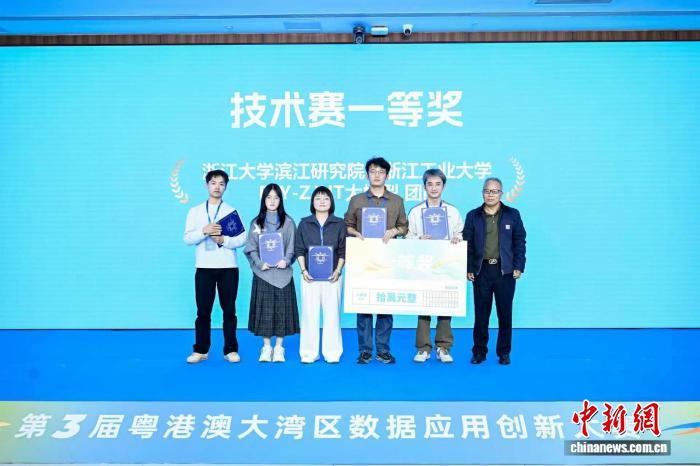
Group 1 - The third Guangdong-Hong Kong-Macao Greater Bay Area Data Application Innovation Competition awarded nearly 400 teams, with over 1,500 participants, highlighting the event's success in attracting global research institutions and innovation teams [1][3] - The competition featured a "problem-solving" model, where industry challenges were addressed by participants, resulting in 21 teams advancing to the final evaluation in the technical category and 180 teams in the creative category [1][3] - Notable winners included teams from Zhejiang University, Shenzhen Skyworth Technology Co., and China Southern Airlines, with projects spanning aerospace, communication technology, smart healthcare, and digital media [3] Group 2 - The event introduced special awards such as "Most Creative Award," "Most Hardcore Award," and "Best Team Award," showcasing the diversity of innovative solutions presented [3] - A white paper titled "Cross-Border Data Flow Compliance and Technical Application (2025)" was released, providing insights into the evolution of global data cross-border regulations and offering policy recommendations for a secure data ecosystem [5] - Keynote speeches emphasized the need for enterprises to shift data management from serving humans to empowering AI, with a focus on building semantic models to enhance data utility and reduce data silos [7]