智元机器人

Search documents
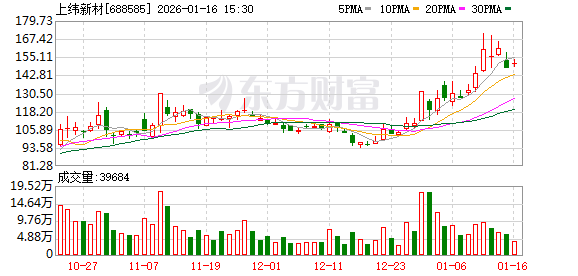
每经热评 | 上纬新材造人形机器人 先高调宣传再信披“交底”不可取
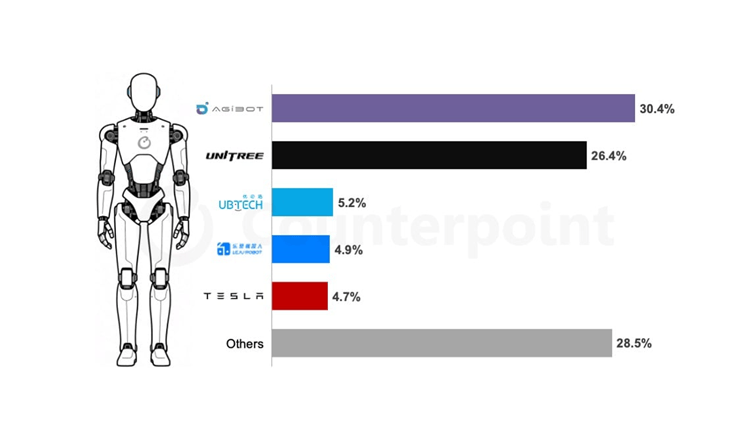
Mei Ri Jing Ji Xin Wen· 2026-01-18 11:37
Core Viewpoint - The response from the company to the inquiries from the Shanghai Securities Regulatory Bureau and the Shanghai Stock Exchange highlights the complexity of its embodied intelligence business and raises questions about its strategic direction and independence. Group 1: Business Complexity - The company's announcements regarding its embodied intelligence business show a contrast between cautious official statements and high-profile external promotions, indicating a lack of a comprehensive strategic framework [2] - The company has been actively promoting its humanoid robot concepts while officially stating that these products are still in the prototype stage and that the business direction is in the early research and team-building phase [2] Group 2: Independence and Related Business - There is a contradiction regarding the company's independence, as it has engaged in related transactions with its subsidiary, Zhiyuan Robotics, including a significant transaction worth 26 million yuan for software code that is essential for the embodied intelligence field [3] - The company claims that its consumer-grade robots are distinct from Zhiyuan's commercial-grade robots, yet there is potential overlap in their applications, particularly in family settings [4] Group 3: Control and Business Direction - The company has committed to maintaining its existing business focus and not making significant changes to its main operations in the near term, despite the high-level involvement of its management in the embodied intelligence sector [5] - The current board members have backgrounds in communications, automation, and computing, which may not align with the company's traditional materials business, raising questions about its future direction [5]


谷歌DeepMind CEO:中国的AI模型仅落后美国几个月;苹果将采用谷歌Gemini大模型作为底层支撑丨Going Global
创业邦· 2026-01-18 10:23
Core Insights - The article highlights significant developments in the global expansion of companies, particularly in the e-commerce and technology sectors, showcasing various strategic initiatives and partnerships aimed at enhancing market presence and operational efficiency [2][3]. Group 1: E-commerce Developments - TikTok Shop launched the "Mei Tong Mo" cross-border plan, allowing direct shipping from U.S. warehouses to consumers in Mexico, set to officially launch in April 2024 [4][5]. - Temu has introduced a local seller program in the UAE, enhancing delivery efficiency and product variety, with coverage extending to over 30 countries [7][9]. - The UAE e-commerce market is projected to reach approximately $12.28 billion by 2025, indicating robust growth potential [10]. Group 2: Major Company Announcements - ZhiMi Technology's CEO Yu Hao aims to create the world's first trillion-dollar company ecosystem, emphasizing long-term growth and innovation [12][13]. - Ford is in discussions with BYD for battery procurement for hybrid vehicles, reflecting a strategic shift towards hybrid models amid declining demand for electric vehicles [18][19][22]. - Micron Technology announced an $1.8 billion acquisition of Powerchip's P5 wafer fab to enhance DRAM production capacity, aiming to meet increasing market demand [26][27]. Group 3: AI and Technology Partnerships - Apple and Google have entered a multi-year AI collaboration, with Apple adopting Google's Gemini model to support its next-generation AI functionalities [30][31]. - Tesla's CEO Elon Musk reported that the AI5 chip design is nearing completion, with plans for rapid development of subsequent AI chips to maintain technological leadership [33][34]. - Google's DeepMind CEO stated that Chinese AI models are only a few months behind their U.S. counterparts, highlighting the competitive landscape in AI development [35][36].






人形机器人的淘汰赛:“一些公司已经不行了”
Di Yi Cai Jing Zi Xun· 2026-01-18 09:51
Core Insights - The humanoid robot industry in China is expected to undergo significant consolidation by 2026, with many companies likely to be eliminated due to a lack of commercialization capabilities and financing [2][8][9] - The current bottleneck for humanoid robots is the "brain" technology, which needs to advance before the industry can experience a breakthrough similar to the "electric vehicle moment" [2][12][14] Group 1: Industry Overview - There are over 100 humanoid robot companies in China, with significant differentiation emerging after three years of development [2][4] - The investment enthusiasm in the robotics sector has been high, with 190 financing events totaling 27 billion RMB in 2025 [4] - The customer base for humanoid robots is shifting from academic institutions to industrial enterprises, indicating a growing acceptance and market expansion [5][12] Group 2: Market Dynamics - By 2025, the global shipment of humanoid robots is projected to reach approximately 13,000 units, with a conservative estimate of 30,000 units by 2026 [11] - The market for humanoid robots could potentially reach between 1.4 trillion to 1.7 trillion USD by 2050, but the industry is still in its early stages [12] - The competition among humanoid robot companies is likened to the "battle of the hundred groups" in the food delivery market, with only a few companies expected to survive [8] Group 3: Company Performance - The first-tier companies, such as Ubiquity Robotics, have received significant orders and are preparing for IPOs, while second-tier companies face more challenges [7][9] - First-tier companies have accumulated orders close to 1 billion, while second-tier companies have orders in the low hundreds of millions [7] - Companies that have not secured commercial orders or have faced financing difficulties are at risk of failing [9] Group 4: Technological Challenges - The development of humanoid robots is hindered by the lack of high-quality data and suitable AI models for their "brains" [13] - Current humanoid robot companies primarily rely on existing models that are not specifically designed for their needs, limiting their development capabilities [13] - The expectation is that the breakthrough in humanoid robot technology will not occur within the next five years, as the "electric vehicle moment" is still distant [14]

人形机器人的淘汰赛:“一些公司已经不行了”
第一财经· 2026-01-18 09:44
Core Viewpoint - The humanoid robot industry in China is experiencing significant differentiation, with leading companies accumulating more financing and commercial orders, while those lacking commercialization capabilities face potential elimination [3][5][7]. Group 1: Industry Overview - As of now, there are over 100 humanoid robot companies in China, with the market seeing a surge in investment and financing events, totaling 27 billion RMB in 2025 [5]. - The customer base for humanoid robots is shifting from academic institutions to industrial enterprises, indicating a growing acceptance and demand for these robots in practical applications [6][7]. Group 2: Market Dynamics - The first-tier humanoid robot companies, such as Yushun and Zhiyuan, are distinguished by their significant order volumes, with some nearing unicorn status, while second-tier companies face challenges in securing financing and commercial orders [7][9]. - The competition among humanoid robot companies is likened to the "battle of a hundred groups" in the food delivery market, suggesting that many companies may not survive due to high investment requirements and technological barriers [8]. Group 3: Technological Challenges - The primary bottleneck for humanoid robots is the development of their "brain," which is crucial for their functionality and intelligence [12][14]. - Current humanoid robots rely on general AI models that are not specifically designed for their needs, limiting their development potential [13]. Group 4: Future Projections - UBS estimates that global humanoid robot shipments will reach approximately 30,000 units in 2026, with a more conservative outlook compared to other institutions [11]. - The potential market for humanoid robots could reach between 1.4 trillion to 1.7 trillion USD by 2050, encompassing various components and services [11].
人形机器人的2026:落地和出清会同时到来 | 海斌访谈
Di Yi Cai Jing· 2026-01-18 06:40
Core Insights - The main bottleneck for humanoid robots is their "brain," and breakthroughs in this area are necessary for the industry to reach its "electric vehicle moment" [1][10] - By 2026, it is anticipated that some humanoid robot companies will be eliminated due to a lack of commercialization capabilities and financing [1][5] Industry Overview - China currently has over 100 humanoid robot companies, with significant differentiation emerging among them over the past three years [1][3] - The market for humanoid robots has been buoyed by the enthusiasm for multimodal large model technologies, with a total of 190 financing events and a scale of 27 billion RMB in 2025 [3] - The customer base for humanoid robots is shifting from academic institutions to industrial enterprises, indicating a move from laboratory settings to practical applications [3][4] Market Dynamics - In 2025, the global shipment of humanoid robots is expected to reach approximately 13,000 units, with a conservative estimate of 30,000 units by 2026 [9][8] - The first-tier companies in the humanoid robot sector are seeing significant orders, with some nearing unicorn status, while second-tier companies face more challenges [5][6] - The competition landscape is compared to the "battle of the hundred groups" in the food delivery market, suggesting that only a few companies will survive in the humanoid robot sector [6] Technological Challenges - The development of humanoid robots is hindered by the immaturity of hardware components and the lack of suitable AI large models [10] - The "brain" of humanoid robots requires high-quality data for training, which is currently limited [10] - Companies are focusing on developing the "small brain" for motion control, as they lack the resources to develop large models independently [10] Future Projections - The humanoid robot market is expected to grow significantly, with potential market sizes reaching between 1.4 trillion to 1.7 trillion USD by 2050 [9] - The industry is still in its early stages, and a breakthrough in the "brain" technology is essential for the market to mature [10][11] - By 2035, global shipments of humanoid robots could reach 1 million units, primarily in industrial and service sectors, with challenges remaining for household applications [11]
中国公司全球化周报|TikTok Shop在欧洲四国推出本地托管模式/创想三维携手阿里云优化3D打印云服务
3 6 Ke· 2026-01-18 05:49
Group 1: Events and Forums - The "Dubai Business Forum - China" will take place in Shenzhen on May 14, 2026, focusing on economic collaboration and investment opportunities between China and Dubai [2] Group 2: Company Developments - TikTok Shop has launched a local hosting model in four European countries, allowing merchants to stock goods in local warehouses while TikTok handles logistics [3] - Temu has introduced a local seller program in the UAE to enhance delivery efficiency and expand product offerings [3] - WeChat mini-programs are projected to surpass 5 billion uses by 2025, with significant growth in cross-border transactions [4] - ZhiYuan Robotics has opened its first overseas robot experience center in Malaysia, aligning with the country's "Industry 4.0" strategy [4] - Creality has launched a new sub-brand SPARKX at CES, integrating with Alibaba Cloud for enhanced 3D printing services [5] - Xpeng Motors plans to establish a localized supply chain team in Europe and ASEAN by 2026 to improve operational efficiency [6][7] - WeRide has deployed over 1,000 Robotaxis globally, with operations in Guangzhou, Beijing, and Abu Dhabi [7] - BYD has achieved a record high in exporting new energy buses, leading the industry for three consecutive years [7] - CATL has launched the largest overseas service center for new energy in Riyadh, providing comprehensive lifecycle services [8] - VortexInfo showcased an autonomous road cleaning robot at the Abu Dhabi Sustainability Week, focusing on smart city applications [8] Group 3: Investment and Financing - Gongye Technology has secured hundreds of millions in financing to enhance overseas sales channels [9] - Bay Measurement has completed over 100 million A+ round financing to strengthen its overseas business layout [9] - Huaxuan Sensor has completed a new round of strategic financing to accelerate global market expansion [9] - OMOWAY has raised tens of millions in Pre-A and Pre-A+ rounds to support the production and development of self-balancing electric motorcycles [10] - Haiwei Co. has received a 300 million yuan strategic investment to support lightweight component manufacturing [10] Group 4: Policies and Market Trends - Kickstarter's 2025 data shows that Chinese brands dominate the top ten popular projects, raising nearly $140 million [11] - China's high-tech product exports grew by 13.2% in 2025, with industrial robots becoming a net export product for the country [12] - The trade of AI-related products in China is expected to grow significantly, aligning with global trends [12]




被员工怒怼“磕了”,追觅CEO:我有肚量;AI恋人陪聊涉黄被判刑,2.4万人付费;马斯克、奥特曼又开撕|AI周报
AI前线· 2026-01-18 05:32
Group 1: AI-related Legal Issues - The first criminal case involving AI-related obscenity in China was brought to trial, with the accused facing charges for providing chat services through the AlienChat software, which had 116,000 users, including 24,000 paying members, generating over 3 million yuan in revenue [3][4]. - The court found that out of 12,495 chat segments sampled from paying users, 3,618 segments were deemed obscene, leading to convictions for the founders [4]. Group 2: Corporate Developments in Technology - Pursuing a goal to create the world's first trillion-dollar company, the CEO of Chasing Technology, Yu Hao, stated that achieving this target is not expected within a year, despite facing internal criticism from employees regarding ambitious strategic goals [5][6][7]. - Ctrip is under investigation for alleged monopolistic practices, with the company confirming it will cooperate with regulatory authorities [10][11]. - The "Dead or Not" app, previously renamed "Demumu," is seeking a new brand name after feedback indicated the original name was considered inauspicious [12]. Group 3: Semiconductor and Tariff Changes - The U.S. government announced a 25% tariff on certain imported semiconductors and related products, effective January 15, 2026, as part of ongoing trade policy adjustments [14][15]. Group 4: Talent Movements in AI - Chen Lijie, a notable figure from Tsinghua University's Yao Class, has joined OpenAI to focus on mathematical reasoning, alongside the return of former OpenAI executives [16][18]. Group 5: Legal Actions and Financial Claims - Elon Musk is suing OpenAI and Microsoft for up to $134 billion, claiming that OpenAI has deviated from its non-profit mission and misled him regarding its financial dealings [19][20]. - OpenAI has characterized Musk's lawsuit as part of a pattern of harassment rather than a legitimate economic claim [20]. Group 6: AI Infrastructure and Innovations - Elon Musk announced the operational status of the "Colossus 2" supercomputer, which is designed to support the Grok AI chatbot, with plans for further upgrades [24][25]. - Meta is launching a new infrastructure initiative called "Meta Compute" to enhance its AI capabilities, while also planning to cut about 10% of jobs in its Reality Labs division [26][27]. Group 7: New AI Models and Technologies - Baichuan Intelligence released a new medical AI model, Baichuan-M3, which outperformed GPT-5.2 in various assessments, showcasing advanced diagnostic capabilities [39]. - Tencent's WeDLM model aims to improve inference efficiency in AI applications, addressing traditional limitations in model performance [35].




DeepSeek V4大模型被曝春节前后发布:AI编程能力超越Claude; 千问App接入支付宝 上线AI付款 | AI周报
创业邦· 2026-01-18 03:48
Core Insights - The article provides a comprehensive overview of significant developments in the AI industry over the past week, highlighting key news and investment events that reflect the current market dynamics [5]. Group 1: AI Model Developments - DeepSeek plans to release its V4 model around the Lunar New Year, which is expected to surpass the programming capabilities of existing models like Claude and GPT [7][8]. - Baichuan Intelligent's new medical model, Baichuan-M3, has been reported to outperform OpenAI's GPT-5.2 in various medical evaluation metrics [19]. - Google has updated its MedGemma model to version 1.5 4B, enhancing its capabilities in medical image processing and text handling [16]. Group 2: Funding and Valuation - Skild AI has completed a $1.4 billion financing round, raising its valuation to over $14 billion, with participation from major investors like SoftBank and Nvidia [10]. - The total disclosed financing in the AI sector for the week reached approximately 19.41 billion RMB, with an average deal size of 1.618 billion RMB [27]. - The highest financing event in the domestic AI sector was a 1 billion RMB A++ round for a robotics developer [34]. Group 3: Strategic Partnerships and Innovations - Google is collaborating with Walmart and other retailers to enhance its AI model's shopping capabilities, allowing for direct transactions through its AI assistant [22]. - Microsoft is reportedly set to spend nearly $500 million annually on Anthropic's AI technologies, integrating them into its cloud services [12]. - A new AI model named SleepFM has been developed to predict disease risks based on sleep data, showcasing the potential of AI in healthcare [24]. Group 4: Market Trends and Insights - The article notes that the majority of AI investment events are concentrated in regions like Guangdong and Beijing, indicating a geographical trend in AI development [32]. - The AI industry is witnessing a shift towards open-source models, with companies like Anthropic tightening access to their proprietary tools, impacting developers [21]. - The CEO of DeepMind stated that Chinese AI models are only a few months behind their Western counterparts, highlighting the competitive landscape in AI development [23].

科技制造产业月报(2025年12月):奔跑的机器人,与变局的制造业-20260117
Huachuang Securities· 2026-01-17 14:01
Investment Rating - The report does not explicitly provide an investment rating for the industry Core Insights - The human-shaped robot's ability to run smoothly represents a significant technological leap from mere functionality to human-like capabilities, indicating a potential shift towards practical applications in complex environments [9][20] - The competition in the humanoid robot industry has evolved into a multi-dimensional strategic game, with different focuses across the supply chain, emphasizing the need for companies to integrate technology, establish standards, and meet real industry demands [22][30] - The future of humanoid robots hinges on overcoming five critical conditions: technological maturity, cost control, clear market positioning, infrastructure development, and societal acceptance [30][31] Summary by Sections Section 1: The Impact of Robot Running Demonstrations - The recent running demonstrations by Tesla's Optimus and Figure AI have generated significant global interest, suggesting a potential breakthrough in the commercialization of humanoid robots [5][6] - These demonstrations challenge the notion that advanced robotics can only exist in controlled environments, indicating a shift towards practical, scalable applications [31] Section 2: Technical Breakdown of Running Capabilities - Achieving running capabilities involves overcoming substantial technical challenges, including dynamic balance, rapid response times, and energy efficiency [10][19] - The transition from walking to running signifies a fundamental change in robotic capabilities, moving from static to dynamic balance, which is essential for operating in unpredictable environments [12][20] Section 3: Business Logic Behind the Demonstrations - The timing of these demonstrations reflects a strategic move by industry leaders to signal their technological advancements and readiness for market integration [32] - Both Tesla and Figure AI are pursuing different paths: Tesla aims for a universal platform while Figure AI focuses on specific industrial applications, highlighting the diverse strategies within the industry [26][30] Section 4: Industry Chain Dynamics - The competition among suppliers, manufacturers, and application developers is intensifying, with each segment vying for control over standards and market share [22][30] - The report emphasizes the importance of establishing a robust ecosystem that supports the development and deployment of humanoid robots in real-world applications [30] Section 5: Future Outlook - The next few years are critical for validating the feasibility of humanoid robots, with key indicators including commercial orders, supply chain formation, and cost reduction trends [31] - The industry is at a pivotal moment, transitioning from experimental demonstrations to practical implementations that can deliver economic value [31]



2025全球人形机器人市场:前华为天才少年创立的智元,力压宇树夺冠
Sou Hu Cai Jing· 2026-01-16 18:18
Core Insights - The humanoid robot market is currently dominated by two companies, ZhiYuan Robotics and UTree Robotics, which together hold 56.8% of the market share as of 2025 [1][8]. Company Summaries - ZhiYuan Robotics ranks first with a market share of 30.4%. Founded in February 2023 by former Huawei talent Peng Zhihui, the company has rapidly expanded its product line and achieved commercial deployment in sectors such as hospitality, entertainment, and logistics through high-quality operational data and a unique open-source strategy [3]. - UTree Robotics holds the second position with a market share of 26.4%. The company leverages self-developed drive motors, LiDAR, and customized microcontrollers to produce high-performance humanoid robots at relatively low costs [5]. - Following these leaders, UBTECH ranks third with a market share of 5.2%, while Leju Robotics and Tesla's Optimus hold 4.9% and 4.7% market shares, respectively [5]. Market Overview - According to Counterpoint's research, the humanoid robot market is still in its infancy, with a total market size that is not yet substantial. Even by 2027, the cumulative installation of humanoid robots is expected to exceed only 100,000 units, primarily in logistics, manufacturing, and automotive sectors, with consumer applications remaining limited [8].