珀莱雅

Search documents
大消费行业主题报告
2025-12-17 15:50
Summary of Key Points from Conference Call Records Industry Overview - The conference call discusses the **large consumption sector**, highlighting the emergence of new consumer demands that drive growth in the sector through new products (personalized, green, low-carbon), new channels (snack chains, discount formats), and new business models (diverse consumption scenarios) supported by the "14th Five-Year Plan" [1][2]. Core Insights and Arguments - **Traditional Consumption Recovery**: The traditional consumption sector is expected to recover by 2026, driven by the release of residents' purchasing power and policy measures aimed at boosting employment and income stability. The food and beverage industry is stabilizing, with the liquor sector showing signs of fundamental stability and dairy products expected to recover quickly [1][5]. - **Commodity Market Trends**: The commodity market has shown a trend of high followed by low prices, with the government implementing various promotional policies to stimulate service consumption and domestic demand. The Ministry of Commerce has issued opinions to expand service consumption, aiming to enhance residents' quality of life and stimulate domestic demand potential [1][6][7]. - **Emerging Consumer Demands**: New consumer demands are impacting the large consumption sector through three main directions: the development of new products that meet diverse and personalized needs, the optimization of new channel structures, and the promotion of new business models that foster diverse consumption scenarios [2][4]. Important but Overlooked Content - **Social Services Sector Changes**: The social services sector is evolving to meet changing consumer demands, with slight increases in beauty care and retail sectors. Key areas of investment include outdoor sports, gold and jewelry, and cultural and trendy IPs, with recommendations for companies like Anta Sports and Lao Pu Gold [8][22]. - **Tourism Market Trends**: The tourism market is gradually recovering, with leading companies like Ctrip and Huazhu Group adapting through technological innovation and marketing to meet the new demands of both young and elderly consumers. China Duty Free's Hainan business has benefited significantly from new duty-free policies [9][10]. - **Food and Beverage Sector Stability**: The food and beverage sector is stabilizing, with the liquor market facing challenges but showing resilience in mass consumption. The snack sector is experiencing performance differentiation, while dairy product demand is steady and supply is gradually clearing [12][17]. - **Investment Opportunities in Agriculture**: The agriculture, forestry, animal husbandry, and fishery sectors present investment opportunities, particularly in pig farming and the pet industry, which is growing due to demographic changes and emotional needs [3][13][19]. - **Household Appliance Sector**: The household appliance industry is seeking structural highlights amid steady growth, with a focus on high-dividend white goods and improving profit margins in black goods. The market for robotic vacuum cleaners is also expected to grow due to technological advancements [20][21]. This summary encapsulates the key points discussed in the conference call, providing insights into the large consumption sector and its various components, along with potential investment opportunities and market trends.


化工企业加速布局“A+H”双资本平台
Zhong Guo Hua Gong Bao· 2025-12-17 03:36
Group 1 - A number of A-share listed chemical companies, including Guoen Co., Linglong Tire, Proya, and Baili Tianheng, have accelerated their plans for listing in Hong Kong, aiming to create an "A+H" dual capital platform to broaden their development paths and inject new momentum into their growth [1] - The surge in Hong Kong listings is driven by both policy support and market demand, with international expansion and enhanced global competitiveness becoming key motivations for chemical companies [1][2] - Guoen Co. announced that the Hong Kong Stock Exchange's listing committee held a hearing on its application for H-share issuance on December 11, marking a critical stage in its listing process [1] Group 2 - The listing trend is supported by ongoing reforms in Hong Kong's capital market and policies from mainland China, which have made the Hong Kong Stock Exchange more attractive for innovative companies since the introduction of new listing rules in 2018 [2] - Recent measures from the Ministry of Finance and the China Securities Regulatory Commission have expanded the list of qualified institutions for H-share auditing, enhancing the quality of auditing services available to mainland companies seeking to list in Hong Kong [2] - The move to list in Hong Kong represents a proactive choice for companies to broaden financing channels and advance international development, reflecting the dual opening of China's capital market [3]




消费板块为何逆势上涨?丨每日研选
Shang Hai Zheng Quan Bao· 2025-12-17 00:44
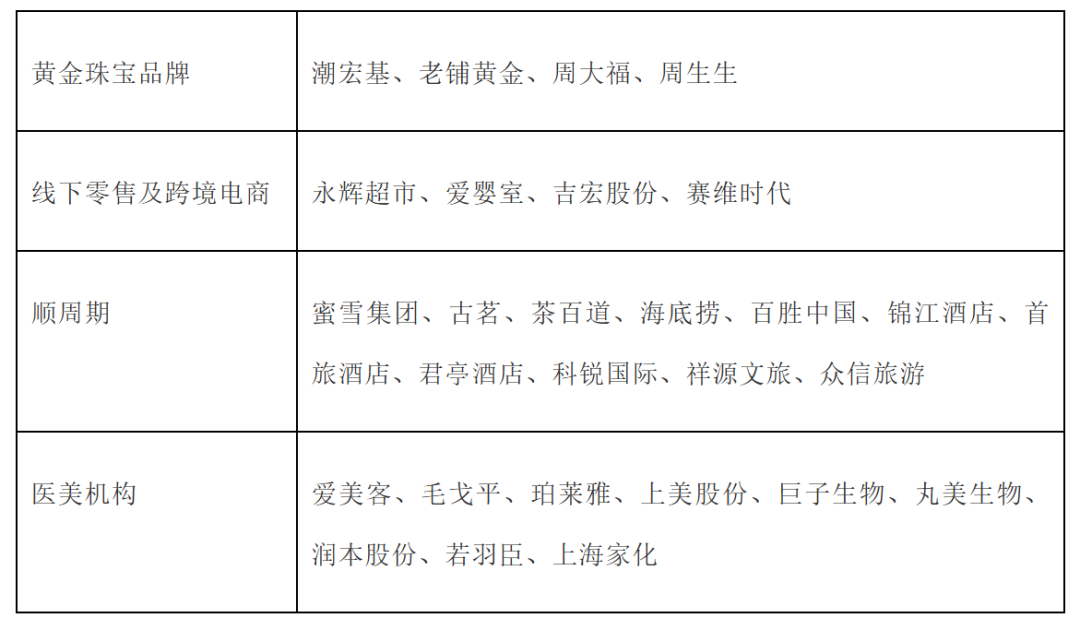
Core Viewpoint - The retail sector is experiencing a structural rally, with significant capital inflow and a shift in investment logic towards quality and service-driven growth, influenced by policy direction, corporate transformation, and upgrading consumer demand [1][2]. Group 1: Policy Direction - The Ministry of Commerce has identified the retail industry as a key focus for fostering a complete domestic demand system and strengthening the domestic circulation, emphasizing a shift towards quality and service-driven transformation [1]. - Policies encourage market penetration and the integration of online and offline development, providing a clear growth path for retail enterprises capable of transformation [1]. Group 2: Corporate Transformation - Leading retailers like Yonghui Supermarket are accelerating their "product-centered" strategy, with significant improvements in store renovations and supply chain optimization, resulting in positive same-store sales growth [2]. - Yonghui has completed renovations of 222 stores by September 2025, with new "quality retail" stores expanding its network [2]. - The traditional retail model has faced challenges due to high competition and low profitability, but Yonghui's shift to a selective retail model positions it for long-term growth in the post-consumption era [2]. Group 3: Consumer Demand Upgrade - Consumer preferences are shifting from price sensitivity to a focus on quality, experience, and emotional value, with sectors like gold jewelry and cosmetics showing strong performance [2]. - Retail sales of gold and silver jewelry increased by 37.6% year-on-year in October, with brands like Lao Pu Gold and Chao Hong Ji achieving high growth through differentiated product offerings [2]. - In the cosmetics sector, companies such as Proya and Mao Ge Ping have excelled through ingredient innovation and brand upgrades, particularly during major sales events [2]. Group 4: Investment Opportunities - Investment strategies should focus on four core themes within the retail sector: 1. Brands with differentiated product offerings and consumer insights in the gold jewelry sector, including Chao Hong Ji, Lao Pu Gold, Chow Tai Fook, and Chow Sang Sang [3]. 2. Offline retail enterprises and AI-enabled cross-border e-commerce leaders, with recommendations for Yonghui Supermarket, Ai Ying Shi, Ji Hong Co., and Sai Wei Times [3]. 3. Cyclical sectors poised for recovery, benefiting companies like Mixue Group, Gu Ming, Cha Bai Dao, Haidilao, Yum China, Jin Jiang Hotels, Shou Lv Hotels, Jun Ting Hotels, Keri International, Xiang Yuan Cultural Tourism, and Zhongxin Tourism [3]. 4. Domestic brands focusing on safe ingredient innovation and chain medical beauty institutions, including Ai Mei Ke, Mao Ge Ping, Proya, Shang Mei Co., Juzi Biology, Marubi, Runben Co., Ruo Yu Chen, and Shanghai Jahwa [3][4].

小红书运营:2025小红书种草营销手册
Sou Hu Cai Jing· 2025-12-16 16:11
Core Insights - The report titled "2025 Xiaohongshu Grass-Planting Marketing Manual" provides an in-depth understanding of the core logic, underlying principles, and practical pathways of grass-planting marketing, emphasizing a user-centric approach rather than a purely marketing-driven one [1][6] - The manual outlines the essential steps of grass-planting, which include capturing consumer trends, understanding underlying motivations, amplifying reach, and stimulating user engagement [1][12] Group 1: Understanding Grass-Planting - Grass-planting is defined as genuinely helping users find solutions for their desired lifestyles, moving away from traditional marketing tactics [8][10] - The manual highlights an irreversible trend where consumer awareness and the relationship between users and companies are evolving towards equality [11] - Companies that succeed in grass-planting focus on understanding real user needs and creating meaningful connections, as demonstrated by case studies like Babycare and Afu [10][11] Group 2: Core Principles of Grass-Planting - The four key steps in the grass-planting process are: 1. **Capture**: Identifying the starting point of consumer trends through observation of popular products and user behavior [15][16] 2. **Understand**: Analyzing the deeper reasons behind user engagement and desires [23] 3. **Amplify**: Using a "reverse funnel" approach to expand from core users to broader audiences [15] 4. **Stimulate**: Encouraging users to transition from passive consumers to active co-creators through various motivations [15][16] Group 3: Implementing Grass-Planting in Organizations - Companies are encouraged to establish a grass-planting organization that fosters an experience management cycle, breaking down departmental barriers to enhance collaboration [1][12] - The selection of employees with both empathy and analytical skills is crucial for driving user experience and value [1][12] - The manual provides actionable insights through case studies of companies like Babycare and Yaozhidao, showcasing successful product innovation and user engagement strategies [1][12]

商社美护行业周报:中央经济工作会议重点部署促内需,全国零售业创新发展大会召开-20251216
Guoyuan Securities· 2025-12-16 11:10
Investment Rating - The report maintains an "Overweight" rating for the industry, with a focus on new consumption sectors such as beauty care, IP derivatives, and gold jewelry [5][29]. Core Insights - The Central Economic Work Conference prioritized domestic demand, emphasizing the need to build a strong domestic market and implement measures to boost consumption [3][23]. - In November 2025, the Consumer Price Index (CPI) saw a year-on-year increase of 0.7%, with the core CPI rising by 1.2% [3][23]. - The report highlights significant investments in the beauty care sector, including Proya's acquisition of a stake in Beijing Huaguan Biotechnology and L'Oréal increasing its stake in Galderma to 20% [3][23][29]. Market Performance - During the week of December 8-12, 2025, the retail, social services, and beauty care sectors experienced declines of 0.21%, 0.76%, and 1.64% respectively [14][15]. - Notably, the education and general retail sub-sectors saw increases of 1.58% and 1.37% [15][18]. Key Industry Events and News - The National Retail Innovation Development Conference emphasized a shift towards quality-driven and service-driven retail, aiming for high-quality development [4][27]. - The report notes a significant increase in card trading on platforms like Xianyu, with a 21% year-on-year growth in trading volume for the first three quarters of 2025 [4][23]. Investment Recommendations - The report recommends specific companies for investment, including Proya, Giant Bio, Marubi, Runben, Chaohongji, and Furuida, focusing on sectors with growth potential [5][29].
美容护理行业今日净流入资金1.05亿元,爱美客等5股净流入资金超千万元
Zheng Quan Shi Bao Wang· 2025-12-16 09:17
Core Insights - The beauty care industry experienced a net inflow of funds amounting to 105 million yuan on December 16, with a sector increase of 0.66% despite the Shanghai Composite Index declining by 1.11% [1] Industry Performance - Among the sectors, beauty care ranked second in terms of growth, following retail trade and social services, which rose by 1.32% and 0.13% respectively [1] - The beauty care sector had 29 stocks, with 15 rising and 14 falling in value [1] Fund Flow Analysis - The total net inflow of funds in the beauty care sector was 105 million yuan, with 17 stocks experiencing net inflows [1] - The top three stocks with significant net inflows were: - Aimeike (爱美客) with 39.98 million yuan - Qingsong Co. (青松股份) with 20.96 million yuan - Shuiyang Co. (水羊股份) with 20.30 million yuan [1] - The stocks with the highest net outflows included: - Proya (珀莱雅) with 8.62 million yuan - Zhongshun Jierou (中顺洁柔) with 6.81 million yuan - Yanjian Co. (延江股份) with 5.90 million yuan [1] Stock Performance - Notable stock performances included: - Aimeike (爱美客) increased by 2.02% - Qingsong Co. (青松股份) increased by 1.03% - Shuiyang Co. (水羊股份) increased by 1.20% [1] - Conversely, stocks like Proya (珀莱雅) and Zhongshun Jierou (中顺洁柔) saw declines in their values [1]





西湖区发放数百万元消费券激活岁末市场
Hang Zhou Ri Bao· 2025-12-16 02:14
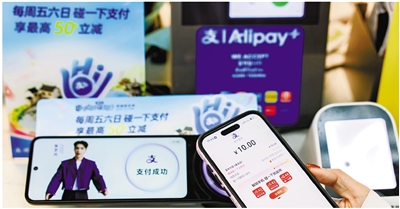
12月12日"双十二"购物节当天,西湖区黄龙国际中心K-lab广场人气高涨,"疯狂碰友日·西湖首发 季"2025西湖区新消费活动在此启动。 活动现场,"碰一下"数字消费券新模式全国首发,通过数字技术与消费场景的创新融合,以政企联 动的方式实现精准惠民,为岁末消费热潮注入强心剂,为来年消费升级按下"加速键"——消费者在参与 活动的门店支付时,只需用手机"碰一下"专属设备,政府消费券即自动抵扣,彻底告别以往"抢券、囤 券、分开核销"的繁琐流程。 从"先抢再用"到"即碰即用" 消费券进入"无感"时代 "以前用政府消费券,得提前定好闹钟在各个平台抢,抢到了还得研究怎么用、在哪用,有时候线 上线下还不通用,挺麻烦的。"活动现场,市民黄女士正在购买咖啡,她用手机靠近"碰一下"设备,一 杯原价25元的咖啡享受了"满20元减4元"的优惠,手机显示直接扣款21元。"现在走进店里,买完东西直 接用支付宝'碰一下'付款,优惠自动就扣掉了,方便太多了。"黄女士感叹。 这正是"碰一下"数字消费券的核心创新。支付宝"碰一下"消费券业务负责人徐鑫在采访中介绍,与 以往需要提前抢券、手动核销的传统模式截然不同,本次西湖区发放的政府消费券首次 ...
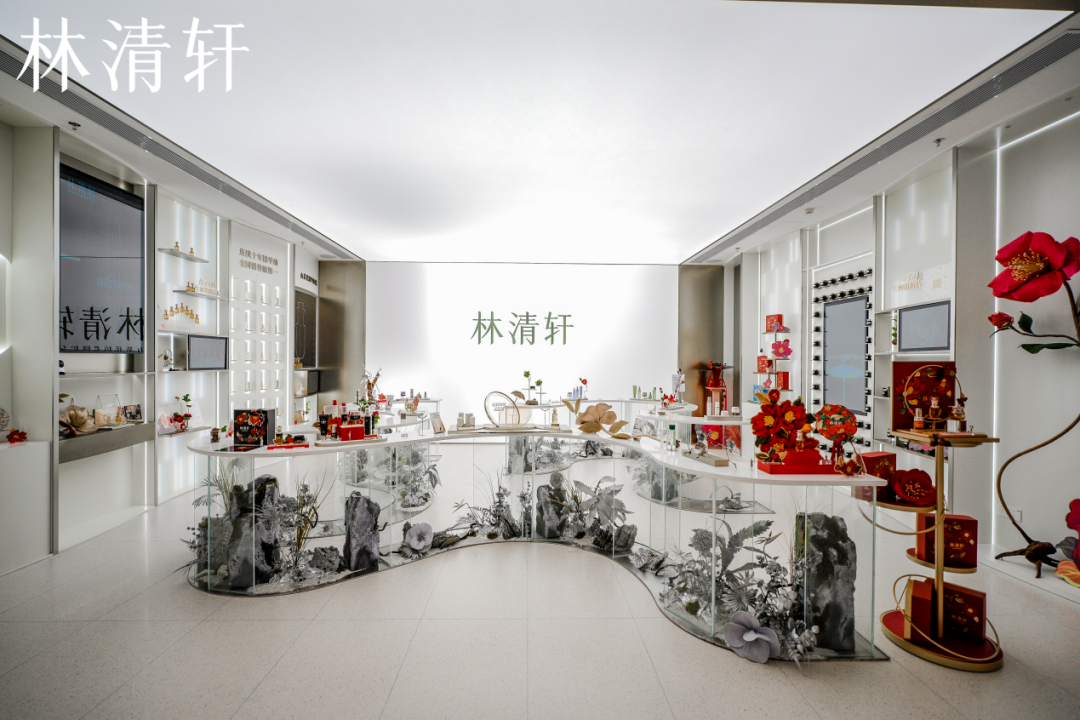
林清轩上市近了:上半年首破10亿
Xin Lang Cai Jing· 2025-12-15 13:35
Core Viewpoint - Lin Qingxuan is set to go public on the Hong Kong stock market after successfully submitting its prospectus following the listing hearing, aiming to become the first high-end domestic skincare stock and the first domestic essence oil stock in China [2][17]. Financial Performance - Lin Qingxuan's revenue has significantly increased from 691.5 million RMB in 2022 to 1.209641 billion RMB in 2024, with a notable 98.3% year-on-year growth in the first half of 2025, marking its first half-year revenue exceeding 1 billion RMB [3][18]. - The company turned a profit in 2023 with a net profit of 85 million RMB, which further increased to 187 million RMB in 2024, and reached 182 million RMB in the first half of 2025, with net profit margins improving to 10.5%, 15.4%, and 17.3% respectively [4][19]. Product Structure - The core product category for Lin Qingxuan is essence oil, generating revenues of 448 million RMB in 2024 and 478 million RMB in the first half of 2025, accounting for 37% and 45.5% of total revenue respectively [5][20]. - Lin Qingxuan's camellia oil essence has ranked first in retail sales among all facial essence oil products in China for 11 consecutive years since 2014, with cumulative sales exceeding 45 million bottles by June 30, 2025 [7][22]. Sales Channels - Online sales have seen a substantial increase, with revenue rising from 312 million RMB in 2022 to 714 million RMB in 2024, achieving a compound annual growth rate of 51.2%. By the first half of 2025, online revenue reached 688 million RMB, making up 65.4% of total sales [8][23]. - Offline revenue also grew from 378 million RMB in 2022 to 494 million RMB in 2024, with a compound annual growth rate of 14.3%. As of June 30, 2025, Lin Qingxuan operated 554 stores, primarily located in shopping malls [10][25]. Market Position - Lin Qingxuan is positioned as the leading high-end domestic skincare brand in China by retail sales in 2024, and it is part of a broader trend of domestic beauty brands seeking to list in Hong Kong to enhance their capital structure and global competitiveness [11][26]. - The company is among several domestic beauty brands, including Pechoin and Marubi, that have initiated their listing processes in Hong Kong, reflecting a new phase of capitalized development in the industry [14][29].
行业点评报告:11月社零同比+1.3%,整体增速有所承压
KAIYUAN SECURITIES· 2025-12-15 12:45
2025 年 12 月 15 日 投资评级:看好(维持) 商贸零售 行业走势图 《医美化妆品 11 月月报:美丽田园收 购思妍丽 100%股权,双十一大促落幕 美 妆 表 现 亮 眼 — 行 业 点 评 报 告 》 -2025.12.3 11 月社零同比+1.3%,整体增速有所承压 ——行业点评报告 | 黄泽鹏(分析师) | 李昕恬(联系人) | | --- | --- | | huangzepeng@kysec.cn | lixintian@kysec.cn | | 证书编号:S0790519110001 | 证书编号:S0790125100021 | 数据来源:聚源 -36% -24% -12% 0% 12% 24% 2024-12 2025-04 2025-08 商贸零售 沪深300 相关研究报告 《商务部明确零售品质转型,关注永 辉超市调改成效 — 行 业 周 报 》 -2025.12.14 《林清轩更新招股书,关注高端国货 护 肤 公 司 上 市 进 展 — 行 业 周 报 》 -2025.12.7 lixintian@kysec.cn 证书编号:S0790125100021 2025 年 11 月 ...
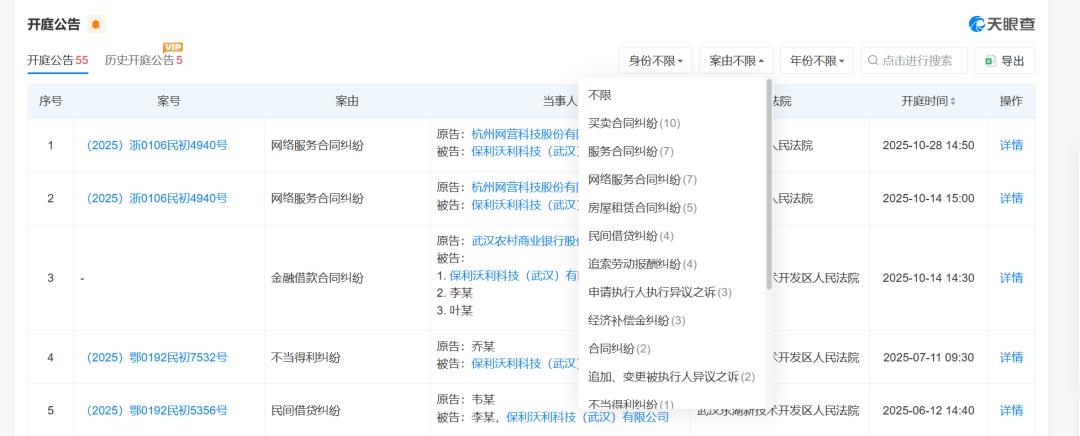
曾拒绝10亿收购,“情绪个护鼻祖”POLYVOLY走向破产
3 6 Ke· 2025-12-15 11:36
Core Insights - The report "Rise of Emotional Consumption: Market Landscape and Future Trends by 2025" indicates that the emotional consumption sector in China has experienced an average annual compound growth rate of 12% since 2013, with the market expected to exceed 2 trillion yuan by 2025 [1] - POLYVOLY, once a prominent player in emotional personal care, has filed for bankruptcy, highlighting the challenges faced by many emerging brands that initially thrived on traffic but failed to sustain product quality [1][18] Company Overview - POLYVOLY was founded in 2016, during a time when new consumption trends were emerging in China, with platforms like Xiaohongshu and Douyin providing new traffic sources for brands [3] - The founding team, with backgrounds in e-commerce and brand management, successfully launched two brands, "Sangu" and "Rever," targeting specific emotional and functional needs of younger consumers [4][5] - Sangu focused on ingredient safety, appealing to the "ingredient-conscious" Z generation, while Rever introduced innovative product forms, enhancing the sensory experience of personal care [5][6] Market Performance - POLYVOLY's brands achieved significant sales milestones, with Sangu topping Xiaohongshu's rankings in 2018 and Rever becoming a leading brand in its category by 2020 [7] - The company raised over 100 million yuan through multiple funding rounds, reflecting strong investor interest during the traffic boom [7] - By October 2023, POLYVOLY reported an annual GMV exceeding 400 million yuan, indicating substantial growth before its decline [7] Strategic Missteps - POLYVOLY's aggressive offline expansion strategy, despite its online success, led to misalignment with consumer preferences and market trends, contributing to its financial difficulties [8][10] - The company faced challenges in adapting its higher-priced products to the preferences of consumers in traditional retail channels, resulting in poor sales performance [10][11] - A rapid expansion into multiple brands without solidifying core offerings diluted resources and led to the launch of poorly received products, such as the "Shupu" brand, which failed to differentiate itself in a competitive market [11][12] Financial Troubles - Signs of financial distress emerged as early as 2023, with POLYVOLY facing multiple lawsuits and being listed as a dishonest executor due to unpaid debts [14][15] - By the end of 2024, the company's equity was reported at -8.78 million yuan, confirming its insolvency and leading to the acceptance of its bankruptcy application [15] Industry Trends - Emotional consumption continues to thrive, with brands like Pop Mart and Laoputang successfully leveraging emotional value to drive growth [22] - The market is shifting towards a focus on product quality and value, moving away from purely emotional pricing strategies [22][23] - The collapse of POLYVOLY serves as a cautionary tale about the importance of product strength and sustainable business practices in the competitive landscape of new consumer brands [24]