
朗新集团

Search documents
智能网联“通行证”WAIC2025首发 Robotaxi商业化落地加速度
Zhong Guo Jing Ying Bao· 2025-08-01 20:56
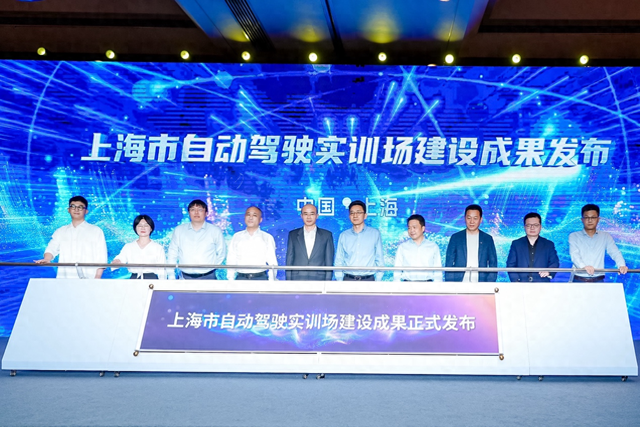
Group 1 - The automotive industry is accelerating its integration with AI, as demonstrated by the launch of the WAIC2025 in Shanghai, where new intelligent connected vehicle operation licenses were issued to companies like Baidu and Saic [3][4] - The event featured a Robotaxi experience zone, showcasing L4 autonomous driving capabilities that can handle complex scenarios without human intervention, such as traffic congestion and police signals [3][5] - Companies like Geely are transforming vehicles into "companion robots" that can provide emotional support and adjust interactions based on user emotions and intentions [3][6] Group 2 - The WAIC2025 included a 30-kilometer road network for short-distance Robotaxi services, connecting key areas in Shanghai, demonstrating the technology's potential in real urban environments [4][5] - Infrastructure development for high-level autonomous driving is accelerating, with plans for a comprehensive testing environment that includes 10 typical multi-dimensional data training sites and 100 kilometers of 5G-A vehicle networking routes [5][9] - The automotive sector is leveraging AI models to enhance user experience, with companies like Zhibo Zhixing and Geely showcasing advanced AI capabilities in their vehicles, enabling features like emotional voice interaction and proactive user engagement [7][8] Group 3 - The development of autonomous driving is seen as promising, with ongoing technological breakthroughs enabling vehicles to make autonomous decisions and communicate seamlessly with other traffic participants [6][10] - The integration of AI in charging infrastructure is improving operational efficiency, with over 4.08 million public charging stations in China and a projected 36.89 million new energy vehicles by mid-2025 [11] - AI is also enhancing smart cockpit experiences, shifting from merely adding features to transforming user interactions across various scenarios, including navigation and social engagement [11]


6月光伏新增装机同比下降38%,逆变器出口额同环比维持增长
Shanxi Securities· 2025-08-01 07:11
Investment Rating - The report maintains an investment rating of "Synchronize with the market-A" for the solar industry [2]. Core Viewpoints - In June, the domestic photovoltaic new installed capacity decreased by 38.4% year-on-year, influenced by the end of the rush for installation. The new installed capacity in June was 14.4GW, with a cumulative new installed capacity of 212.21GW from January to June, reflecting a year-on-year increase of 107.1% [2][13]. - The export value of photovoltaic components in June was 15.81 billion yuan, down 23.3% year-on-year and 8.7% month-on-month. The cumulative export value from January to June was 95.37 billion yuan, a decrease of 23.9% year-on-year [2][17]. - The export value of inverters in June was 6.59 billion yuan, showing a year-on-year increase of 1.2% and a month-on-month increase of 10.3%. The cumulative export value from January to June was 30.6 billion yuan, reflecting a year-on-year increase of 7.6% [3][30]. - Solar power generation in June increased by 18.3% year-on-year, with a total generation of 50.06 billion kWh, accounting for 6.29% of the total industrial power generation in the country [2][44]. Summary by Sections Installed Capacity - In June, the domestic photovoltaic new installed capacity was 14.4GW, down 38.4% year-on-year and 84.5% month-on-month. The cumulative new installed capacity from January to June was 212.21GW, up 107.1% year-on-year [13][2]. Exports - The export value of photovoltaic components in June was 15.81 billion yuan, down 23.3% year-on-year and 8.7% month-on-month. The cumulative export value from January to June was 95.37 billion yuan, down 23.9% year-on-year [17][2]. - The export value of inverters in June was 6.59 billion yuan, with a year-on-year increase of 1.2% and a month-on-month increase of 10.3%. The cumulative export value from January to June was 30.6 billion yuan, up 7.6% year-on-year [30][3]. Power Generation - In June, solar power generation was 50.06 billion kWh, reflecting an 18.3% year-on-year increase and accounting for 6.29% of the total industrial power generation in the country [44][2]. Investment Recommendations - Key recommendations include: - New technology direction: Aisuo Co., Longi Green Energy - Supply-side improvement direction: Daqian Energy, Fulete - Overseas layout direction: Hengdian East Magnet, Sunshine Power, Canadian Solar, Deye Co. - Power marketization direction: Langxin Group - Domestic substitution direction: Quartz Co. - Additional companies to actively monitor include: Xinyi Solar, GCL-Poly Energy, Tongwei Co., TCL Zhonghuan, New Special Energy, Dier Laser, Foster, Haiyou New Materials, JA Solar, Trina Solar, Jinko Solar, CITIC Bo, Maiwei Co., Jingcheng Machinery, Shanghai Ailuo, and Guangxin Materials [48][2].





华检医疗的“疯狂7月”
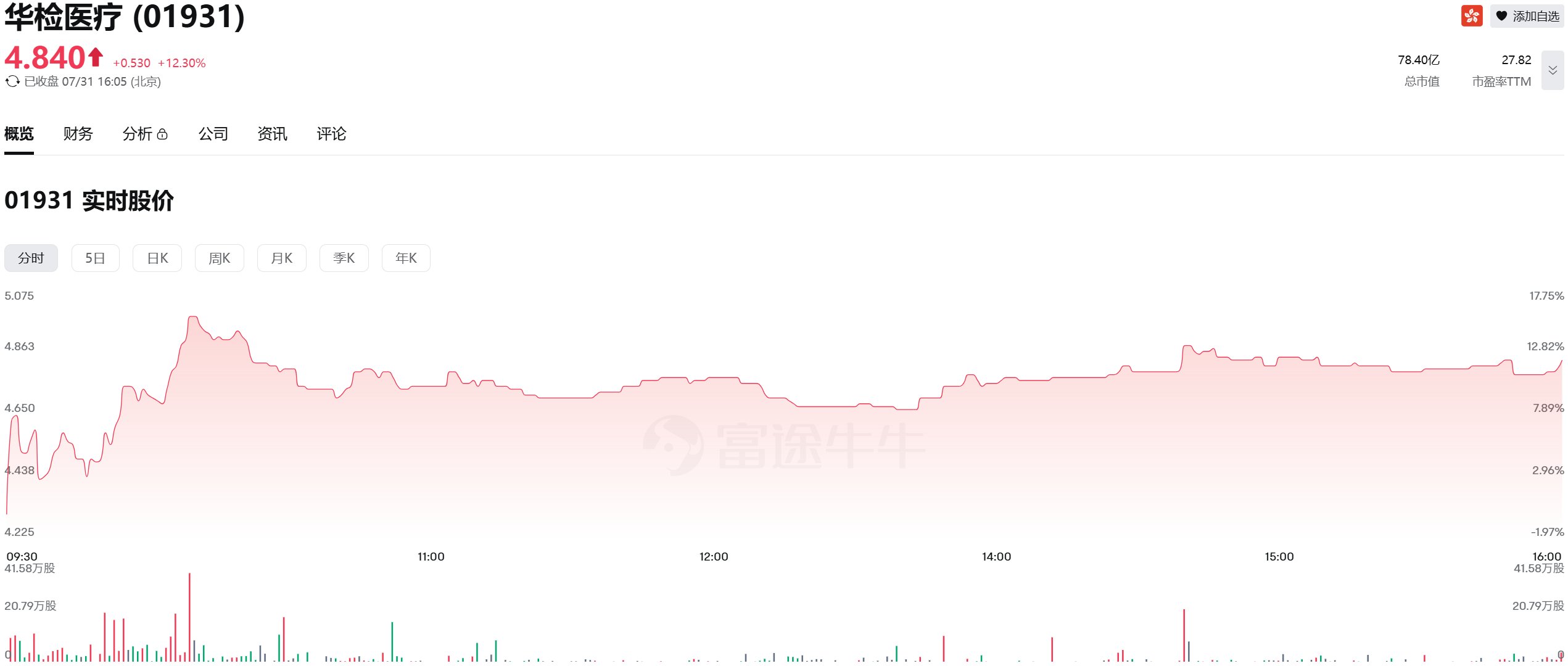
Zhi Tong Cai Jing· 2025-08-01 03:18
Core Viewpoint - Huajian Medical has transformed from an IVD distributor to a "medical innovation drug chain investment bank" within 18 days, driven by a series of strategic actions and market enthusiasm, resulting in a significant increase in market capitalization from 3.6 billion to nearly 8 billion HKD [1][7]. Group 1: Strategic Actions - On July 14, Huajian Medical announced its plan for a dual primary listing on NASDAQ to expand its international shareholder base [4]. - Three days later, the company introduced the world's first medical innovation drug RWA exchange, IVDNewCo Exchange, along with a supporting stablecoin, IVDDollar (IVDD) [4]. - The establishment of a wholly-owned subsidiary, IVD GROUP INC., in New York was completed on July 20, with applications for stablecoin licenses submitted to the SEC and CFTC [4]. - From July 23 to 28, the company executed three high-priced buybacks, spending over 6.13 million HKD to repurchase 1.721 million shares, with average transaction prices rising from 3.16 HKD to 3.67 HKD [4]. - On July 29, the subsidiary Weida secured a multi-million HKD revolving loan led by East Asia Bank, showcasing financial institutions' endorsement of the company's development [4]. - A brand strategy upgrade was announced on July 30, with a new logo and a redefined brand essence of "Innovation-Verification-Development" [4]. - The same day, a partnership was formed with BGI's CoWin to establish an innovative drug intellectual property tokenization fund, facilitating the last mile of medical asset blockchain integration [4]. Group 2: Market Dynamics - The innovative drug industry is experiencing a value reassessment, with 48 out of 93 new drugs approved by the drug regulatory agency in 2024 being innovative drugs, and the scale of outbound licensing transactions soaring to 51.9 billion USD [8]. - As of July 29, the China Securities Hong Kong Stock Connect Innovative Drug Index has risen over 124% from its low point at the beginning of the year, with 16 innovative drug funds doubling their returns [8]. - The global regulatory landscape for stablecoins is evolving, with the U.S. "Genius Act" and Hong Kong's stablecoin regulations coming into effect, establishing a compliance network across Europe, the U.S., and Asia [8]. Group 3: Valuation Revolution - Following the announcement of the dual listing on July 14, Huajian Medical's stock price began a rapid ascent, with a cumulative increase of 75.1% from July 14 to 21 [9]. - On July 31, the stock price peaked at 4.99 HKD, marking a 15.78% increase for the day, and pushing the market capitalization to 8 billion HKD [9]. - The company's valuation is shifting from a traditional IVD distributor's sales multiple to an ecological premium associated with the medical RWA exchange [9]. Group 4: Future Outlook - Huajian Medical aims to become a leader in the medical RWA sector, akin to NASDAQ for medical asset tokenization, Visa for stablecoin payment scenarios, and Apple for integrating technology, assets, and capital into a closed loop [12]. - The global RWA market is projected to reach 16.1 trillion USD by 2030, with stablecoin transaction volumes expected to surpass Visa in 2024 [10]. - The company's strategy involves creating a closed-loop ecosystem that captures innovative drug pipelines, facilitates RWA tokenization, and enables payment settlements through IVDD stablecoin [10].
朗新集团股价小幅下跌 参与新能源RWA项目引关注
Jin Rong Jie· 2025-07-31 17:10
Group 1 - The stock price of Langxin Group closed at 20.39 yuan on July 31, 2025, down 0.97% from the previous trading day [1] - The trading volume on that day was 248,560 hands, with a transaction amount of 5.11 billion yuan [1] - Langxin Group focuses on software development, particularly in the field of digital platform operations for renewable energy [1] Group 2 - The company’s Xindian Tu platform is a significant player in the digital services for renewable energy charging piles [1] - Langxin Group recently participated in a renewable energy RWA project that has attracted market attention [1] - In August 2024, the company collaborated with Ant Financial to complete the first domestic RWA project based on renewable energy physical assets, with a financing amount of approximately 100 million yuan [1] Group 3 - The project uses charging piles as anchor assets and employs blockchain technology to issue digital assets, providing construction support for small and medium-sized charging pile operators [1] - On July 31, the net outflow of main funds was 61.92 million yuan, accounting for 0.29% of the circulating market value [1]
汽车有望从消费品变为投资品?广联科技控股总经理赵展:RWA将提升优质数据资产的流通效率
Mei Ri Jing Ji Xin Wen· 2025-07-31 16:12
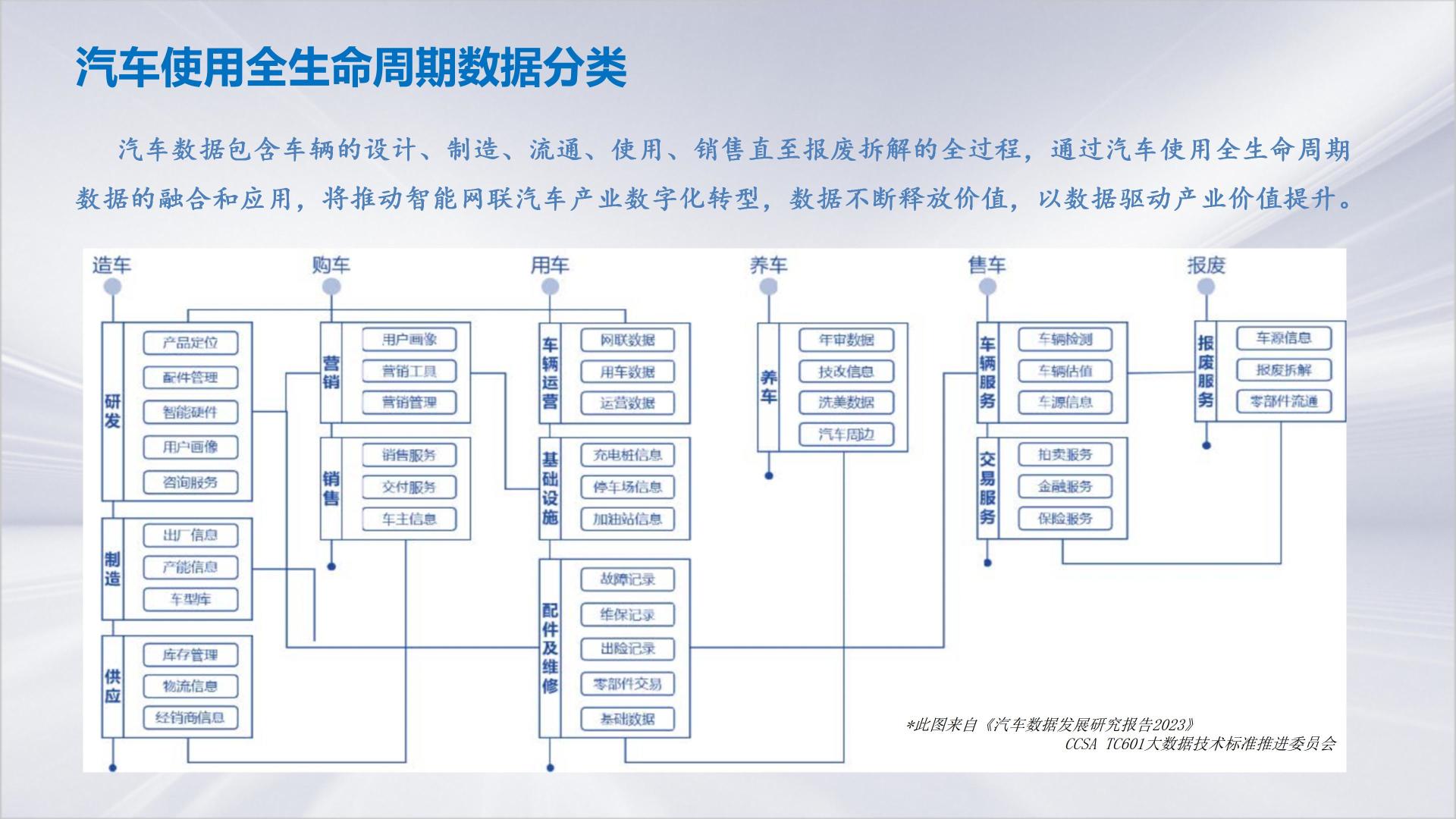
Core Viewpoint - The implementation of the "Stablecoin Regulation" in Hong Kong has made stablecoins a hot topic, while Real World Assets (RWA) are attracting participation from various industries [1] Group 1: RWA and Blockchain Technology - RWA refers to the tokenization of real-world assets using blockchain technology, enabling trading and circulation on the blockchain [1] - RWA addresses pain points in the traditional financial system, such as liquidity issues, financing efficiency, trust in data, and cross-border investment barriers [1][3] - RWA connects the crypto market with actual underlying asset markets, providing diverse investment and financing tools, thus enhancing asset ownership transfer and transaction efficiency [6] Group 2: Automotive Industry and Data Monetization - The automotive industry generates vast amounts of data, but there has been no consensus on how to monetize this data [3] - RWA serves as a bridge for commercializing automotive data assets, ensuring data authenticity and facilitating investment processes beyond traditional banking and equity financing [3] - The data generated by smart connected vehicles is categorized into three types: environmental perception data, in-vehicle perception data, and data from vehicle-to-cloud and vehicle-to-vehicle interactions [7][8] Group 3: Market Potential and Future Outlook - The global on-chain RWA asset value is projected to exceed $23.3 billion by June 2025, with expectations of exponential market expansion [7] - BlackRock predicts that the RWA tokenization market could reach $16 trillion by 2030, representing 1% to 10% of the global asset management scale [7] - The automotive data commercialization process is divided into three stages: data on-chain, asset RWA tokenization, and international operations based on stablecoins [8] Group 4: Strategic Transformation and Revenue Generation - The company plans to transition from an "automotive data asset operator" to an "RWA digital financial service provider," leveraging RWA services to transform smart connected vehicles from consumer goods to investment tools [8][10] - By promoting the sharing of idle private cars for rental and operational scenarios, the company aims to enhance owner revenue and reduce fixed asset purchases for rental companies, generating substantial excess returns [10]
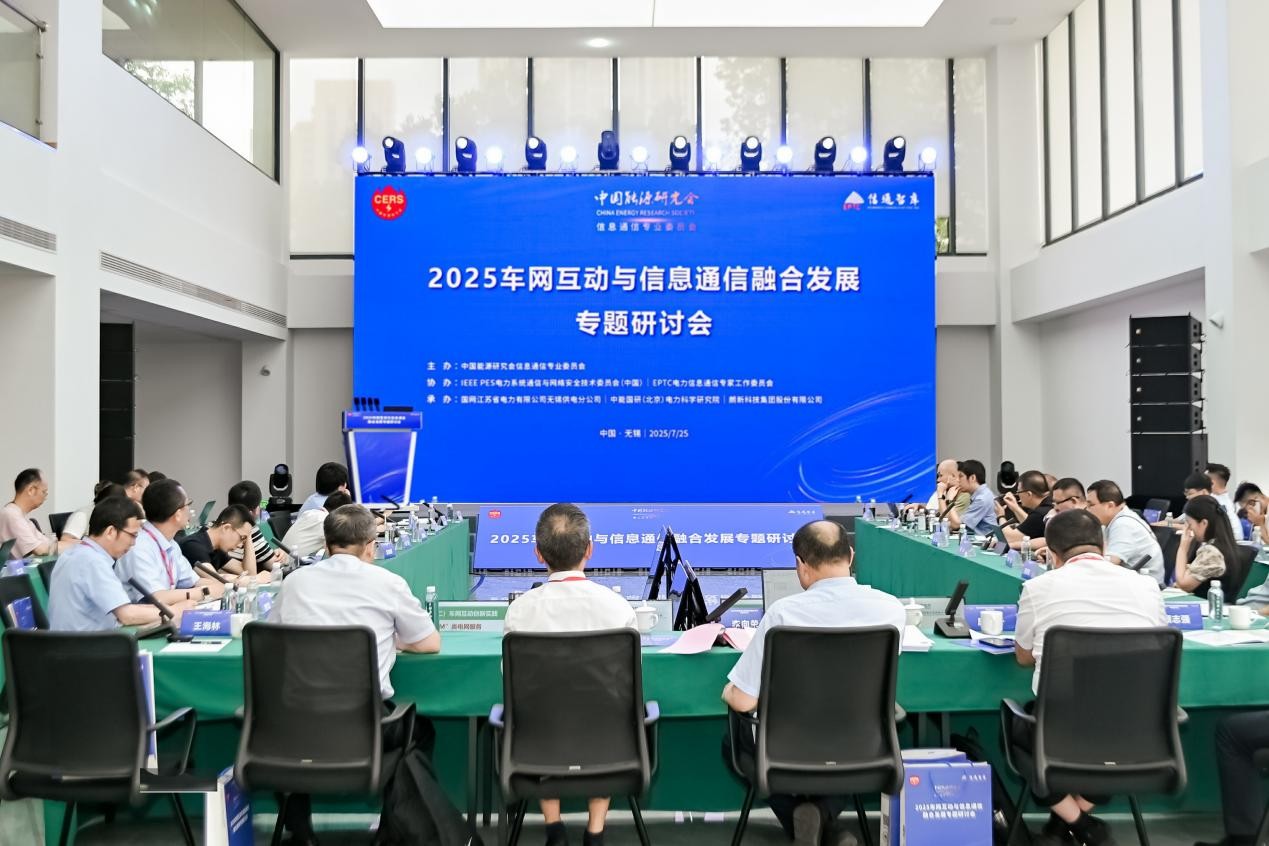
2025车网互动与信息通信融合发展专题研讨会在江苏无锡成功召开
Zhong Guo Neng Yuan Wang· 2025-07-31 11:57
Core Insights - The conference focused on the integration of vehicle-to-grid (V2G) technology and its role in energy transition, emphasizing the need for collaboration among various stakeholders to create a sustainable ecosystem [3][34] - Experts discussed the importance of overcoming technical barriers, enhancing cross-disciplinary research, and establishing a comprehensive technical standard system to facilitate the commercialization of V2G [3][11] Group 1: Policy and Industry Collaboration - The conference highlighted the value of vehicle-to-grid interaction in energy transition and its deep integration with information and communication technology [3][11] - Experts emphasized the dual collaboration model of energy interaction as the core of vehicle-to-grid, aiming for a sustainable development ecosystem through cooperation among academia, industry, and research [3][11] Group 2: Technological Development and Challenges - Huang Xueliang proposed a five-stage technical evolution framework for V2G, predicting significant distributed energy storage potential by 2030 [11][14] - Li Lili pointed out that V2G technology is nearing commercial viability, suggesting a dual-phase market activation strategy to overcome existing commercial barriers [16][18] - Direction Liang discussed the strategic significance of V2G in the new power system, identifying the need for a collaborative mechanism to address data flow barriers and control technology shortcomings [19][21] Group 3: Data-Driven Solutions and Market Dynamics - Zhong Jun proposed a data-driven platform to enhance vehicle-to-grid interaction in Shenzhen, addressing the low utilization rates of charging stations [22][24] - Yuan Xiaodong analyzed the economic, safety, and environmental challenges in the new power system, advocating for a collaborative approach to resource management through vehicle-to-grid interaction [25][27] - Liu Peng emphasized the importance of user charging behavior data in unlocking the potential of vehicle-to-grid interaction, proposing a framework for flexible evaluation and optimization strategies [28][30] Group 4: Future Outlook and Strategic Recommendations - The conference concluded with a consensus on the need for a collaborative ecosystem to support the scaling of electric vehicles and V2G technology, driven by national carbon reduction goals [32][34] - Experts called for accelerated development of V2G standards and a win-win profit-sharing mechanism to activate the entire industry chain [19][25]
大模型一体机扎堆上新,国产化链条重塑AI版图|聚焦2025WAIC
Hua Xia Shi Bao· 2025-07-31 08:00
Core Insights - The year 2025 is anticipated to be a pivotal year for the deployment of large AI models, with integrated machines serving as essential infrastructure for businesses to implement these models effectively [1][2] - The demand for AI integrated machines is driven by both market needs and technological advancements, providing a comprehensive solution that combines hardware, software, and algorithms [1][2] Industry Trends - AI integrated machines are designed to facilitate the application and deployment of large AI models, offering lower costs and easier operation compared to traditional server clusters, making them suitable for small and medium enterprises [2][5] - The trend indicates that AI integrated machines will evolve towards higher efficiency, lower energy consumption, and easier deployment, with specialized products tailored to various industry needs [1][2] Product Developments - The launch of the Langxin Jiugong AI Energy Integrated Machine aims to address the challenges in the energy sector, providing a closed-loop solution that enhances AI application in power trading and billing management [2][3] - The Langxin Jiugong AI Energy Integrated Machine features nine core functions, including precise load forecasting and intelligent energy scheduling, and is fully domestically produced to ensure safety and autonomy in energy applications [3][4] Market Potential - According to research, 23% of central enterprises have already deployed large models, with expectations for further growth in adoption rates [5] - The demand for integrated machines is projected to reach 150,000 units in 2025, 390,000 units in 2026, and 720,000 units in 2027, with a market potential for central state-owned enterprises estimated at 123.6 billion yuan, 293.7 billion yuan, and 520.8 billion yuan respectively [5] National Strategy - The push for a fully domestic AI industry chain is seen as essential for national security, with a focus on developing independent and controllable AI systems across various sectors [6][8] - The Shanghai government has introduced measures to support AI application expansion, including financial incentives for computing power usage and model deployment, to address the growing demand for AI capabilities [7][8]
研报掘金丨东方证券:维持朗新集团“买入”评级,全面拥抱AI、区块链新技术
Ge Long Hui A P P· 2025-07-31 06:46
东方证券研报指出,近期,朗新集团正式向全球首发自主研发的"朗新九功AI能源大模型"(简称"朗新 九功"),该模型数据智能体在BIRD-Bench国际评测基准中斩获双榜冠军。朗新九功模型深度融合 了"时序预测"与"AI智能体"双引擎技术,基于对中国能源市场全场景的数据沉淀与实践验证,打造出能 够解决能源行业复杂核心问题的垂直大模型。在全球权威的自然语言转SQL评测基准BIRD-Bench中, 九功模型凭借意图理解、推理分析与SQL生成能力获得了执行准确率(EX)与查询效率奖励(R- VES)双料冠军。认为九功模型能够斩获双榜冠军,彰显了朗新集团较强的AI技术实力,也为相关模型 在能源行业的落地打下良好基础。九功模型功能强大,赋能公司电力现货交易等新兴业务。随着香 港"稳定币+RWA"生态的发展,朗新有望凭借其较好的业务场景和先发优势,在绿色能源+区块链领域 成为重要的参与者和生态建设方,从而为自身业务发展和商业模式扩展提供助力。参照可比公司,认为 公司合理估值水平为2025年41倍市盈率,对应目标价为22.96元,维持"买入"评级。 ...

境内三大新能源RWA项目观察:资产的真实性、数据的准确性和及时性是关键
Mei Ri Jing Ji Xin Wen· 2025-07-31 06:13
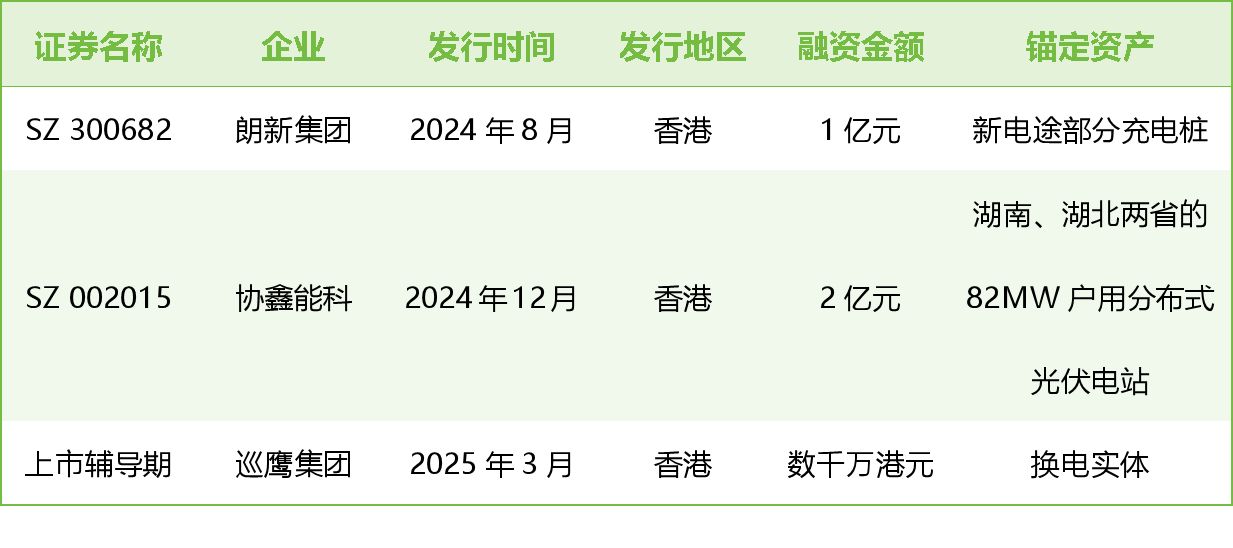
Core Viewpoint - The implementation of the "Stablecoin Regulation" in Hong Kong on August 1, 2025, marks the establishment of the world's first comprehensive regulatory framework for fiat-backed stablecoins, facilitating the development of tokenized assets in the renewable energy sector [1] Group 1: Regulatory Framework and Initiatives - The Hong Kong Monetary Authority launched the Ensemble project sandbox in August last year to explore various use cases for tokenized assets, with a focus on "green and sustainable finance" [1] - The first domestic RWA based on renewable energy assets was completed by Longxin Group and Ant Group in Hong Kong, amounting to approximately 100 million RMB, aimed at supporting small and medium-sized operators in the energy sector [3][5] - The first global RWA for photovoltaic green assets was finalized by GCL-Poly Energy and Ant Group in December 2024, with financing exceeding 200 million RMB [3][5] Group 2: Key Projects and Financing - Longxin Group's project involved tokenizing charging stations as RWA, with each digital asset representing a portion of the revenue rights from the corresponding charging station [3][5] - GCL-Poly Energy's RWA project is anchored by 82 MW of distributed photovoltaic power stations in Hunan and Hubei provinces, with reported electricity sales revenue of 5.2 billion RMB in the previous year [3][4] - The first RWA based on battery swap assets was successfully completed by Xunying Group in March 2025, involving several tens of millions of Hong Kong dollars [4][5] Group 3: Challenges and Solutions - Key challenges in the operation of these projects include ensuring asset authenticity, data accuracy, and timeliness [2][9] - The transition of off-chain data to on-chain platforms poses significant challenges, with industry experts emphasizing the need for independent verification and cross-validation of data [9][10] - Recommendations for improving the RWA model include enhancing digital infrastructure at the asset level, providing clearer regulatory guidelines, and facilitating cross-border transactions [12][13]

万亿资产上链革命:稳定币×RWA×DeFi重构B端融资新生态
Sou Hu Cai Jing· 2025-07-31 04:48
Core Insights - The global regulatory framework for crypto assets is rapidly evolving, with significant developments such as the EU's MiCA regulation, the US GENIUS Act, and Hong Kong's Ensemble project sandbox, indicating a strategic competition for digital financial sovereignty [1] - The "stablecoin + RWA + DeFi" model is disrupting traditional financial infrastructure, serving as a key driver for attracting trillions of dollars in assets on-chain [1] - The total value locked (TVL) in the RWA sector has reached a new high of $12.863 billion, but this remains small compared to the global $800 trillion in real assets, highlighting a bottleneck due to the lack of stablecoins [1] Group 1 - The revolution in finance directly addresses three major pain points for SMEs: difficulty in accessing global funds, challenges in pricing non-standard assets, and high costs of cross-border settlements [1] - Stablecoins provide a core value scale and medium of circulation for the RWA system, enabling the tokenization of private credit and government bonds, which currently dominate 92% of the RWA market [1] - The asset tokenization revolution is at a critical point, with BlackRock's BUIDL government bond fund enabling 24/7 income-generating asset trading, and Longxin Group tokenizing charging pile revenue rights to open new financing channels for asset-light operators [1][2] Group 2 - The efficiency revolution driven by "stablecoin-RWA-DeFi" is systematically addressing the liquidity challenges of non-standard assets for SMEs, high costs of cross-border settlements, and high technical compliance barriers [2] - Traditional finance's low collateral rates for assets like charging pile revenue rights are being disrupted by compliant tokenization, which offers a 33% premium rate [2] - Cross-border payments are transitioning from 3-5 days for settlement with friction costs exceeding 4% to instant T+0 clearing with only 0.5% costs through smart contracts [2][3]