Momenta

Search documents
争夺智驾第一梯队:轻舟智航的“双面榜单”
第一财经· 2026-02-09 09:41
Core Viewpoint - The article discusses the competitive landscape of the intelligent driving sector, highlighting the market share rankings of various companies and the emergence of QCraft as a significant player in the NOA (Navigation on Autopilot) market, while questioning the validity of these rankings due to differing methodologies and market segments [3][4][7]. Market Share Rankings - According to a report by Gaogong Intelligent Automotive Research Institute, Huawei leads the market with over 41% share, followed by QCraft with over 21%, Momenta with over 16%, and Zhuoyue Technology with over 5% [5]. - The rankings reveal a disparity in market positioning, as QCraft is not listed among the top players in the high-end market segment (vehicles priced above 300,000 yuan), where Huawei dominates with nearly 70% market share [6][7]. QCraft's Rise and Challenges - QCraft, founded in 2019 by former Waymo employees, has gained prominence by becoming the core supplier for Li Auto's AD Pro version, significantly boosting its system deployment to over 1 million units [9]. - However, reliance on a single major client, Li Auto, poses risks, as many automakers are increasingly developing their own autonomous driving solutions, with 14 out of the top 20 brands in NOA deliveries having self-developed systems [9][10]. Market Dynamics and Competition - QCraft is actively seeking to diversify its client base by partnering with other automakers like Chery and Geely, but these companies are also building their own autonomous driving systems, which could limit QCraft's market opportunities [10][11]. - The intelligent driving market is becoming increasingly competitive, with major players like Huawei and Horizon aiming to make advanced driving features available in lower-priced vehicles, creating a "red ocean" of competition [12][14]. Future Outlook - QCraft aims to promote high-level autonomous driving in vehicles priced around 100,000 yuan, with the belief that "driving equality" will be achieved as urban NOA becomes a standard feature [13]. - The competition is not just about market share but also about cost control, iteration efficiency, and deployment speed, which are essential for survival in a market where automakers are developing their own technologies [14].

争夺智驾第一梯队:轻舟智航的“双面榜单”
Di Yi Cai Jing· 2026-02-09 06:44
Core Viewpoint - The competition in the intelligent driving sector is intensifying, with various organizations releasing differing market share rankings for Navigation on Autopilot (NOA) systems, leading to confusion about the leading players in the industry [1][2]. Group 1: Market Share Rankings - Huawei leads the NOA market with over 41% market share, followed by QCraft (Lightyear) with over 21%, Momenta with over 16%, and Zhuoyue Technology with over 5% [2]. - Lightyear's rise to second place has prompted increased visibility and promotional efforts from the company, which recently announced that its passenger car assistance system has surpassed 1 million units in deployment [2]. - Contrarily, in the high-end market segment (vehicles priced above 300,000 yuan), Lightyear does not appear in the rankings, with Huawei holding nearly 70% of the market share [2][3]. Group 2: Competitive Landscape - The rankings highlight the dynamic and complex nature of the intelligent driving market, with no consensus on whether the structure is "one strong and many strong" or "two strong and many strong" [3]. - Lightyear's absence from certain reports indicates the distinction between overall market share and high-value market segments [3]. Group 3: Strategic Partnerships and Risks - Lightyear's market position is closely tied to its partnership with Li Auto, which has significantly boosted its system deployment [4]. - The company transitioned from focusing on L4 autonomous minibuses to L2+ production systems in 2022, capitalizing on the growth of Li Auto's sales [4]. - However, reliance on a single major client poses risks, as many automakers are developing their own autonomous driving solutions [4][5]. Group 4: Industry Trends and Challenges - Lightyear is actively seeking to diversify its client base by engaging with other automakers like Chery and Geely, who are also building their own intelligent driving systems [5][6]. - The intelligent driving sector is becoming increasingly competitive, with major players like Huawei and Horizon aiming to make advanced driving features available in lower-priced vehicles [7]. - The current landscape suggests that merely ranking companies is insufficient; firms must establish core barriers in cost control, iteration efficiency, and deployment speed to secure a place in the top tier of the market [8].
博世全球裁员的风还是刮到了中国
Zhong Guo Jing Ji Wang· 2026-02-09 06:04
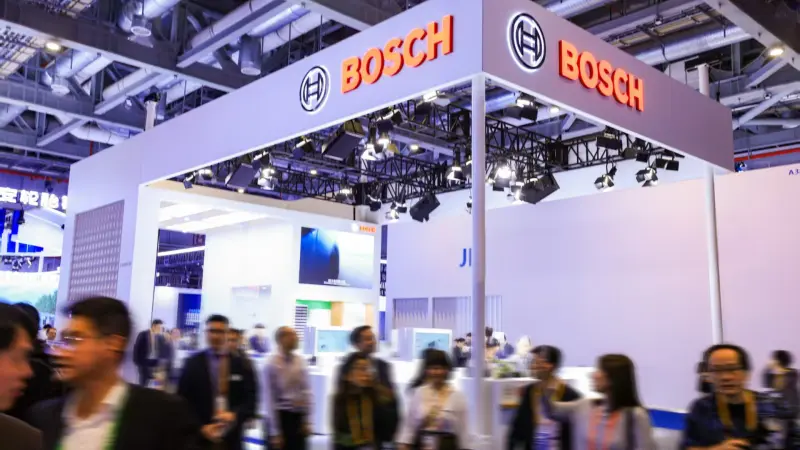
Group 1 - Bosch's sales in China are projected to reach 149.8 billion yuan by 2025, representing a year-on-year growth of 4.9% and accounting for over 20% of Bosch's global sales [1][5] - Despite the growth in revenue, Bosch China faces challenges in profitability within emerging sectors such as electric motors and autonomous driving [6] - Bosch is undergoing personnel adjustments in China, particularly in traditional business lines, amidst a global trend of layoffs in the automotive parts industry due to the shift towards electrification and smart technology [3][4] Group 2 - The global automotive parts industry is experiencing a wave of layoffs, with Bosch announcing plans to cut 22,000 jobs by 2030, including 9,000 in Germany in 2024 and an additional 13,000 in 2025 [4] - Bosch's global sales are expected to increase slightly to 91 billion euros (approximately 745 billion yuan), but the EBIT margin is only about 2%, falling short of the 7% target [5] - Chinese domestic automotive parts companies are rapidly rising, increasing their market share and posing significant competition to Bosch, particularly in areas like battery technology and autonomous driving [7][8]
宝马2026年中国战略:三大品牌推约20款新车,另有马年特别版
Jing Ji Guan Cha Wang· 2026-02-06 13:52
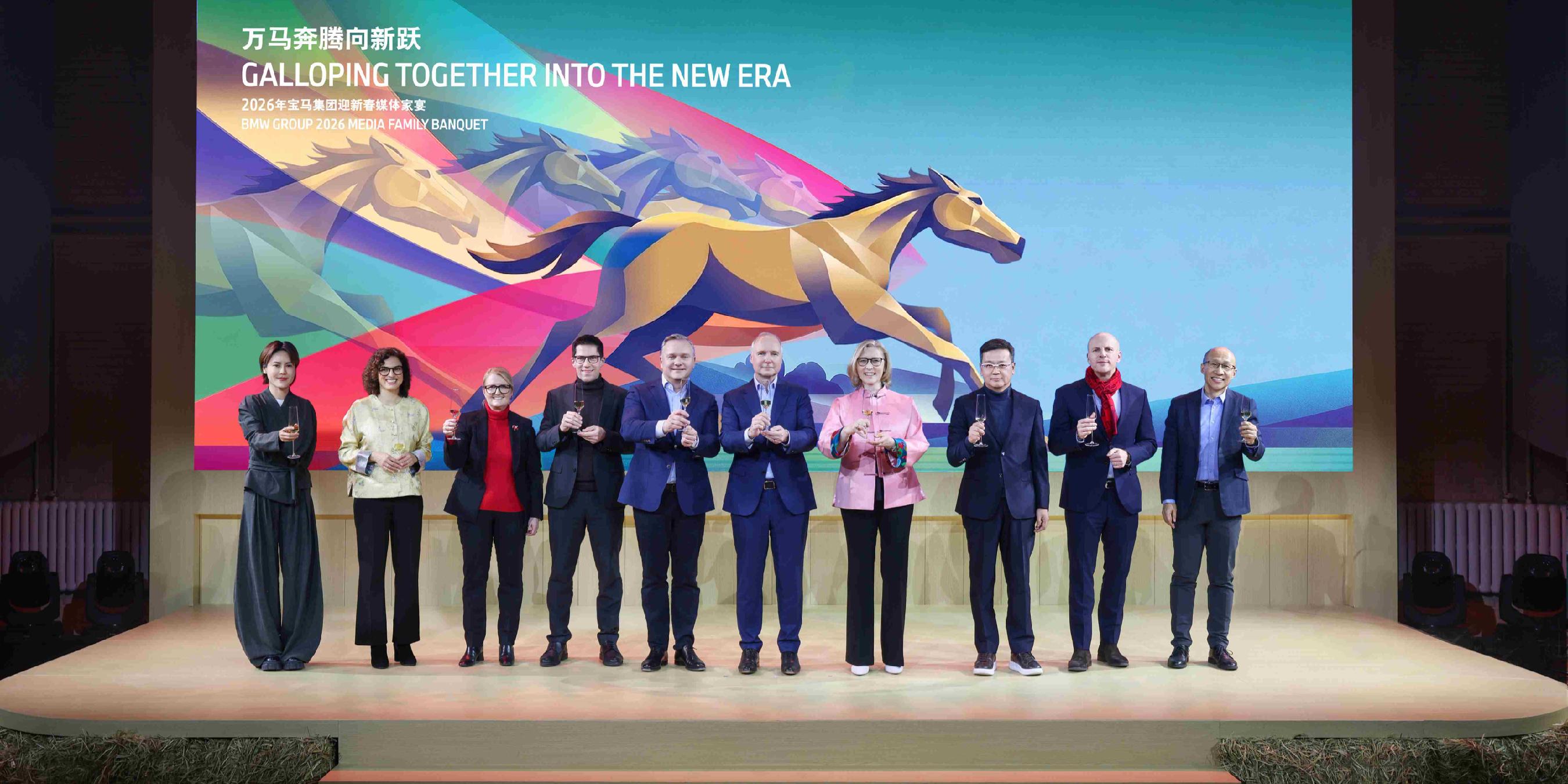
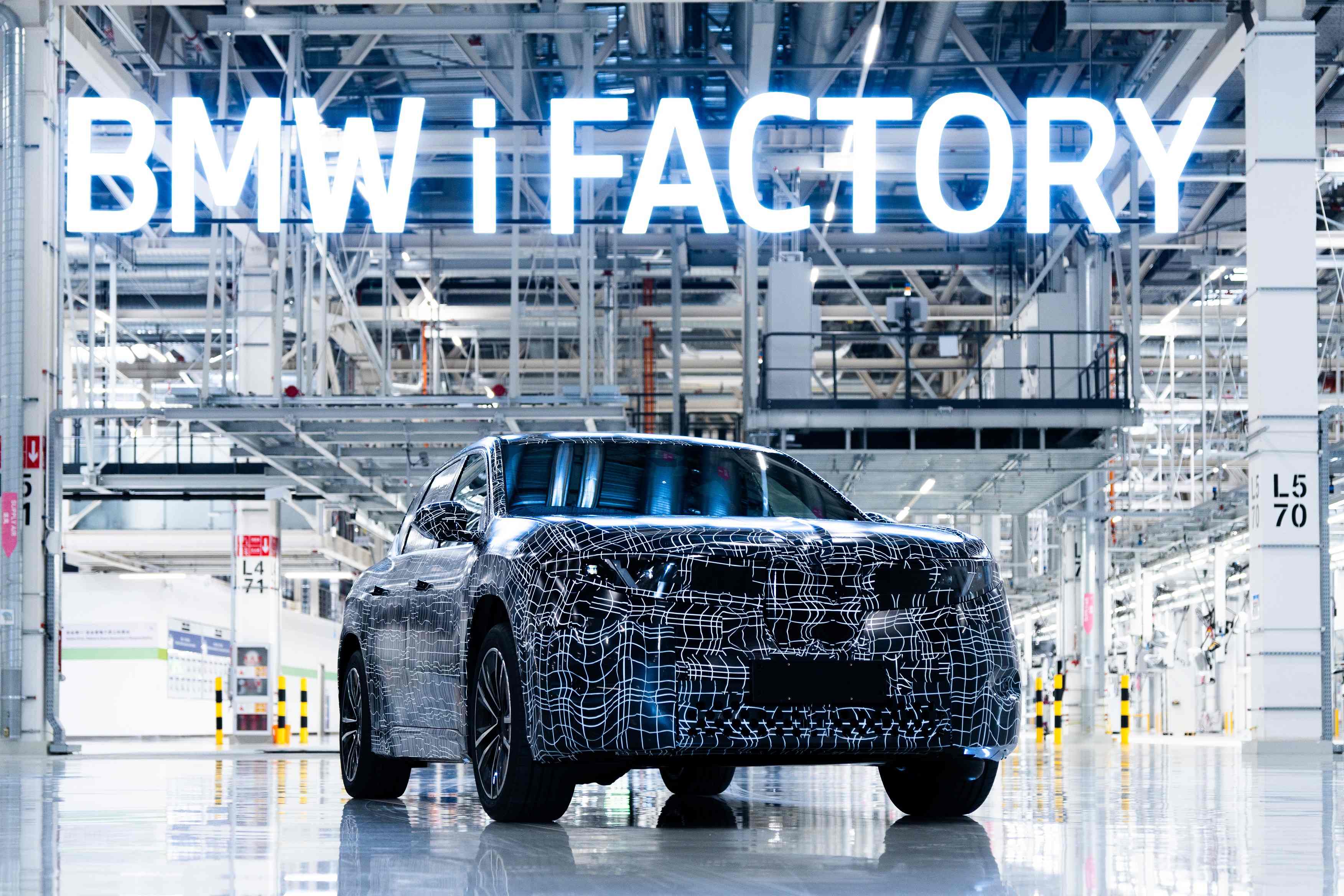
Core Insights - BMW Group has announced its strategic plan for the Chinese market in 2026, emphasizing a significant product launch year with approximately 20 new models across its BMW, MINI, and BMW Motorrad brands to cater to consumer demands for driving pleasure and personalization [2] Group 1: Product Launches and Innovations - The new generation BMW iX3 long-wheelbase version will debut at the Beijing Auto Show this year and is set to launch in the second half of the year, designed specifically for the Chinese market with local consumer needs integrated [2] - The new generation BMW iX3 will feature advanced technologies including BMW's next-generation electric drive technology, "Heart of Joy" driving control system, and panoramic iDrive, along with deep integration of HUAWEI HiCar and a smart driving system developed in collaboration with Momenta [2][4] - In addition to the iX3, BMW plans to upgrade several mid-size to large models in 2026, including special editions for the Year of the Horse for models like the BMW 3 Series, X3, 5 Series, and X5 [3] Group 2: Market Performance and Localization - In 2025, BMW delivered approximately 2.464 million vehicles globally, with China remaining its largest single market, delivering over 625,000 BMW and MINI vehicles, supported by strong sales of core models [4] - BMW has established the largest R&D system outside Germany in China, with significant investments in innovation bases and software companies, and has deployed its AI platform "GAIA" at scale in the country [4] - The company has invested over 116 billion yuan in its Shenyang production base, which has begun trial production of the new generation BMW iX3, and plans to launch a sixth-generation battery project this year [4] Group 3: Leadership Changes - Christian Ach, the current head of the German market, will become the President and CEO of BMW Group Greater China starting April 1, 2026, marking a strategic move to deepen BMW's commitment to the Chinese market [5]
中国智驾“一超多强”新格局,轻舟智航市占率第二
Zhong Guo Jing Ji Wang· 2026-02-06 07:11
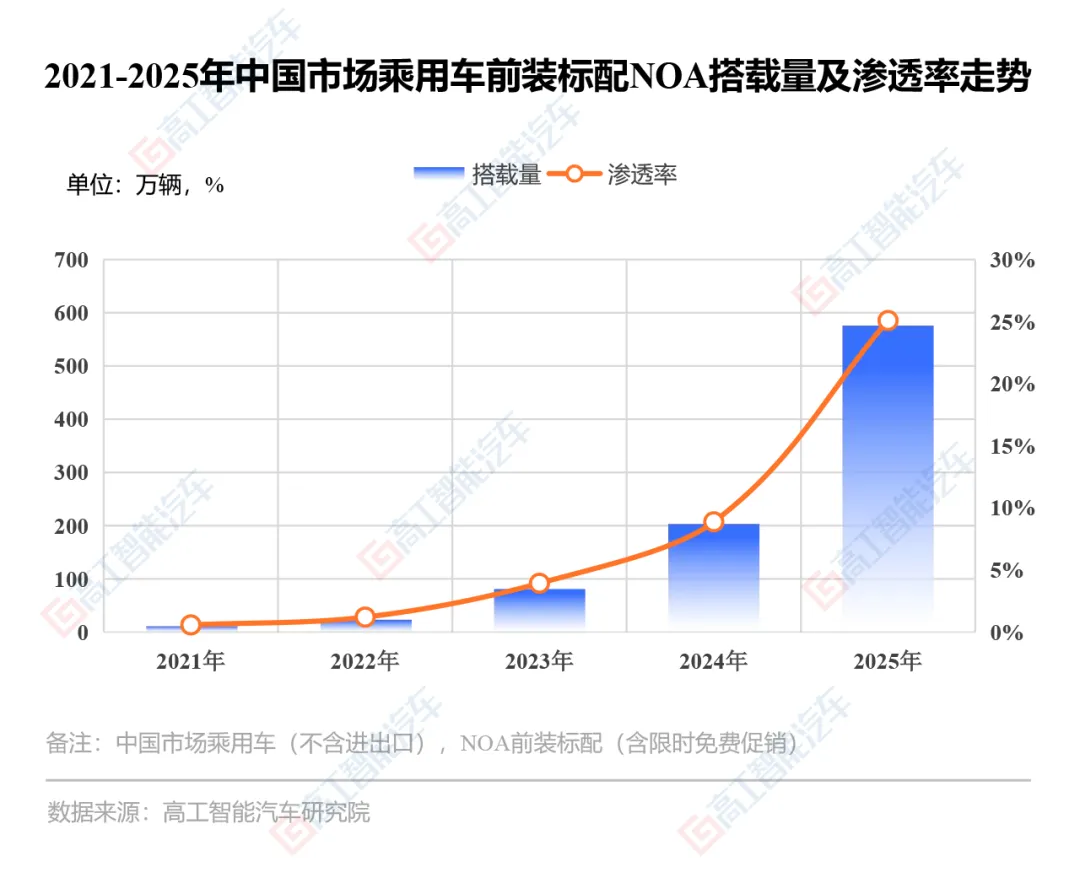
Core Insights - The report by Gaogong Intelligent Automotive Research Institute reveals that Huawei and Qizhou Zhihang together hold over 60% of the market share in the NOA (Navigation Assisted Driving) solutions for passenger cars in China from 2021 to 2025, leading the acceleration of NOA adoption [1] - The market for NOA has seen significant growth, with annual delivery volumes increasing from 118,000 units to 5.767 million units, and penetration rates rising from less than 1% to 25.1%, reflecting a compound annual growth rate of 164.4% [1] Market Share and Competition - Huawei leads the industry with a market share of 41.28%, followed by Qizhou Zhihang at 21.04%, with other competitors like Momenta and Zhuoyutech also making significant strides [1] - Qizhou Zhihang has achieved a milestone of over 1 million units of assisted driving systems delivered, showcasing its strong production and delivery capabilities [1][4] Delivery and Growth - Qizhou Zhihang's delivery volume surged from 500,000 to 1 million units in just 8 months, indicating rapid growth in production partnerships and platform capabilities [4] - The company has established deep collaborations with nearly 10 automotive brands, covering 23 models across a price range of 80,000 to 400,000 yuan [4] User Experience and Safety - The penetration rate of NOA in vehicles priced below 150,000 yuan is projected to reach 17.5% by 2025, with specific rates of 9.3% for vehicles under 100,000 yuan and over 23% for those between 100,000 and 150,000 yuan [4] - Qizhou Zhihang emphasizes safety and reliability, with its users having accumulated over 2.5 billion kilometers using assisted driving, and an average of 146,000 potential accidents avoided annually [5] Technological Innovation - The company has introduced the first end-to-end 6M city NOA solution, achieving performance comparable to higher computational power systems while maintaining safety and user experience [5] - Qizhou Zhihang's approach focuses on "not compromising safety, not stacking computing power, and not sacrificing experience," with ongoing OTA upgrades to enhance system performance [5] Future Outlook - By 2026, the city NOA is expected to enter a phase of large-scale and widespread implementation, with Qizhou Zhihang positioned to lead the market with its substantial share and focus on safety [6]
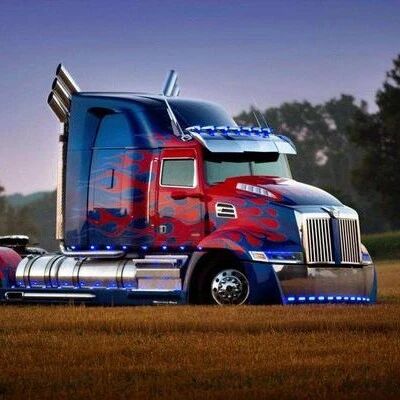
独家丨Momenta布局无人驾驶卡车,自建数十人团队
雷峰网· 2026-02-06 06:50
Core Viewpoint - Momenta is shifting its technical focus from mass production to Level 4 (L4) autonomous driving, indicating a strategic pivot towards advanced autonomous vehicle solutions [5]. Group 1: Business Expansion - Momenta is entering the autonomous truck sector by building a dedicated R&D team, following previous investments in Zero One Automotive, which focuses on high-level intelligent driving for new energy heavy trucks [2]. - The company plans to integrate its systems into mass-produced trucks to validate business models before establishing long-term strategies for autonomous trucks [2]. - Starting in 2025, Momenta will also expand into Robotaxi and unmanned delivery services, having already partnered with Uber to provide Robotaxi services outside of China and the U.S. [2]. Group 2: Core Business and Strategy - The primary business of Momenta is providing driver assistance solutions for passenger vehicles, collaborating with over 160 mass-produced models, positioning itself as a leading intelligent driving company in China [3]. - Momenta's strategy includes a "flywheel" approach to L4, where data from mass production vehicles will drive algorithm development and automation, ultimately leading to fully autonomous driving solutions [5]. - The company aims to achieve "driverless" Robotaxi by the end of 2025, marking a significant milestone in its transition to L4 technology [5].
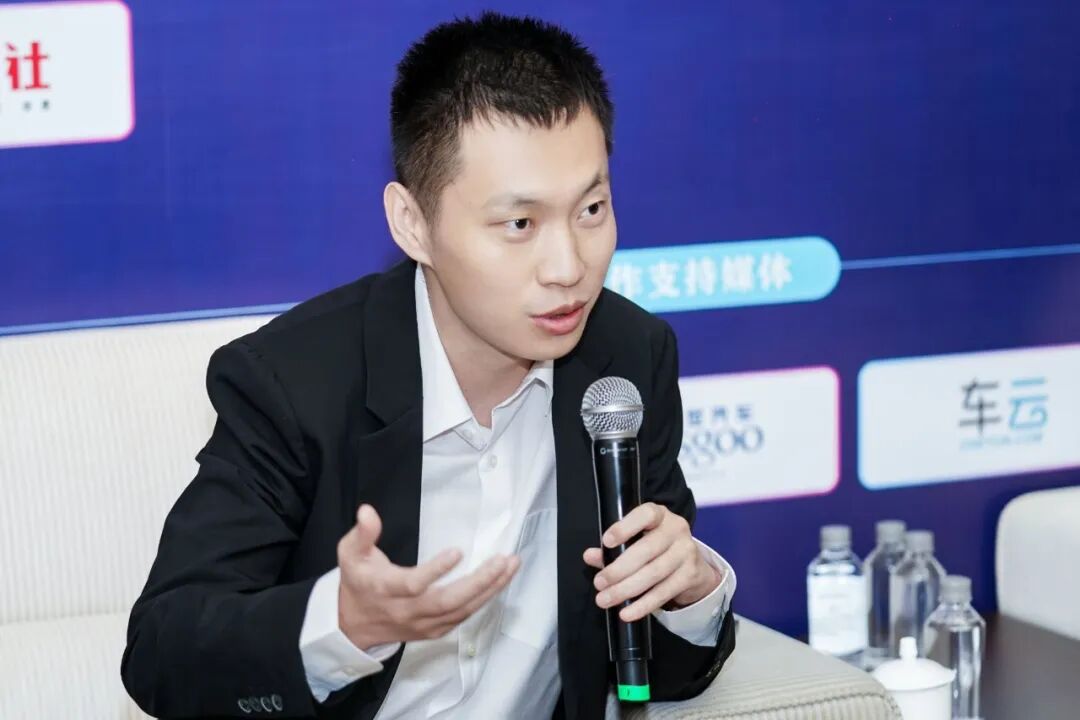
曹旭东和余凯不能承受之重
3 6 Ke· 2026-02-06 04:52
Core Insights - The automotive industry is experiencing a significant shift towards electric and AI-driven technologies, with a focus on intelligent driving systems [1] - The competitive landscape is evolving, with major players like Huawei and Tesla leading, while third-party suppliers like Momenta and Horizon are gaining attention [1][3] - Both Momenta and Horizon face unique challenges in their pursuit of profitability and market leadership [5][22] Group 1: Market Dynamics - The intelligent driving sector has transitioned from a chaotic investment landscape to a more defined competitive environment, with clear leaders and challengers [1] - Momenta holds the largest number of designated projects in the industry, with over 160 models, but faces challenges related to diverse customer demands and data integration [10][22] - Horizon dominates the ADAS chip market with nearly 50% share, but is lagging in software development, which is critical for comprehensive solutions [14][25] Group 2: Financial Performance - Momenta reported revenues of approximately 400 million yuan in 2023, with a net loss of 1.2 billion yuan, indicating a significant imbalance between revenue and expenses [23] - Horizon's revenue for the first half of 2025 was 1.567 billion yuan, but it incurred R&D expenses of 2.3 billion yuan, highlighting the financial strain of its dual focus on hardware and software [25] - Both companies are struggling to achieve a sustainable business model, with Momenta's extensive project customization leading to high costs and Horizon's aggressive R&D spending creating financial pressure [22][24] Group 3: Competitive Strategies - Momenta is attempting to build its own hardware solutions to complement its software offerings, potentially increasing its competitiveness against Horizon [21][29] - Horizon has established a broad ecosystem of partnerships with major automotive manufacturers, which may provide a competitive edge in the market [29] - The ongoing battle between the two companies reflects a broader industry challenge of balancing technological depth with financial viability [30]
高阶智驾中场战事:规模门槛与战略分化
Mei Ri Jing Ji Xin Wen· 2026-02-06 04:27
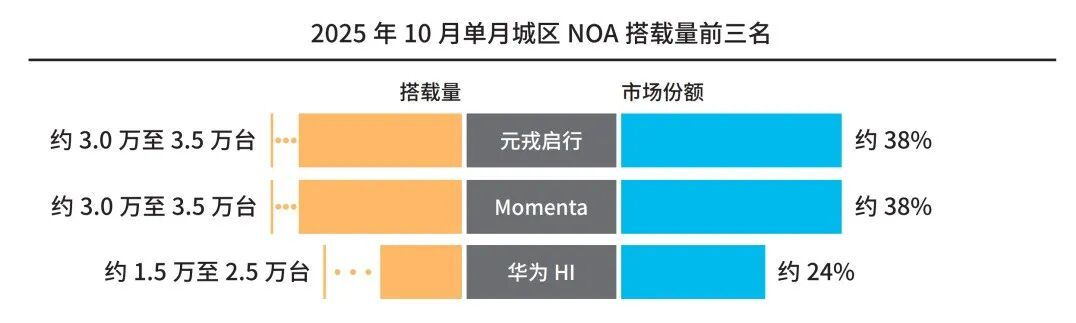
另一方面,"装车量"本身已演化为新的技术门槛。行业头部玩家清晰地认识到,规模不仅是市场地位的象征,更是通往下一代技术的"燃料"与"门票"。正 如元戎启行CEO周光所判断的,要实现更先进的VLA(视觉-语言-动作)大模型,十万辆级的真实数据规模是必须跨越的"基准线"。这意味着,无法在现 阶段跨越初步规模门槛的玩家,将直接失去参与未来技术竞争的资格。 而能够在规模竞赛中率先达标的企业,则获得了定义未来的先机。元戎启行的爆发式增长,正是这一新规则最直接的验证。 《中国智能驾驶行业趋势白皮书(2025)》(下称"白皮书")指出,自布局前装量产市场以来,元戎启行仅用一年多时间便实现了城区NOA累计交付从 零到20万台的跨越。其增长呈现"跨越式"特征:从2025年初的月交付约3000台,到9月单月突破3万台,实现了"十倍速"增长。至2025年11月,其累计交付 量已达20万辆,全程仅用时约14个月。 2025年,成为中国城市NOA市场的残酷分水岭。当累计搭载量突破312.9万辆、市场渗透率迅猛攀升时,一场无声的清洗同步进行,一方面毫末智行等一 批玩家退场,另一方面华为、元戎启行、Momenta成为了第三方智驾供应商中显著 ...
宝马2026年在华计划推出约20款新车 三大品牌全面焕新
Yang Shi Wang· 2026-02-05 12:21
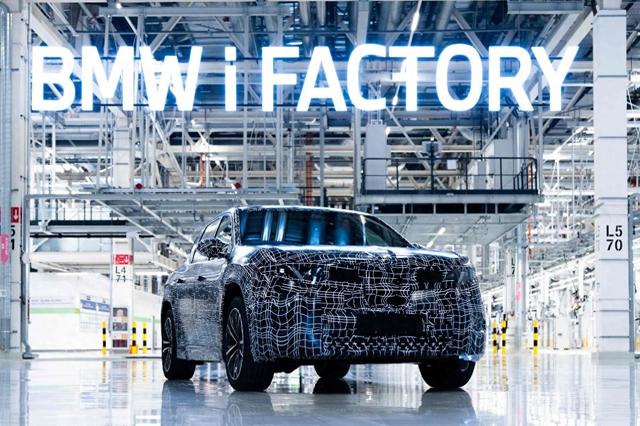
Core Insights - BMW Group has announced its strategic plan for the Year of the Horse, focusing on local production and the launch of the new BMW iX3 long-wheelbase version in China [1] - The company plans to introduce approximately 20 new models across its three brands to enhance its product lineup and meet market demands [1][11] - BMW aims to solidify its operational framework in 2025, with 2026 expected to be a year of significant product launches and achievements [4] Group 1: Strategic Initiatives - The new BMW iX3 long-wheelbase version will be produced locally, showcasing BMW's commitment to local manufacturing [1] - The company is enhancing its research and development capabilities in China, leveraging a large network to respond quickly to local needs [4] - BMW's AI platform "Gaia" has been deployed in China to improve internal operations and product quality [4] Group 2: Production and Manufacturing - The Shenyang production base is prepared for mass production of new products, including the trial production of the new BMW iX3 long-wheelbase version [4] - The sixth-generation battery project is also in steady preparation for mass production [4] Group 3: Market and Product Development - In 2026, BMW plans to launch around 20 new or updated products in China, covering BMW, MINI, and BMW Motorrad brands [11] - The BMW brand will introduce special editions inspired by traditional Chinese culture for models like the BMW 3 Series, X3, 5 Series, and X5 [11] - MINI will offer new personalized options, including the electric MINI COOPER PAUL SMITH designer edition and the electric MINI JCW Monte Carlo Night 60th Anniversary edition [11] - BMW Motorrad will expand its luxury motorcycle lineup in China with the introduction of the new BMW R 1300 RT [11] Group 4: Partnerships and Collaborations - BMW is collaborating with Chinese suppliers like CATL and Eve Energy to promote large-scale production of cylindrical battery cells [4] - The company is partnering with Alibaba to integrate AI language models into its vehicles [4] - Collaboration with Momenta aims to develop intelligent driving assistance solutions tailored to Chinese road scenarios [4]
多款新车落地开启新篇章 宝马集团发布2026马年战略规划
Xin Lang Cai Jing· 2026-02-05 11:01
Core Insights - BMW Group has announced its strategic plan for 2026, designating it as a year of delivery, product launches, and presentations in China, with approximately 20 new models across its BMW, MINI, and BMW Motorrad brands to meet local consumer demands for driving pleasure and personalized mobility [1] Group 1: R&D and Innovation - BMW has established the largest R&D network outside Germany in China, featuring four innovation hubs and three software companies to swiftly address core consumer needs [3] - The Nanjing team focuses on intelligent automotive software development, achieving full-stack capabilities in smart connected vehicle software [3] - By 2025, BMW plans to deploy its self-developed AI platform "Gaia" in China to enhance employee capabilities, reshape business processes, and improve product quality and operational efficiency [3] Group 2: Manufacturing and Production - The Shenyang production base has become a crucial global manufacturing hub for BMW, with over 116 billion yuan invested since 2010, setting a benchmark for intelligent automotive manufacturing [4] - The trial production of the new generation BMW iX3 long-wheelbase version has commenced at the Tiexi factory, with mass production preparations for the sixth-generation power battery project set to begin in 2026 [4] - BMW is collaborating with dealers to enhance operational efficiency and service quality through innovative pilot projects, while also deepening partnerships with companies like CATL and Alibaba for mutual benefits [4] Group 3: Product Launches and Special Editions - The new generation BMW iX3 long-wheelbase version, tailored for the Chinese market, will officially launch in 2026, integrating advanced electric drive technology and AI features to enhance driving enjoyment and safety [6] - In celebration of the Year of the Horse, BMW has introduced special editions of key models like the BMW 3 Series and BMW X3, designed by the Designworks team in Shanghai, reflecting cultural resonance and individual expression [8] - Additional personalized products, including the electric MINI COOPER PAUL SMITH designer edition and the new BMW R 1300 RT, will be launched to cater to diverse consumer preferences [9]