
SHEIN

Search documents
BrandOS榜单发布:重回增长通道,中国品牌加速走出去要关注这些趋势
Sou Hu Wang· 2025-07-21 03:37
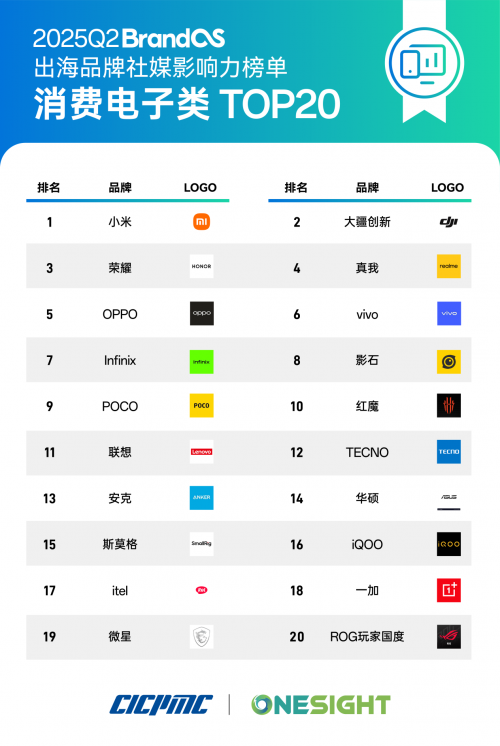
Core Insights - The BrandOS Overseas Brand Social Media Influence Ranking for Q2 2025 was jointly released by OneSight and the China International Multinational Corporation Promotion Association (CICPMC), marking the first non-commercial ranking of Chinese brands' performance on overseas social media since its inception in 2019 [1] - The ranking utilizes a new evaluation system based on real-time data from major overseas social media platforms, focusing on follower scale, interaction effectiveness, and content creation capabilities across eight core sectors, including consumer electronics, automotive, home appliances, new energy, and intelligent manufacturing [1][2] Group 1: Social Media Trends - The white paper accompanying the ranking provides an in-depth analysis of global social media platform innovations and rule adjustments, highlighting five key trends: immersive experiences, open AI tools, deep community interactions, upgraded search logic, and innovative advertising formats [2] - Major social platforms are accelerating their foray into immersive interactive spaces, with Google and Meta making significant advancements in virtual and augmented reality advertising and content creation tools [3] Group 2: Marketing Strategies - Brands are encouraged to adopt an "experience as marketing" strategy by transitioning product stories and user experiences into 3D or virtual spaces, particularly targeting younger audiences through platforms like Roblox [4] - The rise of AI creative tools is transforming content production, enabling brands to leverage AI for video structuring, script generation, and multilingual dubbing, thus enhancing market adaptability [5][7] Group 3: Community Engagement - Social platforms are shifting focus from information flow to community co-creation, enhancing user engagement through improved desktop experiences and interactive features [8] - Brands should prioritize community interaction by initiating discussions based on product experiences and emotional resonance, fostering user-generated content (UGC) [9] Group 4: Search and Discovery - Social and content platforms are evolving search functionalities from passive query tools to proactive discovery engines, with Google and YouTube implementing AI-driven search recommendations [10] - Brands need to optimize content for structured and semantic relevance to enhance visibility and engagement in search results [11] Group 5: Advertising Innovations - New advertising formats are emerging that reduce user ad fatigue, with WhatsApp and YouTube introducing less intrusive promotional methods [12][13] - Brands should adapt to these low-disruption advertising environments by creating personalized and contextually relevant content [14] Group 6: Industry Rankings - The Q2 2025 BrandOS Overseas Brand Social Media Influence Ranking highlights top brands across various sectors, including retail, new energy, and intelligent manufacturing, showcasing their social media performance [15][18][19][20]

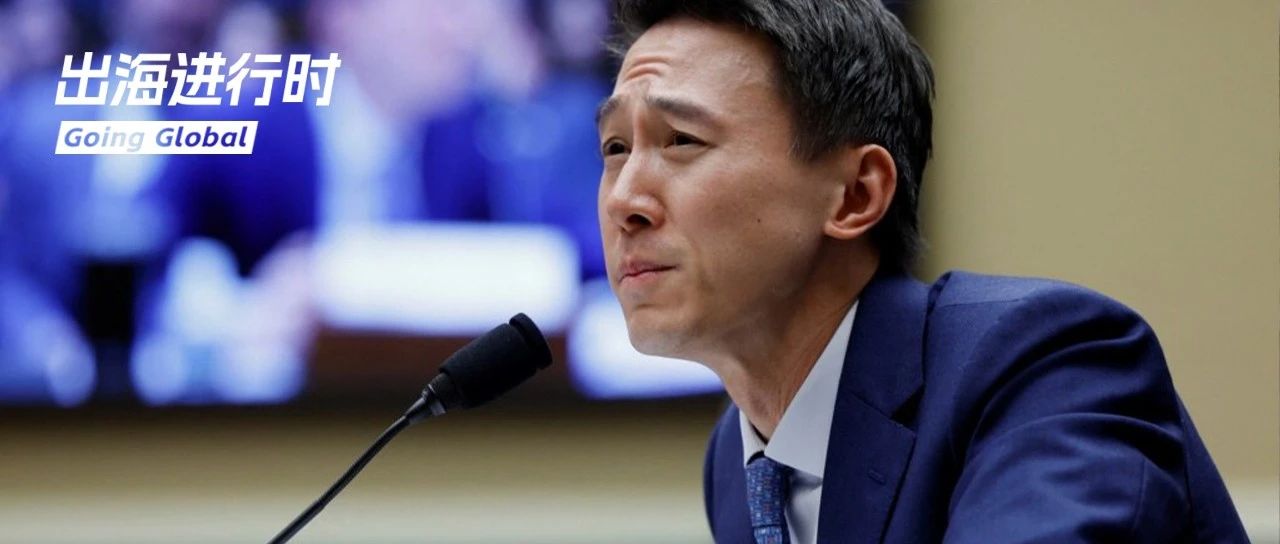
周受资给加拿大工业部长写信,请求紧急面谈;估值 6.5 亿美元,这个产品做成了“美版公众号”丨Going Global
创业邦· 2025-07-20 10:37
Core Insights - The article highlights significant developments in the global expansion of companies, particularly focusing on TikTok's negotiations in Canada, Blackstone's withdrawal from the TikTok US acquisition, and the rapid localization efforts of Temu in the UK [3][5][9][11]. Group 1: TikTok Developments - TikTok is urgently seeking negotiations with the Canadian government to avoid the shutdown of its local operations, which were ordered due to national security concerns [5]. - Blackstone has reportedly exited the consortium aimed at acquiring TikTok's US operations, adding uncertainty to the ongoing negotiations [9]. Group 2: Temu's Expansion - Temu plans to increase the proportion of local orders in the UK to 50% by the end of 2025, currently boasting 22 million users in the region [11]. - The platform has seen a 68% year-over-year increase in global monthly active users, reaching 417 million, with Latin America showing a remarkable 122% growth [11][12]. Group 3: SHEIN and Manus - SHEIN's India app has surpassed 2 million downloads within six months of its relaunch, with over 20,000 products available on the platform [14]. - Manus has disclosed its technical experiences while transitioning to overseas markets but did not address the reasons for its exit from China [16][17]. Group 4: Company Challenges - The lawnmower robot company Supoman has filed for bankruptcy, attributed to technological stagnation and declining market share [19]. - Inditex plans to reintroduce its budget brand Lefties in France to compete with low-cost rivals like SHEIN [25]. Group 5: Investment and Financing - Several Chinese venture capital firms are restarting USD fundraising, targeting over $2 billion, focusing on AI and new consumer sectors [32][34]. - Substack has completed a $100 million Series C funding round, increasing its valuation by nearly 70% since 2021 [34][35]. Group 6: Market Entries and Regulations - Couche-Tard has abandoned its $47 billion acquisition of Seven & i Holdings due to negotiation breakdowns [27]. - Thailand has classified 19 e-commerce platforms, including Shopee and Lazada, as "high-risk," subjecting them to mandatory regulations [31].
美国零售巨头学Temu做“工厂直发”,胜算几何?
Hu Xiu· 2025-07-17 10:53
Core Viewpoint - Target is testing a "factory direct shipping" model to address declining performance, emulating Temu's fully managed logistics approach to reduce operational costs and enhance price competitiveness [1][4][15]. Group 1: Performance Challenges - Target is facing significant challenges including rising labor costs, fluctuating store traffic, weak demand, and poor inventory management [5]. - In Q1, Target's net sales were $23.8 billion, down from $24.5 billion in the same period of 2024, with inflation leading to reduced consumer spending on non-essential items [6]. - CEO Brian Cornell noted a decline in consumer confidence over five consecutive months and potential tariff uncertainties impacting performance [7]. - In-store sales dropped by 5.7% in Q1, with inflation pressures causing a significant decrease in consumer spending per visit [8]. - Target's stock has fallen over 25% this year, partly due to consumer backlash following the company's decision to end diversity and inclusion practices [9]. Group 2: Strategic Shift - Target's current shipping method involves routing products through distribution centers or stores before reaching consumers, which the new model aims to streamline [11]. - The "factory direct" model is expected to reduce logistics steps, potentially lowering prices and increasing market share in discount retail [12][13]. - The focus on apparel and home goods aligns with Temu's strategy, making this shift seem logical given the longer logistics times associated with factory shipping [13]. Group 3: Industry Context and Competition - The shift to a "factory direct" model raises questions about its effectiveness, with experts suggesting it may not significantly benefit Target [14]. - Target's price competition is challenged by Walmart and Amazon, which have superior supply chain capabilities and logistics networks [15]. - The removal of the $800 import tax exemption and Temu's shift towards domestic warehousing may increase costs for Target, complicating its strategy [15]. - Target's brand positioning as "Cheap Chic" may conflict with a focus on low-cost products, risking brand dilution and customer loss [15]. - Competitors like Walmart and Amazon are enhancing their logistics and customer engagement strategies, further intensifying the competitive landscape [16].

在招聘平台投沉了300份简历,为何被校友内推就中了?
3 6 Ke· 2025-07-17 09:26
Group 1 - The article highlights the importance of alumni networks in the job market, emphasizing that many companies have preferences for graduates from certain universities due to shared characteristics and specialized skills [2][4][5] - It points out that not all top universities in China maintain strong alumni connections, with many graduates losing touch with their peers shortly after leaving school [2][4] - The article suggests that in a challenging employment environment, leveraging alumni resources can provide unexpected information and opportunities [2][4] Group 2 - The article discusses the differences in alumni activities between Chinese and Western universities, noting that Western alumni events are often more diverse and engaging [5][10] - It mentions that the demand for talent in sectors like e-commerce, new energy, and smart manufacturing is increasing, particularly with the rise of localized operations in overseas markets [10][18] - The article emphasizes the need for professionals to actively explore and innovate in their job search, especially in competitive fields like cross-border business [18][19] Group 3 - The article provides insights from a headhunter's perspective, indicating that companies are increasingly looking for candidates with language skills and cultural understanding as they expand internationally [7][10] - It highlights the importance of understanding local markets and compliance when companies venture abroad, particularly in regions like Southeast Asia [10][18] - The article concludes with a focus on the necessity for job seekers to take control of their career paths and adapt to the evolving job landscape [19][20]

上半年海南跨境电商出口业务保持高速增长势头
Zhong Guo Xin Wen Wang· 2025-07-16 11:58
2024年11月25日,海关总署公布了进一步促进跨境电商出口发展的公告。今年4月22日,国务院批复同 意海南将跨境电子商务综合试验区的设立由海口扩大至海南全岛,海南跨境电子商务迎来了新的发展机 遇。这些举措的出台,在全球电商蓬勃发展、国外竞争激烈的背景下,为我国跨境电子商务商品出海打 造了新引擎。 "今年以来,美兰机场口岸运力大幅提升,和去年相比,格鲁吉亚航空执飞的海口⇆米兰货机航期稳 定,海航国际宽体客机运力有所增加,为跨境电商出口提供了更充足的运输保障。"翼云关务负责人陈 一波说,由TEMU、SHEIN速卖通和亚马逊等主流电商平台出口的货物类型较去年向轻量化结构转变, 订单数量大幅增加,企业对当前货量快速增长、业务平稳运行的口岸业态充满信心。 海关表示,根据《关于跨境电子商务零售进出口商品有关监管事宜的公告》有关规定,在海口市符合条 件的跨境电子商务零售商品出口,可采取"清单核放、汇总统计"方式办理报关手续,相较非跨境电子商 务综合试验区"清单核放,汇总申报"模式,企业每月不再汇总形成出口报关单,大幅减少了跨境出口商 品通关环节,跨电商品出口更加高效便捷。 中新网海口7月16日电 (孟桓宇 谢东良)今年以 ...
杭州这场全球“跨交会”成果丰硕
Mei Ri Shang Bao· 2025-07-14 05:48
Core Insights - The 2025 Global Cross-Border E-commerce Trade Expo in Hangzhou successfully concluded, attracting 116,000 attendees and generating significant trade intentions, including 33,000 foreign trade procurement intentions and 25,000 cross-border e-commerce service cooperation intentions [1][2]. Group 1: Event Highlights - The expo showcased a vibrant atmosphere with 70,000 square meters of exhibition space, breaking down language and logistical barriers for businesses [2]. - Notable projects, including the establishment of the first merchant service center for Yandex Market in the Asia-Pacific region, were launched during the event [2]. - The event facilitated connections for foreign trade enterprises, resulting in potential orders worth millions and over 1,000 potential clients identified [2]. Group 2: Industry Growth - China's cross-border e-commerce import and export scale is projected to reach 2.63 trillion yuan in 2024, marking a 10.8% year-on-year growth [4]. - Hangzhou's cross-border e-commerce export scale has surged from less than 120 million yuan to 151.995 billion yuan over the past decade, a staggering increase of 1,266 times [4]. - The city has become a hub for cross-border e-commerce, with 1,586 enterprises achieving transaction volumes exceeding 20 million yuan [4]. Group 3: Technological Innovations - AI tools are increasingly integrated into cross-border e-commerce, enhancing efficiency in product operations and marketing strategies [5]. - Companies like Cloud Creation Beast AI and Alibaba International Station are leveraging AI to streamline processes, enabling even those without foreign language skills to create multilingual promotional content [2][5]. Group 4: Future Outlook - The importance of compliance in cross-border operations is growing, with companies focusing on navigating international regulations and e-commerce platform rules [6]. - The expo serves as a barometer for industry trends, indicating a shift towards a more intelligent, compliant, and sustainable cross-border e-commerce landscape [6].
撒钱40亿美元,亚马逊准备对抗沃尔玛;微软退出巴基斯坦,结束25年南亚市场布局丨Going Global
创业邦· 2025-07-13 11:20
Core Viewpoint - The article highlights significant developments in the global expansion of various companies, focusing on their strategies, market entries, and financial activities in the international arena [2]. Group 1: Major Events in Global Expansion - SHEIN has submitted a draft prospectus for an IPO to the Hong Kong Stock Exchange, shifting focus from London after prolonged efforts to list there [5]. - Temu plans to enter the European food market, establishing local teams in Germany and expanding to Switzerland and Austria, aiming for 80% of sales to come from local sellers using regional warehouses [7]. - TikTok denied reports of developing a U.S.-specific app and refuted claims regarding the sale of its U.S. operations to Oracle [10][12]. - JD Global Sales launched a semi-managed model targeting nine countries, including the U.S. and the U.K., to enhance its overseas operations [18][19]. - The tea brand Cha Yan Yue Se is entering the North American market, focusing on selling snacks and tea-related products rather than tea itself due to regulatory challenges [21]. - Alibaba's Amap launched a multilingual map service for overseas users, adding 14 languages to cater to the growing number of foreign tourists visiting China [23]. Group 2: International Trade and Tariffs - President Trump announced plans to impose tariffs of up to 50% on products from eight countries, including Brazil and the Philippines, starting August 1, 2025 [29][30]. - The U.S. government is considering new tariffs on pharmaceuticals and semiconductors, potentially reaching 200% for foreign-made drugs [30]. Group 3: Corporate Acquisitions and Investments - Rakuten announced a $500 million acquisition of the Asian B2B e-commerce platform B2B Trade, aiming to strengthen its position in the Asian market [46]. - Samsung Electronics signed an agreement to acquire the U.S. healthcare platform Xealth, marking a strategic move into mobile healthcare services [50]. - Indian e-commerce platform Meesho submitted an IPO application to raise approximately $5 million, with a revenue growth of 33% year-on-year [51]. - Bazaar Technologies acquired payment platform Keenu, marking a significant integration of e-commerce and payment systems in Pakistan [43]. - Jumbotail, an Indian B2B e-commerce platform, raised $120 million in a Series D funding round, bringing its total funding to $263 million [53].

全球独角兽,崛起大湾区
2 1 Shi Ji Jing Ji Bao Dao· 2025-07-11 11:52
Core Insights - The HuRun Research Institute released the "2025 Global Unicorn List," highlighting the growth of unicorn companies, defined as non-public companies founded after 2000 with valuations over $1 billion [1] Group 1: Unicorn Companies in the Greater Bay Area - The Greater Bay Area (GBA) is a leader in unicorn companies, with 72 unicorns, accounting for 21% of China's total [2] - The GBA's unicorns are concentrated in Shenzhen and Guangzhou, with 37 and 24 companies respectively, featuring notable firms like SHEIN and OPPO [2][4] - Over 80% of Shenzhen's unicorns are categorized as "hard tech," focusing on sectors like semiconductors and renewable energy [2][4] Group 2: Innovation and Collaboration - The GBA's strong institutional innovation and collaborative development mechanisms facilitate the free flow of innovation resources, enhancing market scale and supporting unicorn growth [3] - The region's collaborative ecosystem is characterized by shared computing power, policy integration, and industrial chain division, creating a seamless environment for "hard tech" innovation [4][5] Group 3: Unique Incubation Models - The GBA has a unique incubation model, particularly in Shenzhen, where large companies spin off high-potential business units into independent unicorns, fostering innovation [8][9] - Examples include WeLab and OPPO, which leverage cross-border data flow and proximity to enhance their market presence and operational efficiency [6][8] Group 4: Sector-Specific Growth - Guangzhou's unicorns often emerge from niche markets, benefiting from digital empowerment and innovative business models, such as ZhiJing Technology in the textile industry [10][11] - Companies like LeHe Food have successfully addressed supply chain inefficiencies, establishing themselves as leaders in their respective fields [11]
优蓝国际(YOUL)正式登陆纳斯达克,剑指15亿蓝领的全球新基建
Ge Long Hui· 2025-07-10 14:25
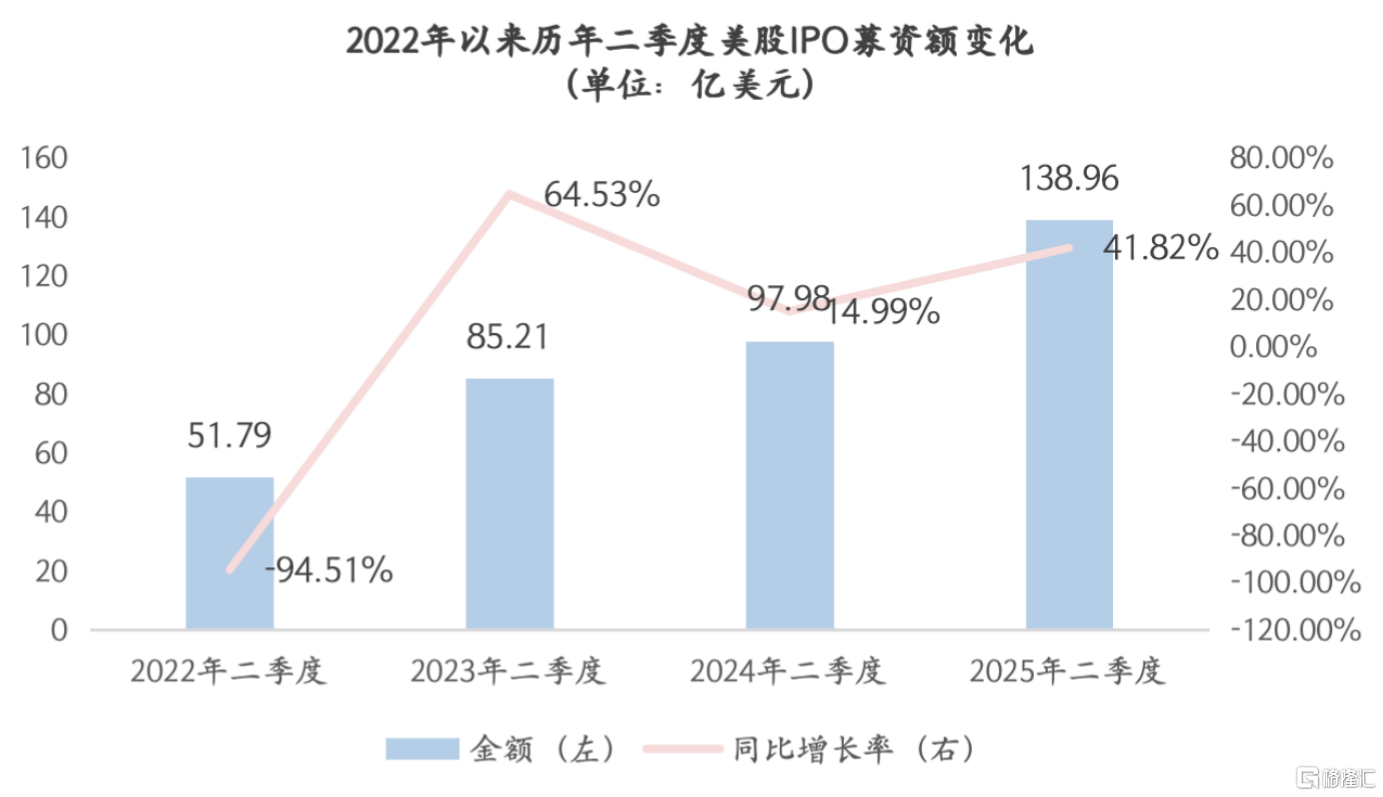
Core Viewpoint - Youlan International's listing on NASDAQ marks a significant step in its global strategy as the first Chinese blue-collar talent service provider to enter the US market, leveraging its unique business model to tap into a trillion-level market and a workforce of 400 million blue-collar workers in China [1] Group 1: Capital Leverage and Global Expansion - Youlan International aims to replicate the growth story of Japan's Recruit Holdings by utilizing capital markets for global expansion, similar to Recruit's strategic acquisitions that increased its overseas revenue share from 20.3% in FY2013 to 53.44% in FY2024 [2][3] - The company has established a comprehensive service model covering the entire career lifecycle of blue-collar workers, facilitating over one million job matches annually and serving more than 50,000 enterprises, supported by a blue-collar service market in China valued at 12 trillion with a CAGR of 13.3% [3] Group 2: Market Timing and AI Integration - The timing of Youlan International's IPO aligns with the overall recovery of the US IPO market, which saw 211 companies complete IPOs raising a total of $26.933 billion as of July 9, with a 41.82% year-on-year increase in funds raised in Q2 [5][6] - The average return on the first day of trading has risen from 5.64% to 15.09%, indicating a resurgence in market profitability, while the demand for AI-driven solutions remains strong, positioning Youlan's AI matching system and blockchain payroll solutions favorably in the current market [6][9] Group 3: Unique Global Strategy - Youlan International's global strategy is characterized by a dual-engine approach: leveraging capital for acquisitions to quickly gain market share and utilizing AI technology to enhance efficiency in blue-collar services, aiming to meet the industrialization needs of emerging markets along the Belt and Road [10] - The company is poised to transform its comprehensive blue-collar human resource service solutions into global competitiveness, capitalizing on the globalization of Chinese manufacturing and the industrialization demands of emerging markets [10][11]
汇聚全球资源 助力杭州打造“跨境电商国际合作枢纽”
Hang Zhou Ri Bao· 2025-07-10 02:52
10年前,杭州还只是跨境电商的一片"试验田",10年后,这里已成长为跨境电商交易额超1500亿元 的产业高地,培育出了完整的跨境电商生态链,杭州用10年时间书写了中国跨境电商发展的"杭州样 本"。7月10日,2025全球跨境电商交易博览会开幕,这场汇聚全球1300余家企业、平台和机构的博览 会,再次展现杭州作为跨境电商枢纽城市的强大魅力。 作为杭州今年规模最大的跨境电商行业盛会,展会将围绕"全球贸易新机遇,跨境电商新生态"主 题,搭建国际交流、产业对接、创新合作的平台。本届展会上,除衢州、临海等产业带之外,广东、江 苏、福建等省份的20多个地市均有产业带企业参展,覆盖消费电子、家居宠物、户外五金、时尚礼品、 母婴玩具等30多个跨境热门品类,将与国际买家精准对接。 在"杭州模式"的成功经验带动下,全国已部署新设177个跨境电商综试区,激发出我国对外贸易发 展的巨大潜能。 杭州跨境电商的快速发展,得益于政策创新、产业集聚和生态完善。10年来,杭州在全国首创"六 体系两平台",即信息共享、金融服务、智能物流、电商信用、统计监测、风险防控六大体系,线上"单 一窗口"和线下综合园区两大平台,并率先应用跨境电商9610、 ...