东风汽车

Search documents
工业和信息化部:支持车企“60天账期”承诺 促进产业健康发展
news flash· 2025-06-12 01:32
Core Viewpoint - Seventeen key automotive companies, including FAW, Dongfeng, GAC, and Seres, have committed to a payment term not exceeding 60 days, which is seen as a significant step towards promoting the healthy and sustainable development of the automotive industry [1] Group 1 - The commitment from automotive companies reflects a proactive response to national calls and demonstrates social responsibility and corporate accountability [1] - The initiative is expected to play a crucial role in building a collaborative and win-win development ecosystem between vehicle manufacturers and parts suppliers [1]
前瞻全球产业早报:多家车企官宣支付账期统一至60天内
Sou Hu Cai Jing· 2025-06-12 00:38
Group 1: US-China Trade Talks - The first meeting of the US-China trade negotiation mechanism took place in London, led by Chinese Vice Premier He Lifeng and US Treasury Secretary Janet Yellen, among others [2] - Both sides engaged in candid and in-depth discussions, reaching a principled consensus on key economic and trade issues [2] - The meeting aimed to implement the important consensus from the June 5 call between the two countries' leaders and to consolidate the outcomes of the Geneva trade talks [2] Group 2: Automotive Industry Developments - Several automotive companies, including Dongfeng Motor and China FAW, announced a unified payment term for suppliers to within 60 days [3] - This initiative is intended to support the healthy development of small and medium-sized enterprises in line with national policy [3] Group 3: IP Retail Market Growth - China has become the fourth largest IP retail market globally, with an annual retail sales total of 155.09 billion yuan in 2024, reflecting a year-on-year growth of 10.7% [4] - The IP derivative market in China is expected to exceed 100 billion yuan by 2027, with a compound annual growth rate of over 20% [4] Group 4: AI Development Initiatives - Liaoning Province has issued a plan to promote AI innovation, aiming to establish a collaborative development model by 2027 [5] - The plan includes building a computing power infrastructure with a scale of over 5000 PFLOPS and nurturing over 300 AI enterprises [5] Group 5: New Product Launches - Huawei launched the Pura80 series smartphones, featuring HarmonyOS 5.1 and starting prices of 6499 yuan for the Pro model and 9999 yuan for the Ultra model [6] - Alibaba's Qwen3-Embedding model topped the global open-source model rankings, indicating strong interest in AI models [7] Group 6: Corporate Restructuring and Financial Updates - Li Auto announced the establishment of two new robot departments to accelerate its AI strategy [9] - The founder of Pang Donglai projected a net profit of 1.5 billion yuan for the company in 2025, with an average monthly income of 9000 yuan for employees [10] - Marelli Corp filed for Chapter 11 bankruptcy protection in the US and secured $1.1 billion in new financing [14] Group 7: Market and Economic Indicators - The US manufacturing sector is under significant supply pressure due to a shortage of rare earth materials, with current inventories only sufficient for two to three months [11] - Tesla's Robotaxi project is set to launch in Austin, Texas, on June 22, with potential adjustments to the timeline [12] - Qualcomm has established an AI research center in Vietnam, focusing on generative and agent-based AI solutions [13]

关于乘用车,重要数据公布;官宣:没停,贯穿全年;或超80亿元!“巨无霸”基金宣布分红→
新华网财经· 2025-06-12 00:24
Group 1: New Energy Vehicle Market - From June 1 to June 8, the national retail sales of new energy vehicles reached 202,000 units, a year-on-year increase of 40% compared to the same period last year, and a month-on-month increase of 4%. The retail penetration rate of the new energy market is 58.8%, with cumulative retail sales of 4.559 million units this year, up 34% year-on-year [1][6] - In the same period, the wholesale of new energy vehicles reached 166,000 units, a year-on-year increase of 5% but a month-on-month decrease of 6%. The wholesale penetration rate is 53.5%, with cumulative wholesale of 5.373 million units, a year-on-year increase of 39% [6] Group 2: Consumer Subsidy Policies - Recent news regarding the suspension of national subsidies for consumer goods exchange programs has raised concerns. However, officials from Hubei and Jiangsu stated that the subsidy program will continue until the end of the year, while Chongqing announced that the second phase of the subsidy policy is expected to be introduced in early June [1][6] Group 3: ETF Market Developments - On June 10, the largest ETF product in the market, Huatai-PB CSI 300 ETF, announced a dividend distribution, with the total dividend expected to exceed 8 billion yuan [2][11] Group 4: Battery Industry Insights - In May, China's power battery installation volume reached 57.1 GWh, with a month-on-month increase of 5.5% and a year-on-year increase of 43.1%. Lithium iron phosphate batteries accounted for 81.6% of the total installation volume, showing a year-on-year growth of 57.7% [7] Group 5: Corporate Actions and Announcements - On June 10, several major automotive companies, including BYD and Geely, committed to standardizing supplier payment terms to within 60 days, aiming to enhance cash flow and collaboration with suppliers [9][11] - On June 10, Vanke announced the sale of 22 million A-shares, raising approximately 146 million yuan, which will be used to supplement the company's liquidity [18]

车圈60天账期革命,压力最大的是新势力
吴晓波频道· 2025-06-12 00:20
Core Viewpoint - The automotive industry is experiencing a "payment term revolution," where major companies are committing to pay suppliers within 60 days, responding to increasing competition and internal pressures within the industry [2][3][6]. Group 1: Industry Dynamics - Major automotive companies like GAC, FAW, Dongfeng, and BYD have initiated a commitment to limit supplier payment terms to 60 days, which has been followed by other traditional and new energy vehicle manufacturers [2][3][5]. - This movement is seen as a reaction to the escalating price wars and competitive pressures within the industry, particularly after significant price cuts announced by BYD and others [8][9][11]. - The Ministry of Industry and Information Technology and the China Automotive Industry Association have criticized the ongoing price wars and are advocating for a return to rational and high-quality development in the sector [11][24]. Group 2: Financial Implications - The new payment term policy is expected to alleviate financial pressure on suppliers, who have historically faced long payment cycles averaging over 120 days, with some exceeding 200 days [22][44]. - The implementation of the "Payment Protection for Small and Medium Enterprises" regulation aims to enforce timely payments and eliminate non-cash payment methods that extend payment periods [16][22]. - The shift to a 60-day payment term will challenge automotive companies to improve their financial management and may require significant capital adjustments, particularly for larger firms like BYD [30][31]. Group 3: Market Reactions and Future Outlook - The commitment to shorter payment terms is viewed as a positive step towards improving the operational efficiency of suppliers and the overall competitiveness of the automotive industry [34][36]. - However, there are concerns that strong automotive companies may still exploit their market position, potentially leading to new forms of delayed payments or other tactics to maintain cash flow [29][40]. - The ongoing changes in payment terms are part of a broader effort to address "involution" in the industry, with regulatory bodies pushing for a more equitable and sustainable market environment [24][37].


8点1氪|蜜雪冰城含菌量超标被通报;于东来称胖东来周工时将不超36小时;马斯克称后悔发布关于特朗普的帖子
3 6 Ke· 2025-06-11 23:50
Group 1: Company Listings and IPOs - Anjiu Food Group has passed the listing hearing on the Hong Kong Stock Exchange [1] - October Rice announced that it has completed the filing for its H-share full circulation application, involving the conversion of 646 million shares [2] - Yilian Bio has hired CICC, JPMorgan, and Morgan Stanley for its planned IPO in Hong Kong, aiming to raise over $100 million [3] Group 2: Food Safety and Corporate Practices - A report indicated that Mixue Ice City was found to have excessive bacteria levels in a frozen dessert sample, leading to a product recall [4] - Founder Yu Donglai of Pang Donglai stated that the average monthly income for employees is 9,000 yuan, with a net profit estimate of around 1.5 billion yuan [4] Group 3: Corporate Developments and Acquisitions - JD Logistics is reportedly expanding into Saudi Arabia, having recruited over a thousand team members [10] - Hainan Airlines announced a significant investment of $4.39 billion to fully acquire the streaming platform Hulu from Comcast [13] Group 4: Financial Performance and Market Reactions - Oracle reported a total revenue of $57.4 billion and a net profit of $12.4 billion for the fiscal year 2025 [18] - The U.S. stock market saw a collective decline, with major tech stocks like Intel and Amazon experiencing significant drops [11] Group 5: Innovations and Product Launches - Xiaomi's SU7 Ultra production model set a record as the fastest mass-produced electric vehicle at the Nürburgring [8] - DJI launched the Matrice 400, a flagship flying platform with significant upgrades in endurance and obstacle avoidance [20] Group 6: Financing and Investments - Marelli Corp, an automotive parts supplier, filed for Chapter 11 bankruptcy protection and secured $1.1 billion in new financing [22] - The 3D model company "VAST" completed a multi-million dollar Pre-A+ round of financing to enhance its AI-driven 3D workspace [23]
8点1氪:蜜雪冰城含菌量超标被通报;于东来称胖东来周工时将不超36小时;马斯克称后悔发布关于特朗普的帖子
36氪· 2025-06-11 23:45
Group 1 - A frozen dessert sample from Mixue Ice City in Sha Tin was reported to exceed legal limits for coliform bacteria and total bacterial count [2][7] - The sample contained 170 coliform bacteria per gram and 75,000 total bacteria per gram, surpassing the legal limits of 100 and 50,000 respectively [7] - The Hong Kong Food and Environmental Hygiene Department has instructed the store to cease sales and dispose of the affected products [7] Group 2 - Anjiu Food Group has passed the listing hearing at the Hong Kong Stock Exchange [3] - October Rice announced it received a filing notice from the China Securities Regulatory Commission regarding its H-share full circulation application [4] - Yilian Bio has hired CICC, JPMorgan, and Morgan Stanley for its planned IPO in Hong Kong, aiming to raise over $100 million [5] Group 3 - Multiple automotive companies, including FAW Group and Dongfeng Motor, have committed to standardizing supplier payment terms to within 60 days [10] - This initiative is in response to government efforts to stabilize supply chains and promote high-quality development in the automotive industry [10] Group 4 - JD Logistics has reportedly established a team of over a thousand in Saudi Arabia as part of its expansion efforts [17] - General Motors plans to invest $4 billion in three U.S. assembly plants to adapt to new automotive tariffs [18] - Disney is set to acquire Comcast's stake in Hulu for nearly $439 million, gaining full control of the streaming platform [18] Group 5 - Oracle reported a total revenue of $57.4 billion and a net profit of $12.4 billion for the fiscal year 2025 [23] - Huawei launched the Pura80 series smartphones, with prices starting at 6,499 yuan [25] - Snap announced plans to release a new lightweight augmented reality smart glasses in 2026 [26]
多家车企发文承诺“支付账期统一至60天内”,特斯拉将交付首辆全自动驾驶汽车 | 汽车早参
Mei Ri Jing Ji Xin Wen· 2025-06-11 23:41
Group 1 - Multiple automotive companies in China, including FAW, Dongfeng, and GAC, have committed to standardizing supplier payment terms to within 60 days, which is expected to enhance cash flow and stabilize the supply chain, promoting high-quality development in the automotive industry [1] - The collective action of these companies reflects a strong focus on supply chain stability and is likely to boost market confidence in the automotive sector [1] Group 2 - Tesla's CEO Elon Musk announced that the first fully autonomous Tesla vehicle, without a steering wheel or pedals, will be delivered on June 28, controlled by the latest Full Self-Driving (FSD) software [2] - Tesla plans to launch a Robotaxi pilot service on June 22, consisting of 10 to 20 Model Y vehicles, which will operate with the new version of FSD software, marking a significant advancement in autonomous driving technology [2] - This development is expected to attract market attention and enhance Tesla's competitiveness in future mobility services, positively impacting investor confidence in the autonomous driving sector [2] Group 3 - Leap Motor opened its first store in Hong Kong, marking its entry into the market and its 1500th official store, despite the small size of the Hong Kong market [3] - The entry into Hong Kong will increase Leap Motor's brand visibility, but it will face competition from established brands like BYD and Xpeng [3] - Leap Motor plans to finalize localization sites in Europe and Southeast Asia within the year, indicating an acceleration in its global expansion strategy [3] Group 4 - Hino Motors and Mitsubishi Fuso have reached a final agreement to merge their businesses, forming a new holding company headquartered in Tokyo, with both companies becoming wholly-owned subsidiaries [4] - The merger is seen as a strategic integration by Toyota and Daimler in the global commercial vehicle market, enhancing resource allocation and market competitiveness for both companies [4] - The successful negotiation and agreement reflect confidence in future market potential, which may have a profound impact on the commercial vehicle industry [4] Group 5 - Xiaomi's Vice President responded to a fire incident involving a Xiaomi vehicle in Qingdao, clarifying that it was caused by an external collision and no injuries occurred [5] - The timely response aims to alleviate public concerns regarding brand safety, which is crucial in the competitive automotive market [6] - Xiaomi's transparent communication strategy may help maintain its brand image and stabilize investor sentiment, positively influencing the automotive and tech sectors [6]

“账期漫长”顽疾有望破解
Zhong Guo Qing Nian Bao· 2025-06-11 23:34
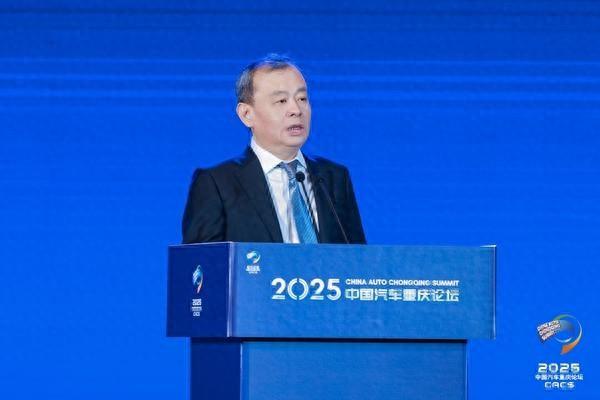
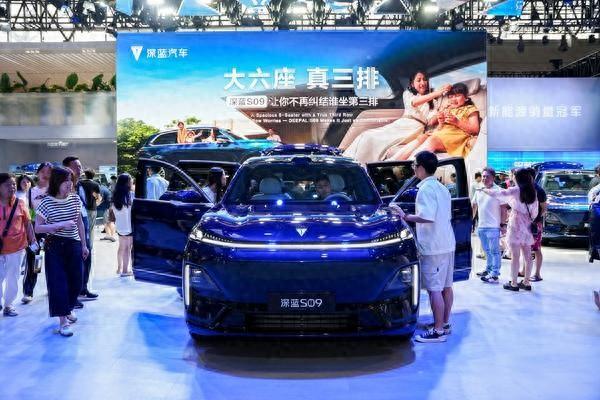
Core Viewpoint - The automotive industry in China is addressing the long-standing issue of extended payment terms for suppliers, with several major car manufacturers committing to a maximum payment period of 60 days to enhance the efficiency of the supply chain and support small and medium-sized enterprises [2][3]. Group 1: Industry Developments - The 2025 Chongqing International Auto Show featured the launch of 93 new vehicles, highlighting the collaborative efforts needed among suppliers, automakers, and dealers for the high-quality development of the new energy vehicle industry [2]. - Major automotive companies, including China FAW, Dongfeng Motor, and BYD, have pledged to implement a supplier payment term not exceeding 60 days, aiming to improve cash flow for small and medium enterprises [2]. - The Ministry of Industry and Information Technology and the State-owned Assets Supervision and Administration Commission have issued directives to stabilize the supply chain and promote high-quality development in the automotive sector [2][3]. Group 2: Financial Challenges - The accounts receivable turnover days in the automotive parts industry have been on the rise, indicating a growing challenge with long payment cycles for suppliers [3]. - Suppliers in various segments, such as automotive fasteners and electronic components, report facing payment cycles of 6 to 12 months, leading to significant financial strain [3]. - Analysts warn that unresolved long payment terms could hinder the efficiency of fund circulation within the supply chain, particularly affecting small suppliers who may struggle with cash flow and profit margins [3].

治理汽车业“长账期”问题可探索强化立法
21世纪经济报道· 2025-06-11 23:26
Core Viewpoint - The collective commitment of domestic automotive companies to unify supplier payment terms to within 60 days is a response to the "anti-involution" policy and aims to stabilize the industry while complying with the new regulations effective June 1, 2025 [1][2]. Group 1: Industry Context - The rapid development of China's new energy vehicle (NEV) industry has led to continuous price reductions to compete with fuel vehicles, negatively impacting upstream suppliers who bear the cost of these price cuts [1]. - The average accounts payable turnover days for 16 listed Chinese automotive companies is estimated to be 182 days in 2024, significantly longer than the 60 days maintained by 14 international automotive companies [2]. Group 2: Financial Implications - The profit margin of the Chinese automotive industry is projected to decline from 4.3% in 2024 to 3.9% in Q1 2025, which is below the average level of the manufacturing sector [3]. - Companies with high accounts payable ratios and extended payment terms face increased risks of losses from price competition, which could lead to cash flow issues and impact upstream suppliers [3]. Group 3: Regulatory and Structural Issues - The current self-regulation and corporate commitments lack sufficient effectiveness and enforcement, as some companies may still pressure suppliers to lower prices or absorb costs that should be borne by the automakers [4]. - Long-term solutions to the issue of extended payment terms require legal and systematic approaches, including stricter legislation against delayed payments and better quality regulation of components and materials [4].





山城激辩火药味渐起 中国汽车打响新一轮“反内卷”发令枪
Zhong Guo Qing Nian Bao· 2025-06-11 22:49
Core Viewpoint - The automotive industry in China is experiencing intense price wars and restructuring due to mergers and acquisitions, which are reshaping the market landscape [2][3] Group 1: Industry Challenges - The price war has escalated, with over 200 models experiencing price cuts in 2024 and more than 60 models in the first four months of 2025, leading to industry profits dropping below 4% [2][3] - The competition is characterized by excessive price reductions and blind technological advancements, which threaten reasonable profit margins and product/service quality [3][5] - The Chinese government has initiated measures to prevent "involution-style" competition, with various departments deploying strategies to stabilize the supply chain and promote high-quality development in the automotive sector [5][6] Group 2: Recommendations for Companies - Companies are urged to adhere to three bottom lines: maintaining quality and safety standards, practicing integrity and contract spirit, and committing to long-termism through technological innovation [3][8] - The automotive industry must focus on innovation, green transformation, and enhancing collaboration across the supply chain to navigate the current challenges [4][5] Group 3: International Expansion and Opportunities - The automotive sector is encouraged to explore overseas markets as a key strategy to alleviate domestic competition pressures, with significant growth in exports noted [7][8] - The total number of cars exported from China reached 695,000 in May 2025, with a cumulative export of 2.853 million units from January to May, marking a 16.8% year-on-year increase [7] - Companies are advised to strengthen partnerships with global firms and enhance local market strategies to overcome challenges such as tariffs and technology restrictions [9]