追觅科技

Search documents
追觅科技联合俞浩基金会捐建未来教室启用
Xin Lang Cai Jing· 2026-01-04 23:12
Group 1 - The core viewpoint of the article highlights the philanthropic efforts of the Yuhao Charity Foundation and its collaboration with Chasing Technology to establish a "Future Classroom" in Xiuzhou District, which aims to enhance educational opportunities through technology [1] - The Yuhao Charity Foundation, initiated by Yuhao, the founder and CEO of Chasing Technology, focuses on innovation, youth development, and sustainable social progress through various public welfare projects [1] - The foundation has launched multiple initiatives, including the Yuhao Dream Scholarship, Lighthouse Program, and Future Classroom Public Welfare Program, demonstrating its commitment to social responsibility and educational advancement [1]
■记者 张 萌 整理
Xin Lang Cai Jing· 2026-01-04 23:11
Group 1 - The article highlights various events in Xiuzhou District, showcasing its vitality and commitment in areas such as talent, public services, and industry development [1] - The opening of a new convenience service center in Gaozhao Street emphasizes community support and service improvement [1] - The first毛衫 retail procurement festival in Honghe attracted over 400 stores, indicating a strong retail environment [1] Group 2 - A meeting for "mid-sized" enterprises in the High-tech Zone was held to discuss development strategies, reflecting a focus on collaborative growth [1] - The approval of the first QFLP pilot fund aims to support the development of the new energy industry, indicating a strategic investment direction [1] - The launch of the "Future Classroom" funded by Chasing Technology highlights the company's commitment to educational empowerment through public welfare initiatives [1]
电商家电专家空调铝代铜专家周日双交流
2026-01-04 15:35
Summary of Conference Call Notes Industry Overview - The conference call primarily discusses the home appliance industry, focusing on sales performance and trends in 2025 and projections for 2026 [2][4][5]. Key Points and Arguments Sales Performance in December 2025 - December 2025 recorded the lowest absolute sales for the year, with total payments for home appliances at 52.9 billion yuan, a year-on-year decrease of 8.3% [2]. - Specific category sales included: - Air conditioners: 13.2 billion yuan, down 9.7% - Washing machines: 8.5 billion yuan, down 5.1% - Refrigerators: 11.3 billion yuan, down 10.9% - Black electronics (e.g., TVs): 12.6 billion yuan, down 7.2% [3][2]. Market Trends and Projections - The overall home appliance market is expected to decline by 9% in Q4 2025, though the decline is not as severe as initially feared [4]. - For Q1 2026, a modest growth target of 4% is set, with expectations of maintaining low single-digit growth [8][2]. National Subsidy Policy Changes for 2026 - Starting January 1, 2026, the national subsidy policy will expand to over 20 provinces, covering six major categories of home appliances [5]. - Although the first quarter will have sufficient funding, the total annual budget is expected to be lower than in 2025 [5]. - Priority will be given to energy-efficient products, with local governments and platform merchants expected to increase subsidies [5][6]. E-commerce and Consumer Engagement - JD.com aims to break regional barriers and expand its reach into first-tier and rural markets, expecting to add 30-40 million new users to the subsidy program [7]. - Over 100 million users benefited from JD.com's promotional policies in the first half of 2025 [7]. Recent Sales Trends - Recent sales data shows a slight recovery, with home appliance sales reaching nearly 10 billion yuan in three days, a year-on-year increase of 1.4% [8]. - However, air conditioners and refrigerators are still experiencing negative growth [8]. Price Trends and Material Changes - The average price of air conditioners rose to 2,900 yuan in December, a month-on-month increase of nearly 12% [10]. - The shift from copper to aluminum in air conditioning units is being driven by rising raw material costs, with significant cost savings projected [13][15][21]. - The air conditioning industry is expected to see price increases due to ongoing material cost pressures, with Midea announcing a 3-4% price hike [21]. Aluminum-Copper Transition in Air Conditioning - Major manufacturers are transitioning to aluminum in air conditioning units, with North American markets leading the way [13][20]. - The use of aluminum is expected to save costs significantly, with potential for replacing 100,000 tons of copper annually in the industry [15][17]. - Concerns about product reliability have been addressed through improved testing standards, ensuring that aluminum does not compromise product lifespan [14]. Competitive Landscape - Major brands like Midea, Gree, and Haier are facing challenges with declining sales across various categories, with specific negative growth rates reported for each brand [9]. - The competitive landscape is shifting as companies adapt to new materials and market demands, with Gree's stance on aluminum usage being particularly noteworthy [20]. Additional Important Insights - The home appliance market is experiencing a significant transformation driven by material cost changes and evolving consumer preferences, with a focus on energy efficiency and sustainability [5][21]. - The impact of local government subsidies and e-commerce strategies will play a crucial role in shaping market dynamics in 2026 [7][5].



追觅汽车更名“星宸未来汽车”,加速双产品矩阵量产落地
Ju Chao Zi Xun· 2026-01-04 03:10
Core Viewpoint - The company formerly known as "Zhuimi Automobile" has officially rebranded to "Xingchen Future Automobile" as of January 4, 2026, indicating a strategic shift in its branding and market positioning [2] Group 1: Brand Strategy - Zhuimi Technology's automotive business operates under two brands: "Zhuimi Automobile" focusing on supercars and "Xingkong Automobile" targeting luxury SUVs [2] - "Zhuimi Automobile" is directly named after Zhuimi Technology and aims to compete with brands like Bugatti, while "Xingkong Automobile" initially announced as "Xingkong Plan Automobile" is now officially named and aims to compete with luxury SUVs like Rolls-Royce Cullinan [2] Group 2: Product Development - The brand introduced its first ultra-luxury flagship SUV at the inaugural Global Strategic Partners Conference on September 25, 2025, marking the establishment of a dual product matrix consisting of "performance pure electric coupe + ultra-luxury flagship SUV" [2] - Both core products are planned for market launch and delivery in 2027, showcasing the company's commitment to innovation and high-end automotive market [2] Group 3: Operational Structure - Xingchen Future Automobile operates under Xingchen Future (Suzhou) Automotive Technology Co., Ltd., maintaining a deep connection with Zhuimi Technology [2] - Post-rebranding, the company will continue to focus on the ultra-high-end automotive market, leveraging technological innovation to advance the mass production of its dual product matrix [2]


达州东部经开区:乘势而上 书写阔步前进新篇章
Xin Lang Cai Jing· 2026-01-03 22:19
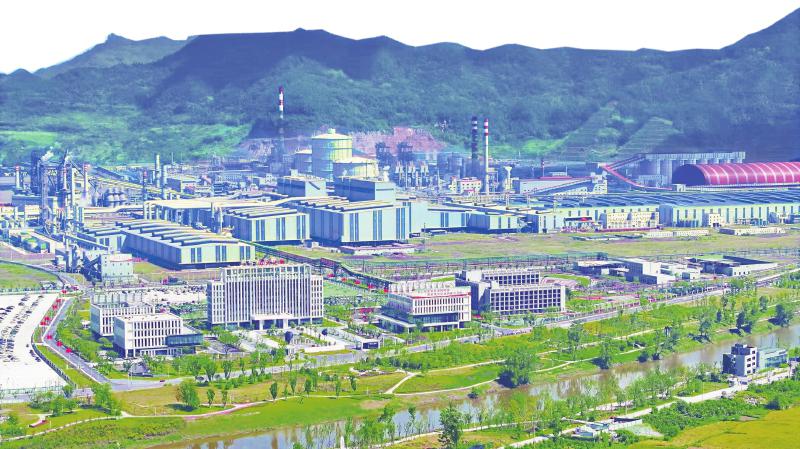
Core Viewpoint - Dazhou Eastern Economic Development Zone aims to enhance its industrial capacity and attract investment, targeting the establishment of a trillion-level industrial park and a national-level economic development zone by 2030 [14][15]. Group 1: Development Goals and Strategies - The Dazhou Eastern Economic Development Zone is set to celebrate its 4th anniversary on January 4, 2026, and is committed to deepening the "dual-park drive" development strategy [4]. - The zone aims to achieve a GDP exceeding 30 billion yuan and an industrial output value of 160 billion yuan by 2030 [15]. - The focus is on building a modern steel and new energy battery industry cluster, with significant projects already signed, including 15 projects worth 32 billion yuan and 43 projects under negotiation totaling 103.1 billion yuan [13]. Group 2: Infrastructure and Investment Attraction - The zone has established a comprehensive operational support system, including facilities like wastewater treatment plants and emergency command centers, to ensure safe and green development [7]. - Key infrastructure projects include a water supply system that will support long-term development, a gas supply station with a maximum annual capacity of 2.5 billion cubic meters, and a power distribution project to lower electricity costs for businesses [8]. - The establishment of six industrial guidance funds with a total scale exceeding 10 billion yuan aims to provide sufficient financial support for industrial development [10]. Group 3: Innovation and Cultural Integration - The Dazhou Eastern Economic Development Zone is developing a comprehensive innovation and entrepreneurship platform, including a new technology innovation demonstration park with a total area of 131,000 square meters [9]. - The zone is integrating traditional culture into its development strategy, promoting a "family-like" service culture to enhance the business environment [11][12]. - The establishment of a cultural exhibition center and a cultural square aims to enrich the local cultural landscape and support the integration of industry and culture [11]. Group 4: Industry Focus and Collaboration - The modern steel industry cluster is led by Fangda Steel, focusing on green transformation and efficient resource utilization [17]. - The new energy battery industry is being developed in collaboration with major companies like BASF, aiming to establish a unique industrial base for sodium-ion batteries [17]. - The zone is also focusing on energy chemical and intelligent manufacturing industries, with plans to create a 30 billion yuan energy chemical cluster and a 10 billion yuan intelligent manufacturing cluster [17].
向东而进 产城融合 四川达州东部经济开发区加速崛起
Ren Min Ri Bao· 2026-01-03 22:03
Core Viewpoint - The Dazhou Eastern Economic Development Zone is positioned as a key driver for high-quality regional development, focusing on building a modern industrial system and strengthening the real economy foundation [1] Group 1: Industrial Development Strategy - The Dazhou Eastern Economic Development Zone emphasizes industrial development by establishing a chain-based organizational model, focusing on key industries, and promoting precise industrial layout [2] - The zone aims to solidify its industrial base with a focus on the steel industry, highlighted by the Fonda Dasteel relocation and upgrade project, which has a total investment of 15 billion yuan, aiming for a modern steel base by 2025 [2] - The zone is developing a complete industrial chain from smelting to processing and application, enhancing product value while stabilizing industrial scale [2] Group 2: Future Industry Directions - Starting in the second half of 2025, the zone will focus on four major industry directions, including modern steel and new energy battery industries, aiming for a leap from single-point breakthroughs to multi-point support [3] - The new energy battery industry is identified as a key area for future growth, with plans to establish a sodium-ion battery project and collaborate with leading companies like BASF [3] - The Dazhou Malou Chemical Park has achieved safety standards and is set to develop modern chemical and intelligent manufacturing industries [3] Group 3: Investment and Support Mechanisms - The zone prioritizes attracting investment as a starting point for enterprise growth, implementing a model that supports companies throughout their lifecycle [4] - Six industrial guidance funds have been established with a total scale exceeding 10 billion yuan, focusing on new materials and new energy sectors, facilitating flexible capital support for enterprises [4] - The investment strategy has shifted from quantity-oriented to quality-oriented, achieving a total investment of over 100 billion yuan during peak project negotiations [4] Group 4: Infrastructure and Resource Allocation - The zone is enhancing its factor guarantee system, leveraging nearly 8,000 acres of available land and improving energy, logistics, and infrastructure [5] - Key projects like the gas pipeline from Kaijiang to the Eastern Economic Development Zone are expected to provide stable energy support, reducing operational costs for enterprises [5] - The zone collaborates with research institutions to empower high-quality development through resource and project concentration [5] Group 5: Urban and Industrial Integration - The Dazhou Eastern Economic Development Zone is developing a dual-center model with the Malou Intelligent Manufacturing City and the Tingzi Cultural and Educational City, promoting collaborative urban and industrial development [6] - The zone is hosting innovation competitions to attract quality projects in digital economy, new energy/new materials, and intelligent manufacturing [6] - A focus on local culture and improved public services aims to create a supportive business environment and enhance the relationship between enterprises and the community [6][7] Group 6: Performance and Future Goals - Since its establishment in January 2022, the zone has implemented 55 major projects with a total investment of 42.2 billion yuan, maintaining an annual fixed asset investment growth rate of over 40% [8] - The zone aims to achieve a target of 100 billion yuan in investment by 2030, focusing on building two trillion-yuan industrial clusters in modern steel and new energy batteries [8] - The zone plans to deepen investment promotion and innovation efforts to stimulate project implementation and enterprise growth [8][9]
穿戴设备市场研究报告!
Sou Hu Cai Jing· 2026-01-03 19:11
Group 1: Market Overview - The global wearable device market is expected to exceed $430 billion by 2025, with China leading the growth at over 20% [1][2] - The market is projected to reach a scale of over 600 billion yuan in China by 2026, with global shipments nearing 800 million units [1][2] - The growth is driven by health monitoring upgrades, 5G technology proliferation, and AI algorithm optimization [2] Group 2: Product Forms and Technological Innovations - Wearable devices are evolving from visible to "invisible" forms, with innovations in design and integration of health sensors [3] - The rise of smart rings, such as Samsung's Galaxy Ring, signifies a shift towards more discreet health monitoring solutions [3] - Flexible electronics technology is revolutionizing device forms, with companies like BOE producing ultra-thin flexible screens [6] Group 3: Application Scenarios and User Demands - The application scenarios for wearable devices are diversifying, expanding from health monitoring to medical intervention and smart home control [4] - Medical-grade features are becoming more prevalent, with a penetration rate exceeding 55% in health monitoring [16] - The demand for elderly care devices is increasing, with smart fall prevention products gaining traction in the market [17] Group 4: Competitive Landscape - The global wearable device market is characterized by a "three-legged" competition, with Chinese brands holding significant market shares [9] - Huawei leads the global market with a shipment of 28.6 million units, followed by Xiaomi and Apple [9][10] - In the Chinese market, Huawei, Xiaomi, and Little Genius dominate, with Huawei holding a 33.4% market share [10] Group 5: Future Market Trends - The global wearable device market is expected to continue growing, with shipments projected to exceed 850 million units by 2026 [12] - AI functionality penetration is anticipated to rise, with AI watches expected to exceed 25% market penetration by 2026 [12] - The Chinese wearable device market is forecasted to reach 600 billion yuan, with significant growth in medical-grade devices [13][14] Group 6: Key Brand Strategies - Huawei's strategy focuses on its HarmonyOS ecosystem and domestic chip breakthroughs, achieving significant market penetration [19] - Apple's differentiation lies in its high-end ecosystem and M-series chip advancements, maintaining a strong position in the premium market [20][21] - Xiaomi emphasizes high cost-performance and AIoT ecosystem integration, enhancing user experience through interconnected devices [23]


2026年,“一人公司”爆发,不被雇佣就不会“被裁”
虎嗅APP· 2026-01-03 13:35
Core Viewpoint - The article discusses the rise of "one-person companies" in the AI era, suggesting that individuals can now create businesses valued at over $1 billion without traditional team structures, fundamentally changing the entrepreneurial landscape [5][10]. Group 1: Definition and Characteristics of One-Person Companies - A "one-person company" is defined as a business led by a single founder who utilizes AI and external resources to enhance their capabilities, rather than relying solely on a team [16]. - This model allows founders to validate business ideas before assembling a team, thus avoiding the need for immediate co-founders [17]. - The emergence of AI tools has made it feasible for individuals to operate effectively as a company, integrating various resources and tasks [19]. Group 2: Reasons for the Surge in One-Person Companies - The proliferation of AI has expanded the range of tasks that a single individual can accomplish [22]. - Reports indicate that 96% of people have used AIGC products, with 70% using them daily, highlighting the widespread adoption of AI tools [24]. - The startup costs for one-person companies have significantly decreased, with 90% of founders requiring less than $500 to start their businesses [28]. - Supportive policies for one-person companies are emerging, such as Shanghai's initiatives providing zero-rent spaces for entrepreneurs [31]. Group 3: Challenges and Considerations - While one-person companies offer independence, they also present challenges such as loneliness and the burden of decision-making [43]. - Founders are encouraged to seek community support and mentorship to mitigate feelings of isolation [44]. - The article emphasizes that the key to success in a one-person company is not doing everything alone, but rather making strategic decisions about what to pursue [68]. Group 4: Future of Organizational Structures - The rise of one-person companies raises questions about the relevance of traditional organizational structures in the AI age [48]. - AI is changing the necessity for large teams, as individuals can now accomplish tasks that previously required collaboration [51]. - Future organizations may shift from hierarchical models to dynamic networks of small teams and AI agents working together [60]. Group 5: Conclusion and Recommendations - The concept of "one-person companies" is becoming a viable path for many entrepreneurs, particularly in knowledge-intensive and creative fields [74]. - Individuals are encouraged to start small projects using AI to test their business ideas without waiting for ideal partners [75].

特写:“一个让人难忘的夜晚”
Xin Lang Cai Jing· 2026-01-02 12:19
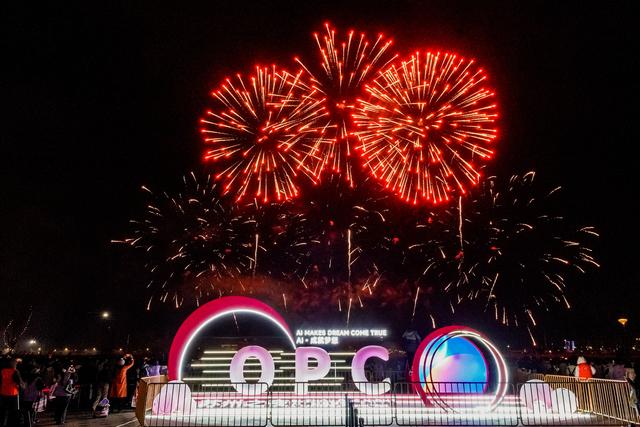
Core Insights - The event held on December 31, 2025, in Suzhou aimed to promote the "Artificial Intelligence +" initiative and establish the OPC (One Person Company) brand, gathering over 1,000 aspiring entrepreneurs and AI professionals [3][4] - The concept of OPC was introduced at the first AI OPC conference in November 2025, envisioning a future where individuals can leverage AI to create innovative business models [3][4] - The event highlighted the importance of community and collaboration in entrepreneurship, with various support systems being established to foster OPC development [4][8] Group 1 - The New Year's Eve event featured a blend of cultural significance and entrepreneurial spirit, with participants experiencing the sound of the bells from Hanshan Temple while engaging with global entrepreneurs [1][3] - Initial skepticism from some attendees regarding the event's novelty was noted, but the concept of OPC was clarified through discussions and presentations [3][9] - The event showcased the launch of the "Hundred Schools and Thousand Enterprises" alliance, emphasizing the rich ecosystem surrounding OPC and its potential for innovation [9] Group 2 - Local governments in Suzhou are actively integrating resources to reshape the entrepreneurial landscape, with the establishment of OPC communities and public service platforms [4][8] - Policies encouraging OPC entrepreneurship were announced, including support for startup funding, rental assistance, and service vouchers for legal and financial consulting [8][9] - The event concluded with a celebratory atmosphere, as participants engaged in discussions and enjoyed a fireworks display, symbolizing the vibrant entrepreneurial culture in Suzhou [9][11]
2025中国工业关键词:从新型工业化、AI+到万亿降本
Guan Cha Zhe Wang· 2025-12-31 09:48
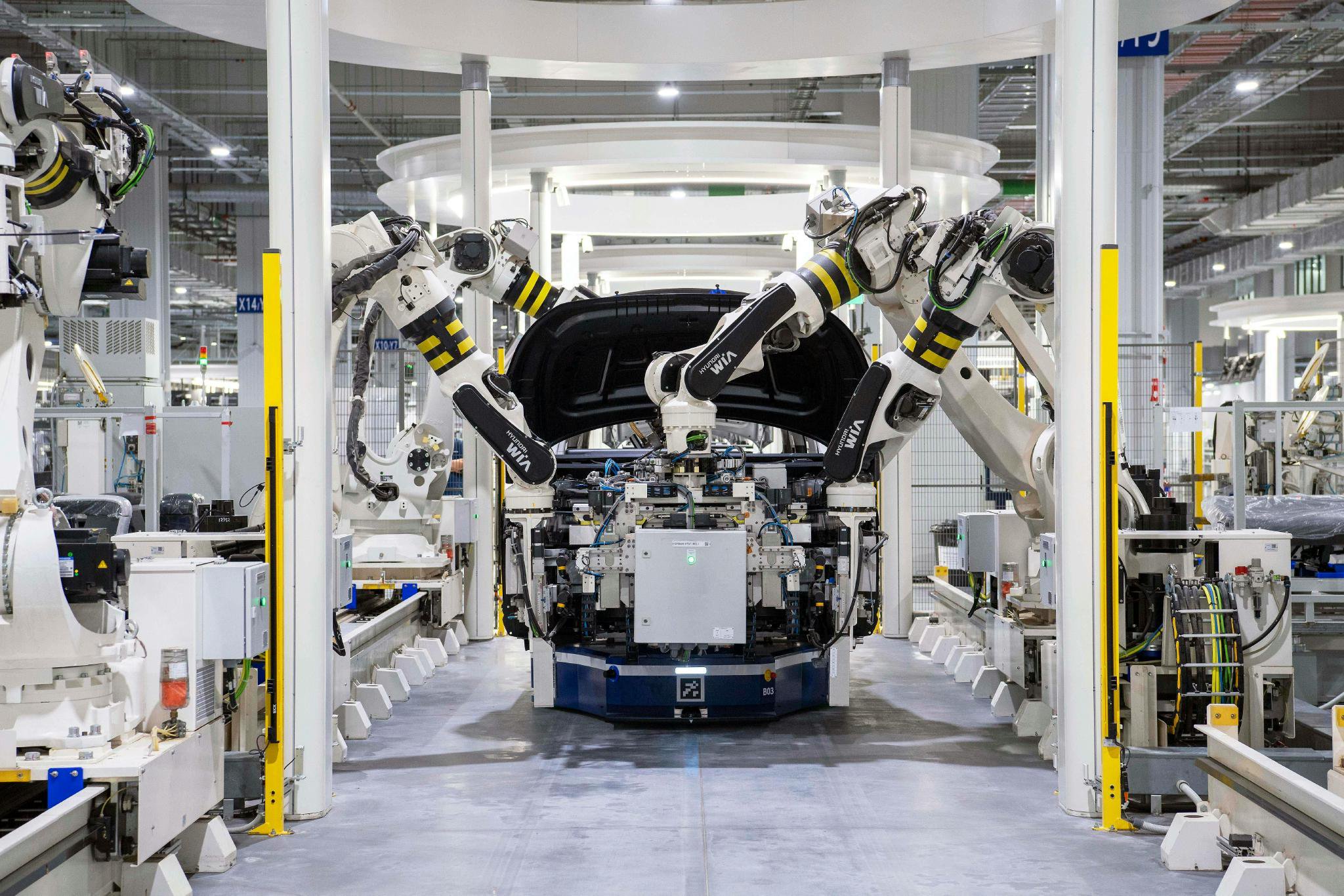
首先,作为2025年工业领域核心任务,新型工业化被写入《政府工作报告》,其核心要义在于推动科创与产业创新深度融合,带动传统产业迭代更新与新型 产业发展壮大,为"十四五"圆满收官与"十五五"平稳开局夯实工业发展根基。 2025年作为"十四五"收官与"十五五"谋划的关键交汇点,中国工业产业在政策精准引领与创新驱动双轮驱动下,呈现出稳中有进、质效双升的良好发展态 势。 数据显示,全年规模以上工业增加值同比增长5.9%,1—11月规模以上高技术制造业、装备制造业增加值同比分别增长9.2%和9.3%;制造业转型升级步伐持 续加快,累计建成7000余家先进级、500余家卓越级智能工厂,为产业高质量发展筑牢根基。 本文将围绕年度核心关键词,结合行业实践与典型案例,复盘2025年中国工业产业发展脉络,展望未来发展方向。 一、新型工业化 2025年,新型工业化称得上中国工业产业发展的总纲领。 在政策指引下,各地纷纷聚焦实体经济,以先进制造业为骨干构建现代化产业体系。长三角地区推动电子信息、高端装备等产业集群化发展,通过跨区域协 同创新实现产业链上下游高效联动;珠三角地区则依托智能制造、绿色制造试点示范,推动传统制造业向高端化、 ...