
吉利

Search documents
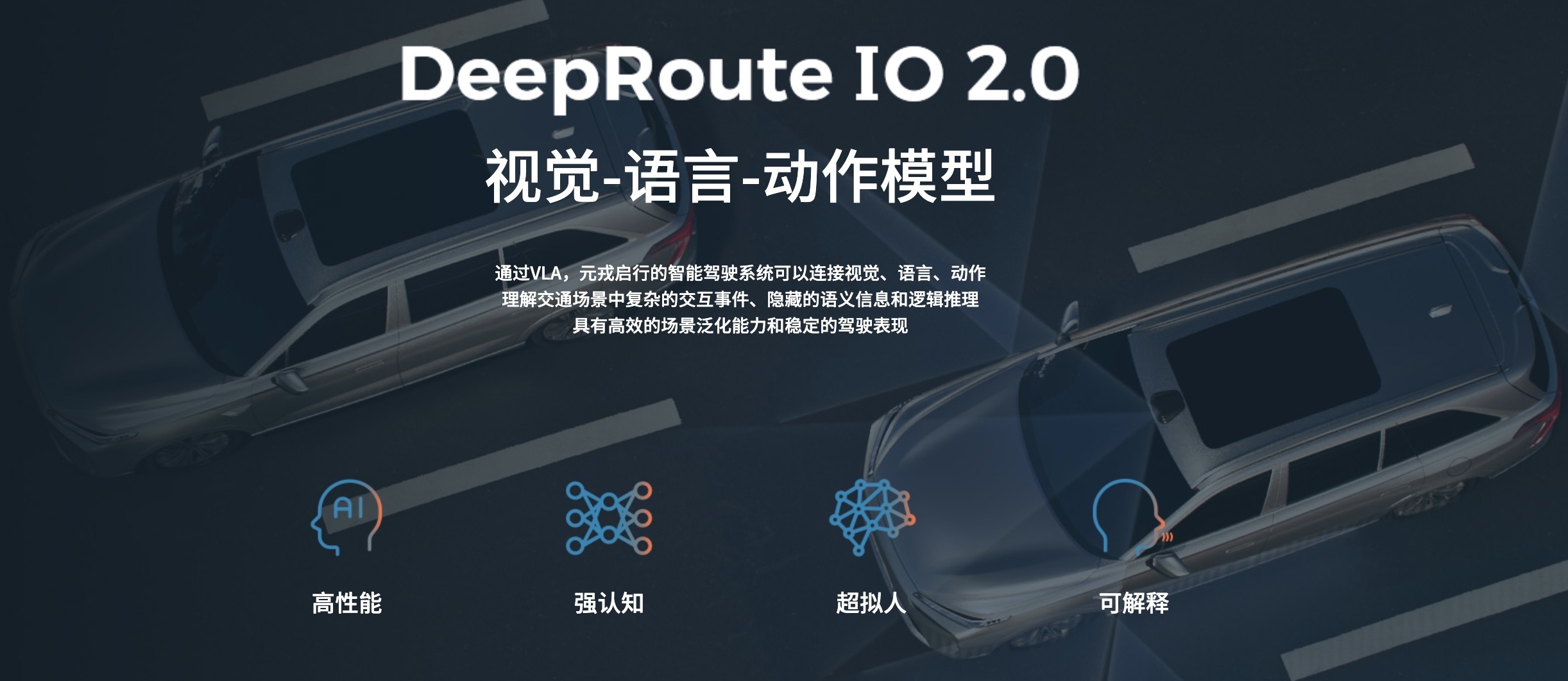
车展季·大咖说丨元戎启行CEO周光:辅助驾驶必须对用户安全负责,AI应具备对风险的敬畏之心
Mei Ri Jing Ji Xin Wen· 2025-08-27 11:56
Core Viewpoint - The launch of DeepRoute IO 2.0 by Yuanrong Qixing marks a significant advancement in the autonomous driving sector, transitioning from "end-to-end" models to the more sophisticated Vision-Language-Action (VLA) model, which is better suited for complex driving scenarios [1][2]. Group 1: Technology and Development - DeepRoute IO 2.0 integrates a self-developed VLA model that enhances the ability to handle intricate road conditions compared to traditional models [1]. - The VLA model addresses the "black box" issue of conventional end-to-end models by providing effective information linkage, analysis, and causal reasoning [1][2]. - The VLA technology is expected to be adaptable for vehicles priced above 150,000 yuan, with potential to extend down to 100,000 yuan models in the future [5]. Group 2: Market Position and Competition - The competition in the autonomous driving market is intensifying, with various automakers like Xiaopeng, Li Auto, Geely, and Chery entering the VLA model space [1]. - Yuanrong Qixing's CEO, Zhou Guang, emphasizes the company's early investments in defensive driving, which provide a competitive edge in the evolving landscape of autonomous driving technology [1][2]. Group 3: Safety and Commercialization - The company has achieved significant commercial milestones, securing over 10 model partnerships and delivering nearly 100,000 vehicles equipped with urban navigation assistance systems [6]. - Zhou Guang acknowledges the heightened consumer expectations for safety in autonomous driving, indicating a need for continuous improvement despite the company's leading position in evaluations [6][9]. - The focus on "defensive driving" is central to the system's training, aiming to instill a sense of risk awareness in AI, akin to biological evolution [9]. Group 4: Future Outlook - The market for high-level assisted driving is anticipated to expand, providing Yuanrong Qixing with greater opportunities as they continue to innovate and adapt their technology [9].

激光雷达龙头,开赴港股IPO
Zheng Quan Shi Bao· 2025-08-27 11:49
Core Insights - Hesai Technology, a leading global lidar company, has completed its listing process in Hong Kong, with plans to issue up to 51.2362 million shares [1] - The company focuses on the research and manufacturing of lidar technology, which is increasingly becoming a standard safety feature in smart vehicles [1][2] - The domestic lidar installation volume is expected to exceed 1.5 million units in 2024, marking a year-on-year increase of 179.7% [1] Company Performance - In Q2 2023, Hesai Technology achieved a revenue of 706 million yuan, representing a year-on-year growth of 53.9%, and a net profit of 44.1 million yuan, marking a turnaround from losses [2] - The total delivery volume of Hesai's lidar products in Q2 reached 352,000 units, a year-on-year increase of 306.9% [2] - By the first half of 2025, the total delivery volume is projected to reach 548,000 units, a year-on-year increase of 276.2%, surpassing the total for 2024 [2] Market Position and Collaborations - Hesai has established partnerships with 24 domestic and international automotive manufacturers, with significant collaborations with major players like BYD, Chery, Great Wall, and Changan [2] - The company is set to start large-scale production in Q1 2025, with its lidar products becoming standard safety components for numerous models [2] - The penetration of lidar technology in the automotive sector is expected to continue growing, supported by deep collaborations with key clients and a robust order book [3]
力源信息:公司在汽车行业深耕多年
Zheng Quan Ri Bao Zhi Sheng· 2025-08-27 11:12
Core Viewpoint - The company has been deeply involved in the automotive industry for many years, representing various automotive electronic products and serving a wide range of automotive clients [1] Group 1: Clientele - The company's direct and indirect automotive clients include major players such as Li Auto, BYD, SAIC, Changan, Volkswagen, Dongfeng, Great Wall, Geely, Chery, Toyota, Seres, Tesla, and NIO [1] - Some specific models from these clients have integrated Huawei's HarmonyOS-based intelligent vehicle system [1]

「不出海,就出局」,中国车卷到北极圈附近
3 6 Ke· 2025-08-26 11:36
Core Insights - The article emphasizes the urgency for Chinese automotive brands to expand internationally, as overseas markets are becoming crucial for survival and growth [2][3] - The export volume of Chinese automobiles is projected to reach 6.41 million units in 2024, with electric vehicles surpassing 2 million units for the first time [3] - Chinese automotive brands are adopting various strategies for international expansion, including building local infrastructure and factories [1][10] Group 1: Market Expansion and Performance - Chinese automotive exports are expected to reach 3.48 million units in the first half of 2025, marking an 18% year-on-year increase, with new energy vehicles accounting for 41% of this total [2] - Chery is projected to export over 1.14 million passenger vehicles in 2024, capturing one-fifth of China's total automotive exports [3] - In 2023, Chery's new car sales in Russia reached approximately 200,000 units, nearly quadrupling from 2022 [8] Group 2: Strategies of New Players - NIO and Xpeng are focusing on high-end markets in Northern Europe, establishing showrooms and charging infrastructure [4][6] - NIO has opened multiple locations in Norway and Sweden, while Xpeng has a more extensive presence in Denmark and Norway [4] - The establishment of charging stations is critical, with NIO having built 29 charging stations across Norway, Sweden, and Denmark by 2022 [6] Group 3: Traditional Players' Approaches - Chery and Changan are employing a "rural encircling urban" strategy, initially establishing a foothold in Latin America before moving into Europe [7] - Chery's KD factory model allows for significant cost reductions by assembling vehicles locally, which has been effective in markets like Brazil [8] - In 2024, Chery's market share in Brazil reached 3.1%, with sales exceeding 60,000 units [8] Group 4: Local Manufacturing and Supply Chain - BYD is investing heavily in local manufacturing, with plans for 60% localization of parts in Brazil by 2026 [11] - BYD's overseas sales surged to 417,000 units in 2024, a nearly tenfold increase since its international expansion began [11] - The company is also facing challenges in establishing factories in Mexico and Hungary, with plans shifting to Turkey due to complications [12][13]





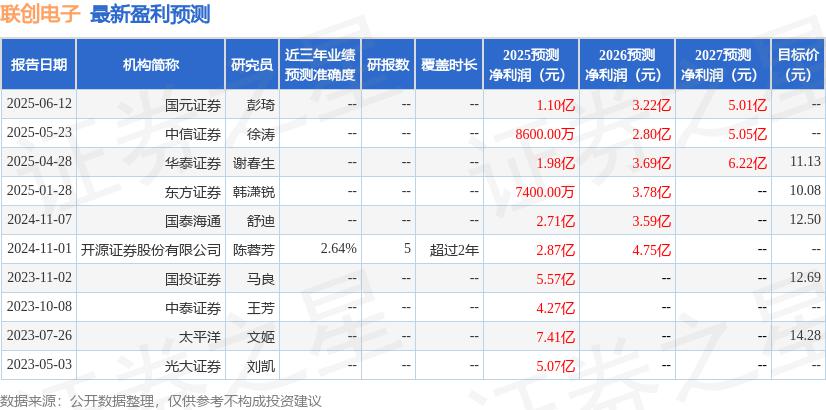
国元证券:给予联创电子增持评级
Zheng Quan Zhi Xing· 2025-08-26 11:12
Core Viewpoint - The report highlights that Lianchuang Electronics is focusing its resources on the automotive optical sector, leading to a positive shift in its business structure despite a decline in overall revenue [1][2]. Financial Performance - In the first half of 2025, the company achieved total operating revenue of 4.22 billion yuan, a year-on-year decrease of 14% - The net profit attributable to shareholders was 24 million yuan, a year-on-year increase of 137% - The net profit after deducting non-recurring items was -32 million yuan, a year-on-year increase of 68% - In Q2 2025, revenue was 2.04 billion yuan, a year-on-year decrease of 17%, while net profit attributable to shareholders was 21 million yuan, a year-on-year increase of 425% [1][2]. Business Focus and Growth Areas - The company is concentrating on the automotive optical market, with significant growth in automotive lenses and modules, which have become the main contributors to its optical business - Collaborations with major domestic clients such as BYD, Huawei, NIO, and Geely are being expanded to create a comprehensive solution of "lens + module + automotive display + HUD" - The company is enhancing its global service and delivery capabilities with new production facilities in Mexico and Vietnam, aimed at serving North American and Southeast Asian markets respectively - The revenue growth rate for automotive optical products is expected to reach around 70% in 2025, becoming a key pillar of the company's business [2][3]. Other Business Segments - In the field of high-definition wide-angle lenses and modules, the company is expanding its advantages in professional areas such as action cameras, drones, and police monitoring, becoming a core supplier for leading domestic and international clients - The smartphone lens and module segment is expected to see a significant revenue decline in 2025 due to industry slowdown and intensified competition - The contract manufacturing segment experienced a revenue growth of 4.6% in the first half of the year, driven by new customer acquisition and product development - The display touch segment saw a revenue decline of 49%, with plans to gradually divest non-profitable non-automotive display parts and focus on automotive displays [2][3]. Profit Forecast - The company forecasts net profits attributable to shareholders of 86 million yuan in 2025 and 287 million yuan in 2026, maintaining an "overweight" investment rating [3].


2025年上半年日产汽车跌出全球汽车销量前十
Cai Jing Wang· 2025-08-26 07:20
Core Insights - Nissan has fallen out of the top ten global best-selling automakers for the first time, indicating significant challenges for the company [1] Sales Performance - Nissan's global sales in the first half of the year decreased by 6% year-on-year to 1.61 million units, marking the lowest level in 16 years [1] - The company has been surpassed in rankings by Suzuki, BYD, and Geely [1] Market Specifics - In China, Nissan's sales dropped significantly, with 270,000 units sold in the first half of the year, a decline of 18% year-on-year [1] - This figure represents a staggering 60% decrease compared to the peak sales of 720,000 units in the first half of 2018 [1]

科创新源稳健发展净利涨520.7% 热管理业务营收3.11亿增95%
Chang Jiang Shang Bao· 2025-08-25 23:37
Core Viewpoint - The company, Kexin New Source, has achieved significant growth in its business, with a notable increase in revenue and net profit in the first half of 2025, driven primarily by advancements in liquid cooling technology for electric vehicle batteries [1][2]. Financial Performance - In the first half of 2025, Kexin New Source reported revenue of 541 million yuan, a year-on-year increase of 43.90% [2][3]. - The net profit attributable to shareholders reached 17.604 million yuan, marking a substantial year-on-year growth of 520.71% [1][2]. - The operating profit for the same period was 23.6715 million yuan, up 405.78% compared to the previous year [2]. - The company's cash flow from operating activities also saw a significant increase, growing by 1076.14% to 24.21 million yuan [3]. Business Segments - The main business areas include the research, production, and sales of polymer materials and thermal management systems, applicable in various sectors such as telecommunications, power, traditional home appliances, automotive, new energy vehicles, energy storage, and data centers [2][3]. - The thermal management system segment emerged as a key growth driver, with revenue reaching 311 million yuan, a remarkable increase of 95.31% year-on-year [1][3]. - The polymer materials segment generated revenue of 229 million yuan, reflecting a steady growth of 6.04% [3]. Product Performance - Specific product revenues in the first half of 2025 included: - Heat dissipation metal structural parts: 303 million yuan (up 99.83%) - Automotive sealing strips: 89.25 million yuan (up 9.79%) - Insulation and fireproof materials: 73.80 million yuan (up 3.41%) - Waterproof sealing materials: 58.49 million yuan (up 8.96%) [3]. Research and Development - Kexin New Source has consistently increased its R&D investment, with expenditures of 42.99 million yuan in 2023, 46.43 million yuan in 2024, and 24.49 million yuan in the first half of 2025, reflecting year-on-year growth rates of 17.57%, 8.02%, and 21.50% respectively [4]. Client Relationships - The company has established long-term partnerships with major clients in various sectors, including telecommunications (Huawei, ZTE, Ericsson), power (State Grid, Southern Power Grid), and automotive (Chery, Geely) [5]. - In the new energy sector, Kexin New Source has stable business relationships with leading battery manufacturers such as CATL and LG [5]. Strategic Expansion - Kexin New Source is pursuing strategic acquisitions to enhance its core competitiveness, including plans to acquire Dongguan Zhaoke Electronic Materials Technology Co., Ltd. and its subsidiaries [6]. - As of June 2025, the company's total assets amounted to 1.254 billion yuan, with a debt ratio of 46.94% [6].
鸿蒙智行发布首款低于20万车型
第一财经· 2025-08-25 12:26
2025.08. 25 本文字数:668,阅读时长大约4分钟 作者 | 第一财经 黄琳 8月25日,智界及问界秋季新品发布会如期召开,鸿蒙智行五界更新亮相。其中,华为与上汽合作的 首款车型尚界H5正式开启预售,预售价格16.98万元起,这也是鸿蒙智行首款预售价低于20万元的 车型。 目前,问界、智界、尊界、享界"四界"的部分车型售价低于30万元,但均高于20万元,定位均为中 高端车型。余承东曾在智界R7的发布会上表示:"智界R7价格非常有诚意,每卖一辆车亏3万元。" 去年6月的中国汽车蓝皮书论坛上,华为常务董事、车BU董事长余承东曾表示,鸿蒙智行产品30万 元以下的车都是亏损的,卖一台亏一台,能挣钱的都是30万元以上,30万元差不多是盈亏平衡点。 对于20万元以下的市场,余承东表示,等到将来具备成本能力的时候再做,现在要是做就亏死了, 因为现在还不具备这种能力。 第 一 财 经 持 续 追 踪 财 经 热 点 。 若 您 掌 握 公 司 动 态 、 行 业 趋 势 、 金 融 事 件 等 有 价 值 的 线 索 , 欢 迎 提 供 。 专 用 邮 箱 : bianjibu@yicai.com (注:我们会对线 ...
鸿蒙智行发布首款低于20万车型,余承东曾称“30万以下卖一台亏一台”
Di Yi Cai Jing· 2025-08-25 10:50
Group 1 - The core viewpoint of the article highlights the challenges faced by Huawei's HarmonyOS Intelligent Driving products, particularly in the sub-300,000 yuan market, where the company is currently incurring losses on each vehicle sold [1][2] - Huawei's first model under the HarmonyOS Intelligent Driving brand, the Shangjie H5, has been launched for pre-sale at a starting price of 169,800 yuan, marking the first model priced below 200,000 yuan [1] - The company has delivered 47,752 new vehicles in July and has cumulatively delivered over 900,000 vehicles as of August 25, with expectations to surpass one million by October [2] Group 2 - The competitive landscape is intensifying, especially with BYD's introduction of the Tian Shen Yan assisted driving model priced at 70,000 yuan, prompting other brands to enter new product cycles and potentially lower costs for high-level intelligent driving features [1] - The pricing strategy of HarmonyOS Intelligent Driving is influenced by the current inability to produce vehicles at lower costs without incurring losses, as stated by the company's executive [1] - The report from Dongfang Securities anticipates that by 2025, Tesla will launch a budget model, and various brands, including HarmonyOS Intelligent Driving, will expand their offerings into the sub-200,000 yuan market [1]
成都汇阳投资关于大模型重塑战局 智能驾驶商业化奇点已至
Quan Jing Wang· 2025-08-25 10:26
Group 1 - Intelligent driving has evolved from a technological highlight to a core differentiator for automakers and a key driver for the commercialization of mobility services [1] - The depth of technology, iteration speed, and scale of implementation will significantly impact the future competitive landscape and the construction of sustainable competitive advantages in the "software-defined vehicle" arena [1] - Understanding the real situation and evolution path of intelligent driving capabilities is crucial for predicting future competition and commercialization trends [1] Group 2 - The competition landscape is being reshaped by large models, with the cloud-vehicle collaborative computing race intensifying [2] - VLA models are achieving breakthroughs in decision-making interpretability and long-tail scenario generalization through multimodal integration and reasoning [2] - The deployment of large models is pushing the cloud-vehicle collaborative computing competition into a heated phase, requiring upgrades in vehicle-side chip computing power and millisecond-level data interaction between cloud and vehicle [2] Group 3 - Tesla maintains its leading position in the intelligent driving industry through a full-stack multimodal end-to-end architecture, efficient data loops, and Dojo supercomputing capabilities [3] - Domestic automakers are accelerating their technological catch-up, but there remains a generational gap in data loop capabilities, algorithm integration depth, and engineering efficiency [3] - Major Chinese automakers like Huawei, Xpeng, and NIO have established supercomputing centers with approximately 10 EFLOPS to support scenario data training and model upgrades [3] Group 4 - The commercialization process of L3 intelligent driving is accelerating, driven by regional pilot programs and favorable policies [4] - In 2024, only 5% of vehicles priced between 100,000 to 200,000 yuan will be equipped with high-speed NOA and urban NOA, indicating a significant opportunity for "intelligent driving democratization" [4] - The Robotaxi market is expected to reach several hundred billion yuan by 2030, with commercial operations potentially scaling up in 2026 [4] Group 5 - Desay SV is a leader in the intelligent cockpit domain with a market share of 38%, achieving over 8 billion yuan in revenue from intelligent driving business in 2023 [5] - Wanji Technology, a leader in the vehicle-mounted lidar sector, achieved a 300% year-on-year increase in shipment volume in Q1 2024 [6] - Lichuang Electronics, a core supplier for Tesla's pure vision solution, expects Tesla's business to account for over 30% of its revenue [7] - BYD sold over 1.5 million L2 vehicles in 2023 and plans to launch L3 models by 2025 [8]
