
极氪

Search documents
湾区消费新引擎!“畅享湾区”宝安跨年消费季暨2025年福永新消费嘉年华正式启动
Sou Hu Cai Jing· 2025-11-19 16:38
Core Viewpoint - The "2025 Fuyong New Consumption Carnival" launched on November 18 aims to stimulate consumption and expand domestic demand in response to national strategies, featuring various activities and significant benefits to enhance consumer experience in the Bao'an district [1][3]. Group 1: Event Overview - The event will last for 13 days, from November 18 to November 30, and includes a series of unique activities and substantial prizes, such as the 188,000 yuan "Fuyong Koi Prize" and Huawei family bucket giveaways [3][5]. - Over 800 merchants are participating, covering major shopping centers and featuring renowned restaurants and new energy vehicle brands, showcasing the integration of "new energy vehicles + commerce" [5][7]. Group 2: Consumer Incentives - The event is part of a broader initiative to activate regional consumption, with a total of approximately 20 million yuan in discounts offered by participating merchants [7]. - Bao'an district has launched multiple promotional activities, including a fourth round of automotive consumption subsidies, offering up to 6,000 yuan for purchasing new energy and fuel vehicles [9][11]. Group 3: Digital and Collaborative Initiatives - The district is leveraging digital platforms, such as Kuaishou, to create new consumption scenarios, promoting local products through electronic coupons and various discount strategies [13]. - Collaborative activities with local attractions and businesses are designed to enhance consumer engagement and drive traffic to commercial areas [11][15]. Group 4: Future Plans - The Bao'an cross-year consumption season will continue to build on November's activities, aiming to sustain consumer engagement across various sectors, including automotive, dining, retail, and cultural tourism [15].

列国鉴丨记者观察:中国新能源汽车在中亚“实力圈粉”
Xin Hua Wang· 2025-11-19 12:48
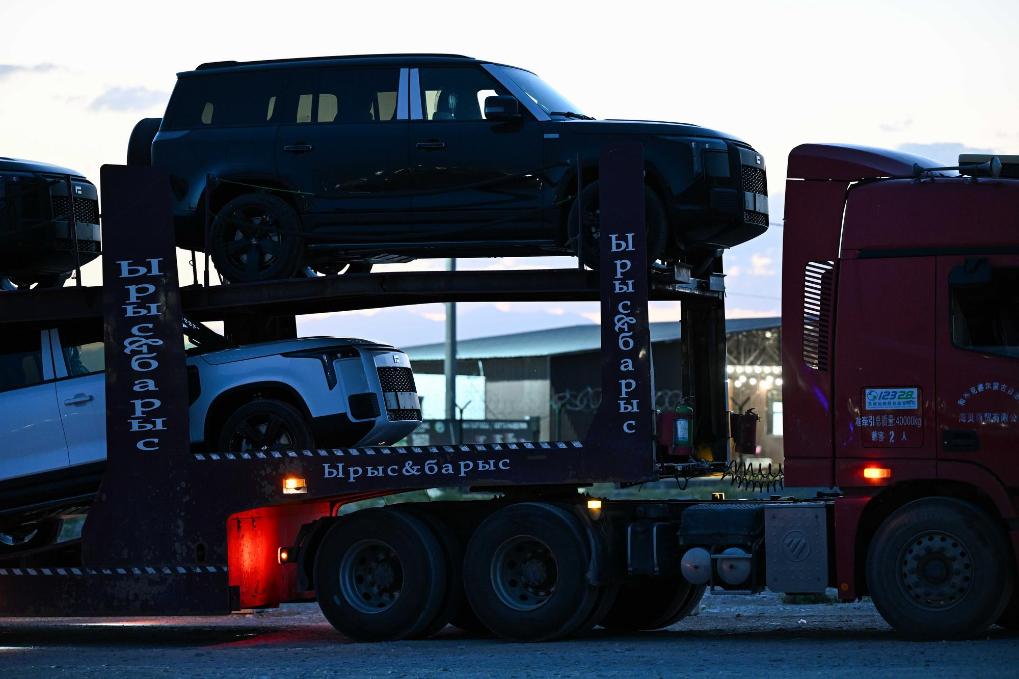
Core Viewpoint - Chinese electric vehicles (EVs) are gaining popularity in Central Asia due to their high cost-performance ratio, superior driving experience, and advanced technology, supported by local governments' initiatives for renewable energy infrastructure [1][3][4]. Group 1: Market Performance - In Uzbekistan, 99.5% of the 24,095 electric vehicles imported in 2024 were from China [3]. - Six out of the top ten best-selling car brands in Kazakhstan in the first half of 2025 are Chinese [3]. - Chinese EVs are perceived to have top-tier design and quality, with local consumers expressing high satisfaction with their performance and features [3][4]. Group 2: Cost-Effectiveness - Chinese EVs offer features and performance comparable to traditional fuel vehicles that cost significantly more, with some models priced at $40,000 to $50,000 providing functionalities found in vehicles costing over $100,000 [4]. - The rise of Chinese EVs has made cars more affordable for the general public in Central Asia, positioning them as the "king of cost-performance" in the industry [4]. Group 3: Technological Advancements - Chinese EVs are noted for their advanced technology, including large, high-definition screens and numerous smart features, enhancing the driving experience [6]. - The popularity of Chinese brands is evident in Tajikistan, where a significant proportion of taxis are electric vehicles from China, reflecting consumer confidence in their reliability and value [6][8]. Group 4: Government Support and Infrastructure - Central Asian countries are focusing on energy security and green development, creating a favorable policy environment for the entry of Chinese EVs [8]. - Tajikistan has implemented tax exemptions for electric vehicle imports and aims for 100% electrification of its taxi fleet by September 2025 [8]. - The region's abundant renewable energy resources, such as solar, wind, and hydropower, provide a sustainable foundation for the growth of electric vehicles [8][10]. Group 5: Challenges Ahead - Despite the growing popularity of Chinese EVs, there are challenges related to the development of supporting infrastructure, such as charging stations and spare parts availability, particularly in remote areas [10].

“电池荒”又来了?
3 6 Ke· 2025-11-19 08:25
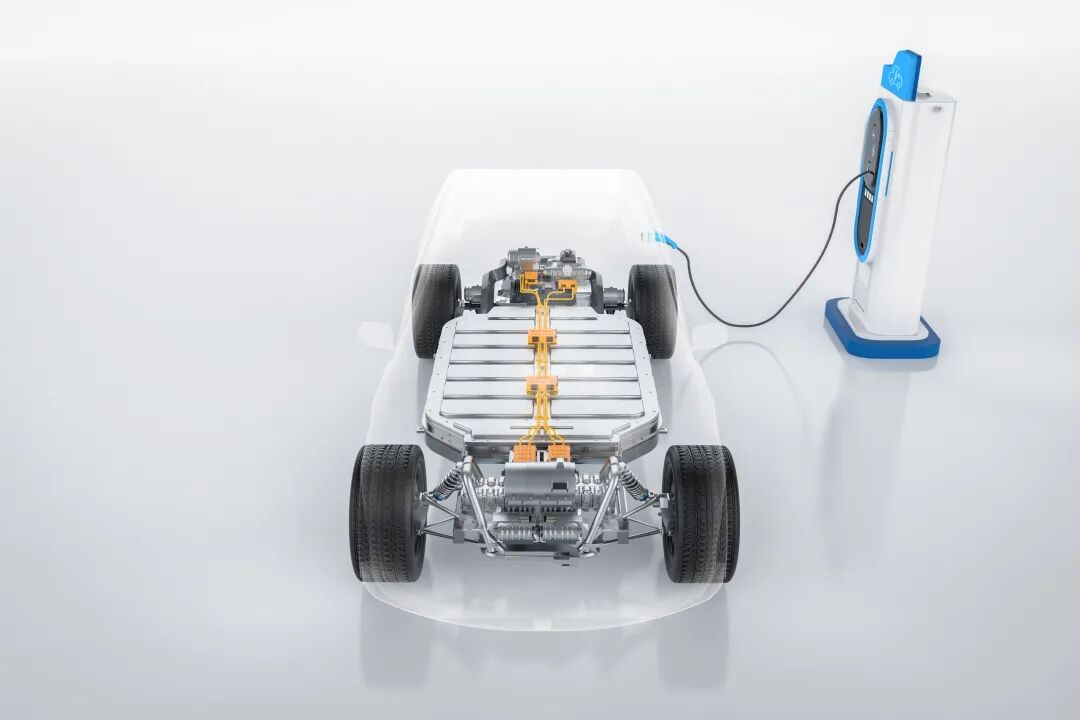
Core Viewpoint - The current "battery shortage" is driven by a combination of policy changes, unexpected market growth, industry cycle mismatches, and the explosive demand in the energy storage sector [1][2][5][10]. Group 1: Policy Impact - The countdown to the reduction of the new energy vehicle purchase tax by the end of 2025 is a significant catalyst, leading consumers to rush to buy electric vehicles before the tax benefits decrease [2]. Group 2: Market Growth - In the first three quarters of 2025, China's new energy vehicle sales reached 11.228 million units, a year-on-year increase of 34.9%, with October marking the first time that new energy vehicles accounted for over 50% of total new car sales [3]. - The demand for batteries is particularly high for pure electric vehicles, which saw a growth rate of 44.7%, outpacing the 20.4% growth in plug-in hybrid and range-extended vehicles [3]. Group 3: Industry Cycle Mismatch - The battery industry previously expanded too aggressively, leading to oversupply and price wars, which caused manufacturers to become cautious and delay new production plans [5]. - The rapid market recovery has filled existing capacities, while new production lines take at least 18 months to become operational, creating a supply bottleneck [5]. Group 4: Energy Storage Demand - In the first three quarters of 2025, China's energy storage lithium battery shipments reached 430 GWh, exceeding 30% of the total expected for 2024 [5]. - The shift of some manufacturers' investments towards energy storage has further squeezed the capacity available for power batteries [7]. Group 5: Company Performance - CATL reported a revenue of 104.186 billion yuan for Q3 2025, a year-on-year increase of 12.9%, with a net profit of 18.549 billion yuan, up 41.21% [8][9]. - The overall revenue of lithium battery companies in China increased by 14.95% in the first half of 2025, contrasting with a 20.21% decline in the same period last year [10]. Group 6: Supply Chain Strategies - The current battery shortage is not unique to CATL but is a widespread issue across the industry, with many battery companies experiencing high demand [10]. - Automakers are adopting various strategies to secure battery supplies, including self-research, joint ventures, and acquisitions of battery manufacturers [15][18].

国产新能源汽车,直营“大退潮”
虎嗅APP· 2025-11-18 14:03
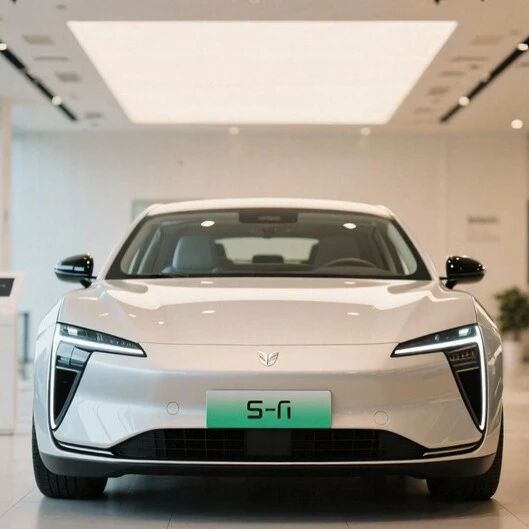
Core Viewpoint - The article discusses the significant shift in the sales strategy of various Chinese electric vehicle (EV) brands, moving from direct sales to a franchise model, particularly in lower-tier cities, while maintaining direct sales in first-tier cities [5][12]. Group 1: Industry Changes - Multiple EV brands, including Tengshi and Hongmeng Zhixing, are transitioning from direct sales to franchising, with plans to retain direct sales only in first-tier cities [5][6]. - The trend of converting direct sales to franchising is becoming an industry norm, with brands like Geely's Zeekr and Xiaopeng also making similar adjustments [6][7]. - The number of automotive stores in commercial areas has decreased significantly, indicating a contraction of the direct sales model [7]. Group 2: Challenges of Direct Sales - The high operational costs of direct sales are a major concern, with a single direct sales showroom costing approximately 400,000 to 500,000 yuan monthly, leading to annual costs of 12 billion yuan for 300 showrooms [9]. - Many direct sales stores are struggling with low sales volumes, often resulting in financial losses, which diminishes the perceived value of maintaining a direct sales model [9][10]. - The ongoing price war in the EV market has further pressured profit margins, with the average transaction price of EVs dropping below 160,000 yuan [9]. Group 3: Reasons for Retaining Direct Sales in Core Cities - Direct sales in first-tier cities serve as a crucial touchpoint for brand-consumer interaction, providing valuable market feedback for product development [12]. - First-tier cities have higher foot traffic and vehicle ownership, making it easier for direct sales to achieve breakeven and maintain brand visibility [12]. - Direct sales in these cities also have stronger profitability in after-sales services, as demonstrated by Tesla's successful service revenue growth [12][14].

印媒:中国车型成印汽车研发新标杆
Huan Qiu Shi Bao· 2025-11-18 04:21
Core Insights - Indian automotive manufacturers are increasingly using Chinese models as benchmarks for their vehicle development, shifting their focus from traditional markets like Europe, Japan, and the US [1][2] - Chinese automotive technology is recognized for its rapid development and consumer-centric design, setting new standards in the global automotive industry [1][2] Group 1: Benchmarking and Competitive Analysis - Indian automotive companies are dismantling and analyzing numerous Chinese vehicles to understand their success factors and technological trends [1] - Executives from Indian automotive firms acknowledge that their performance metrics are now increasingly aligned with those of Chinese manufacturers [1] Group 2: Technological Advancements - Chinese manufacturers emphasize consumer convenience and integrate software with hardware, differing from traditional automotive approaches [2] - The ability of Chinese automakers to offer high-end features at lower prices than Western or Japanese brands is highlighted, making luxury and high-tech experiences more accessible to consumers [2] Group 3: Performance Comparisons - Social media comparisons showcase the superior performance of Chinese vehicles, such as the NIO ET9, in handling and suspension systems compared to similar German luxury cars [2] - Research indicates that over the past decade, Chinese manufacturers have led in electric vehicle technology, which is now being adopted as a benchmark by Indian companies [2]


汽车早报|零跑第三季度净利润1.5亿元 特斯拉因合同纠纷起诉无忧传媒
Xin Lang Cai Jing· 2025-11-18 00:42
Group 1: Automotive Industry Performance - In October 2025, China's automotive exports reached 666,000 units, marking a year-on-year increase of 22.9% and a month-on-month growth of 2.1% [1] - For the first ten months of 2025, automotive exports totaled 5.616 million units, reflecting a year-on-year growth of 15.7% [1] - The investment growth rate in the automotive sector is projected to reach 17.5% in 2025, significantly higher than other manufacturing industries [1] Group 2: Company Financial Performance - Leap Motor reported a net profit of RMB 150 million for Q3 2025, with total deliveries of 173,852 units and a revenue of RMB 19.45 billion, representing a year-on-year increase of 97.3% [2] - XPeng Motors announced a total revenue of RMB 20.38 billion for Q3 2025, a year-on-year increase of 101.8%, while reporting a net loss of RMB 380 million [3] - Zeekr Technology reported total revenue of RMB 31.562 billion for Q3 2025, showing a year-on-year growth of 9.1% and a net loss of RMB 307 million, which narrowed by 84.9% year-on-year [4] Group 3: Corporate Developments - Chery Automobile increased its registered capital from approximately RMB 5.47 billion to about RMB 5.81 billion, reflecting an increase of about 6% [5] - Buick announced the production of the 50,000th GL8 model in less than six months [6] - NIO launched the new ES6 300,000-unit commemorative edition, with pricing options for full purchase and battery rental [6] Group 4: Strategic Partnerships and Innovations - Momenta and BMW Group announced a collaboration to develop a new generation of intelligent driving assistance solutions for the Chinese market, set to debut in the new generation BMW iX3 in 2026 [7]

Zeekr Intelligent Technology(ZK) - 2025 Q3 - Quarterly Results
2025-11-17 15:00
Vehicle Deliveries and Sales - Total vehicle deliveries reached 140,195 units in Q3 2025, a 12.5% year-over-year increase and a 7.1% quarter-over-quarter increase[3] - Vehicle sales amounted to RMB26,527 million (US$3,726 million) in Q3 2025, reflecting a 7.3% increase from Q3 2024 and a 15.8% increase from Q2 2025[7] - The Zeekr brand delivered 21,423 vehicles in October 2025, contributing to a total of 61,636 vehicles delivered across both brands, a 20.5% increase from the previous month[12] Financial Performance - Total revenues were RMB31,562 million (US$4,434 million) for Q3 2025, representing a 9.1% increase year-over-year and a 15.1% increase quarter-over-quarter[15] - Gross profit for Q3 2025 was RMB6,046 million (US$850 million), a 37.1% increase from Q3 2024 and a 6.9% increase from Q2 2025[7] - Net loss decreased to RMB307 million (US$43 million) in Q3 2025, down 84.9% from Q3 2024[8] - Non-GAAP net loss attributable to ordinary shareholders for Q3 2025 was RMB761 million (US$107 million), a decrease of 63.2% from RMB2,068 million in Q3 2024 and an increase of 109.1% from RMB364 million in Q2 2025[25] - Basic and diluted net loss per share attributed to ordinary shareholders for Q3 2025 was RMB0.31 (US$0.04), compared to RMB0.83 in Q3 2024 and RMB0.15 in Q2 2025[25] - Non-GAAP net loss per ADS attributed to ordinary shareholders for Q3 2025 was RMB2.96 (US$0.42), compared to RMB8.10 in Q3 2024[38] Profitability Metrics - Vehicle margin was 15.6% in Q3 2025, compared to 12.6% in Q3 2024, indicating improved profitability[16] - Total revenues for Q3 2025 were RMB31,562 million (US$4,434 million), an increase from RMB28,924 million in Q3 2024 and RMB27,431 million in Q2 2025[34] - Gross profit for Q3 2025 was RMB6,046 million (US$850 million), compared to RMB4,409 million in Q3 2024 and RMB5,656 million in Q2 2025[34] Research and Development - Research and development expenses were RMB2,743 million (US$385 million) in Q3 2025, a decrease of 8.6% from Q3 2024[19] - Research and development expenses for Q3 2025 were RMB2,743 million (US$385 million), compared to RMB3,000 million in Q3 2024[34] Assets and Liabilities - Total current assets as of September 30, 2025, were RMB40,592 million (US$5,702 million), down from RMB50,863 million as of December 31, 2024[31] - Total liabilities as of September 30, 2025, were RMB82,651 million (US$11,611 million), compared to RMB82,407 million as of December 31, 2024[32] Strategic Goals - The company aims to enhance its user ecosystem and develop its own software systems and electric vehicle supply chain[21]
现在的4S店有多惨,午餐就能看出来
虎嗅APP· 2025-11-17 13:49
Core Viewpoint - The article discusses the declining service quality and customer satisfaction at traditional 4S car dealerships in China, highlighting a shift towards third-party car maintenance platforms and the rise of new automotive brands that offer superior customer experiences [5][6][7]. Group 1: Decline of 4S Dealerships - The number of 4S dealerships in China decreased from 32,000 to 31,400 in the first half of the year, with 2,749 stores closing [6]. - Many consumers are abandoning 4S dealerships after their vehicles' warranties expire, opting for third-party platforms like Tmall and JD for better value and convenience [8][9]. - Customer satisfaction among owners of joint venture brands has significantly declined, with complaints about service quality and food offerings at 4S dealerships [8][9][11]. Group 2: Customer Experiences - Customers report that the quality of meals provided at 4S dealerships has deteriorated, with some receiving only instant noodles or low-quality boxed meals [12][14][30]. - There are anecdotes of customers reminiscing about the past when 4S dealerships offered high-quality meals and a pleasant atmosphere, contrasting sharply with current experiences [17][19]. - Some luxury car owners express nostalgia for the previous standards of service, which included better dining options and a more engaging customer experience [19][20]. Group 3: Rise of New Brands - New automotive brands, such as BYD's Yangwang, are setting high standards for customer service, offering meals worth 80 yuan with a focus on quality and presentation [24]. - The Huawei Hongmeng Intelligent Service Center has been dubbed "Hongmeng Hotel," providing extensive services and free meals, attracting customers who prioritize experience [25][32]. - Other emerging brands like Avita are also noted for their competitive meal offerings, which are significantly better than those at traditional 4S dealerships [29]. Group 4: Industry Trends - The article highlights a shift in focus for many dealerships, with a significant portion of their marketing efforts now directed towards social media and short video content, which has not translated into increased sales [31]. - The disparity in service quality and customer experience between traditional 4S dealerships and new automotive service centers reflects broader trends in the industry, where customer experience is becoming a key differentiator [31][33].

吉利汽车(00175) - 海外监管公佈上市附属公司-ZEEKR INTELLIGENT TECHN...
2025-11-17 11:15
香港交易及結算所有限公司及香港聯合交易所有限公司對本公佈之內容概不負責,對其 準確性或完整性亦不發表任何聲明,並表明不會就因本公佈全部或任何部份內容而產生 或因倚賴該等內容而引致之任何損失承擔任何責任。 GEELY AUTOMOBILE HOLDINGS LIMITED 175 80175 海外監管公佈 上市附屬公司-ZEEKR INTELLIGENT TECHNOLOGY HOLDING LIMITED 二零二五年第三季度未經審核財務業績公佈 本公佈由吉利汽車控股有限公司(「本公司」)根據香港聯合交易所有限公司證券上市規則 第13.10B條而作出。 ZEEKR Intelligent Technology Holding Limited(「極氪」)為本公司之非全資附屬公司,其 股份以美國存託股票形式於美國紐約證券交易所上市,已於二零二五年十一月十七日向 美國證券交易委員會遞交表格6-K,內容有關極氪截至二零二五年第三季度之未經審核財 務業績(「二零二五年第三季度業績」)。詳情請參閱隨附之二零二五年第三季度業績。 本公佈以英文發佈,並備有中文譯本。如中英文版本內容有任何歧義或不一致,概以英 文版本為準。 承董 ...

“既漂亮又先进”——中国电动汽车在黎巴嫩市场受认可度持续攀升
Xin Hua Wang· 2025-11-17 07:36
极狐经销商埃迪·谢尔法内认为,中国电动汽车在黎巴嫩市场具有明显竞争优势。"中国电动汽车在设 计、技术、质量、价格和维护成本上都有很强的竞争力。" "中国用极强的创新力向世界证明其能够制造既漂亮又先进的汽车。"极氪经销商伯纳德·阿卜杜拉感 慨,中国电动汽车在黎巴嫩市场的受认可度持续提升。 "黎巴嫩消费者对中国电动汽车兴趣浓厚,中国品牌在电池、车载软件和智能技术等方面处于行业领先 地位。"在黎巴嫩首都贝鲁特举办的电动出行展上,展会主办方电子生态经济解决方案公司首席执行官 吉尔贝特·特古这样对记者说。 贝鲁特电动出行展本月11日至17日举行,吸引了包括极狐、极氪、小鹏、岚图等中国品牌在内的17个电 动汽车品牌参展,约50款车型亮相。展会设置互动体验区、智能驾驶展示区和充电解决方案展示区,为 观众提供全方位体验。 记者在现场看到,展厅内人头攒动,消费者在各个展台仔细观看汽车内饰和智能大屏,体验交互系统, 并向经销商咨询最新技术。 观众法里斯·法赫德目前拥有四辆电动汽车,其中三辆为中国品牌,他打算进一步"扩充车队"。他 说:"我最看重中国电动汽车的设计和智能系统。它们的技术、质量和价格都让人满意。" 经销商巴泽尔吉汽车 ...