越疆科技

Search documents
一台机器人日赚2万,母公司半年反亏4000万!越疆机器人“赔本赚吆喝”?
凤凰网财经· 2026-01-09 10:15
Core Viewpoint - The article discusses the recent advancements and challenges faced by Yujian Technology, particularly focusing on its humanoid robot Atom's commercial demonstration and the company's financial struggles as it seeks to expand through an A+H dual capital platform listing [1][4]. Group 1: Company Overview and Market Position - Yujian Technology, founded in 2015, became the first publicly listed collaborative robot company in Hong Kong in December 2024 and is now pursuing a listing on the Shenzhen Stock Exchange [5][6]. - The company has achieved a significant market position, ranking first among all collaborative robot companies in China and second globally, with a market share of 13.0% as of 2023 [6]. Group 2: Financial Performance - In the first half of 2025, Yujian Technology reported a revenue of 153 million RMB, a year-on-year increase of 27.08%, but incurred a net loss of 40.87 million RMB, a reduction of 31.75% compared to the previous year [8]. - The company's sales expenses reached 82.21 million RMB in the first half of 2025, with a sales expense ratio of 53.7%, indicating that over 50% of revenue is spent on marketing [9][10]. - Operating cash flow has been negative for three consecutive years, with a net outflow of 64.92 million RMB in the first half of 2025, leading to a significant decrease in cash reserves from 884 million RMB at the end of 2024 to 164 million RMB [13]. Group 3: Revenue Structure and Risks - The revenue structure is heavily reliant on six-axis collaborative robots, which accounted for 61.2% of total revenue in the first half of 2025, reflecting a 46.7% year-on-year growth [15][18]. - The four-axis collaborative robots, once a key revenue driver, have seen a slowdown in growth, with their revenue share dropping from nearly 70% in 2021 to 25.9% in the first half of 2025 [18]. - This concentration on a single product line poses risks, as fluctuations in market demand or technological advancements could significantly impact overall performance [18]. Group 4: Strategic Initiatives and Future Outlook - Following a successful IPO in Hong Kong, Yujian Technology has raised over 2.5 billion RMB through multiple financing rounds, reducing its debt ratio from 50% at the end of 2023 to 26.5% by mid-2025 [18]. - The company is actively expanding its product offerings in the field of embodied intelligence, including humanoid and quadruped robots, to capture a broader market [21]. - Yujian Technology is expected to leverage the third set of standards for the Shenzhen Stock Exchange's Growth Enterprise Market, which allows for listings without profitability requirements, targeting a market value of at least 5 billion RMB and recent annual revenue of no less than 300 million RMB [21].

广东AI硬件全链出海 众擎机器人亮相国际消费类电子产品展
2 1 Shi Ji Jing Ji Bao Dao· 2026-01-09 03:39
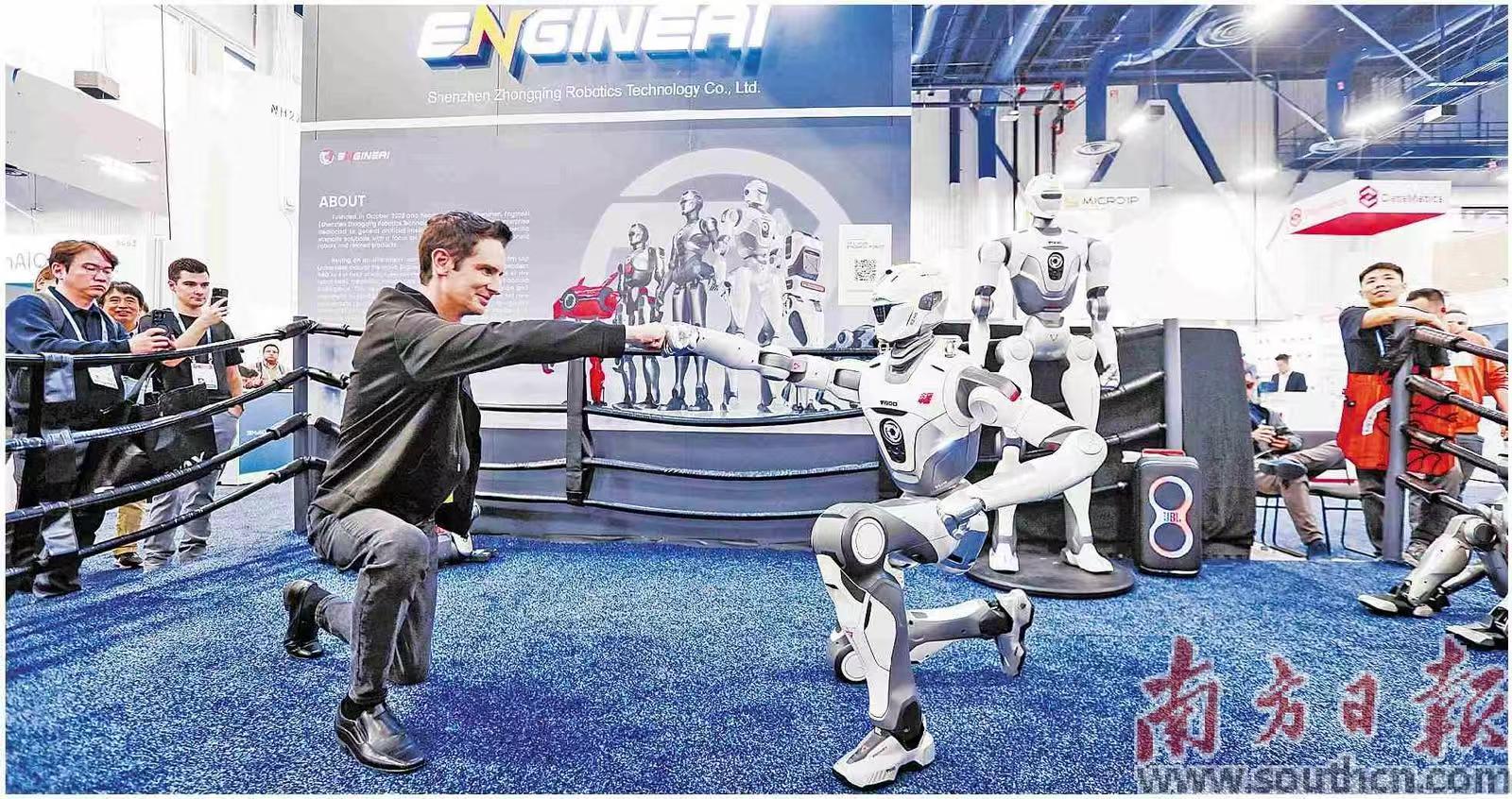
Core Insights - The article highlights the emergence of AI as a foundational element in consumer electronics, with a significant growth forecast for AI technology hardware in 2026 [2][3]. Group 1: Company Highlights - Shenzhen Zhongqing Robot Technology Co., Ltd. showcased its humanoid robot T800 at CES 2026, attracting considerable attention with its interactive capabilities [2][5]. - The T800 robot features advanced technology, including a peak torque of 450N·m, equivalent to the power of a high-end car engine, and a solid-state battery with a 4-5 hour runtime [6][7]. - The company has completed multiple technical validations for the T800, anticipating sales of dozens to hundreds of units in 2026 [7]. Group 2: Industry Trends - The CES 2026 event emphasizes the integration of AI into physical products, marking a shift from conceptualization to practical applications [5][8]. - Guangdong AI hardware companies are moving towards global markets, focusing on real product offerings and collaborative solutions with international partners [4][11]. - The article notes a growing interest from international clients in Chinese robotics technology, indicating a rising global demand for these innovations [11]. Group 3: Supply Chain and Globalization - Guangdong's efficient supply chain, characterized by a "half-hour supply chain" model, allows for rapid response to global customization demands [12][15]. - Companies are not merely exporting products but are engaging in global ecosystem building, enhancing their competitive edge in the AI hardware market [16][17]. - The article mentions that AI is no longer seen as a standalone product but as a core operating system driving various devices, reshaping the competitive landscape [17][18]. Group 4: Future Outlook - The article suggests that the year 2026 will be pivotal for AI hardware, with companies aiming to optimize product matrices and align with global market needs [16][21]. - Guangdong enterprises are positioned to redefine "Chinese innovation" in the global market, leveraging their technological strengths and ecological strategies [21].

人形机器人冲刺资本市场:融资铺路量产,“自我造血”仍是大考
机器人圈· 2026-01-08 10:13
Core Viewpoint - The humanoid robot industry in China is experiencing a surge in IPO activities, driven by policy support and market confidence, but faces challenges in technology and application scenarios [2][6]. Group 1: IPO Activities - Companies like Yushu Technology, Leju Robotics, and Yundongchu Technology are actively pursuing IPOs, with Yushu Technology being a frontrunner expected to submit its listing application between October and December 2025 [3][4]. - Yushu Technology has completed 10 rounds of financing, with a post-investment valuation exceeding 12 billion yuan, and reported revenue surpassing 1 billion yuan in 2025 [3][4]. - Leju Robotics and Yundongchu Technology are also advancing their IPO processes, with Leju planning to complete its advisory work by mid-2025 and Yundongchu having launched its IPO advisory in December 2025 [4][5]. Group 2: Industry Challenges - Despite the push for IPOs, the humanoid robot industry faces significant challenges, including limited technological breakthroughs and insufficient core application scenarios [2][6]. - The industry is expected to cross a critical production milestone by 2026, but mass production is hindered by technical and supply chain issues, necessitating substantial funding for ongoing development [7][8]. - Companies must focus on achieving stable order volumes, reducing costs, and improving profitability to navigate through market cycles successfully [9][10]. Group 3: Market Dynamics - The market is witnessing a shift towards commercial viability, with an increase in verifiable application scenarios and real orders in sectors like industrial and service applications [6][10]. - Companies are exploring diverse commercial pathways, particularly in standardized sectors such as commercial services and smart retail, to accumulate real-world data and validate their business models [11][12]. - The success of humanoid robots in achieving large-scale production is contingent upon aligning customer demand, core technology, and cost control [11][12].

深圳“机器人谷”闪耀CES 打开“物理AI”连接入口
2 1 Shi Ji Jing Ji Bao Dao· 2026-01-08 08:55
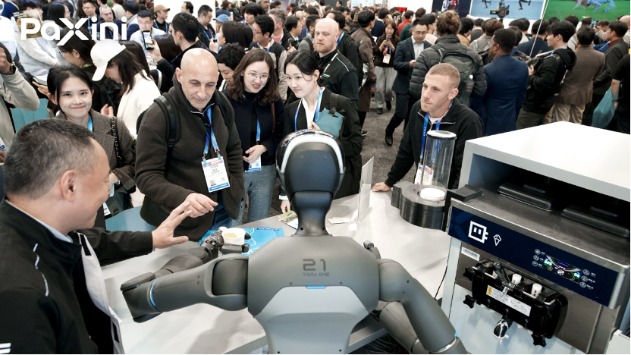
Core Insights - The 2026 International Consumer Electronics Show (CES) showcased a strong presence from Shenzhen's "Robot Valley," highlighting China's capabilities in embodied intelligence and commercialization potential [1] - Companies from Shenzhen, including SUTENG Juchuang, YUEJIANG Technology, and others, presented innovations in humanoid robots, quadruped robots, tactile perception systems, and 3D vision modules, forming a complete technology chain from perception to application [1] Group 1: Humanoid Robots - The humanoid robot TORA-ONE demonstrated its ability to make ice cream, showcasing real-time perception of human actions and dynamic interaction strategies, emphasizing the importance of tactile sensing in reliable interactions [2][4] - ZHUIJI Dynamics introduced its flagship product LimX Oli, a full-sized humanoid robot with 31 degrees of freedom, designed for various applications from gait planning to multi-modal interaction [2][3] Group 2: Market Expansion and Collaboration - ZHUIJI Dynamics aims to explore valuable application scenarios and expand collaboration opportunities at CES, focusing on markets with high labor costs and aging populations [4] - The company has actively developed a global distributor network, targeting regions with direct demand for their robots [4] Group 3: Technological Breakthroughs - SUTENG Juchuang showcased an "unmanned intervention" delivery process, highlighting its self-developed VTLA-3D operational model that integrates visual, tactile, and language information for enhanced operational efficiency [7][11] - The company’s model improves data efficiency and reduces reliance on extensive training data by utilizing high-precision 3D point clouds [11] Group 4: Data Collection and AI Integration - PASINI introduced a full-modal embodied intelligence data collection system, establishing the world's largest data collection and model training base, capable of producing 200 million high-quality data sets annually [12][14] - The integration of tactile feedback systems and AI models is crucial for bridging the gap between AI and the physical world, enhancing the commercial viability of embodied intelligence [11][15] Group 5: Product Innovations - The launch of the Gemini 305, a compact dual-camera designed for robotic arms, offers independent configuration of color and depth data resolution, providing precise visual solutions for collaborative robots [13] - Other products showcased include the T800 quadruped robot and the Rover X1, which are designed for various applications from high-end research to consumer markets [5][9]
全产业链布局 深圳竞逐具身智能赛道
Zhong Guo Zheng Quan Bao· 2026-01-07 20:50
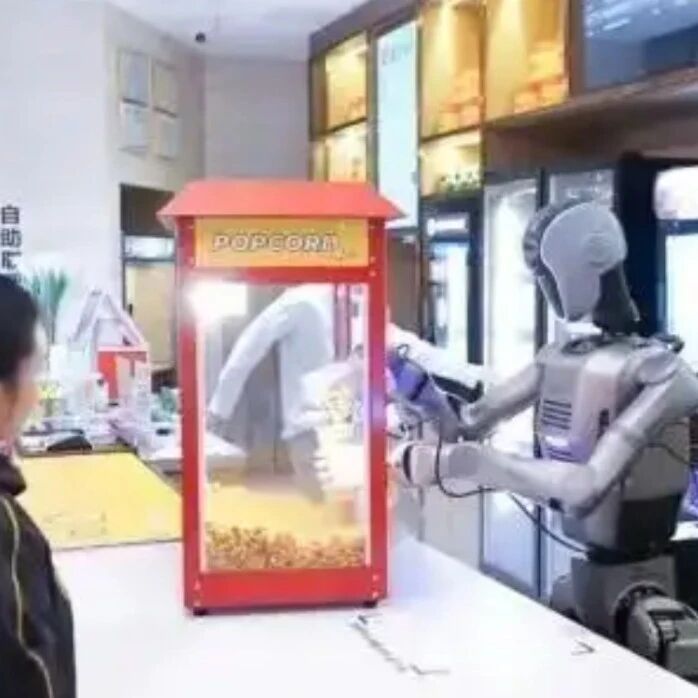
Core Insights - Embodied intelligence is emerging as a new engine driving industrial transformation, differentiating itself from traditional AI by enabling physical entities to interact with their environment, thus achieving a closed loop of "perception-decision-action" [1][2] Industry Developments - In January 2025, the Yujian Atom humanoid robot achieved full autonomous operation at a cinema in Shenzhen, capable of selling over 1,000 cups of popcorn daily and handling unexpected situations [1] - In April 2025, the "Tiangong Ultra" robot won a half-marathon in Beijing, showcasing its ability to autonomously adjust running direction and speed [2] - The "Kuafu" humanoid robot, developed by Leju Robotics, served as the torchbearer at the Shenzhen National Games, demonstrating advanced capabilities in complex scenarios [2] Technological Advancements - Shenzhen's embodied intelligence industry is marked by significant technological breakthroughs, including the first human-like robot to perform a front flip and advancements in motion control and stability [2] - The local industry has seen the application of humanoid robots in various sectors, including industrial manufacturing and elder care, enhancing operational efficiency and service quality [2][3] Ecosystem Advantages - Shenzhen's robust ecosystem supports the growth of the embodied intelligence sector, with a concentration of over 100 robot companies, including leading firms like UBTECH and Yujian Technology [3] - The "Robot Valley" in Shenzhen features a complete supply chain, with high localization rates for core components, enhancing the speed of technology transfer from research to production [3][5] Future Outlook - By 2027, Shenzhen aims for its embodied intelligence robot industry to achieve international leadership, with a target industry scale exceeding 100 billion yuan and over 1,200 related enterprises [5][6] - The city is fostering a conducive environment for future industrial development through legislative and planning initiatives, enhancing its innovation capabilities in the embodied intelligence field [6] Investment and Policy Support - Shenzhen has established a comprehensive financial service system to support technology innovation, including various funds aimed at fostering long-term investments in hard technology sectors [5] - The city is also promoting collaborative innovation across the Greater Bay Area, enhancing its competitive edge in artificial intelligence and robotics [4][6]


CES 2026现场直击:京东携手越疆、众擎等品牌新品首次亮相 多款新品京东独家首发
Sou Hu Wang· 2026-01-07 09:56
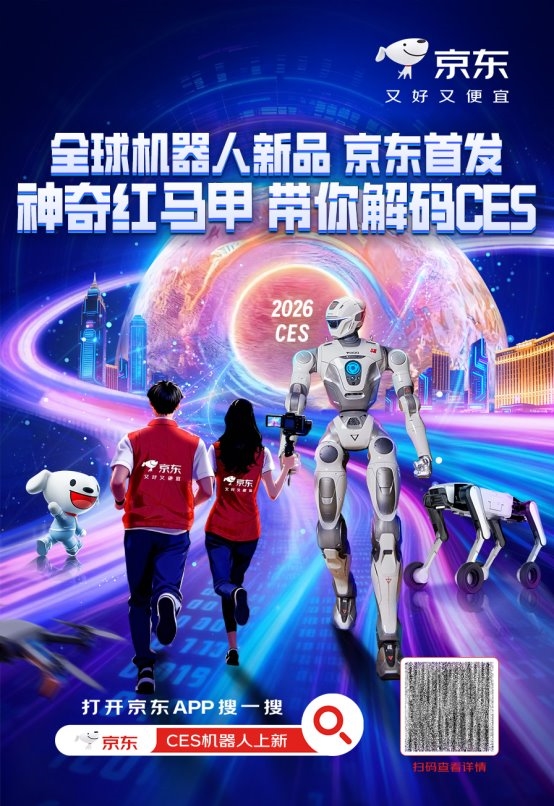
Group 1 - The CES 2026 showcased cutting-edge robotics technology, with JD.com and over 20 partners presenting innovative products and solutions aimed at accelerating the evolution and commercialization of robotics [1][5] - The event highlighted the practical value of embodied intelligent robots, with various brands demonstrating their capabilities through performances, including dance and complex interactions [3][4] - JD.com introduced several consumer-oriented smart robots, such as the Rover X1 quadruped robot and the AI chess-playing robot, indicating a shift from futuristic assistants to practical companions in daily life [4][5] Group 2 - JD.com is building an open and collaborative industrial ecosystem by integrating its supply chain, technology, and service capabilities to support partners across the entire value chain [5] - The company offers innovative solutions for commercializing robotics, including low-barrier entry for partners, co-launching new products, and creating a seamless online and offline sales network [5] - JD.com aims to deepen collaboration with global partners to promote the application of robotics in various sectors, creating sustainable economic value for diverse industries and users worldwide [5]

财经连线 | 协作机器人“三杰”的岔路口
Da Zhong Ri Bao· 2026-01-07 09:25
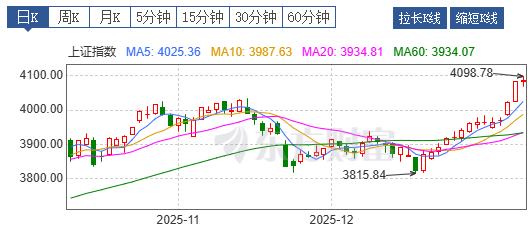
Core Viewpoint - The A-share market has shown resilience, with the Shanghai Composite Index closing at 4085.77 points, nearing 4100 points, while various industry sectors experienced mixed performance, particularly in the robotics sector, which is facing challenges and transformations [1][3]. Company and Industry Summary - The robotics industry in 2025 saw significant media attention, particularly in humanoid robots, despite ongoing market skepticism. IPO activities remained high, indicating sustained capital interest [3]. - The collaborative robot sector is at a critical transformation point, with key players like JAKA, Yujin, and Aobo facing operational and market challenges [3]. - JAKA's IPO application was officially terminated after over two years of attempts, marking a significant setback for the company, which aimed to be the first collaborative robot stock in A-shares [4][5]. - JAKA's IPO journey was fraught with complications, including multiple suspensions due to financial data issues, ultimately leading to the cancellation of its review meeting just before it was scheduled [6]. - Concerns regarding JAKA's operational capabilities were highlighted, with revenue growth overshadowed by significant fluctuations in net profit, including a loss of 19.97 million yuan in the first half of 2025 [6][7]. - JAKA's latest prospectus indicated a reduction in fundraising goals and production capacity, reflecting a downward adjustment in its market strategy [7]. - In contrast, Yujin Technology successfully transitioned to the Hong Kong market, becoming the first collaborative robot stock, with a strong market debut and significant revenue growth [10][12]. - Yujin's revenue for the first half of 2025 reached 153 million yuan, a 27.1% increase year-on-year, although it still reported a net loss [14]. - Aobo's path to market has been complicated by failed asset restructuring attempts, leading to a significant drop in stock price following the announcement of the termination of its restructuring plans [18]. - The collaborative robot market in China is projected to grow significantly, with domestic manufacturers increasing their market share, while competition intensifies, leading to a "Matthew effect" where stronger companies thrive and weaker ones exit the market [19].
看2026|越疆刘主福:从单机到系统,具身智能步入规模化应用
Bei Ke Cai Jing· 2026-01-07 07:28
Core Viewpoint - The article discusses the upcoming economic landscape for China in 2026, emphasizing the importance of stability and quality improvement in economic work, as well as the role of robotics in driving innovation and productivity in various sectors [3][4]. Company Overview - Yujian Technology has become the first stock of collaborative robots on the Hong Kong Stock Exchange, marking a significant recognition of the value in the robotics sector [5]. - The company has accelerated its product development, launching various humanoid robots and establishing strategic partnerships, leading to steady growth in performance [6]. Industry Insights - The robotics industry is a trillion-dollar market with intense competition, necessitating early positioning to stand out [7]. - The core challenges in implementing embodied intelligence in industrial settings include achieving cross-model and cross-scenario "collective intelligence" [10]. - The company aims to create a comprehensive ecosystem that accelerates the emergence of intelligence through a full-chain technology loop, reducing the learning cycle and costs for robots [11]. Governance and Ethical Considerations - As robots become more integrated into daily life, safety, ethics, and privacy are critical for industry development, necessitating a governance framework that ensures responsible design and operation [12]. Future Outlook - The robotics industry is moving towards "super automation" and "human-machine integration," with a dual strategy of deepening industrial capabilities and expanding commercial applications [15]. - The competition is shifting from "single-machine intelligence" to "system intelligence" and ecosystem building, requiring companies to develop autonomous production units capable of perception, decision-making, and collaboration [16]. Technological Development - A self-controlled full-stack technology chain is essential for achieving advanced capabilities, with a high self-research rate in key components ensuring supply chain security and product architecture definition [17]. - The company has established itself as a leader in collaborative robots, leveraging its strategic layout across high-potential sectors to create a virtuous cycle between existing business and future growth [18]. Response to National Policies - In response to national calls for expanding domestic demand and optimizing supply, the company focuses on transforming innovative robotic technologies into scalable productivity tools, enhancing manufacturing quality and efficiency while also activating consumer demand in various sectors [20].

2025年港股再融资规模略超IPO
Zheng Quan Ri Bao· 2026-01-05 17:08
Core Insights - The Hong Kong stock market's refinancing activities in 2025 were exceptionally active, with a total of approximately HKD 325.32 billion raised through various methods, significantly surpassing the previous year [1] - Placement became the primary method for refinancing, with 345 companies initiating 463 placements, raising HKD 289.62 billion, slightly exceeding the HKD 285.69 billion raised through IPOs [1] - Leading companies like BYD and Xiaomi spearheaded large-scale refinancing efforts, focusing on industry integration and technological development [2] Group 1: Refinancing Trends - In 2025, the refinancing market in Hong Kong saw significant participation from industry leaders, with BYD raising HKD 43.51 billion and Xiaomi raising HKD 42.6 billion [2] - Other notable companies included NIO and Horizon Robotics, which collectively raised over HKD 11 billion, focusing on core technology breakthroughs and operational stability [2] - The refinancing activities reflect a trend of companies engaging in multiple rounds of financing, with firms like SenseTime and China Ruoyi completing several placements throughout the year [4] Group 2: Mechanisms and Strategies - The "old before new" placement system in Hong Kong allows companies to quickly raise funds by transferring existing shares before issuing new ones, significantly shortening the financing cycle [5] - This method typically offers discounts of 5% to 12% compared to market prices, effectively attracting institutional investors [5] - New companies listed in 2025, such as Boreton and Jiangsu Hongxin, quickly initiated refinancing to leverage their post-IPO stock price advantages [6] Group 3: Strategic Focus - The funds raised through refinancing are often directed towards capacity expansion and R&D, particularly in high-growth sectors like technology and renewable energy [3] - Companies like GCL-Poly announced specific uses for their raised funds, including structural adjustments in polysilicon production and enhancing R&D capabilities [2] - The trend of "going global" is also evident, with many Hong Kong-listed companies pursuing international expansion strategies while ensuring compliance with local regulations [7]




宇树科技回应:相关不实报道误导公众认知
Nan Fang Du Shi Bao· 2026-01-05 05:46
Core Viewpoint - The news highlights the ongoing IPO process of Yushu Technology despite rumors of the suspension of its "green channel" for listing, emphasizing the company's commitment to transparency and compliance with regulations [1][3]. Group 1: Company Developments - Yushu Technology has denied involvement in any application for the "green channel" and stated that the reports regarding its IPO status are misleading [1]. - The company is focused on technological innovation in bionic robots, intelligent motion control, and AI perception interaction since its establishment in 2016, evolving its product line from quadruped robots to humanoid robots [1]. - Yushu Technology gained significant public attention during the 2025 CCTV Spring Festival Gala with its humanoid robot performance, marking a pivotal moment in the industry [1]. Group 2: Industry Trends - The humanoid robotics sector has seen unprecedented investment activity, with notable financing events in 2025, including Yushu Technology's C+ round financing, which valued the company at 13 billion yuan [2]. - The market is experiencing a surge in IPO activities, with several companies, including Yushu Technology, actively pursuing public offerings, indicating a competitive landscape in the humanoid robotics sector [3]. - As of August 2025, the domestic robotics sector has raised approximately 38.62 billion yuan in primary market financing, significantly surpassing the previous year's total, highlighting the rapid growth and interest in humanoid robotics [3]. Group 3: Regulatory Environment - The National Development and Reform Commission has indicated that the humanoid robotics sector is not yet fully mature in terms of technology, commercialization, and application scenarios, suggesting a need for caution in the market [4]. - The recent rumors regarding the "green channel" being halted reflect a broader sensitivity to regulatory changes and a potential cooling of the overheated market for humanoid robotics [4].