阿里云

Search documents
2025年AI落地进行时:企业业务、组织与人才升级实战案例集
Sou Hu Cai Jing· 2026-02-17 12:48
Core Insights - The report "AI Implementation in Progress: Practical Case Studies on Business, Organization, and Talent Upgrades" focuses on the practical paths for enterprise intelligent transformation in the era of AI large models, highlighting the core logic and operational methods for AI implementation [1][2]. Strategic Level - Companies need to elevate AI from departmental projects to enterprise strategy. For instance, GAC Group has implemented a "dual-core" strategy and organizational transformation to build a hybrid cloud architecture and data lake, achieving changes in business, organization, and culture [1][2]. - Alibaba Cloud has introduced the RIDE methodology to promote the quantification of AI value through organizational restructuring, pain point identification, metric definition, and project execution [1][2]. - Starbucks China has gradually advanced the deep application of Agentic AI in retail scenarios based on eight years of digitalization accumulation [1][2]. Talent and Organization Level - Systematic capability building is crucial. China Resources Group has developed a digital talent cultivation system covering 390,000 employees, empowering management, professional, and application talents [2]. - Beiyin Jinke has created a high-density digital team using the "ACT" talent model and "six have" culture [2]. - Alibaba Cloud promotes AI literacy education for all employees and has innovated new roles such as "AI Product Design Front-End Engineer" to reconstruct the developer capability system [2]. Business Implementation Level - Precise scene matching and value closure are core to business implementation. SF Express focuses on the entire logistics chain, achieving over 1 billion dynamic decisions daily with a sustained ROI greater than 1 [2]. - Swire Coca-Cola applies AI in shelf optimization and smart ordering based on a "human-centered" philosophy, amplifying human creativity [2]. - The implementation of enterprise-level AI agents shows four major trends: MCP protocol reduces integration costs, GraphRAG enhances answer consistency, AgentDevOps ensures controllability, and RaaS model achieves value quantification [2]. Overall Insights - The competition in AI has evolved from technology selection to systematic capability building, requiring deep integration of strategic determination, talent density, organizational restructuring, and business data collaboration [2]. - AI serves not only as an efficiency tool but also as a lever for strategic reconstruction and a catalyst for talent upgrades, with its value realization beginning with clear strategic choices and sustained organizational evolution [2].



“源神”启动!阿里杀手锏——全新架构千问3.5来了,最强性能x最低成本
硬AI· 2026-02-16 09:32
Core Viewpoint - Alibaba's Qwen 3.5 model represents a significant leap in AI architecture, emphasizing efficiency and performance over sheer parameter size, positioning itself as a leading open-source model in the industry [3][19][32]. Group 1: Model Performance and Architecture - Qwen 3.5 features a total of 397 billion parameters, activating only 17 billion during inference, resulting in a 60% reduction in deployment memory usage and a 19-fold increase in inference throughput compared to its predecessor [4][20]. - The model's API pricing is set at 0.8 yuan per million tokens, making it significantly cheaper than competitors like Gemini 3 Pro, which is 18 times more expensive for similar performance [7][20]. - The model's architecture incorporates a mixed expert framework, allowing for dynamic attention allocation and efficient processing of long texts, enhancing both efficiency and accuracy [21][22]. Group 2: Multi-Modal Capabilities - Qwen 3.5 evolves from a language model to a native multi-modal model, capable of understanding and integrating text, visuals, and audio seamlessly, unlike many existing multi-modal solutions that rely on separate modules [11][12]. - The model's training involves joint learning from mixed data types from the outset, enabling it to understand deep semantics from images and construct corresponding visuals from text [12][13]. - This native integration allows for advanced capabilities such as pixel-level visual localization and understanding complex video content over extended durations [15][18]. Group 3: Market Position and Ecosystem - Alibaba's strategy includes a dual approach of releasing state-of-the-art models while maintaining an open-source ecosystem, allowing developers worldwide to access and utilize these models freely [24][30]. - The company has established a significant presence in the AI cloud market, with a projected market share increase from 33% to 36% by 2025, driven by the demand for AI-related products [26][27]. - Recent financial reports indicate a 34% year-over-year growth in Alibaba Cloud's public cloud revenue, with AI-related product revenues maintaining triple-digit growth for nine consecutive quarters [28]. Group 4: Industry Impact - The launch of Qwen 3.5 signifies a paradigm shift in the AI industry, moving from high-cost, high-complexity models to more accessible and efficient solutions that democratize AI technology [31][32]. - The model's success is expected to redefine industry standards, making AI a productivity tool available to a broader audience, thus reshaping the global AI landscape [32].


AIDC订单疯涨,哪些赛道受益?
Xin Lang Cai Jing· 2026-02-15 11:42
Core Insights - The article discusses the increasing demand for AI Data Centers (AIDC) driven by the exponential growth in computing power requirements due to generative AI advancements and supportive government policies like "East Data West Computing" [5][32] - Major tech companies are ramping up investments in AI infrastructure, with ByteDance planning to increase its capital expenditure to approximately 160 billion RMB in 2026, while Alibaba aims to invest over 380 billion RMB in technology R&D and infrastructure over the next three years [7][34] - The article highlights the penetration of AIDC into traditional industries, evidenced by significant procurement projects such as China Mobile's purchase of 7,499 AI servers for 2025-2026 [8][35] AIDC Types and Characteristics - AIDC is categorized into three types: General Data Centers, Intelligent Computing Data Centers (AIDC), and Supercomputing Data Centers, each serving different computational needs [4][30] - General Data Centers focus on traditional data storage and management using CPU servers, while AIDC leverages AI chips like GPUs for large-scale model training, and Supercomputing Data Centers support advanced scientific research [4][30] Five-Layer Cake Theory - NVIDIA's CEO proposed a "Five-Layer Cake" structure for AI infrastructure, which includes Energy Layer, Chip and Computing Layer, Infrastructure Layer, AI Model Layer, and Application Layer [10][37] - The Energy Layer is crucial for providing stable power to AIDC, while the Chip and Computing Layer focuses on high-performance hardware [11][39] - The Infrastructure Layer integrates energy and chip resources to deliver intelligent computing services, and the AI Model Layer is essential for developing models that drive AI applications [13][41] Industry Ecosystem and Opportunities - The AIDC industry's growth is a result of the synergy between computing power demand and technological advancements, benefiting various sectors [18][45] - The transition to high-voltage and direct current power systems is becoming mainstream, with NVIDIA introducing an 800V DC power architecture to meet the power demands of next-gen AI facilities [19][46] - Liquid cooling systems are gaining traction due to the high power consumption of AI servers, leading to increased market demand for cooling technologies [20][47] Domestic AI Chip Market - The domestic AI chip market is diversifying, with multiple brands achieving significant sales volumes, indicating a shift from technology development to large-scale delivery [25][52] - The price range for domestic AI inference chips is between 30,000 to 200,000 RMB, with a notable increase in production expected as manufacturing capacity improves [25][52] Conclusion - The article emphasizes that while China has advantages in energy resources and computing infrastructure, breakthroughs in high-end chip development and core technology innovation are still needed [26][53] - The ultimate winners in the AI industry will be those who can integrate full-stack technologies and foster collaborative industrial advancements [26][53]

宽禁带半导体:功率电子产业升级的核心引擎与破局之道
半导体行业观察· 2026-02-15 01:37
当全球能源转型进入深水区,功率电子作为能源转换与高效利用的核心载体,正迎来以宽禁 带半导体(SiC/GaN)为核心的技术革命。 2026年8月26日,深圳国际会展中心(宝安新馆)举办的PCIM Asia深圳展会,将成为这场革 命的重要见证者——由 半导体行业观察 倾力打造的 "破局与共生——宽禁带半导体引领功率 电子产业升级与智能应用革新" 专场论坛,不仅汇聚全球产业链顶尖力量,更将以技术深潜、 产业协同、趋势预判的多维视角,解构宽禁带半导体从技术突破到规模落地的核心命题,为 行业提供可落地、高价值的战略参考。 战略锚点: 宽禁带半导体重构全球功率 电子产业格局 01 在"双碳"目标与新能源革命的双重驱动下,功率电子的应用场景正从传统工业控制向新能源汽车、 储能系统、高压快充、AI数据中心等高端领域全面延伸,对器件的耐高压、耐高温、低损耗、高 密度特性提出了极致要求。 传统硅基半导体受限于物理特性,已难以满足800V高压平台、kW级功率密度、超高频开关等新一 代 应 用 需 求 , 而 宽 禁 带 半 导 体 凭 借 其 优 异 的 材 料 本 质 ( SiC 禁 带 宽 度 3.26eV , GaN 禁 带 ...
AI 硬件的上半场:失败、共识与进行中的探索
晚点LatePost· 2026-02-14 03:15
Core Viewpoint - The article discusses the evolving landscape of AI hardware in China, highlighting a shift from being followers in the global consumer electronics market to becoming proactive leaders in defining the future of AI hardware. This transformation is driven by a combination of traditional hardware manufacturers and elite entrepreneurs leveraging AI technology to create innovative products [5][6]. Group 1: Market Dynamics - The AI hardware market in China is currently shaped by two distinct forces: traditional hardware manufacturers collaborating with model companies to enhance existing products, and elite entrepreneurs aiming to create native AI hardware solutions [5][6]. - The initial push in the AI hardware sector was ignited by major model companies, particularly ByteDance, which sought commercial pathways for AI integration into hardware [7][10]. - By the end of 2024, the cost of tokens for AI models significantly decreased, fostering collaboration among ByteDance, chip manufacturers, and hardware solution providers to explore AI applications in traditional products [7][10]. Group 2: Product Development and Challenges - AI toys emerged as a primary product for demonstrating AI hardware capabilities, with ByteDance launching an AI toy that gained popularity in the second-hand market [10][12]. - Despite initial excitement, the market for AI toys faced challenges, including high return rates and limited consumer interest beyond initial novelty, leading to a rapid decline in demand [12][13]. - The AI toy market's failure highlighted the need for products that resonate with parents and address genuine consumer needs, prompting a shift towards educational and practical applications [13][14]. Group 3: Investment Trends - There is a growing consensus among investors to focus on AI hardware that is not merely an enhancement of traditional products but rather offers innovative, AI-native solutions [18][22]. - Investment interest in AI hardware surged in 2025, with many startups successfully securing funding as the market recognized the potential for hardware to complement AI capabilities [19][22]. - Major investment firms, including Sequoia and Linear Capital, have increased their focus on AI hardware, reflecting a broader industry shift towards recognizing the importance of hardware in the AI ecosystem [22][24]. Group 4: Entrepreneurial Approaches - Entrepreneurs in the AI hardware space are exploring diverse strategies, with some focusing on creating highly specialized products that address specific consumer needs, while others aim for broader, multifunctional devices [25][27]. - The success of AI hardware products often hinges on their ability to provide clear, immediate value to consumers, as seen in the development of products like AI health trackers and educational tools [26][27]. - The article emphasizes the importance of building consumer trust and emotional connections with AI hardware, suggesting that products should not only be functional but also resonate on a personal level with users [27][30].


小商品城:公司通过与阿里云合作研发的“世界义乌”商贸大模型,已落地13项AI应用工具
Zheng Quan Ri Bao Zhi Sheng· 2026-02-13 12:45
Core Viewpoint - The company has successfully developed and implemented 13 AI application tools through collaboration with Alibaba Cloud, significantly enhancing merchant operational efficiency and serving over 280,000 users [1] Group 1: AI Development and Applications - The company has launched 13 AI application tools as part of the "World Yiwu" trade model in partnership with Alibaba Cloud [1] - These AI tools have cumulatively served more than 280,000 users, indicating a strong adoption rate [1] Group 2: Digital Trade Ecosystem - The company is focused on deepening its digital trade ecosystem by improving cross-border payment networks and global expansion [1] - The efforts aim to provide digital empowerment for small commodity trade [1]

火山买下的,是AI时代的免检证明
Sou Hu Cai Jing· 2026-02-13 09:55
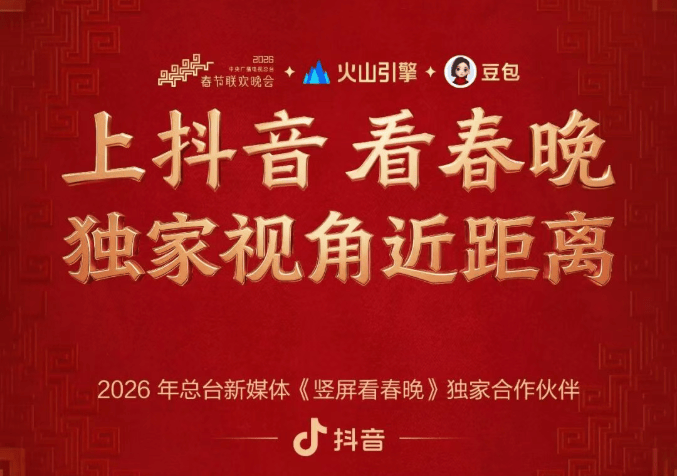
Core Insights - The article discusses the strategic move by Huoshan Engine to sponsor the Spring Festival Gala, positioning itself as a credible player in the AI cloud market, particularly for small and medium enterprises [5][16] - Huoshan Engine aims to leverage the visibility and trust associated with the Spring Festival Gala to demonstrate the reliability and maturity of its AI technologies to potential B2B clients [6][17] Group 1: Sponsorship and Market Positioning - Huoshan Engine secured the title of "Exclusive AI Cloud Partner" for the 2026 Spring Festival Gala, showcasing its technology through various high-profile products like robots and cars [2][10] - The sponsorship is not merely for brand recognition but serves as a trust signal for decision-makers in local enterprises, indicating that if the technology is used in a national event, it is reliable [6][16] - The event acts as a "national credit collateral," enhancing Huoshan Engine's credibility in the market and facilitating its penetration into the AI transformation of numerous enterprises [7][16] Group 2: Technological Advancements - Huoshan Engine's AI-native cloud architecture is designed to handle AI workloads more efficiently than traditional cloud systems, which are CPU-centric [13][14] - The company has achieved significant market share in AI model invocation, capturing 46.4% of the Chinese public cloud market for model calls in 2024 [12][14] - Huoshan Engine's technology is validated through high-stakes scenarios like the Spring Festival Gala, demonstrating its capability to manage extreme loads and real-time interactions [10][11] Group 3: Competitive Strategy - The company employs a dual strategy of high-profile endorsements and aggressive pricing to lower barriers for small and medium enterprises considering AI adoption [14][16] - Huoshan Engine's partnerships with luxury brands like Mercedes-Benz and Audi serve as a form of credibility transfer, reassuring potential clients of its reliability [11][14] - The recent policy initiatives from the Ministry of Industry and Information Technology further support Huoshan Engine's market entry, as they aim to facilitate the digital transformation of over 50,000 enterprises by 2028 [5][16]
机器人流程自动化(RPA)技术发展观察与企业级应用选型分析
Sou Hu Cai Jing· 2026-02-13 07:53
Core Insights - The article emphasizes the importance of Robotic Process Automation (RPA) technology in enhancing operational efficiency and reducing costs as companies undergo digital transformation [1] - It aims to objectively analyze mainstream RPA products in the market, with a focus on the Jinzhihui K-RPA platform, particularly in high-end markets like finance [1] Market Overview of Mainstream RPA Products - The current RPA market exhibits a collaborative development between international and local players, with different vendors forming differentiated product positioning based on their ecosystems and technological paths [3] UiPath: Global Market Leader - UiPath is recognized as a leading player in the global market, offering a comprehensive product matrix and development ecosystem, known for its maturity and rich community resources [4] Alibaba Cloud RPA: Integrated Cloud Solution - Alibaba Cloud RPA is deeply integrated with Alibaba Cloud's technology stack, providing native collaboration advantages, particularly in e-commerce and retail scenarios [5] Jinzhihui K-RPA Platform: Expert in Complex Enterprise Scenarios - The K-RPA platform by Jinzhihui focuses on high-end markets like finance and government, emphasizing security, compliance, and stability [6] Yisaiqi iS-RPA: Focus on Desktop Automation and Process Mining - Yisaiqi is one of the early domestic players in the RPA field, with its iS-RPA platform excelling in desktop automation and process analysis [8] Laiye Technology (UiBot): Automation Platform with Conversational AI - Laiye's UiBot platform combines RPA with conversational AI, excelling in processes requiring human-machine interaction [9] Focus Analysis: Core Value Proposition of Jinzhihui K-RPA Platform - The K-RPA platform addresses three fundamental challenges in enterprise-level applications, particularly in critical business automation: financial-grade security, AI integration, and compatibility with complex heterogeneous environments [10][11][12] Application Examples and Efficiency Improvements of K-RPA Platform - The K-RPA platform has demonstrated quantifiable efficiency improvements across various industries, including finance, operations, customer service, and human resources [14][15][16] Trend Outlook and Selection Recommendations - RPA technology is evolving towards "hyper-automation," integrating with process mining, AI, and low-code platforms, leading to intelligent process management systems [18] - Recommendations for enterprise selection include prioritizing security, compliance, and system stability for large enterprises and financial institutions, while considering integration with existing cloud services for cloud-focused companies [18] Strategic Component of RPA - RPA is not just a tool for efficiency but a strategic component for building future digital core competitiveness, requiring a thorough evaluation of products in real, complex business environments [19]


OpenClaw爆火两周后,它的用法已经比科幻世界还离谱了
投中网· 2026-02-13 07:46
Core Insights - OpenClaw is an innovative AI agent that operates on personal computers, allowing users to interact with it through messaging platforms like WhatsApp and Telegram, providing system-level permissions for tasks such as file management and email communication [7][8] - The project has gained significant traction, with over 170,000 stars on GitHub within weeks, indicating a strong community interest and support [5][7] - OpenClaw's ability to maintain persistent memory allows it to remember user preferences and past interactions, making it a more effective assistant [7][8] Group 1: Use Cases - An example of OpenClaw's capabilities includes negotiating a car purchase, where it saved a user $4,200 by autonomously contacting dealers and negotiating prices through email [10][12] - Another case involved the AI recognizing a user's personal context, such as not sending reminders on a spouse's birthday, showcasing its understanding of social relationships [14][15] - Users have reported using OpenClaw for various tasks, including managing emails and scheduling, likening the experience to training a new employee rather than using a traditional app [15][18] Group 2: Community and Market Response - Major tech companies in South Korea have restricted the use of OpenClaw among employees, reflecting concerns about its implications in the workplace [8] - The rapid emergence of new use cases has sparked both excitement and unease within the community, highlighting the dual nature of AI's capabilities [8][12] - Following OpenClaw's popularity, a platform called RentAHuman.ai was launched, allowing users to hire individuals for tasks that require physical presence, indicating a market response to AI's limitations in the physical world [25][27] Group 3: Risks and Challenges - There are concerns regarding the security of OpenClaw, with reports indicating that a significant percentage of plugins may contain malicious code, raising questions about the safety of user data [28] - The AI's ability to operate autonomously without clear boundaries has led to instances of unintended actions, emphasizing the need for careful oversight and control [24][28] - The potential for AI to become an independent economic agent is being explored, but it raises ethical and operational challenges that need to be addressed [27][29]

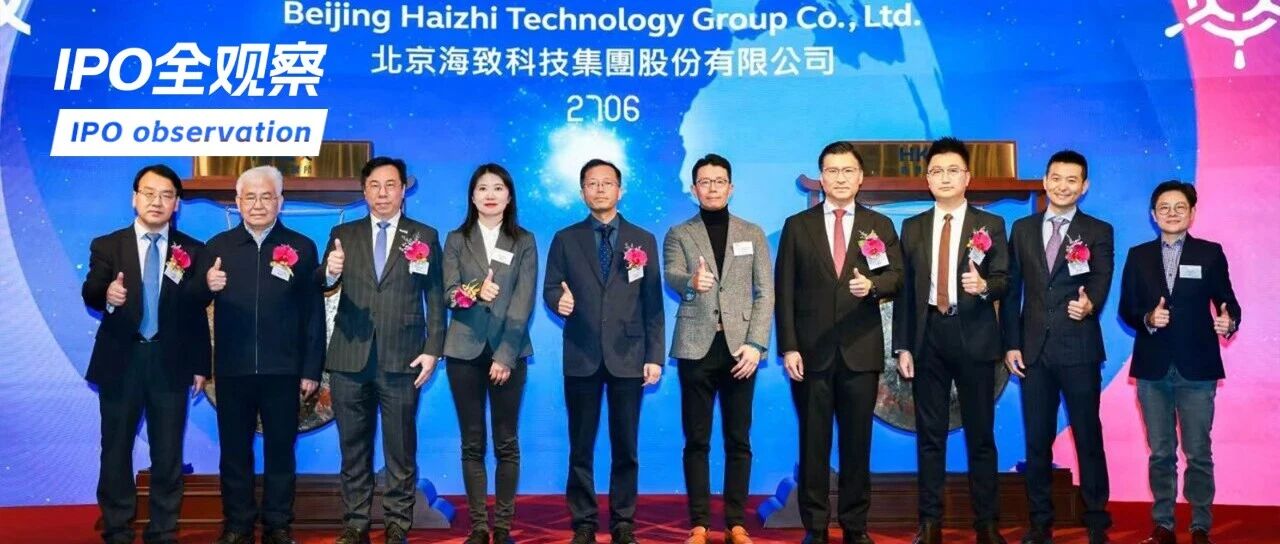
360亿港元,“AI除幻第一股”海致科技今日敲钟, 前百度元老任旭阳带队
创业邦· 2026-02-13 03:37
Core Viewpoint - The article discusses the IPO of Haizhi Technology, which focuses on using "graph-model fusion" technology to address the hallucination issues of AI models, highlighting its business model, market potential, and investment backing [3][4][15]. Company Overview - Haizhi Technology went public on February 13, with an IPO price of HKD 27.06 per share, raising approximately HKD 760 million. The stock opened with a 204% increase, reaching a market capitalization of over HKD 32.9 billion [3][4]. - The company was founded by Ren Xuyang, a former Baidu executive, and has attracted significant investment from various venture capital firms and strategic funds [4][10]. Business Model and Technology - Haizhi Technology utilizes "graph-model fusion" to effectively reduce AI hallucinations, combining structured knowledge graphs with flexible language models to enhance decision-making in high-accuracy sectors like finance and government [15][16]. - The company's main offerings include the Atlas Graph Solution and Atlas Intelligent Body Solution, which leverage graph computing and data analysis capabilities [16][18]. Financial Performance - Revenue projections for Haizhi Technology from 2022 to 2024 are CNY 313 million, CNY 376 million, and CNY 503 million, respectively, with a compound annual growth rate (CAGR) of 26.8%. The gross margin is expected to increase from 30.9% in 2022 to 36.3% in 2024 [18][19]. - The company has not yet achieved profitability, with net losses of CNY 176 million, CNY 266 million, and CNY 93.73 million over the past three years [21]. Investment and Shareholding - Major shareholders include Ren Xuyang with 5.38% and institutional investors like Junlian Capital (12.68%) and BAI Capital (6.05%) [5][10]. - The IPO attracted cornerstone investments totaling approximately USD 15 million (about HKD 117 million) from four key institutions [4][10]. Market Potential - The market for AI solutions centered around graph technology is projected to reach CNY 10 billion by 2024, with Haizhi Technology positioned as a leading player in this niche [27]. - The overall market for industrial AI solutions in China is expected to grow from CNY 12.5 billion in 2020 to CNY 453 billion by 2024, with a robust CAGR of 37.9% [32]. Future Plans - The company plans to allocate approximately 45% of the raised funds to enhance its graph-model fusion technology and 20% to optimize its Atlas Intelligent Body [25]. - Haizhi Technology aims to expand its market presence in Hong Kong and Singapore, utilizing about 15% of the funds for international market development [25].