荣耀

Search documents
雷军又要直播、荣耀持续预热、vivo要发布、OPPO售新机
Sou Hu Cai Jing· 2026-01-15 06:02
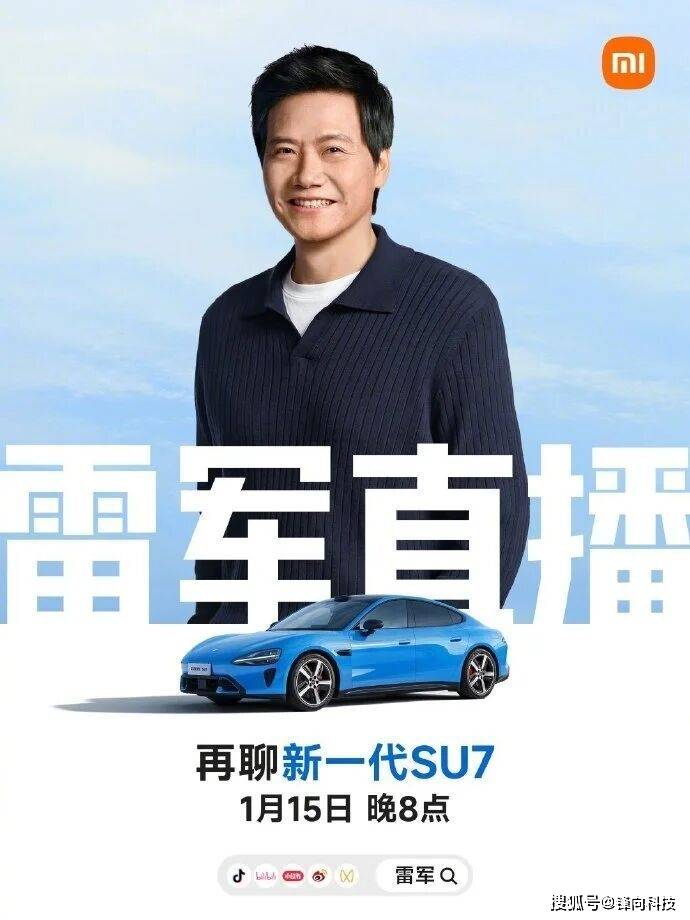
Group 1 - Major discussions in the industry revolve around smartphone market reports for Q4 2025 and the entire year, emphasizing the need to focus on future developments [1] Group 2 - Lei Jun announced an unexpected live stream to discuss the new Xiaomi SU7, indicating that the vehicle is in its final stages and will have test models available for public experience [3] - Honor is promoting the Magic8 Pro Air, which aims to redefine lightweight flagship standards with a high energy density of 917Wh/L and a battery capacity of 5500mAh, set to launch on January 19 [6] Group 3 - iQOO is set to unveil the Z11 Turbo, with the only remaining uncertainty being its pricing amidst rising memory costs, while Vivo is also promoting the Y500i long-lasting version [8] - OPPO has launched the A6c, focusing on long battery life and durability, targeting offline sales channels [8]

千问:阿里第二次“无线战争”
乱翻书· 2026-01-15 05:55
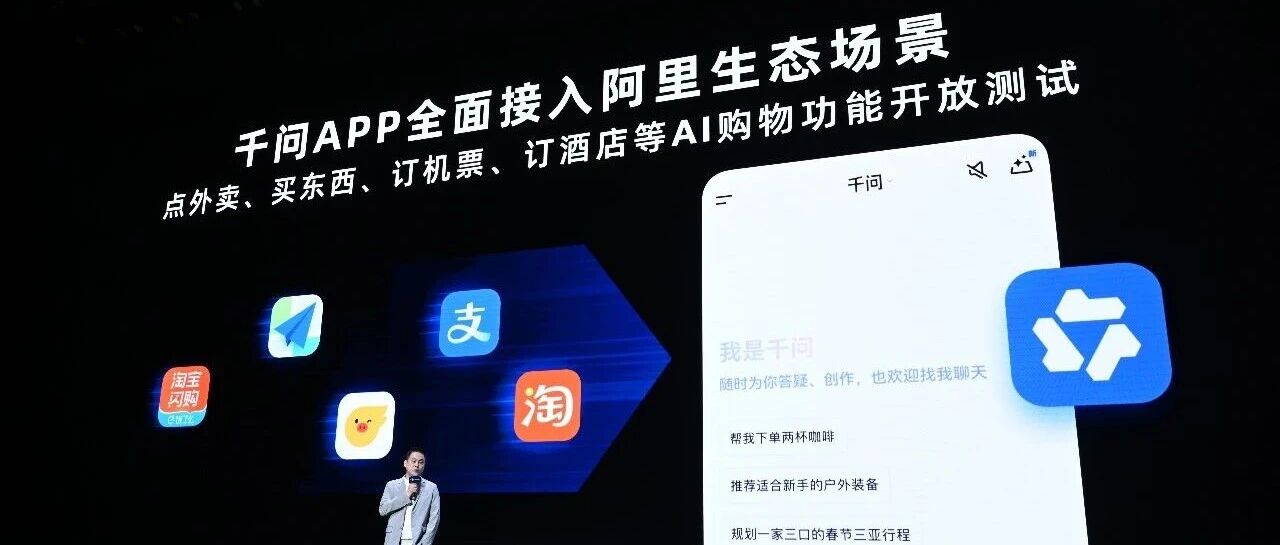
Core Viewpoint - The article discusses the evolution of user interaction with technology, particularly the transition from mobile-centric to AI-centric paradigms, exemplified by the shift from a humorous iPhone call in 2007 to the practical use of AI in everyday tasks by 2026 [5][12]. Group 1: Historical Context - The first iPhone call made by Steve Jobs in 2007 showcased the revolutionary communication capabilities of smartphones, marking the beginning of a new era in mobile technology [3]. - The act of ordering coffee has transformed in the AI era, now involving complex processes like semantic understanding and automated task execution, highlighting AI's capabilities [4]. Group 2: AI as a New Paradigm - The shift from mobile to AI represents a fundamental change in how digital experiences are designed, with a focus on future-oriented product development rather than merely optimizing existing services [7][12]. - The emergence of AI as a new entry point in technology suggests a limited window for companies to adapt and innovate [7]. Group 3: Competitive Strategies - Companies like Douyin and Pinduoduo utilize a strategy of focusing on a limited number of high-performing products to maximize user satisfaction, contrasting with traditional platforms that offer extensive choices [14]. - The article suggests that AI can streamline decision-making by providing users with optimal solutions rather than overwhelming them with options, similar to the strategies employed by Pinduoduo and Douyin [17][18]. Group 4: AI Product Development - Alibaba's Qianwen app exemplifies a comprehensive approach to AI, integrating various functionalities and resources to create a robust user experience [15]. - The app's development strategy includes rapid iterations and a focus on practical applications, such as AI-generated content and task automation, to engage users effectively [21]. Group 5: Future Implications - The article posits that AI's ability to generate content and perform tasks could redefine user interactions, moving away from reliance on user-generated content to direct solutions [19]. - The success of AI products will depend on the capabilities of underlying models, with Qianwen's flagship model being one of the most advanced currently available [18].

龙旗科技港股上市:AI端领军者,智能ODM迎爆发增长
Xin Lang Cai Jing· 2026-01-15 04:23
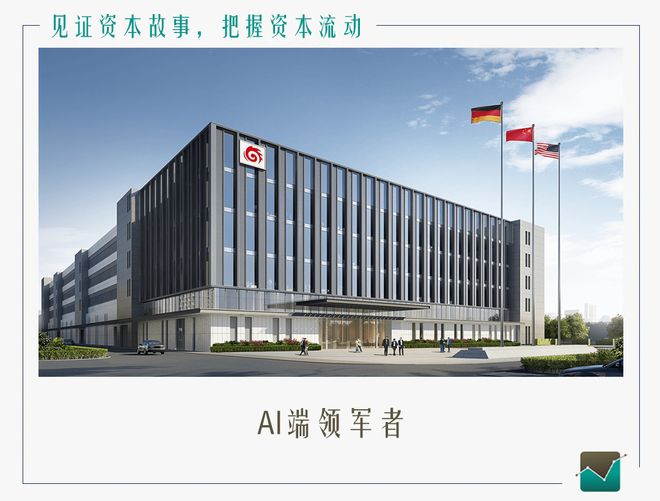
Core Viewpoint - Shanghai Longqi Technology Co., Ltd. (stock code: 09611.HK) has officially launched its IPO in Hong Kong, planning to issue 52.26 million H-shares with a maximum price of HKD 31.00 per share, aiming to capitalize on the booming demand in the AI sector for performance growth and valuation enhancement [3][5]. Company Overview - Established in 2004, Longqi Technology has evolved into a leading ODM service provider for smart products, offering a comprehensive range of services from product research and design to manufacturing and support [3][5]. - The company has a global presence with R&D centers in Shanghai, Shenzhen, and Huizhou, and production bases in Huizhou, Nanchang, Vietnam, and India, along with branches in the US, South Korea, Japan, Singapore, and Hong Kong [3][5]. Market Position - Longqi Technology holds a 22.4% market share, ranking as the second-largest consumer electronics ODM globally and the largest smartphone ODM with a 32.6% market share [5][14]. - The company has established long-term partnerships with major brands like Xiaomi, Samsung, Lenovo, and OPPO, with several collaborative models exceeding 10 million units in shipments [5][15]. Business Model - The company employs a "1+2+X" framework, focusing on smartphones as the core, personal computing and automotive electronics as key growth areas, and emerging consumer electronics like tablets and wearables [5][7]. - In 2024, smartphone revenue reached RMB 36.13 billion, accounting for 77.9% of total revenue, while AIoT revenue surged by 122% year-on-year to RMB 5.57 billion, representing 12.0% of total revenue [7][8]. Financial Performance - Revenue grew from RMB 29.34 billion in 2022 to RMB 46.38 billion in 2024, with a compound annual growth rate (CAGR) of 25.7% [8][9]. - Net profit improved from RMB 5.6 billion in 2022 to RMB 5.1 billion in the first nine months of 2025, reflecting a 20.9% year-on-year increase [8][9]. Competitive Advantages - Longqi Technology invests heavily in R&D, with cumulative expenditures of RMB 7.23 billion from 2022 to the first nine months of 2025, focusing on wireless communication, audio, display, optics, and AI applications [11]. - The company has established a robust global supply chain and production capabilities, enhancing its competitive edge in responding to market demands and fluctuations in raw material prices [11][12]. Industry Outlook - The global ODM market for consumer electronics is expected to grow, with a forecasted increase in shipment volumes from 2.11 billion units in 2024 to 2.49 billion units by 2029, driven by AI technology integration [12][13]. - The automotive electronics market is projected to expand from RMB 2.5 trillion in 2024 to RMB 3.3 trillion by 2029, indicating significant growth opportunities for ODM manufacturers [13][14]. Future Growth Potential - Longqi Technology is well-positioned to benefit from the AI-driven demand surge in smartphones and other smart products, with expectations of substantial revenue growth in AIoT, AI PCs, and automotive electronics [15][16]. - The company anticipates achieving a net profit of RMB 6.85 billion in 2025, representing a 29.4% year-on-year increase, with further growth projected for 2026 and 2027 [16].
荣耀Magic8 RSR官宣首发CIPA6.5级防抖
Zheng Quan Shi Bao Wang· 2026-01-15 03:14
人民财讯1月15日电,1月15日,荣耀正式对外宣布,荣耀Magic8RSR保时捷设计定档1月19日发布,该 机将沿袭Magic8系列的2亿超夜神长焦,防抖等级进一步提升至行业最高的CIPA6.5级。 ...
智谱CEO谈DeepSeek冲击;字节正研发新一代豆包AI耳机;携程回应涉嫌垄断被立案调查;传一加手机CEO刘作虎遭通缉...
Sou Hu Cai Jing· 2026-01-15 02:24
Group 1 - The Chinese government has extended the personal income tax refund policy for home purchases until December 31, 2027, which aims to stimulate the real estate market by allowing tax refunds based on the sale and purchase amounts of properties [3][3][3] - The U.S. State Department announced a suspension of visa processing for 75 countries, effective January 21, as part of a reevaluation of screening and review processes [3][3][3] - The U.S. has imposed a 25% tariff on certain imported semiconductors and related products, effective January 15, as part of its trade policy [4][4][4] Group 2 - OpenAI has signed a three-year agreement with Cerebras to procure up to 750 megawatts of computing power, with the total deal exceeding $10 billion, focusing on AI chip technology [7][8][8] - Skild AI has completed a $1.4 billion financing round, raising its valuation to over $14 billion, with participation from major investors including SoftBank and Nvidia [25][25] - Proxima, an AI biotechnology company, has secured $80 million in seed funding, led by DCVC, to advance its research and development efforts [26][26][26] Group 3 - The Chinese smartphone market is projected to see Huawei regain the top position by 2025, with an estimated total shipment of 285 million units, reflecting a slight decline of 0.6% year-on-year [22][22][22] - The private equity firm, Huanfang Quantitative, reported a 56.6% average return in 2025, with assets under management exceeding 70 billion yuan, making it one of the leading quantitative hedge funds in China [6][6][6] - Ctrip is under investigation for alleged monopolistic practices, with the company stating it will cooperate fully with regulatory authorities [13][13][13]

智谱CEO谈DeepSeek冲击;携程回应涉嫌垄断被立案调查
Sou Hu Cai Jing· 2026-01-15 01:17
Group 1 - The Chinese government has extended the personal income tax refund policy for residents purchasing new homes until December 31, 2027, which aims to support the housing market [2] - The policy allows for a full refund of paid personal income tax if the new home purchase amount is greater than or equal to the selling price of the current home [2] - If the new home purchase amount is less than the selling price, the refund will be proportional to the new purchase amount [2] Group 2 - OpenAI has signed a three-year agreement with Cerebras to procure up to 750 megawatts of computing power, with the total deal exceeding $10 billion [6][7] - Cerebras specializes in AI chips designed for inference tasks, integrating vast computing power and memory into a single chip [6] - This partnership may significantly increase Cerebras' valuation, with reports indicating a potential $22 billion valuation for a new funding round [7] Group 3 - Wang Xiaochuan stated that the future growth of medical AI will primarily occur outside of hospitals, emphasizing the technology's role in enhancing patient services rather than replacing doctors [8][9] - This perspective has sparked industry discussions on leveraging AI to improve patient experiences and healthcare quality [9] Group 4 - Ctrip is under investigation by the State Administration for Market Regulation for alleged monopolistic practices [11] - The company has stated it will cooperate with the investigation while continuing to operate its business normally [11] - In response to Ctrip's situation, a competitor, Zhaomi Technology, announced plans to launch a product aimed at countering Ctrip's market dominance [11] Group 5 - ByteDance is developing a new generation of AI headphones, which will be manufactured by GoerTek [5] - The company currently has no plans to launch the next generation of headphones publicly [5] Group 6 - Huawei is projected to reclaim the top position in the Chinese smartphone market by 2025, with a total shipment volume of approximately 285 million units, reflecting a year-on-year decline of 0.6% [22]




全球每卖三台手机,就有一台广东造
2 1 Shi Ji Jing Ji Bao Dao· 2026-01-15 01:11
Core Insights - The article highlights the dominance of Guangdong in the global smartphone market, with one in three smartphones sold worldwide being manufactured in the region. Guangdong's "smartphone team" includes major brands like Huawei, OPPO, Vivo, Honor, and Transsion, which collectively represent a significant portion of the global market share [1][6][30]. Group 1: Market Position and Performance - In 2024, the combined shipment volume of Guangdong smartphone brands is projected to account for approximately 34.6% of the global market [6][7]. - Huawei's global smartphone shipment volume is expected to reach 48.4 million units in 2024, holding a 4% market share [7]. - OPPO is projected to ship 104.8 million units globally in 2024, securing an 8.5% market share [8]. - Vivo's global shipment volume is anticipated to be 101 million units in 2024, with a market share of 8.5% [10]. - Transsion is expected to ship 106.9 million units in 2024, achieving an 8.6% market share, ranking fourth globally [12]. Group 2: Innovation and Technology - Guangdong's smartphone industry is characterized by a robust supply chain and innovation ecosystem, with 95% of smartphone components available within a one-hour commute in Dongguan [2][6]. - The region is advancing towards AI integration in smartphones, with brands like Huawei and Vivo launching AI-enabled devices that enhance user experience [17]. - Huawei's Mate 60 is noted as the world's first smartphone supporting satellite communication, showcasing technological advancements [18]. Group 3: Industry Structure and Ecosystem - The smartphone industry in Guangdong is structured around a "triangular" ecosystem involving design in Shenzhen, manufacturing in Dongguan, and component supply in Huizhou, creating a world-class supply chain [2][6]. - The region is home to leading companies in various sectors, including semiconductor design (e.g., HiSilicon), battery production (e.g., Desay Battery), and PCB manufacturing, contributing to a comprehensive smartphone manufacturing base [23][24][29]. - The industry is shifting from price competition to a focus on quality, technology, and brand, reflecting a broader trend in global manufacturing [3].

全球每卖三台手机,就有一台广东造
21世纪经济报道· 2026-01-15 01:08
Core Viewpoint - The article emphasizes the dominance of Guangdong in the global smartphone market, highlighting its significant contribution to smartphone manufacturing and innovation, with one in three smartphones sold worldwide being produced in Guangdong [1][14]. Group 1: Guangdong's Smartphone Industry - Guangdong is the most important hub for smartphone production in China, with major brands like Huawei, OPPO, vivo, Honor, and Transsion leading the market [14]. - In 2024, the combined shipment volume of Guangdong smartphone brands is expected to account for approximately 34.6% of the global market [14]. - The region's smartphone production ecosystem includes a robust supply chain, with 95% of smartphone components available within a one-hour commute in Dongguan [7][36]. Group 2: Competitive Advantages of Guangdong Brands - The "Five Tigers" of Guangdong (Huawei, OPPO, vivo, Honor, and Transsion) leverage unique strengths: Huawei focuses on technological innovation, vivo targets young consumers with imaging technology, OPPO emphasizes cost-effectiveness, Honor enhances user experience, and Transsion excels in overseas markets [4][7]. - In the high-end market, these brands collectively hold about half of the market share, showcasing their strong product competitiveness [15]. Group 3: Innovations and Future Trends - The integration of AI technology is becoming a new driving force for smartphone evolution, with Guangdong brands accelerating their development of AI capabilities in mobile devices [10][29]. - The article notes that Guangdong is transitioning from price competition to a focus on quality, technology, and brand value, indicating a shift towards higher-value products [10]. Group 4: Key Metrics and Market Performance - In 2024, Huawei's global smartphone shipment is projected to be 48.4 million units, capturing a 4% market share [16]. - OPPO is expected to ship 104.8 million units globally in 2024, holding an 8.5% market share, while vivo is anticipated to achieve similar figures [17][18]. - Transsion's smartphone shipments are projected to reach 106.9 million units in 2024, maintaining a 9.0% market share, reflecting its strong growth in emerging markets [20]. Group 5: Supply Chain and Manufacturing Capabilities - Guangdong's supply chain includes leading companies in semiconductor design, battery production, and PCB manufacturing, establishing it as a global innovation hub [22][34][35]. - The region's battery production is expected to reach 7.349 billion units in 2024, making it the largest producer in China [34].


上证早知道|事关自动驾驶 上海部署;Meta扩产AI眼镜;473亿元资金 抢筹ETF
Shang Hai Zheng Quan Bao· 2026-01-14 23:17
Group 1 - The "Atomic Energy Law of the People's Republic of China" officially took effect on January 15, marking the first fundamental law in China's nuclear energy sector [1] - The second China eVTOL Innovation Development Conference was held in Shanghai from January 15 to 16 [1] - Huibo's controlling shareholder will change to Baile Equipment Group, with the actual controller changing to the State-owned Assets Supervision and Administration Commission of Tianjin [1] Group 2 - The Ministry of Finance, the State Taxation Administration, and the Ministry of Housing and Urban-Rural Development announced the extension of personal income tax policies supporting residents' housing purchases from January 1, 2026, to December 31, 2027 [1] - A joint meeting was held by the Ministry of Industry and Information Technology, the National Development and Reform Commission, and the State Administration for Market Regulation to resist disorderly "price wars" in the new energy vehicle industry [1] Group 3 - The Hainan Free Trade Port has seen 585,000 people engage in duty-free shopping, with a total amount of 3.89 billion yuan, representing year-on-year increases of 32.4% and 49.6% respectively [2] - The Ministry of Finance plans to issue 400 billion yuan of 91-day discount treasury bonds [2] - A guideline was issued to enhance the collaborative development of meteorological services in health and wellness, aiming for a comprehensive system by 2030 [2] Group 4 - IDC reported that Apple ranked first in China's smartphone market in Q4 2025, followed by vivo, OPPO, Huawei, and a tie between Honor and Xiaomi in fifth place [3] - Honor's global shipment volume exceeded 71 million units for the first time, with a year-on-year growth of approximately 55% in overseas shipments [3] Group 5 - Shanghai released the "Mosu Zhixing" action plan to accelerate the advancement of automotive intelligence, aiming for large-scale application of high-level autonomous driving by 2027 [4] - East Asia Securities predicts that the penetration of new energy vehicles, exports, and intelligent high-end development will be structural highlights in the automotive market in 2026 [4] Group 6 - Meta plans to double the production capacity of AI glasses to 20 million units by the end of 2026, driven by steady sales growth [5] - The global AR market is expected to enter a rapid development phase due to AI technology, supply chain optimization, and the entry of major players [5] Group 7 - Google launched the new MedGemma 1.5 AI medical model, enhancing capabilities in medical imaging and text processing [6] - AI in healthcare shows strong potential in improving medical device functions and assisting clinical decision-making [6] Group 8 - Huazhong University of Science and Technology's subsidiary plans to establish a semiconductor device research and production base with a total investment of 1 billion yuan [7] - Colorful Technology plans to issue convertible bonds to raise up to 1.46 billion yuan for AI-related projects [7] Group 9 - Four-dimensional Map expects revenue of 4.06 billion to 4.34 billion yuan in 2025, with a year-on-year growth of 15.42% to 23.50% [8] - The company anticipates a significant increase in revenue from its data compliance business in 2025 [8] Group 10 - Institutional investors net purchased 516 million yuan of Guangxun Technology, highlighting its strong market position in optical communication [9] - Jiarun Technology received a net purchase of 298 million yuan, focusing on expanding its network information security capabilities [10] Group 11 - Equity ETFs saw a net subscription of over 47 billion yuan in three trading days, with significant interest in thematic ETFs [11] - Institutional investors also net purchased several companies, indicating strong market confidence [11] Group 12 - Weili Transmission is advancing its wind power gearbox smart factory, which is expected to significantly increase revenue and improve profit margins [12] - The global wind energy market is projected to drive demand for core components like wind power gearboxes [12] Group 13 - Ouma Software is building a comprehensive AI ecosystem in the examination and assessment field, enhancing its core technologies [13] - The company aims to integrate AI into various examination processes, establishing a competitive edge and growth potential [13]

全国4成工业机器人8成服务机器人是广货
Nan Fang Du Shi Bao· 2026-01-14 23:14
Core Viewpoint - "Classic Guanghuo" is undergoing a transformation into "Tech Guanghuo," characterized by higher value and stronger core competitiveness, driven by technological innovation in Guangdong [2]. Group 1: Transformation of Guanghuo - Guangdong's industrial economy has evolved from a "world factory" to a "global innovation hub," leveraging technology to enhance its position in the global value chain [2]. - The province is focusing on future sectors such as biomanufacturing, low-altitude economy, and humanoid robots, marking a shift towards high-tech products [2]. Group 2: High-Tech Product Presence - Guangdong accounts for 40% of the country's industrial robots, 80% of service robots, 18% of integrated circuits, and 70% of global consumer drones, showcasing its significant role in high-tech manufacturing [3]. - Among 104 industrial products tracked by the National Bureau of Statistics, Guangdong holds over 10% share in 44 products and over 20% in 23 products [3]. Group 3: Smartphone Industry - Guangdong is the leading region for smartphone production in China, with one in three smartphones sold globally being manufactured by Guangdong enterprises [4]. - The province's smartphone industry is marked by strong technological innovation, particularly in core technologies such as chips, fast charging, and foldable screens [4]. - Companies like Huawei have broken foreign monopolies in high-end chips, while OPPO has introduced rapid charging technology that can charge a 4000mAh battery to 41% in just 5 minutes [4]. Group 4: AI Integration in Smartphones - Major brands in Guangdong, including Huawei and OPPO, are accelerating the integration of AI models into smartphones, marking a new phase in the industry [5]. - The Huawei Pura 80 series and vivo's X100 series are examples of smartphones utilizing advanced AI capabilities, with the latter being the first to run a 100 billion parameter model on a mobile device [5]. Group 5: Empowering Traditional Industries - Guangdong's manufacturing sector includes 31 major economic categories, with 15 ranking first nationally, indicating a robust industrial base [6]. - The textile and apparel industry in Guangdong is undergoing digital transformation, with significant advancements in smart manufacturing leading to increased efficiency [6]. - Companies like Xinlang Textile are innovating in functional fabrics, achieving a 40% increase in sales for outdoor functional clothing, significantly outpacing industry averages [7]. Group 6: R&D and Innovation - Guangdong is promoting R&D and innovation among enterprises, with companies like Yida Textile investing over 200 million yuan annually in research and development [8]. - The establishment of national-level technology centers and research stations supports the high-end transformation of traditional industries [8]. Group 7: Export Growth - Guangdong's high-tech products are experiencing strong export growth, with a 13.3% increase in high-tech product exports in the first half of 2025 [9]. - The successful export of autonomous cleaning robots by Pudutech to markets like ASEAN and the EU highlights the province's growing international presence [9].