小红书

Search documents
请回答「Knock Knock 世界」NO. 251116
声动活泼· 2025-11-16 00:05
Group 1 - The article discusses various societal and economic issues, including population aging and declining birth rates, which are significant concerns in contemporary discussions [5] - It highlights the recent U.S. government shutdown due to the failure to pass the budget for the fiscal year 2026, clarifying that this situation is not merely a lack of funds [6] - The article mentions the launch of the podcast "Knock Knock World," aimed at engaging youth with global events and ideas, emphasizing its educational value [8][10] Group 2 - The podcast "Knock Knock World" is produced in collaboration with "Voice Movement" and is available on multiple audio platforms, with a subscription price of 365 yuan per year [11][12] - The content of the podcast is designed to open up global perspectives and encourage diverse thinking among teenagers [10] - The article suggests that the Hainan Free Trade Port serves not only as a shopping destination but also as a gateway to future opportunities for Chinese youth [8]


冯卫东:当年投周黑鸭,拿到了20倍投资回报
创业家· 2025-11-15 10:30
Core Insights - The article emphasizes the importance of consumer-focused investments, highlighting that successful projects in the past have predominantly been in the consumer sector, as opposed to technology projects which may yield unpredictable results [1][2]. Group 1: Investment Focus - The company has concentrated on consumer investments since 2011, finding that these projects often meet expectations for success [1]. - A notable example is the investment in Zhou Hei Ya, which yielded a 20x return, demonstrating the existence of a competitive advantage or "moat" in consumer enterprises [2]. Group 2: Competitive Advantages - Consumer enterprises have a complex and comprehensive moat, unlike technology companies that may rely on a single innovative idea or patent [4][5]. - There are eight critical aspects of competitive advantages identified, divided into demand-side and supply-side factors [6]. Demand-Side Moats - **Brand Effect**: In specialized fields like healthcare and education, brand importance increases due to high decision-making costs for consumers [8]. - **Network Effect**: Larger user bases enhance value, leading to winner-takes-all scenarios, exemplified by platforms like Xiaohongshu [8]. - **Switching Costs**: Consumers face significant costs when changing systems, such as from Windows to Apple, making them less likely to switch [8]. - **Economies of Scope**: Consumers benefit from one-stop shopping experiences, as seen with companies that offer a wide variety of products [8]. Supply-Side Moats - **Economies of Scale**: Early entrants can leverage high initial prices to achieve cost advantages through increased sales volume [10]. - **Learning Curve**: Accumulated production knowledge creates barriers for new entrants, emphasizing the importance of continuous learning and innovation [11]. - **Resource Monopoly**: Control over unique recipes, licenses, or prime locations can provide significant advantages [12][13]. - **Supply-Side Economies of Scope**: Optimizing product supply through networks can lead to cost efficiencies [14]. Group 3: Entrepreneurial Characteristics - The article notes that consumer entrepreneurs require a broader skill set compared to technology entrepreneurs, who may excel in specific areas [15][16]. - A framework called "VISIBLE" is introduced, representing key traits for successful entrepreneurs: Visionary, Integrity, Sharing, Innovative, Branding, Learning, and Execution [17]. - The preference for product-oriented founders over marketing-oriented ones is highlighted, as the former tend to build more sustainable businesses [20][21].

苏州市“监管+服务”推动阳澄湖大闸蟹品牌和市场秩序双向提升
Su Zhou Ri Bao· 2025-11-14 23:32
Core Viewpoint - The Suzhou market regulatory department is enhancing the brand image of Yangcheng Lake hairy crabs through coordinated efforts in regulation and service, aiming for dual improvements in brand protection and market order [1] Group 1: Regulatory Measures - The market regulatory bureau has formed working groups to conduct special research in trading markets and industry associations to identify regulatory challenges and implement precise supervision [2] - A development and brand enhancement plan for the Yangcheng Lake hairy crab industry has been established, guiding local regulatory departments to take action based on regional conditions [2] - Administrative guidance is provided in a tiered manner to different stakeholders, including farmers and e-commerce platforms, to promote compliance with laws and regulations [2] Group 2: E-commerce and Market Monitoring - The regulatory department has held meetings with major e-commerce platforms to optimize management rules and ensure compliance, including prohibiting misleading terms related to the brand [2][3] - A comprehensive monitoring system has been established for e-commerce platforms, covering various sales scenarios and identifying violations, resulting in the removal of 832 pieces of non-compliant content [4][5] Group 3: Consumer Protection and Dispute Resolution - The regulatory department has published typical cases of violations to deter fraudulent practices and enhance consumer awareness [4] - A "one-stop" dispute resolution model has been created to improve the success rate of consumer complaints, with a mechanism for timely handling of complaints established [5] - Continuous efforts will be made to strengthen regulatory measures, including public exposure of violations and collaboration with agricultural departments for data sharing [5]
平台内容治理的破局之道
Jing Ji Guan Cha Bao· 2025-11-14 16:28
Core Viewpoint - The article discusses the ongoing "Clear and Bright" campaign by the Central Cyberspace Administration of China, which targets misinformation, malicious marketing in short videos, and the misuse of AI technology, highlighting the challenges of content regulation on digital platforms [2][3]. Group 1: Responsibility and Governance - The article emphasizes the need to clarify responsibility attribution in digital spaces, particularly in content review, where different platforms have varying responsibilities [4][5]. - Major internet platforms have faced legal scrutiny for allowing false information and inflammatory content to proliferate, indicating a need for stricter content governance [4][6]. - The distinction between e-commerce platforms and content platforms is highlighted, with e-commerce platforms having clearer responsibility structures compared to content platforms, which face challenges due to the decentralized nature of user-generated content [6][7]. Group 2: Challenges in Content Regulation - Content platforms struggle with the sheer volume and diversity of information, making it nearly impossible to pre-screen all content effectively [9][10]. - The low cost of individual user violations leads to a lack of accountability, as users can easily create new accounts to continue posting harmful content after being banned [10][11]. - There is a significant asymmetry between the responsibilities placed on platforms and the powers they possess to enforce compliance, leading to platforms often being blamed for user misconduct [11][12]. Group 3: The Dilemma of Content Review - Platforms face a dilemma in content review, where overly strict measures may alienate users, while lenient policies can lead to the spread of harmful information [13][14]. - Public expectations for platforms to swiftly identify and remove harmful content often exceed the technical capabilities of these platforms, creating a gap between societal demands and operational realities [14][15]. Group 4: Pathways to Resolution - The article suggests a shift from a model of "single-point accountability" to a "layered responsibility" approach, distributing accountability among individuals, platforms, and society [17][18]. - Increasing the cost of individual violations and enhancing traceability of user actions are proposed as methods to improve accountability [18][19]. - The need for algorithmic transparency and the development of multi-objective algorithms that balance user engagement with social responsibility is emphasized [20]. - A proactive approach to content regulation, focusing on prevention rather than reaction, is recommended to mitigate the spread of harmful content [21][22]. - Finally, fostering a healthy discourse ecosystem where platforms actively promote quality content rather than merely reacting to violations is deemed essential for long-term governance success [22].

上海:启动规范网上房地产信息传播秩序专项整治行动
财联社· 2025-11-14 11:27
Group 1 - The core viewpoint of the article emphasizes the initiation of a special rectification action to regulate online real estate information dissemination in Shanghai, targeting platforms, self-media accounts, and real estate intermediaries that spread negative narratives about the Shanghai housing market and disseminate false information [1][2] - The special action aims to combat illegal activities such as price manipulation, misleading expectations, and market disruption, with a focus on achieving both short-term effects and long-term mechanisms [1] - Authorities have already taken steps to address online irregularities, including suspending accounts like "Rui Ge Economic Thinking" and "Shanghai Longzheng New House," and have guided local platforms to clean up over 800,000 pieces of illegal and undesirable information [2] Group 2 - The Shanghai Municipal Cyberspace Administration has stated that the internet is not a lawless space, and any online behavior must strictly adhere to laws and regulations, with serious consequences for violations [2] - The ongoing efforts have led to the disposal of over 670,000 illegal real estate accounts and more than 5,000 problematic live streaming rooms, indicating a significant crackdown on non-compliant activities [2] - The initiative also includes enhancing qualification certification measures for real estate intermediary accounts to ensure compliance and protect the legitimate rights and interests of the public [2]

跟风的小红书momo党、CBD糖葫芦与流动的盛宴
3 6 Ke· 2025-11-14 11:11
Core Insights - The rise of street food vendors, particularly sugar-coated hawthorn and fried rice stalls, in Beijing's CBD reflects a shift in consumer preferences towards affordable, authentic food experiences amidst a backdrop of high-end dining options [1][3][8] - Social media platforms like Xiaohongshu (Little Red Book) have played a significant role in popularizing these street food vendors, creating a new wave of consumer engagement and marketing opportunities [35][36][38] Group 1: Street Food Phenomenon - A roadside sugar-coated hawthorn stall has become a sensation in the CBD, with customers willing to wait up to two hours for a treat priced at 8 yuan per skewer, contrasting sharply with the high prices of nearby restaurants [1][3] - Another popular vendor, "Little Guangdong Fried Rice," originally a nighttime stall, has seen its customer base grow to over 1,500 people, with long queues forming even in the early hours [3][5] - The popularity of these vendors highlights a consumer desire for "smoky" street food experiences that offer social interaction and a sense of community, which are often lacking in high-end dining [8][35] Group 2: Impact of Social Media - Xiaohongshu has become a key platform for promoting these street food vendors, with users actively sharing their experiences and forming communities around these food options [8][36][38] - The rise of social media-driven food culture has led to a shift in how consumers perceive dining, prioritizing experience and social engagement over traditional metrics like taste [8][35] - The phenomenon of "代购" (daigou) or purchasing on behalf of others has emerged, indicating a growing trend where consumers are willing to pay extra for the convenience of accessing popular street food [1][35] Group 3: Changing Dining Landscape - The CBD's dining scene has evolved, with traditional high-end restaurants facing competition from affordable street food options that resonate more with the current consumer sentiment [1][3][8] - The transformation of street food vendors into more formalized operations, such as food trucks and mini-stores, reflects a broader trend of adapting to consumer expectations while maintaining the essence of street food [43][46] - The success of these vendors serves as a reminder that consumer preferences can shift rapidly, and businesses must adapt to remain relevant in a changing market [35][43]

引援流量大户 阿里京东激战最长“6·18”
Bei Jing Shang Bao· 2025-11-14 09:52
Group 1 - The "6·18" shopping festival has been extended, with pre-sales starting on May 13 and actual sales running from May 16 to May 26 for Tmall and from May 31 for JD [2][3] - This year, both Tmall and JD are adopting aggressive promotional strategies, including various discount coupons and cash subsidies to attract consumers [3][9] - Platforms are increasingly collaborating with external traffic sources, such as Xiaohongshu, to enhance user engagement and drive sales [5][6] Group 2 - JD is partnering with the popular supermarket brand Pang Donglai to establish a supply chain base, which is expected to enhance logistics and product availability during the "6·18" period [7][8] - Both Tmall and JD are investing heavily in live streaming and content marketing to boost user engagement, with significant cash and traffic incentives planned [9][10] - The competitive landscape is intensifying, with platforms like Douyin and Kuaishou also participating in the "6·18" promotions, offering substantial cash subsidies and traffic resources [4][9]


连续8年赴约进博,佳贝艾特新品与行业《报告》齐发
Chang Sha Wan Bao· 2025-11-14 09:35
Core Insights - The article highlights the continuous innovation and market leadership of the global goat milk brand, Kabrita, under the Australian company Ausnutria, particularly in the infant formula sector [1][3][5] - Kabrita has launched a new product, Kabrita Yingjia High Calcium Probiotic Goat Milk Powder, targeting the health needs of the elderly population, emphasizing its nutritional benefits [3][5][6] Group 1: Product Launch and Market Strategy - Kabrita has introduced the Yingjia High Calcium Probiotic Goat Milk Powder, specifically designed for individuals over 45 years old, focusing on bone and gut health with a formulation of 1500mg high calcium and a combination of four probiotics [3][5] - The product aims to support muscle growth and efficient nutrient absorption, featuring special probiotics CP-9 and BL-99 for gut health, and is made from Dutch imported goat milk [3][5] - The launch is part of Ausnutria's strategy to enhance its "whole family nutrition" approach and solidify Kabrita's position as the global leader in goat milk products [3][6] Group 2: Industry Trends and Insights - The infant formula industry is undergoing a transformation driven by consumer upgrades, with a focus on high-end and functional products, where goat milk powder is gaining traction due to its absorption and low sensitivity advantages [5][6] - A joint report titled "Feeding Trends to Know: 2026 Infant Formula Feeding Trends Report" was released by Kabrita, Xiaohongshu, JD.com, and Kantar, providing insights into consumer trends and growth opportunities in the infant formula market [3][5] - The report indicates that Kabrita maintains a leading position in the goat milk powder market, with over 2 million positive consumer reviews on JD.com, reinforcing its reputation for quality and effectiveness [5][6]

小红书低调入局!互联网平台为何“抢牌”支付?
Guo Ji Jin Rong Bao· 2025-11-14 09:16
Core Insights - Internet platforms are increasingly acquiring third-party payment licenses to meet regulatory compliance and reduce transaction costs, which are essential for their business model development [1][6][7] Group 1: Recent Acquisitions - Xiaohongshu has fully acquired Dongfang Payment, which holds a payment business license valid until May 2026 [2][3] - Tongcheng Group acquired 100% of Xinsheng Payment for approximately 300 million yuan, with the registration capital increasing from 100 million to 330 million yuan [2][3] - 58.com purchased 70% of Shengya Yunding Payment for 23.85 million yuan, with the remaining 30% already pledged to a subsidiary [3] - Douyin acquired 100% of Lian Dong You Shi E-commerce for nearly 1.4 billion yuan, complementing its existing payment capabilities [4] Group 2: Regulatory and Compliance Factors - The acquisition of payment licenses is driven by the need for compliance with regulations, especially after the implementation of the "one control, one participation" principle [6][7] - Platforms face risks if they rely on third-party payment processors, as it may lead to compliance issues and loss of business insights [6][7] - The new regulations require that new shareholders have good financial status and no significant legal violations in the past three years [5] Group 3: Strategic Implications - Acquiring payment licenses allows platforms to create a closed-loop ecosystem for transactions, data, and funds, enhancing their operational efficiency [6][7] - Payment capabilities are becoming a core infrastructure for platforms, facilitating the integration of e-commerce and financial services [7][8] - Platforms are expected to develop their own payment systems, enhance user engagement, and potentially integrate credit services into their offerings [8]
连小红书都想给这届年轻人找个班上
3 6 Ke· 2025-11-14 08:41
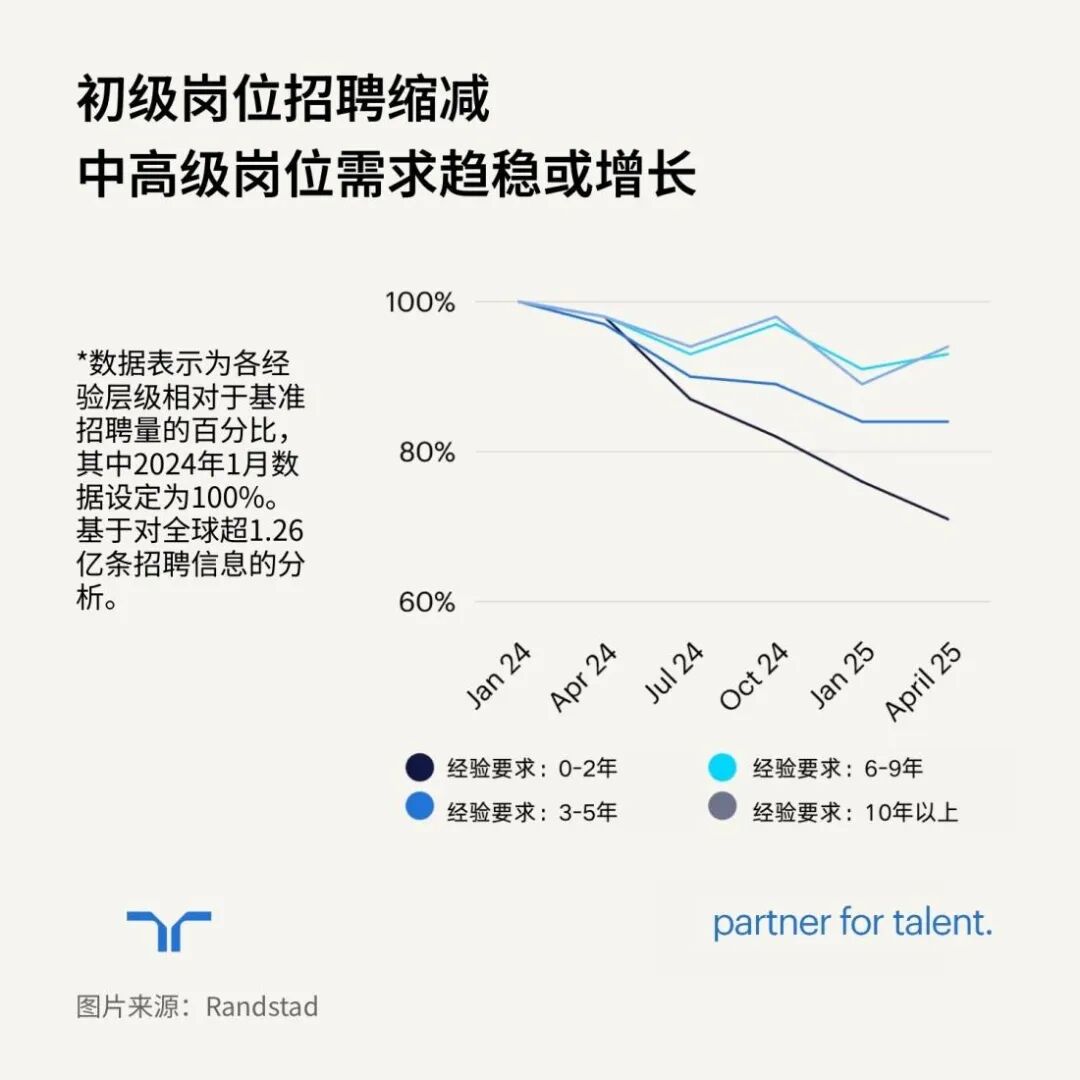
Core Insights - The article discusses the rising trend of young people using Xiaohongshu (Little Red Book) for job hunting, with a significant increase in related content and corporate participation in recruitment activities [1][2][11] - Xiaohongshu's user demographics align well with the target audience for recruitment, particularly the younger generation, making it a potential player in the online recruitment market [3][4] Group 1: User Engagement and Content - Over 205.2 million job-related posts were published on Xiaohongshu this year, nearly doubling from last year [1] - There are over 640,000 professionals sharing job-hunting tips and experiences on the platform, indicating a strong community engagement [1] - The platform hosts more than 3000 campus recruitment groups, with 68,000 exclusive referral codes being utilized [2] Group 2: Market Potential and Competition - The online recruitment market is currently valued at over 100 billion, with a projected annual growth rate of 15% over the next decade [6] - Xiaohongshu's monthly active users surpassed 300 million, with a significant portion being from the Z generation, which is crucial for recruitment [3][6] - Competitors like BOSS Zhipin have shown substantial growth, with a 23.6% year-on-year revenue increase, highlighting the potential profitability of the recruitment sector [6][7] Group 3: Challenges and Limitations - Xiaohongshu's recruitment efforts may be more suited for general and interest-driven positions rather than specialized roles, which may still rely on traditional recruitment platforms [8][9] - The platform faces challenges related to trust and safety, as users share personal job-seeking experiences that could expose sensitive information [9] - The mismatch in job supply and demand is evident, with many Z generation individuals feeling constrained by their backgrounds, impacting their job search [17][18] Group 4: Global Job Market Context - The global job market is experiencing a decline in entry-level job postings, with a 29% drop since January 2024, complicating the job search for young individuals [14][17] - Many young people are exploring international job opportunities, with a notable increase in demand for overseas positions, reflecting a shift in job-seeking behavior [19][20] Group 5: Future Outlook - Xiaohongshu's entry into the recruitment space is seen as a potential avenue for monetization, especially as traditional revenue streams face pressure [6][7] - The platform's ability to adapt to the evolving job market and user needs will determine its success in becoming a viable recruitment tool for young job seekers [10][24]