Stellantis N.V.

Search documents
30万级的玛莎拉蒂两天被抢光,经销商称“6点下班,被客户堵到9点”
Mei Ri Jing Ji Xin Wen· 2025-12-15 12:14
Core Viewpoint - Maserati is experiencing significant price reductions on its Grecale model to clear inventory, leading to a drastic drop in brand value and sales volume, particularly in the Chinese market [1][2][3]. Group 1: Price Reductions and Sales Performance - Maserati's Grecale model has seen its price slashed from an official price of 650,800 yuan to 388,800 yuan, a reduction of over 260,000 yuan, representing a discount of approximately 60% [1]. - The electric version of the Grecale has an even larger discount, dropping from 898,800 yuan to 358,800 yuan, a decrease of 540,000 yuan, equivalent to a 40% discount [1]. - Maserati's global sales plummeted from 26,689 units in 2023 to 14,725 units in 2024, a decline of over 40% [4]. Group 2: Inventory and Market Strategy - The price cuts are part of a strategy to quickly clear inventory that was delayed by 18 months due to the pandemic, coinciding with the launch of new models [2]. - The low-priced Grecale models sold out quickly, with reports of complete sellouts in major markets like Beijing [1][2]. Group 3: Management Changes and Market Dynamics - Maserati's management in China has seen frequent changes, with three different general managers in a short span, indicating instability in leadership [5][6]. - The decline in Maserati's performance is attributed to a broader downturn in the luxury car market, with increasing competition from Chinese brands that are gaining market share [6].

新老交替,欧洲汽车工业从“友谊赛”迈入“淘汰赛”
Guan Cha Zhe Wang· 2025-12-15 11:05
【文/观察者网 潘昱辰 编辑/高莘】汽车工业的发源地——欧洲,正处在前所未有的十字路口。 据西班牙《理性报》报道,就在不久前的12月11日,西班牙首相桑切斯致信欧盟委员会主席冯德莱恩,要求维持欧盟自2035年起禁止销售燃油车的规定,这 几乎与大部分欧盟汽车生产国国家和所有欧洲汽车制造商的意见相悖。 《理性报》报道称,桑切斯此举正值欧盟行政机构计划于16日提交放宽先前碳排放政策的提案前夕;与提案主张相反的是,此举有利于中国汽车在欧洲市场 的销售,因为中国在汽车电动化进程上已领先于欧洲产业。 有业内人士认为,作为欧洲新兴的工业国家,西班牙通过与行业领先者展开更长期的产业合作,甚至谋求挑战德国、法国等欧洲传统工业强国的优势地位, 实现"弯道超车"。在此背景下,过去数十年间欧洲车企彼此间保持的"友谊赛"默契或将逐渐瓦解:进入2026年后,属于欧洲汽车行业的"淘汰赛"或将加速到 来。 弯道超车:新玩家的机遇? 就在桑切斯致信欧盟前不久,西班牙政府发布了《西班牙汽车2030计划》,计划在2026年投资4亿欧元(约合人民币33亿元)提供电动汽车购买直接补贴, 并投资3亿欧元(约合人民币25亿元)建设更多充电站。 此外,西班 ...

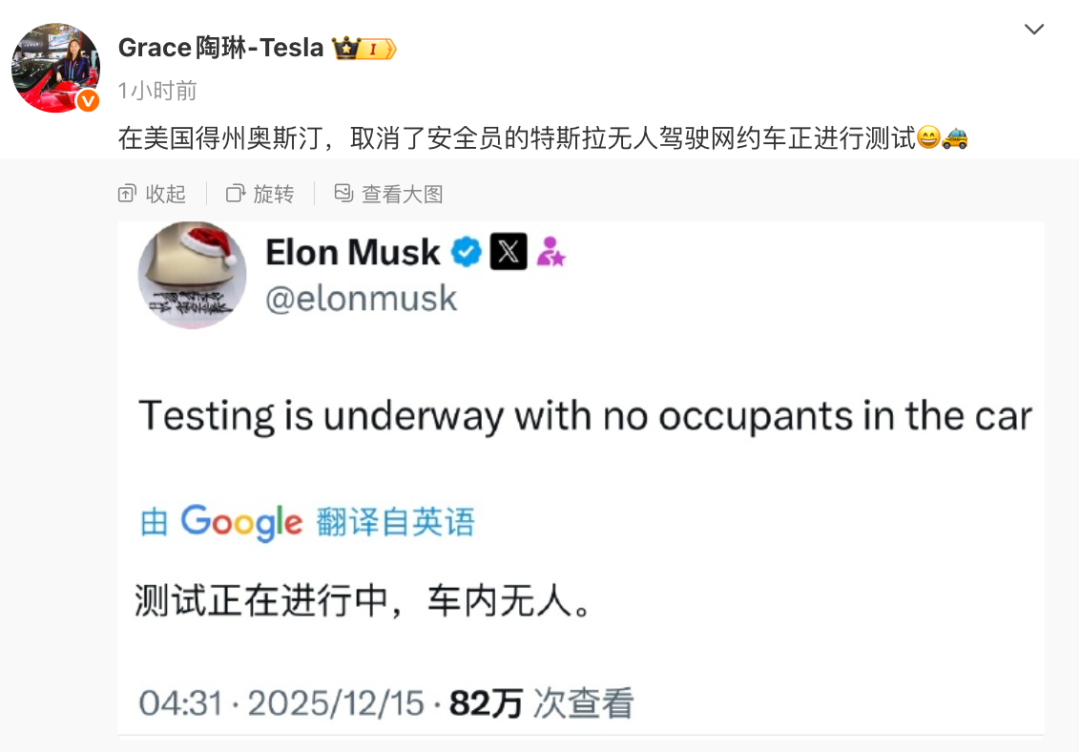
陶琳确认:取消了安全员的特斯拉无人驾驶网约车正在进行测试;黄金、白银齐涨;英伟达将召开电力短缺闭门峰会【美股盘前】
Mei Ri Jing Ji Xin Wen· 2025-12-15 11:02
Group 1 - Major stock index futures are up, with Dow futures rising by 0.40%, S&P 500 futures by 0.42%, and Nasdaq futures by 0.44% [1] - Gold and silver prices have increased, with spot gold at $4344 per ounce, up 0.99%, and spot silver at $63.79 per ounce, up 2.88% [2] - SpaceX is reportedly selecting investment banks for its initial public offering (IPO), aiming to raise over $30 billion, with a target valuation of approximately $1.5 trillion [3] - Tesla has begun testing its Robotaxi service without safety drivers in Austin, Texas [4] Group 2 - The European Commission is expected to withdraw the ban on new internal combustion engine vehicles starting in 2035, leading to pre-market stock increases for Stellantis (up 1.7%), Ford (up 0.07%), and General Motors (up 0.42%) [5] - Elon Musk has publicly criticized nuclear fusion power, suggesting that building small fusion reactors on Earth is impractical, while proposing a plan to deploy solar energy AI satellites [6] - JetBlue Airways has reported a near-collision incident involving a U.S. military aircraft, resulting in a pre-market decline of 0.40% for the airline [7] - NVIDIA is hosting a closed-door summit in California to address the power shortage issues facing data centers, which could hinder AI development [8] Group 3 - Several companies, including Allergan, Ferrovia, Insmed, Monolithic Power Systems, Seagate Technology, and Western Digital, will be added to the Nasdaq 100 index [9]

30万级的玛莎拉蒂,两天被抢光!经销商称“6点下班,被客户堵到9点”,知情人士:这批车卖一辆亏一辆,不降价也不行
Mei Ri Jing Ji Xin Wen· 2025-12-15 11:02
Core Viewpoint - Maserati is experiencing significant price reductions on its Grecale model to clear inventory, which has led to a surge in sales, but this strategy is also indicative of broader challenges facing the brand in the luxury automotive market [2][3][4]. Group 1: Sales Performance - Maserati's global sales dropped from 26,689 units in 2023 to 14,725 units in 2024, a decline of over 40% [5]. - In China, Maserati's sales fell from approximately 4,680 units in 2022 to 1,209 units in 2024, with the market share decreasing from 20% to 8.2% during the same period [5]. - The brand's sales in China for 2023 showed a decline of 3% year-on-year, with only 1,023 units sold in the first nine months of 2024 [6]. Group 2: Pricing Strategy - The Grecale model's official price was reduced from 650,800 yuan to 388,800 yuan, representing a discount of over 260,000 yuan, or approximately 60% off [2]. - The electric version of the Grecale saw an even larger price cut, from 898,800 yuan to 358,800 yuan, a reduction of 540,000 yuan, or about 40% off [2]. - The aggressive pricing strategy is aimed at clearing out inventory that has been delayed due to the pandemic, with new models set to arrive soon [3][4]. Group 3: Market Dynamics - The decline in Maserati's sales is attributed to reduced demand for Western luxury imports in China and a shrinking product lineup [5]. - The luxury automotive market is becoming increasingly competitive, with Chinese brands gaining market share and challenging traditional luxury brands [7]. - Consumer behavior is shifting towards more rational purchasing decisions, focusing on price, performance, and service quality, which is impacting Maserati's market position [7]. Group 4: Management Changes - Maserati's management in China has seen frequent changes, with three different general managers in a short span, indicating instability within the brand's leadership [6]. - Despite these changes, the brand has not seen an improvement in its declining sales performance in the Chinese market [6].

美股异动丨Stellantis盘前涨约2% 欧洲委员会预计撤销2035年内燃机汽车禁售令
Ge Long Hui· 2025-12-15 09:41
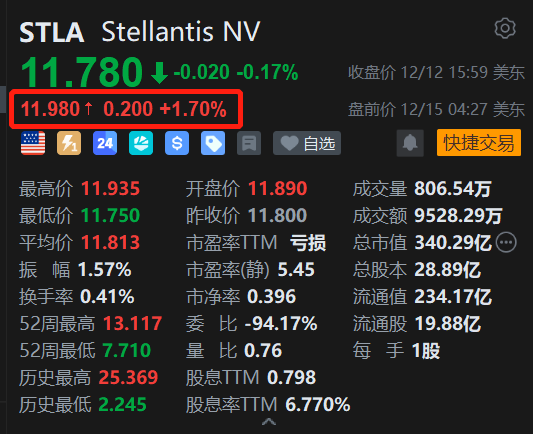
Group 1 - Stellantis shares rose approximately 2% to $11.98 in pre-market trading following news that the European Commission is expected to withdraw the EU regulation banning the sale of new internal combustion engine vehicles starting in 2035 [1] - Stellantis is currently one of the top global automotive manufacturers, ranking third in revenue [1] - CEO Antonio Filosa announced that the company has procured over €7 billion worth of goods from Italian suppliers, indicating a potential rebound in production growth in Italy by the end of 2025 [1] Group 2 - The closing price of Stellantis was $11.78, with a pre-market price of $11.98 reflecting a 1.70% increase [2] - The total market capitalization of Stellantis is approximately $34.03 billion [2] - The stock has a 52-week high of $13.117 and a low of $7.710, with a historical high of $25.369 and a low of $2.245 [2]
Stellantis股价上涨1.2%
Mei Ri Jing Ji Xin Wen· 2025-12-15 08:21
Group 1 - Stellantis stock price increased by 1.2% on December 15 [1]
两天后,决定欧洲汽车业的未来
汽车商业评论· 2025-12-14 23:06
Core Viewpoint - The article discusses the ongoing debate in Europe regarding the potential withdrawal of the EU's ambitious green agenda, particularly the ban on the sale of new internal combustion engine vehicles starting in 2035, which has implications for both traditional and electric vehicle manufacturers [4][5][6]. Group 1: Industry Challenges and Opportunities - European automakers are struggling to transition to zero-emission driving but may receive a reprieve from stringent regulations, which could impact the future direction of the transportation sector [5][6]. - The proposed delay in the ban is a result of lobbying from major companies like Stellantis and Mercedes-Benz, aiming to avoid potential fines exceeding €1 billion (approximately $1.2 billion) in the coming years [5][11]. - The automotive industry, contributing about €1 trillion (approximately $1.2 trillion) to the economy, may welcome this flexibility, but it risks slowing technological advancement and widening the gap with competitors like Tesla and Chinese manufacturers [5][6]. Group 2: Political and Regulatory Dynamics - Six EU leaders, including Italy's Prime Minister Giorgia Meloni, have called for a relaxation of vehicle emission rules to prevent the effective ban on internal combustion engines in the mid-2030s [8][10]. - The letter to the EU Commission emphasizes the need for a balanced approach to climate goals without compromising competitiveness, highlighting the importance of technological neutrality [10][11]. - The review of current regulations has been expedited due to slower-than-expected electric vehicle adoption, with an announcement expected soon [10][11]. Group 3: Market Trends and Consumer Preferences - Data from the European Automobile Manufacturers Association (ACEA) indicates that from January to October 2025, electric vehicles accounted for 16.4% of the EU market, up from 13.2% in the same period of 2024 [18]. - Hybrid vehicles remain the preferred choice for EU consumers, with a registration share of 34.6%, while plug-in hybrids accounted for 9.1%, an increase from 7% year-on-year [18]. - The combined market share of gasoline and diesel vehicles has decreased to 36.6%, down from 46.3% in 2024, indicating a shift in consumer preferences [18]. Group 4: Industry Perspectives on Policy Changes - Executives from companies like Volvo and Lucid Motors express concerns that delaying the transition to electric vehicles could undermine industry confidence and increase costs in achieving climate goals [12][19]. - The commitment to the 2035 target is seen as crucial for maintaining investor confidence and ensuring that substantial investments in infrastructure and technology are not jeopardized [18][19]. - The debate over extending the lifespan of fossil fuel-based vehicles is viewed as detrimental to long-term industry efficiency and innovation [19].


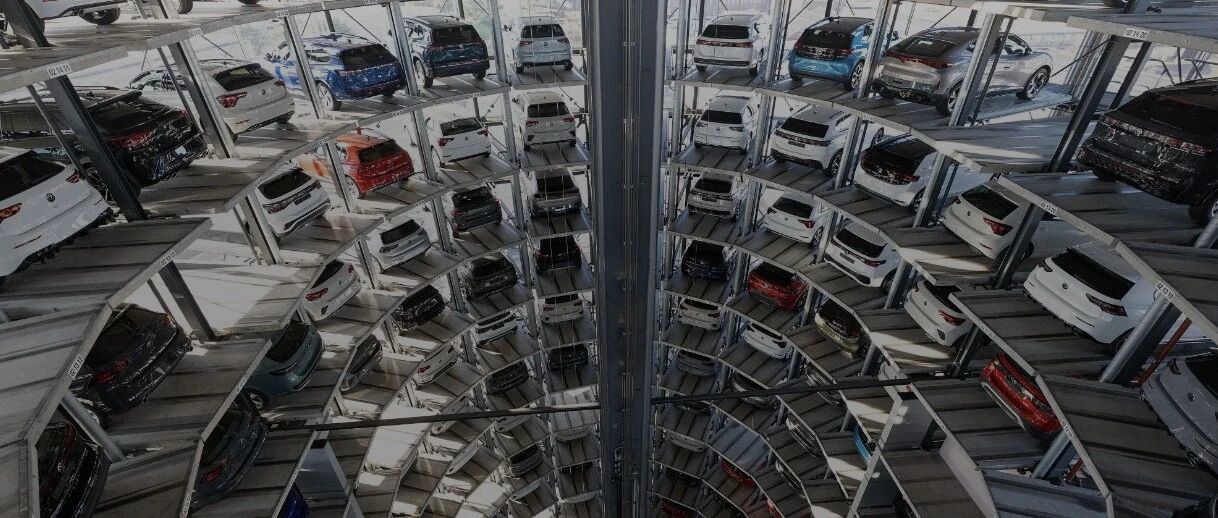
EU seeking to buy time for emission-free cars transition
The Economic Times· 2025-12-14 18:51
Core Viewpoint - The European Union is considering softening its rules that would have banned new combustion-engine vehicles by 2035, potentially allowing for a five-year extension or even removing the ban entirely [1][4]. Group 1: Regulatory Changes - The EU is discussing loopholes that could lead to a five-year extension of the combustion-engine vehicle ban [1][4]. - The EU plans to reduce regulatory burdens and provide incentives for small electric cars manufactured in the region [1][4]. Group 2: Industry Response - Intense lobbying from major automotive companies like Stellantis NV and Mercedes-Benz Group AG has influenced the EU's decision to reconsider the ban, as these companies sought to mitigate the risk of substantial fines exceeding ₹1 billion ($1.2 billion) in the coming years [3][4]. - Major auto-producing countries, particularly Germany, have advocated for changes to alleviate political tensions and the potential for job losses in the automotive sector [3][4].

EU Seeking to Buy Time for Transition to Emission-Free Cars
Yahoo Finance· 2025-12-13 16:32
Core Viewpoint - Europe's automakers are facing a critical moment in the transition to emission-free driving, with the European Union considering softening rules that would have banned new combustion-engine vehicles by 2035 [2][4]. Group 1: Regulatory Changes - The European Union is discussing potential loopholes that could extend the ban on combustion-engine vehicles by five years or possibly remove the ban altogether [2]. - Intense lobbying from major automakers like Stellantis NV and Mercedes-Benz Group AG has influenced the EU's decision to reconsider strict regulations, aiming to avoid fines exceeding €1 billion ($1.2 billion) [3]. Group 2: Economic Impact - The automotive industry contributes approximately €1 trillion ($1.2 trillion) to the European economy, highlighting its significance [4]. - Major auto-producing countries, particularly Germany, are advocating for regulatory changes to mitigate political tensions and job loss threats [3]. Group 3: Industry Risks and Opportunities - While the potential regulatory relaxation may provide temporary relief, it risks slowing technological development and widening the gap with competitors like Tesla Inc. and BYD Co. [4]. - Experts warn that excessive flexibility could hinder progress towards climate targets and the technology race, emphasizing the need for a balanced approach [5].
事关中国?欧盟被曝将取消内燃机禁令,德国支持,西班牙反对
Guan Cha Zhe Wang· 2025-12-13 01:27
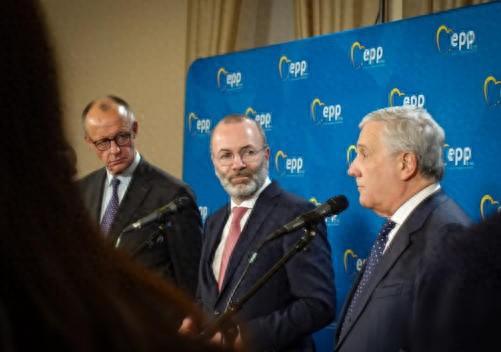
Core Viewpoint - The European Union is considering the repeal of the 2035 ban on internal combustion engine (ICE) vehicles, driven by pressure from member states like Germany and Italy, amid concerns over competitiveness against Chinese electric vehicle manufacturers [1][12]. Group 1: EU Policy Changes - The European People's Party (EPP) leader Manfred Weber announced that the European Commission will propose the repeal of the ICE ban on December 16 [2][3]. - Instead of a complete ban, a new proposal will require a 90% reduction in CO2 emissions for new registered vehicles starting in 2035 [3]. - There will be no target for 100% reduction in carbon emissions by 2040 [4]. Group 2: Industry Reactions - The announcement led to a rise in the European STOXX 600 automotive index by 0.8%, with traditional ICE manufacturers like Renault, Porsche, and Volkswagen seeing stock increases of 1.3% to 3% [6]. - German automakers such as Mercedes-Benz and BMW support the repeal, while companies like Volvo, which have invested heavily in electrification, oppose it, fearing it undermines future regulatory confidence [7]. Group 3: Diverging Opinions Among EU Members - Germany and Italy advocate for the repeal due to fears of losing competitiveness against Chinese firms, while Spain opposes it, citing risks to employment and the transition to electric vehicles [10][11]. - Spanish Prime Minister Sánchez warned that weakening the ban could delay modernization investments and harm the EU's goal of becoming a leader in electric vehicle manufacturing [11]. Group 4: Competitive Landscape - The EU's decision to potentially repeal the ban reflects anxiety over the competitive pressure from Chinese electric vehicle manufacturers, as evidenced by a significant increase in the registration of Chinese brands in Europe [15]. - In the first half of the year, 5.1% of new car registrations in 28 European countries were from Chinese brands, nearly doubling from the previous year [15].