万科

Search documents
王石预言或要成真了?40%以上城镇家庭,2026年将面临3大难题
Sou Hu Cai Jing· 2026-01-10 14:52
Core Viewpoint - The real estate market in China is experiencing a significant shift from a supply-demand imbalance to an oversupply situation, leading to a decline in property values and a reassessment of investment strategies among property owners [1][3][12] Group 1: Market Dynamics - The average living space per person in Chinese cities has increased from 5 square meters to 40 square meters since the reform era, indicating that housing demand has largely been met [3] - The proportion of commercial housing in China is as high as 80%, a unique phenomenon globally, suggesting a saturated market [3] - Over 40% of urban families own more than one property, previously viewing real estate as a reliable investment, but this perception is now under threat [3][4] Group 2: Challenges for Property Owners - Property owners are facing a gradual decline in property values, averaging a 3% annual decrease, which accumulates to significant losses over time [4] - The secondary housing market is experiencing low demand, making it difficult for owners to sell properties, leading to liquidity issues [4][5] - The anticipated implementation of property taxes poses a significant financial burden on owners of multiple properties, increasing holding costs regardless of market conditions [5][10] Group 3: Changing Demographics and Demand - Declining marriage and birth rates are reducing the traditional demand for housing, while new construction continues, leading to rising vacancy rates in urban areas [7] - Some cities report vacancy rates exceeding 20%, indicating a saturated market where supply outstrips demand [7][10] Group 4: Investment Strategies and Future Outlook - Property owners are at a crossroads, needing to reassess their strategies as the previous logic of real estate as a guaranteed investment is no longer valid [10][12] - The market is experiencing a divide, where prime properties may retain value while less desirable locations face steep declines [10][12] - Owners are encouraged to consider selling non-core properties to mitigate losses, as waiting for a market recovery may not yield positive results [11][12]

王石和田朴珺,风向变了
商业洞察· 2026-01-10 09:35
Core Viewpoint - The article discusses the contrasting life philosophies of Tian Pujun and Wang Shi, highlighting the generational conflict between traditional entrepreneurial values and modern social dynamics [7][9][10]. Group 1: Tian Pujun and Wang Shi - Wang Shi was once a hero in the real estate industry, embodying the spirit of entrepreneurship through self-discipline and professional accumulation [9]. - In contrast, Tian Pujun's success is characterized by leveraging social connections and information asymmetry, often seen as a "leveraged route" to success [10][11]. - The relationship between Wang Shi and Tian Pujun is framed not as a typical romantic narrative but as a clash of values, where traditional principles meet modern opportunism [12][13]. Group 2: The Consequences of Their Dynamics - The article suggests that the current social environment rewards individuals like Tian Pujun, who utilize social strategies to achieve success, undermining the traditional values of hard work and integrity [13][26]. - Wang Shi's adherence to traditional business ethics is likened to the historical figure Song Xiangong, who was ridiculed for his moral principles, suggesting that such values may be out of place in today's competitive landscape [14][15]. - The narrative indicates that Wang Shi's attempts to influence Tian Pujun's values ultimately led to his own public image suffering, as he became a tool for her ambitions rather than a partner [24][25].


每日债市速递 | 开年全球债券发行2600亿美元创纪录
Sou Hu Cai Jing· 2026-01-10 08:21
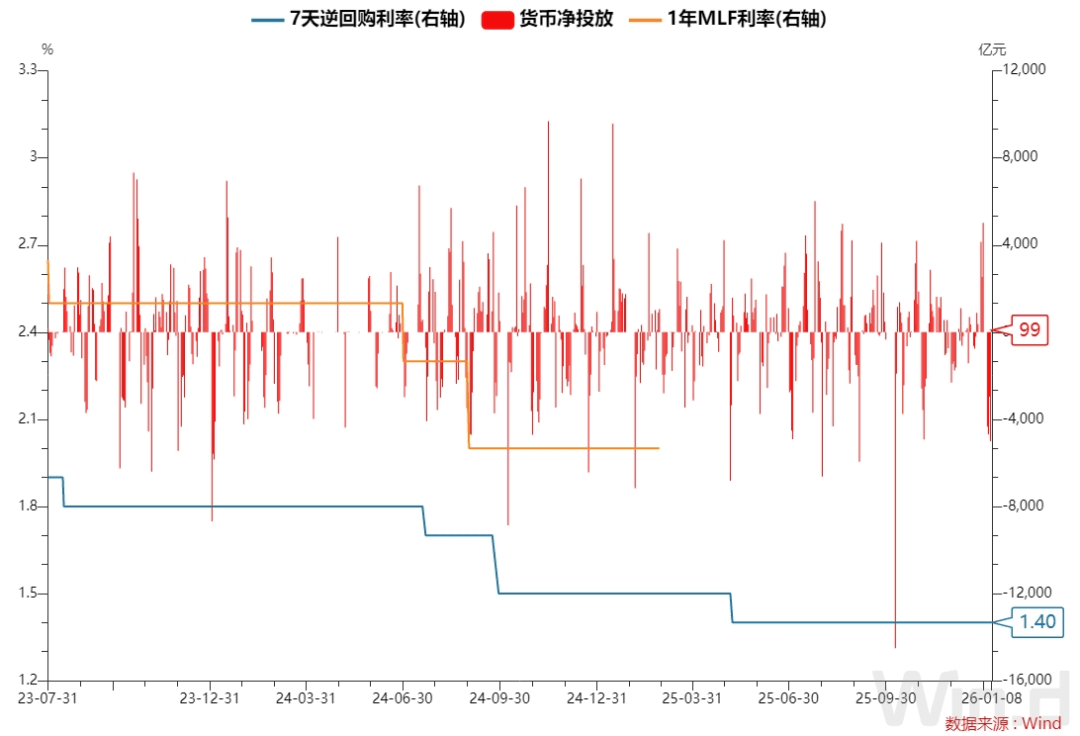
Market Overview - The central bank conducted a 7-day reverse repo operation of 9.9 billion yuan at a fixed rate of 1.40%, resulting in a net injection of 9.9 billion yuan for the day [1] - The interbank market remains stable with a slight increase in the weighted average rate of DR001, hovering around 1.27% [3] - The latest one-year interbank certificates of deposit (CDs) traded at approximately 1.62%, down 1 basis point from the previous day [5] - Major interest rate bonds in the interbank market saw a general decline in yields [7] - The main contracts for government bonds showed positive performance, with the 30-year contract up by 0.37%, the 10-year contract up by 0.15%, and the 5-year contract up by 0.09% [9] Key News - The Ministry of Commerce emphasized the commitment to high-level opening-up, highlighting Hainan Free Trade Port as a significant initiative for building an open economy [10] - A meeting by the Ministry of Industry and Information Technology addressed the rapid development of the power and energy storage battery industry, noting issues like irrational competition and the need for regulatory measures [10] - The Guizhou provincial government issued policies to support high-quality development in county-level development zones, focusing on infrastructure projects [10] Global Macro - U.S. President Trump indicated that U.S. oversight of Venezuela may last for years, with plans for Venezuela to use oil sales to purchase U.S. goods [12] - The Deputy Governor of the Reserve Bank of Australia stated that the likelihood of a rate cut is "very low" [12] - The global bond market saw a record issuance of $260 billion at the start of 2026 [13] - Gold may have surpassed U.S. Treasuries as the world's top reserve asset for the first time in 30 years [13]
多地租客被赶! 郁亮谢幕,万科长租公寓爆发“清退潮”
Xin Lang Cai Jing· 2026-01-10 06:12
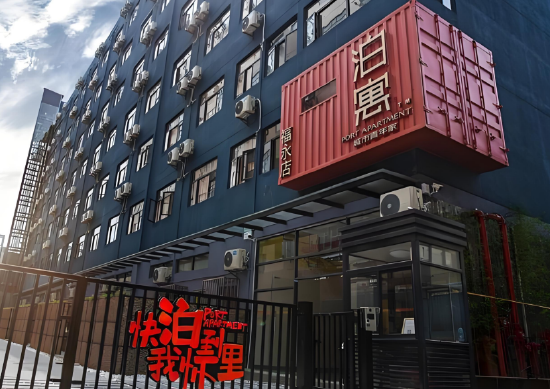
Core Viewpoint - Vanke's long-serving executive Yu Liang has officially retired, marking the end of an era, coinciding with significant turmoil in its rental apartment brand "Boyu" due to tenant evictions and landlord disputes [2][3][4] Group 1: Management Changes - Yu Liang, a key figure in Vanke for 36 years, has stepped down from his roles as director and executive vice president [2] - Under Yu's leadership, Vanke prioritized long-term rental apartments as a core business, despite acknowledging the challenges and low profitability of the sector [2] Group 2: Tenant Evictions and Landlord Disputes - Vanke's rental brand "Boyu" is facing a large-scale tenant eviction crisis across cities like Shenzhen, Wuhan, and Hangzhou, with tenants receiving short notice to vacate [4][6] - The evictions are linked to disputes over unpaid rent between Vanke and landlords, with some landlords reporting overdue payments exceeding 100,000 yuan [3][4] - Tenants have been offered relocation options, including free moves to other Boyu locations or direct refunds, but many are concerned about the lack of prior notice [6][7] Group 3: Financial Performance and Challenges - Vanke's rental housing business has shown stable revenue growth, with revenues of 32.4 billion yuan in 2022, 34.6 billion yuan in 2023, and projected 37.02 billion yuan in 2024, but it still represents less than 2% of total revenue [8] - The company is experiencing severe financial difficulties, with a reported revenue drop of 26.61% year-on-year and a net loss of 28.02 billion yuan in the first three quarters of 2025 [9] - Vanke's total interest-bearing debt reached 362.93 billion yuan, with a cash shortfall exceeding 85 billion yuan, highlighting a critical liquidity crisis [9][10] Group 4: Strategic Adjustments - Vanke is attempting to mitigate cash flow issues by terminating contracts with high-cost, low-yield properties, despite the associated short-term pain [10] - The company has faced challenges in debt negotiations, with significant support from its largest shareholder, Shenzhen Metro Group, diminishing [11][12] - Upcoming meetings regarding debt extensions are crucial, as they are set against tight deadlines that could lead to defaults if not resolved [12]
预警“活下去”的郁亮谢幕,万科仍困“深渊”
首席商业评论· 2026-01-10 04:11
Core Viewpoint - The retirement of Yu Liang marks the end of an era for the Chinese real estate industry, symbolizing the transition from a period of rapid growth to one filled with uncertainty and challenges for companies like Vanke [7][23]. Group 1: Yu Liang's Career and Impact - Yu Liang, a key figure in the Chinese real estate sector, has been recognized as the "whistleblower" of the industry, known for his foresight and ability to predict market shifts [9]. - Under Yu's leadership, Vanke achieved significant milestones, including surpassing 100 billion yuan in sales in 2010, becoming the first real estate company in China to reach this scale [12]. - Yu's cautious approach, influenced by his financial background, led him to advocate for a shift from aggressive expansion to quality development, coining terms like "white silver era" and "black iron era" to describe the industry's evolution [12][10]. Group 2: Vanke's Challenges and Management Changes - Vanke has faced severe challenges, including a debt crisis, with total interest-bearing liabilities reaching 362.93 billion yuan and short-term debts of 151.39 billion yuan as of Q3 2025, while cash reserves stood at only 65.68 billion yuan [19]. - The company underwent significant management changes, with Yu Liang stepping down as chairman and the appointment of new executives from the Shenzhen state-owned enterprise system, marking a shift towards a dual management model [16]. - Vanke's financial struggles led to a downgrade by international rating agencies to "junk" status, with a reported net loss of 28.02 billion yuan in the first three quarters of 2025, a 56.14% increase year-on-year [20]. Group 3: Debt Management and Future Outlook - To address its debt issues, Vanke has received nearly 30 billion yuan in funding support from its major shareholder, Shenzhen Metro Group, and is exploring asset management strategies like REITs [20]. - The company aims to deliver 117,000 housing units in 2025, having completed about 70% of the required deliveries for the past two years [20]. - Despite attempts to restructure its debt, Vanke's proposals have faced significant opposition, indicating ongoing challenges in achieving financial stability [23].
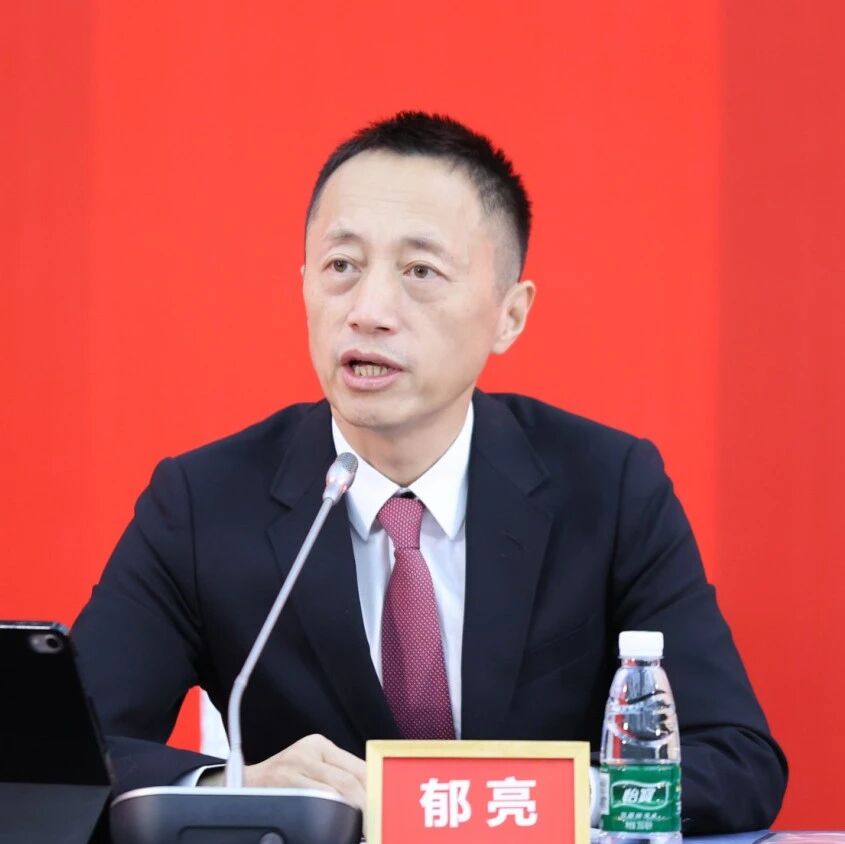
郁亮正式谢幕,留给万科的时间不多了
Xin Lang Cai Jing· 2026-01-10 03:08
Core Viewpoint - The resignation of Yu Liang marks the end of an era for Vanke and symbolizes the decline of the golden age of China's real estate industry [6][10][17]. Company Summary - On January 8, Vanke announced that Yu Liang, the company's executive vice president and board member, submitted his resignation due to reaching retirement age, effective immediately [3][14]. - Yu Liang joined Vanke in 1990 and served for 36 years, but his departure is seen as a reflection of the broader challenges facing the real estate sector in China [5][16]. - Vanke stated that Yu's resignation would not affect the company's normal operations and that there were no disagreements between him and the board [5][16]. Industry Summary - Yu Liang was one of the first to recognize the turning point in the real estate industry, predicting a shift from a "golden age" to a "silver age" as early as 2012, and later referring to the current state as the "black iron age" [7][19]. - As of September 2025, Vanke's total interest-bearing debt reached 362.9 billion yuan, a record high, with over 150 billion yuan due within a year, while available cash was only around 60 billion yuan [8][19]. - Vanke faced a significant default risk, with two medium-term notes totaling 5.7 billion yuan failing to secure an extension, leading to downgrades by international rating agencies [8][19]. - The real estate market has cooled significantly, with difficulties in selling land and properties, and banks tightening lending, impacting even established companies like Vanke [20]. - The management structure at Vanke has changed, with new leadership from Shenzhen state-owned enterprises, indicating a shift away from the previous management style [9][20]. - The era of high leverage and rapid turnover in the real estate sector has ended, with the current market conditions posing severe challenges for companies to sustain operations [20][22].
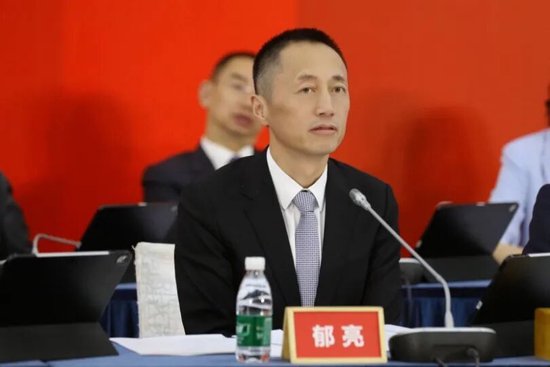
万科没有感谢他
Xin Lang Cai Jing· 2026-01-10 00:54
Core Viewpoint - The retirement of Yu Liang from Vanke is seen as a significant event, marking the end of an era for the company and reflecting the challenges faced by the real estate industry in China [3][6][10]. Group 1: Yu Liang's Career and Contributions - Yu Liang joined Vanke in 1990 and has been a pivotal figure in the company's growth, witnessing its rise to become one of China's leading real estate firms [3][4]. - Under his leadership, Vanke's sales grew from 3 billion in 2001 to over 700 billion, establishing it as a top player in the industry [3][4]. - Yu's tenure included navigating significant corporate governance challenges, successfully defending Vanke against hostile takeovers [3][4]. Group 2: Current Challenges and Context - Vanke is currently facing liquidity pressures, with the major shareholder, Shenzhen Metro, having injected 30.8 billion to help the company avoid default [6][9]. - The company's market value has dropped to below 60 billion, raising concerns about its financial stability and the effectiveness of its management [9][10]. - The transition of power within Vanke has shifted from professional managers to state-owned shareholders, indicating a significant change in governance and operational control [9][10]. Group 3: Retirement Implications - Yu Liang's retirement announcement lacked the customary expressions of gratitude typically extended to departing executives, highlighting the strained circumstances surrounding his exit [6][8]. - The timing of his retirement raises questions about accountability, as the company grapples with its current difficulties while he departs [10][12]. - The narrative suggests a disconnect between the rewards enjoyed by management during prosperous times and the responsibilities they face during downturns [9][12].
12月CPI涨幅创34个月新高,周五沪指站上4100点 | 财经日日评
吴晓波频道· 2026-01-10 00:21
Economic Indicators - In December 2025, China's Consumer Price Index (CPI) rose by 0.8% year-on-year, marking the highest increase since February 2023, with the previous value at 0.7% [2] - The Producer Price Index (PPI) fell by 1.9% year-on-year in December, continuing a decline for the 39th consecutive month, although the rate of decline narrowed by 0.3% compared to the previous month [2] - The core CPI, excluding food and energy, increased by 1.2% year-on-year, maintaining a growth rate above 1% for four consecutive months [2] Real Estate Sector - New policies allow for a five-year extension on loans for projects on the "white list" under the real estate financing coordination mechanism, providing more time for real estate companies to sell properties and potentially stabilizing market prices [4][5] - The total loan approval amount for "white list" projects has exceeded 7 trillion yuan, indicating significant financial support for the real estate sector [4] Corporate Developments - China Petroleum & Chemical Corporation (Sinopec) and China Aviation Oil have undergone a strategic merger, which is expected to reshape the domestic aviation fuel market and enhance Sinopec's position in the aviation fuel sector [6][11] - Vanke's CEO, Yu Liang, has retired due to age, marking a significant transition in the company's leadership amid ongoing liquidity challenges in the real estate market [8][9] Automotive Industry - Honda's sales in China fell by 24.28% year-on-year in 2025, marking the fifth consecutive year of decline, with total sales dropping nearly 1 million units from peak levels [12][13] - The company has announced plans to reduce production capacity significantly, reflecting the challenges faced by traditional automakers in adapting to market changes [12] Stock Market Performance - The Shanghai Composite Index rose above 4100 points, with a trading volume of 3.12 trillion yuan, indicating strong market performance and investor interest in new sectors such as AI and commercial aerospace [16][17] - The recent market rally has exceeded expectations, with significant participation from various sectors, suggesting a potential continuation of the upward trend into the new year [17]




新浪财经资讯AI速递:昨夜今晨财经热点一览 丨2026年1月10日
Xin Lang Cai Jing· 2026-01-09 23:12
Group 1 - The US stock market saw the Dow Jones and S&P 500 indices reach all-time closing highs, with all three major indices recording gains for the week [1][21] - The market is closely monitoring the US non-farm payroll data for December, which indicates a slight slowdown in the labor market that may influence Federal Reserve policy [1][21] - Intel's stock price surged significantly due to an investment agreement with the government [1][21] Group 2 - The A-share market has shown strong performance, with the Shanghai Composite Index breaking through 4100 points for the first time in ten years, and trading volume returning to 30 trillion yuan [2][31] - Analysts predict that the market will maintain a steady upward trend supported by macro policies and ample liquidity, with incremental funds expected to exceed 2 trillion yuan by 2026 [2][31] - The AI application and commercial aerospace sectors are leading the market, although some popular sectors may face corrections due to crowded trading [2][31] Group 3 - The State Council has initiated an investigation into the competitive landscape of the food delivery market, with major players like Meituan, Taobao Flash, and JD Delivery expressing support for the investigation [3][23] - These companies have committed to opposing "involutionary" competition and ensuring compliance with relevant laws to maintain a fair market environment [3][23] Group 4 - Bill Gates has donated approximately $7.88 billion to the foundation established by his ex-wife Melinda, significantly increasing the foundation's assets to about $7.4 billion, making it one of the largest private foundations in the US [4][24] - The founder of Zhongwei Company, Yinzhiyao, plans to reduce his stake worth nearly 100 million yuan to address tax matters after regaining Chinese nationality [4][24] Group 5 - The China Securities Regulatory Commission (CSRC) has launched an investigation into Tianpu Co. due to abnormal stock price fluctuations, which saw the stock rise over 16 times in 2025 [5][25] - The investigation focuses on the company's repeated changes in its business scope related to "artificial intelligence" and insufficient disclosure regarding the lack of AI business plans, which may have misled investors [5][25] Group 6 - Starting April 1, 2026, the export tax rebate for photovoltaic products will be eliminated, with the tax rate dropping from 9% to zero, significantly impacting the profits of export-oriented solar companies [6][26] - Major companies like JinkoSolar and Trina Solar, which have a high proportion of overseas business, are expected to be significantly affected by this policy [6][26] Group 7 - The Trump administration is urging oil giants to invest in Venezuela, aiming to leverage the situation post-Maduro's control to rebuild the country's oil economy [7][27] - Companies like ExxonMobil are cautious due to past nationalization experiences and are assessing political stability and financial terms before committing [7][27] Group 8 - Several small and medium-sized banks have begun to lower deposit rates significantly, with some long-term products seeing reductions of up to 55 basis points [8][28] - This move is aimed at addressing the pressure from narrowing net interest margins and reducing funding costs [8][28] Group 9 - Projects on the "white list" for real estate financing can extend loans for up to five years, although specific execution details and collateral conditions remain unclear [9][29] - The regulatory body has been increasing financing support to ensure qualified projects receive necessary funding [9][29] Group 10 - Over 20 provinces in China have announced new energy pricing mechanisms, with price differences between projects exceeding 100% [10][30] - Experts predict that while operational costs may rise under the new mechanism, increased competition and technological advancements could lead to lower electricity prices in the long run [10][30] Group 11 - Two major rare earth companies, Northern Rare Earth and Baotou Steel, have announced a price adjustment for rare earth concentrate to 26,834 yuan per ton, marking a 2.4% increase [11][30] - This is the sixth consecutive price increase since the third quarter of 2024, likely influenced by recent market price hikes for rare earth products [11][30]
知名房产巨头陷财务危机!市值蒸发500亿,千亿债务压顶难翻身
Sou Hu Cai Jing· 2026-01-09 15:25
在房地产行业深度调整的当下,曾经的行业标杆万科,正遭遇前所未有的财务寒冬。 从股债市场的剧烈震荡到债券展期方案的接连碰壁,从千亿债务的层层压顶到股权被冻结的连锁反应。 这家房企巨头的困境,不仅牵动着资本市场的神经,更折射出整个行业在转型期的阵痛与迷茫。 2025年12月万科的财务危机正式浮出水面。一笔规模20亿元的债券22万科MTN004原定12月15日到期兑付,为了缓解资金压力,万科此前提出了将这笔债务 延期一年偿还的方案。 也就是把本金和利息的支付时间都推迟到2026年12月15日,但这个方案遭到了债权人的集体反对,在第一次持有人会议上零票支持,76.7%的投票权都投了 反对票。 之后债权人也提出了两个补充方案,核心要求就是万科必须找深圳地铁这样有实力的国企做担保,而且到期的利息得按时支付,不能跟着本金一起延期。 即便如此,最被看好的补充方案也只获得了83.4%的支持率,距离通过所需的90%支持率仍有差距。 更糟糕的是,紧随其后的另一笔37亿元债券22万科MTN005的展期方案也同样失败,两笔合计57亿元的债务陷入实质性违约。 股价方面,万科A在12月2日收盘时仅为5.2元,市值缩水到620.4亿元,相比 ...