三只松鼠

Search documents
零食企业新春礼盒卡位多品牌矩阵组合,线上差异配置、线下市集景观共推渠道催化
Cai Jing Wang· 2026-02-05 08:28
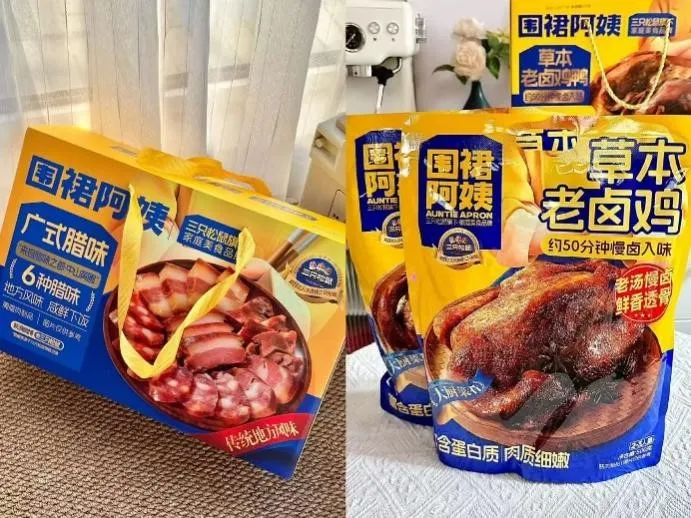
Core Insights - The demand for snack gift boxes is surging ahead of the upcoming Spring Festival, with sales exceeding 1 billion in the last 30 days and a month-on-month growth of 383.84% [2] - Companies are leveraging a multi-brand and multi-category strategy to capture market share, focusing on innovative packaging and product offerings to meet consumer preferences [3][7] Group 1: Market Trends - The snack gift box market is a critical component of the Chinese food industry, with gift boxes accounting for 60% of sales for companies focused on this segment [1] - The overall retail sales for the Spring Festival in 2025 are projected to grow by 8.7% year-on-year, indicating a strong purchasing power among consumers [2] - The trend of combining various brands and product categories is becoming more pronounced, allowing companies to penetrate multiple consumer segments and occasions [2][3] Group 2: Company Strategies - Three Squirrels has introduced creative gift boxes, such as the "Golden Gourd" nut gift box, and expanded its offerings to include various themed gift boxes for different occasions [3] - Mondelez China has launched a "custom gift box" initiative, allowing distributors to create personalized gift boxes based on regional preferences [7] - Snack companies are increasingly collaborating with well-known brands to enhance their product visibility and appeal, as seen with Qiaqia Food's partnerships with Coca-Cola and Sprite [8] Group 3: Channel Development - Companies are adopting a multi-channel approach, integrating online and offline strategies to enhance consumer experience and drive sales [9][10] - Retailers are creating immersive experiences in physical stores, such as themed pop-up areas and interactive tasting stations, to stimulate immediate purchasing behavior [13] - The online sales channels are being optimized with tailored marketing strategies, including live streaming and social media promotions, to engage consumers effectively [9][14] Group 4: Future Outlook - The snack gift box segment is expected to continue its growth trajectory, becoming a long-term potential driver for the industry [14] - The overall snack market is projected to see a 3.9% sales growth, with gift boxes emerging as a significant breakthrough point for innovation and consumer engagement [14]



中国零食量贩模式,在东南亚注定失效
3 6 Ke· 2026-02-04 12:29
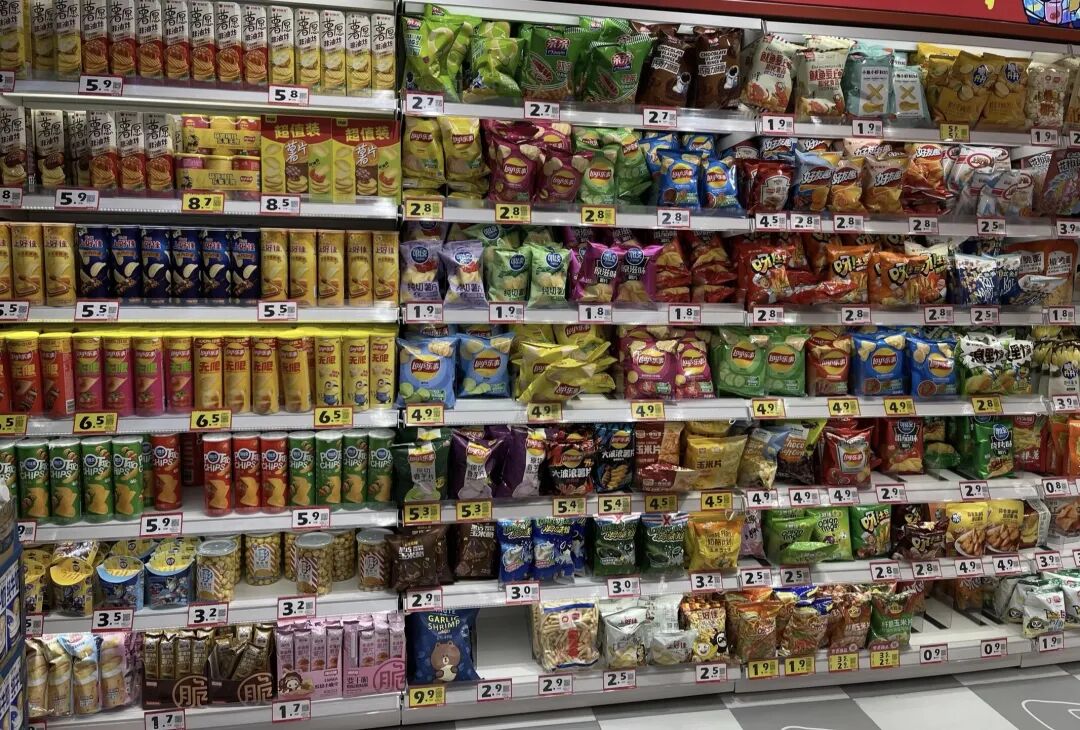
Core Viewpoint - The article discusses the challenges and misconceptions of expanding China's snack retail model into Southeast Asia, emphasizing that the unique conditions that allowed for the success of this model in China do not exist in Southeast Asia, leading to potential failures if the model is blindly replicated [1]. Group 1: Business Model Analysis - The core formula for China's snack retail (hard discount) is based on extreme low prices achieved through supply chain overflow, low fulfillment costs, and high turnover efficiency [3]. - The success of this model in China relies on a surplus of mature production capacity, which is absent in Southeast Asia [7]. - Southeast Asia's food industry is dominated by large corporations, making it difficult for new entrants to negotiate low prices or establish a competitive edge [10]. Group 2: Cost and Logistics Challenges - Importing products from China to Southeast Asia incurs high logistics and tariff costs, which can increase procurement costs by 30%-50% [11]. - The fragmented geography of Southeast Asia, with numerous islands, leads to high fulfillment costs and slow inventory turnover, making it difficult to maintain profitability [29]. Group 3: Consumer Behavior Differences - Southeast Asian consumers prefer small packaging and low prices due to their financial constraints, which contrasts with the bulk purchasing behavior seen in China [20][21]. - The low average transaction value in Southeast Asia can hinder the ability of snack retail stores to cover operational costs, as the model relies on high turnover and sales volume [22]. Group 4: Regulatory and Market Entry Barriers - The requirement for Halal certification in Indonesia and Malaysia presents significant barriers to entry for foreign snack retailers, complicating the process of introducing new products [30][32]. - The lengthy certification process can hinder the ability to quickly adapt to market trends, reducing the attractiveness of stores to consumers [36]. Group 5: Strategic Recommendations - Companies should focus on brand expansion rather than channel expansion, leveraging existing local distribution networks to introduce high-quality products [40]. - Local manufacturing should be prioritized to create products that cater to local tastes and price points, utilizing local resources and production techniques [41]. - Companies should be cautious of drawing parallels between different business models, as the operational dynamics of snack retail differ significantly from those of other sectors like beverage retail [43].
休闲食品板块2月4日涨2.4%,万辰集团领涨,主力资金净流出4624.39万元
Zheng Xing Xing Ye Ri Bao· 2026-02-04 08:56
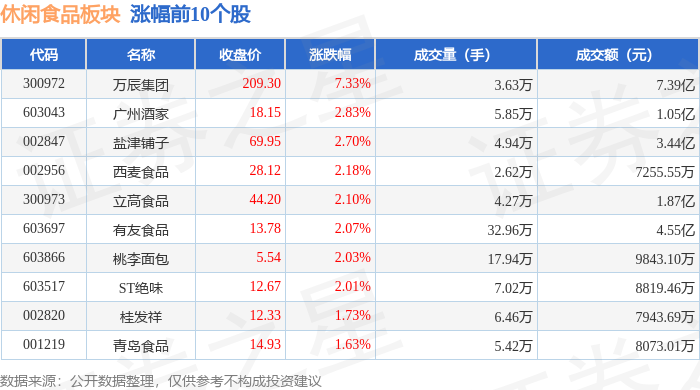
Core Viewpoint - The leisure food sector experienced a 2.4% increase on February 4, with Wancheng Group leading the gains, while the overall market indices also showed positive movement [1]. Group 1: Market Performance - The Shanghai Composite Index closed at 4102.2, up 0.85% [1]. - The Shenzhen Component Index closed at 14156.27, up 0.21% [1]. Group 2: Individual Stock Performance - Wancheng Group (300972) closed at 209.30, with a rise of 7.33% and a trading volume of 36,300 lots, amounting to 739 million yuan [1]. - Guangzhou Restaurant (603043) closed at 18.15, up 2.83% with a trading volume of 58,500 lots, totaling 10.5 million yuan [1]. - Yanjin Puhui (002847) closed at 69.95, increasing by 2.70% with a trading volume of 49,400 lots, amounting to 344 million yuan [1]. - Other notable stocks include Ximai Food (002956) at 28.12 (+2.18%), Ligao Food (300973) at 44.20 (+2.10%), and Youyou Food (603697) at 13.78 (+2.07%) [1]. Group 3: Capital Flow Analysis - The leisure food sector saw a net outflow of 46.24 million yuan from institutional investors, while retail investors contributed a net inflow of 29.96 million yuan [2]. - Notable individual stock capital flows include Youyou Food with a net outflow of 36.51 million yuan from institutional investors and a net inflow of 3.84 million yuan from retail investors [3]. - Salted Food (002847) experienced a net inflow of 10.05 million yuan from institutional investors, while retail investors had a slight outflow [3].



食品饮料行业周度市场观察-20260204
Ai Rui Zi Xun· 2026-02-04 06:40
Investment Rating - The report does not explicitly provide an investment rating for the food and beverage industry Core Insights - The food and beverage industry is experiencing significant trends, including the rise of canned foods, the expansion of herbal drinks, and the increasing popularity of low-sugar and functional beverages. The market is also seeing a shift towards health-conscious products and innovative marketing strategies to attract younger consumers [1][4][10] Industry Environment - Canned Foods: Recent regulatory updates aim to enhance the standards for canned foods, which are currently perceived as affordable but lack innovation to attract younger consumers. The industry is focusing on product diversification and premium offerings to drive growth [2] - Herbal Drinks: The market for traditional herbal drinks is booming, with sales expected to exceed 10 billion yuan. This growth is driven by rising health awareness among consumers and the entry of new brands [4] - Beverage Market: The beverage sector is witnessing a clear trend towards health-oriented products, with low-sugar and functional drinks gaining traction. Traditional brands are facing challenges as they adapt to these changes [4][10] Top Brand News - Dongpeng Beverage has successfully captured a significant market share in the ready-to-drink coffee segment, leveraging its cost-effective strategies and strong distribution network [18] - The brand "BASAO," founded by the creator of Yinlu, is entering the tea market with a focus on high-end products and cultural experiences [16] - The company "Three Squirrels" is expanding into the community discount supermarket sector, aiming to leverage its brand and supply chain capabilities to capture market share [21]
2026年第5周:食品饮料行业周度市场观察
艾瑞咨询· 2026-02-04 03:25
Group 1: Canned Food Industry - The State Administration for Market Regulation has released three draft national standards for canned food to enhance industry standards and applicability [3] - The canned food industry in China is diverse but lacks innovation, particularly in attracting younger consumers [3][4] - Canned food prices are generally affordable, benefiting from economies of scale and technological advancements, with the industry upgrading through self-heating products and high-end categories [3][4] Group 2: New Beverage Trends - The sugar water shop model has gained popularity among franchisees, with brands like Mai Ji Milk rapidly expanding, but faces challenges such as high costs and low-frequency consumption [5] - The market for traditional Chinese health drinks is booming, with products like red bean and barley water seeing increased sales, driven by young consumers' health consciousness [6] - The beverage market is experiencing a shift towards health-oriented products, with low-sugar and functional drinks becoming mainstream, while traditional brands face declining sales [7] Group 3: Functional and Innovative Products - Vitamin drinks are becoming essential for young consumers, especially during flu seasons, with brands like Nongfu Spring seeing significant sales growth [9] - The introduction of banana-flavored drinks by major brands reflects a trend towards health-conscious and innovative beverage offerings [10] - The global nutrition and health industry is witnessing a peak in raw material innovation, with a focus on standardized and stable ingredients [11] Group 4: Market Dynamics and Brand Strategies - The "medicinal food" trend is emerging, with a market size projected to reach 370 billion yuan, driven by policy support and technological advancements [12] - The rise of Chinese-style health drinks is creating a competitive landscape, with brands needing to address issues of standardization and supply chain integration [14] - The dairy industry is shifting focus from consumer markets to B2B opportunities, driven by the growth of new consumption formats like tea and coffee [15] Group 5: Brand Developments and Challenges - The beverage brand COMMUNE is preparing for an IPO, aiming to expand its presence despite facing challenges in same-store sales and rising costs [24] - The acquisition of the domestic soda brand Dayao by KKR marks a shift towards capitalizing on efficiency over emotional branding [25] - Dongpeng's coffee brand has rapidly gained market share, positioning itself among the top three in the ready-to-drink coffee market through strategic pricing and targeted marketing [26] Group 6: New Market Entrants and Innovations - The launch of Baoshifu's first bread store in Wuhan indicates its entry into the competitive bakery market, focusing on fresh and affordable products [27] - The Mexican baking group Bimbo is increasing investment in the Chinese market, leveraging local strategies and brand acquisitions to enhance market presence [28] - The recent leadership change at China Resources Beverage aims to optimize costs and drive new business growth amid evolving consumer trends [29]

研判2026!中国婴幼儿果泥行业发展背景、产业链、市场规模、竞争格局及未来前景:精细化喂养理念普及,婴幼儿果泥规模增至36亿元[图]
Chan Ye Xin Xi Wang· 2026-02-04 01:24
Core Insights - The infant fruit puree market in China is experiencing significant growth, driven by increasing parental awareness of nutrition and health, despite a declining birth rate [1][10] - The market size for infant fruit puree is projected to grow from 1.772 billion yuan in 2017 to 3.26 billion yuan in 2024, with a compound annual growth rate (CAGR) of 9.09% [1][11] - The industry is characterized by a competitive landscape with both domestic and international brands, each catering to the evolving preferences of consumers [11] Industry Overview - Infant fruit puree, designed for babies aged 6-24 months, retains the nutritional value of fruits and aids in transitioning from milk to solid foods [3][10] - The main flavors available in the market include cranberry, blueberry, strawberry, mango, and more, catering to diverse consumer tastes [3] Market Development Background - The number of births in China is projected to increase to 9.54 million in 2024, marking a rise of 520,000 from 2023, influenced by improved fertility policies and changing societal attitudes [5] - Despite a declining birth rate, the trend towards refined feeding practices and increased family investment in child-rearing supports the long-term growth potential of the infant fruit puree market [6] Industry Chain - The industry chain consists of raw material supply (fruits), production, and sales channels, including mother and baby stores, supermarkets, and e-commerce platforms [6] Current Market Status - The infant food market in China is expanding, with the market size projected to grow from 10 billion yuan in 2012 to 55.91 billion yuan in 2024, reflecting a CAGR of 15.42% [9] - Within the infant food sector, rice flour accounts for 50.4% of consumption, followed by teething sticks and fruit purees at 16.6% and 14.8%, respectively [9] Competitive Landscape - The market features a mix of domestic and international brands, with established foreign brands like HiPP and Heinz competing alongside rapidly growing local brands such as Enoulite and FangGuang [11][12] - Domestic brands are increasingly adapting to local dietary habits, enhancing their competitive edge [11] Future Trends - The focus on health and nutrition will lead to more functional and scientifically formulated products, emphasizing natural ingredients and minimal additives [16] - Packaging innovations will enhance convenience and user experience, with a shift towards eco-friendly materials and interactive designs [17][18] - Sales channels will evolve to integrate online and offline experiences, leveraging social media and community engagement for targeted marketing [18][19] - Flavor diversification will include both global trends and local specialties, catering to varying developmental stages of infants [20]

鸣鸣很忙超900亿IPO背后:在冬天捕到大鱼的人
3 6 Ke· 2026-02-04 01:01
Core Insights - The article discusses the journey of the snack company "Ming Ming Hen Mang" and its CEO Yan Zhou, highlighting its rapid growth and strategic decisions leading to its IPO in Hong Kong [1][6][34] Company Overview - Yan Zhou, the CEO, co-founded "Ming Ming Hen Mang" in 2017, focusing on the mass consumer market for snacks, which was previously underserved [4][18] - The company has expanded from its initial base in Hunan to nearly 20,000 stores by 2025, achieving a GMV of 661 billion yuan and revenue of 464 billion yuan in the first nine months of 2025 [4][32] Investment and Financing - The company secured significant investments from major firms like Sequoia, Hillhouse, and Temasek, with a notable 44.44 times international subscription rate during its IPO, the highest for consumer IPOs in Hong Kong in two years [5][6] - The pre-IPO valuation was set at 20 billion yuan, reflecting a strong growth trajectory despite a challenging investment environment for consumer brands [15][27] Market Strategy - Yan Zhou emphasizes a unique retail aesthetic and consumer experience, aiming for "consumption upgrade" rather than merely selling cheap products [12][13] - The company has adopted a strict franchise selection process, ensuring that franchisees are committed and financially stable, which contributes to its competitive pricing strategy [17][18] Mergers and Acquisitions - The merger with Zhao Yiming's snack brand was a strategic move to consolidate market presence, with a 60:40 share agreement favoring Zhao Yiming, showcasing Yan Zhou's long-term vision [29][31] - Post-merger, the combined entity aims to operate over 10,000 stores, marking a significant milestone in the snack retail industry [31][32] Industry Context - The snack retail sector has seen rapid growth, with "Ming Ming Hen Mang" emerging as a leader amidst increasing competition from other brands [25][34] - The article highlights the shift in consumer behavior towards affordable yet quality snack options, which has been accelerated by the success of platforms like Pinduoduo and brands like Mixue Ice City [34]

文旅添彩、酒企助兴、零食飘香 上市公司送上迎新春“套餐”
Shang Hai Zheng Quan Bao· 2026-02-04 00:33
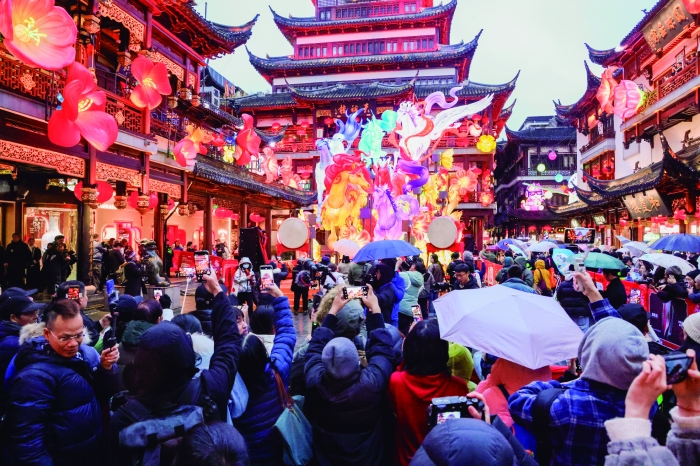
Group 1: Core Insights - The upcoming Spring Festival is expected to trigger a significant consumption surge, referred to as the "Golden Week" for consumer spending, with various listed companies competing in the "New Year Economy" [1] - Companies in the cultural tourism sector are innovating by merging traditional culture with modern technology to create comprehensive holiday experiences [2] - The film industry is gearing up for the Spring Festival box office, with multiple companies preparing a diverse lineup of films, indicating a competitive landscape in content creation and marketing [3] Group 2: Cultural Tourism Sector - Cultural tourism companies are enhancing their offerings by expanding spaces, innovating content, and integrating various experiences to transform traditional sightseeing into immersive holiday celebrations [2] - Notable innovations include the "Yuyuan Lantern Festival," which has expanded its format to create a narrative journey that connects historical and modern elements, enhancing brand reputation through community engagement [2] Group 3: Alcohol Industry - The alcohol sector is focusing on high-end product iterations and cultural IP collaborations, with major brands like Kweichow Moutai launching special zodiac-themed products to target the gifting and collectible markets [4] - Marketing strategies emphasize creating immersive experiences and emotional connections, with brands like Jiu Gui Jiu leveraging thematic campaigns to enhance consumer engagement [4] Group 4: Consumer Goods Sector - Companies in the consumer goods sector are focusing on health, convenience, gifting, and experiential aspects in their product offerings for the Spring Festival [5] - Innovations include health-oriented gift boxes and culturally themed products, with companies like Haoxiangni and Laiyifen targeting health-conscious consumers [6] - Sales strategies are increasingly reliant on online and offline integration, with brands like Three Squirrels and Laiyifen enhancing their market penetration through community-focused initiatives [6][7] Group 5: Marketing Strategies - Listed companies are adopting precise and interactive marketing strategies tailored to different consumer segments, enhancing brand engagement through innovative campaigns [7] - Regional specialties are being leveraged to create unique product offerings, as seen with He Bai Group's integration of local high-quality products into their New Year offerings [7] - The overall competition among various industries reflects a shift in consumer preferences towards culturally rich, emotionally engaging, and experiential purchasing processes [7]
2026年第5周:食品饮料行业周度市场观察
艾瑞咨询· 2026-02-04 00:08
Group 1: Canned Food Industry - The State Administration for Market Regulation has released draft recommendations for national standards for canned food to enhance industry standards and applicability [3] - The canned food industry in China is diverse but lacks innovation, particularly in attracting younger consumers, with Fujian province accounting for 36% of national production [3][4] - The industry is upgrading through the development of self-heating foods, high-end products like bird's nest canned food, and customized dining products [3][4] Group 2: New Beverage Trends - The sugar water shop has become a new franchise trend, with brands like Mai Ji Milk and Zhao Ji Chuan Cheng rapidly expanding, but facing challenges such as high costs and low-frequency consumption [5] - The Chinese herbal health water market is experiencing a sales surge due to hot weather, with products like red bean and coix seed water gaining popularity, potentially exceeding a market size of 10 billion yuan [6] - The beverage market is accelerating its health trend, with low-sugar and no-sugar products becoming standard, while traditional giants face declining sales [7] Group 3: Functional and Innovative Products - Vitamin drinks are gaining popularity among young consumers for their health benefits, with sales of Nongfu Spring's water-soluble C100 increasing by 34% year-on-year [9] - The rise of banana-flavored drinks from major brands reflects a growing market potential, leveraging high national recognition and health trends [10] - The global nutrition and health industry is set for a peak in raw material innovation and technological iteration by 2025, with a focus on standardized and stable ingredients [11] Group 4: Market Dynamics and Brand Strategies - The "medicinal food" trend is becoming a significant market, with a projected scale of 370 billion yuan, driven by policy support and technological advancements [12] - The rise of Chinese herbal health water reflects a shift in consumer behavior towards health-conscious products, but the industry faces challenges like exaggerated claims and quality control [14] - The dairy industry is shifting focus from consumer markets to B2B markets, driven by the growth of new consumption formats like tea and coffee [15] Group 5: Brand Developments and Challenges - The beverage brand Commune is preparing for an IPO, aiming to expand its presence while facing challenges like declining same-store sales and rising costs [24] - The acquisition of the beverage brand Dayao by KKR marks a shift towards capitalizing on efficiency over emotional branding, as the brand faces challenges in national expansion [25] - Dongpeng's coffee brand has achieved a market share of 14%, positioning itself among the top three in the ready-to-drink coffee market through a focus on quality and targeted marketing [26]







文旅添彩 酒企助兴 零食飘香 上市公司送上迎新春“套餐”
Shang Hai Zheng Quan Bao· 2026-02-03 18:19
Group 1: Core Insights - The upcoming Chinese New Year is expected to drive significant consumer spending, with various listed companies competing in the "New Year Economy" [3] - The tourism and cultural sectors are enhancing traditional experiences by integrating modern technology and cultural elements, creating comprehensive holiday experiences [4] - The film industry is gearing up for the Spring Festival with a diverse lineup of movies, indicating a competitive landscape for content creation and marketing [5] Group 2: Tourism and Cultural Companies - Listed companies in the tourism sector are focusing on expanding their offerings and innovating content to transform traditional sightseeing into immersive cultural experiences [4] - The "Yuyuan Lantern Festival" by Yuyuan Group has undergone a significant upgrade, creating a new integrated experience that connects historical and modern narratives [4] - Companies like Songcheng Performance are emphasizing emotional value and immersive experiences to cater to family-oriented consumers during the holiday [4] Group 3: Alcohol Industry - Major liquor companies are adopting strategies focused on high-end product offerings and cultural branding to enhance their market presence during the festive season [6] - Guizhou Moutai has launched a special zodiac-themed product line targeting high-end gifting and collectible markets [6] - Marketing strategies in the alcohol sector are increasingly focused on creating festive atmospheres and engaging with consumers through interactive campaigns [6] Group 4: Consumer Goods - Companies in the consumer goods sector are innovating products and marketing strategies to meet diverse consumer needs for health, convenience, and gifting during the New Year [8] - Brands like Haoxiangni and Laiyifen are launching health-focused gift boxes and culturally themed products to align with consumer preferences [8] - The integration of online and offline sales channels is becoming essential for enhancing market penetration and consumer engagement [8][9] Group 5: Marketing Strategies - Listed companies are implementing targeted marketing strategies to engage different consumer segments, enhancing brand loyalty and interaction [9] - Regional specialties are being leveraged to create unique product offerings, as seen with HeBai Group's integration of local high-quality products [9] - The jewelry sector is also experiencing a sales peak, with companies preparing inventory and marketing plans to capture consumer interest during the festive season [9]