LG

Search documents
PCB设备周观点:PCB行业高景气,设备业绩表现强势:机械设备-20260125
Huafu Securities· 2026-01-25 05:28
Investment Rating - The industry rating is "Outperform the Market" [11] Core Insights - The PCB industry is experiencing high prosperity, with strong performance in equipment earnings [2] - Major companies such as Dazhu CNC, Chipbond, Dongwei Technology, and Dingtai High-Tech are expected to see significant profit growth by 2025, with net profits projected to increase by 160.64% to 193.84%, 71.13% to 83.58%, 73.23% to 102.10%, and 80.72% to 102.76% respectively [2] - The glass substrate industry is transitioning from technology validation to early-stage mass production, with expectations for small-scale commercial shipments by 2026 and a compound annual growth rate of over 10% from 2025 to 2030 for semiconductor glass wafers [3] - The demand for AI-driven servers, data storage, and high-speed network infrastructure is creating new growth opportunities in the PCB market, necessitating more complex and high-performance HDI PCB products [3] Summary by Sections Company Performance - Dazhu CNC is expected to achieve a net profit of 785 million to 885 million yuan in 2025, representing a year-on-year growth of 160.64% to 193.84% [2] - Chipbond's projected net profit for 2025 is between 275 million to 295 million yuan, with a growth rate of 71.13% to 83.58% [2] - Dongwei Technology anticipates a net profit of 120 million to 140 million yuan in 2025, reflecting a growth of 73.23% to 102.10% [2] - Dingtai High-Tech expects a net profit of 410 million to 460 million yuan, with a growth of 80.72% to 102.76% [2] Industry Trends - The glass substrate industry is on the verge of commercialization, with major companies like SK, LG, and Samsung expanding partnerships with material and process suppliers [3] - The growth of AI and network infrastructure is driving the need for advanced PCB products, presenting new opportunities for the PCB market [3] Investment Recommendations - Focus on PCB equipment and consumables companies such as Dazhu CNC, Dingtai High-Tech, Chipbond, Dongwei Technology, Zhengye Technology, and Rilian Technology [4] - Consider PCBA equipment companies like Kaige Precision Machinery, Jintuo Co., Bojie Co., Oat Technology, Juzi Technology, and Sitake [4]
固态电池又“量产”了?这可能是一个芬兰公司的拙劣骗局
3 6 Ke· 2026-01-23 12:37
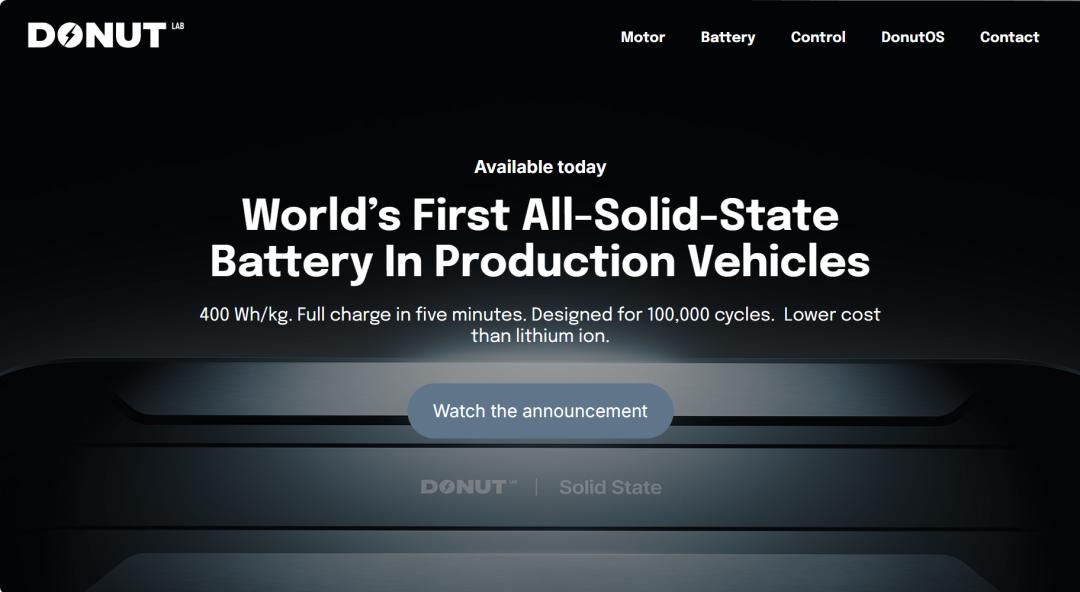
Core Viewpoint - Donut Lab claims to have developed the world's first mass-produced all-solid-state battery, boasting impressive specifications, but faces skepticism from industry experts regarding the feasibility of its claims [1][2][5]. Group 1: Battery Specifications and Industry Reactions - The solid-state battery features an energy density of 400Wh/kg, a charging time of 5 minutes, and a cycle life of up to 100,000 times, which has attracted significant attention but also controversy [2][5]. - Experts from Finnish universities and industry leaders, such as Yang Hongxin from Honeycomb Energy, have expressed doubts, labeling the company as a fraud if the specifications are accurate [3][5]. - Current solid-state batteries typically have a cycle life ranging from 1,000 to 4,000 times, while mainstream lithium-ion batteries exceed 2,000 cycles, making Donut Lab's claims appear highly ambitious [8][9]. Group 2: Manufacturing and Material Concerns - Donut Lab has not disclosed the core materials or manufacturing processes of its battery, stating it does not contain rare earth elements or lithium, which raises questions about the battery's technological advancements [11][12]. - The emphasis on not using rare earth elements is seen as lacking significance, as these materials are not commonly used in current battery technologies [12]. - The claim of not using lithium is particularly controversial, as lithium is essential for high-performance solid-state batteries, leading to skepticism about the battery's viability [12][13][14]. Group 3: Market Application and Commercial Viability - Donut Lab plans to integrate its solid-state battery into a production electric motorcycle named Verge, set for delivery in Q1 2026, which is viewed as a questionable market strategy given the motorcycle market's smaller scale compared to the automotive market [21][23]. - The commercial logic of deploying such advanced technology in a less lucrative market raises concerns about the company's motives, suggesting either a strong hidden profitability or potential deception [23][28]. - There is speculation that solid-state batteries may first find applications in robotics and eVTOL (electric vertical takeoff and landing) industries, where the demand for high energy density is greater than in traditional electric vehicles [24][28].

SPIR:2026全球锂电池行业发展白皮书发布
起点锂电· 2026-01-23 02:44
Core Insights - The global lithium battery shipment in 2025 is projected to reach 2042.7 GWh, representing a year-on-year growth of 46.8%, with power batteries accounting for 62.2% of the demand structure [2] - By 2030, the global lithium battery shipment is expected to reach 5333.6 GWh, with a decreasing share of power batteries and an increasing trend in energy storage batteries [2] Group 1: EV Power Lithium Batteries - In 2025, global sales of new energy vehicles are expected to reach 24.04 million units, a year-on-year increase of 31.8%, driving the global EV power battery shipment to 1271 GWh, up 39.9% [3] - The market concentration for EV power batteries is increasing, with the top five companies accounting for 72% of the market share [10] Group 2: Energy Storage Lithium Batteries - The global energy storage battery shipment is projected to be 637 GWh in 2025, a year-on-year increase of 78.9%, primarily driven by markets in China, Europe, the Middle East, and Southeast Asia [3][14] - The market concentration for energy storage batteries is also rising, with the top five companies expected to hold 53.3% of the market share in 2025 [14] Group 3: Lightweight Power Lithium Batteries - The implementation of new national standards for electric bicycles in September 2025 is expected to stimulate demand, with global lightweight power battery shipments reaching 55.4 GWh, a year-on-year increase of 10.8% [4] Group 4: 3C Lithium Batteries - The global 3C lithium battery shipment is projected to be 70.8 GWh in 2025, with a year-on-year growth of 5.8%, driven by device replacements and hardware upgrades [4] - The 3C electronics sector is expected to maintain steady growth, with shipments projected to exceed 115.2 GWh by 2030, reflecting a compound annual growth rate of 10.2% over the next five years [4] Group 5: Battery Materials Market - In 2025, the global shipment of lithium battery cathode materials is expected to reach 479.8 million tons, a year-on-year increase of 48.5%, with lithium iron phosphate accounting for 78% of the total [21] - The global shipment of lithium battery anode materials is projected to be 272.3 million tons in 2025, with artificial graphite making up 89.3% of the total [27] Group 6: Electrolyte and Separator Markets - The global lithium battery electrolyte shipment is expected to reach 239.6 million tons in 2025, a year-on-year increase of 53% [29] - The global lithium battery separator shipment is projected to be 384.9 billion square meters in 2025, with a year-on-year growth of 48.6% [36] Group 7: Copper and Aluminum Foil Markets - The global lithium battery copper foil shipment is expected to reach 148.7 million tons in 2025, with a year-on-year growth of 49.1% [39] - The global lithium battery aluminum foil market is projected to reach 72.3 million tons in 2025, a year-on-year increase of 48.8% [43]

财经观察:日韩品牌为何纷纷牵手中国电视厂商
Huan Qiu Shi Bao· 2026-01-22 22:35
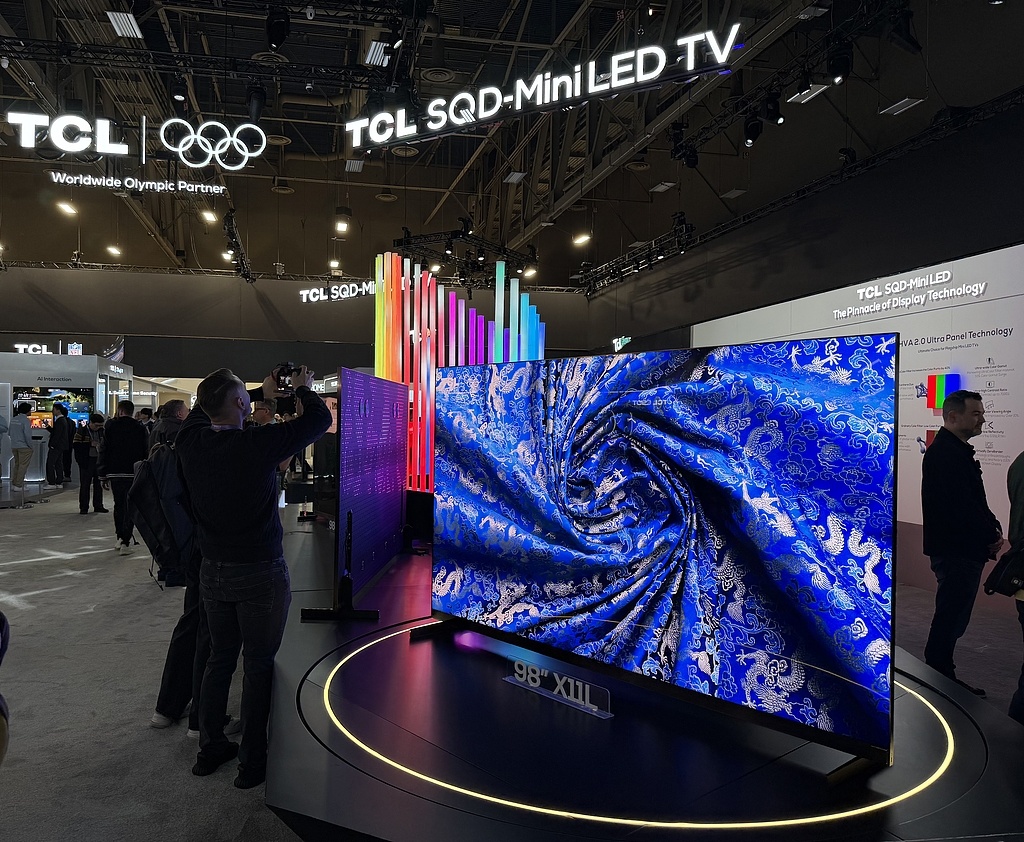
Core Viewpoint - Sony's decision to spin off its television business and form a joint venture with China's TCL reflects a significant structural reorganization in the global television industry, driven by increasing competition and changing consumer demands for larger, higher-resolution screens [1][2][7]. Group 1: Industry Dynamics - The global television market is not declining; instead, it is growing in the large-screen and high-end segments, with a shift in competition rules from technology differentiation to manufacturing scale and cost structure [4][8]. - Japanese brands are losing their competitive edge in the television industry, with companies like Toshiba and Sharp either selling their TV businesses or significantly downsizing their operations [2][6]. - The joint venture between Sony and TCL is seen as a rational choice, allowing both companies to leverage their strengths—Sony's expertise in high-value products and TCL's efficiency and scale [4][7]. Group 2: Market Positioning - Chinese television brands are rapidly gaining market share, with TCL's global TV shipments reaching 20.8 million units in the first three quarters of 2025, marking a 4.1% year-on-year increase [10]. - By 2024, Chinese brands are expected to surpass Korean brands in global TV shipments, with TCL, Hisense, and Xiaomi collectively holding a market share of 31.8% compared to 28.5% for Samsung and LG [8]. - The shift in the global television supply chain is evident, with Chinese manufacturers dominating the LCD panel market, while Japanese and Korean companies are retreating from this segment [11]. Group 3: Competitive Landscape - The decline of Japanese brands is attributed to multiple factors, including slow progress in supply chain advancements and inadequate localization strategies [5][6]. - Despite the rise of Chinese brands, Samsung still maintains a significant lead in brand reputation and high-end market segments, indicating that the competition is ongoing and evolving [12].


机器人年前催化事件不断,产业化前夜谁受益?| 0122
Hu Xiu· 2026-01-22 15:05
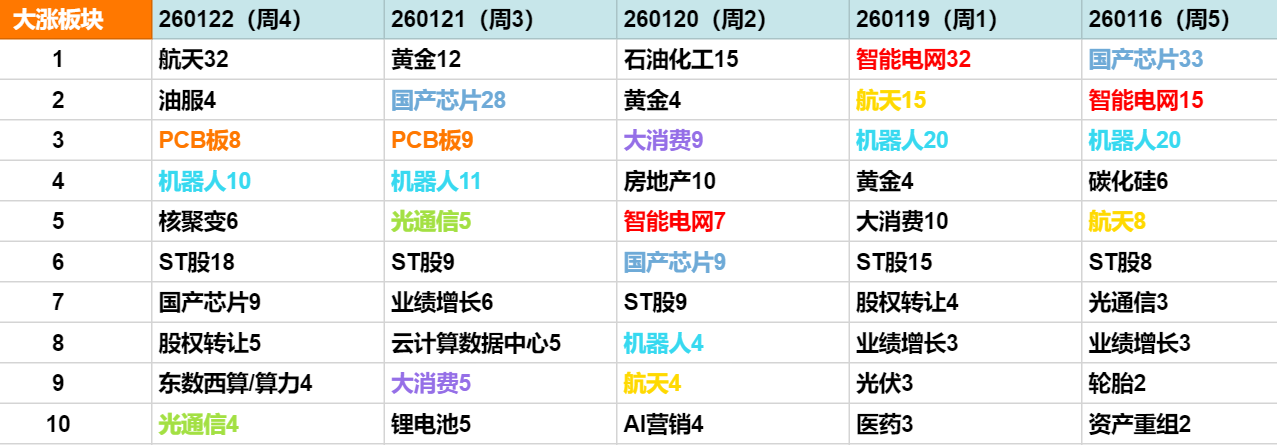
Market Analysis - On January 22, the market saw a rebound in the afternoon, with all three major indices turning positive, particularly a strong performance from the ChiNext Index. The total trading volume in the Shanghai and Shenzhen markets reached 2.69 trillion yuan, an increase of 91 billion yuan compared to the previous trading day. The Shanghai Composite Index rose by 0.14%, the Shenzhen Component Index increased by 0.5%, and the ChiNext Index gained 1.01% [1]. Investment Opportunities in Robotics - The humanoid robotics sector is experiencing significant developments, transitioning from "technology validation" to "mass production." Notable events include the successful rehearsal of the 2026 Spring Festival Gala, which integrates technology and art, showcasing advancements in robotics [8]. - At CES 2026, several companies presented advancements in humanoid robotics, including LG's CLOiD for home assistance and Boston Dynamics' new Atlas robot, which features 56 degrees of freedom and can autonomously change batteries [8]. - Tesla is set to launch its Gen 3 production machine in Q1 2026, marking a pivotal moment in global production processes [9]. Company Transformations - Fulei New Materials is transitioning from a traditional functional materials manufacturer to a technology company capable of supplying advanced robotic sensing components. The company aims to optimize its traditional business while focusing on the growth potential of "electronic skin" technology in high-end applications [11]. - The company reported a strong rebound in revenue and profit in Q3 2025, driven by an increase in operating income and gross profit [12]. Semiconductor Industry Developments - Jinhua New Materials is focusing on the semiconductor sector, developing electronic-grade hydroxylamine aqueous solution for chip cleaning, a critical chemical for chip yield. The company is in the pilot testing phase and aims to establish a production capacity of 500 tons per year [15][16]. - The company has successfully delivered electronic-grade hydroxylamine to several chip manufacturers, with expectations for significant revenue growth in 2026 as production capacity expands [17]. Chemical Industry Insights - The chemical sector is shifting from traditional cyclical investments to a focus on structural opportunities and long-term value. The basic chemical industry in China is undergoing a transformation towards high-quality development, with expectations for improved supply-demand dynamics in 2025 [18]. - Hubei Xingfa Chemical Group is transitioning from a resource-based company to a technology-driven green chemical new materials enterprise, leveraging its upstream phosphate resources for competitive advantage [22][23]. Phosphorus Chemical Market - The domestic phosphorus production capacity has seen fluctuations, with a decrease from 1.9 million tons in 2013 to 1.41 million tons in 2020, followed by a slight recovery. The supply of phosphorus is expected to remain constrained due to carbon neutrality policies [19]. - Xingfa Group is positioned as a leading player in the fine phosphorus chemical industry, with a complete "mining-phosphorus-chemical" integration strategy, enhancing its resilience against market fluctuations [24].

索尼退场,日本电视全军覆没
远川研究所· 2026-01-22 13:17
Core Viewpoint - Sony's decision to form a joint venture with TCL for its home entertainment business marks a significant shift in the global television market, indicating the complete exit of Japanese companies from the competitive landscape of television manufacturing [4][10]. Group 1: Sony's Strategic Move - Sony will transfer its television business and the BRAVIA brand to TCL, with TCL holding a 51% stake in the new joint venture [4]. - This move reflects Sony's inability to produce display panels, which are crucial for profitability in the television market, relying instead on LG and TCL for panel supply [4][10]. - Sony's market share in the global television sector has been consistently low, often categorized under "others," indicating a lack of competitive presence [5][10]. Group 2: TCL's Positioning - For TCL, acquiring Sony's brand equity is a strategic advantage, allowing it to leverage its panel production capabilities to challenge Samsung's dominance in the global market [9]. - TCL is currently the only domestic television brand in China with display panel production capabilities, positioning itself uniquely in the industry [25]. Group 3: Decline of Japanese Brands - The exit of Sony signifies the end of an era for Japanese television brands, which have been in decline since the 2010s, with major players like Sharp and Toshiba also having sold their television businesses [10][13]. - The loss of panel production capabilities has been a critical factor in the decline of Japanese brands, as they have lost pricing power and market relevance [29]. - The shift in focus for Japanese companies has been towards higher-margin components rather than low-margin consumer electronics, reflecting a strategic pivot in response to competitive pressures [16][17]. Group 4: Historical Context - The rise and fall of Japanese television brands can be traced back to their initial dominance in the 1990s, where they controlled over 90% of the global market, primarily due to their advanced panel production technologies [20]. - The financial crisis of 2008 and subsequent strategic missteps led to significant losses for these companies, prompting a reevaluation of their business models [15][16]. - The transition from being manufacturers of consumer electronics to component suppliers has been a common theme among Japanese firms, as they adapt to the changing landscape of the electronics industry [29].

全球布局加码-再论黑电成长空间
2026-01-22 02:43
Summary of Key Points from Conference Call Industry Overview - The global black electronics market is currently dominated by Samsung, with an annual shipment volume of approximately 35-36 million units, accounting for about 17%-18% of the global market share. TCL and Hisense follow closely, each with around 30 million units shipped. LG ranks fourth among the top ten brands, six of which have Chinese backgrounds, indicating a significant scale advantage for Chinese brands in the global market [5][6][15]. Company Developments - TCL Electronics plans to establish a joint venture with Sony, where TCL will hold 51% and Sony 49%. This new company will focus on Sony's home entertainment business, including televisions and audio products, and is expected to begin operations in April 2027 [2][4]. - The collaboration aims to optimize Sony's television business in response to declining market share and profitability pressures, while providing TCL with an opportunity to enhance its high-end brand presence [1][4]. Market Dynamics - The global black electronics market maintains a stable total shipment volume of around 200 million units annually, with domestic shipments exceeding 30 million and overseas shipments over 160 million [6]. - The penetration rate of Mini LED technology has surpassed 30%, offering significant opportunities for high-end product categories in overseas markets [1][7]. Strategic Opportunities - Chinese manufacturers are accelerating their brand expansion overseas by enhancing product structures and promoting new technologies like Mini LED. Collaborations with established brands like Sony are crucial for improving brand image and market positioning [1][8][9]. - The upcoming 2026 FIFA World Cup is expected to boost overseas demand for black electronics, with domestic manufacturers planning to leverage this event for marketing and local channel partnerships [11]. Financial Implications - The expansion of domestic television hardware overseas is driving growth in internet content businesses, which have a much higher profitability than hardware sales. This is seen as a key driver for increasing overseas revenue and profits [3][10]. - The ongoing support from national subsidy policies and the rising penetration of Mini LED technology are expected to enhance profitability in the domestic black electronics industry [14]. Long-term Outlook - Long-term projections indicate that Chinese black electronics companies are likely to achieve higher valuation premiums through scale growth and profit improvement. As leading Chinese firms increase their shipment volumes, traditional leaders like LG and Sony face declining market shares [15].
融资14亿美元,Skild AI打造跨任务、跨硬件形态的通用具身大脑
3 6 Ke· 2026-01-21 23:52
Core Insights - The development of AI progresses from specialization to generalization, eventually entering valuable niche scenarios based on general capabilities [1] - Skild AI aims to create a universal robotic brain, Skild Brain, that can adapt to any hardware form and perform various tasks, moving beyond the limitations of previous generations of robots [6][4] Funding and Valuation - Skild AI secured $300 million in Series A funding in 2024 and recently completed a $1.4 billion Series B funding round, led by SoftBank, with a valuation exceeding $14 billion [3] Founders and Team - The founders, Deepak Pathak and Abhinav Gupta, have over 110,000 paper citations and have led significant breakthroughs in robotics over the past decade [4] - The team comprises experts from leading tech companies and universities, enhancing its capabilities in embodied intelligence [4] Technological Advancements - Skild Brain is designed to control various types of robots without prior knowledge of their physical forms, enabling it to handle tasks ranging from simple household chores to complex physical challenges [6] - The architecture of Skild Brain includes a layered structure for operation and navigation strategies, allowing seamless transitions between different tasks [8] Learning and Adaptation - Skild Brain utilizes end-to-end motion control driven by online visual and proprioceptive feedback, enabling real-time adaptation to new environments [9][11] - The model incorporates context learning, allowing robots to learn from failures and adapt to unfamiliar situations, enhancing their versatility [12][15] Data Infrastructure - Skild has built a robust data infrastructure that allows Skild Brain to learn from various sources, including large-scale simulations and real-world deployments [16][17] - The company has achieved significant revenue growth, reaching $30 million in a few months through deployments in security, construction, and warehousing [19] Future Outlook - The company aims to bridge the generalization gap in physical AI, potentially leading to exponential value creation as it matures and expands its applications [20]

对手变盟友!索尼、TCL联手背后的算盘
Guo Ji Jin Rong Bao· 2026-01-21 12:57
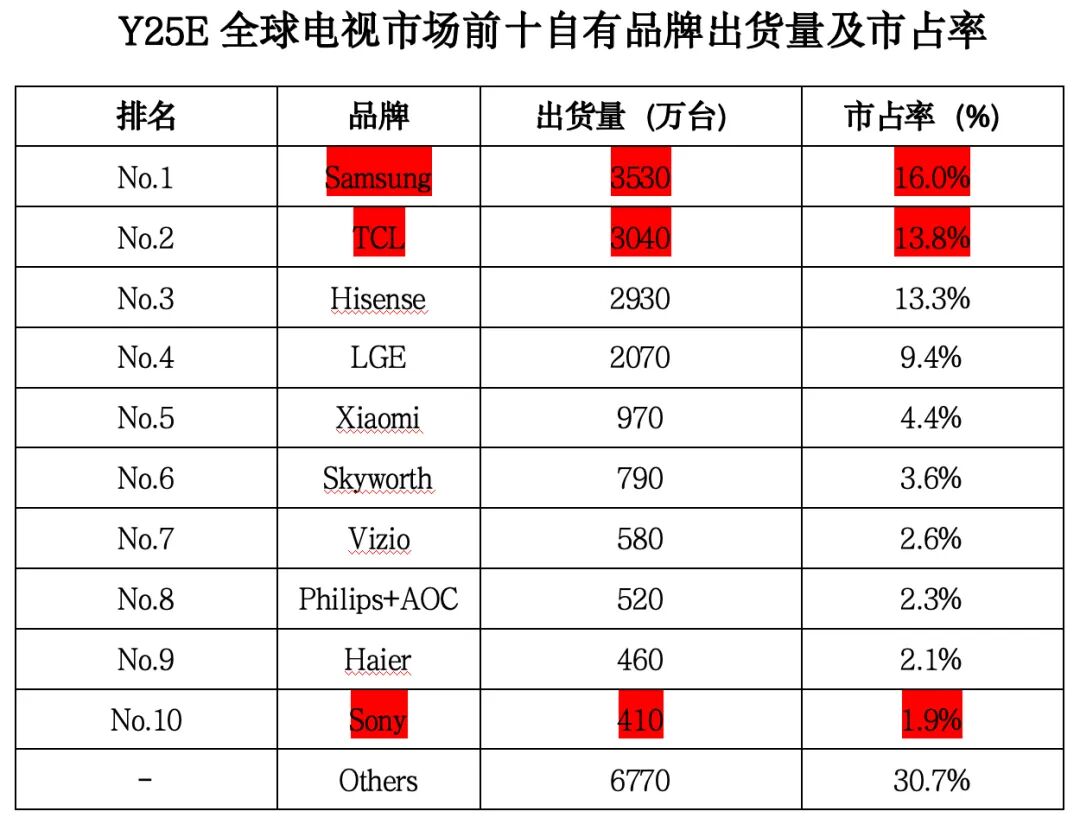
Core Viewpoint - The collaboration between TCL and Sony marks a significant shift in the global television market, indicating the decline of Japanese brands in the industry and the rise of Chinese companies like TCL and South Korean giants Samsung and LG [1][2]. Group 1: Partnership Details - TCL and Sony have signed a non-binding memorandum of understanding to establish a joint venture, with TCL holding 51% and Sony 49% [1]. - The new company will focus on Sony's home entertainment business, including the development, manufacturing, sales, and customer service of televisions and home audio products [1]. - A timeline has been set for finalizing the legal agreement by March 2026, with the new company expected to commence operations by April 2027 [1]. Group 2: Market Position and Trends - Sony's television business is facing significant challenges, with a projected shipment of only 410,000 units in 2025, resulting in a market share below 2% [4]. - In contrast, TCL is expected to ship 3.04 million units in 2025, achieving a 13.8% market share, narrowing the gap with Samsung [3][4]. - The global television market is entering a phase of inventory competition, with a slight decline in overall shipment volume expected [2]. Group 3: Strategic Implications - The partnership is seen as a necessary move for Sony, which has shifted its focus towards more profitable sectors like gaming and entertainment, leading to underinvestment in its television business [6]. - TCL's advantage lies in its vertical integration, with nearly 60% of its TV panels sourced from its subsidiary, TCL Huaxing, compared to Sony's reliance on external suppliers [6]. - If the joint venture succeeds, it could lead to a combined market share of 16.7% for TCL and Sony, potentially surpassing Samsung and reshaping the competitive landscape of the global television market [7].
LG推进南京工厂钠离子电池试点产线建设
鑫椤锂电· 2026-01-21 08:19
关注公众号,点击公众号主页右上角" ··· ",设置星标 "⭐" ,关注 鑫椤锂电 资讯~ 本文来源:锂电派 ICC 鑫椤资讯年终盘点: 2025年碳酸锂市场盘点: 2025年电解液市场盘点: 2025年铜箔市场盘点: 2025年钴酸锂市场盘点: 2025年三元材料市场盘点: 2025年磷酸铁锂市场盘点: 2025年三元前驱体市场盘点: 2025年六氟磷酸锂市场盘点: 2025年磷酸铁市场盘点: 2025年添加剂VC市场盘点: 2025年钠离子电池市场盘点: 2025年储能系统市场盘点: 据韩媒 ETNews 报道, LG 正推进在中国南京工厂建设钠离子电池试点产线,该试点线主要用于验证量产可行 性。 按照 LG 既有研发流程,公司先在位于韩国大田的技术研究院开展下一代电池的研发工作,随后在充当"母工 厂"的韩国忠清北道五仓工厂生产原型 A 样品;在此基础上,完成度更高的 B 样品以及具备量产条件的 C 样品, 则将转移至中国南京工厂进行制造。 消息称,LG 已制定年内完成试点产线建设并启动样品生产的目标,这也有望加快其下一代电池技术的商业化进 程。对此,公司相关人士回应 ETNews 称"正在就钠离子电池试 ...