Perplexity

Search documents
AI 替代岗位,构成违法解雇?|南财合规周报
2 1 Shi Ji Jing Ji Bao Dao· 2025-12-28 13:16
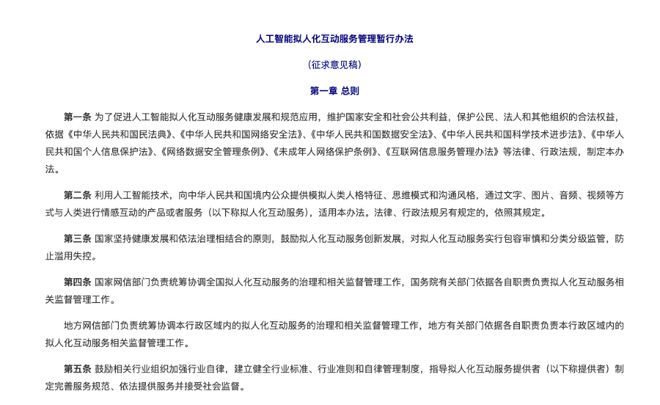
Group 1: AI and Copyright Issues - A group of six authors, including John Carreyrou, has filed a lawsuit against six AI companies, alleging unauthorized use of copyrighted books for training large models [2] - In a previous case, Anthropic settled for $1.5 billion after being found guilty of similar copyright infringement, with eligible authors receiving approximately $3,000 each [2] - The current lawsuit emphasizes that large language model companies should not easily settle high-value infringement claims at a low cost [2] Group 2: Labor Law and AI - Beijing's labor arbitration case determined that terminating an employee due to their position being replaced by AI constitutes illegal dismissal [3] - The case involved an employee whose role in data collection was eliminated as the company transitioned to an AI-driven model [3] - The arbitration committee ruled that the company's attempt to transfer the costs and risks of technological change to the employee was invalid [3] Group 3: AI Emotional Support Regulations - The National Internet Information Office proposed new regulations for AI emotional support services, focusing on user interaction and data protection [4] - The draft requires clear identification of non-human interactions and mandates user alerts after two hours of continuous use [5] - It also stipulates that systems must detect emotional distress and involve human intervention in extreme cases, ensuring the protection of minors and vulnerable users [5] Group 4: Cybersecurity Concerns - OpenAI acknowledged the challenges in defending its AI browser, Atlas, against prompt injection attacks, despite implementing new security measures [7] - The company has created automated attackers to identify vulnerabilities, but admits that certain types of attacks may never be fully resolved [7] - Kuaishou experienced a significant security breach, leading to a temporary shutdown of its live streaming feature and a subsequent drop in stock price by over 3% [10]

中国开源AI逆袭,美国围堵失效,半数美企为何集体倒戈?
Sou Hu Cai Jing· 2025-12-27 06:11
Core Viewpoint - The article discusses the unexpected shift in the U.S. tech landscape, where many American startups are increasingly adopting Chinese open-source AI models despite previous restrictions and concerns about China's AI development [2][10][24]. Group 1: U.S. Companies' Adoption of Chinese AI Models - Over half of U.S. startups are now choosing Chinese open-source AI models as their primary development tools, indicating a significant change in preference [4][10]. - Companies like Perplexity and Airbnb are openly utilizing Chinese models, with Airbnb's CEO stating their AI customer service system heavily relies on Alibaba's Qwen model [6][10]. - The cost-effectiveness of Chinese models is a major factor, with one U.S. entrepreneur noting a switch from a closed-source model that cost $400,000 annually to Qwen, which significantly reduced expenses [10][12]. Group 2: Advantages of Open-Source Models - The annual cost of closed-source models exceeds $1,000 per user, while Chinese open-source models are nearly free, providing a substantial financial incentive for companies [12]. - Open-source models offer greater control and transparency, allowing companies to modify the code as needed without the risk of sudden changes in service terms, as experienced with ChatGPT [12][14]. - The shift from closed to open-source models reflects market dynamics, where companies prioritize economic and security considerations [14][16]. Group 3: Impact of U.S. Restrictions on Chinese AI Development - U.S. restrictions on high-end GPU supplies forced Chinese teams to innovate and optimize algorithms to achieve better performance with limited resources, exemplified by the DeepSeek team [18][20]. - Chinese models are evolving from mere tools to essential infrastructure, similar to the Android system, with millions of developers building applications on these platforms [22][28]. - The competitive edge of Chinese open-source models lies in their low cost, high efficiency, and freedom, challenging the notion that technological progress can be stifled by restrictions [26][29].

图数室丨回看2025,AI那些“封神”瞬间
Xin Lang Cai Jing· 2025-12-26 09:28
Core Insights - The year 2025 is marked as a transformative period for artificial intelligence (AI), transitioning from experimental concepts to practical applications in everyday life, signifying the "Year of AI for All" [2] Group 1: Major Developments in AI - DeepSeek launched its R1 model on January 20, 2025, creating a significant impact in the global AI community [4] - On February 17, xAI released its latest AI model, Grok 3, followed by the introduction of the Evo 2 AI biology model by a collaboration of institutions on February 19 [6] - Google unveiled its strongest reasoning model, Gemini 2.5 Pro, on March 25, the same day OpenAI introduced a native image generation feature based on the GPT-4o model [6] Group 2: Notable Events and Milestones - The first humanoid robot marathon was held in Beijing on April 13, with the humanoid robot "Tiangong" winning the race [6] - By July 2025, China had registered 433 large models that were operational [8] - The EU's AI Act came into effect in August, establishing the first comprehensive regulatory framework for AI globally [8] Group 3: Product Launches and Innovations - On May 22, Anthropic launched the Claude 4 series of large models, and on July 18, OpenAI released a new intelligent product called "ChatGPT Agent" [8] - In October, ByteDance's Volcano Engine released an updated version of the Doubao model, which became the first in China to support "tiered adjustment of thinking length" [10] - Google's "Solar Catcher" project was publicly announced on November 5, aiming to create space-based machine learning data centers [12]






高度内部化技术栈锁死谷歌人,一个 bug 逼麻省理工精英逃离“金手铐”:离开谷歌,我的技能就作废了
3 6 Ke· 2025-12-26 06:14
Group 1 - Google is increasingly aggressive in recruiting AI talent, with about 20% of new AI software engineers being "returning employees" in 2025, a significant increase from previous years [1] - The company has a large pool of former employees, especially after laying off 12,000 positions in early 2023, which reduced its workforce by approximately 6% [1] - Google's compensation head, John Casey, attributes the attraction of returning employees to the company's strong financial resources and advanced computing infrastructure necessary for cutting-edge AI work [1] Group 2 - Over the past year, Google has accelerated its product release pace, even for products not deemed "fully mature," while also reducing bureaucratic processes [2] - The company has implemented employee buyout plans and eliminated over one-third of small team management positions to streamline its organizational structure [2] - Despite these changes, some internal challenges remain, as highlighted by former employee Maddy Zhang, who cited bureaucratic hurdles and a highly internalized tech stack as reasons for her departure [2][4] Group 3 - Maddy Zhang expressed concerns about the bureaucratic nature of decision-making at Google, where safe decisions require multiple layers of approval, leading to slow progress [4] - She also noted that the internal technology stack used in her team was highly specialized, making her skills less transferable to other companies [4] - The company culture encourages employees to rely heavily on internal resources, which can create a sense of dependency on the organization [6] Group 4 - Maddy Zhang's experience at Google included working on internal tools that are not widely used outside the company, which she felt limited her ability to apply her skills elsewhere [8] - She acknowledged that while some teams at Google operate at a faster pace, her own team's slow decision-making process did not align with her career aspirations [9] - The competitive landscape, particularly from companies like OpenAI, has intensified pressure on Google to innovate and accelerate its development processes [10][11] Group 5 - Maddy's decision to leave Google was catalyzed by a sudden loss of access to internal systems due to a bug, prompting her to consider external opportunities seriously [12] - She emphasized the importance of being proactive in job searching, especially in a competitive market, and shared her experiences of facing numerous rejections before securing job offers [18][19] - Maddy highlighted the significance of networking and internal referrals in the job application process, advising candidates to leverage genuine connections [19] Group 6 - The discussion also touched on the impact of AI on the software engineering field, with Maddy predicting significant changes in the nature of engineering work over the next five years [30] - Concerns were raised about the challenges of distinguishing between real and AI-generated content, which poses risks in various sectors, including politics and law [31] - Maddy noted that while AI tools can enhance productivity, there is a need for robust security measures to prevent misuse of AI capabilities [32]
瓜分印度
首席商业评论· 2025-12-26 03:34
Core Insights - Major AI companies like OpenAI, Google, and Perplexity are aggressively competing in the Indian market by offering unprecedented free subscription plans to attract users [5][6] - The user engagement in India has surged, with ChatGPT's daily active users increasing by 607% year-on-year to 73 million, significantly surpassing the U.S. user base [5][6] Group 1: Digital Colonization - The historical context of digital colonization is drawn parallel to the 17th-century colonial exploitation of India, with AI companies now seeking to extract valuable data tokens [7] - India, with over 1.4 billion people and a significant gap in non-English data, presents a vast resource for AI training, making it a prime target for these companies [7][10] - The unique linguistic landscape of India, including the use of Hinglish, offers rich training material for AI models, enhancing their capabilities [10][14] Group 2: Competitive Strategies - OpenAI employs a strategy of integrating its services into daily life, such as UPI payments, to create a comprehensive data chain from user interactions [17] - Google collaborates with local telecom giant Reliance Jio to boost its user base, leveraging the extensive reach of Jio's infrastructure to gather passive data for model training [19] - Perplexity focuses on data accumulation by offering free access to its Pro version, significantly increasing its user engagement and data collection [21] Group 3: Economic Implications - The financial model for AI companies shifts from traditional profit-making to data acquisition, where operational costs are minimized by leveraging free user data [26] - The value generated from Indian users, despite being free, is substantial, with estimates suggesting that ChatGPT's 73 million daily active users could contribute $16.79 billion annually [29] - Users in India, while benefiting from free services, are effectively acting as unpaid data contributors, creating a cycle of exploitation reminiscent of historical colonial practices [30][31] Group 4: Future Outlook - Google's diverse data sources, including YouTube and Maps, position it favorably against OpenAI in the Indian market, especially in voice interaction capabilities [33] - The Indian government is becoming increasingly aware of data sovereignty issues, which could lead to tighter regulations on data export, impacting the operations of these tech giants [33]

Amazon Tightens Platform Access as AI Shopping Agents Expand
PYMNTS.com· 2025-12-24 18:41
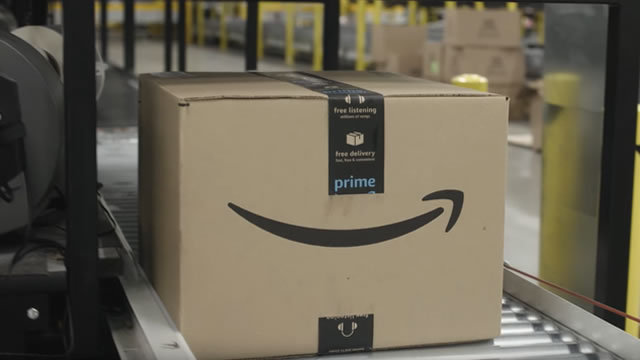
Core Insights - Amazon is responding to the emerging threat of AI-powered shopping bots that are changing consumer purchasing behavior online [1][3] - The company is blocking third-party AI shopping tools from accessing its platform while simultaneously developing its own AI-driven shopping experiences [2][4] Group 1: Amazon's Defensive and Offensive Strategies - Amazon has updated its website code to prevent numerous AI bots from scraping data, including those from major AI providers [4] - The company has initiated legal action against Perplexity for unauthorized access through an AI browser agent that can make purchases [4] - Amazon is investing in its own AI tools, such as Rufus, a shopping chatbot, and "Buy for Me," which allows purchases from other retailers within its app [5] Group 2: Industry Implications and Future Directions - The rise of AI shopping agents presents a "leader's dilemma" for Amazon, as these tools enable consumers to bypass traditional retail sites, threatening Amazon's direct customer relationships and advertising revenue [3] - CEO Andy Jassy has acknowledged the inevitability of AI agents in daily life, indicating a potential shift towards collaboration with third-party agents while protecting valuable data [6] - The competition for control over the checkout experience and payment processes is intensifying as AI agents become more integrated into commerce [9]

Amazon faces 'leader's dilemma' — fight AI shopping bots or join them
CNBC· 2025-12-24 12:00
Core Insights - Amazon is adapting to the rapid evolution of AI in e-commerce, with CEO Andy Jassy highlighting the potential of AI agents to transform shopping experiences [1][2] - The company is actively seeking to establish strategic partnerships in "agentic commerce" to maintain its competitive edge [2] - Amazon's defensive strategies include blocking external AI agents from accessing its website and pursuing legal action against competitors [8][9] Group 1: AI and E-commerce Trends - AI-powered shopping agents are emerging as a significant trend, with consulting firm McKinsey projecting that agentic commerce could generate $1 trillion in U.S. retail revenue by 2030 [4] - Morgan Stanley anticipates that nearly half of American shoppers will use AI agents by 2030, potentially adding $115 billion to U.S. e-commerce spending [10] - Current consumer behavior shows that a mid-single digit percentage of purchases begin through AI, with a significant increase expected over time [11] Group 2: Competitive Landscape - Competitors like Walmart and Shopify are adopting a "frenemy" strategy, partnering with AI companies while developing their own tools [6] - Amazon's recent legal actions against Perplexity highlight the competitive tensions in the market, as the company seeks to protect its data and customer relationships [9] - Some companies are experimenting with allowing AI agents to access their platforms while setting boundaries to protect proprietary data [15][17] Group 3: Amazon's AI Initiatives - Amazon has launched its own AI shopping chatbot, Rufus, which has been enhanced to suggest products from various sites and auto-buy items for Prime members [19] - The company is testing new features for Rufus, including creating custom shopping guides, indicating a commitment to developing its AI capabilities [19] - Amazon's approach reflects a "leader's dilemma," where its significant market share presents both opportunities and risks in the evolving landscape of AI-driven commerce [20]

医药巨头,突然暴涨
Zhong Guo Ji Jin Bao· 2025-12-24 00:16
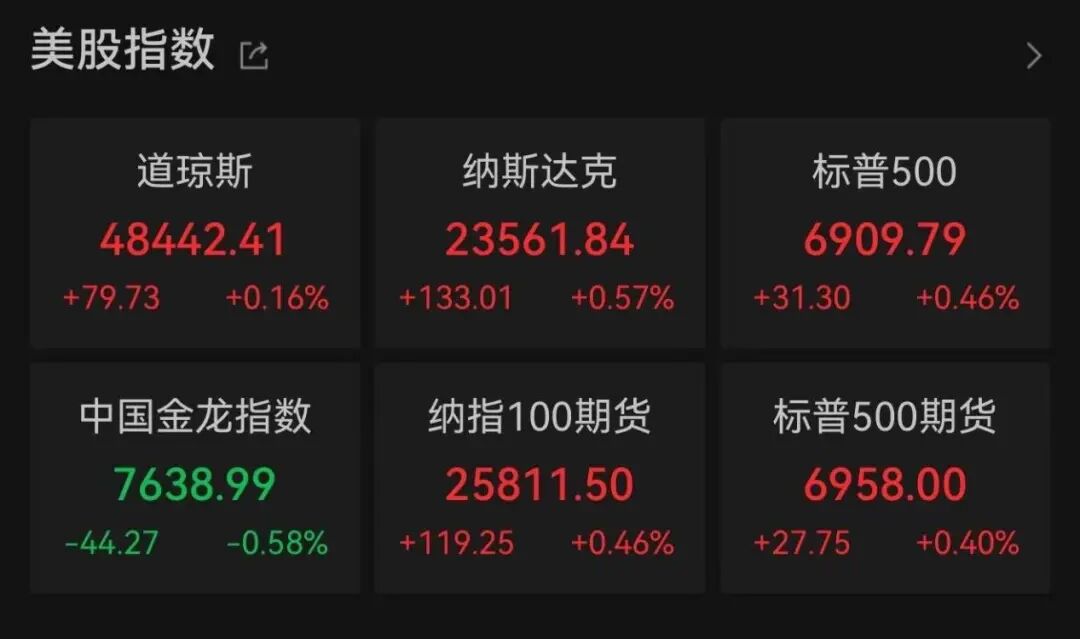
Group 1: Market Performance - The S&P 500 index reached a new high, closing at 6909.79 points, up 0.46% [2] - Nvidia's stock rose over 3%, pushing its market capitalization back above $4.6 trillion [5] - Major tech stocks, including Amazon, Google, and Facebook, also saw gains [5] Group 2: Economic Indicators - The U.S. GDP grew at an annualized rate of 4.3% in Q3, surpassing Q2's 3.8% and market expectations of 3.2% [4] - Consumer confidence reports indicate a potential disparity between economic growth and consumer sentiment [4] Group 3: Company News - Novo Nordisk's stock surged over 7% after the FDA approved its first oral GLP-1 weight loss drug, Wegovy [8] - Amazon's autonomous driving company, Zoox, is recalling 332 vehicles due to a software error in its autonomous driving system [7] Group 4: Commodity Prices - Copper prices reached a new high, surpassing $12,000 per ounce, supported by tight supply and growing demand expectations [9]
揭露硅谷血检巨骗的记者起诉xAI和OpenAI等人工智能公司未经授权使用其作品
Xin Lang Cai Jing· 2025-12-22 23:48
Core Viewpoint - A prominent investigative journalist, known for exposing fraud at Theranos, has filed a lawsuit against several major AI companies, alleging unauthorized use of copyrighted books for training their AI systems [1][1]. Group 1 - The lawsuit was filed in a federal court in California by John Carreyrou, the author of "Bad Blood," along with five other authors [1]. - The AI companies named in the lawsuit include Elon Musk's xAI, Google, OpenAI, Meta Platforms, and Perplexity [1]. - The plaintiffs accuse these companies of copyright infringement by using their books without permission to train large language models (LLMs) that power their chatbots [1].
New York Times reporter sues Google, xAI, OpenAI over chatbot training
Reuters· 2025-12-22 23:06
Core Viewpoint - An investigative reporter known for exposing fraud at Theranos has filed a lawsuit against several major tech companies, including Elon Musk's xAI, Anthropic, Google, OpenAI, Meta Platforms, and Perplexity, for undisclosed reasons [1] Group 1: Companies Involved - The lawsuit includes prominent companies in the AI sector such as xAI, Anthropic, Google, OpenAI, Meta Platforms, and Perplexity, indicating a significant legal challenge within the technology industry [1] - The involvement of Elon Musk's xAI highlights the increasing scrutiny and potential legal implications surrounding AI development and deployment [1] Group 2: Industry Implications - This legal action may reflect broader concerns regarding ethical practices and transparency in the rapidly evolving AI industry, which has been under increasing public and regulatory scrutiny [1] - The outcome of this lawsuit could set important precedents for accountability and governance in the tech sector, particularly for companies involved in AI [1]