追觅科技

Search documents
解锁18个“小切口”,“南京服务”再升级 我市发布新一批优化营商环境创新应用场景
Nan Jing Ri Bao· 2025-10-09 06:32
Group 1: Business Environment Optimization - The city has released a new batch of innovative application scenarios to optimize the business environment, focusing on 18 specific areas to enhance the operational experience of businesses [1] - The city aims to create a model business environment that fosters high-quality economic development through innovative thinking and practical methods [1][7] Group 2: Transportation and Logistics Solutions - The city has established a classification supervision mechanism based on "credit easy approval" to improve the efficiency of transporting large equipment, addressing the unique challenges faced by large-scale manufacturing enterprises [2] - A case study of Nanjing High Gear Manufacturing Co., Ltd. shows that by adopting a new transportation method, the company completed approximately 1850 transport tasks and saved nearly 2.5 million yuan in logistics costs [2] Group 3: Financial Services for Private Enterprises - The Nanjing Municipal Financial Service Center for private enterprises has been established to address financing difficulties, providing a platform for credit and investment matchmaking services [3] - The center collaborates with six financial institutions and offers comprehensive financial services, including regular business matching and roadshow events to support private enterprises [3] Group 4: Biopharmaceutical Industry Support - The city has introduced a "green channel" for the expedited customs clearance of special items in the biopharmaceutical sector, significantly reducing the approval time from a maximum of 20 working days to just 1-3 days [4] - This initiative aims to facilitate the rapid internationalization of biopharmaceutical companies, particularly in the fields of cell and gene therapy [4] Group 5: Streamlined Administrative Processes - The city has implemented a reform in the "one matter" process for enterprises going abroad, consolidating 16 required documents into a single set of 9, achieving a 75% material recognition and sharing rate [6] - This reform has led to a significant reduction in the preparation time for applications, with 41 companies receiving one-on-one guidance and a total investment amount of 238 million USD being involved [6] Group 6: Project Approval Efficiency - The Lishui District has optimized the project approval process, significantly reducing the time from signing to groundbreaking for major projects, exemplified by the rapid initiation of the Chasing Technology headquarters project [6] - The district has integrated multiple administrative functions to enhance the efficiency of project approvals, focusing on the three key stages of attracting, landing, and producing major projects [6]
俞浩放大招!追觅跨界造车,是破局还是虚火?
Ge Long Hui· 2025-10-09 03:50
Core Viewpoint - The company is attempting to transition from a cleaning appliance manufacturer to a diversified technology group, aiming for a global IPO by the end of 2026, while facing significant challenges in high-end manufacturing and market positioning [1][2][13]. Expansion Strategy - The company joined Xiaomi's ecosystem in 2017 and quickly rose in the cleaning appliance sector, achieving a revenue of 15 billion yuan in 2024 and serving over 30 million households globally [1]. - The cleaning appliance market is showing signs of saturation, with a 7.7% decline in retail volume and a 12% drop in average price in 2024 compared to 2021 [1]. - The company is diversifying into automotive, mobile, and space mining sectors to create a multi-faceted valuation model, inspired by Xiaomi's success in the market [2][3]. Automotive Ambitions - The company plans to launch a luxury electric vehicle that competes with high-end brands like Bugatti, with impressive specifications such as a 0-100 km/h acceleration in 1.8 seconds [3]. - The strategy includes leveraging brand prestige to enhance valuation, as the narrative of "competing with Bugatti" is more appealing than producing mid-range electric vehicles [3]. Challenges in Execution - There are significant gaps in technology transfer from cleaning appliances to automotive manufacturing, with the company's core technologies not meeting automotive standards [5]. - The company has filed 6,379 patents, but only 5% pertain to critical automotive systems, indicating a potential overestimation of its technological capabilities [5]. - The decision to build a factory in Germany poses risks due to the competitive landscape and stringent carbon regulations, which could increase manufacturing costs [6][7]. Financial Considerations - The company faces substantial funding challenges, needing 30-40 billion yuan to support automotive development, factory construction, and marketing [8]. - The reliance on an IPO for funding raises concerns, especially if the automotive business does not demonstrate tangible progress before the planned public offering [9]. Market Dynamics - The company announced over 15 billion yuan in orders, primarily from Middle Eastern and Central Asian dealers, but these orders may not translate into actual sales [9][12]. - The mismatch between the company's target market for luxury vehicles and its existing customer base in cleaning appliances could hinder effective market penetration [10]. - The low conversion rate for luxury vehicle orders raises questions about the sustainability of the company's projected sales figures [11]. Industry Reflection - The company's foray into high-end manufacturing reflects a broader anxiety among Chinese tech firms seeking growth beyond their core businesses, often leading to a focus on narrative over substance [13]. - Long-term success in high-end markets requires building brand equity and technological capabilities over time, rather than relying on short-term valuation strategies [14].
解锁18个“小切口”,“南京服务”再升级
Nan Jing Ri Bao· 2025-10-09 03:20
Group 1 - The core viewpoint emphasizes the importance of creating a favorable business environment to drive high-quality economic development, with the recent release of 18 innovative application scenarios aimed at optimizing the business environment [1] - The city is focusing on solving the challenges faced by large equipment manufacturing enterprises, implementing a classified regulatory mechanism based on trustworthiness to enhance transportation efficiency for oversized goods [2] - A new financial service center for private enterprises has been established to address financing difficulties, providing regular credit and investment matchmaking services [3] Group 2 - The biopharmaceutical industry is highlighted as a key area for innovation, with the introduction of a "green channel" for the expedited customs clearance of special items, significantly reducing approval times from up to 20 days to just 1-3 days [4] - Innovative application scenarios such as "data multi-measurement integration" and "remote verification of real estate" are being implemented to streamline project approval processes, facilitating the rapid establishment of major industrial projects [5] - The city is enhancing its support for foreign trade enterprises by simplifying the documentation process for overseas expansion, achieving a 75% material recognition and sharing rate, and facilitating investments totaling $238 million [6] Group 3 - The city has released three batches of innovative application scenarios aimed at optimizing the business environment, with a focus on providing tangible benefits to businesses [7] - The municipal development and reform commission is aligning its efforts with the city's integrity construction initiatives to create a market-oriented, legal, and international business environment [7]
从“智能拍摄搭子”到“共享摄像师”,消费级无人机重构旅拍新生态
Jing Ji Guan Cha Wang· 2025-10-07 03:47
Core Insights - The consumer drone market is evolving with new entrants enhancing user experience and product offerings, particularly during the holiday season [2][3] - The shift in consumer preferences from performance-focused tech enthusiasts to ordinary users seeking ease of use and emotional value is reshaping the market [3][5] - The rise of shared drone rental services is addressing common pain points in travel photography, making it more accessible and convenient for tourists [5][6] Group 1: Market Dynamics - Established companies like DJI are optimizing user experience while new players like YingShi Innovation are entering the market with innovative products [2][3] - The introduction of features such as intelligent tracking and lightweight designs are becoming standard expectations among consumers [2][3] - The demand for user-friendly drones that provide immersive experiences is increasing, with consumers prioritizing ease of operation [3][5] Group 2: Business Model Innovations - The trend of renting drones at tourist sites is gaining traction, allowing visitors to capture their experiences without the burden of carrying equipment [5][6] - Shared drone cabinets in scenic areas enable tourists to rent drones easily, addressing the issue of lack of equipment and simplifying the filming process [5][6] - AI technology is streamlining the creative process for drone photography, allowing users to generate localized videos quickly and share them on social media [5][6] Group 3: Regulatory and Safety Aspects - The implementation of shared drone services is helping to regulate drone usage in tourist areas, mitigating issues related to unauthorized drone flights [6] - Collaboration between scenic areas and drone operators is enhancing safety and managing drone activities effectively [6] - The integration of technology and policy is fostering a safer and more organized environment for drone usage in tourism [6] Group 4: Future Outlook - China is recognized as a leading market for civil drone applications, with high market activity and growth potential [6] - Future competition in the drone market will increasingly focus on user needs and market perceptions, driving advancements in technology and service models [6]

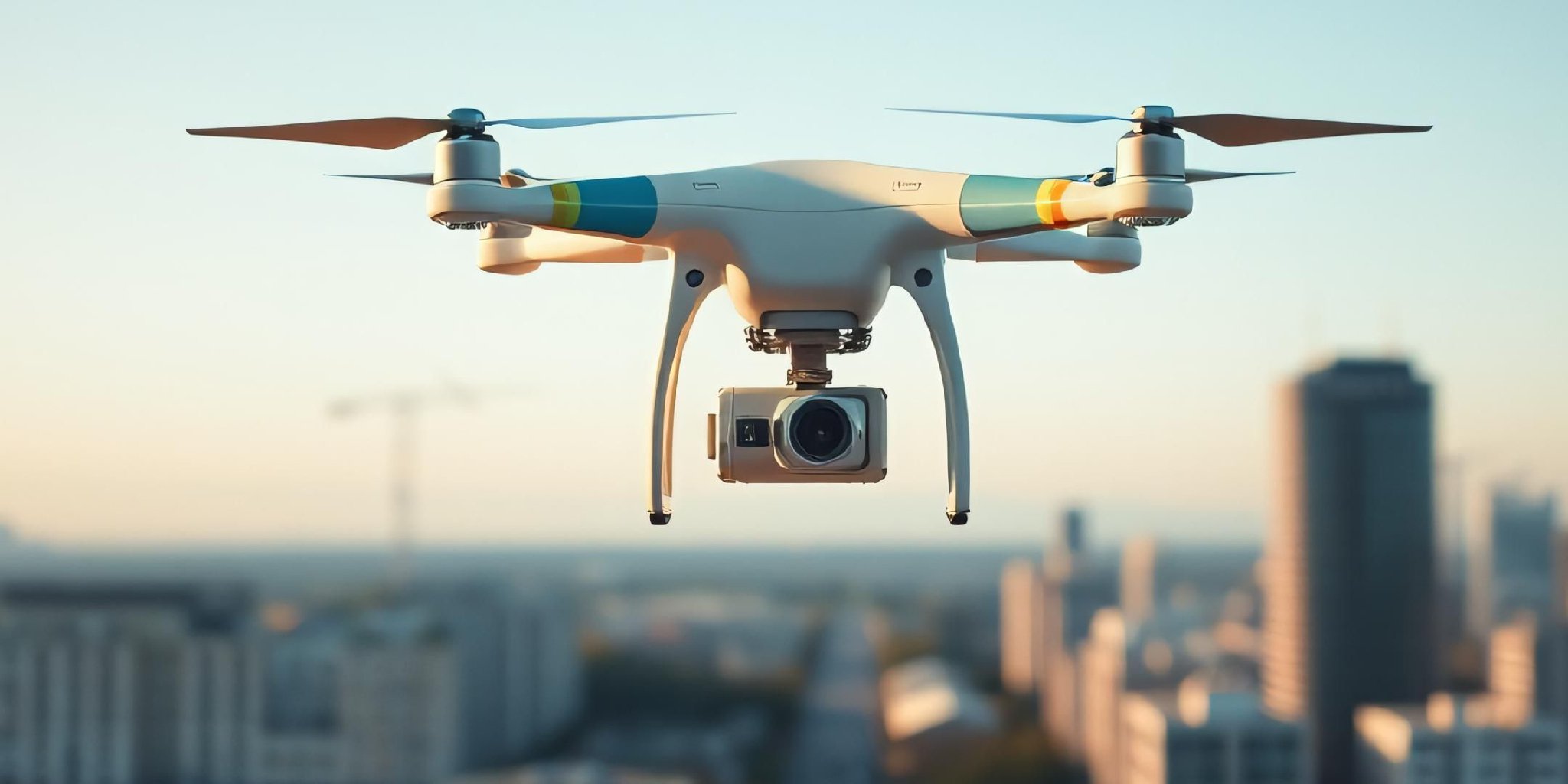
黄金周看点 | 从“智能拍摄搭子”到“共享摄像师”,消费级无人机重构旅拍新生态
Xin Hua Cai Jing· 2025-10-03 07:00
Core Insights - The consumer drone market is evolving with new entrants and technological advancements, enhancing user experience and creating a new travel photography ecosystem [1][2][6] Group 1: Market Dynamics - Established companies like DJI are optimizing user experience in response to competition from new players like YingShi Innovation and Chasing Technology, which have recently entered the consumer drone market [2][3] - The introduction of new models, such as DJI's Mini 5 Pro and YingShi's Antigravity A1, emphasizes lightweight design and intelligent shooting capabilities, catering to changing consumer preferences [2][3][6] Group 2: Consumer Preferences - Consumers are increasingly prioritizing user experience over technical specifications, seeking drones that are easy to operate and capable of smart tracking [6][7] - The shift in the primary customer base from tech enthusiasts to everyday users highlights the demand for drones that serve as convenient "smart shooting partners" [6][7] Group 3: Rental and Sharing Models - The trend of renting drones at tourist attractions has emerged, addressing issues like high costs of professional aerial photography and the burden of carrying equipment [7][8] - Shared drone services, which allow tourists to rent drones via automated kiosks, are gaining acceptance, with rental fees ranging from 20 to 50 yuan per use [7][8] Group 4: Technological Integration - AI technology is streamlining the aerial photography process, enabling users to create localized videos quickly and share them on social media [7][8] - The integration of shared drones into tourist sites not only enhances visitor experience but also helps manage drone operations, reducing unauthorized flights [8] Group 5: Future Outlook - The Chinese consumer drone market is recognized as one of the most active globally, with a promising future driven by user-centric innovations and diverse applications in the low-altitude economy [8]


中国车集体到欧洲“借腹生子”
Jing Ji Guan Cha Bao· 2025-10-03 05:39
Core Insights - Chinese automotive companies are rapidly establishing a brand ecosystem in Europe to overcome entry barriers and capitalize on the market opportunity [2][3] - The urgency in the European automotive industry has intensified, prompting various collaborations and local production strategies among Chinese firms [4][5] Group 1: Market Entry Strategies - Chinese automakers are adopting a "light asset" model for entering the European market, focusing on partnerships rather than building factories [4][5] - Companies like Leap Motor and Xpeng are leveraging existing European facilities for production, with plans to launch electric vehicles in multiple European countries [4][5] - The collaboration with established European manufacturers and suppliers is seen as a crucial strategy for reducing costs and risks associated with market entry [6][11] Group 2: Product Strategy and User Engagement - Chinese companies are tailoring their product strategies to meet European consumer preferences, including the introduction of plug-in hybrid models and compact cars [9][10] - There is a focus on educating European consumers about the technology and features of Chinese electric vehicles, as many users remain cautious [8][10] - Xpeng aims to maintain a global product strategy without creating a separate "European version," emphasizing the consistency of technology and features across markets [10] Group 3: Collaboration and Supply Chain Localization - The establishment of local supply chains through partnerships with European firms is essential for the success of Chinese electric vehicles in Europe [11] - Companies like Horizon Robotics are forming alliances with major suppliers to develop intelligent driving systems tailored for European markets [7][11] - The collaboration process is viewed as an opportunity for Chinese firms to learn from European manufacturing and technology practices [11]



中国车集体到欧洲“借腹生子”
经济观察报· 2025-10-03 05:06
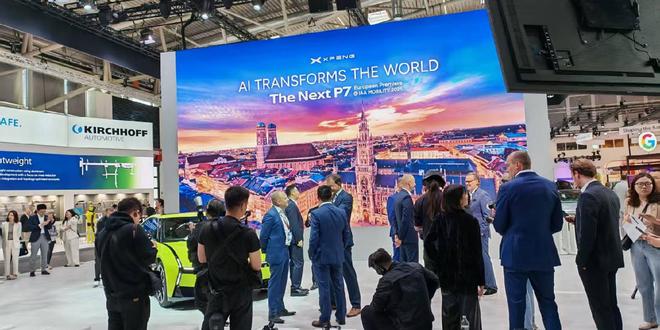
Core Viewpoint - Chinese automotive companies are rapidly forming partnerships and localizing production in Europe to establish a competitive presence in the European market, driven by high tariffs and the need for a robust brand ecosystem [2][4]. Group 1: Market Entry Strategies - In the past 20 days, the urgency for Chinese automotive companies to enter the European market has intensified, marked by significant announcements such as Horizon's fundraising of 5.8 billion yuan and XPeng's entry into five European countries [2]. - Collaborations with established European manufacturers and suppliers, such as Magna and Bosch, are being pursued to facilitate market entry and production [2][4]. - The strategy of "light asset" models is being adopted, where companies like Leap Motor and XPeng utilize existing European facilities for production rather than building new factories [4][5]. Group 2: Localization and Production - Local production has become essential for Chinese electric vehicle manufacturers due to high export costs and compliance risks, with companies opting for partnerships to minimize investment [4][6]. - XPeng plans to enter five European markets, including Austria and Switzerland, through collaborations with local dealer groups [4][5]. - CATL has established multiple production bases in Europe, indicating a trend towards localizing the supply chain for battery production [6]. Group 3: Market Perception and Consumer Engagement - European consumers exhibit a mixed sentiment towards Chinese electric vehicles, with some expressing interest in the technology while others prefer to support local brands [9][11]. - The current penetration rate of electric vehicles in Europe is only 20%, highlighting the challenges and potential for growth in the market [12]. - Chinese companies are adapting their product strategies to meet European preferences, including the development of hybrid models and compact cars to navigate high tariffs [12]. Group 4: Technological Collaboration and Learning - The entry of Chinese electric vehicles into Europe is not just about market share but also involves collaboration with local firms to build a comprehensive supply chain [14]. - Companies like Horizon are actively seeking partnerships with global suppliers to enhance their technological capabilities and adapt to European standards [6][14]. - The process of localization will also serve as a learning opportunity for Chinese manufacturers to absorb advanced automotive technologies from Europe [14].

“合作网”密集落地 中国新能源汽车迎来欧洲时刻
Jing Ji Guan Cha Bao· 2025-10-01 16:37
Core Insights - The European automotive industry is experiencing heightened urgency as Chinese automakers accelerate their entry into the European market, marked by significant announcements from companies like Horizon Robotics and XPeng Motors [2][3] - Chinese companies are adopting a "light asset" model for local production in Europe, collaborating with established European manufacturers to mitigate high costs and compliance risks associated with direct exports [3][4] - The recent Munich Auto Show highlighted the growing presence of Chinese electric vehicle manufacturers, showcasing their products and strategies to engage European consumers [7][9] Group 1: Market Entry Strategies - Chinese automakers are increasingly localizing production in Europe to reduce costs and compliance risks, with companies like Leap Motor and XPeng partnering with local manufacturers for production [3][4] - XPeng is set to enter five European countries, leveraging partnerships with local distributors to facilitate market entry and operations [3][4] - The collaboration with established European firms is seen as a strategic move to build a comprehensive ecosystem for Chinese automotive brands in Europe [2][3] Group 2: Product Strategy and Consumer Engagement - Chinese companies are tailoring their product strategies to meet European consumer preferences, with a focus on developing models specifically for the European market [10][11] - The current market sentiment in Europe is mixed, with some consumers expressing interest in Chinese electric vehicles while others remain cautious, preferring to support local brands [9][10] - Companies like XPeng are committed to maintaining a unified global product strategy, minimizing differences between models sold in China and Europe [11][12] Group 3: Technological Collaboration and Supply Chain Development - The establishment of local supply chains through partnerships with European firms is crucial for Chinese automakers, allowing them to learn and adapt to European manufacturing standards [12] - Horizon Robotics is actively seeking collaborations with major global suppliers to enhance its technological offerings and establish a presence in the European market [5][6] - The focus on local partnerships is expected to facilitate knowledge transfer and improve the competitiveness of Chinese electric vehicles in Europe [12]

小米超越理想、蔚来!新势力车企最新销量公布
Zhong Guo Zheng Quan Bao· 2025-10-01 15:11
Core Insights - The new energy vehicle (NEV) sector in China is experiencing significant growth, with several emerging automakers reporting record delivery numbers in September 2023 [1][3][4] Group 1: Delivery Performance - Leap Motor achieved a record monthly delivery of approximately 66,700 vehicles in September, marking a 97% year-on-year increase [3] - Xpeng Motors delivered around 41,600 vehicles in September, a 95% year-on-year increase and a 10% month-on-month increase [3] - Xiaomi Motors surpassed 40,000 deliveries in September, with total deliveries exceeding 100,000 units in Q3, outpacing both Li Auto and NIO [3][4] - NIO delivered approximately 34,700 vehicles in September, a 64% year-on-year increase, while Li Auto delivered 33,951 vehicles, reversing a three-month decline [4] Group 2: Quarterly Performance - In Q3, Leap Motor delivered 173,900 vehicles, Xpeng Motors delivered 116,000 vehicles, Xiaomi Motors delivered over 100,000 vehicles, Li Auto delivered 93,200 vehicles, and NIO delivered 87,100 vehicles [4] Group 3: Industry Trends and Policies - The automotive industry is witnessing a shift with new entrants like Chase Technology entering the market, indicating a dynamic competitive landscape [6] - Recent government policies aim to boost the automotive sector, targeting a total vehicle sales volume of approximately 32.3 million by 2025, with NEV sales projected to reach around 15.5 million [8] - The Ministry of Industry and Information Technology emphasizes the importance of international cooperation and support for both domestic and foreign enterprises in the automotive industry [8]



车圈“安全”大战:任正非定调、余承东开炮,雷军能否接住这记重锤?
汽车商业评论· 2025-09-30 23:09
Core Viewpoint - The automotive industry in China is increasingly focusing on safety as a primary concern, with various stakeholders emphasizing the importance of safety over performance metrics like acceleration times [5][20][39]. Group 1: Industry Dynamics - The Minister of Industry and Information Technology, Li Lecheng, condemned "irrational competition" in the automotive sector, highlighting its potential to destroy companies and industries overnight [4][20]. - Huawei's executive, Yu Chengdong, criticized the focus on performance metrics such as 0-100 km/h acceleration times, stating that safety should be the foremost priority in vehicle design [5][23]. - The ongoing competition between companies like Xiaomi and Gree has escalated, with public disputes reflecting deeper issues of product quality and safety standards [7][34]. Group 2: Company Performance and Strategy - NIO's CEO, Li Bin, expressed confidence in achieving profitability by the end of 2025, citing a significant revenue increase in Q2 2023, with a revenue of 19.01 billion yuan, a 57.9% quarter-on-quarter growth [11]. - Xiaomi faced challenges with over 110,000 units of its SU7 model being recalled due to safety concerns, despite previous commitments to quality [6][34]. - The CEO of Seres, He Liyang, emphasized the need for Chinese automotive companies to integrate into local markets when expanding internationally, advocating for a humble approach to cultural exchange [16][17]. Group 3: Regulatory and Competitive Landscape - The automotive industry is undergoing regulatory scrutiny, with calls for improved governance and self-regulation to ensure a healthy competitive environment [20][27]. - The German automotive executives from BMW and Mercedes-Benz acknowledged the intense price competition in the Chinese market, indicating a need for sustainable pricing strategies [14]. - The industry is witnessing a shift towards a focus on safety and regulatory compliance, with calls for a legal framework to support long-term stability in the market [26][27]. Group 4: Future Outlook - The automotive sector is expected to continue evolving with a strong emphasis on safety, as highlighted by industry leaders who stress that the ultimate goal is to produce safe vehicles [39]. - Companies like Chasing Technology are planning to enter the automotive market with high-end electric vehicles, indicating a trend of diversification among tech firms [30][32]. - The recent market reactions, including a significant drop in Xiaomi's stock price by 8.07%, reflect investor concerns over the company's ability to manage its automotive ambitions alongside existing challenges [42].