
京东方

Search documents
研报 | 近眼显示对OLEDoS的需求将逐年提升
TrendForce集邦· 2025-12-29 07:19
Core Insights - SeeYA Technology's IPO application has been approved by the Shanghai Stock Exchange, aiming to raise 2.015 billion RMB for expanding its OLEDoS display production line and R&D center [2] - The demand for OLEDoS micro-displays in AR, VR, and MR devices is projected to reach 31.5 million units by 2030, with a compound annual growth rate (CAGR) of 81% from 2025 to 2030 [2] Industry Analysis - The listing of SeeYA marks a shift from Sony's monopoly in the OLEDoS supply chain, fostering a local supply chain with companies like BOE, Xitai, and Aolide, which could enhance price competition and promote the technology's penetration in AR/VR/MR products [5] - As VR/MR technologies evolve towards lightweight and high-resolution specifications, OLEDoS is expected to optimize in cost and technology, positioning it as a potential leader over current mainstream technologies like LCD and glass OLED [5] - OLEDoS's penetration rate in the global VR/MR market is anticipated to rise to nearly 60% by 2030 [5] Market Position - In the AR glasses sector, despite the trend towards lightweight designs and auxiliary information, OLEDoS-equipped viewing products are expected to maintain over 20% market share by 2030 due to superior image quality and a robust supply chain [6]


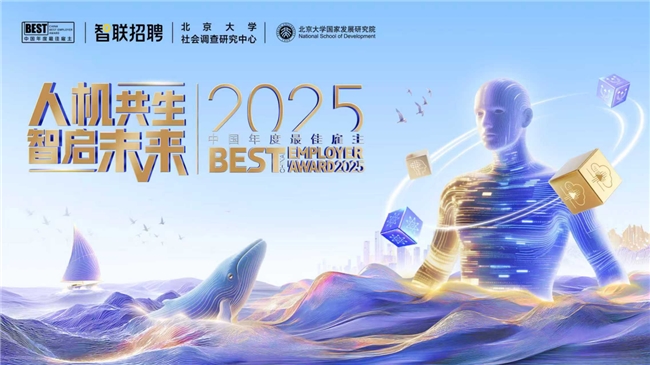
走向未来组织:从2025中国年度最佳雇主看企业如何价值重构
Sou Hu Wang· 2025-12-29 04:48
Core Insights - The article discusses a paradigm shift in organizational management driven by AI, highlighting that by 2030, approximately 170 million new jobs will be created globally while 92 million jobs will be eliminated, indicating an irreversible transformation in the labor structure [2]. Group 1: Trends in Organizational Structure - Organizations are evolving from traditional job systems to "human-machine units," with 86% of global employers expecting AI and information processing technologies to fundamentally change their business models by 2030 [3]. - The concept of "cellular architecture" is introduced, where each "human-machine unit" consists of one human employee and one AI assistant, allowing for flexible task-based combinations [3]. - This shift enhances organizational adaptability and execution, marking a transition towards capability-centered rather than job-centered structures, which is becoming a hallmark of future employers [3]. Group 2: Talent Management Evolution - Talent management is shifting from "employment" to "development and empowerment," focusing on continuous growth and potential activation of employees rather than just job matching and performance control [4]. - Companies are increasingly valuing composite skills such as innovation, cross-domain learning, and system thinking, with AI understanding and application becoming core competencies [4][5]. - Learning mechanisms within organizations are transforming, with project-based learning replacing traditional long-term training, and AI mentors providing 24/7 skill enhancement [4]. Group 3: Incentive Mechanisms - Employee motivation is evolving from "organization-provided" to "value co-creation," necessitating a redesign of incentive systems to address individual needs and long-term value orientation [7]. - The concept of "human-machine combination incentives" is proposed, expanding the focus from individual performance to the overall performance of human-machine partnerships [7]. - Flexible work arrangements, personalized benefits, and diverse training programs are becoming standard capabilities for excellent employers, particularly appealing to Gen Z and millennial employees [8]. Group 4: Strategic Human Capital Management - The top 100 employers in China demonstrate significant advantages in AI application, digital transformation, employee experience, retention rates, and job satisfaction [9]. - Organizations must integrate human capital strategies with business strategies, including skill enhancement and structural governance, to fully leverage the potential released by AI automation [9]. - Leading companies are optimizing work time and reallocating employee energy towards more creative and strategic tasks, enhancing organizational potential [9]. Conclusion - The management philosophy is evolving from a focus on resource allocation efficiency to a new "intelligent efficiency" era, emphasizing the creative integration of human and machine capabilities [11]. - Future organizational competitiveness will hinge on the ability to activate human potential, reconstruct collaborative mechanisms, and maintain organizational vitality through continuous learning and institutional innovation [11].
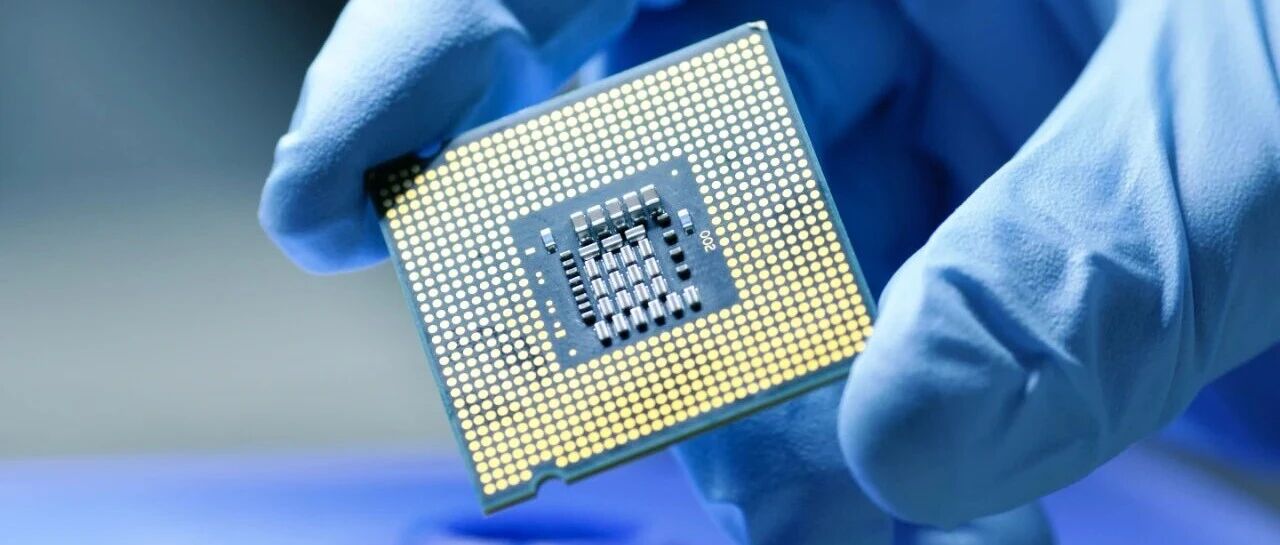
财政部表示明年继续安排资金支持消费品以旧换新,消费电子ETF(561600)稳步上行
Sou Hu Cai Jing· 2025-12-29 03:08
截至2025年12月29日 10:44,中证消费电子主题指数(931494)强势上涨1.19%,成分股芯原股份(688521) 上涨7.65%,寒武纪(688256)上涨5.30%,东山精密(002384)上涨5.16%,长盈精密(300115),工业富联 (601138)等个股跟涨。消费电子ETF(561600)上涨1.07%,最新价报1.22元。 消息面上,12月27日至28日,全国财政工作会议在北京召开。会议指出,2026年继续实施更加积极的财 政政策。2026年财政将大力提振消费。深入实施提振消费专项行动,继续安排资金支持消费品以旧换 新,调整优化补贴范围和标准。 流动性方面,消费电子ETF盘中换手2.61%,成交1183.22万元。拉长时间看,截至12月26日,消费电子 ETF近1周日均成交4098.27万元。 数据显示,截至2025年11月28日,中证消费电子主题指数(931494)前十大权重股分别为立讯精密 (002475)、寒武纪(688256)、工业富联(601138)、中芯国际(688981)、京东方A(000725)、澜起科技 (688008)、兆易创新(603986)、豪威集团(603 ...
玻璃基板,量产前夜
半导体行业观察· 2025-12-28 02:49
Core Viewpoint - The semiconductor industry is shifting from process competition to packaging innovation, with glass substrates emerging as a key material to overcome performance bottlenecks in advanced packaging [1][2]. Group 1: Industry Dynamics - Major companies like Samsung, Intel, AMD, and Nvidia are actively exploring glass substrates for next-generation chip development, indicating a strategic focus on this material [1]. - Recent developments include Japan's Rapidus exploring glass substrate technology and Samsung's plans to establish a joint venture with Sumitomo Chemical for glass substrate production [1][2]. Group 2: Advantages of Glass Substrates - Glass substrates offer significant advantages over traditional organic substrates and silicon interposers, including lower dielectric loss, excellent thermal stability, and high flatness [3][4]. - The electrical performance of glass substrates is superior, with signal transmission loss at 10GHz being only 0.3dB/mm, and dielectric loss reduced by over 50% compared to organic substrates [4]. - Glass substrates can achieve a thermal expansion coefficient (CTE) of 3-5ppm/°C, matching silicon chips and reducing warpage by 70% during thermal cycling [4]. Group 3: Types of Glass Substrates - Glass substrates are categorized into glass interposers and glass core substrates, each serving different roles in advanced packaging scenarios [3][6]. - Glass interposers are primarily used in 2.5D packaging, enabling high-density interconnections between multiple chips [6]. - Glass core substrates are aimed at 3D packaging and chiplet integration, providing a stable solution for increasing chip sizes and I/O counts [8]. Group 4: Industry Competition - The competition in the glass substrate market is intensifying, with companies like Intel, Samsung, TSMC, and new entrants like Rapidus and Absolics making significant investments and strategic moves [12][14][20]. - Intel has invested over $1 billion in developing glass substrate technology and aims for large-scale application by 2026-2030 [12][13]. - Samsung is pursuing a dual-line strategy, focusing on both rapid commercialization and long-term technological breakthroughs in glass substrates [14][15]. Group 5: Challenges and Barriers - The glass substrate industry faces challenges in scaling production, with many companies still in the early stages of development and validation [34][39]. - Key technical challenges include the efficiency and yield of TGV (Through Glass Via) processes, high-density wiring, and bonding reliability [35][41]. - Cost remains a significant barrier, with the production costs of glass substrates being substantially higher than traditional organic substrates, limiting their application in price-sensitive markets [39][40]. Group 6: Domestic Developments - Domestic companies in China are actively pursuing opportunities in the glass substrate market, leveraging their expertise in glass processing and precision manufacturing [23][30]. - Companies like BOE and Wog Glass are making strides in developing glass substrates for semiconductor packaging, with plans for mass production and technological advancements [24][25]. - The establishment of industry alliances and collaborations between academia and industry is fostering innovation and addressing common technical challenges in the glass substrate sector [30][31].




产线工程师可跨省聘为“特聘教授”
Xin Lang Cai Jing· 2025-12-27 17:39
Core Insights - The Chengdu-Chongqing region is advancing the integration of industry and education in the Internet of Things (IoT) sector, aiming to address structural contradictions between talent cultivation and market demand [1][2] - A proposal for establishing a collaborative community for IoT industry-education integration was released, emphasizing shared resources and mutual recognition of credits and skills [1][2] Group 1: Industry and Education Integration - The event highlighted the need to shift from a linear model of "market demands courses" to a collaborative approach where leading enterprises and key institutions co-create cross-domain course resources [2] - A "dual-teacher" sharing pool will be established, incorporating technical experts from enterprises and core teachers from institutions to promote cross-regional hiring and collaborative teaching [2] - Mechanisms for mutual recognition of credits and skill levels will be developed to facilitate course selection and practical training outcomes between institutions in the region [2] Group 2: Regional Development and Collaboration - The Chengdu-Chongqing area has become a significant hub for advanced manufacturing, producing approximately two-thirds of iPads globally, one-seventh of China's automobiles, and one-fifth of power batteries [2] - The region is recognized as the first national-level advanced manufacturing cluster across provinces, with leading companies like XGIMI Technology, BOE Technology Group, and Chenxian Optoelectronics [2] - The integration model aims to break down administrative barriers, allowing for greater mobility of talent, such as engineers from companies like Canopus Robotics being appointed as "visiting professors" at vocational colleges in Chongqing [2]
【财经】涂料业有望再添上市公司,IPO注册生效将登陆创业板
Sou Hu Cai Jing· 2025-12-27 17:04
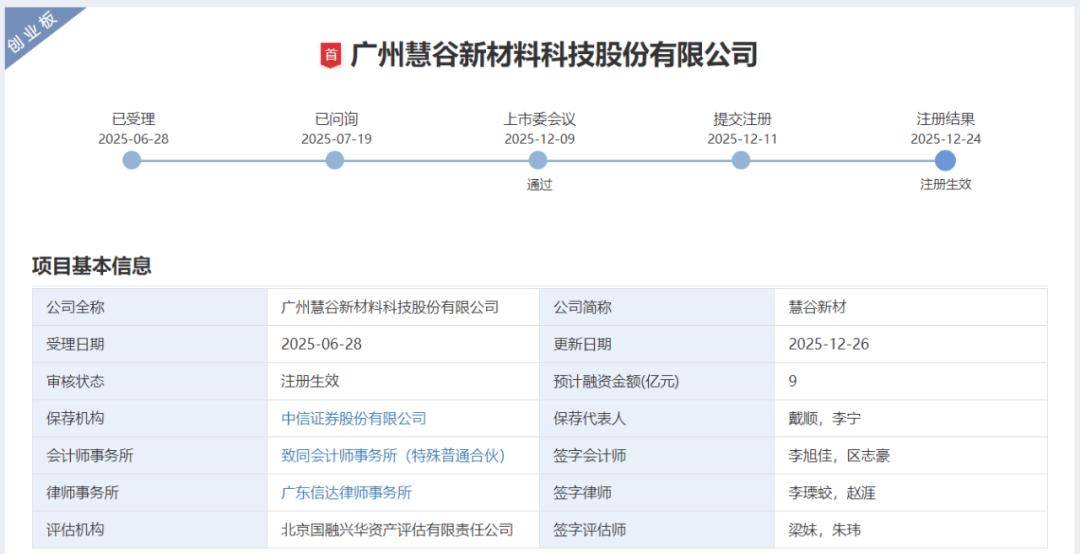
Core Viewpoint - The China Securities Regulatory Commission has approved the initial public offering of Guangzhou Huigu New Materials Technology Co., Ltd., which aims to raise 900 million yuan through the issuance of up to 15.7791 million shares, focusing on expanding production capacity and enhancing R&D capabilities [1][3]. Group 1: Company Overview - Huigu New Materials was established in 1999 and specializes in the R&D, production, and sales of functional resins and coating materials, with products serving various applications including energy-saving coatings for heat exchangers and metal packaging [3]. - The company has established a diversified product system targeting four major downstream application scenarios: home appliances, packaging, new energy, and electronics, supported by production bases in Guangzhou and Qingyuan, and R&D centers in multiple cities [3]. - Huigu New Materials has been recognized as a national champion in manufacturing by the Ministry of Industry and Information Technology in 2024, indicating its leading position in the industry [3]. Group 2: Market Position and Performance - The company holds over 60% market share in energy-saving coatings for heat exchangers and over 30% in metal packaging coatings, making it a key player in these segments [3]. - Huigu New Materials has successfully achieved domestic substitution in several product categories, including flow collector coatings and MiniLED optical coatings, competing with international giants [3][6]. - The company reported significant revenue growth, with operating income reaching 7.240 billion yuan in the first nine months of 2025, a year-on-year increase of 21.52%, and a projected annual revenue of 9.40 billion to 10.00 billion yuan for 2025 [5]. Group 3: Financial Performance - From 2022 to the first half of 2025, Huigu New Materials' operating income increased from 664 million yuan to 496 million yuan, with corresponding net profits showing a significant upward trend [4]. - The company’s gross profit margin improved from 29.56% in 2022 to 45.16% in the first half of 2025, driven by a higher proportion of high-margin products and favorable market conditions [4]. - The net profit attributable to the parent company for the first half of 2025 was 107.07 million yuan, reflecting a strong growth trajectory compared to previous years [4].

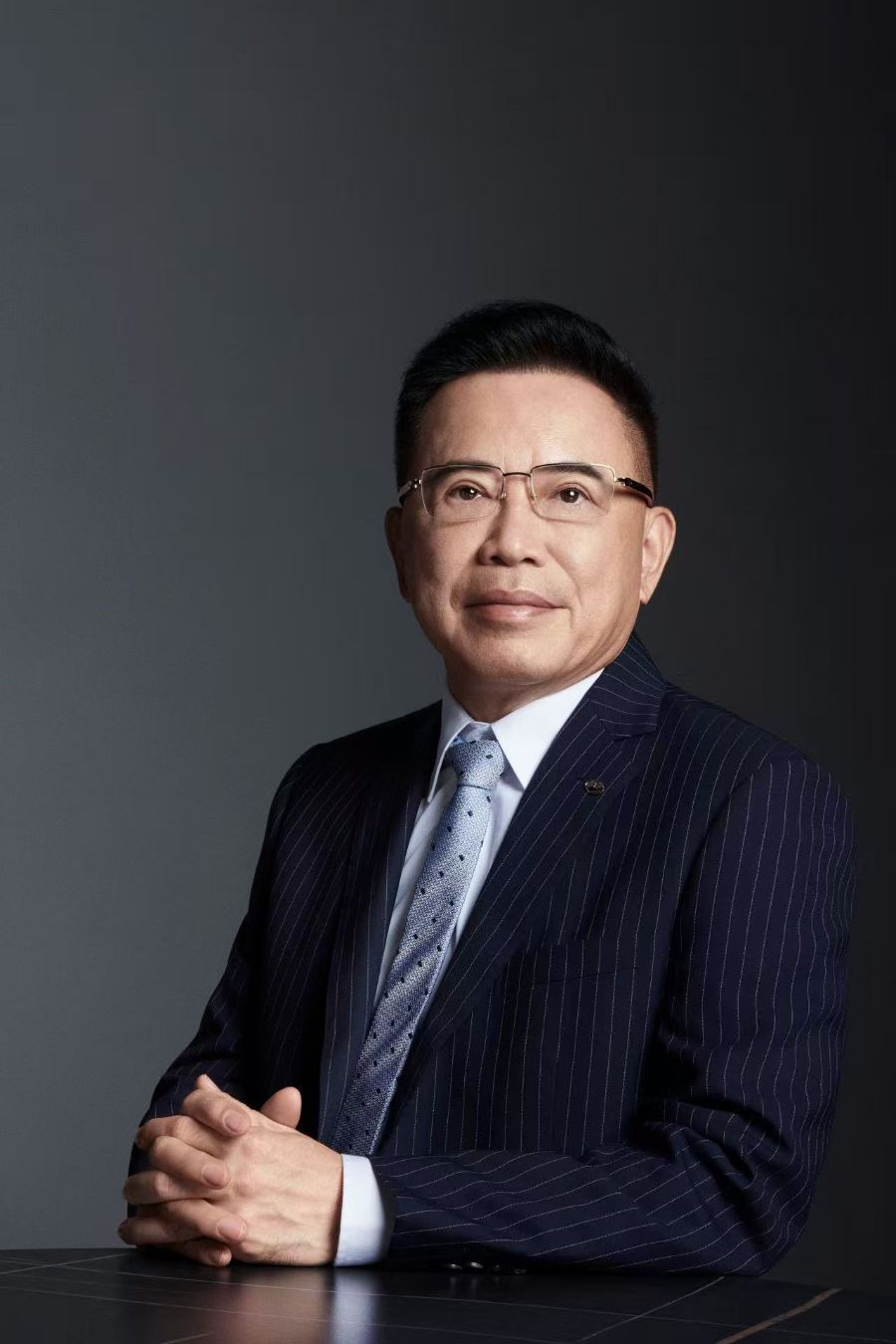
TCL李东生:将中国制造产业优势,扩展到全球
2 1 Shi Ji Jing Ji Bao Dao· 2025-12-27 10:58
Core Viewpoint - Tijuana, located on the US-Mexico border, is emerging as a critical hub for cross-border manufacturing and trade, with a focus on electronics, automotive, and medical devices, as global supply chains are restructured, making Mexico a key destination for Chinese companies like TCL [1][10] Group 1: Globalization and Market Strategy - TCL's approach to globalization is not merely market expansion but involves long-term planning around industrial capabilities and organizational structure, establishing regional operational centers to enhance its global operational system [4][5] - The company aims to create five localized TCL entities globally, enhancing brand influence and supporting global business expansion through local production and supply chains [4][5] - TCL's overseas sales now account for 60% of its smart terminal business, indicating that international markets are crucial for revenue and profit growth [5][11] Group 2: Challenges and New Cycles - TCL identifies two overlapping new cycles: a new global economic pattern and a technological transformation, both presenting challenges and opportunities for Chinese enterprises [5][6] - The shift towards localization and regionalization in global trade rules is reshaping the global economic landscape, which could benefit Chinese companies while also posing challenges [5][10] Group 3: Industrial Capability Building - The logic of overseas expansion is shifting from mere production to collaborative capability building, with TCL focusing on establishing local supply chains and enhancing local manufacturing capabilities [7][9] - TCL's manufacturing base in Mexico, particularly the MOKA factory, has evolved from initial capacity expansion to enhancing profitability, with an annual production capacity now reaching approximately 3 million units [8] Group 4: New Trade Ecosystem - The global manufacturing system is characterized by interdependence among industries and economies, with recent trade tensions complicating this ecosystem, yet fostering industrial development in countries like Mexico and Vietnam [10][11] - Chinese companies, including TCL, are playing a pivotal role in this new trade ecosystem, enhancing their survival and competitiveness in the global market [10][11] Group 5: Competitive Landscape - The competition in the consumer electronics market is intensifying, with TCL emerging as a leading player, facing challenges from both domestic and international brands [11][12] - The necessity for Chinese companies to engage in international competition is underscored by domestic market pressures and the need for differentiation in global markets [11][12]

21专访|TCL李东生:将中国制造产业优势,扩展到全球
2 1 Shi Ji Jing Ji Bao Dao· 2025-12-27 10:05
Core Viewpoint - Tijuana, located on the US-Mexico border, is emerging as a critical hub for global manufacturing and trade, particularly for electronics, automotive, and medical devices, as companies like TCL expand their production bases in response to global supply chain restructuring [2][3] Group 1: Globalization and Business Strategy - TCL's approach to globalization is not merely market expansion but involves a long-term strategy focused on industrial capabilities and organizational structure, with a systematic upgrade of its global operations [3] - The company aims to establish five regional centers globally, enhancing local production, assembly, and supply chains to increase brand influence and business value [3] - TCL's overseas sales now account for 60% of its smart terminal business, highlighting the importance of international markets for revenue and profit growth [3] Group 2: Challenges and New Cycles - The current global landscape presents two overlapping challenges: a new cycle in global economic and trade patterns and a technological transformation cycle [5] - The shift towards localization and regionalization in global trade is creating both opportunities and challenges for Chinese enterprises, including TCL [5] - The rise of artificial intelligence and green development is reshaping business models and necessitating a focus on sustainability for Chinese companies [5][9] Group 3: Industrial Capability and Local Integration - The logic of overseas expansion is shifting from mere production to collaborative capability building, emphasizing the construction of supply chains and R&D capabilities [6] - TCL's strategy includes establishing local supply chains and manufacturing bases, as seen in its operations in Vietnam and Poland, which integrate local resources and talent [6][7] - The MOKA factory in Tijuana has evolved from a production facility to a key player in the local industrial ecosystem, enhancing its profitability and operational capacity [7] Group 4: New Trade Ecosystem - The global manufacturing system is characterized by interdependent relationships among industries and economies, which are being reshaped by recent trade dynamics [10] - Chinese companies, including TCL, are playing a crucial role in developing new trade ecosystems in countries like Mexico and Vietnam, enhancing their competitiveness in the global market [10][11] - The expansion of Chinese enterprises into international markets is driven by domestic pressures and the need to compete with multinational corporations [11][12] Group 5: Future Outlook - Participation in international competition is essential for Chinese companies to overcome growth limitations and achieve global leadership [12] - The ongoing evolution of globalization is complex and decentralized, requiring companies to focus on capabilities, organization, and resilience in their international strategies [12]
TCL科技4.9亿元收购兆元光电,涉足LED芯片领域有三大原因|如数家珍
Di Yi Cai Jing· 2025-12-27 06:09
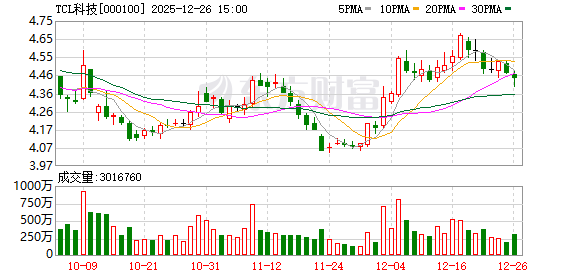
MLED是新型显示领域的竞争焦点,而MLED的竞争焦点又在于LED芯片。 12月26日晚,TCL科技(000100.SZ)公告透露,拟以4.9亿元收购兆元光电80%股权及债权等,正式涉足LED芯片领域。这背后有三大原因:Mini/Micro LED成为半导体显示竞争焦点,主要竞争对手已提前布局,以及LED产业处于低潮期、估值不高。 Mini LED、Micro LED(统称"MLED")是显示产业新一代技术,是半导体显示领域的竞争焦点,而MLED的竞争焦点又在于LED芯片。 洛图科技(RUNTO)的数据显示,预计2025年全球彩电出货量同比减少0.7%至2.06亿台;同时Mini LED电视出货量同比大幅增长57.8%至1239万台、市占率 达6%,尤其是在中国的出货量同比大幅增长92.7%至802万台、市占率达23.9%。Mini LED电视是电视行业中的主要增长点,已成为中高端电视的主流产 品。 Mini LED电视本质上是Mini LED背光的液晶电视,目前的竞争已进入RGB(红绿蓝)三色Mini LED背光的较量,这需要LED芯片同步进行光色控制,因此 微型LED芯片已成为新一轮Mini LED电视竞 ...
深市“双提升”:471家率先行动 分红占净利润比重2年提升近11个百分点
Di Yi Cai Jing· 2025-12-27 03:26
Core Viewpoint - The "Quality Return Dual Improvement" initiative launched by the Shenzhen Stock Exchange aims to enhance the development quality and investment value return capabilities of listed companies, with 471 companies disclosing action plans by November 2025 [1][2]. Group 1: Company Participation and Focus Areas - Among the 471 companies, 293 are part of the Shenzhen Component Index, 88 are in the CSI 300 Index, and 82 belong to the ChiNext Index, collectively representing about 50% of the total market capitalization of the Shenzhen market [2]. - The companies involved span 30 industries, including electronics, power equipment, pharmaceuticals, and computers, with nearly 70% being private enterprises [2]. - The action plans of these companies emphasize three focal points: focusing on core business, focusing on technological innovation, and focusing on regulatory operations [2]. Group 2: Financial Performance and R&D Investment - In 2024, the "Dual Improvement" companies achieved a total operating revenue of 9.8 trillion yuan, a year-on-year increase of 3.6%, and a net profit of 743.39 billion yuan [4]. - For the first three quarters of 2025, these companies reported an operating revenue of 7.5 trillion yuan, up 6.9% year-on-year, and a net profit of 651.3 billion yuan, reflecting a 10.8% increase [4]. - The R&D investment of these companies accounted for 4.3% of their operating revenue in the first half of 2025, up 0.1 percentage points year-on-year, with total R&D expenditure representing 59.5% of the Shenzhen market [4]. Group 3: Shareholder Returns and Market Response - From 2022 to 2024, the annual total dividend of the "Dual Improvement" companies had a compound growth rate of 10.0%, with the 2024 dividend amounting to 43.6% of net profit, an increase of 10.9 percentage points from 2022 [5]. - Approximately 80% of the companies (378) maintained continuous dividends over the past three years, enhancing the stability and predictability of returns for investors [5]. - The average stock price increase for the 471 "Dual Improvement" companies from February 2024 to November 2025 was 77.2%, surpassing the growth of the Shenzhen Component Index [6].