博时基金

Search documents
长江证券完成董事会换届,新增三位湖北国资代表董事;股混基金今年自购规模超40亿元 | 券商基金早参
Mei Ri Jing Ji Xin Wen· 2025-12-10 01:25
Group 1 - Guo Xun Securities has recommended Gu Xiangqing as the general manager of Wanhe Securities, marking the first executive appointment since Guo Xun became the major shareholder of Wanhe [1] - Gu Xiangqing has over 20 years of experience in brokerage business and has held various management positions, indicating her capability to enhance Wanhe Securities' brokerage operations [1] - This personnel change signals an acceleration in the integration process and may lead to a new round of consolidation among small and medium-sized brokerages in the industry [1] Group 2 - Changjiang Securities has completed a board reshuffle, adding three representatives from Hubei state-owned assets, which reflects the deepening involvement of local state capital in corporate governance [2] - The new board composition is expected to strengthen regional resource collaboration and promote business integration with the local economy, potentially providing long-term support for the stock price [2] - The strategic positioning of state-owned brokerages may attract market attention and lead to subtle adjustments in the industry landscape [2] Group 3 - Regulatory authorities have issued guidelines requiring fund company executives to invest a portion of their performance compensation in their own managed public products, with 136 public fund companies having initiated self-purchases totaling over 4 billion yuan this year [3] - This self-purchase trend is seen as a confidence booster for the market, enhancing investor trust in actively managed equity products and promoting the long-term healthy development of the asset management industry [3] - The self-purchase behavior is expected to improve brand image and product attractiveness for fund companies, injecting new capital expectations into the market [3] Group 4 - Over 200 announcements regarding premium risks for cross-border ETFs have been issued by 14 public fund institutions in December, indicating a significant influx of short-term capital leading to price deviations from net asset values [4][5] - Specific ETFs, such as the Southern S&P 500 ETF, have shown premium rates exceeding 3%, with some reaching as high as 5.58%, raising concerns about potential market volatility [4][5] - The ongoing premium phenomenon may divert funds from A-shares, particularly impacting financial and consumer sectors, while the eventual risk release could stabilize market sentiment and encourage rational capital allocation [4][5]


月内公募基金超200份公告提示跨境ETF溢价风险
Zheng Quan Ri Bao· 2025-12-09 16:16
Core Viewpoint - Multiple public fund institutions, including E Fund, Huaxia Fund, and Southern Fund, have issued warnings regarding the premium risk in the secondary market trading of their cross-border ETFs, highlighting significant price premiums over the net asset value [1][2] Group 1: Premium Risk in Cross-Border ETFs - As of December 9, the Southern S&P 500 ETF (QDII) closed at 1.804 yuan, reflecting a premium of 3.41% over its reference net asset value of 1.7445 yuan [1] - Other ETFs tracking the same index, such as Bosera S&P 500 ETF, Guotai S&P 500 ETF, and Huaxia S&P 500 ETF (QDII), also exhibited premiums of 5.58%, 4.87%, and 2.92% respectively [1] - A total of 14 public fund institutions have issued over 200 premium risk warning announcements since December [2] Group 2: Factors Contributing to Premiums - The premium phenomenon is attributed to supply-demand imbalances, limited arbitrage opportunities, and market sentiment [2] - Increased global allocation demand from domestic investors has led to a scarcity of popular products, exacerbating the premium situation [2] - The complexities of cross-border ETF trading, including time differences, exchange rates, and redemption costs, hinder effective arbitrage, contributing to persistent premiums [2] Group 3: Market Growth and Investor Behavior - The total scale of cross-border ETFs has surged from 424.22 billion yuan at the beginning of the year to 939.09 billion yuan by December 9, indicating a growing demand for diversified global asset allocation among domestic investors [2] - Investors are increasingly seeking to mitigate single market volatility risks and optimize portfolio returns through cross-border ETFs [2] Group 4: Recommendations for Investors - Investors holding or planning to invest in cross-border ETFs should analyze the premium situation rationally, as high premiums indicate prices above net asset values, which could lead to losses if premiums converge [3] - It is advised to avoid chasing high premiums and to monitor real-time net asset values and estimated values [3] - Investors may consider gradually selling or switching to similar products, and those looking to invest in cross-border ETFs might prioritize off-market QDII funds or alternative products, potentially using a dollar-cost averaging strategy [3][4]
从“卖产品”到“创价值” 基金代销机构考核转向
Zheng Quan Ri Bao· 2025-12-09 15:53
Core Viewpoint - The ongoing termination of partnerships between fund managers and distribution agencies reflects a shift in the public fund industry towards a value-oriented assessment of partners, driven by rising compliance costs, fee reform impacts, and intensified competition among leading firms [1][4]. Group 1: Termination of Partnerships - As of December 9, 34 fund managers have announced the termination of partnerships with 16 distribution agencies, including independent sales institutions, banks, and futures companies [1]. - Notable terminations include Zhongyou Chuangye Fund's cessation of collaboration with Beijing Weidongli Fund Sales Co., and the complete withdrawal of Fangzheng Zhongqi Futures from fund sales, effective November 28 [2]. - The terminations predominantly involve small independent sales agencies and cross-industry participants like futures companies, which struggle to sustain resource investment in fund sales [2]. Group 2: Market Dynamics - The fund distribution industry has developed a pronounced head effect, with large distribution agencies dominating market share, client resources, and brand influence, making it difficult for smaller agencies to compete [3]. - The reform of public fund fee structures has led to a decline in management fees, custody fees, and distribution commissions, directly impacting the profitability of distribution agencies, particularly smaller ones [3]. Group 3: Compliance and Internal Control - The survival of small distribution agencies is increasingly challenged by pressures related to compliance, resources, profitability, and the need for business model transformation [4]. - Regulatory bodies have intensified compliance requirements for fund distribution, while many small agencies remain reliant on traditional sales models and lack technological investment and innovative service capabilities [4]. Group 4: Shift in Evaluation Criteria - Fund companies are shifting their evaluation criteria for distribution partners from a focus on scale to a more comprehensive and long-term assessment, considering compliance, client scale, market influence, and sales performance [4]. - This transition is part of a broader regulatory push to guide the industry from a "seller-driven" model to a "buyer advisory" model, emphasizing the creation of long-term value for clients [5]. Group 5: Strategic Adaptation - Distribution agencies are encouraged to explore differentiated services or transition into technology service providers as viable strategies to navigate the industry reshuffle [6]. - The choice of strategy should align with the agency's available resources and business strengths to effectively stand out in a competitive landscape [6].
指增产品 大爆发!已超过去三年总和
Zhong Guo Zheng Quan Bao· 2025-12-09 13:28
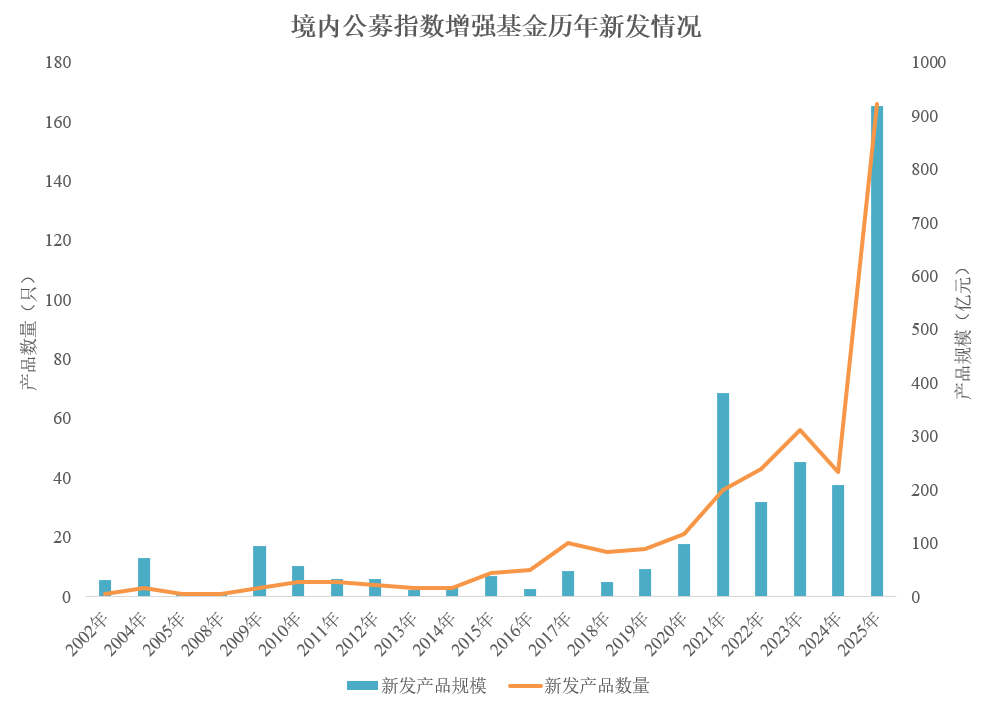
Wind数据显示,2025年以来,公募行业共新成立166只指数增强基金,合计新发规模超910亿元,两项数据均超越过去三年指增产品的新发总 和。 由于基金管理人的积淀差异,指增产品布局的"进度条"已然形成梯度:部分头部机构指增产品线已形成对主流指数的全覆盖;部分中游机构 刚开始发力布局;还有部分小型机构今年初步试水,成立公司旗下首只指增产品。 此外,公募行业今年不断拓展视野,在指增产品方面纳入更多"新鲜"标的指数,诞生了诸多"首只"产品。比如,华夏上证综合全收益指数增 强、建信中证A股指数增强以及涵盖港股的兴全中证沪港深500指数增强、兴全中证沪港深300指数增强、国联中证港股通综合指数增强等, 都是全市场首只跟踪对应标的指数的指增产品。 指增产品爆发式增长 今年5月,证监会发布《推动公募基金高质量发展行动方案》,着重强化了业绩比较基准的约束作用,无论是绩效考核、分类评价还是薪酬管 理等,都将围绕业绩比较基准这一锚点展开相关工作。 监管导向已经明显传导到产品端。今年以来,紧密跟踪标的指数且力争在此基础上做出超额收益的指数增强产品,成为公募机构争相布局的 重点品种。 Wind数据显示,截至12月9日,今年以来新成 ...

美股观察|美股小幅上涨,关注本周FOMC会议
Xin Lang Cai Jing· 2025-12-09 12:48
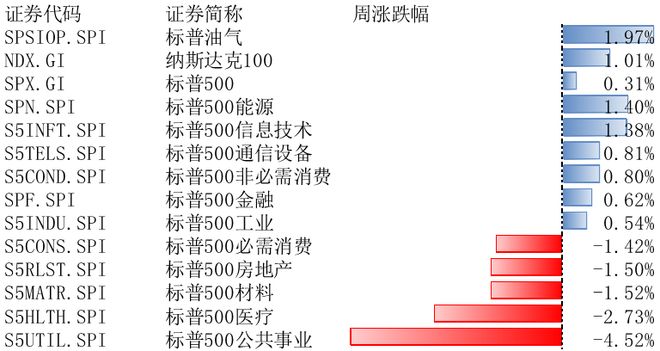
Group 1: US Macroeconomic Data - The US PCE price index for September remained high, with a year-on-year increase of 2.8%, matching expectations and up from the previous value of 2.7% [1] - The month-on-month PCE price index for September rose by 0.3%, consistent with expectations and the previous value [1] - The core PCE price index for September increased by 2.8% year-on-year, in line with expectations but lower than the previous value of 2.9% [1] - The month-on-month core PCE price index for September rose by 0.2%, matching expectations and the previous value [1] - Personal consumption expenditures in September increased by 0.3% month-on-month, in line with expectations but lower than the previous value of 0.5% [1] - Actual personal consumption expenditures for September showed no growth, falling short of the expected increase of 0.1% and the previous value of 0.2% [1] - The ISM manufacturing index for November recorded 48.2, below expectations of 49 and the previous value of 48.7, indicating continued contraction in manufacturing [1] - The ISM services index for November recorded 52.6, exceeding expectations of 52 and the previous value of 52.4, indicating accelerated expansion in services [1] - The ADP employment report for November showed a decrease of 32,000 jobs, significantly below the expected decrease of 10,000 and the previous decrease of 42,000 [1] - Consumer confidence improved significantly in December, with inflation expectations declining [1] Group 2: Consumer Confidence and Inflation Expectations - The preliminary consumer confidence index from the University of Michigan for December recorded 52.3, better than the expected value of 52 and the previous value of 51 [2] - The one-year inflation expectation from the University of Michigan for December was 4.1%, lower than both the expected and previous values of 4.5% [2] - The five-year inflation expectation from the University of Michigan for December was 3.2%, lower than both the expected and previous values of 3.4% [2] Group 3: Major Index Performance - The S&P Oil & Gas Index rose by 1.97% during the week of December 1-5, while the Nasdaq 100 Index increased by 1.01% and the S&P 500 Index rose by 0.31% [3] - Among the 11 sectors covered by the S&P 500, 6 sectors experienced gains, with the S&P 500 Energy sector leading with a 1.40% increase, while the S&P 500 Utilities sector lagged with a 4.52% decline [3] Group 4: Market Outlook - US stocks experienced slight gains during the week of December 1-5, driven by disappointing employment data and stable interest rate cut expectations [5] - The market is closely monitoring the upcoming FOMC meeting for voting and dot plot information [6]
指增产品,大爆发!已超过去三年总和
Zhong Guo Zheng Quan Bao· 2025-12-09 11:45
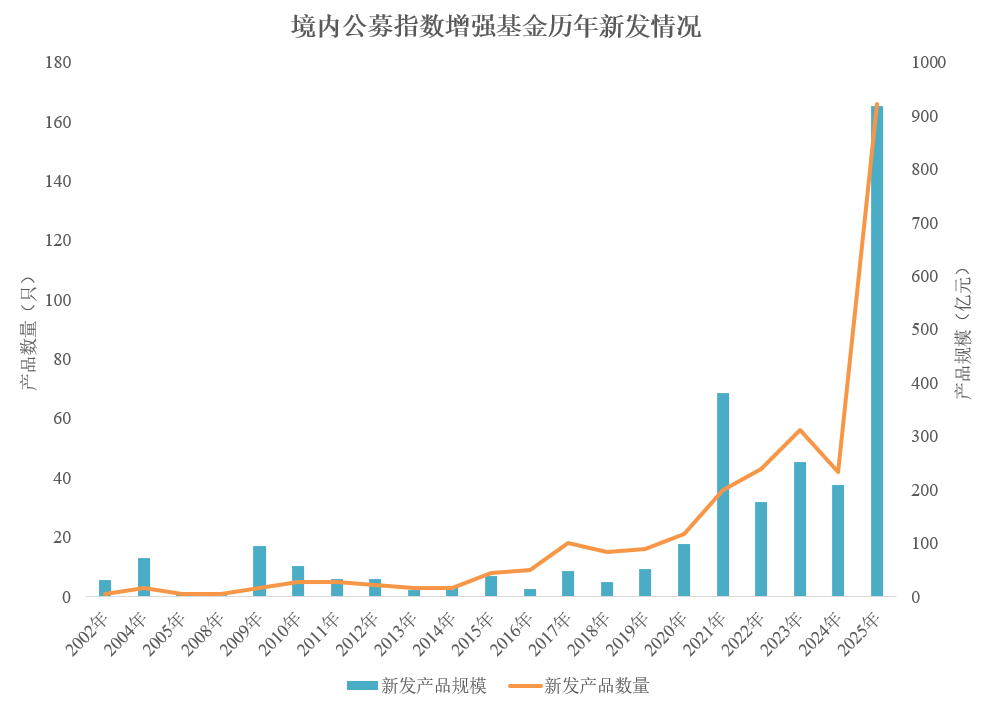
数据显示,2025年以来,公募行业共新成立166只指数增强基金,合计新发规模超910亿元,两项数据均超越过去三年指增产品的新发总和。 由于基金管理人的积淀差异,指增产品布局的"进度条"已然形成梯度:部分头部机构指增产品线已形成对主流指数的全覆盖;部分中游机构 刚开始发力布局;还有部分小型机构今年初步试水,成立公司旗下首只指增产品。 指增产品爆发式增长 今年5月,证监会发布《推动公募基金高质量发展行动方案》,着重强化了业绩比较基准的约束作用,无论是绩效考核、分类评价还是薪酬管 理等,都将围绕业绩比较基准这一锚点展开相关工作。 监管导向已经明显传导到产品端。今年以来,紧密跟踪标的指数且力争在此基础上做出超额收益的指数增强产品,成为公募机构争相布局的 重点品种。 数据显示,截至12月9日,今年以来新成立的指增产品达166只,合计新发规模突破910亿元,两项数据均超越过去三年(2022年至2024年)指 增产品的新发总和,指数增强基金在2025年迎来爆发式增长。 指增业务呈现"梯度"发展 记者进一步观察发现,在指增产品的爆发式发展过程中,由于业务积淀的参差不齐,各家基金管理人的指增产品布局"进度条"已然形成梯 度。 ...
博时基金董事长张东:以科创投资“五大支柱”服务新质生产力发展
2 1 Shi Ji Jing Ji Bao Dao· 2025-12-09 10:10
Core Viewpoint - The Chinese public fund industry is entering a critical year for high-quality development in 2025, transitioning from scale expansion to value creation, driven by the implementation of the "Action Plan for Promoting High-Quality Development of Public Funds" and the "14th Five-Year Plan" [1][3] Group 1: Industry Transformation - The public fund industry has achieved significant progress, with cumulative investor returns exceeding 8 trillion yuan since 1998, and profits surpassing 2 trillion yuan in the first three quarters of 2025, marking a historical high [3] - The "Action Plan" aims to reshape the industry by focusing on investor interests and supporting the construction of a financial powerhouse, emphasizing the need for a long-term assessment mechanism centered on investor profitability [3][4] - The "14th Five-Year Plan" highlights the importance of developing technology finance, green finance, inclusive finance, pension finance, and digital finance, providing guidance for public funds to serve the real economy [3][4] Group 2: Company Strategy - The company aims to fulfill four key roles: creator of customer value, discoverer of investment value, leader in high-quality development, and builder of a financial powerhouse [4][5] - As a creator of customer value, the company focuses on enhancing asset management and wealth management capabilities, ensuring that investor interests are prioritized [4] - The company seeks to enhance its investment research capabilities, improving pricing and allocation abilities across various asset classes [4][5] Group 3: Focus on Innovation - The company emphasizes the development of rights-based funds and index funds to attract long-term capital and serve small and medium investors, while also establishing a risk compliance system aligned with high-quality development and regulatory requirements [5] - The company plans to actively participate in public fund reforms and innovations, enhancing its service capabilities for the real economy, particularly in technology finance and green finance [6][7] Group 4: Supporting New Product Development - The company is committed to developing a comprehensive system for technology investment, focusing on five key capability pillars, including integrated research systems and dynamic pricing methods for technology enterprises [9][10] - The company aims to create a product matrix that includes various technology innovation indices and ETFs, providing transparent and efficient investment options for the market [10][11] - The company will continue to refine its technology investment research capabilities, striving to enhance investor satisfaction and contribute to the high-quality development of the industry [11]
谁拿走了沐曦股份最多的筹码?
财联社· 2025-12-09 09:15
Core Viewpoint - The article highlights the competitive nature of the offline subscription for Muxi Co., with significant interest from institutional investors, indicating a strong demand for shares in the technology sector [1][2]. Group 1: Subscription and Allocation Details - Muxi Co. had a total of 401 million shares issued at a price of 104.66 yuan per share, raising approximately 4.197 billion yuan, with a total offline subscription amounting to 571.69 million shares [1]. - The offline allocation structure shows that 269 institutional investors participated, with public funds, insurance asset management, and securities asset management dominating the allocation [3][4]. - A total of 85.83% of the offline subscription volume came from A-class investors, who received 98.04% of the total offline allocation, indicating a strong preference for long-term holding [3][4]. Group 2: Institutional Participation - Major public funds accounted for over half of the total allocation, with 94 public funds participating and receiving 1.339 million shares, amounting to approximately 1.402 billion yuan [4][5]. - Notable public funds such as E Fund, Southern Fund, and ICBC Credit Suisse were among the top participants, with significant allocations [4][5][6]. - Insurance funds also played a crucial role, collectively acquiring about 404.70 million shares, with an average of 5,000 shares per product, indicating a strategic long-term investment approach [7][8]. Group 3: Private Fund Participation - Private funds, particularly quantitative funds, adopted a strategy of broad participation with smaller allocations, resulting in limited but widespread involvement [10][12]. - A total of 110 private funds participated, acquiring approximately 367,500 shares, which accounted for a small portion of the total allocation [12][13]. - The article notes a trend where larger private funds dominate the allocation, while smaller funds tend to participate in a more fragmented manner [12][13]. Group 4: Market Implications - The allocation structure reflects a growing trend in the technology IPO market, where long-term institutional investors are complemented by more agile private funds, creating a balanced investment ecosystem [13]. - The combination of long-term capital from public and insurance funds with the liquidity provided by private funds is seen as a stabilizing factor for stock prices post-IPO [9][13].

ETF及指数产品网格策略周报-20251209
HWABAO SECURITIES· 2025-12-09 08:34
Group 1 - The report outlines a grid trading strategy that focuses on profiting from price fluctuations rather than predicting market trends, making it suitable for volatile markets [4][13] - Characteristics of suitable grid trading targets include being exchange-traded, having stable long-term trends, low transaction costs, good liquidity, and high volatility, with equity ETFs being particularly appropriate [4][13] - The report highlights key ETFs for grid trading, including the military industry ETF, which is expected to benefit from a new procurement cycle driven by the "14th Five-Year Plan" and a projected defense budget of 1.81 trillion yuan for 2025, a 7.2% increase [4][14] Group 2 - The gaming ETF is noted for its strong growth potential due to the normalization of game license approvals, with 1,624 licenses issued from January to November 2025, significantly surpassing the previous year's total [5][17] - The software ETF is positioned to capture opportunities from domestic software replacement and AI-driven transformations, supported by policies promoting technological self-reliance and innovation [6][20] - The Hang Seng Internet ETF is expected to enhance commercial monetization through AI integration, as major internet companies are increasingly deploying AI products to improve user engagement and service capabilities [7][23]
两市ETF两融余额增加2.26亿元丨ETF融资融券日报
2 1 Shi Ji Jing Ji Bao Dao· 2025-12-09 08:17
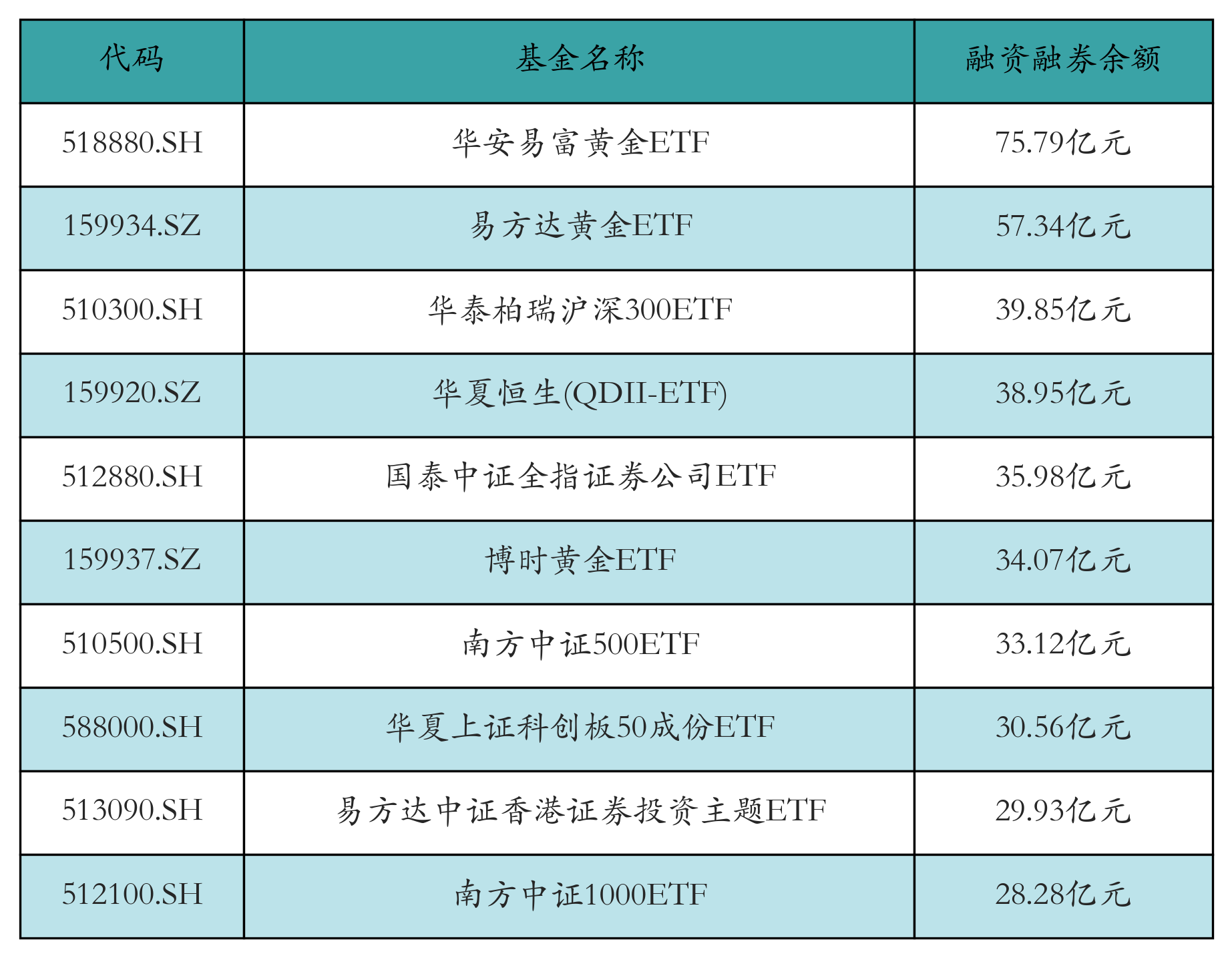
Market Overview - On December 8, the total ETF margin balance in the two markets reached 118.274 billion yuan, an increase of 0.226 billion yuan from the previous trading day [1] - The financing balance was 110.272 billion yuan, up by 0.181 billion yuan, while the securities lending balance was 8.003 billion yuan, increasing by 44.806 million yuan [1] - In the Shanghai market, the ETF margin balance was 82.695 billion yuan, with a slight increase of 43.056 million yuan from the previous day [1] - The financing balance in the Shanghai market decreased by 5.0863 million yuan to 75.654 billion yuan, while the securities lending balance increased by 48.1423 million yuan to 7.041 billion yuan [1] - In the Shenzhen market, the ETF margin balance was 35.58 billion yuan, increasing by 1.83 billion yuan [1] - The financing balance in the Shenzhen market rose by 1.86 billion yuan to 34.618 billion yuan, while the securities lending balance decreased by 3.3357 million yuan to 0.962 billion yuan [1] ETF Margin Balance - The top three ETFs by margin balance on December 8 were: - Huaan Yifu Gold ETF (7.579 billion yuan) - E Fund Gold ETF (5.734 billion yuan) - Huatai-PB CSI 300 ETF (3.985 billion yuan) [2] ETF Financing Amount - The top three ETFs by financing amount on December 8 were: - E Fund CSI Hong Kong Securities Investment Theme ETF (1.853 billion yuan) - Haifutong CSI Short Bond ETF (1.347 billion yuan) - Huatai-PB Southern Dongying Hang Seng Technology Index (QDII-ETF) (0.761 billion yuan) [4] ETF Financing Net Amount - The top three ETFs by financing net amount on December 8 were: - Guotai CSI All-Index Communication Equipment ETF (740.699 million yuan) - Harvest CSI STAR Market Chip ETF (634.591 million yuan) - Yongying National Certificate Commercial Satellite Communication Industry ETF (511.868 million yuan) [6] ETF Securities Lending Amount - The top three ETFs by securities lending amount on December 8 were: - Huatai-PB CSI 300 ETF (392.657 million yuan) - Huaxia CSI 1000 ETF (200.044 million yuan) - Huaxia Shanghai 50 ETF (178.288 million yuan) [8]