
国光电气

Search documents
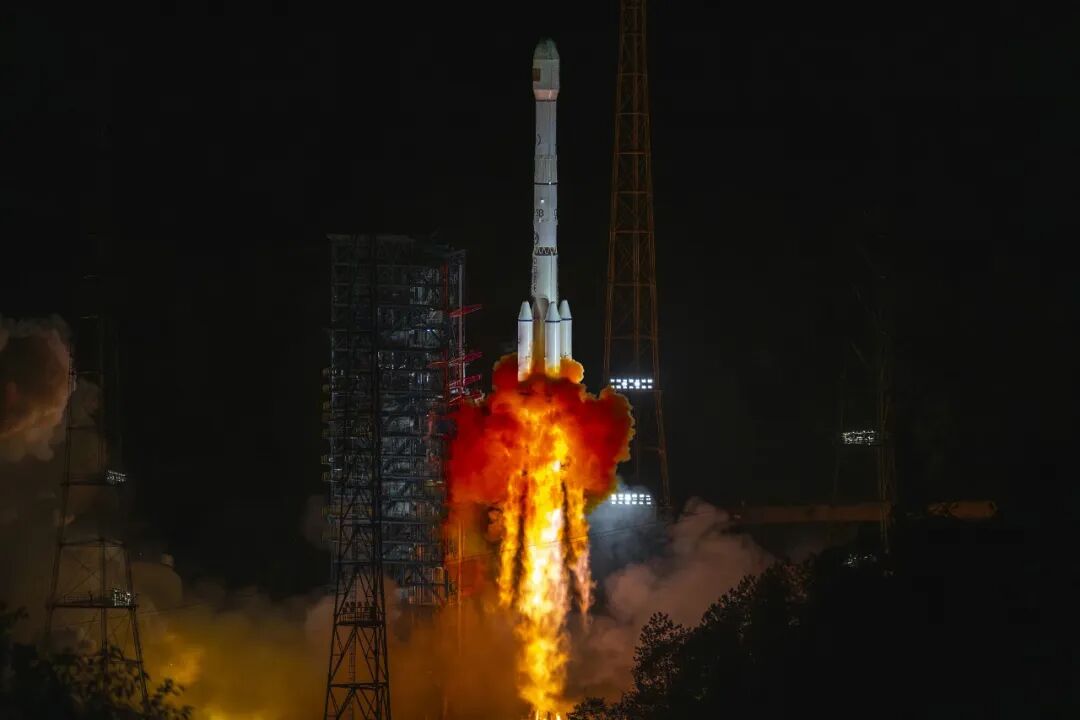
一天两枚火箭发射失利 中国航天科技集团、星河动力两家公司发文:具体原因正排查
Mei Ri Jing Ji Xin Wen· 2026-01-18 05:26
Group 1: Rocket Launch Failures - On January 17, two rocket launch failures were reported, including the Long March 3B rocket and the private company Star River's Gushen II rocket [1][2] - The Long March 3B rocket experienced an anomaly during its third stage, leading to mission failure, while the Gushen II rocket also faced flight anomalies during its first test flight [4][6] Group 2: Long March 3B Rocket Overview - The Long March 3B rocket is China's first rocket model to exceed 100 launches, with a total of 115 launches, 110 successful and 3 failures [6] - It is primarily used for launching heavy satellites into geosynchronous transfer orbits and is a key player in China's commercial launch services [4][5] Group 3: Star River Company Profile - Star River, established in 2018, is the first private company in China to achieve mass production and high-density launches of rockets [8] - The company has raised over 5.3 billion yuan through multiple funding rounds, with a post-investment valuation of 15-16 billion yuan after a recent 2.4 billion yuan Series D financing [8][9] Group 4: Industry Context and Challenges - The Chinese commercial space industry is transitioning from technology validation to large-scale operations, facing challenges such as low rocket supply and high launch costs [12][13] - The industry is experiencing a downturn following a surge in stock prices, with significant declines in commercial space concept stocks observed recently [14][16]


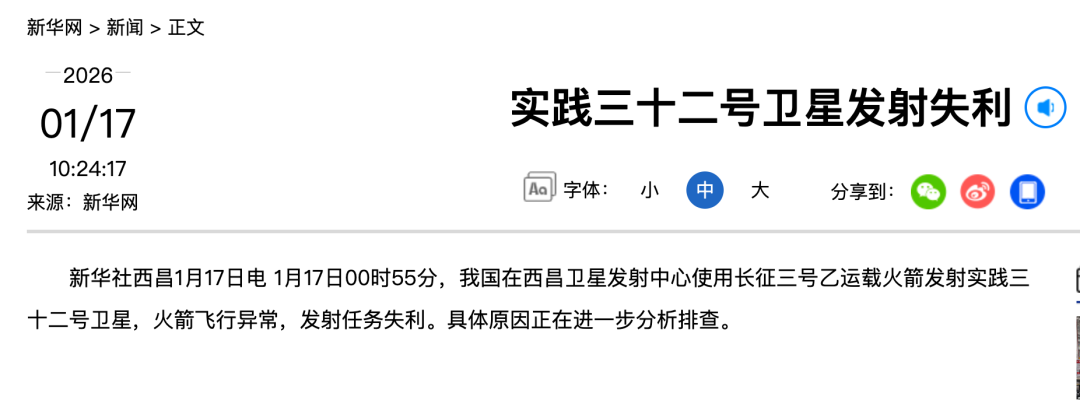
一天两枚火箭发射失利,中国航天科技集团、星河动力两家公司发文:具体原因正排查
Mei Ri Jing Ji Xin Wen· 2026-01-18 05:08
Core Viewpoint - The aerospace sector is experiencing volatile reactions in the capital market, highlighted by two recent rocket launch failures on January 17, 2024 [1]. Group 1: Long March 3B Rocket - The Long March 3B rocket launched the Shijian-32 satellite but experienced flight anomalies, resulting in mission failure. The specific cause is under further analysis [3][4]. - The Long March 3B is notable for being the first Chinese rocket model to exceed 100 launches, with a total of 115 launches, 110 successful, 3 failures, and 2 partial successes [10]. - This rocket is primarily used for launching heavy satellites into geosynchronous transfer orbits and is a key player in China's commercial launch services [8]. Group 2: Star River Dynamics - Star River Dynamics, established in 2018, is the first private company in China to achieve mass production and high-density launches of rockets. It focuses on solid and liquid rocket launch services [11]. - The company has raised over 5.3 billion yuan through multiple funding rounds, with a recent D-round financing of 2.4 billion yuan, achieving a post-investment valuation of 15-16 billion yuan [11]. - The company’s main product, the Gushenxing series of rockets, has successfully completed six sea launch missions, with the latest on January 16, 2024, marking a significant achievement in commercial space launches [12]. Group 3: Industry Trends and Challenges - The Chinese aerospace industry reached a record 92 launches in 2023, with a notable contribution from private companies, although the overall launch success rate still lags behind the Long March series [15]. - The industry faces challenges such as low total rocket supply, insufficient single-rocket capacity, and high launch costs, which are seen as bottlenecks in the development of the aerospace ecosystem [15]. - There is a growing expectation for private rocket companies to complement state-owned enterprises in meeting the high-frequency launch demands [15].
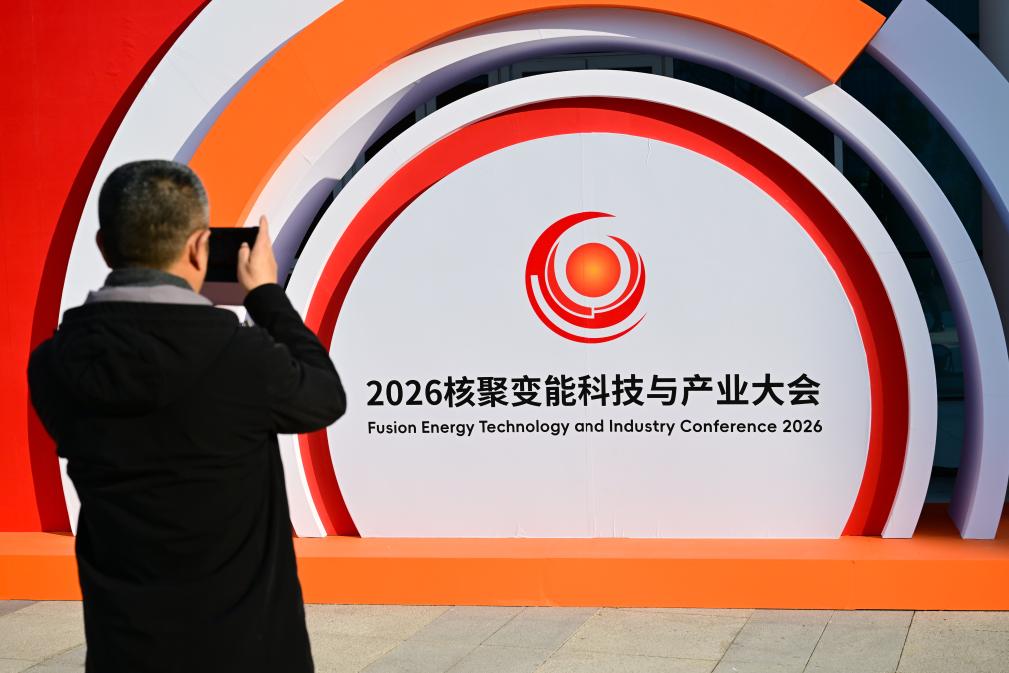
财经聚焦|“人造太阳”照进现实还有多远?
Xin Hua Wang· 2026-01-18 03:38
Core Insights - Controlled nuclear fusion is transitioning from laboratory research to engineering and commercialization, with expectations to see the first operational fusion energy by around 2030 [1] - The core of fusion commercialization lies in finding a technically feasible and economically viable path [1] - China's fusion sector is characterized by a unique collaboration model involving state-owned enterprises, private companies, and diverse partnerships [1] Group 1: Technological Developments - Advanced tokamak devices like the "East" (EAST) and "China Fusion Engineering Test Reactor" (CFETR) are leading the scientific exploration in fusion technology [2] - The construction of key systems for fusion reactor research facilities aims to support the development and verification of critical fusion technologies [2] - The next-generation "artificial sun" experimental device (BEST) aims to demonstrate power generation by 2030 [2] Group 2: Industry Collaboration - Private enterprises are emerging as key players in exploring diverse technological routes in the fusion sector [2] - Companies like Xinghuan Energy and Xinneng Xuanguang are innovating with spherical tokamaks and AI-powered energy solutions [2] - The collaboration between state-owned and private enterprises enhances the efficiency of technological iterations and accelerates the commercialization process [2] Group 3: Supply Chain and Material Demand - Major scientific advancements are driving demand for superconducting materials, vacuum equipment, and specialized power sources [3] - The successful development of extreme low-temperature heat exchange technology and ultra-high temperature radiation materials indicates significant progress in the supply chain [5] Group 4: Talent Development and Education - The establishment of fusion science and engineering programs in universities aims to cultivate interdisciplinary talent for the fusion industry [5] - Companies are enhancing practical engineering capabilities through major projects and initiatives like the Xiyuan Fusion Innovation Fund to support young researchers [5] Group 5: Financial Support and Investment - The establishment of a fusion financial institution alliance aims to align financial services with industry needs, injecting capital into the fusion sector [8] - A new investment evaluation system tailored to the characteristics of the fusion industry is being developed to support the growth of this sector [8]
【财经分析】 “人造太阳”照进现实还有多远?
Zhong Guo Jin Rong Xin Xi Wang· 2026-01-18 01:51
Core Insights - Controlled nuclear fusion is transitioning from laboratory research to engineering and commercialization, with expectations to see the first operational fusion energy by around 2030 [1][10] - The core of fusion commercialization lies in finding a feasible and economically viable technological path, with a unique collaborative structure in China's fusion sector involving state-owned enterprises and private companies [1][3] Group 1: Technological Developments - Advanced Tokamak devices like the "East" (EAST) and "China Fusion Engineering Test Reactor" (CFETR) are leading the scientific exploration in China's fusion energy sector [3] - The construction of key facilities for fusion technology research and verification is underway, aiming for operational demonstration by 2030 [3] - Private enterprises are diversifying technological routes in fusion, with companies like Xinghuan Energy and Xineng Xuanguang focusing on innovative solutions [3] Group 2: Industry Collaboration - The collaboration between state-owned and private enterprises is enhancing the efficiency of technological iterations and advancing the fusion industry chain from sporadic research to systematic construction [3][4] - Major scientific advancements are driving demand in upstream industries such as superconducting materials and vacuum equipment [4] - Cross-domain collaboration is effectively integrating research resources and industrial needs, significantly improving engineering progress [6] Group 3: Talent Development - The establishment of specialized educational institutions, such as the Fusion Science and Engineering College at Hefei University of Technology, is fostering a diverse talent pool for the fusion industry [7] - Companies are enhancing practical capabilities through major projects, while innovation funds are being set up to support young researchers [7] Group 4: Financial Support - Financial institutions are increasingly supporting the fusion industry, with the establishment of a fusion financial alliance and investment funds aimed at aligning financial services with industry needs [9] - A tailored investment evaluation system is being developed to support the unique characteristics of the fusion industry [9]
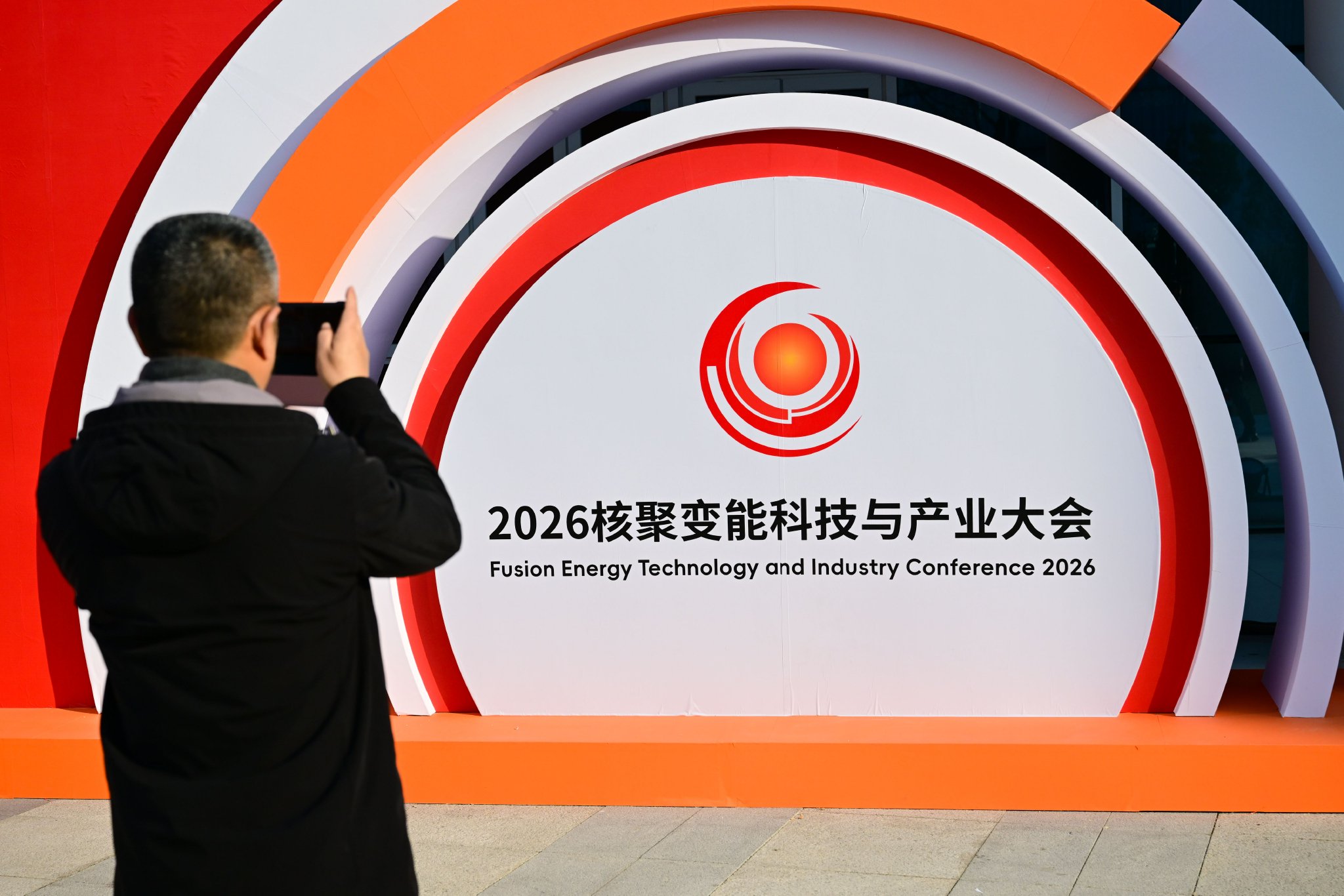
财经聚焦:“人造太阳”照进现实还有多远?
Xin Hua She· 2026-01-18 01:20
Group 1 - Controlled nuclear fusion is transitioning from laboratory experiments to engineering and commercialization, with expectations to see the first demonstration of fusion energy by around 2030 [1] - The core of fusion commercialization lies in finding a technically feasible and economically viable path, with a unique structure in China's fusion sector characterized by collaboration between state-owned enterprises and private companies [1][2] - Major advanced tokamak devices like EAST and the China Fusion Engineering Test Reactor are leading scientific exploration, supported by the construction of key research facilities for fusion technology development [2] Group 2 - The demand for upstream industries such as superconducting materials and vacuum equipment is being driven by significant advancements in large scientific devices [3] - Collaborative models, such as joint laboratories, are effectively breaking through technical bottlenecks in the supply chain, enhancing the efficiency of engineering advancements [6] - The establishment of educational institutions focused on fusion science and engineering is diversifying talent cultivation pathways, with universities like Hefei University of Technology and Lanzhou University setting up relevant programs [6][7] Group 3 - Financial institutions are increasingly supporting the fusion industry, with the establishment of a fusion financial alliance and a venture capital fund aimed at aligning financial services with industry needs [8] - The transition of fusion energy from basic research to large-scale application represents a significant opportunity for technological innovation to drive manufacturing upgrades and cultivate new productive forces [8]
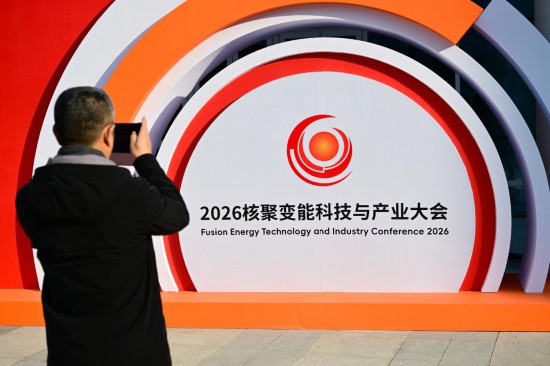
“人造太阳”照进现实还有多远?
Xin Lang Cai Jing· 2026-01-17 15:37
Core Insights - Controlled nuclear fusion is transitioning from laboratory research to engineering and commercialization, with expectations to see the first operational fusion energy by around 2030 [1] - The core of fusion commercialization lies in finding a technically feasible and economically viable path [1] - China's fusion sector is characterized by a unique collaboration model involving state-owned enterprises, private companies, and diverse partnerships [1] Group 1: Technological Developments - Advanced Tokamak devices like the "EAST" and "China Fusion Engineering Test Reactor" are leading the scientific exploration in China [3] - The construction of key facilities for fusion technology research aims to provide essential support for engineering implementation [3] - The "BEST" facility is expected to demonstrate power generation by 2030, serving as a platform for the next generation of fusion energy [3] Group 2: Industry Collaboration - Private enterprises are emerging as key players in exploring diverse technological routes in the fusion sector [3] - Companies like Xinghuan Energy and Xin'ao Group are innovating in areas such as spherical Tokamaks and safer fusion fuels [3] - A collaborative model is effectively breaking through supply chain bottlenecks, enhancing engineering efficiency [7] Group 3: Talent Development - The establishment of specialized institutes and programs in universities is aimed at cultivating a diverse talent pool for the fusion industry [8] - Initiatives like the "Xiyuan Fusion Innovation Fund" are designed to support young researchers in tackling core technologies [8] Group 4: Financial Support - The establishment of a fusion financial institution alliance aims to align financial services with industry needs [10] - A venture capital fund focused on fusion energy has been launched to provide necessary capital for industry growth [10] - The development of a tailored investment evaluation system is intended to support the unique characteristics of the fusion industry [10]
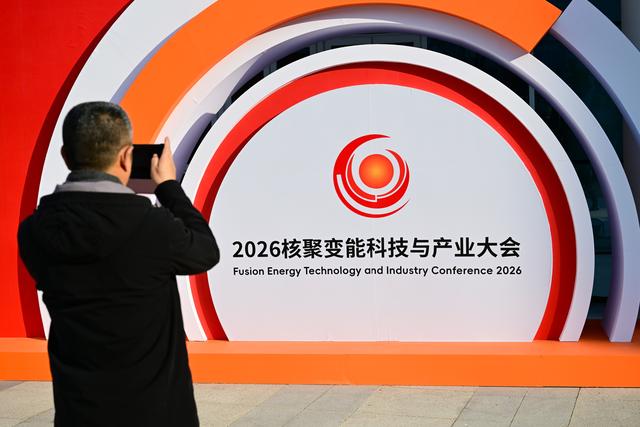
财经聚焦丨“人造太阳”照进现实还有多远?
Xin Hua Wang· 2026-01-17 15:13
Core Insights - Controlled nuclear fusion is transitioning from laboratory research to engineering and commercialization, with expectations to see the first operational fusion energy by around 2030 [1] - The core of fusion commercialization lies in finding a technically feasible and economically viable path [1] - China's fusion sector is characterized by a unique collaboration model involving state-owned enterprises, private companies, and diverse partnerships [1] Group 1: Technological Developments - Advanced tokamak devices like the "EAST" and "China Fusion Engineering Test Reactor" are leading the scientific exploration in China's fusion research [3] - The construction of key facilities for fusion technology research and verification is underway, aiming for operational demonstration by 2030 [3] - Private enterprises are diversifying technological approaches in fusion, with companies like Xinghuan Energy and Xineng Xuanguang focusing on innovative solutions [3] Group 2: Industry Collaboration - The collaboration between state-owned and private enterprises enhances the efficiency of technological iterations in fusion energy [3] - Major scientific advancements are driving demand for upstream industries such as superconducting materials and vacuum equipment [4] - Cross-domain collaboration is effectively integrating research resources and industry needs, significantly improving engineering progress [6] Group 3: Talent Development - The establishment of specialized educational institutions, such as the Fusion Science and Engineering College at Hefei University, is aimed at cultivating interdisciplinary talent [6][7] - Companies are enhancing practical capabilities through major projects and initiatives like the Xiyuan Fusion Innovation Fund to support young researchers [7] Group 4: Financial Support - Financial institutions are increasingly supporting the fusion industry, with the establishment of a Fusion Financial Alliance to align financial services with industry needs [9] - A new venture capital fund focused on fusion energy aims to create an investment evaluation system tailored to the industry's characteristics [9]

局势升级,区域冲突再起!军工含量最高的航空航天ETF天弘(159241)回调蓄势,近5日净流入近2.3亿元
Sou Hu Cai Jing· 2026-01-15 03:13
Group 1 - The Aerospace ETF Tianhong (159241) has seen a trading volume of 9.4% with a transaction value of 77.8 million yuan, while the tracked CN5082 Aerospace Industry Index has decreased by 3.30% [1] - The top-performing stocks within the Aerospace ETF include Hongdu Aviation, which rose by 10.00%, Guorui Technology up by 4.81%, and AVIC Shenyang Aircraft Corporation up by 3.80%. Conversely, Guobo Electronics fell by 16.07%, Guoguang Electric down by 10.62%, and China Satellite down by 10.00% [1] - The Aerospace ETF Tianhong (159241) has experienced a significant growth of 469 million yuan in scale over the past six months [1] - In terms of capital inflow, the Aerospace ETF Tianhong (159241) has attracted a total of 229 million yuan over the last five trading days [1] Group 2 - The Shanghai Gold ETF (159830) closely tracks Shanghai Gold (SHAU.SGE) and has a management fee rate of 0.25% and a custody fee rate of 0.05%, both lower than the average for similar products. This ETF also supports T+0 trading [2] - The global geopolitical situation has escalated, leading to an increase in arms races and a surge in international gold prices. On January 14, the international spot gold price exceeded 4,640 USD per ounce, setting a new historical record [2] - According to Shenwan Hongyuan Securities, the military industry is expected to see continued improvement in its fundamentals in the first half of 2026, with a gradual recovery in orders and performance. The implementation of the 14th Five-Year Plan is anticipated to enhance certainty in the military sector [2]
核电指数盘中跌2%,多股跌超5%
Mei Ri Jing Ji Xin Wen· 2026-01-15 02:07
Group 1 - The nuclear power index experienced a decline of 2% during intraday trading, indicating a bearish trend in the sector [1] - Component stocks showed widespread losses, with China First Heavy Industries and Xuerun Group hitting the daily limit down [1] - Guoguang Electric and Antai Technology fell over 7%, while Western Materials dropped more than 5% [1]


2025年中国微波管行业结构、细分产品、产业链及市场现状分析:在国防与科技双轮驱动下,行业不断升级换代[图]
Chan Ye Xin Xi Wang· 2026-01-15 01:20
Industry Overview - Microwave tubes, also known as ultra-high frequency tubes, operate in the frequency range of 300 MHz to 3000 GHz and are essential vacuum electronic devices that convert the kinetic or potential energy of electrons into electromagnetic wave energy, enabling the generation or amplification of microwave signals [2][4] - The Chinese microwave tube industry is projected to reach a market size of approximately 21.746 billion yuan in 2024, representing a year-on-year growth of 10.20%, driven by the rigid demand from national defense modernization and the rapid adoption of applications in civilian sectors such as 5G base station deployment and satellite internet [1][10] Industry Chain - The upstream of the microwave tube industry includes raw materials and components such as copper, alumina, electron guns, high-frequency systems, and energy transmission devices [7] - The midstream consists of the manufacturing processes of microwave tubes, while the downstream applications span radar, satellite, communication devices, automotive electronics, industrial heating, and medical equipment [7] Market Size - The radar industry in China is expected to reach a market size of approximately 71.966 billion yuan in 2024, with a year-on-year growth of 14.58%, highlighting the critical role of microwave tubes in radar systems for signal transmission and reception [9][10] Key Companies Performance - The competitive landscape of the Chinese microwave tube industry is characterized by a concentration of leading firms driven by technology, with companies like Chengdu Guoguang Electric and Kunshan Guoli Electronics holding significant market positions [11] - Chengdu Guoguang Electric, a private leader in the industry, reported a revenue of 254 million yuan in the first three quarters of 2025, a decline of 44.16% year-on-year, while Kunshan Guoli Electronics achieved a revenue of 937 million yuan, marking a growth of 71.23% year-on-year [12][14] Industry Development Trends 1. The technology route is continuously breaking through in "high frequency, high power, and high efficiency," with the integration of solid-state and vacuum technologies accelerating [15] 2. The demand structure is shifting towards "military strength and civilian advancement," with emerging applications opening new markets, particularly in the military sector driven by national defense information construction [15] 3. The strategy of self-control is deepening, with accelerated integration of the industry chain and military-civilian fusion, as domestic companies seek to reduce reliance on imports amid increasing international technology blockades [16]


