比亚迪

Search documents
从“产品出海”到“文化出海”:双轮驱动“广货”全球启新程
2 1 Shi Ji Jing Ji Bao Dao· 2026-02-10 00:25
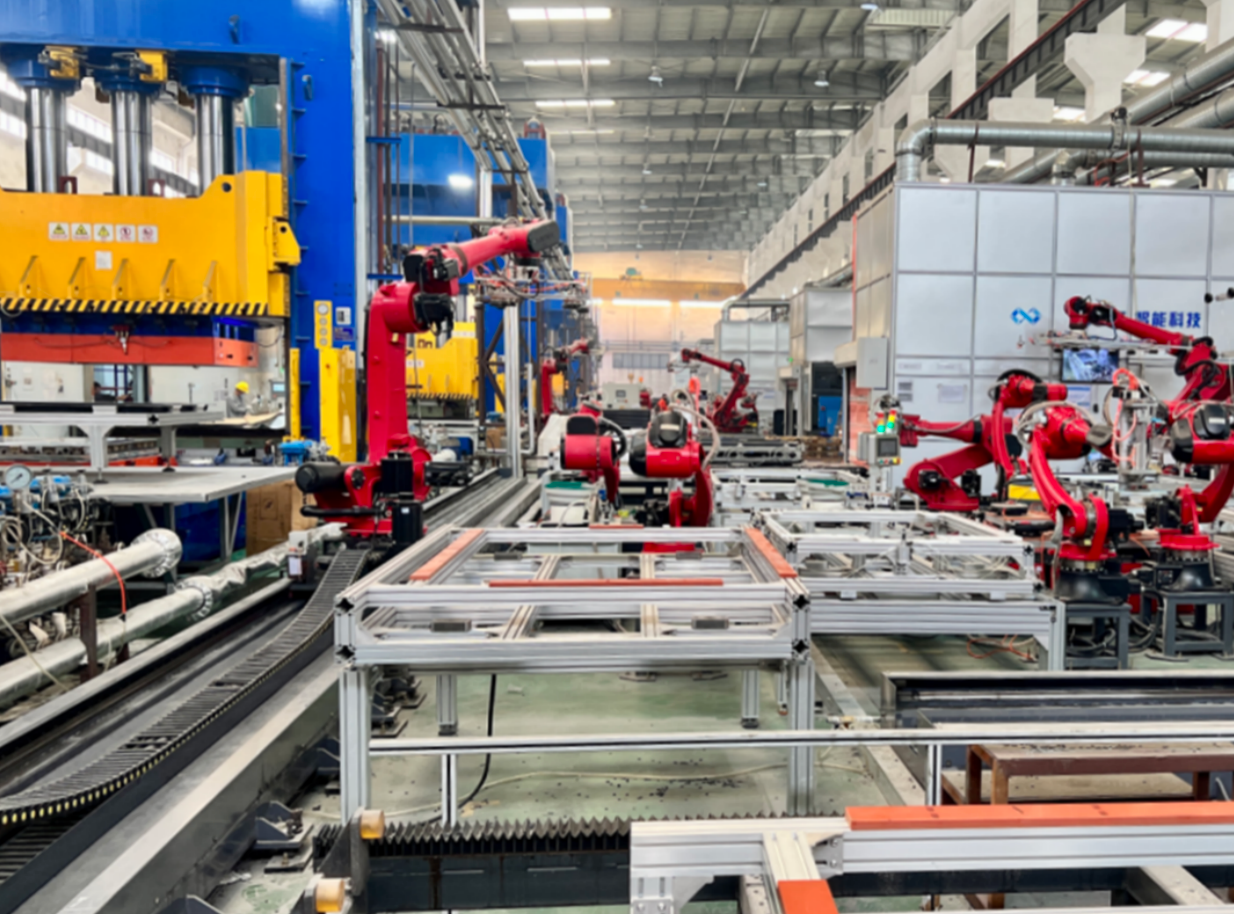
Core Viewpoint - The "Guangdong Goods Going Global" initiative represents a significant step in Guangdong's strategy to enhance its global trade presence, focusing on high-quality development and industrial upgrades, while leveraging local cultural elements to strengthen brand identity and market reach [2][3][9]. Group 1: Industrial Foundation - Guangdong has maintained its position as China's largest foreign trade province for over 30 years, accounting for about one-quarter of the national total, establishing itself as a core hub for international market engagement [3]. - The province has developed a comprehensive industrial ecosystem, particularly in consumer electronics, new energy vehicles, and home appliances, with thousands of specialized enterprises and leading companies [3][4]. - Shenzhen is highlighted as a global innovation center for consumer electronics, with major companies like Huawei and OPPO driving rapid responses to global demand through efficient industrial clusters [4][5]. Group 2: Challenges and Opportunities - Despite impressive export volumes, Guangdong's "Guangdong Goods" face challenges such as a lack of core technologies and global brand recognition, with many small enterprises relying on OEM models [4][5]. - The need for deeper cultural communication and adaptation to international standards is emphasized, as well as the importance of overcoming barriers related to green trade and geopolitical tensions [4][9]. Group 3: Policy and Platform Support - The Guangdong government has implemented supportive policies, including export tax rebates and R&D subsidies, to alleviate financial and logistical pressures on enterprises [5][10]. - The Canton Fair serves as a national-level platform facilitating global connections, attracting numerous international buyers and enhancing trade opportunities [5][10]. Group 4: Cultural Empowerment - Cultural elements are integrated into the branding and marketing strategies of "Guangdong Goods," enhancing their appeal in international markets [7][8]. - The initiative promotes a dual approach of "product + culture," allowing for a richer narrative that resonates with global consumers, as seen in the marketing of local agricultural products and traditional crafts [7][8]. Group 5: Strategic Collaboration - The dual-wheel drive strategy, combining industrial strength and cultural communication, is essential for overcoming the "big but not strong" dilemma faced by Guangdong's exports [9][10]. - Successful examples from companies like Xiaopeng and DJI illustrate the effectiveness of this collaborative approach in enhancing brand recognition and market penetration [9][10]. Group 6: Future Outlook - The "Guangdong Goods Going Global" initiative marks a new starting point for transforming Guangdong into a global brand leader, emphasizing the importance of maintaining quality and innovation while fostering cultural confidence [11].

美印贸易协议落地,特斯拉印度无关税减免
Sou Hu Cai Jing· 2026-02-10 00:21
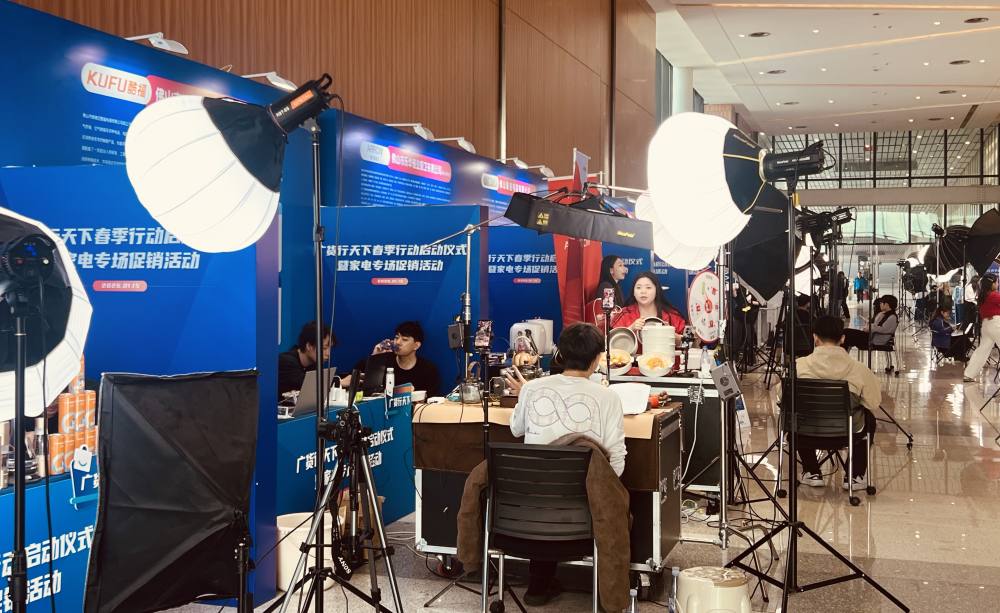
Core Viewpoint - The recent temporary trade agreement between the US and India has not provided the expected tariff reductions for Tesla, significantly hindering the company's plans to enter the Indian market, which is the world's third-largest passenger car market [2][4]. Group 1: Trade Agreement Details - The US and India have reached a temporary trade agreement that reduces tariffs on Indian goods from 50% to 18%, in exchange for India halting purchases of Russian oil [2]. - As part of the agreement, India has agreed to significantly lower tariffs on certain high-end American products, including reducing tariffs on high-end American cars (mainly large internal combustion engine models) from a maximum of 110% to 30% and eliminating tariffs on Harley-Davidson motorcycles [2][5]. Group 2: Impact on Tesla - Electric vehicles have been explicitly excluded from the tariff reductions, leaving Tesla without the anticipated benefits [4]. - Currently, India imposes high tariffs on imported electric vehicles, typically ranging from 70% to 100%, which severely limits Tesla's market penetration and pricing competitiveness [4]. - Tesla's performance in India has been disappointing, with only 227 vehicles registered in 2025, failing to sell even one-third of imported vehicles, leading to cancellations of early orders due to high prices [4]. Group 3: Competitive Landscape - The trade agreement favors traditional fuel high-end vehicles, particularly those with engine displacements over 3000cc, which will see tariffs gradually reduced to 30% over the next decade [5]. - In contrast, Tesla faces increasing pressure globally, with its sales declining for the second consecutive year in 2025, and BYD has overtaken it as the global leader in electric vehicle sales [7]. - The lack of tariff support in India suggests that Tesla will struggle to achieve scale through imports and may need to consider local production or alternative strategies to overcome barriers [7].

比亚迪硬刚美国政府要退关税!特朗普真可能输掉这场官司?胜算到底有多大?
Sou Hu Cai Jing· 2026-02-09 22:02
Core Viewpoint - Chinese companies, including BYD, are challenging the legality of tariffs imposed by the U.S. government, claiming they lack legal basis and seeking refunds for overpaid amounts [1][3]. Group 1: Legal Challenges and Implications - BYD and other companies are filing lawsuits against the U.S. government to contest tariffs, with a focus on the legality of the IEEPA (International Emergency Economic Powers Act) being used for tariff imposition [1][4]. - The ongoing legal battle has implications for thousands of similar cases, as a ruling in favor of the plaintiffs could lead to significant refunds and a reevaluation of tariff policies [1][3][4]. - The urgency of these lawsuits is driven by the need to file before the completion of tariff clearance processes, which would make refunds more difficult [3][6]. Group 2: Financial Impact - The potential refunds involved are not trivial, amounting to hundreds of billions of dollars, which could significantly affect U.S. fiscal health [3][6]. - If the court rules against the government, it could lead to the cancellation of tariffs and the return of previously paid amounts, impacting the financial landscape for many companies [3][6][13]. Group 3: Broader Industry Concerns - The legal challenges reflect a broader backlash against unilateral tariffs and the potential misuse of emergency powers in trade policy, raising concerns about the predictability of trade rules [4][6][9]. - Companies like Toyota and Costco are also affected, indicating that the issue transcends foreign versus domestic companies, evolving into a broader "business versus government" conflict [6][11]. - The use of IEEPA for trade tariffs is unprecedented and raises concerns about the potential for future administrations to exploit similar powers, threatening the integrity of trade laws [9][14]. Group 4: Market Reactions and Strategic Adjustments - Companies are beginning to adjust their strategies in response to the uncertainty, with some importing goods earlier or relocating assembly processes to mitigate tariff impacts [7][11]. - The ongoing legal proceedings are causing companies to reconsider their investments in the U.S. and their supply chain strategies, highlighting the significant economic implications of the tariff disputes [7][11][14]. Group 5: Future Outlook - The Supreme Court's eventual ruling will be pivotal, potentially establishing a precedent that could reshape U.S. trade policy for years to come [7][10][15]. - The outcome of these legal battles will not only affect the companies involved but could also redefine the balance of power between the government and businesses in the context of trade regulations [14][15].


AI需求激增 MLCC接棒内存上涨
Zhong Guo Zheng Quan Bao· 2026-02-09 20:25
Core Viewpoint - The price surge in the component supply chain, particularly for Multi-Layer Ceramic Capacitors (MLCC), is driven by the explosive growth in AI server demand, with expectations for continued price increases in the short term [1][2]. Group 1: Price Trends and Market Response - MLCC prices in South Korea have risen nearly 20%, with expectations for further increases [1]. - Capital markets have reacted positively, with significant stock price increases for leading MLCC companies such as Samsung Electro-Mechanics, which has risen over 11% this year, and other A-share companies like Fenghua Advanced Technology and Sanhua Group [1][2]. - The MLCC industry is expected to experience a bifurcation by 2026, with high-end product demand likely to surge due to the AI boom, while mid-to-low-end products face challenges from weak demand and rising costs [1][4]. Group 2: Demand Drivers and Production Capacity - The demand for high-end MLCCs is driven by AI servers, which require three times more MLCCs than standard servers, leading to supply constraints [2]. - Major manufacturers like Murata Manufacturing, Samsung Electro-Mechanics, and Taiyo Yuden are operating at over 80% capacity, with Murata expected to see a 20% to 25% increase in high-end MLCC orders in the first quarter [2][3]. - Samsung Electro-Mechanics reported record revenue in Q4 2025, with a 22% year-on-year increase in revenue from high-voltage and high-capacity MLCCs [2]. Group 3: Competitive Landscape and Domestic Market Position - The global MLCC market is dominated by major players, with the top five manufacturers, including Murata, Samsung, and Taiyo Yuden, holding over 80% market share [3]. - Chinese manufacturers have established a relative advantage in the mid-to-low-end MLCC market but are accelerating efforts to penetrate the high-end market [3]. - Companies like Sanhua Group and Fenghua Advanced Technology are focusing on high-end applications such as 5G communication, AI servers, and automotive electronics, with successful integration into supply chains of major manufacturers like BYD [3]. Group 4: Industry Outlook and Cyclical Trends - The MLCC industry is currently in an upward cycle, with a typical cycle lasting about 4 to 5 years, supported by demand from automotive electronics and AI servers [3][4]. - The industry is expected to experience significant differentiation, with high-end MLCC demand surging due to AI applications, while traditional consumer electronics face declining demand [4]. - The market for AI servers is projected to grow at an annual rate of 30%, with the MLCC market for AI servers expected to reach 3.3 times its 2025 size by 2030 [4][5].


年内已有713只个股获券商“买入”评级
Zheng Quan Ri Bao· 2026-02-09 15:52
Group 1 - The core viewpoint of the articles highlights the active adjustment of stock ratings by brokerages in response to the performance forecasts and reports of A-share companies for 2025, indicating a positive market sentiment and potential investment opportunities [1][2] - As of February 9, 2023, brokerages have upgraded ratings for 25 stocks, with 3 receiving a "strongly recommended" rating, including Huai Bei Mining and China Duty Free Group [1] - A total of 713 stocks have been given a "buy" rating by brokerages, with notable sectors being electronics, power equipment, machinery, and automotive [1][2] Group 2 - The performance of listed companies is a significant reference for brokerage ratings, with analysts noting substantial growth in revenue for companies like DiKe Co. and Baiwei Storage, leading to "strongly recommended" ratings [3] - Brokerages are focusing on sectors with strong growth potential, such as technology (including domestic chips and semiconductor equipment), high-demand industries (like energy storage and lithium battery supply chains), and sectors benefiting from policy support (like commercial aerospace and nuclear power) [3] - The distribution of the 713 stocks with "buy" ratings includes 163 in the electronics sector, 124 in power equipment, and 112 each in machinery and automotive sectors, indicating a diverse interest across industries [2]


机器人产业“链主”埃夫特求变:拟超10亿元并购IPO撤单企业 补胶接工艺短板
Mei Ri Jing Ji Xin Wen· 2026-02-09 14:26
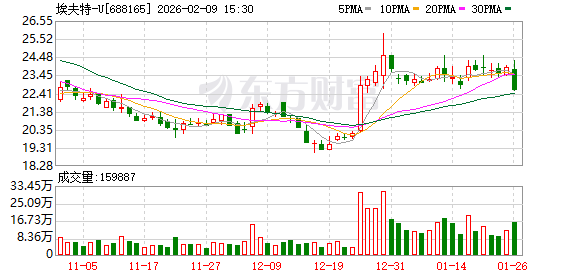
Core Viewpoint - Efort plans to acquire 100% equity of Shanghai Shengpu Fluid Equipment Co., Ltd. to enhance its product line in adhesive processes, addressing a gap in its industrial robot offerings [2][3] Group 1: Acquisition Details - The acquisition involves purchasing 95.97% of Shengpu's shares through a combination of stock and cash, with the remaining 4.03% acquired entirely in cash [2][3] - The preliminary valuation for the 95.97% stake in Shengpu is set between 1 billion to 1.2 billion yuan [2][3][4] - Efort's stock will resume trading on February 10 after being suspended since January 27 [2] Group 2: Company Background - Efort specializes in the R&D, production, and sales of core components, complete machines, and system integration for industrial robots, positioning itself as a leading player in China's industrial robot sector [3] - Shengpu focuses on precision fluid control equipment, with applications in photovoltaic components, power batteries, and automotive parts, boasting a strong client base including major industry leaders [4] Group 3: Financial Performance - Shengpu's financial data shows net profits of 84.58 million yuan in 2023, 60.08 million yuan in 2024, and 40.86 million yuan for the first nine months of 2025 [6] - The acquisition is expected to enhance Efort's business scale and profitability, with potential cost reductions through supply chain integration [6] Group 4: Challenges - Efort has faced continuous losses since its IPO in 2020, with projected net losses for 2025 expected to reach between 450 million to 550 million yuan, marking a significant year-on-year increase [7] - Shengpu previously withdrew its IPO application after initially gaining approval, citing challenges in the photovoltaic industry [7]

丰田换帅背后:日系车阵营加速分裂,中国市场成最大变数
2 1 Shi Ji Jing Ji Bao Dao· 2026-02-09 13:31
Group 1 - Toyota announced a significant management reshuffle, with CFO Koji Sato becoming President and CEO effective April 1, 2024, while former President Akio Toyoda transitions to Vice Chairman and Chief Industry Officer [1] - The company is facing dual challenges of profit pressure and market competition, with a 43% decline in net profit for Q3 of FY2026, attributed to ongoing U.S. tariff policies and the financial demands of electrification [1][2] - Despite global sales leadership, Toyota's profitability structure needs improvement, as evidenced by a 43% drop in net profit to 1.26 trillion yen, despite an 8.6% increase in sales revenue to 13.46 trillion yen [2][3] Group 2 - In the Chinese market, Toyota's sales increased by 0.23% in 2025, making it the only Japanese automaker to achieve positive growth, while Nissan and Honda saw declines of 6.26% and 24.28%, respectively [2][5] - The overall market share of Japanese brands in China has shrunk from 23.1% in 2020 to approximately 9.7% in 2025, indicating a significant decline from their peak [2][5] - Toyota's hybrid models are crucial for its profitability, with nearly half of its global retail sales in the first three quarters of FY2026 coming from electrified vehicles, primarily driven by demand in North America [3][4] Group 3 - Toyota plans to increase the annual production of hybrid and plug-in hybrid models to approximately 6.7 million units by 2028, a 30% increase from the 2026 forecast, with hybrids expected to account for nearly 60% of total planned production [3][4] - In contrast to other automakers like Stellantis and Ford, which are scaling back their electrification plans, Toyota remains committed to enhancing its profitability and has raised its financial forecasts for FY2026 [4] - The company aims to increase its overall global production, including gasoline and electric vehicles, by 10% by 2028, reaching around 11.3 million units [4] Group 4 - Japanese automakers are facing a profit crisis, with a combined profit loss of approximately 1.5 trillion yen (nearly $10 billion) due to U.S. import tariffs from April to September 2025 [6] - The domestic Japanese market is also experiencing turmoil, with Toyota maintaining its top position with 1.5 million units sold, while Nissan's new car sales dropped by 15% to 403,000 units, placing it fifth among Japanese manufacturers [6] - The rise of Chinese and American electric vehicle companies in Japan is notable, with Tesla's sales increasing by 90% to 10,693 units in 2025, and BYD's sales growing by 62% to 3,870 units [7]

比亚迪:公司适时推出兼具市场竞争力与用户价值的产品及技术方案
Zheng Quan Ri Bao Zhi Sheng· 2026-02-09 13:12
(编辑 丛可心) 证券日报网讯 2月9日,比亚迪在互动平台回答投资者提问时表示,公司始终秉持用技术创新,满足人 们对美好生活的向往,持续深耕消费者核心需求,适时推出兼具市场竞争力与用户价值的产品及技术方 案。公司认为,技术的探索永无极限。 ...
Market Digest: BYD, CLX, FLEX, LLY, MCHP, SAP, WEC, LEA, AA, CARR, VLTO
Yahoo Finance· 2026-02-09 12:18
Core Insights - The article discusses the importance of accessing investment portfolios for informed decision-making [1] Group 1 - The need for sign-in to access portfolio information highlights the emphasis on security and personalized investment management [1]
百汇达突破复材防火及增韧技术 提升产品安全性能
Zhong Guo Neng Yuan Wang· 2026-02-09 10:41
Core Viewpoint - Guangdong Baihuida New Materials Co., Ltd. is leveraging advanced composite materials to enhance battery safety in the automotive sector, positioning itself as a key player in the global market for electric vehicle components [1][2]. Group 1: Company Overview - Baihuida was established in 2013 and focuses on the innovation and industrialization of lightweight composite materials, creating a comprehensive supply chain from resin research to product manufacturing [2]. - The company is a designated supplier of battery covers for major automotive manufacturers, including GAC, Xpeng Motors, BYD, SAIC-GM-Wuling, Dongfeng Motor, and China Aviation Lithium Battery [2]. Group 2: Technological Innovations - Baihuida has developed a multi-layer composite material process that addresses the critical need for thermal runaway protection in battery covers, featuring a three-layer structure that significantly improves fire resistance [3]. - The new product can withstand flame impacts of 1200°C for 30 minutes, reducing back temperature from 670°C to below 300°C, thus enhancing safety during thermal runaway events [3]. - The introduction of a new MCC composite material combines glass fiber and short-cut yarn, achieving high strength and low production costs, filling a domestic market gap and increasing competitiveness [3]. Group 3: Financial Performance and Growth - Baihuida is projected to achieve over 200 million yuan in revenue by 2025, with an average annual growth rate of 20.66% in its main business revenue over the past two years [3]. - The company invests 7.12% of its total revenue in R&D, holding 11 patents in Class I intellectual property and capturing a 27.49% market share in its niche [3][4]. Group 4: Research and Development - The company has invested 60 million yuan to establish a comprehensive R&D center, enhancing its capabilities in resin synthesis, precision testing, and pilot production [5]. - Baihuida's production capacity is the largest in the country, with over 30 machines and an annual output of 1.6 million pieces, while automation improvements have increased production efficiency by over 35% [5]. Group 5: Collaborations and Partnerships - Baihuida collaborates with major companies like EVE Energy and Xpeng Motors to develop full composite battery box materials, as well as with universities for advanced research in carbon fiber and thermosetting resin technologies [5][6]. - The company is also focused on sustainable practices, contributing to carbon reduction goals through innovative recycling technologies and green production processes [8].