
蜜雪冰城

Search documents
过去十年,哪些“超级奶茶”封神了?
3 6 Ke· 2025-09-25 00:52
Core Insights - The article discusses the evolution of the new tea beverage industry over the past decade, highlighting significant product innovations and trends that have shaped consumer preferences [2][3]. Industry Evolution - The new tea beverage industry has experienced a "golden decade" from 2015 to 2025, marked by the emergence of "super milk teas" and innovative product offerings [2][4]. - Key products that defined this period include cheese milk cap tea, fresh fruit tea, and various unique flavors that have captured market attention [4][6]. Major Trends and Innovations - 2016 saw the rise of cheese milk cap tea, with brands like Heytea and Naixue introducing fresh fruit tea combinations, which became a hallmark of the new tea beverage era [4][6]. - The introduction of brown sugar drinks in 2017, such as the "dirty tea" from brands like Dujiaoxiang, created a new market segment and led to widespread popularity [8][10]. - By 2018, the market witnessed a surge in niche products, with brands like Shuyi and Hushang Ayi focusing on unique ingredients like grass jelly and red bean milk tea, leading to rapid expansion [14][16]. Product Highlights - Notable products from 2019 to 2020 included the introduction of creamy toppings and the "eight-treasure porridge" style drinks, which redefined consumer expectations for beverage complexity [19][21]. - The trend of using lesser-known fruits in beverages gained traction in 2021, with products like oil citrus and yellow skin fruit becoming popular, showcasing a shift towards unique flavor profiles [21][24]. - The introduction of health-focused beverages in 2023, such as light milk tea and avocado yogurt smoothies, reflects changing consumer preferences towards healthier options [29][31]. Future Outlook - By 2025, the industry is expected to continue evolving towards richer flavors and healthier options, with products like mint milk green tea and Thai salted yogurt gaining popularity [33][35]. - The article emphasizes that despite market saturation, true product innovation and quality will drive the industry's future growth, highlighting the importance of continuous improvement in ingredients and flavor profiles [35].


2025年第37周:跨境出海周度市场观察
艾瑞咨询· 2025-09-25 00:03
Group 1: Long Video Overseas Expansion - The Southeast Asian streaming market is intensifying, with an expected market size of $6.8 billion by 2030. Chinese platforms like iQIYI, WeTV, and Youku are challenging Netflix through differentiated strategies, such as high-budget local original content and flexible subscription models [3][4] - iQIYI focuses on high-budget local original content and flexible subscription models, while WeTV emphasizes idol cultivation to enhance user engagement. Youku exports mature variety show formats [3] - Chinese platforms are leveraging low subscription prices, deep localization, and local payment advantages to capture market share, particularly in Thailand where their share exceeds 40% [3][4] Group 2: New Energy Heavy Trucks Going Global - The global new energy heavy truck sector is undergoing significant transformation, with Chinese manufacturers making breakthroughs in overseas markets. The year 2025 is seen as a "breakout year" for Chinese new energy heavy trucks, with exports increasing by 200% from January to July this year [5] - Companies like DeepWay and Weitu Technology have successfully entered markets in the Middle East, Europe, and Southeast Asia through technological innovation and flexible mechanisms [5] - Key competitive advantages include technological breakthroughs and customized products, such as DeepWay's battery swap system and high-temperature resistant models [5] Group 3: Home Furnishing Industry Going Global - The Chinese home furnishing industry is shifting towards a "strategic deep cultivation" approach, with the global furniture retail market expected to reach $800 billion by 2025. North America remains the primary target market, while emerging markets like Southeast Asia and the Middle East are also gaining attention [7][8] - Companies face challenges from trade changes and supply chain adjustments, making traditional price competition unsustainable. Key strategies include supply chain integration, R&D investment, and precise marketing to enhance competitiveness [7][8] Group 4: Chinese Brands Globalization - Chinese tea brands are rapidly rising in Southeast Asia, with Mixue Ice City as a standout performer. The region's cultural proximity and young population make it an ideal market for tea brands [9] - Mixue Ice City has become a leading brand in Southeast Asia within five years, achieving revenue of 14.87 billion yuan in the first half of 2025 and over 50,000 global stores [9] - The success of Mixue's strategy includes supply chain cost reduction, localized IP, and refined operations, with its coffee brand also leveraging the same approach for global expansion [9] Group 5: Robotics Industry Going Global - Chinese robotics products are rapidly expanding in overseas markets, with some leading companies achieving over 50% of their revenue from abroad. However, data security and privacy issues pose significant challenges for startups [10] - Companies are adopting AI tools for vulnerability scanning and traffic monitoring to enhance security. Emphasis is placed on "entering the sea" rather than merely "going out," integrating into international ecosystems [10] Group 6: Xiaomi's Globalization Strategy - Xiaomi has transitioned from product export to "model export," covering over 100 markets since its global journey began in 2014. The company plans to open 10,000 Xiaomi Home stores overseas in the next five years [11][12] - Xiaomi's strategy includes high-end positioning in Europe and maintaining market share in emerging markets, with significant growth in high-end smartphone sales [11][12] Group 7: Domestic Beauty Brands Accelerating Global Expansion - Domestic beauty brands are seeking new growth through multi-brand matrices and overseas investments, with top companies like Proya and Shiseido leading the way [13] - The beauty industry is shifting focus from domestic competition to international collaboration, with brands needing to enhance their brand power and supply chain capabilities for successful globalization [13] Group 8: Flying Book's Globalization Efforts - Flying Book, a global office platform, integrates AI and collaboration capabilities to assist companies in their overseas expansion. It addresses organizational management and compliance challenges for multinational enterprises [14] Group 9: iFLYTEK's AI Global Strategy - iFLYTEK achieved a revenue of 10.911 billion yuan in the first half of 2025, with a 38% growth in C-end business. The company emphasizes the importance of self-control in its strategic direction [15][16]


蜜雪冰城柠檬水陷入供应危机
2 1 Shi Ji Jing Ji Bao Dao· 2025-09-24 09:20
Core Viewpoint - The core issue facing the company is a supply crisis of lemons, which is impacting the availability of its flagship product, lemon water [2][6]. Group 1: Supply Chain Issues - In Zhengzhou, the company's base, some stores reported having only two yellow lemons left, with others unable to place orders for more [2]. - Similar shortages have been reported in cities like Shanghai and Changsha [2]. - The company had been aware of the lemon supply issues as early as May this year [4]. Group 2: Market Conditions - Climate change has led to significant fluctuations in lemon production, with key production areas like Sichuan experiencing a 30%-60% reduction in yield due to frost, drought, and soil compaction [5]. - Internationally, major lemon-producing regions are also facing challenges, with Spain reporting a 25% reduction and Turkey's export volume dropping by 40% [5]. - Despite a supply contraction, demand has surged, with lemon procurement by tea shops increasing by 200% compared to previous periods [5]. Group 3: Price Impact - The wholesale price of lemons has nearly doubled, reaching an average of 14.98 yuan per kilogram as of September 22, compared to 7.87 yuan per kilogram a year earlier [6]. Group 4: Future Outlook - The lemon shortage may persist due to ongoing climate issues affecting core production areas [7]. - The company remains optimistic about overcoming the lemon water crisis, with a shipment of imported lemons expected to arrive soon [8][9]. - However, there are considerations among leading tea brands to incorporate concentrated lemon juice into their products, raising questions about the future status of fresh lemon water as a flagship item [9].
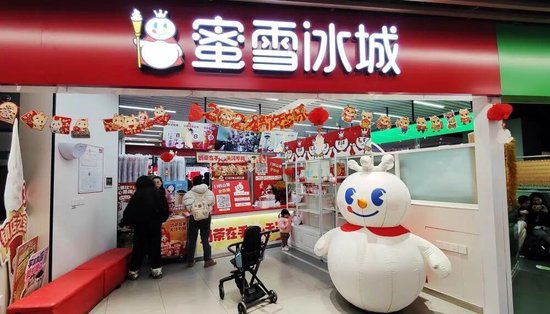
蜜雪冰城柠檬水陷入供应危机
21世纪经济报道· 2025-09-24 09:19
Core Insights - The core issue is the supply crisis of lemons, which is affecting the production of lemon water, a key product for the company, Mixue Ice City [1][2][3] Group 1: Supply Crisis - In Zhengzhou, the company's base, stores are running low on yellow lemons, with some only having two left, and others unable to place orders due to shortages [1] - The lemon supply crisis is not limited to Zhengzhou, as similar shortages have been reported in cities like Shanghai and Changsha [1] - The shortage has been anticipated since May, indicating a long-term issue with lemon supply [1] Group 2: Causes of Shortage - The primary cause of the lemon shortage is climate change, which has led to significant fluctuations in lemon production [1] - Key lemon-producing regions in China, such as Sichuan, have faced severe weather conditions, resulting in a production decrease of 30%-60% [1] - International lemon production is also affected, with Spain and Turkey reporting reductions of 25% and 40% respectively due to drought [1] Group 3: Price Impact - The national wholesale average price of lemons has surged to 14.98 yuan per kilogram, nearly doubling from 7.87 yuan per kilogram a year ago [2] - This price increase is indirectly contributing to the lemon water crisis faced by the company [2] Group 4: Future Outlook - The lemon shortage may persist due to ongoing climate issues, with limited core production areas in China [3] - The company remains optimistic about overcoming the crisis, with expectations of imported lemons arriving soon [3] - However, there are considerations among leading tea brands to use concentrated lemon juice in fresh lemon water, which may affect the product's market position [3]
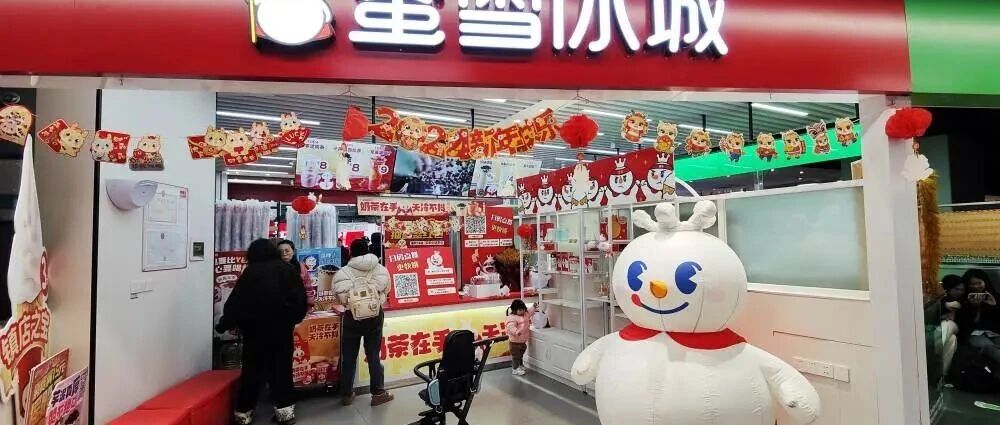
4元1杯的雪王柠檬水断货,其他茶饮凭啥躲过一劫?
3 6 Ke· 2025-09-24 04:09
Core Viewpoint - The recent shortage of lemon water at Mixue Ice City highlights significant risks within the industry, primarily due to rising lemon prices and supply chain vulnerabilities [1][5][11]. Group 1: Supply Chain and Pricing Issues - The average wholesale price of lemons in China has nearly doubled compared to the same period last year, reaching 15 RMB per kilogram as of September 17, 2025 [3]. - Mixue Ice City sells over 1 billion cups of its lemon water annually, generating approximately 4 billion RMB in sales, which constitutes 13% of the company's revenue for the first half of 2025 [5]. - The company has invested in its supply chain by controlling over 50% of high-quality fresh fruit resources in key lemon-producing areas, but this concentration has amplified risks when faced with climate disasters and global supply chain disruptions [8][11]. Group 2: Climate Impact and Global Supply Chain - Major lemon-producing regions in China, particularly Sichuan and Chongqing, have faced severe droughts and high temperatures, leading to expected reductions in lemon supply by 50-60% [8]. - Global supply chain issues, including adverse weather in other lemon-producing countries, are projected to decrease global lemon supply by 6% [8][10]. Group 3: Competitive Landscape and Risk Management - Other tea brands have successfully mitigated the lemon crisis by diversifying their sourcing strategies and using alternative lemon varieties that are less affected by climate issues [15]. - Brands like Starbucks and CoCo utilize a global sourcing model to minimize risks associated with local supply disruptions, while Mixue's low-price strategy has constrained its ability to pass on rising costs to consumers [15][19]. - The crisis underscores the vulnerability of Mixue's concentrated capital model, contrasting with competitors who have adopted more resilient supply chain strategies [20].

4元1杯的雪王柠檬水断货,其他茶饮凭啥躲过一劫?
首席商业评论· 2025-09-24 03:50
Core Viewpoint - The recent shortage of lemon water at Mixue Ice City highlights significant risks within the industry, particularly related to supply chain vulnerabilities and reliance on single-source raw materials [2][6][21]. Group 1: Supply Chain Issues - Multiple stores of Mixue Ice City have reported unavailability of lemon water, with staff confirming that the product is out of stock and expected to remain so for several days [2]. - The shortage is attributed to a sharp increase in lemon prices, with the average wholesale price reaching 15 RMB per kilogram, nearly doubling compared to the same period last year [4]. - Mixue Ice City has a significant dependency on lemons from specific regions, with over 70% of its supply sourced from Sichuan and Chongqing, making it vulnerable to climate-related disruptions [12]. Group 2: Financial Impact - The ice-fresh lemon water is a key product for Mixue Ice City, with annual sales exceeding 1 billion cups, translating to a revenue of approximately 4 billion RMB, which constitutes 13% of the company's total revenue of 14.87 billion RMB for the first half of 2025 [6][9]. - The company's low-price strategy, exemplified by the 4 RMB price point for lemon water, has pressured its supply chain, making it difficult to absorb rising costs when supply shortages occur [14][20]. Group 3: Competitive Landscape - Other tea brands have managed to avoid similar shortages by diversifying their supply sources and utilizing different lemon varieties that are less susceptible to climate impacts [16]. - Brands like Heytea and Starbucks employ global sourcing strategies and local processing to mitigate risks associated with supply chain disruptions [18]. - The contrasting business models and capital structures of competitors allow them to maintain higher profit margins, enabling them to better manage cost increases compared to Mixue Ice City, which has a lower gross profit margin of 31.6% [20]. Group 4: Broader Industry Implications - The lemon crisis reflects a broader conflict between capital concentration and diverse consumer demands, revealing the fragility of Mixue Ice City's single-capital model [21]. - The future of the tea beverage industry may shift from mere store expansion to a focus on controlling the entire supply chain, including cultivation and processing [21].

蜜雪冰城,如何度过柠檬水危机?
2 1 Shi Ji Jing Ji Bao Dao· 2025-09-24 02:53
Core Viewpoint - The supply crisis of lemon water at Mixue Ice City is primarily due to a significant shortage of lemons caused by adverse weather conditions affecting lemon production in key regions [1][5][8]. Group 1: Supply Chain Issues - In Zhengzhou, the main hub for Mixue Ice City, stores are facing a severe shortage of yellow lemons, with some stores having only two lemons left [1]. - Similar shortages have been reported in other cities such as Shanghai and Changsha [2]. - The internal discussions regarding lemon supply issues began as early as May this year, indicating that the crisis was anticipated [4]. Group 2: Production Challenges - Climate change has led to fluctuations in lemon production, with major lemon-producing areas like Sichuan experiencing a 30%-60% reduction in yield due to frost, drought, and soil compaction [5]. - International lemon production is also facing challenges, with Spain reporting a 25% decrease and Turkey's export volume dropping by 40% [5]. Group 3: Price Surge - The wholesale price of lemons has nearly doubled, reaching an average of 14.98 yuan per kilogram as of September 22, compared to 7.87 yuan per kilogram during the same period last year [6]. Group 4: Future Outlook - The lemon shortage may persist due to ongoing climate issues, with limited core production areas in China [8]. - Mixue Ice City remains optimistic about overcoming the crisis, as a batch of imported lemons is expected to arrive soon, and local lemons are entering the harvest period [9]. - However, there are considerations among leading tea brands to use concentrated lemon juice in fresh lemon water to cope with the supply crisis [10]. - The long-term viability of fresh lemon water as a flagship product may be uncertain under these conditions [11].
蜜雪冰城,如何度过柠檬水危机?丨消费参考
2 1 Shi Ji Jing Ji Bao Dao· 2025-09-24 02:47
Group 1 - The core issue is a supply crisis of lemons affecting the flagship product, lemon water, of the company Mixue Ice City [1][7] - The shortage of lemons has been reported in multiple cities including Zhengzhou, Shanghai, and Changsha [2] - The internal discussions regarding the lemon supply issue began as early as May this year [4] Group 2 - Climate change has led to significant fluctuations in lemon production, with major production areas like Sichuan experiencing a reduction of 30%-60% due to adverse weather conditions [5] - The wholesale price of lemons has surged to 14.98 yuan per kilogram, nearly double the price of 7.87 yuan per kilogram from the previous year [6] - The demand for lemons has increased by 200% due to rising summer temperatures, further exacerbating the supply issue [5] Group 3 - The lemon shortage is expected to persist due to limited domestic production areas [8] - The company remains optimistic about overcoming the lemon water crisis, with expectations of imported lemons arriving soon [9] - Some leading tea brands are considering using concentrated lemon juice as a substitute during the supply crisis [10][11]
气候危机影响蜜雪冰城“镇店之宝”柠檬水,今年柠檬批发价同比涨一倍
Di Yi Cai Jing· 2025-09-23 12:58
Core Viewpoint - The climate crisis has significantly impacted the supply and pricing of lemons, which are essential for the popular lemon water product at Mixue Ice City, leading to a doubling of wholesale prices compared to last year [1][2]. Supply Situation - After experiencing a "lemon shortage crisis," many Mixue Ice City stores in Shanghai have returned to normal supply levels for their lemon water [1]. - A recent check revealed that only one out of approximately 30 stores was out of stock, indicating a recovery in supply [1]. - The shortage was attributed to delays in imported lemons due to weather conditions and the harvesting schedule of domestic lemons, but overall lemon reserves remain sufficient [2]. Price Dynamics - As of September 22, the national average wholesale price of lemons reached 14.98 yuan per kilogram, nearly double the 7.87 yuan per kilogram from the previous year [2]. - The price surge is linked to adverse weather conditions affecting major lemon-producing regions, including a 30%-60% reduction in production in Sichuan and a 25% decrease in Spain [2]. Financial Performance - Despite the rising costs of raw materials, Mixue Ice City has not increased the price of its lemon water, which poses challenges for cost control [3]. - The company's gross margin has remained relatively stable, ranging from 29% to 31% over the past two years, which is considered average within the industry [3]. - In the first half of the year, Mixue Ice City reported revenues of 14.87 billion yuan, a year-on-year increase of 39.3%, and a net profit of 2.72 billion yuan, up 44.1% [4].
小红书母婴“顶流”登陆港股!
Zheng Quan Shi Bao Wang· 2025-09-23 12:45
Core Viewpoint - Butong Group, the parent company of high-end maternal and infant brand BeBeBus, successfully listed on the Hong Kong Stock Exchange, with its stock price rising over 40% on the first day, achieving a market capitalization exceeding HKD 9.3 billion [1] Financial Performance - Butong Group reported revenue growth from CNY 507 million in 2022 to CNY 884 million in 2024, with adjusted net profit increasing from CNY 9.974 million to CNY 73.572 million, a growth of over six times [3] - The company's gross margin for the same period was 47.7%, 50.2%, and 49.5%, with most products in its four key categories maintaining a gross margin between 40% and 60% [3] Market Position and Strategy - BeBeBus has rapidly expanded its product offerings from four core categories to cover four key scenarios: travel, sleep, feeding, and hygiene, establishing a strong market position in the mid-to-high-end parenting product market [2] - In 2024, the mid-to-high-end parenting product market is projected to account for 23.6% of the overall parenting product market, with BeBeBus holding a 4.2% market share, ranking second among Chinese parenting brands [2] Innovation and Target Market - The company's growth is driven by differentiated innovation, focusing on creating new value demands through design and functional innovation, targeting "family CFOs" who are high in purchasing power and frequency [3] - Despite a declining birth rate, the target demographic remains stable, providing consistent market demand for the company's products [3] Investment and Support - Butong Group has attracted a prestigious lineup of investors, including Tiantu Investment, Gao Rong Capital, and Jingwei Venture Partners, completing four rounds of financing since its establishment [4][5] - Tiantu Investment was the first external investor and has continued to support the company, leveraging its consumer ecosystem to enhance BeBeBus's brand assets [4] - Gao Rong Capital is the largest institutional shareholder, holding 9.8% of shares, while Tiantu Investment and Jingwei Venture Partners hold 9.24% and 7.84%, respectively [5] Industry Context - The Hong Kong Stock Exchange is experiencing a surge in consumer company listings, with significant market activity and a favorable environment for new consumer brands [6][7] - This trend provides a vital exit channel for venture capital firms previously invested in the consumer sector, as many consumer products are now ready for public listing [7]