
Stellantis N.V.

Search documents
Tesla Is Set to Buy $2 Billion in Energy Storage Systems Batteries. What Does That Actually Mean for TSLA Stock?
Yahoo Finance· 2025-11-06 18:44
Core Insights - Tesla has reached a significant supply agreement with Samsung SDI, valued at over 3 trillion won (approximately $2.1 billion), for battery cells over a three-year period, marking the largest battery order for Samsung SDI [1][6][14] - The agreement is primarily aimed at supporting Tesla's Energy Storage System (ESS) business, specifically for products like Megapack and Powerwall, rather than its electric vehicle segment [7][8][14] - Tesla's energy storage division has shown impressive growth, contributing about 12% of total revenue in Q3, with a record revenue of $3.4 billion, reflecting a 44% year-over-year increase [12][14] Company Developments - Tesla's market cap stands at $1.48 trillion, and the company is focused on accelerating the transition to sustainable energy through electric vehicles, solar energy systems, and energy storage products [3] - The company is diversifying its battery supply chain, having previously relied on CATL and BYD, to mitigate tariff-related costs, which amounted to approximately $400 million in Q3 [11][14] - The deal with Samsung SDI follows another agreement with LG Energy Solution for lithium-iron-phosphate (LFP) batteries, indicating Tesla's strategy to secure multiple suppliers for its energy storage needs [11][14] Market Context - Tesla shares have gained 10% year-to-date, despite facing pressure from broader market concerns, including a rejection of a proposed compensation package for CEO Elon Musk by Norway's sovereign wealth fund [2][4] - Analysts remain divided on Tesla's stock, with a consensus rating of "Hold," reflecting mixed sentiments about the company's future performance [13] - The growing demand for ESS in North America, driven by AI investments, has prompted Tesla to secure this supply agreement, positioning the company to capture a larger share of the expanding energy storage market [8][14]

来势迅猛,安世启动二次反制!荷兰断供,中方对阵欧盟27国
Sou Hu Cai Jing· 2025-11-06 18:29
Core Viewpoint - The conflict between ASML and its Chinese subsidiary highlights the fragility of global supply chains and the unintended consequences of political maneuvers in the semiconductor industry [1][3][10] Group 1: Supply Chain Disruption - ASML's temporary CEO announced a halt in wafer supply due to alleged payment defaults by the Dongguan factory, which ASML China refuted, claiming ASML owed 1 billion yuan [1][5] - The Dutch government's takeover aimed to sever Chinese control over ASML but resulted in a significant disruption, as 70% of ASML's end production capacity is concentrated in the Dongguan facility, leading to panic among European automakers [3][5] - Major European car manufacturers like Volkswagen and Mercedes-Benz rushed to stockpile chips, causing a 20% short-term price increase, while Dutch wafer factories faced inventory pile-up due to halted production [3][5] Group 2: Political and Economic Repercussions - The Dutch government's actions have been criticized for prioritizing political motives over market logic, with the German media noting that the automotive industry is facing real costs due to these decisions [5][7] - In response to the supply halt, the Chinese Ministry of Commerce implemented export controls on ASML's automotive chips, while allowing for flexible exemptions for affected companies, leading to a split in the European automotive sector [5][7] - ASML China indicated that its existing inventory could meet customer demands until the end of the year, and domestic wafer manufacturers are stepping in to fill the gap, accelerating the shift towards local alternatives [5][8] Group 3: Global Supply Chain Dynamics - The incident underscores the complexities of global supply chains, with ASML's model relying on a "Dutch wafer - Chinese packaging - global sales" approach, making the packaging stage a critical point of control [10] - The situation has prompted discussions about the sustainability of political interventions in market operations, with warnings from the German business community about the costs of such political maneuvers [10] - The broader implications of this conflict raise questions about the future of globalization and whether nations can maintain efficiency in supply chains while pursuing absolute autonomy [10]


Aspen Aerogels(ASPN) - 2025 Q3 - Earnings Call Transcript
2025-11-06 14:30
Financial Data and Key Metrics Changes - Q3 revenue was $73 million, a decline of $5 million or 6% quarter over quarter, primarily due to a 12% decrease in thermal barrier revenues to $48.7 million [14] - Gross profit decreased by 18% quarter over quarter to $20.8 million, with gross margin declining from 32.4% to 28.5% [14][15] - Adjusted EBITDA declined by $3.5 million quarter over quarter to $6.3 million in Q3 [15] Business Line Data and Key Metrics Changes - Thermal barrier segment gross margin was 24%, down from 31% in Q2, while energy industrial segment gross margin remained stable at 36% [15] - Energy industrial revenues increased by 7% to $24.3 million, indicating stabilization from recent lows [14] Market Data and Key Metrics Changes - North American EV sales reached record levels in Q3, but GM significantly reduced its EV production rates in October, indicating a shift in market dynamics [7][17] - GM's U.S. market share grew to 16.5%, second only to Tesla, but the company expects to determine natural EV demand early in 2026 [7][22] Company Strategy and Development Direction - The company aims to build a strong, profitable, capital-efficient business while diversifying into adjacent markets such as battery energy storage systems [6][12] - The focus is on leveraging Aerogels technology to expand into new verticals and enhance product offerings with complementary specialty materials [25][26] Management's Comments on Operating Environment and Future Outlook - Management acknowledges the challenging environment for EV OEMs and anticipates a reset in EV demand, with expectations for growth to resume from a lower base [28] - The energy industrial segment is expected to stabilize and grow, with a strong revenue trajectory anticipated in 2026 [11][28] Other Important Information - The company ended Q3 with $152.4 million in cash and equivalents, indicating a strong net cash position [16] - The company is engaging with lenders for near-term covenant relief due to the revised Q4 outlook [18] Q&A Session Summary Question: EBITDA break-even target - Management discussed the $200 million revenue target for EBITDA break-even, emphasizing the importance of production mix and cost reductions [30][31] Question: Growth in energy industrial segment - Management expressed optimism about growth in the energy industrial segment, projecting a return to higher revenue levels in 2026 [33][34] Question: European OEM award and potential volumes - The new European OEM award is expected to contribute significantly to revenue, with potential volumes projected for 2027 [39] Question: Demand for stationary storage - Management noted increasing demand for stationary storage systems and the company's readiness to meet this demand with existing technology [38] Question: Channel inventories and corrections - Management indicated progress in moving product through distribution channels, with improvements noted compared to earlier in the year [36] Question: CapEx maintenance - Management plans to maintain lower CapEx levels while ensuring efficient operations, with selective investments tied to returns [50]


Options Corner: TSLA Awaits Musk's Pay Plan Vote
Youtube· 2025-11-06 14:17
Core Insights - Tesla has shown significant performance, with a 60% increase compared to 28% for its peers in the MAG 7 stocks and only 14.6% for the S&P 500 [2] - The company is outperforming traditional automakers like GM, Ford, and Toyota, while facing competition from other EV makers and the dominant Chinese EV market [2][3] Stock Performance - Tesla's stock has been trading within an upward sloping channel, with key levels at approximately 463 for support and 488.54 for resistance [4] - A notable gap at 400 serves as a potential support level if the upward channel is broken [5] - The Relative Strength Index (RSI) indicates a mixed picture, showing bearish divergence but remaining above the 50 midline [6] Options Trading Strategy - The expected move for Tesla's options series is around 11.4% for the November 21st expiration, with significant levels at 408 for downside and 495 for upside resistance [7] - A proposed trade involves selling an out-of-the-money 490 strike call and buying a 510 strike call, with a potential credit of approximately $420 per spread [10][11] - The break-even point for this trade is set at $494.20, which is about 6.5% above the current share price of 463 [11][12] - The probability of the stock remaining below the 490 strike at expiration is estimated at 72% [13][14]
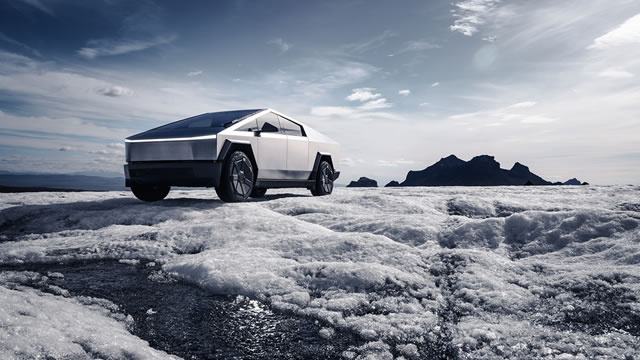
东风日产首款插混车型N6更多官图公布;日产汽车成立进出口有限公司,外资车企首次在华设立合资整车进出口公司丨汽车交通日报
创业邦· 2025-11-06 10:13
Group 1: Nissan's New Ventures - Nissan has established a joint venture import and export company in China, marking the first foreign automotive company to do so in the country. Nissan China holds a 60% stake, while Dongfeng Motor Group holds 40%. This venture signifies a new phase for Nissan in China, focusing on local development for global markets [2] - The first products to be exported from this new venture will be the Dongfeng Nissan N7 and the Frontier Pro PHEV, showcasing Nissan's commitment to leveraging local resources for international markets [2] Group 2: Automotive Import Trends - In September 2025, China's automotive imports totaled 41,000 units, reflecting a year-on-year decline of 25.6% and a month-on-month decrease of 8.7%. The import value was $2.04 billion, down 36.4% year-on-year [2] - For the first nine months of 2025, total automotive imports reached 360,000 units, a decrease of 32.4% compared to the same period last year, with an import value of $18.25 billion, down 40.1% year-on-year [2] Group 3: Autonomous Driving IPO - Pony.ai, a leading player in the autonomous driving sector, has officially listed on the Hong Kong Stock Exchange, marking the largest IPO in the global autonomous driving industry for 2025. The company issued approximately 48.25 million shares, with a potential fundraising amount of up to HKD 7.7 billion [2] - This listing follows Pony.ai's previous listing on NASDAQ, establishing a dual primary listing structure in both the US and Hong Kong [2] Group 4: New Vehicle Launches - Dongfeng Nissan has unveiled more official images of its first plug-in hybrid model, the N6, which is set to begin pre-sales soon. The N6 shares technology with the N7 and features a streamlined design with a drag coefficient of Cd 0.248 [2] - The vehicle has undergone extensive wind tunnel testing and offers multiple color options, emphasizing its design and performance capabilities [2] Group 5: Global Automotive Recalls - Stellantis has announced a global recall of 375,000 vehicles due to battery faults that have led to 19 reported fires. The recall affects certain models of the Jeep Wrangler and Grand Cherokee produced between 2020 and 2026 [2] - Owners are advised to park their vehicles outdoors until repairs are completed, highlighting the safety concerns associated with the affected models [2]




多家国际车企释放减产信号!安世半导体“风波”发酵,汽车产业遭遇新一轮“芯荒”
Mei Ri Jing Ji Xin Wen· 2025-11-06 07:26
Core Viewpoint - The semiconductor supply disruption caused by Nexperia is evolving into a new round of chip shortages in the global automotive industry, prompting various automakers to adjust production plans and seek solutions to mitigate the impact [1][4][8]. Group 1: Impact on Automotive Companies - Stellantis is actively monitoring the situation with Nexperia and is developing strategies to minimize potential disruptions to its business [1]. - Nissan's Chief Performance Officer indicated that the company can maintain chip supply until the first week of November but acknowledged that the chip supply shortage is a significant issue [4]. - Honda has begun adjusting production plans in North America and Mexico due to the supply interruption, with its plant in Celaya, Mexico, having ceased operations since October 28 [7]. - Toyota stated that while the impact of Nexperia's export restrictions is currently limited, it remains a risk [7]. - General Motors' CEO acknowledged that chip supply limitations could potentially affect production [7]. Group 2: Broader Industry Reactions - The Japanese Automobile Manufacturers Association warned that suppliers in Japan have been notified of potential delivery issues from Nexperia, which could severely impact global automotive production [7]. - In October, 16 European automakers issued a joint warning about imminent shutdowns due to the Nexperia situation, highlighting reliance on dwindling inventory to keep operations running [8]. - Major automotive parts suppliers like Bosch and ZF are also seeking solutions, with Bosch preparing for temporary layoffs and ZF considering short-time work arrangements [8].

谁在追逐欧洲电池产业的新浪潮
Di Yi Cai Jing· 2025-11-06 05:39
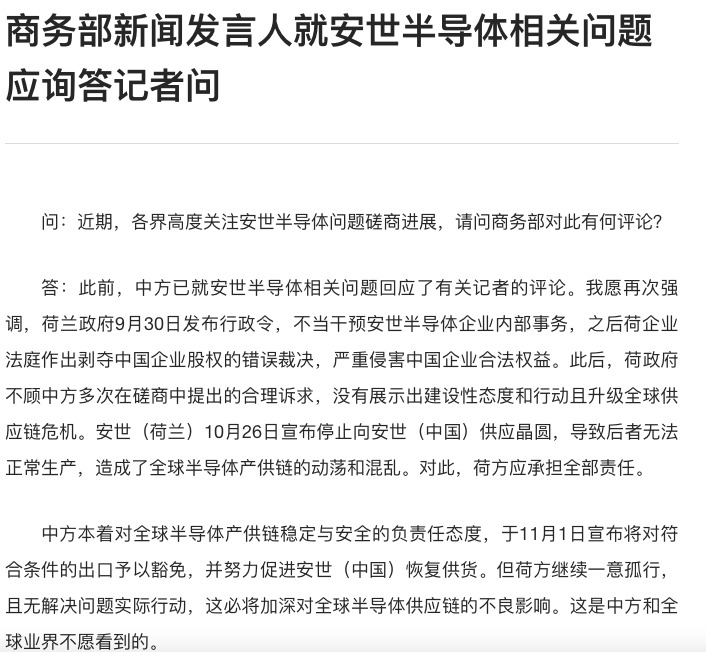
Core Insights - European economies like the UK and Germany are either restarting or planning to restart subsidies for electric vehicles (EVs) early next year, indicating a renewed focus on the EV market [1][5] - Local battery manufacturers in Europe, such as Northvolt and ACC, have faced significant challenges, including production inefficiencies and quality issues, leading to Northvolt's potential bankruptcy and ACC's halted investment plans [2][3] - The disparity in battery production capabilities between Chinese and European companies is evident, with Chinese firms demonstrating a more effective approach to scaling production and market penetration [8][13] Group 1: Market Dynamics - The European EV market is experiencing a turnaround, with a 34% year-on-year increase in sales in September 2025, reaching 307,000 units [5] - Subsidy policies in Europe are increasingly tied to local production requirements, such as the French policy mandating that vehicles be assembled in the EU and batteries manufactured in the European Economic Area [5] - Investment in the European battery sector is expected to rebound, with Richard Grtner suggesting that the worst is over for the industry [5][12] Group 2: Company Challenges - Northvolt, once a highly anticipated battery manufacturer in Europe, has encountered severe issues with product delivery and quality, leading to its potential bankruptcy proceedings in 2024 [2][3] - ACC, a joint venture involving Stellantis, Mercedes-Benz, and TotalEnergies, has also suspended its investment plans in Germany and Italy, reflecting broader struggles within the European battery sector [2][3] - The challenges faced by these companies highlight a lack of understanding of battery technology and production processes among European manufacturers [3][4] Group 3: Competitive Landscape - Chinese battery companies are rapidly expanding their presence in Europe, with significant investments and new factories being established, such as Guoxuan High-Tech's €1.2 billion plant in Slovakia [9][14] - CATL, the largest battery manufacturer globally, is also making substantial investments in Europe, including a €7.34 billion factory in Hungary with a planned capacity of 100 GWh [11] - The competitive landscape is shifting, with Richard Grtner estimating that Chinese battery factories could capture up to 80% of the European market share, leaving the remainder for American, Korean, and Japanese firms [13][14] Group 4: Strategic Adjustments - Chinese companies are adapting their strategies in Europe, often opting for joint ventures to navigate local regulations and market dynamics, as seen with CATL's partnership with Stellantis in Spain [14][15] - The approach of Chinese firms contrasts with their previous preference for wholly-owned operations, indicating a shift towards collaboration and local partnerships to enhance market access [14][15] - The evolving global economic landscape necessitates that Chinese battery manufacturers remain flexible and responsive to international conditions and local policies [15]




“高贵”的玛莎拉蒂,降到35万了 | 次世代车研所
Xin Lang Ke Ji· 2025-11-06 00:37
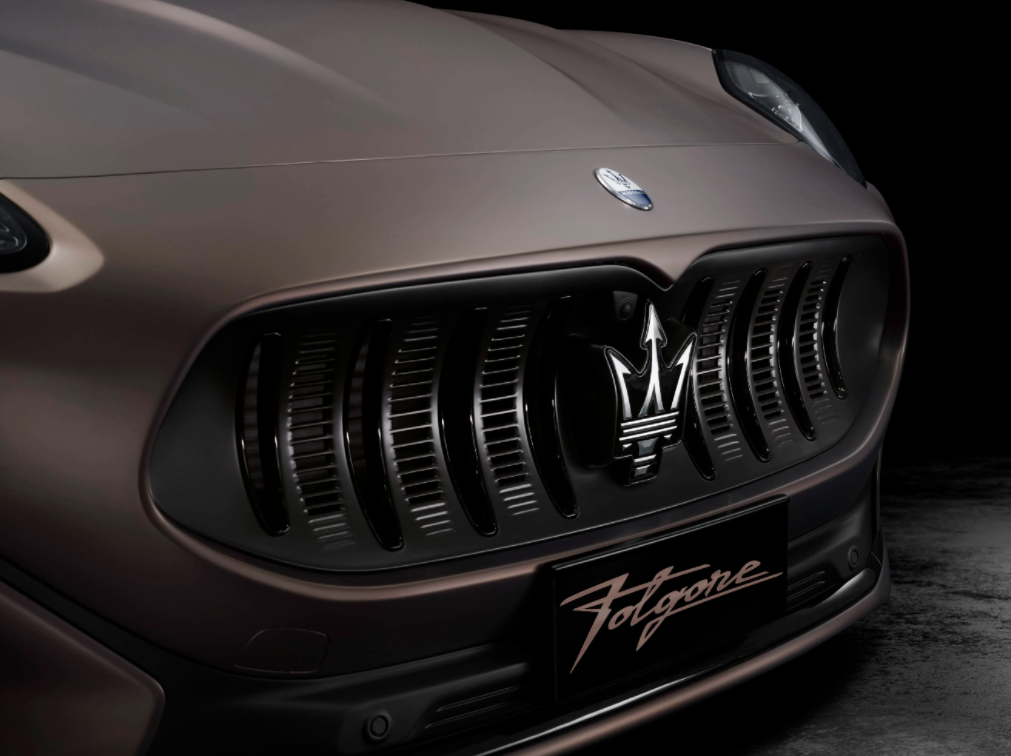
Core Viewpoint - Maserati is facing significant sales challenges in China, prompting drastic price cuts on models like the Grecale, with discounts reaching as low as 5.8% for fuel versions and nearly 60% for electric versions, indicating a severe decline in brand prestige and market presence [2][3][5]. Sales Performance - Maserati's sales in China have been declining, with a 5% drop in September and a 3% decrease from January to September this year [9]. - The brand's global sales fell from 26,689 units in 2023 to 14,725 units in 2024, a staggering 44.8% decline [7]. - In China, sales figures dropped from 4,680 units in 2022 to just 1,209 units in 2024, reducing the market share from 20% to 8.2% [7]. Pricing Strategy - The Grecale model, launched in 2022, is now offered at a starting price of 38.08 million yuan, down from a manufacturer suggested price of 65.08-103.88 million yuan, representing a discount of 5.8% [3][5]. - The electric version, Grecale Folgore, is priced at 35.88 million yuan, reflecting a discount of nearly 60% from its original price of 89.88 million yuan [5]. Management Changes - Maserati has undergone three changes in its China management since 2023, indicating instability in leadership as the brand struggles to regain market traction [6][10][12]. Marketing Efforts - The brand has attempted to rejuvenate its image through collaborations with popular mobile games like "Honor of Kings," but this strategy has received mixed reactions from consumers, with some feeling it diminishes the brand's luxury status [13][15][17]. - Despite these efforts, the overall market for luxury vehicles in China is experiencing a downturn, with other brands like Bentley and Rolls-Royce also reporting significant sales declines [13].
优步(UBER.US)FY25Q3电话会:刻意放缓利润率增长 自动驾驶业务长时间不会盈利
智通财经网· 2025-11-05 23:01
Core Insights - Uber is proud of its ability to achieve large-scale profit growth, with both ride-hailing and delivery services accelerating. The company is intentionally slowing the pace of profit margin expansion and is now asking investors to measure the company by total profit growth in dollars, committing to annual profit growth in the foreseeable future [1][7] Ride-Hailing and Delivery Business - The ride-hailing business employs a "barbell strategy," balancing basic services like UberX with premium products such as Uber for Business, which generate higher margins. Profits from these premium products are reinvested into new growth areas, including the development of autonomous vehicles (AV) [1][8] - The delivery business has seen its fastest growth in four years, with a run rate of $12 billion, significantly outpacing online food delivery growth. This growth is attributed to improvements in product offerings, particularly in grocery and retail sectors [5][10] Autonomous Driving Initiatives - Uber's autonomous driving business is currently unprofitable, with expectations that it will not achieve profitability in the coming years. The company plans to use profits from its core and premium services to support investments in AV [1][8] - A partnership with NVIDIA aims to create a Level 4 (L4) autonomous driving reference architecture, which will benefit Uber's ecosystem by enabling higher daily revenue per vehicle. Initial deployment includes 5,000 vehicles powered by NVIDIA technology, with plans for large-scale expansion [2][4] User Engagement and Cross-Platform Strategy - Only 20% of users currently utilize both ride-hailing and delivery services. Uber is implementing strategies to increase cross-platform usage, such as personalized experiences and membership programs, which have shown to triple average spending among cross-platform users [3][10] - The Uber One membership program has reached 36 million members, contributing significantly to the overall booking volume in delivery services and improving retention rates [10] Financial Performance - In Q3, adjusted EBITDA grew by 33% year-over-year, with a profit margin of 4.5% of gross bookings, marking a historical high. The company is tracking towards a three-year framework goal of high teens growth in gross bookings and a compound annual growth rate of 30% to 40% in EBITDA [7][16] - The company is focused on balancing investments across its product lines while ensuring profitability, particularly in the context of expanding its autonomous driving capabilities [7][8] Data Collection and Market Insights - Uber is leveraging its ride-hailing network to collect real-world data, particularly in high-demand areas. The collaboration with NVIDIA is expected to enhance data quality through advanced sensor technology [17] - Markets with deployed autonomous vehicles, such as Austin, have shown higher driver earnings compared to other regions, indicating a healthy market environment [6][16]

Microsoft Gets $135 Billion OpenAI Stake
Yahoo Finance· 2025-11-05 20:55
Lou Whiteman: Yeah, it's a lot to process. OpenAI continues to be a confusing structure, even with this. But I think this is a win all the way around. Microsoft gets to put a value on its stake, 135 billion, which for most of us, is a lot of money. For Microsoft, not so much, but still it's good to get that out there. There's at least hope now that OpenAI can, like you said, do an IPO or at least have ways to fund all of its massive amount of commitments. Microsoft gets that $250 billion as SPN commit, but ...
