浦发银行

Search documents
深度丨银行业内部监督职能“交棒”
2 1 Shi Ji Jing Ji Bao Dao· 2026-01-09 09:11
作为中国商业银行公司治理的"标配",运行近三十年的监事会制度,正在全行业范围内悄然谢幕。 自2024年新《公司法》及相关监管配套文件相继落地以来,从工行、农行等国有大行,到各地城商行、 农商行,纷纷加入调整行列,陆续宣布不再设立监事会。 据21世纪经济报道记者统计,截至2026年初,42家A股上市银行全部公开宣布撤销监事会,另有不少中 小银行正推进相关计划,原监事会的监督职能已整体移交至董事会下设的审计委员会。 这一变革的背后,既是银行机构顶层管理框架的重塑,更是金融机构治理效能的深度优化。这场治理调 整为何发生?全新的监督机制能否扛起内部监督的重任?银行业公司治理改革又将走向怎样的新征程? 监事会制度设立三十年 银行监事会制度的设立与退出,几乎贯穿了中国银行业市场化改革与现代公司治理建设的全过程。这一 制度的建立,深植于中国银行业改革与国有金融机构监督的特定历史背景之中。 1995年《商业银行法》首次明确要求国有独资商业银行设立监事会,旨在强化国有资产监督。随后近三 十年间,一系列规章指引相继出台,逐步细化了监事会的职责、构成与运行机制,使其成为与董事会、 高级管理层并称的"三长"之一,构成了中国公司治理结 ...
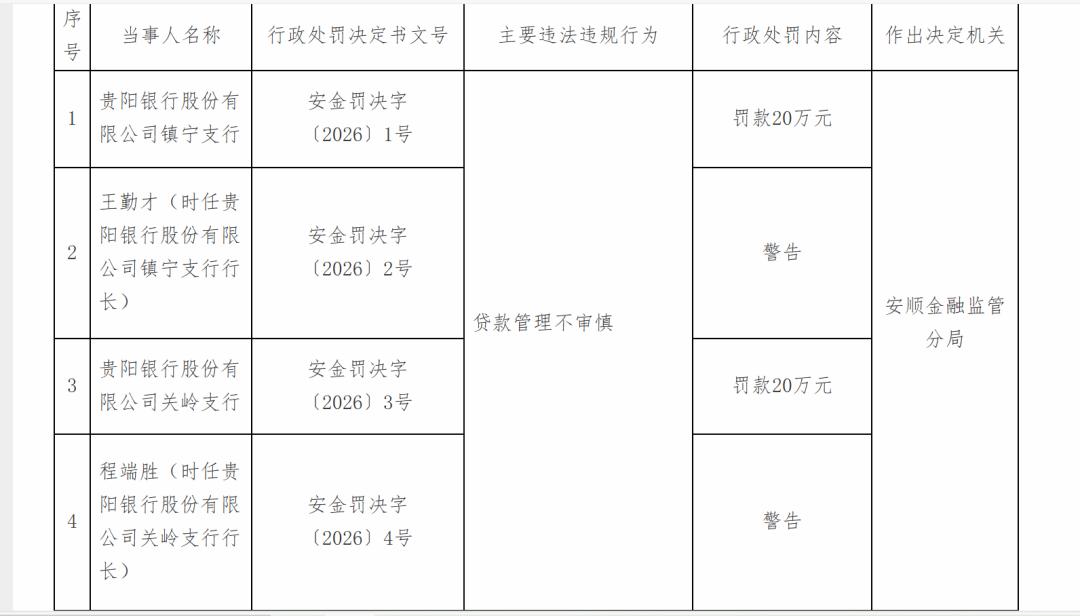
罚没26亿元,超100人被禁业,2025年6565张罚单背后:银行监管转向精准重罚
3 6 Ke· 2026-01-09 05:53
Core Viewpoint - The banking sector is facing intensified regulatory scrutiny in 2026, with multiple banks receiving fines for various violations, reflecting a shift towards more precise and severe penalties aimed at addressing systemic risks [2][3][13]. Regulatory Environment - In early 2026, several banks have already been penalized, indicating a continuation of strict regulatory measures from 2025 [1][4]. - The regulatory actions cover a range of issues, including inadequate loan management and insufficient internal controls [2][7]. Penalty Statistics - In 2025, a total of 6,565 fines were issued to banks, with over 1,000 banks penalized, marking an increase in the number of institutions facing penalties [9][10]. - The total amount of fines in 2025 reached 2.647 billion, a significant increase of 45.28% compared to the previous year, driven by a rise in the number of large fines exceeding one million [10][12]. Specific Cases - Guiyang Bank faced multiple fines in 2025, totaling 19, with the largest fine being 600,000 for inadequate loan management practices [6][7]. - The penalties imposed on Guiyang Bank included fines of 200,000 for two branches due to imprudent loan management, with responsible personnel receiving warnings [5][6]. Trends in Penalties - The trend of issuing large fines is expected to continue, with predictions indicating that the number of fines may remain stable while the amounts could increase, particularly for medium-sized banks [13]. - The focus of regulatory scrutiny is shifting towards high-risk areas, including compliance in financial technology and consumer protection [13]. Employee Accountability - The "double penalty system" has been implemented, linking compliance responsibilities directly to specific individuals, resulting in lifetime bans for over 100 bank employees in 2025 [3][8][12].

浦发银行携手AGI领军者MiniMax,共赴人工智能新时代
Jin Rong Jie Zi Xun· 2026-01-09 04:30
Core Insights - MiniMax, a Chinese AI company, has made a remarkable entry into the market by becoming the fastest AGI company to IPO, achieving this milestone in just 4 years, with a 50% stock price increase within the first 10 minutes of trading [1] - The partnership between MiniMax and Shanghai Pudong Development Bank (SPDB) is strategically aligned, focusing on technology finance as a core business strategy [1][3] - MiniMax has achieved significant international presence, with over 70% of its revenue coming from overseas and products that span text, video, and audio modalities, showcasing its competitive edge [2] Company Overview - MiniMax has invested approximately $500 million, which is less than 1% of the funding that OpenAI has received, yet it has emerged as a global leader in multimodal AI [2] - The company has developed a product matrix that includes AI-native products for both B2B and B2C markets, demonstrating a healthy growth model driven by technology rather than traffic subsidies [2] Financial Services Innovation - SPDB has created a "companion-style" financial solution tailored for leading tech companies like MiniMax, moving beyond traditional credit models to support their unique growth needs [4] - The bank's approach includes deep technical due diligence to understand the innovative language of AI, customized funding support for sustained R&D, and lifecycle services to build a growth ecosystem [4] Future Outlook - The successful IPO of MiniMax highlights the powerful cycle of "technological breakthroughs, product innovation, global market reach, and capital empowerment," indicating a promising future for AGI [5] - SPDB aims to leverage its financial expertise to support more hard-tech leaders, aligning financial resources with the demands of technological innovation [5]

外滩金融科技生态,重磅升级!
Zhong Guo Jin Rong Xin Xi Wang· 2026-01-09 03:23
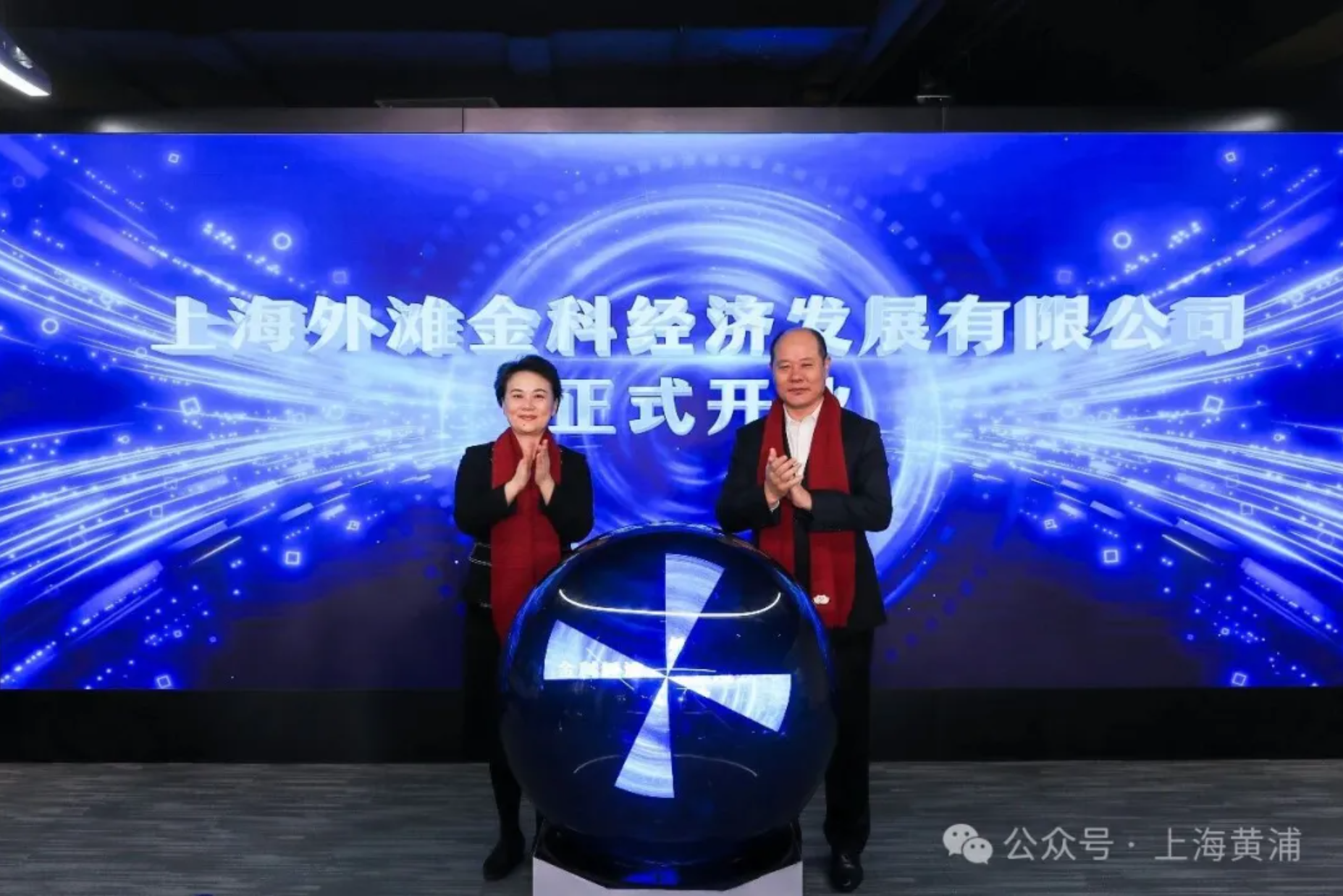
Core Insights - The article discusses the establishment of the Shanghai Bund FinTech Economic Development Company, which aims to integrate financial, technological, content, and policy resources to foster high-density innovation in the financial technology sector without relying on large-scale land expansion or sacrificing historical aesthetics [1][3]. Group 1: Company Structure and Operations - The Shanghai Bund FinTech Economic Development Company is a mixed-ownership structure with state-owned and financial shareholders, marking a shift towards professional and market-oriented operations in the financial technology ecosystem [1][3]. - The company focuses on a dual empowerment model of "Finance + Technology" and "Content + Technology," creating an ecosystem that includes incubation, investment, and industry integration [3][4]. - An operational system has been established with multiple departments collaborating on industry incubation, ecological investment, brand promotion, and comprehensive services, enhancing market responsiveness [3]. Group 2: Ecosystem Development and Partnerships - The first batch of eight fintech companies and eight content creation companies have been awarded plaques, showcasing the ecosystem's ability to attract high-quality industry resources across various fields [4]. - Key initiatives such as the establishment of a fintech laboratory, signing of ecological partner alliances, and the launch of the PuChuang Huazhang Fund have created a complete ecosystem loop from platform building to capital empowerment [4]. - The Bund FinTech ecosystem is expected to evolve from a local fintech cluster to an internationally recognized innovation hub, positioning Shanghai as a significant player in the global fintech landscape [6].
浇灌上海科创高地沃土 浦发银行赋能上海新质生产力跃升
Zhong Guo Jin Rong Xin Xi Wang· 2026-01-09 02:18
转自:新华财经 这是科技与金融的双向奔赴,沐曦股份和摩尔线程这些企业用硬核技术证明了中国GPU的实力,而浦发银行则用"集团大科创"服务体系,证明了金融服务实 体经济的深度与温度。 新华财经上海1月9日电(记者 王淑娟)跻身"五万亿之城"的上海,正加快建成具有全球影响力的科技创新高地。作为上海金融旗舰企业,浦发银行将科技 金融列为"数智化"战略主赛道,为上海新质生产力跃升提供"浦发力量"。目前,浦发银行科技金融贷款余额已突破万亿元,从原来的"领先一步"发展为"领 先一大步"。 从参与先导产业基金扶持初创企业,到以"浦科"系列产品助力成长型企业跨越发展,再到通过并购服务支撑企业全球化布局,浦发银行构建起覆盖科技企业 全生命周期的陪伴式服务体系,成为科创企业成长路上的"同行者"与"助推器"。 全周期陪伴,助力硬科技从实验室走向市场 2026年开年最大规模IPO诞生——壁仞科技1月2日登陆港交所,市值一度突破千亿元。高光时刻背后,公司创始人张文也走上台前。从华尔街投资人到国产 GPU创业者,张文用六年时间完成了一场精彩的跨界。按照张文估算,一家初创GPU公司站稳脚跟至少要6年的技术攻坚与市场培育。 "壁仞"之名来源于 ...
金融科技与内容创作“毗邻而居” “外滩FTC”增加集聚金融科技企业新功能 实践产业跨界融合发展
Jie Fang Ri Bao· 2026-01-09 01:43
Group 1 - The "Bund FTC" has officially become a hub for financial technology companies and ecosystem enterprises in Huangpu District, indicating a strategic focus on integrating financial services with technology [1][2] - Huangpu District is home to over 630 licensed financial institutions and seven national-level financial factor markets, with the financial sector contributing over 40% to the district's GDP [1] - By the end of the 14th Five-Year Plan, it is expected that the number of financial technology ecosystem enterprises in Huangpu will reach 1,000 [1] Group 2 - The establishment of the Shanghai Bund FinTech Economic Development Co., Ltd. represents a mixed-ownership structure aimed at enhancing the market-oriented and professional operation of the "Bund FTC" [2] - Huangpu District plans to enhance its financial technology ecosystem by collaborating with top domestic and international universities, research institutions, and investment firms to drive innovation [2] - The district aims to explore mechanisms for linking with global financial technology cities, focusing on cross-border financial technology and international content creation [2]
金融机构“追”着要AI应用方案 行业数字化改造向核心环节渗透
Shang Hai Zheng Quan Bao· 2026-01-08 16:49
Group 1 - Digital finance is a crucial part of the financial sector, linking technological innovation, business upgrades, and national strategy through bidding processes, reshaping service systems, business models, and competitive landscapes [2][5] - The shift in financial institutions' outsourcing bids from merely "finding people to work" to "ecosystem co-construction" reflects a transition from "heavy construction" to "heavy operation" in digital transformation [6][2] - The demand for AI applications is surging, leading to increased computing power needs, particularly for distributed and cloud-native core system upgrades [3][5] Group 2 - Huakun Zhenyu, a core hardware supplier for state-owned banks, expects its financial sector revenue to exceed 6 billion yuan in 2025, with a year-on-year growth rate of over 50% [4] - Recent bidding projects from major banks indicate a trend towards long-term, value-focused technology procurement, emphasizing "technology empowering business" rather than just hardware and software purchases [5][4] - The competitive landscape is intensifying as financial institutions increasingly seek to collaborate on digital finance initiatives, with a notable rise in project bids and the need for targeted solutions [7][8] Group 3 - The financial industry is experiencing a shift towards distributed core systems, with significant projects being launched by various banks, indicating a rapid upgrade cycle in the asset management sector [4][5] - AI technology is becoming a core component in various financial IT solutions, with smaller institutions also beginning to adopt AI applications, reflecting a trend of scaling up from larger institutions [5][4] - The financial sector's technology investments are expected to peak and slightly decline by 2026, amidst a complex landscape of overheating computing investments and the absence of standout AI applications [8][7]

开源证券晨会纪要-20260108
KAIYUAN SECURITIES· 2026-01-08 14:45
Group 1: AI Chip Industry - The AI chip market in China is projected to grow from CNY 142.54 billion in 2024 to CNY 1,336.79 billion by 2029, driven by government support and technological advancements in the domestic AI industry [5][6]. - The domestic AI industry is categorized into three stages: the first focuses on self-sufficient AI computing, storage, and power chips; the second on chip manufacturing processes like wafer fabrication and packaging; and the third on foundational technologies such as materials and EDA [6][8]. - Key players in the AI chip market include Huawei, Cambricon, and Haiguang Information, with significant growth expected in AI storage and computing chips [6][7]. Group 2: Banking Sector - The banking sector is expected to see a steady growth of CNY 3.8 trillion in wealth management products by 2026, with a year-on-year increase of 11.46% [11]. - The demand for short-term wealth management products is rising, particularly non-current management products with a duration of less than one month, which are expected to yield annualized returns close to 3-year fixed deposit rates [12]. - Major banks like Citic Bank and Everbright Bank are recommended for their diversified product lines and strong research capabilities, while other banks such as SPDB and Bank of Beijing are also seen as beneficiaries [15]. Group 3: High-end Membrane Materials - The Chinese high-end membrane materials industry is poised for rapid growth due to geopolitical tensions and the shift of the global optoelectronic industry towards China, with a focus on breaking Japan's technological monopoly [19][20]. - Key domestic companies in this sector include Dongcai Technology and Jiemai Technology, which are expanding their production capacities and entering supply chains of major clients [20]. - The market for optical films and release films is characterized by high technical barriers, with significant opportunities for domestic manufacturers to capture market share from established foreign competitors [20][21]. Group 4: Semiconductor Equipment and Materials - The semiconductor materials and equipment sector is expected to accelerate its domestic capabilities due to increased geopolitical risks and supply chain security concerns, with a focus on self-sufficiency [29][30]. - Key areas for growth include photoresists and coating equipment, where domestic companies are beginning to establish a foothold in high-end markets [31][32]. - Beneficiaries in this sector include companies like Tongcheng New Materials and Changchuan Technology, which are positioned to capitalize on the growing demand for domestic semiconductor solutions [33]. Group 5: Animal Health Industry - The company is a leading player in the animal health sector, with a strong pipeline of vaccines, including the upcoming launch of a novel African swine fever vaccine, which is expected to significantly enhance profitability [34][36]. - The company has a robust R&D framework, with a focus on innovation and a diverse range of vaccine products, which positions it well for future growth [35]. - The anticipated market for the African swine fever vaccine could reach CNY 8.4 billion annually, providing a substantial growth opportunity for the company [36].

最高年化4.5%,挂钩黄金的结构性存款成新宠
第一财经· 2026-01-08 14:18
2026.01. 08 本文字数:2499,阅读时长大约4分钟 作者 | 第一财经 陈君君 相比外资银行,国内银行也加快了黄金产品布局。招商银行自2026年以来已发行15只挂钩黄金的结 构性存款,期限从7天至90天不等,预期到期年化利率1%~1.78%,起存金额从1万元到30万元不 等。 在国际金价连续大涨、避险情绪升温的背景下,近段时间以来,多家中外资银行密集推出挂钩黄金的 结构性存款产品,期限涵盖3个月至12个月,起存门槛从1万元到1万美元不等,成为黄金投资热潮下 的新选择。 与此同时,贵金属业务风控明显趋严,工商银行等国有大行上调个人积存金风险准入等级,多数银行 已将"平衡型"设为投资入门标准,部分机构进一步提高至"进取型"。业内人士提醒投资者,理性评估 风险是参与黄金投资的关键。 结构性存款挂钩黄金成投资新趋势 开年以来,结构性存款成为银行吸引客户的重要产品。 元旦节当天,星展银行旗下"星展丰盛理财"首推看涨黄金主题结构性存款,期限为12个月,年化收益 分为1.5%和4%,最低认购金额为1万美元。 1月5日,汇丰中国推出"创煜系列"结构性存款,并非直接挂钩黄金标的,但与金矿公司挂钩,包括紫 金矿业、纽 ...
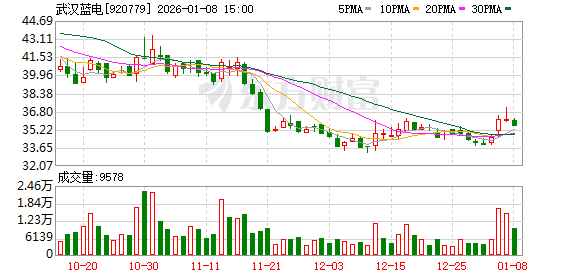
武汉蓝电:关于使用闲置募集资金进行现金管理的进展公告
Zheng Quan Ri Bao· 2026-01-08 13:10
证券日报网讯 1月8日,武汉蓝电发布公告称,公司使用闲置募集资金22000万元购买浦发银行、兴业银 行、中信银行四笔结构性存款,期限23-29天,预计年化0.70%-2.10%,截至公告日尚未到期余额22000 万元,占最近一期经审计净资产42.53%。 (文章来源:证券日报) ...