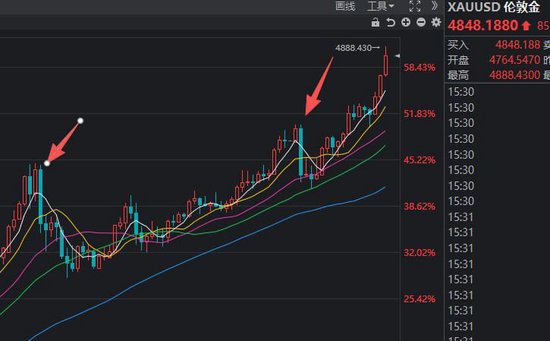
挂钩黄金的结构性存款

Search documents
金价“拉锯战”中的投资图谱:近六成受访者为“新玩家” 近七成不买黄金首饰
Sou Hu Cai Jing· 2026-02-14 00:15
Core Viewpoint - The gold market is experiencing significant volatility, with prices fluctuating dramatically, indicating a shift from a peripheral asset to a core investment asset for many investors [2][4]. Group 1: Market Dynamics - Gold prices have shown extreme fluctuations, reaching nearly $5,600 per ounce before dropping to around $4,400, and then stabilizing around $5,000 [2]. - A recent survey indicates that 38.8% of respondents have over 10% of their investable assets in gold, with 57.17% being new investors who entered the market since last year [2][4]. - The average holding cost for new investors is relatively high, with many entering the market after significant price increases [3]. Group 2: Investor Sentiment and Behavior - The primary motivations for investing in gold include inflation protection (26.58%) and risk aversion (23.05%), which together account for nearly half of the responses [3]. - A notable 54.95% of respondents indicated they would not consider purchasing gold jewelry due to high prices and associated costs, reflecting a historical separation between gold's investment and consumption attributes [5]. - Despite the volatility, 48.76% of respondents remain bullish on gold prices in the short term, with a significant portion of investors expressing cautious optimism [8]. Group 3: Investment Strategies - The survey revealed a lack of strategic discipline among investors, with 14.39% admitting to trading without a clear strategy, which is higher than those engaging in short-term trading [4]. - The preferred investment vehicles include gold ETFs (32.5%) and physical gold (19.01%), indicating a trend towards more liquid and lower-cost investment options [6]. - The majority of respondents (37.13%) are choosing to hold their positions and observe market changes, suggesting a cautious approach amidst volatility [7]. Group 4: Future Outlook - Analysts predict that while the long-term trend for gold prices remains upward, volatility is expected to increase due to various macroeconomic factors and geopolitical risks [9]. - The consensus among investors leans towards a bullish outlook for gold, with many anticipating continued price increases despite recent market corrections [8].

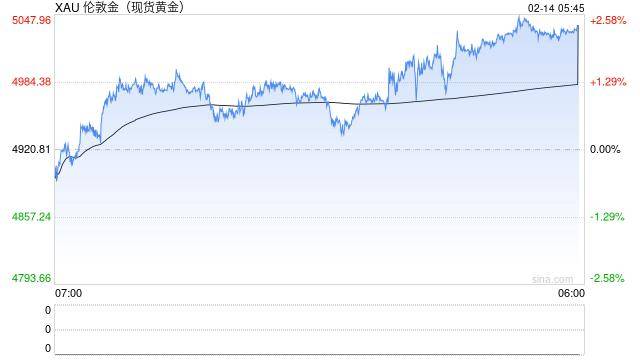
避险黄金:交易所、银行、金店掀起风控保卫战
Bei Jing Shang Bao· 2026-02-09 14:33
Core Insights - The global gold market has experienced significant volatility since 2026, with soaring gold prices igniting widespread investment enthusiasm among consumers [1][3] - Short-term trading in gold has gained popularity, leading to a surge in speculative behavior among investors, despite the inherent risks associated with such strategies [4][5] - Financial institutions are implementing stricter measures to manage risks, including raising transaction thresholds and tightening limit management to guide consumers towards more rational investment practices [8][9] Market Dynamics - The rapid increase in gold prices has led to a heightened interest in gold investments, with many consumers engaging in short-term trading rather than long-term strategies [3][4] - Social media platforms have seen a rise in discussions related to gold trading, indicating a shift in consumer sentiment towards more speculative trading practices [3] - Investors are increasingly attracted to products that offer real-time trading capabilities, reflecting a preference for short-term gains over traditional long-term investment approaches [4][5] Institutional Responses - Banks and trading institutions have begun to adjust their gold-related business practices, including raising minimum investment amounts and implementing dynamic limit management to mitigate risks [8][9] - The Shanghai Gold Exchange has raised margin requirements and optimized trading limits to reduce overall market leverage and prevent potential settlement risks [9] - Major gold retailers have also suspended certain trading activities to manage risks associated with market volatility [9][10] Risk Management - Analysts emphasize the importance of understanding the risks associated with gold as a non-yielding asset, particularly in the context of high volatility and leverage [6][10] - Financial institutions are encouraged to enhance investor education and risk assessment processes to help consumers make informed decisions regarding gold investments [12][13] - The recent adjustments in trading practices are seen as a necessary step to protect consumers and reduce the likelihood of significant losses during periods of market turbulence [10][12] Investment Strategy - Experts recommend that consumers return to the fundamental purpose of gold as a long-term asset for risk hedging rather than engaging in speculative trading [11][12] - A strategy of regular, incremental investments is suggested to mitigate the impact of market fluctuations and avoid emotional trading decisions [11][12] - Financial institutions are advised to focus on providing low-volatility investment products and ensuring that clients understand the risks associated with high-leverage products [12][13]
个别机构看多黄金到6600美元,多方提示超买风险
Di Yi Cai Jing· 2026-01-26 23:20
Core Viewpoint - The surge in gold and silver prices is driven by a combination of factors including monetary credit reconstruction, escalating geopolitical risks, and liquidity expectations, with gold prices potentially reaching $6,000 per ounce by 2026 [1][3]. Group 1: Gold and Silver Price Movements - On January 26, London spot gold broke through the $5,000 and $5,100 per ounce thresholds, reaching a historical high of $5,111 per ounce, while silver also hit a new record, surpassing $110 per ounce before settling at $108 [1]. - In the domestic futures market, the main contract for gold rose by 3.67%, reaching a new high of 1,151 yuan per gram, while silver surged nearly 13%, peaking at 28,226 yuan per kilogram [1]. Group 2: Institutional and Investor Sentiment - Various institutions maintain bullish outlooks on gold, with UBS setting a target price of $5,000 per ounce, while Goldman Sachs raised its year-end target from $4,900 to $5,400, citing increased demand from private investors and central banks [3]. - Bank of America has set a target of $6,000 per ounce for gold, predicting a significant price increase based on historical trends [3]. Group 3: Investment Trends and Demand - There is a notable increase in investor interest in gold, with many seeking to diversify their portfolios through various investment vehicles such as gold ETFs and stocks [5]. - The largest gold ETF in China surpassed 100 billion yuan in assets for the first time, reflecting a significant inflow of capital into gold investments [6]. Group 4: Central Bank Activities - Central banks globally continue to increase their gold reserves, with China's central bank reporting a rise in gold holdings, and emerging market central banks actively converting foreign reserves into gold [7]. - The World Gold Council reported that global official gold reserves reached approximately $3.69 trillion, with central banks purchasing gold at a rate significantly higher than in previous years [7]. Group 5: Market Risks and Regulatory Actions - Regulatory bodies have begun to implement measures to cool down the overheated gold market, including adjusting trading limits and increasing risk assessment requirements for gold investment products [8]. - Analysts caution that the current market is driven by emotional factors, and while the long-term outlook for gold remains positive, short-term corrections may be necessary due to overbought conditions [9].
金银价格站上历史高位 贵金属资产迎来价值重估
Sou Hu Cai Jing· 2026-01-26 17:35
Group 1: Market Trends - Gold prices have surged, with London spot gold breaking through $5,000 and reaching a historical high of $5,111 per ounce, while silver also hit a record high of $110 per ounce before settling at $108 [1] - The domestic futures market saw Shanghai gold futures rise by 3.67% to a new high of 1,151 RMB per gram, and Shanghai silver futures increased nearly 13% to a peak of 28,226 RMB per kilogram [1] - The overall market for precious metals is experiencing a revaluation driven by monetary credit reconstruction, escalating geopolitical risks, and liquidity expectations [1] Group 2: Institutional Outlook - Multiple institutions maintain bullish forecasts for gold, with UBS setting a target price of $5,000 per ounce, while Goldman Sachs raised its year-end target from $4,900 to $5,400 due to increasing demand from private investors and central banks [3] - Bank of America has set a target price of $6,000 per ounce for gold, citing historical trends where gold prices have risen significantly during bull markets [3] - Jefferies Group even suggests that gold could reach $6,600 per ounce this year, indicating a strong long-term bullish trend despite potential short-term corrections [3] Group 3: Investment Demand - There is a significant increase in investor demand for gold, with many seeking to invest in gold ETFs and stocks, leading to a surge in inquiries at brokerage firms [5] - The largest gold ETF in China surpassed 100 billion RMB in assets, reflecting a growing interest in gold investment products [6] - The total management scale of gold ETFs tracking the Shanghai Gold Exchange reached 267.9 billion RMB, prompting some ETFs to implement purchase limits to manage inflows [7] Group 4: Economic Factors - The weakening of the dollar's credit system and the acceleration of de-dollarization are contributing to the rising gold prices, as seen with Denmark's pension fund planning to divest from U.S. Treasury bonds [8] - Central banks globally continue to purchase gold at elevated levels, with estimates suggesting an average monthly purchase of 60 tons, significantly higher than pre-2022 levels [7] Group 5: Regulatory Environment - Regulatory bodies are taking measures to cool down the overheated market, including adjusting trading limits and increasing risk assessment requirements for gold investment products [9] - Major banks are also raising the risk assessment levels for clients participating in gold accumulation transactions, indicating a cautious approach to the current market dynamics [9]
挂钩黄金结构性存款何以受“热捧”
Xin Lang Cai Jing· 2026-01-23 15:50
Core Viewpoint - The recent surge in international gold prices and rising risk aversion have led to a significant increase in the popularity of gold-linked structured deposits among banks and investors [1][5]. Group 1: Market Activity - Since the beginning of 2026, multiple banks, including both domestic and foreign institutions, have launched gold-linked structured deposit products, with terms ranging from 3 months to 12 months and minimum investment thresholds from 10,000 yuan to 10,000 USD [1][2]. - Notable products include the "Point Gold" series from China Merchants Bank, offering annualized returns of 1% to 1.78% based on gold price fluctuations, and the "Stable Add Wisdom" series from Bank of Communications, with returns ranging from 0.5% to 3.2% [2][3]. - Foreign banks like DBS Bank and HSBC China have also introduced gold-linked structured deposits, with DBS offering a 12-month product with returns of 1.5% and 4%, and HSBC linking its product to mining companies rather than directly to gold [3]. Group 2: Investor Behavior - Companies are increasingly investing in gold-linked structured deposits as part of their financial strategies, with firms like Fudan Zhangjiang and Geer Software disclosing significant investments in these products [5]. - The appeal of these structured deposits lies in their ability to provide capital protection while offering the potential for higher returns, making them attractive to both individual and institutional investors [5][6]. Group 3: Risk Considerations - Experts highlight the asymmetric nature of the returns from these structured deposits, where investors may only receive lower or middle-tier returns during significant price fluctuations, thus creating opportunity costs [4][8]. - The structured deposits are subject to liquidity risks, as they typically cannot be redeemed early, locking in funds for the duration of the investment [8]. - Investors are advised to carefully assess the terms of these products, including the conditions for achieving maximum returns and the potential for losses [8].

金价爆了,直逼5000美元,金饰克价超1500元!这种存款火了,收益率可达3.2%,有银行一度售罄,多家上市公司争相买入
Mei Ri Jing Ji Xin Wen· 2026-01-23 07:41
Core Viewpoint - International gold prices have been rising since the beginning of the year, nearing the $5000 mark, driven by geopolitical uncertainties and strong demand for gold as a safe-haven asset [1][3][4]. Group 1: Gold Price Trends - As of January 23, the London spot gold price exceeded $4960 per ounce, marking a nearly 15% increase within the month [1]. - The Shanghai Gold Exchange's spot gold price and the main gold futures contract on the Shanghai Futures Exchange both surpassed 1110 yuan per gram on January 23, reaching new highs [3]. - Several gold jewelry brands reported prices for pure gold jewelry exceeding 1500 yuan per gram, with some reaching 1548 yuan, an increase of over 50 yuan from the previous day [3]. Group 2: Influencing Factors - Geopolitical uncertainties, particularly actions by U.S. President Trump regarding Venezuela, Iran, and other international issues, are contributing to the long-term support for gold prices [3]. - Fluctuations in the U.S. dollar and U.S. Treasury yields are increasing the demand for gold as a safe-haven asset [3]. - Analysts predict that gold prices may rise further due to factors such as expectations of U.S. Federal Reserve interest rate cuts and ongoing geopolitical uncertainties [4]. Group 3: Investment Products - In response to rising gold prices, structured deposits linked to gold have become popular investment options, with several listed companies announcing subscriptions [5]. - Major banks have introduced structured deposits linked to gold, with some experiencing high demand and limited availability [5]. - Despite the strong gold price trend, the overall yield of these structured deposits is not particularly high, with most products offering annualized returns not exceeding 2% [5][6]. Group 4: Structured Deposit Details - An example of a structured deposit product from a bank offers a yield ranging from 0.5% to 3.2%, depending on the performance of gold prices during the observation period [6]. - The product's maximum yield is contingent on gold prices not exceeding a 6% increase; otherwise, the yield is capped at 1.7% [6]. - Investors are advised to consider the conditions for achieving the highest yields and the implications of the minimum yield in case of unfavorable price movements [7].
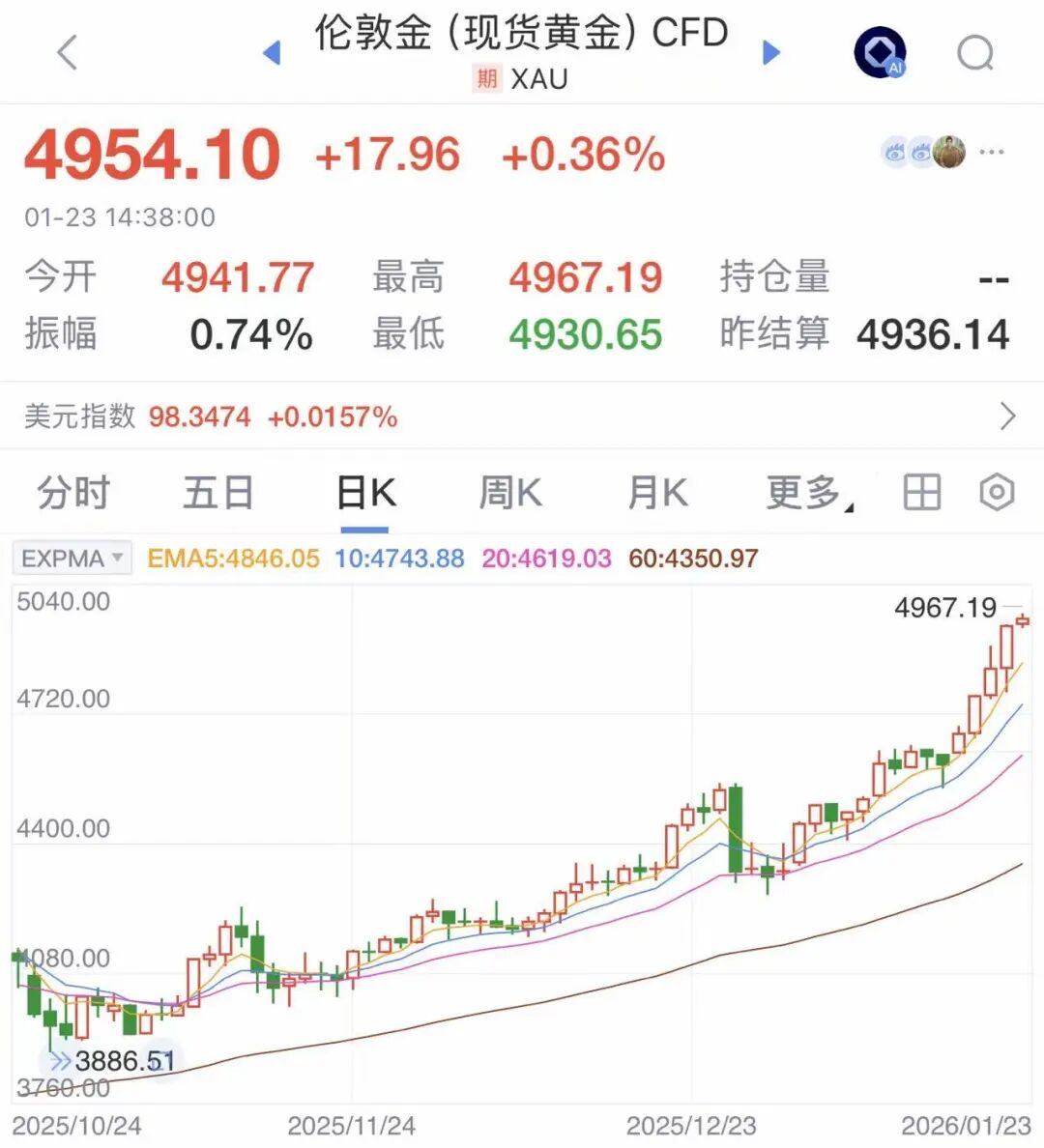
部分银行黄金存款被抢光
2 1 Shi Ji Jing Ji Bao Dao· 2026-01-22 12:04
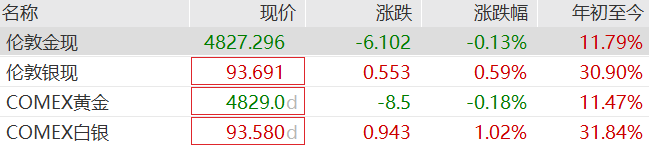
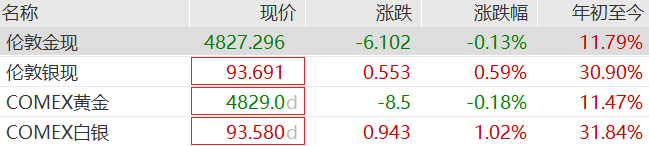
Core Viewpoint - Gold has regained market attention, with COMEX gold prices surpassing $4800 per ounce and reaching a high of $4827 per ounce, reflecting an increase of over 11% in just 22 days of the year [1][2]. Gold Price Performance - As of January 22, 2026, the price of gold is $4827.296 per ounce, showing a slight decline of 0.13% from the previous day, but maintaining an overall increase of 11.79% year-to-date [2]. - The price of COMEX gold is reported at $4829.00, with a decrease of 0.18% and a year-to-date increase of 11.47% [2]. Investment Trends - There is a growing interest in structured deposits linked to gold, with several listed companies announcing their subscriptions to these products. Some banks have reported a temporary sell-out of bullish gold structured deposits [4]. - Major banks, including Bank of Communications, China Merchants Bank, and others, have launched structured deposits, with some experiencing high demand [4]. Structured Deposit Characteristics - Structured deposits are innovative products combining traditional deposits with financial derivatives, aiming for higher returns while investing in low-risk assets [4]. - Despite the strong gold price trend, the overall yield of these structured deposits is not particularly high, with most products offering annualized returns not exceeding 2% [6]. Yield Conditions - For example, a product from Bank of Communications offers a yield between 0.5% and 3.2%, contingent on gold price movements during the observation period [6][7]. - Another product from Industrial Bank provides a yield of 2.02% if gold price increases by 16.9% or more, with a minimum yield of 1% if the price drops significantly [7][8]. Short-term Product Risks - Some banks have introduced ultra-short-term structured deposits with annualized yields around 1.5% to 1.7%, but these are subject to market volatility risks [10]. - The observation periods for these short-term products are very brief, making them susceptible to price fluctuations [10]. Investment Considerations - Investors should carefully evaluate the terms of structured deposits, including the structure of returns, observation methods, and the feasibility of achieving the highest yields [13]. - The core advantage of structured deposits over non-principal protected structured products is the safety of the principal [15]. Market Outlook - Despite recent fluctuations in gold prices, several institutions remain optimistic about the long-term outlook for gold, with predictions of price increases driven by various economic factors [18].
部份银行黄金存款被抢光
2 1 Shi Ji Jing Ji Bao Dao· 2026-01-22 11:58
Group 1 - The core focus of the article is the recent surge in gold prices, with COMEX gold reaching a new high of $4827 per ounce, reflecting an increase of over 11% in just 22 days of the year [1][2] - Structural deposit products linked to gold have gained popularity among both listed companies and individual investors, with several banks reporting a surge in demand and some products even selling out [4][2] - Despite the strong performance of gold, the overall yield of the gold-linked structured deposits offered by banks is not particularly high, with most products yielding annualized rates not exceeding 2% [6][7] Group 2 - The structured deposits are innovative financial products that combine traditional deposits with financial derivatives, aiming for higher returns while maintaining a low-risk profile [4] - Specific examples of structured deposits show varying conditions for achieving higher yields, such as a product from Bank of Communications offering a yield between 0.5% and 3.2% based on gold price movements [6][7] - Short-term structured deposit products, which have observation periods of only a few days, are subject to significant market volatility, making it easier to trigger minimum yield conditions [10] Group 3 - Investors are advised to consider several factors when selecting structured deposits, including the structure of returns, observation methods, and the importance of minimum yield guarantees [12] - Compared to non-principal protected structured financial products, structured deposits offer the key advantage of principal safety, making them appealing for conservative investors [14] - Despite recent fluctuations, many institutions remain optimistic about the long-term outlook for gold prices, with forecasts suggesting potential increases in the coming years [16]
部份银行黄金存款被抢光
21世纪经济报道· 2026-01-22 11:40
Core Viewpoint - The article highlights the recent surge in gold prices, with COMEX gold reaching a new high of $4827 per ounce, reflecting an increase of over 11% in just 22 days of the year 2026. This trend has led to a growing interest in structured deposits linked to gold among both companies and individual investors [1][2][17]. Group 1: Gold Price Performance - As of January 22, 2026, COMEX gold was priced at $4827 per ounce, showing a year-to-date increase of 11.47% [2]. - London gold and silver also experienced significant price movements, with London gold at $4827.296 and London silver at $93.691, reflecting increases of 11.79% and 30.90% respectively since the beginning of the year [2]. Group 2: Structured Deposits - Several listed companies, including Guozi Software and Fudan Zhangjiang, have announced their subscription to gold-linked structured deposits, indicating a rising enthusiasm among individual investors for such products [4]. - Major banks, including Bank of Communications and China Merchants Bank, have launched structured deposits linked to gold, with some products experiencing high demand and limited availability [4]. Group 3: Yield and Conditions of Structured Deposits - Despite the strong performance of gold, the overall yield of gold-linked structured deposits is not particularly high, with most products offering annualized returns not exceeding 2% [6]. - For example, a product from Bank of Communications offers a yield range of 0.5% to 3.2%, contingent on gold price movements, with a minimum yield of 0.5% if the price declines [6][7]. - Another product from Industrial Bank has a yield of 2.02% if gold prices increase by 16.9% or more, with a minimum yield of 1% if prices fall below a certain threshold [8]. Group 4: Market Volatility and Short-term Products - Short-term structured deposit products, with durations of about one week, are being offered with annualized yields between 1.5% and 1.7%, but they are subject to market volatility risks [10]. - The article notes that significant price fluctuations in gold can easily trigger minimum yield conditions for these short-term products [10]. Group 5: Investment Considerations - Investors are advised to carefully review the terms of structured deposits, including the structure of returns, observation methods, and the feasibility of achieving the highest yields [12]. - Emphasis is placed on the importance of selecting products with higher minimum yields to mitigate risks associated with incorrect market predictions [13]. - The article contrasts structured deposits with non-principal protected structured financial products, highlighting the safety of principal as a key advantage of structured deposits [15]. Group 6: Long-term Outlook on Gold - Despite recent fluctuations in gold prices, several institutions remain optimistic about the long-term outlook for gold, with predictions of price increases driven by factors such as Federal Reserve interest rate cuts and geopolitical uncertainties [17]. - Historical trends suggest that gold prices could rise between 10% and 35% by 2026, with forecasts from major banks indicating potential prices reaching $5000 per ounce or even challenging $6000 in the long term [17].

金价暴涨黄金存款收益率可达3.2% 有银行一度售罄
Xin Lang Cai Jing· 2026-01-22 10:08
Core Viewpoint - Gold has regained market attention, with prices reaching new highs and structural deposits linked to gold becoming popular investment choices [1][12]. Group 1: Gold Price Trends - As of January 22, 2026, COMEX gold prices reached $4,827 per ounce, marking an increase of over 11% within the first 22 days of the year [1][12]. - Multiple institutions remain optimistic about the medium to long-term outlook for gold prices, with predictions suggesting a potential increase of 10%-35% by 2026 [19][20]. Group 2: Structural Deposits - Numerous listed companies, including Guozi Software and Fudan Zhangjiang, have announced their subscription to gold-linked structural deposits, reflecting rising interest from individual investors as well [2][13]. - Several banks, such as Bank of Communications and China Merchants Bank, have launched structural deposits linked to gold, with some products experiencing high demand and limited availability [2][13]. Group 3: Yield Conditions - The overall yield levels of gold-linked structural deposits are not particularly high, with most products offering annualized returns not exceeding 2% [3][14]. - For example, a product from Bank of Communications offers a yield range of 0.5%-3.2%, contingent on gold price movements during the observation period [3][14]. Group 4: Investment Considerations - Investors are advised to carefully evaluate the conditions for achieving the highest yields, as many products have specific requirements that may be challenging to meet [4][18]. - The safety of principal is a key advantage of structural deposits compared to non-principal protected structured financial products, with a significant percentage of the latter experiencing early termination [19].