安踏

Search documents
又一高端品牌进入中国,李宁出手,硬刚始祖鸟
3 6 Ke· 2026-01-08 00:21
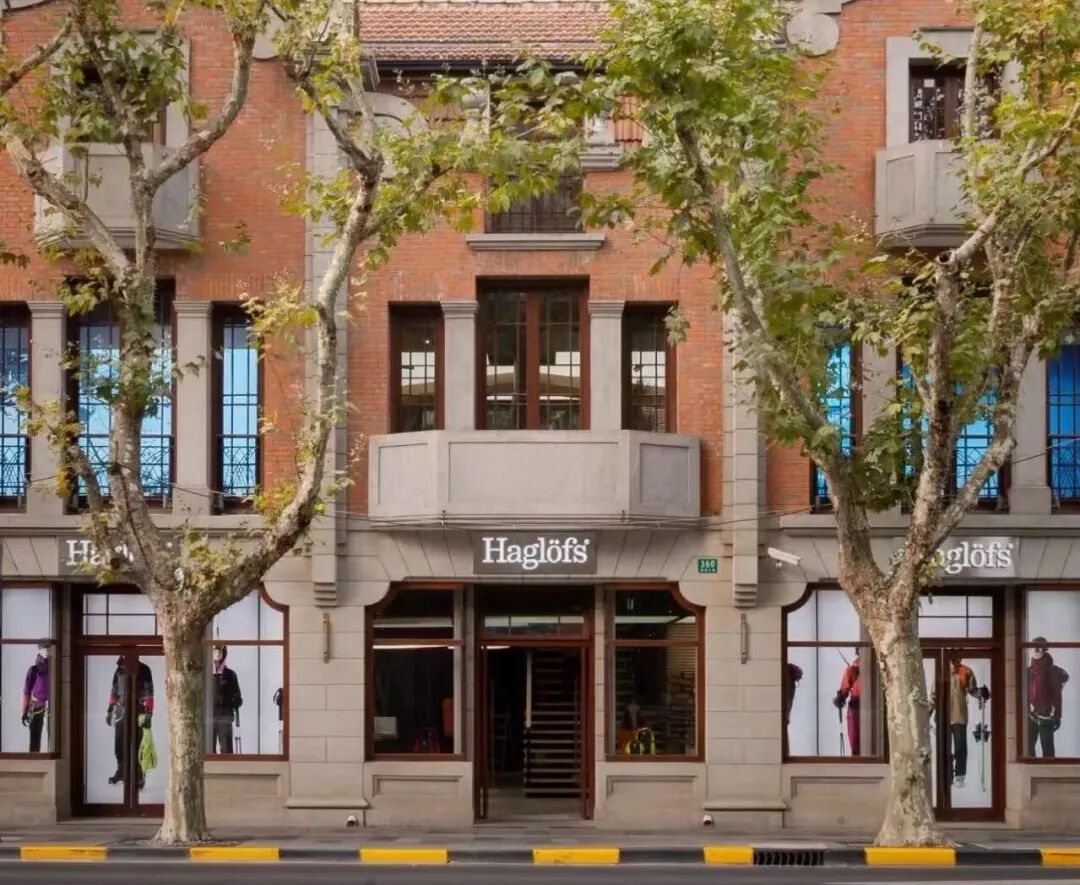
Core Insights - Haglöfs, a Swedish outdoor brand, opened its first VASA concept store in Shanghai, marking its significant return to the Chinese market and the establishment of its 21st offline store in the country [1][3] - The brand aims to expand rapidly, with plans to open 25 stores by the end of 2025 and 50 stores by mid-2026, alongside launching flagship stores on major e-commerce platforms [3][10] - The Chinese outdoor market is projected to grow from 598.9 billion yuan in 2025 to 896.3 billion yuan by 2030, indicating a favorable environment for outdoor brands [3] Company Strategy - Haglöfs emphasizes a "one brand, one voice" strategy, avoiding limited editions and maintaining consistent pricing across online and offline channels to build consumer trust [11][13] - The brand's product pricing ranges from 2,000 yuan to over 6,000 yuan, positioning itself in the mid-to-high-end market, directly competing with premium brands like Arc'teryx [9][10] - The partnership with Li Ning's subsidiary, which holds a 50% stake in a joint venture for Haglöfs' operations in China, allows for resource sharing and operational flexibility [10][14] Market Dynamics - The outdoor market in China has seen a shift from niche to mainstream, with over 400 million participants in outdoor activities, indicating a growing consumer base [15][19] - Haglöfs faces intense competition from established brands like Anta and The North Face, as well as emerging domestic brands that are rapidly gaining market share [17][19] - The brand's unique selling proposition lies in its alignment with the trend of "outdoor lifestyle," appealing to consumers seeking both functionality and style [19] Expansion Plans - The VASA concept store in Shanghai is strategically located in a high-end shopping district, targeting affluent consumers and enhancing brand visibility [5][6] - Future store openings will focus on first-tier and new first-tier cities, leveraging current low commercial real estate rents to optimize expansion costs [13][14] - The brand aims to capture a significant market share by establishing a strong presence in key urban centers, supported by Li Ning's established retail network [19][20]


Lululemon的创始人为何要发起逼宫大战?
Sou Hu Cai Jing· 2026-01-07 03:26
Core Viewpoint - Lululemon is facing a significant crisis with the resignation of CEO Calvin McDonald and the founder Chip Wilson's dissatisfaction with the board, leading to a proxy battle for board control [1][9]. Group 1: Leadership Changes - CEO Calvin McDonald will step down on January 31, 2024, and will serve as an advisor until March 31, 2024 [9]. - Chip Wilson has nominated three independent board candidates, aiming to regain influence over the company's direction [10]. Group 2: Chip Wilson's Criticism - Chip Wilson has long criticized Lululemon's management for lacking innovation and losing its brand essence, which he believes has led to a competitive disadvantage [1][8]. - He has publicly stated that the current leadership is too focused on Wall Street demands rather than product quality and customer engagement [8][10]. Group 3: Company Performance - Lululemon's stock price has dropped by 50% over the past year, with revenue pressures evident in its latest financial results [8]. - For Q3 of fiscal year 2025, revenue grew by 7% to $2.6 billion, but net revenue in the Americas declined by 2% to $1.7 billion, while international markets, particularly China, saw a 46% increase [8]. Group 4: Strategic Direction - Under McDonald's leadership, Lululemon expanded its product offerings beyond yoga apparel to include running, tennis, cycling, and men's clothing, resulting in revenue growth from $3.3 billion to over $10 billion [7][10]. - Wilson advocates for a return to a focused brand identity centered on a specific customer demographic, which he refers to as "super girls," and a commitment to vertical retailing [11]. Group 5: Board Dynamics - The current board has overseen significant revenue growth, with nearly $9 billion in revenue increase over the past decade, but Wilson argues that it lacks the vision needed for future success [10][13]. - Lululemon's board has defended its experience and commitment to the company's growth strategy in response to Wilson's criticisms [10].

从国内库存周期复盘看品牌服饰投资机会
2026-01-07 03:05
Summary of the Conference Call on the Apparel Industry Industry Overview - The apparel industry inventory cycle is closely related to retail growth rates, with changes in retail growth indicating key trading strategies for stocks [1][2] - The industry has experienced various phases: active destocking, passive destocking, and recovery, influenced by economic conditions and consumer demand [1][5] Key Points and Arguments - **Historical Inventory Cycles**: - From Q4 2014 to Q1 2016, the industry transitioned from active to passive destocking due to weak demand caused by e-commerce impacts. Mid to high-end menswear and home textiles saw significant stock price increases, while the sports sector remained stable [3] - From Q2 2017 to Q2 2019, the industry shifted to active restocking as the domestic economy improved, leading to a recovery in retail sales. Sports and home textile sectors performed well, while mass brands and mid to high-end women's wear faced larger corrections [3] - The pandemic from 2020 to 2022 caused a valuation bottom, followed by a rebound in sales. However, fluctuations due to ongoing pandemic effects and weather conditions led to a slowdown in growth [3] - From Q3 2022 to Q1 2025, the industry is currently in a phase of both active and passive destocking, with a recovery in profitability expected despite a potential slowdown in retail growth in Q2 2024 [5] - **Valuation Trends**: - During peak periods, valuations for leading sports brands like Anta and Xtep exceeded 50 times earnings, while mid to high-end menswear brands reached around 30 times. Currently, valuations for apparel brands fluctuate between 10 to 20 times, with A-share apparel companies having a support level around 10 times [4][6] - Leading companies like Anta have seen valuations drop to around 13 times during downturns, indicating a relatively stable valuation floor [6][7] Future Outlook - The apparel industry is expected to transition towards active restocking or passive destocking by 2026, with a potential improvement in retail growth and manageable inventory risks. This could lead to a weak recovery in the market [8] - Companies with high operational efficiency and market sensitivity, such as Anta, are recommended for investment consideration [8] Additional Important Insights - The apparel industry's inventory cycle can be divided into four stages: recovery, overheating, stagflation, and recession, with key indicators including GDP growth and retail sales [2] - The relationship between retail growth and stock performance is critical, as fluctuations often signal market entry and exit points for investors [3]
中韩商贸合作升级 ,韩流时尚能再火一波吗
Di Yi Cai Jing· 2026-01-06 07:58
韩国流行时尚消费品或许又要火一波了。 韩国流行时尚消费品或许又要火一波了。 emis 中国首家线下门店于2025年 3 月在上海淮海中路开业,随后又在深圳万象天地、成都万象城和杭 州银泰IN77 等商场开设快闪店,扩大品牌辐射力。 而另一家成立于2022年的韩国设计师品牌Rest&Recreation去年4月在杭州万象城开了中国首店后一发不 可收拾,此后又一口气在北京、上海、深圳、重庆等城市开出10多家店铺,且入驻的多为高端商场,被 业内认为是去年开店最猛的一个韩国品牌。 头部企业也早已有所布局。2025年1月,安踏以约500亿韩元收购MUSINSA约1.7%的股份,2025年8 月,双方合资成立"MUSINSA中国",MUSINSA持股60%,安踏持股40%。 韩国总统李在明日前率200多家韩国中小企业代表访华。5日,在北京举行的韩中商务论坛上,中韩两国 共签署多份合作谅解备忘录。两国企业签署的谅解备忘录涉及消费品、文创内容和供应链领域。 在消费品领域,韩国新世界集团与阿里巴巴国际站签署合作谅解备忘录。新世界集团通过发掘对华出口 潜力商品,在阿里巴巴国际站将韩国商品出口至中国。 李在明5日表示,包括美容产品 ...
刘俊茜:期待2026年在110米栏上跑进13秒10
Zhong Guo Xin Wen Wang· 2026-01-04 16:19
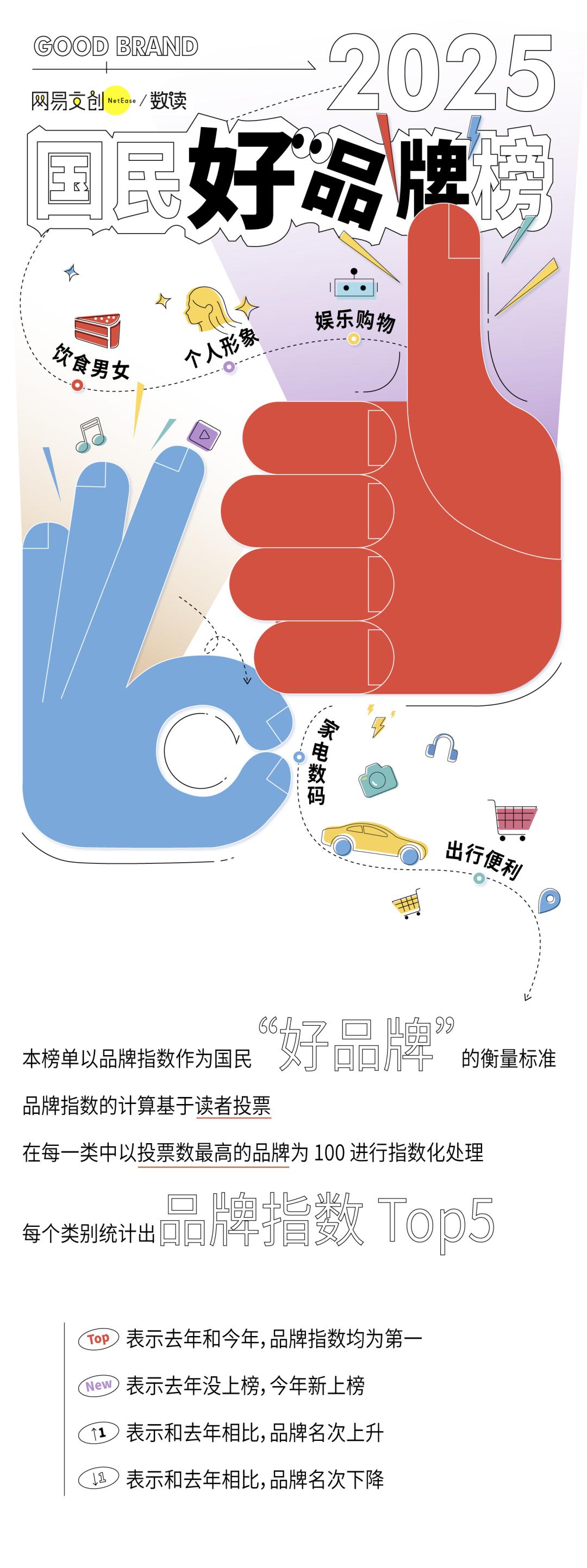
刘俊茜现 刘俊茜在3日的活动中分享了上述观点。当日,安踏儿童将其首个灵龙运动实验室搬进了位于北京蓝色 港湾的线下门店内,刘俊茜与滑雪小将戴宇洋现场体验。通过"灵龙之眼"体质健康测评系统,灵龙运动 实验室打造了青少年体质健康测评空间,并提供一站式成长健康评估,助力青少年健康成长。 中新网北京1月4日电 "对跨栏运动员而言,足弓之于运动表现是尤为重要的。不管是起跑蹬地时的爆 发、跨栏瞬间单脚支撑的稳定性还是落地那一刻的缓冲减震,每个动作都需要靠健康的足弓来传递力 量、稳住身体。"谈及足弓的重要性,刚刚年满22岁的中国田径运动员刘俊茜深有感触。 据介绍,灵龙运动实验室是安踏儿童依托与上海六院国家骨科医学中心、北京体育大学的合作,针对中 国青少年儿童体质健康与运动潜能评估而建立。其中,"灵龙之眼"体质健康测评系统通过足型扫描、体 态检测、步态分析三大维度,捕捉儿童青少年足弓发育状况,让家长和孩子可以清晰了解足部发育与体 态健康情况,进而科学选鞋。 活动现场,上海六院国家骨科医学中心足踝外科副主任医师邹剑带来了生动的足弓科普课,他结合丰富 的临床经验讲解了足弓保护对青少年骨骼发育、运动能力提升的关键作用,为孩子们日常科 ...
喜茶掉队、DeepSeek被它打败,2025年好品牌之争谁赢了
3 6 Ke· 2026-01-04 02:24
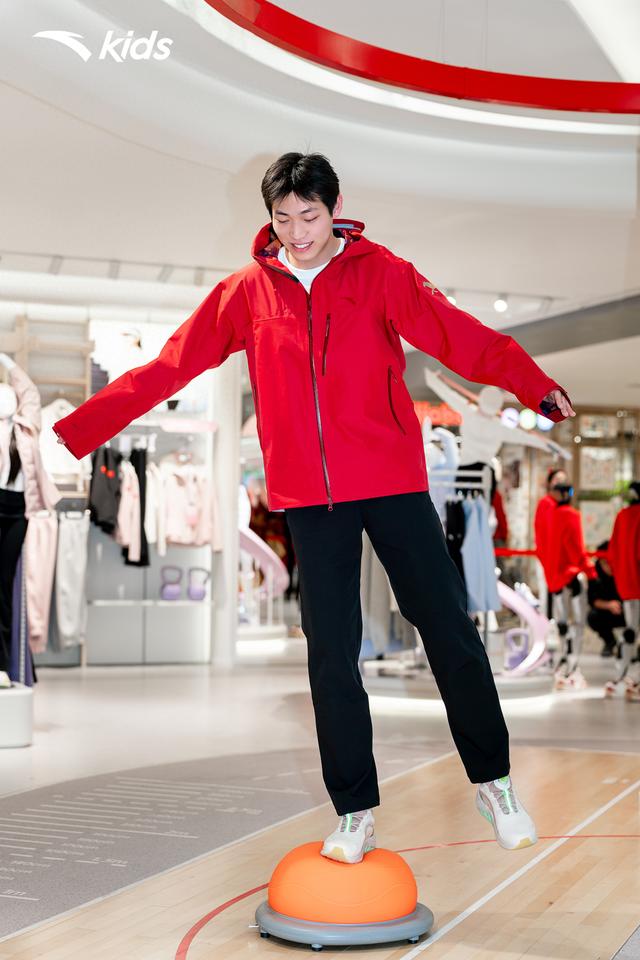
Group 1 - The brand index is used as a measurement standard for the public, calculated based on reader votes, with the highest voted brand in each category set to 100 for index processing [2] - The top five brands in various categories have been identified, with changes in rankings noted, including new entries and shifts in positions compared to the previous year [4][9] - The overall consumer sentiment indicates a cautious approach to spending, with a significant portion of respondents prioritizing product quality and reliability over brand loyalty [123][124] Group 2 - Heytea has fallen behind, with Guming Tea replacing it in the top five, and Guming Tea's store count reaching 11,179 with a net profit of 1.625 billion yuan, surpassing its total profit from the previous year [9] - Haidilao remains the top brand in the hot pot category, while KFC and McDonald's have swapped positions, with KFC slightly ahead [12] - The beverage market sees a return of Nongfu Spring to the top ranks, while Wahaha faces management turmoil, impacting its brand perception [15][17] Group 3 - In the beauty and personal care sector, Estee Lauder and L'Oreal dominate, with significant changes in rankings and the absence of local brands in the top positions [41] - Anta and Li Ning lead the sportswear category, with Li Ning rising to first place from fourth last year, while Adidas has returned to the rankings [45] - Douyin has surpassed Bilibili in the short video sector, with Douyin's daily active users reaching 600 million, while Bilibili has improved its profitability [55] Group 4 - The e-commerce landscape is evolving, with traditional platforms like JD, Meituan, and Taobao entering the instant retail competition, leading to significant financial investments in subsidies [73] - The AI app market is witnessing explosive growth, with ByteDance's products leading in active user numbers, indicating a shift towards AI-driven applications [80] - The adult product market is quietly rising, with brands like Durex and Okamoto leading the category [82] Group 5 - The home appliance market is characterized by intense competition, with Midea focusing on diversified business strategies, while Haier emphasizes high-end and localized operations [92] - Huawei continues to focus on the high-end market, with significant developments in its HarmonyOS ecosystem, while Apple faces challenges with its latest iPhone series [94][95] - The hotel industry is shifting towards new chain hotels, with traditional five-star hotels losing appeal as consumers seek more modern accommodations [116]

爱拼会赢!这场接力赛,福建一路“开挂”
Xin Lang Cai Jing· 2026-01-03 16:09
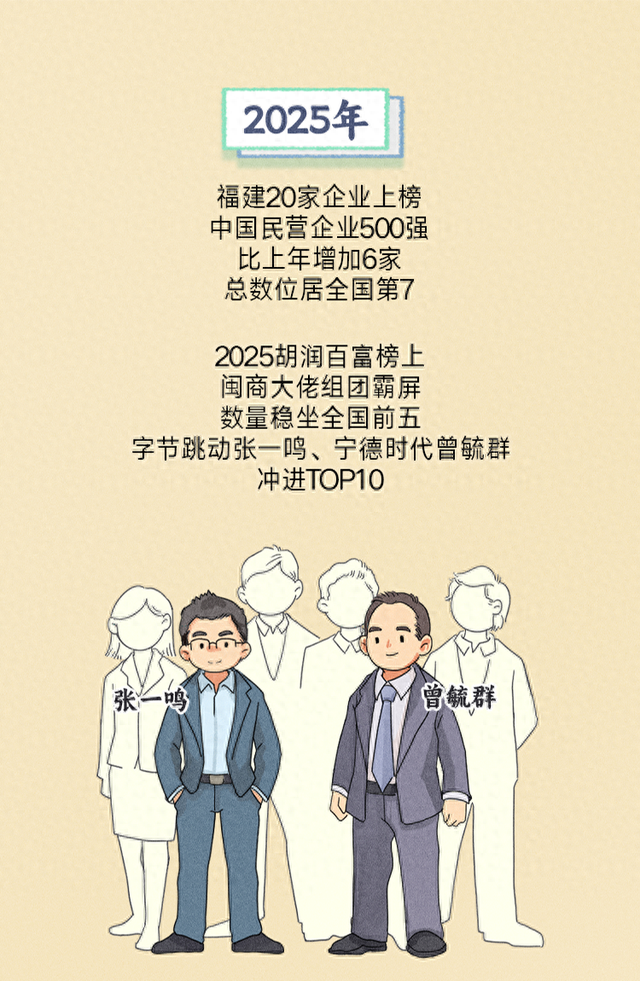
Group 1 - The core viewpoint emphasizes Fujian's commitment to creating a first-class business environment and promoting economic growth through various reforms and initiatives [1][19][20] - In 2025, Fujian introduced its first medium- and long-term plan for optimizing the business environment, focusing on efficient processes and supporting private enterprises [1][19] - By the end of November 2025, Fujian had 7.711 million active business entities, indicating a continuous improvement in the business environment [1] Group 2 - In 2025, 20 Fujian enterprises were listed among China's top 500 private enterprises, an increase of 6 from the previous year, ranking 7th nationwide [4] - The 2025 Hurun Rich List featured prominent Fujian entrepreneurs, with ByteDance's Zhang Yiming and CATL's Robin Zeng entering the top 10 [4] - Fujian's private economy has evolved significantly, transitioning from a resource-scarce province to a major player in the private sector [1][4] Group 3 - The "Jinjiang Experience" has become a model for innovation and entrepreneurship, showcasing Fujian's unique approach to economic development [9][10] - Fujian's enterprises, such as Anta and Hengxin, have successfully broken into international markets and established strong brands [11][12] - The region's manufacturing capabilities are highlighted by companies like Fuyao Glass, which has become a global leader in automotive glass production [18] Group 4 - Fujian's private enterprises have made significant contributions to the economy, with a total planned investment of 400.9 billion yuan in 2,220 industry projects by the end of November 2025 [19] - The implementation of the Private Economy Promotion Law in 2025 marks a significant milestone in supporting the development of private enterprises in China [20] - Fujian's focus on creating a favorable business environment is expected to enhance the vitality of its economy and support the ongoing growth of its private sector [21]
国货登顶、洋牌抢滩:户外运动2025,3万亿赛道谁主沉浮
Nan Fang Du Shi Bao· 2025-12-31 02:57
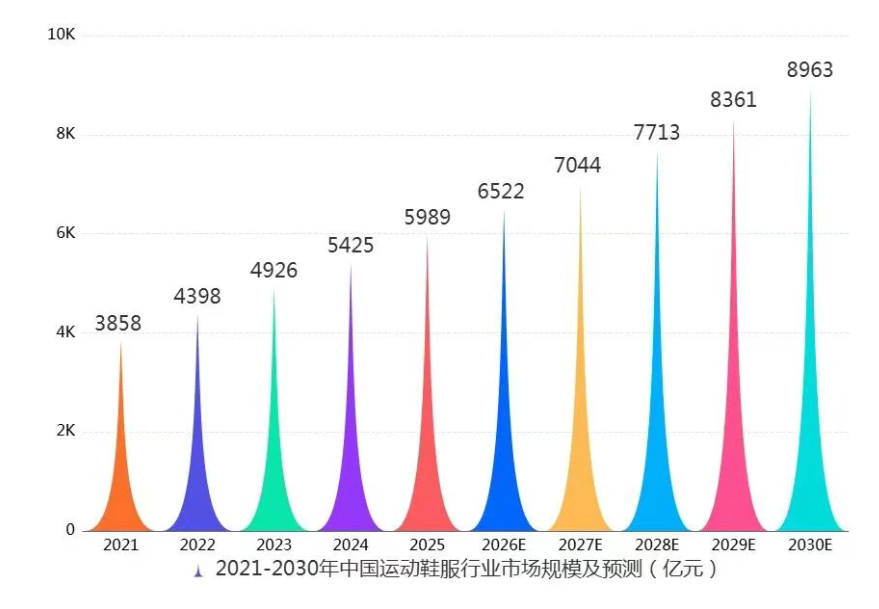
Core Insights - In 2025, the outdoor sports industry in China is experiencing a significant transformation, moving from a niche market to a mainstream consumer option, driven by the rise of outdoor lifestyles and the national fitness craze [1][2] - The market is witnessing a reshaping of its competitive landscape, with domestic brands gaining prominence and international brands adapting to local demands [5][11] Trend 1: Rapid Industry Expansion - The outdoor sports market is no longer a fleeting trend but has become a daily consumption choice, with 335,000 outdoor-related enterprises in China as of June 2025, including 24,000 newly registered in the first half of the year [2] - Sales of outdoor sports products are surging, with ski poles, goggles, shoes, and snowboards seeing over 80% growth, and trail running shoes sales increasing by 100% [2][4] - The market size of the sports footwear and apparel industry in China is projected to reach 598.9 billion yuan in 2025, with expectations to grow to 896.3 billion yuan by 2030 [2] Trend 2: Domestic Brand Resurgence - Domestic brands have transitioned from being "also-rans" to key players in the market, achieving historic breakthroughs through deep insights into local consumer needs [5][6] - The dominance of international brands has been challenged, with domestic brands capturing over half of the top ten positions in outdoor sales rankings by 2024-2025 [8][10] Trend 3: International Brands Entering China - Despite the rise of domestic brands, the allure of the Chinese market continues to attract international brands, with nearly ten new outdoor brands entering China in 2025 [11] - These brands are employing diverse strategies, including partnerships with local capital and leveraging celebrity endorsements to penetrate the market [11] Trend 4: Price Increases Among Domestic Brands - A notable trend is the structural price increase among domestic outdoor brands, with products like jackets and tents priced significantly higher, reflecting a shift towards higher value perception [12][14] - Major domestic brands are seeing substantial increases in profit margins, with Anta's main brand achieving a gross margin of 54.9% in the first half of 2025 [14] Trend 5: Emergence of "Light Outdoor" Activities - The concept of "light outdoor" activities is gaining traction, characterized by lower barriers to entry and a focus on aesthetic and emotional value, with women driving this trend [16][18] - In first-tier cities, 63% of the light outdoor demographic is female, indicating a shift in market dynamics towards experiences and social sharing [16] Conclusion - The year 2025 marks a pivotal moment for the Chinese outdoor sports industry, characterized by rapid market growth, the rise of domestic brands, the influence of female consumers, and significant changes in pricing and marketing strategies [18]
首轮报名2月10日截止 | “生物基行业的奥斯卡”——新叶奖报名进行中
合成生物学与绿色生物制造· 2025-12-30 02:54
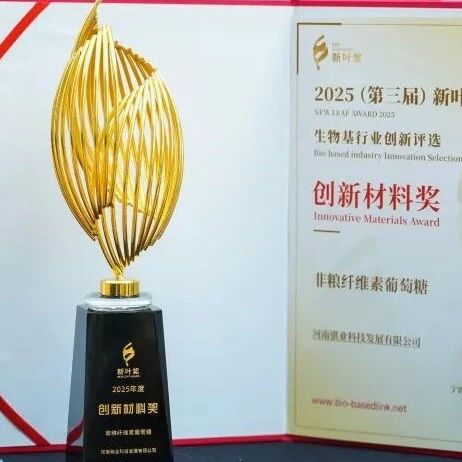
Core Viewpoint - The New Leaf Award is a prestigious global award focused on innovation in the bio-based industry, aimed at recognizing and showcasing outstanding products and companies in this sector, often referred to as the "Oscar of the bio-based industry" [2][17]. Group 1: Award Structure - The New Leaf Award features four main categories: Innovation Material Award, Innovation Application Award, Innovation Industry Solution Award, and Most Commercially Valuable Award [6][2]. - Over 100 innovative bio-based products have been recognized through this award, highlighting its significance in the industry [2]. Group 2: Application Timeline and Process - The application process for the 2026 New Leaf Award has commenced, with key dates including: - Application period: December 1, 2025, to March 13, 2026 [11]. - Online voting (pre-selection): March 16 to March 22, 2026 [11]. - Online competition and expert review (final selection): March 23 to March 27, 2026 [11]. - Award ceremony: May 21, 2026, during the Bio-based 2026 conference [3][11]. Group 3: Evaluation Criteria - The evaluation criteria for the awards include: - Innovation in technology and application, functionality, commercial value, and sustainability, with varying weightings for each category [9]. - For the Innovation Material Award, the criteria weightings are: 30% technical innovation, 10% application innovation, 25% functionality, 20% commercial value, and 15% sustainability [9]. Group 4: Benefits of Participation - Participating companies can benefit from free publicity, leveraging a platform with over 100,000 industry followers and 100+ communication groups [10]. - Award-winning companies will receive a high-end trophy and certificate, along with the opportunity to celebrate their achievements at a grand award ceremony attended by industry leaders [13].
5折卖鞋,「中产的旧爱」失宠了
3 6 Ke· 2025-12-30 02:09
Core Insights - Nike's performance in the Greater China region has significantly declined, with revenue dropping to $1.423 billion, a year-on-year decrease of 17%, and EBITDA plummeting by 49% [1][2][4] Group 1: Financial Performance - The latest financial report indicates a substantial underperformance in the Greater China market, with revenue at $1.423 billion and a 17% year-on-year decline [1] - The EBITDA for the region has nearly halved, reflecting a 49% drop in profitability [1][2] Group 2: Market Reaction - The disappointing financial results led to a strong market reaction, with Nike's stock price falling by 10.54% in a single day, resulting in a market capitalization loss of over $10 billion [2] - As of December 26, the stock price remained low at $60.93 per share [2] Group 3: Strategic Challenges - Nike's direct-to-consumer (DTC) strategy, initially seen as a model, has not been effective in China, leading to increased inventory and price volatility [2][5] - The brand's premium positioning is being challenged by local brands and international brands operating with localized strategies, further squeezing Nike's market space [2][6] Group 4: Operational Issues - The shift towards DTC has resulted in a disconnect with actual market demand, leading to an imbalance in the brand's overall operational mechanism [6][10] - Nike's reliance on discounting through e-commerce and outlet channels has disrupted the market pricing structure and diminished its high-end brand image [6][9] Group 5: Competitive Landscape - The market has seen a rise in specialized brands in various segments, such as outdoor and yoga, which are capturing market share from Nike [10][11] - Local brands like Anta and Li Ning are gaining ground due to their localized strategies and competitive pricing, further pressuring Nike's core business [10][11] Group 6: Product Strategy - Nike's product strategy has become overly reliant on classic styles and colorways, leading to a dilution of brand exclusivity [11] - In contrast, local brands are expanding into more specialized categories and achieving significant revenue growth, surpassing Nike in the Chinese market [11][13] Group 7: Future Outlook - Despite current challenges, Nike remains committed to the Chinese market, recognizing its long-term potential and planning to optimize operations to better connect with consumers [9][10] - The company needs to prioritize strategic focus areas and enhance localization to rebuild connections with Chinese consumers [13]