徐福记

Search documents
260 元会员费买了个寂寞?山姆货架上的好丽友们,戳破多少中产的精致幻觉?
Sou Hu Cai Jing· 2025-07-17 09:54
Core Viewpoint - The trust crisis at Sam's Club arises from the introduction of common brands, leading to member dissatisfaction and a decline in perceived value of the membership [1][3][10] Group 1: Membership and Brand Perception - Sam's Club has positioned itself as a symbol of middle-class identity in China, with over 5 million effective members and annual membership revenue exceeding 1.3 billion yuan [2] - The introduction of common brands like Holley Friend and Xu Fu Ji has sparked outrage among members, who feel deceived by the perceived downgrade in product quality [1][3][4] Group 2: Product Quality and Consumer Trust - The launch of the "low-sugar special edition" Holley Friend cake, which was criticized for its taste, has further damaged the brand's image and member trust [3][5] - Reports of food safety issues, such as suspected worm eggs in pork and live insects in milk, have raised concerns about product quality and safety [7][9] Group 3: Management and Strategic Changes - A shift in management has led to a significant reduction in the proportion of imported goods from 42% to 28%, raising concerns about quality in favor of cost-cutting [6][10] - The cancellation of member benefits, such as the right to purchase premium products and changes in cashback rules, has contributed to a sense of diminished value among members [8][9] Group 4: Social Media and Public Response - The hashtag Sam's Selection Downgrade has garnered over 10 million views on social media, indicating widespread discontent among members [1] - Sam's Club's response to the backlash has been criticized for lacking empathy, further alienating its customer base [9][10]


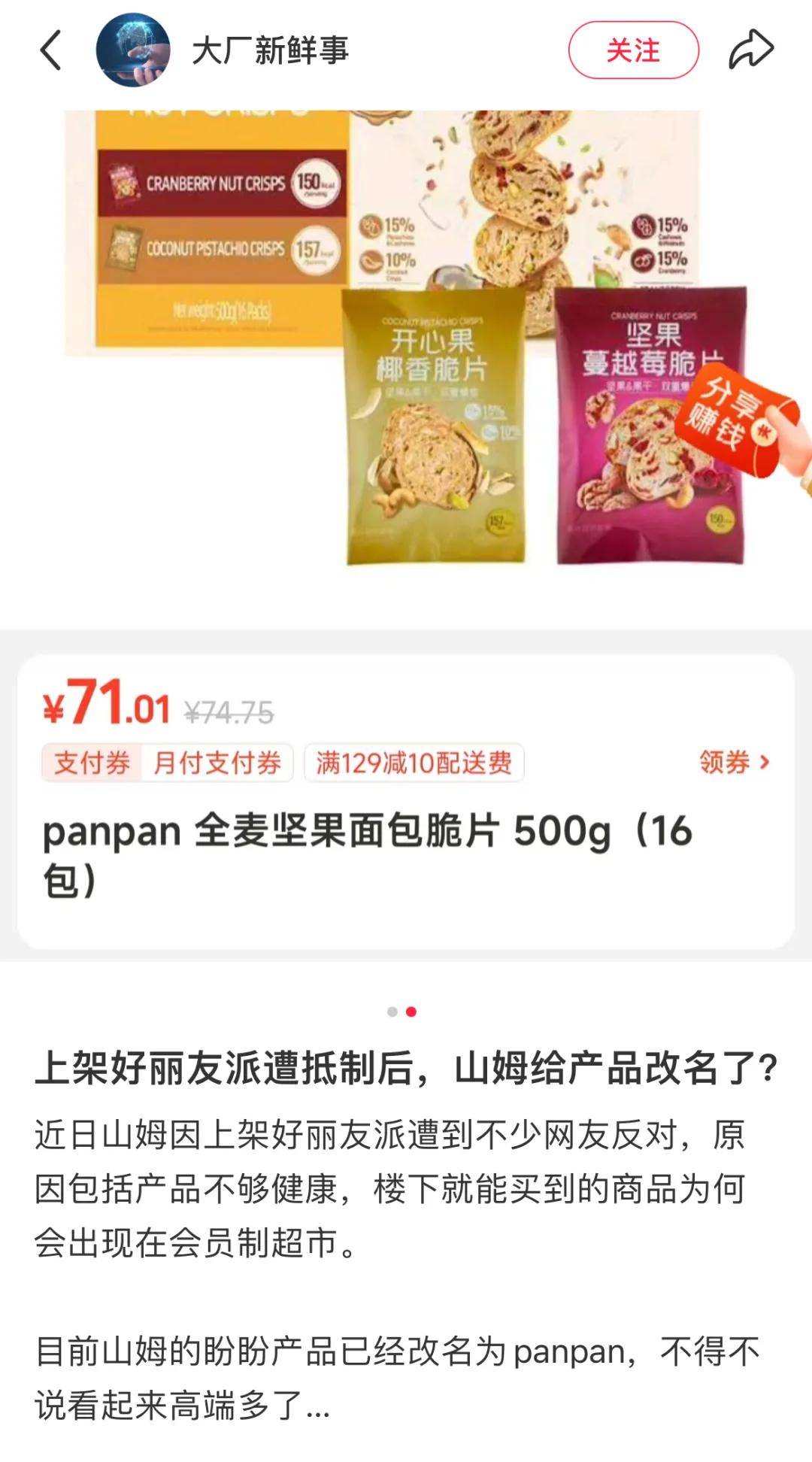
山姆下架好丽友背后:零食们借山姆扩增量,有品牌去年卖2亿
Nan Fang Du Shi Bao· 2025-07-16 12:57
Core Viewpoint - The recent removal of "Low Sugar Orion Pie" from Sam's Club has sparked discussions among consumers regarding the selection strategy of the store, as many popular products have been replaced with items that are more commonly found in regular supermarkets [4][7][22]. Group 1: Product Removal and Consumer Reaction - Sam's Club has removed the "Low Sugar Orion Pie" from its app and shelves, despite it being recently introduced [1][8]. - Consumers expressed dissatisfaction on social media about the removal of high-repurchase-rate products and the introduction of more common items [4][22]. - The store's staff were unable to provide a clear reason for the product's removal or when it might return [8][12]. Group 2: Brand Strategy and Market Positioning - Several snack brands, including Orion, are leveraging Sam's Club to expand their market presence and target higher-end consumers, with some brands reporting significant sales through this channel [3][15]. - Snack brands are increasingly offering customized products for Sam's Club, which has led to substantial sales growth for some, such as Qiaqia Foods, which reported sales of approximately 200 million yuan through Sam's Club last year [15][19]. - The collaboration with Sam's Club is seen as a way for snack brands to enhance their market positioning, although there are concerns about the potential dilution of brand identity due to reliance on the retailer [22][23]. Group 3: Industry Trends and Insights - The snack food industry is undergoing a channel restructuring, with traditional supermarkets losing market share to membership-based retailers like Sam's Club, which are gaining traction among high-income consumers [21][22]. - Experts suggest that while partnerships with Sam's Club can provide growth opportunities, brands should avoid over-reliance on this channel to maintain their independent value [22][23]. - The legal perspective indicates that Sam's Club has the right to remove products based on market conditions and contractual agreements with suppliers, which does not necessarily harm consumer interests [27].
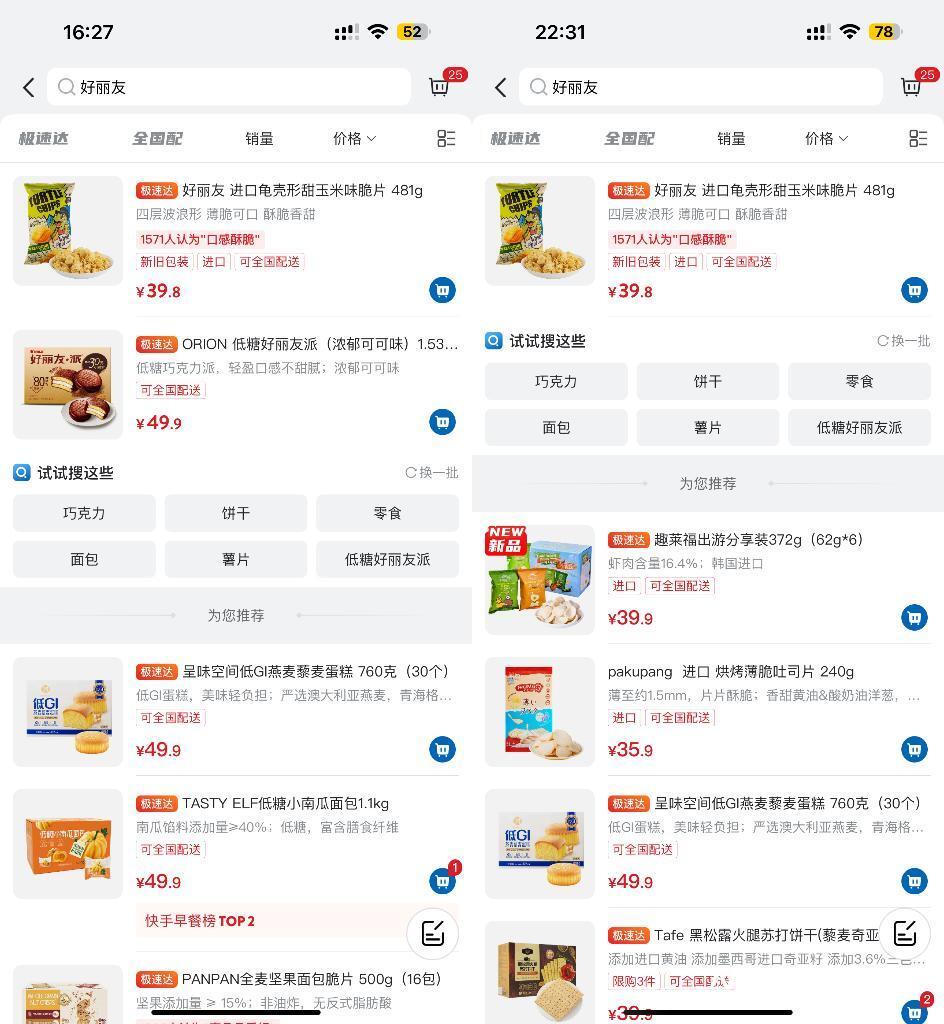
山姆风评下降,不怪好丽友
2 1 Shi Ji Jing Ji Bao Dao· 2025-07-16 12:28
Core Viewpoint - The controversy surrounding Sam's Club's product selection strategy has raised concerns among consumers regarding the quality and uniqueness of its offerings, leading to questions about the value of the membership fee paid by consumers [2][4]. Group 1: Product Selection and Quality Concerns - Sam's Club has faced criticism for replacing popular products with more mainstream brands like Haoliyou, leading to perceptions of homogenization in its product offerings [2][3]. - Consumers have reported quality issues with certain products, indicating a potential shift in supplier relationships that may affect product standards [3][6]. - The core of the controversy lies in the expectation that consumers pay a premium membership fee for unique and high-quality products, which may not be met if product differentiation diminishes [4][5]. Group 2: Membership Value Proposition - The membership fee is perceived as a "selection premium" that consumers expect to be matched with high-quality products and services [3][4]. - Sam's Club has emphasized its commitment to quality and member satisfaction, stating that it will consider member feedback in future product selection strategies [5][6]. - The trust established between Sam's Club and its members is crucial for its competitive advantage, as consumers believe they are getting quality products at competitive prices [3][5]. Group 3: Expansion and Financial Considerations - Sam's Club has been rapidly expanding in mainland China, opening 32 new stores from 2016 to 2023, with plans for continued growth in 2024 [6]. - Despite strong sales growth, the high cost of store openings and operational expenses poses challenges for maintaining cash flow and profitability [6][7]. - The overall performance of the supermarket sector in mainland China is underwhelming, raising questions about Sam's Club's ability to sustain its growth trajectory without facing increased competition and market saturation [7].
每经热评︱当“严选”变成“全选”,山姆的差异化优势又从何谈起?
Mei Ri Jing Ji Xin Wen· 2025-07-16 09:39
Core Viewpoint - The controversy surrounding the introduction of the brand Haoliyou at Sam's Club highlights a fundamental conflict in the warehouse membership store model, where a misalignment between brand promises and user expectations can undermine the foundation of the paid membership system [1][2][3] Group 1: Membership and Consumer Trust - Sam's Club has built a unique value proposition by offering a "quality filter" through its membership model, which allows consumers to trust that the products on its shelves are carefully selected for quality and value [1][2] - The introduction of controversial brands like Haoliyou has raised questions about the trust consumers place in Sam's Club, as it appears to compromise its commitment to quality [2][3] - The core of the membership retail model is not merely selling products but selling trust, where consumers pay for the assurance that the brand will consistently deliver on its promises [3] Group 2: Impact of Product Selection Changes - The shift in product selection, with the addition of widely available brands and the removal of previously popular items, challenges the perception of Sam's Club as a premium retailer [2] - Complaints regarding product quality, such as issues with food safety, have increased, leading to a decline in the perceived quality associated with the Sam's brand [2] - The tension between rapid expansion and maintaining quality control is evident, as Sam's Club plans to open eight new stores by 2025, which may strain its supply chain and product selection standards [2][3] Group 3: Strategic Recommendations - It is crucial for Sam's Club to realign its brand promises with user expectations to restore consumer trust and maintain the integrity of its membership model [3] - Balancing global sourcing with local adaptation while ensuring quality standards is essential for sustaining the "Sam's Selection" brand image [3] - Failure to address these issues may lead to a perception that Sam's Club is no different from regular supermarkets, undermining its competitive advantage [3]
山姆十万火急,得抓紧研究P图
Hu Xiu· 2025-07-16 09:01
Core Viewpoint - The article discusses the negative feedback faced by Sam's Club due to the introduction of numerous non-Sam's branded products, leading to dissatisfaction among members who feel their membership fees are not justified [2][4]. Group 1: Customer Sentiment - Customers are frustrated with the presence of widely available brands like Wei Long and Xu Fu Ji in Sam's Club, feeling it undermines the exclusivity they expect from their membership [2][3]. - The emotional value associated with shopping at Sam's Club is diminished, as members seek unique products that cannot be found elsewhere [4]. Group 2: Suggested Strategy - A proposed solution for Sam's Club is to enhance product packaging by prominently featuring the Sam's logo and branding, which could improve customer perception and satisfaction [6][7]. - The emphasis should be on making the Sam's branding exceptionally visible on products, as this could quickly address customer concerns [8][10]. Group 3: Brand Identity - The article argues that the core competitive advantage of Sam's Club lies in offering unique products, and it is essential to highlight this uniqueness through branding [17][22]. - The perception of quality and value can be significantly influenced by the visibility of the Sam's logo, which serves as a key differentiator in the market [30][31].
山姆卖好丽友,会员的天塌了
3 6 Ke· 2025-07-16 08:36
Core Viewpoint - The recent introduction of low-quality products, such as the low-sugar Haoliyou cake, at Sam's Club has led to significant dissatisfaction among its members, who expect high-quality, unique offerings in exchange for their membership fees [1][3][4]. Group 1: Member Expectations and Reactions - Sam's Club members feel betrayed by the introduction of common products like Haoliyou, which they can easily find in regular supermarkets, undermining the perceived value of their membership [1][3]. - Many members have expressed their frustration online, with some even writing to the headquarters to complain about the declining quality of product selections [1][3]. - The expectation among members is for "scarcity privileges," meaning they desire products that are not available in regular stores, which is not being met with the current offerings [3][4]. Group 2: Strategic Shifts and Market Positioning - The decision to introduce more mainstream products is seen as a shift in Sam's Club's strategy, possibly influenced by changes in management and a focus on cost-cutting to increase profitability [4][5][8]. - Analysts suggest that this shift may be an attempt to capture the lower-tier market, where consumers prefer more affordable and familiar products, such as snacks and sweets [4][5]. - The management changes, including the appointment of new executives, indicate a potential shift in the company's operational focus and strategy [7][8]. Group 3: Future Challenges and Considerations - Sam's Club faces critical questions regarding its market strategy: whether to focus on expanding its core middle-class customer base or to cater to the lower-tier market [8][10]. - There is a pressing need for Sam's Club to restore its "Sam's Standard" of quality to regain member trust and loyalty [8][10]. - Suggestions have been made for Sam's Club to explore additional services, such as healthcare and travel, to enhance member value beyond just product offerings [9][10].
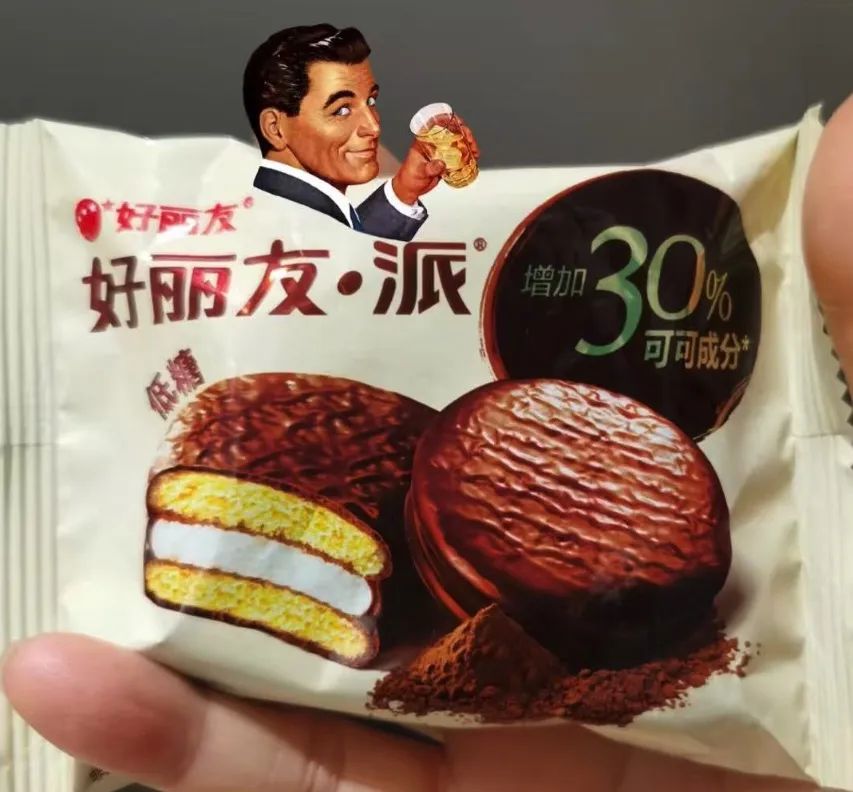
被骂上热搜,山姆紧急下架
Xin Jing Bao· 2025-07-16 04:55
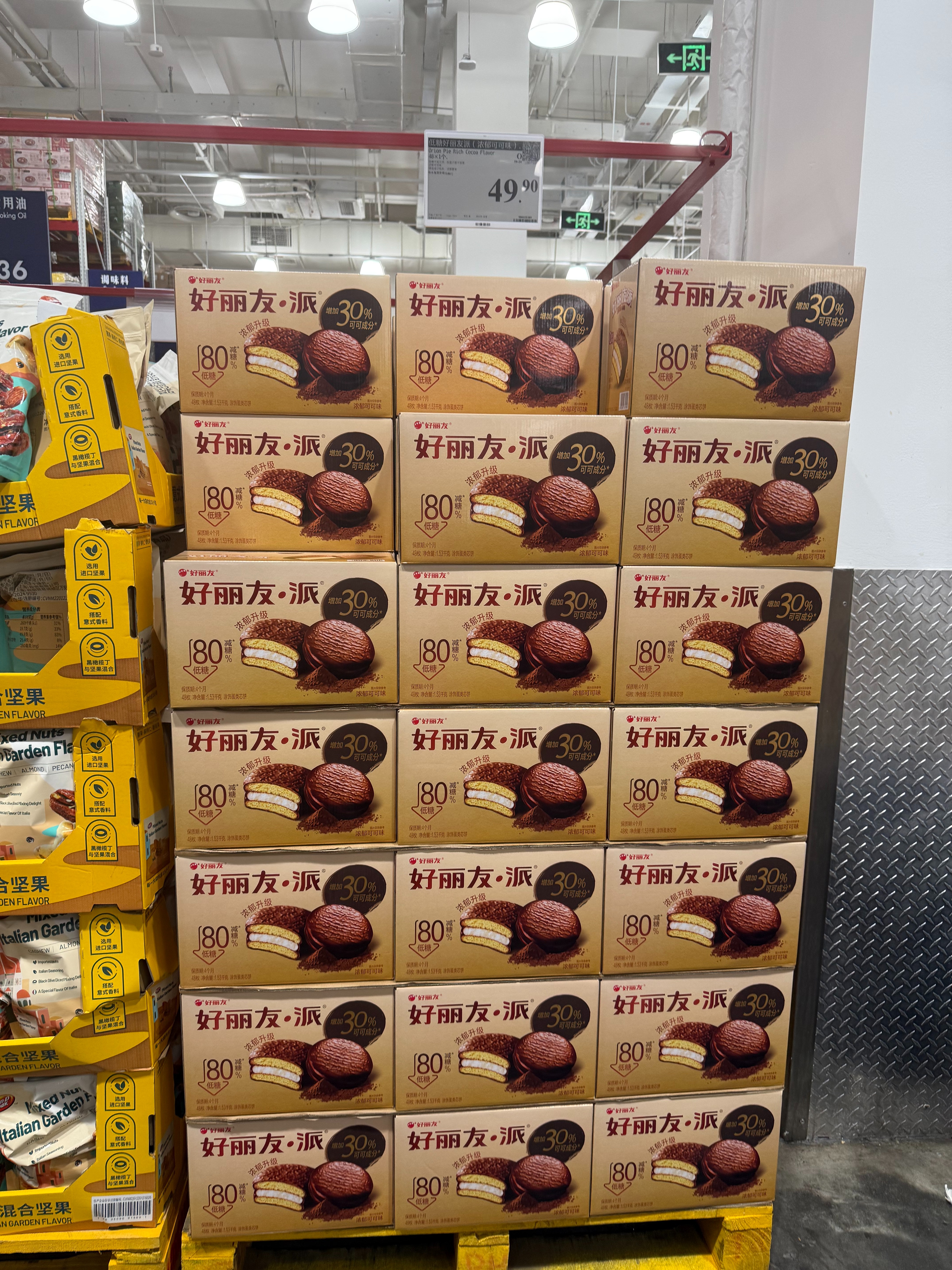
Core Viewpoint - Sam's Club has faced strong dissatisfaction from members due to the removal of popular products and the introduction of new items like the low-sugar cake from Haoliyou, leading to significant discussions on social media [1][3]. Group 1: Product Changes - In recent months, Sam's Club has made intensive adjustments to its product offerings, including the introduction of Haoliyou's low-sugar cake priced at 49.9 yuan for 48 pieces, which is exclusive to Sam's channels [3]. - Other new products from leading brands such as Kang Shifu, Heytea, and Xu Fu Ji have been launched, while previously popular items like 100% fruit juice are no longer available [5][10]. Group 2: Membership and Revenue - The annual fee for a regular membership at Sam's Club in China is 260 yuan, while the premium membership costs 680 yuan [8]. - Walmart's latest fiscal quarter reported net sales of 6.7 billion USD (approximately 48.02 billion yuan) in China, with a year-on-year growth of 22.5%, and comparable sales growth of 16.8% [8]. Group 3: Consumer Sentiment - Consumers have expressed their dissatisfaction on social media, with some stating they would not renew their memberships due to the recent product changes [5][10]. - Experts highlight that differentiation is crucial for membership warehouse stores, as members expect unique products that set them apart from non-members [10].

被消费者骂上热搜!山姆火速下架好丽友派,又曝超市内女子脚踩取冰机内取冰
Qi Lu Wan Bao· 2025-07-16 03:11
Group 1 - The core issue revolves around Sam's Club's product selection strategy, which has faced criticism from members after the introduction of a low-sugar version of the popular Holi-Ryu cake, reducing sugar content by 80% and increasing cocoa content by 30% [1] - There is a noticeable trend of popular products like egg yolk pastries and caramel layered cookies being removed from shelves, leading to perceptions that Sam's Club is becoming more homogenized compared to regular supermarkets [6] - Sam's Club's customer service confirmed that the controversial Holi-Ryu cake has been removed from online listings, although the reasons for this decision remain unclear [6][8] Group 2 - Reports emerged of hygiene issues related to ice machines at Sam's Club, with a customer being filmed inside the machine, raising concerns about cleanliness and safety [6][8] - The ice produced by Sam's Club is non-consumable and is intended for keeping meat at low temperatures, but customers have reported difficulties in accessing the ice due to design flaws in the machine [8]
山姆紧急调整?APP已下架好丽友派,各方回应→
新华网财经· 2025-07-16 02:27
Core Viewpoint - The article discusses the recent backlash against Sam's Club for removing popular products like low-sugar snacks and replacing them with items that consumers find less appealing, leading to dissatisfaction among members [1][3][9]. Product Changes - Sam's Club has recently made significant adjustments to its product offerings, including the removal of high-repurchase-rate items such as sun cakes and low-sugar egg yolk pastries, while introducing new products like low-sugar snacks and oatmeal cakes [1][9]. - Specific products that have been removed include the low-sugar Holi-Ryo pie and the cow mushroom konjac, which were previously popular among consumers [5][10]. Consumer Reactions - Many consumers expressed frustration on social media, feeling that Sam's Club is not providing value for their membership fees by offering products easily available elsewhere [3][9]. - The high approval rating of the removed Holi-Ryo pie, which had a 93.6% positive feedback rate, highlights the disconnect between consumer preferences and the company's product strategy [9]. Company Response - Walmart, the parent company of Sam's Club, acknowledged the feedback from members regarding product selection and stated that it would consider this input in future product strategies [11][12]. - Sam's Club has also indicated that it is aware of the recent public sentiment and plans to hold high-level meetings to discuss potential responses to the backlash [15]. Product Customization - Some brands, such as Holi-Ryo and Lulumei, have confirmed that their products are specially customized for Sam's Club, tailored to meet the preferences of its membership base [14][16]. - The introduction of these customized products is part of a strategy to differentiate offerings and cater to health-conscious consumers [14].
山姆紧急调整?APP已下架好丽友派
第一财经· 2025-07-16 00:31
Core Viewpoint - The article discusses the recent controversy surrounding Sam's Club due to the removal of popular products and the introduction of new items, leading to consumer dissatisfaction and questions about the selection standards of the store [1][2][5]. Group 1: Product Changes and Consumer Reactions - Sam's Club has faced backlash from consumers for discontinuing high-repurchase-rate products like sun cakes and low-sugar egg yolk pastries, while introducing new items such as low-sugar Holley Friend pies and other products that are perceived as less desirable [2][4]. - The removal of the Holley Friend pie, which was marketed as having "80% less sugar" and "30% more cocoa," has particularly drawn criticism, with a price of 49.9 yuan for a box of 48 pieces and a high approval rating of 93.6% from over 9,000 reviews [11][12]. - Consumers have expressed feelings of being treated unfairly, questioning whether their membership fees are justified when they can find similar products elsewhere [4][5]. Group 2: Business Performance and Membership Structure - Sam's Club, a subsidiary of Walmart, has over 800 stores globally and is a significant revenue source for Walmart, with net sales in China reaching $6.7 billion (approximately 48.02 billion yuan), a year-on-year increase of 22.5% [14][15]. - The annual membership fee for regular members is 260 yuan, while premium members pay 680 yuan [15]. - The company has been expanding its store presence, adding seven new locations in the past 12 months, and has maintained strong growth in both membership and e-commerce sales [15]. Group 3: Market Positioning and Consumer Expectations - Experts suggest that differentiation is crucial for membership warehouse stores, as consumers expect unique products that are not available in regular retail channels [13][16]. - Quality has become a key factor for Chinese consumers, overshadowing traditional considerations like brand and price, which has contributed to the success of stores like Sam's Club [16].