星巴克

Search documents
博裕五期美元基金有限责任公司收购星巴克咖啡(开曼)控股有限公司股权案
Xin Lang Cai Jing· 2026-01-22 06:52
公示期:2026年1月22日至2026年1月31日 联系邮箱:jyzjz@samr.gov.cn 转自:市场监管总局网站 ...


零工取代星巴克全职咖啡师?奈雪们早就尝试了丨消费参考
2 1 Shi Ji Jing Ji Bao Dao· 2026-01-22 01:34
Group 1 - Starbucks China is focusing on controlling labor costs by increasing the recruitment of part-time employees, with 61.7% of job postings for student part-time positions and 17.8% for social part-time positions [1] - The majority of full-time job postings are concentrated in lower-tier cities, with only Shenzhen and Shanghai having limited full-time positions [1] - The trend of hiring part-time workers is becoming common in the restaurant industry, as seen with Nayuki Tea, which has also shifted to a workforce primarily composed of part-time employees [2] Group 2 - The management structure at Starbucks is changing, with the implementation of a "multi-store community" model where one store manager oversees multiple locations, aimed at reducing costs [2] - The shift from full-time baristas to gig workers raises concerns about maintaining service quality, which is a core competitive advantage for Starbucks [2][3]
零工取代星巴克全职咖啡师?奈雪们早就尝试了
2 1 Shi Ji Jing Ji Bao Dao· 2026-01-22 01:32
Group 1 - Starbucks China is focusing on controlling labor costs by increasing the recruitment of part-time employees, with 61.7% of job postings for student part-time positions and 17.8% for social part-time positions [1] - The majority of full-time job postings are concentrated in lower-tier cities, with only Shenzhen and Shanghai having limited full-time positions [1] - The trend of hiring part-time workers is becoming common in the restaurant industry, as seen with Nayuki Tea, which has also shifted to a workforce primarily composed of part-time employees [2] Group 2 - The management structure at Starbucks is changing, with plans to have one store manager oversee multiple locations, a strategy aimed at reducing costs [2] - The shift from full-time baristas to gig workers raises concerns about maintaining service quality, which is a core competitive advantage for Starbucks [2][3]
美国银行上调星巴克目标价至114美元
Ge Long Hui A P P· 2026-01-21 11:59
格隆汇1月21日|美国银行:将星巴克(SBUX.US)目标价从106美元上调至114美元。 ...
现饮市场争夺加速:“价格之战”变“资本之战”
Zhong Guo Jing Ying Bao· 2026-01-19 06:03
Group 1 - The year 2025 is significant for China's ready-to-drink tea industry, with many new tea brands planning to go public and the coffee sector experiencing mergers and acquisitions [1][2] - The coffee market is characterized by four core features: market expansion, price stratification, rapid store openings, and the rise of local brands, with international brands like Starbucks seeking local partnerships [1][2] - New tea brands are shifting from rapid expansion to focusing on quality and customer loyalty, especially in overseas markets like North America [1][2] Group 2 - Several new tea brands, including Gu Ming and Mi Xue Group, are preparing for IPOs in 2025, contributing to a wave of capital influx in the industry [2] - In the coffee sector, Starbucks China is collaborating with Boyu Capital to expand its store count to 20,000, marking a significant strategic shift [2][3] - Luckin Coffee has become a dominant player with 29,214 stores globally, surpassing Starbucks in terms of store count and revenue [4][5] Group 3 - The competition in the coffee market is intensifying, with brands like Luckin Coffee and Manner Coffee adopting aggressive expansion strategies [5][6] - The focus is shifting towards high-traffic locations in first and second-tier cities, while brands are also investing in premium coffee segments [6] - The entry of Boyu Capital is expected to enhance Starbucks' market presence, particularly in smaller cities and emerging regions [6] Group 4 - The new tea drink sector is facing challenges, including a wave of store closures, with a reported net decrease of 16,000 tea shops in the past year [8] - Brands are competing aggressively in the low-price segment, with many products priced below 10 yuan [8][9] - New tea brands are also exploring international markets, particularly in North America and Latin America, to find new growth opportunities [9][10]
西班牙媒体:从星巴克调整中国战略看时代变迁
Huan Qiu Wang· 2026-01-18 22:53
Core Viewpoint - The article discusses the shift in the competitive landscape for Starbucks in China, highlighting the rise of local competitors and the strategic adjustments made by Starbucks in response to changing consumer preferences and market dynamics [1][2]. Group 1: Market Dynamics - In the 1980s and 1990s, foreign chains like Starbucks symbolized China's economic opening, with Starbucks opening its first store in Beijing in 1999, introducing a new coffee culture to a tea-dominated society [1]. - Currently, local Chinese competitors have gained significant market share by adapting their products to meet the demands of consumers who prefer takeout and are increasingly price-sensitive [1]. Group 2: Strategic Adjustments - Starbucks has sold 60% of its stake in its China operations to Boyu Capital for a valuation of $4 billion, indicating a strategic shift in its approach to the Chinese market [2]. - This decision reflects a recognition that the growth model that served Starbucks well in China for decades is no longer competitive, emphasizing the need for flexibility and adaptability in the current market [2]. Group 3: Competitive Pressure - A report from the Shanghai American Chamber of Commerce highlights that increasing competition from local Chinese companies is a major challenge for American firms operating in China [2]. - Analysts note that over the past decade, local brands have rapidly developed, while Western brands like Starbucks face challenges due to their more cumbersome organizational structures and higher cost models, leading to slower responses to market changes [2].
星巴克,让出行“享住随心”
Xin Jing Bao· 2026-01-16 14:33
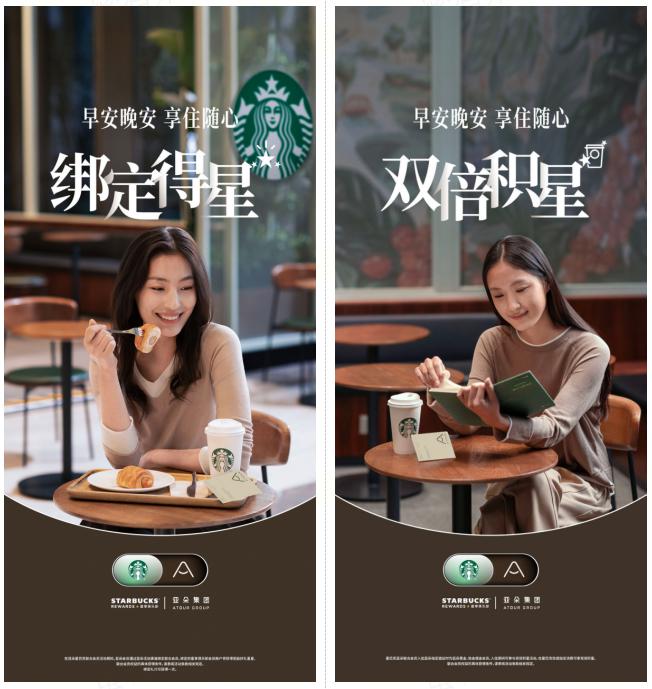
Core Insights - The collaboration between Atour Group and Starbucks China aims to enhance user experience by integrating their services into a seamless travel journey, focusing on comfort and convenience [1][2][3] Group 1: Partnership Overview - Atour and Starbucks launched a joint membership program that connects their services, allowing users to enjoy benefits across both brands [3][6] - The program includes features such as double star accumulation for Atour members and exclusive benefits for high-tier Starbucks members, enhancing user engagement [3][6] Group 2: User Experience Enhancement - The partnership addresses the needs of frequent travelers by providing a consistent experience from departure to arrival, ensuring that users can maintain their daily routines even in unfamiliar cities [5][7] - The collaboration shifts the focus from isolated promotions to a holistic experience, positioning both brands as companions in the user's lifestyle [5][7] Group 3: Market Trends and Consumer Behavior - The trend of cross-scenario fluidity among urban consumers necessitates a shift in membership programs from simple discounts to seamless experiences that fit into users' real-life paths [6][7] - Younger consumers are increasingly prioritizing convenience and smoothness in their experiences over mere cost savings, indicating a need for brands to adapt their offerings [6][7] Group 4: Atour's Strategic Vision - Atour aims to redefine the hotel experience as a lifestyle brand, focusing on the concept of "body and mind settling" to enhance the overall quality of life for users [8][12] - The company has set ambitious goals, such as achieving "2000 good stores" in three years, indicating a commitment to expanding its brand presence and enhancing user experience [8][12] Group 5: Future Directions - Atour plans to extend its focus on lifestyle experience upgrades, ensuring that the concept of settling extends beyond travel to everyday life [12] - The collaboration with Starbucks is part of a broader strategy to create a comprehensive lifestyle network that integrates various aspects of urban living [9][11]

花旗:将星巴克(SBUX.O)目标价从83美元上调至94美元。
Jin Rong Jie· 2026-01-15 11:45
Group 1 - Citigroup has raised the target price for Starbucks (SBUX.O) from $83 to $94 [1]
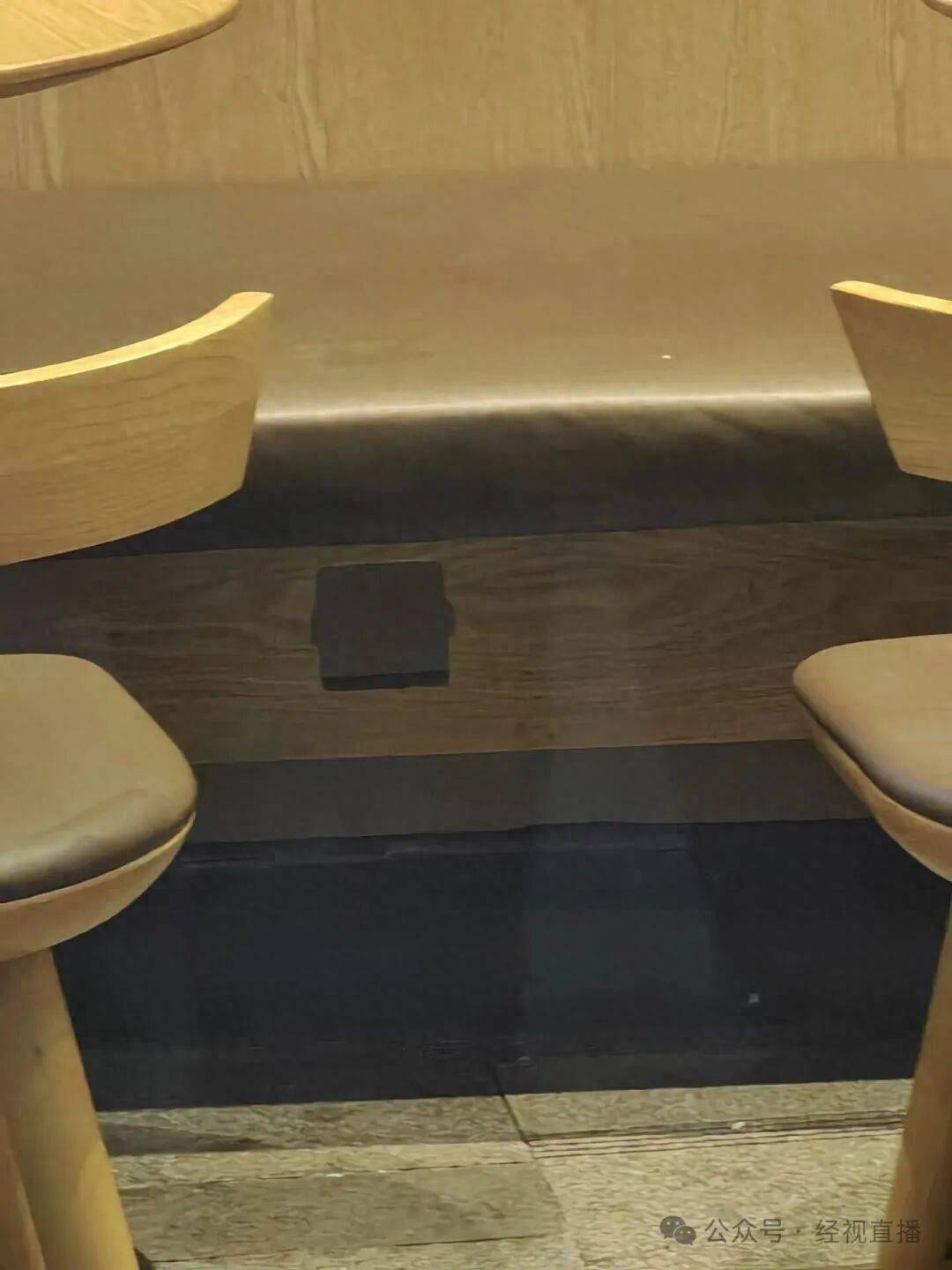
南京一星巴克门店拆除消费区插座?网友:“电源插座拆了真的不会去喝了”
Sou Hu Cai Jing· 2026-01-13 08:58
Core Viewpoint - The recent removal of power outlets in a Starbucks location in Nanjing has sparked mixed reactions among customers, highlighting the brand's unique service offerings compared to other coffee chains [1][3]. Group 1: Customer Reactions - Many customers expressed confusion and disappointment over the removal of power outlets, emphasizing that the availability of such amenities is a key reason for their loyalty to Starbucks [1]. - Some customers understood the decision, suggesting it could prevent non-paying individuals from occupying seats for extended periods [1]. Group 2: Store Management Explanation - The store manager clarified that the power outlets were never installed in the consumer area since the store's opening, due to the location's structural limitations [3]. - The manager noted that the current seating was sourced from other locations and that the presence of outlet boxes was not indicative of installed outlets [3]. - Starbucks' customer service confirmed that the installation of power outlets is not a company-wide mandate and is determined based on individual store circumstances [3].
产业升级催生消费升级,新兴城市成为新增长极
Jing Ji Guan Cha Wang· 2026-01-12 09:48
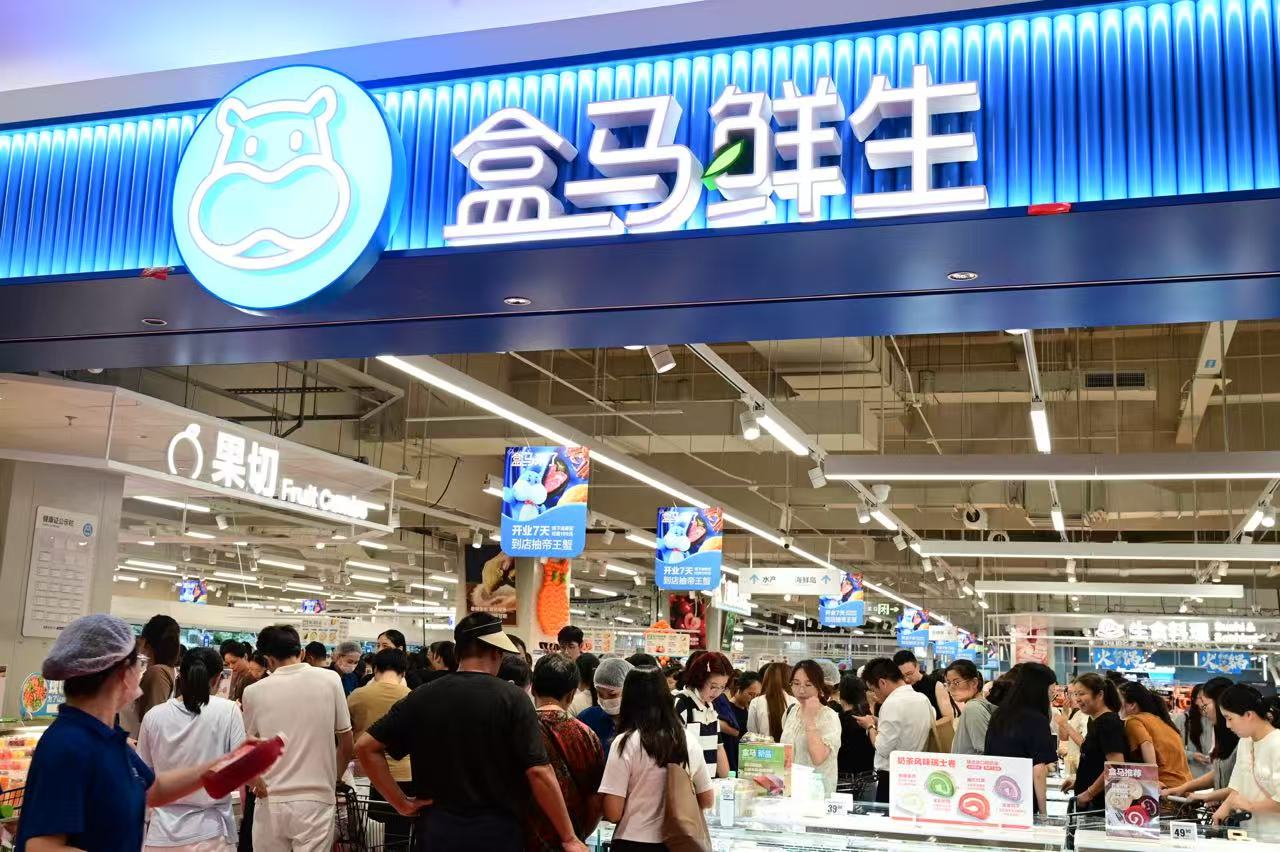
Core Insights - The geographical landscape of China's consumer market is shifting from traditional first-tier cities to emerging urban areas, indicating a significant change in consumption growth dynamics and brand competition [1][7] Group 1: Consumption Trends - The "Box District Housing Index" shows that cities like Shijiazhuang, Xuzhou, and Linyi have indices of 171, 141, and 127 respectively, significantly above the national average of 100, highlighting the rising consumption power in these emerging cities [1] - Retail brands such as Xixifu Bookstore and outdoor brand Salomon are expanding into emerging markets, confirming the trend of a silent yet profound geographical migration in consumption [1] - Consumers in emerging cities are increasingly seeking quality and unique experiences, aligning their demands with those of consumers in first-tier cities [3][4] Group 2: Industrial Upgrades - Industrial upgrades are driving the transformation of cities and reshaping the consumption base, with cities like Yibin becoming key players in the power battery industry, achieving over 100 billion in output value in both 2023 and 2024 [2] - Hefei has emerged as a leader in the new energy vehicle sector, producing 1.097 million vehicles from January to October 2025, and hosting numerous core component enterprises, establishing a robust industrial cluster [2] Group 3: Consumer Behavior Changes - The influx of skilled workers and rising disposable incomes in emerging cities are creating a new consumer demographic with unique spending power, leading to increased consumption [3] - Data shows that 55.7% of non-first-tier cities have GDP growth rates exceeding the national average, with 65.2% of third-tier cities and 60.7% of fourth-tier cities also outperforming the national growth rate [3] Group 4: Retail Innovations - Brands like Hema are transforming traditional shopping experiences into multi-functional destinations that combine dining, socializing, and shopping, thus enhancing consumer engagement [6] - Hema's new stores have seen immediate success, with significant sales figures reported on opening days, indicating strong market demand and consumer interest [6] Group 5: Future Outlook - The shift in consumption dynamics suggests that retail brands capable of maintaining competitiveness in high-tier cities while successfully penetrating emerging markets will likely emerge as the biggest winners [7][8] - The evolving consumer landscape in emerging cities is characterized by a growing demand for quality products and experiences, which is reshaping the retail industry [8]