奔驰

Search documents
一道海峡,缘何划就两岸“车市鸿沟”?
Guan Cha Zhe Wang· 2025-10-04 00:51
Core Viewpoint - The significant price disparity between electric vehicles in Taiwan and mainland China highlights structural issues within Taiwan's automotive market, particularly in the new energy sector [2][11][24]. Price Disparity - The price of vehicles in Taiwan can be nearly double that in mainland China, with examples such as the Tesla Model 3 priced at approximately 169 million TWD (about 37.8 million RMB) in Taiwan compared to around 23-24 million RMB in mainland China [1][8][17]. - Taiwanese consumers face high vehicle prices regardless of whether they are purchasing imported or local cars, with local prices often exceeding those in mainland China by significant margins [4][5][6]. Market Structure Issues - The high prices in Taiwan are attributed to a combination of high taxes, limited local production capabilities, and a lack of competitive pricing due to protective policies that restrict mainland Chinese vehicles from entering the market [23][24]. - The Taiwanese automotive market is characterized by a reliance on imported components, which increases production costs and ultimately leads to higher consumer prices [23][21]. Consumer Sentiment - Taiwanese consumers express frustration over the high prices, with some likening the experience of buying a car in Taiwan to being "robbed" [5][6]. - There is a growing sentiment among consumers that they are missing out on the benefits of lower-priced vehicles available in mainland China due to political barriers [11][24]. Policy and Regulatory Environment - The Taiwanese government has implemented regulations that limit the import of mainland Chinese vehicles, which are seen as a threat to local manufacturers [12][16]. - Recent policies require a certain percentage of local content in vehicles, further complicating the market dynamics and contributing to higher prices [14][23]. Market Trends - Despite the high prices, the market for electric vehicles in Taiwan is growing, with a notable increase in the share of electric vehicles in new car registrations [17][19]. - The market is expected to continue evolving, with projections indicating that electric vehicles could account for 60% of total car sales by 2030 [19][20].



车门把手实用安全比新奇独特更重要
Jing Ji Ri Bao· 2025-10-03 22:06
Core Viewpoint - The Ministry of Industry and Information Technology is seeking public opinion on a mandatory national standard for automotive door handle safety, aiming to enhance product performance and safety levels in response to the growing use of hidden door handles in electric and smart vehicles [1][2]. Group 1: Industry Trends - The rapid development of electric and smart vehicles has led to a diverse range of door handle designs, including semi-hidden, fully hidden, and manual press types, with each vehicle potentially featuring a unique opening mechanism [1]. - Hidden door handles, originally designed for racing to reduce drag, have gained popularity in the automotive industry for their aesthetic appeal and efficiency, as exemplified by the Tesla Model S [1]. Group 2: Safety Concerns - Hidden door handles have introduced various operational challenges for passengers, including difficulty in recognition, operational inconvenience, and potential safety risks during emergencies, as highlighted by incidents where passengers were unable to exit vehicles after accidents [2]. - The proposed standard includes technical requirements for door handle structure, operation space, and redundancy design to ensure that door handles can be operated mechanically in the event of power failure, thereby facilitating passenger escape and rescue [2][3]. Group 3: Regulatory Implications - The standard aims to address consumer feedback regarding the visibility and accessibility of door handles, mandating clear placement and safety indicators to reduce misoperation and enhance user experience [3]. - The establishment of this standard reflects a balance between technological innovation and safety, ensuring that door handle designs are not only unique but also functional and user-friendly, thereby promoting consumer safety and improving overall traffic safety [3].
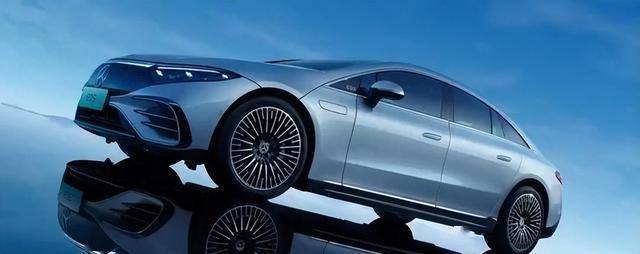
电动困局,BBA折戟!电车沦为杂牌,差在哪儿?
Sou Hu Cai Jing· 2025-10-03 14:46
Core Insights - BBA (BMW, Benz, Audi) is facing significant challenges in the electric vehicle (EV) market, with drastic declines in sales and profits, particularly in China [1][2][4] - The perception of BBA brands as outdated and less appealing compared to new entrants like Tesla and NIO is contributing to their struggles [2][4] - Price reductions have not effectively boosted sales and have instead harmed brand value, leading consumers to consider domestic alternatives [2][4] Sales Performance - BMW's net profit plummeted by 83.8%, Mercedes-Benz by 55.8%, and Audi by 37.5% [1] - In China, BMW's sales dropped by 15.5%, Mercedes-Benz by 14%, and Audi by 10.2% [1] - Electric vehicle sales for Mercedes-Benz fell by 31%, and Audi by 23.5%, while BMW saw an 18.5% increase in electric sales, though this was not enough to offset overall declines [1] Brand Perception - Consumers still view BBA as leaders in traditional fuel vehicles, while their electric offerings are seen as makeshift [2] - New energy brands are perceived as more innovative and appealing, leading to a shift in consumer loyalty [2][4] Product Issues - BBA's electric vehicles are primarily based on modified internal combustion platforms, leading to inherent design flaws [4] - Features that are standard in domestic competitors, such as air suspension and advanced driver assistance systems, are often optional in BBA vehicles, making them less competitive [4] - Technical issues, such as poor wiring and frequent motor failures, have raised doubts about BBA's engineering quality [4] Strategic Responses - BBA is attempting to adapt by accelerating localization and collaborating with tech companies for smart driving solutions [6] - Mercedes-Benz has revised its electrification goals, aiming for a maximum of 50% of its models to be new energy vehicles [6] - Audi is partnering with Huawei to enhance its intelligent driving systems [6] Market Outlook - The penetration rate of new energy vehicles in China is expected to exceed 50% by 2025, intensifying competition [6] - New energy brands are focusing on user experience and technology, while BBA must innovate to avoid marginalization [6][7]
历史首人!特斯拉市值一夜增加490亿美元,马斯克个人财富达5000亿美元【附全球新能源汽车行业发展趋势】
Qian Zhan Wang· 2025-10-02 06:32
周三,全球首富马斯克的个人财富突破5000亿美元,成为史上第一个身价跨过这一门槛的人,这主要是得益 于特斯拉股价反弹以及这位科技企业家旗下其它初创公司估值飙升。 根据福布斯富豪榜,截至美国东部时间下午4:15,马斯克的净资产达到了5001亿美元,但目前回落至5000亿 美元下方。 不过,特斯拉正面临车企的激烈竞争。美国福特汽车首席执行官吉姆·法利在当地一档播客节目中发表了中 美车企实力对比的观点。他直言不讳地指出:"在电动车行业的竞争格局中,中国堪称'700磅重大猩猩'。" 法利进一步解释称,无论是特斯拉、通用汽车还是福特汽车公司,都无法与中国车企进行真正的竞争。在他 看来,中国车企在全球电动汽车领域完全占据主导地位,而且这种领先优势在中国以外的地区也越来越大。 自2014年起,中国新能源汽车市场开始快速发展,产销量大幅上升。2023年,中国新能源汽车产量达到 958.7万辆,同比增长35.8%;2024年1-11月累计产量更是高达1134.5万辆,同比增长34.6%。 在经历了年初的动荡之后,随着马斯克将重心重新转向旗下公司,投资者信心改善,特斯拉股价一路走高。 特斯拉董事会主席Robyn Denholm上 ...
从豪门到杂牌:绿牌BBA在中国市场大溃败
芯世相· 2025-10-02 01:05
Core Viewpoint - The article discusses the decline of traditional luxury car brands BBA (BMW, Benz, Audi) in the Chinese market, particularly in the context of the rising competition from domestic electric vehicle manufacturers. It highlights the challenges BBA faces in adapting to the new energy vehicle (NEV) landscape and the perception of these brands as "second-rate" or "杂牌" (杂牌) among consumers [7][28]. Group 1: Market Performance and Competition - BBA's market share in the 500,000+ vehicle segment has dropped to approximately 50% due to the emergence of popular Chinese models like the AITO M9 [10]. - In 2022, BBA's global sales totaled 6.1054 million units, a decrease of nearly 1 million units compared to 2021 [10]. - BBA's green plate vehicles sold less than 70,000 units in 2019, and despite a brief sales peak in 2023, their profitability has been severely impacted by price wars [10][14]. Group 2: Product Development and Technology - BBA's approach to NEVs has been criticized for relying on "oil-to-electric" conversions, which do not meet consumer expectations for performance and efficiency [18][22]. - The BMW i3, for example, uses a fuel vehicle chassis, compromising passenger space and battery performance, with real-world range significantly lower than advertised [19][24]. - In contrast, Chinese manufacturers like Li Auto and NIO are utilizing advanced technologies, with NIO's ET5 achieving a total computing power of 1000 TOPS compared to BMW's i3 at only 2 TOPS [18][19]. Group 3: Strategic Challenges and Future Outlook - BBA's reluctance to fully commit to NEV development is partly due to their established supply chain relationships and the desire to maximize profits from traditional fuel vehicles [33][36]. - The article suggests that BBA's slow transition to electric vehicles is a tactical retreat to maintain their existing market share while facing pressure from the rapidly growing Chinese EV sector [29][33]. - The perception of BBA as "杂牌" reflects a broader concern that these brands are failing to innovate and meet the evolving demands of Chinese consumers [28][41].
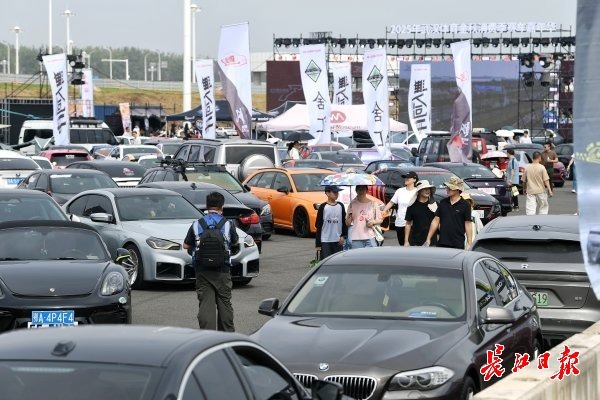
中国汽车飘移锦标赛在汉启幕,全国近200名车手炫技“飘移”
Chang Jiang Ri Bao· 2025-10-02 00:42
Core Viewpoint - The inaugural event at the Wuhan International Circuit showcased the 2025 China Drift Championship and the China Good Driver competition, marking a significant milestone for motorsport in Central China with over ten thousand spectators in attendance [1][4]. Group 1: Event Highlights - The event featured nearly 200 professional drivers competing in modified cars, performing drift maneuvers to impress judges and entertain the audience [4][15]. - The circuit, measuring 4.29 kilometers with 17 different radius turns, is designed to allow cars to exceed speeds of 280 kilometers per hour, establishing it as China's first ecological international secondary circuit built along a natural river [16]. Group 2: Audience Engagement - Attendees expressed excitement, with one spectator noting the live experience of drifting was far more thrilling than watching videos [4]. - The event included a car exhibition with nearly a thousand modified vehicles from brands like Lamborghini, Porsche, Ferrari, and Mercedes, attracting significant public interest [6][8]. Group 3: Economic Impact - The event aims to transform motorsport from a niche activity into a popular festival, promoting tourism, dining, and accommodation in the region [13]. - The organizer highlighted the potential for the event to enhance the local economy by integrating sports with cultural tourism, thereby extending the automotive industry’s influence beyond manufacturing [13].
十一惠民汽车消费节启幕
Su Zhou Ri Bao· 2025-10-02 00:18
在优惠政策方面,节假日期间,相城国际汽车城各经销商在苏州市2025年汽车换新补贴政策基础 上,同步推出自主叠加优惠,涵盖现金直降、装潢礼包赠送、质保服务延长等。 昨天(10月1日),2025苏州十一惠民汽车消费节在苏州新能源汽车科技体验中心启幕,本地汽车 换新补贴叠加车企让利,点燃消费者购车热情。 本次惠民汽车消费节会聚了奔驰、宝马、问界、乐道、比亚迪等30余个热门汽车品牌,为市民打 造"一站式"看车、选车、购车平台,其中新能源车型成为绝对主角。 ...
中年人最爱的豪车,也扛不住了!
商业洞察· 2025-10-01 09:24
Core Viewpoint - The article discusses the significant strategic shift of Porsche from electric vehicles back to internal combustion engine models due to declining sales and financial pressures, reflecting broader challenges faced by luxury car brands in the evolving automotive market [4][5][15][16]. Group 1: Porsche's Strategic Shift - Porsche has announced a major shift in strategy, pausing its electric vehicle plans and refocusing on internal combustion engine models, including hybrids, in response to declining sales and profitability pressures [15][16]. - The company faced its most severe challenges since its IPO in 2022, including a continuous drop in stock prices, removal from the DAX index, and poor performance in key markets like China and the U.S. [16][17]. - Porsche's net profit for the first half of 2025 plummeted by 66.6%, with a sales return rate dropping to 5.5%, prompting a reevaluation of its earlier commitment to electric vehicle dominance [16][21]. Group 2: Market Context and Challenges - The luxury car market is undergoing a significant transformation, with traditional brands like Mercedes, Volvo, and Ford also retreating from their electric vehicle ambitions and increasing investments in hybrid and efficient internal combustion engines [23][24]. - The article highlights the competitive landscape, noting that domestic Chinese automakers are better aligned with consumer preferences, offering more value and features compared to traditional luxury brands [26][28]. - The overall automotive market is experiencing a shift, with China's new energy vehicle sales reaching 12.87 million units in 2022, marking a 35.5% increase, while traditional luxury brands struggle to maintain their market positions [31][32]. Group 3: Future Implications - The article suggests that the transition to electric vehicles is more complex and challenging than anticipated, as evidenced by Porsche's retreat from its electric ambitions [17][28]. - The future automotive market will not simply be a battle between fuel and electric vehicles but will involve a multifaceted competition based on technology, brand, and customer experience [38]. - The traditional automotive giants are at risk of losing their competitive edge as they face the reality of a rapidly evolving market dominated by new energy vehicles and changing consumer expectations [36][37].

李书福叹“相见恨晚”!千里科技携吉利、奔驰入场,AI智驾战“决赛圈”打响
Sou Hu Cai Jing· 2025-09-30 15:51
Core Insights - Geely Holding Group's chairman Li Shufu expressed high expectations for Qianli Technology and its chairman Yin Qi during the company's first press conference after rebranding to "AFARI" [1][12] - Qianli Technology unveiled its three major business segments: Qianli Smart Driving, Qianli Smart Cabin, and Qianli Smart Mobility, outlining a clear path for the integration of AI and automotive technology [3][4] Business Segments - Qianli Technology aims to achieve a "containing modulus" of 70%-80% in its smart driving systems by the end of 2025, significantly higher than the current industry average of 40%-50% [3][4] - The company plans to reduce reliance on traditional rules and high-precision maps by adopting an "end-to-end model architecture" [4] - Qianli's smart driving product roadmap includes a 1.0 version already launched, a 2.0 version (L3 level) planned for late 2025, and a 3.0 version (L4 level) targeting Robotaxi scenarios expected in 2026 [4][6] Technology and Innovation - The smart cabin operating system "Agent OS" was introduced, featuring advanced functionalities such as "supernatural interaction" and "integrated memory" [5] - Qianli Technology has set an "18-month plan" to establish a comprehensive Robotaxi service, aiming to become the first in China with OEM-level support and dedicated hardware customization capabilities [6][12] Strategic Partnerships - The "Qianli Plan" aims to create a unified AI brain and operating system, leveraging partnerships with Geely and other companies to enhance technological capabilities [8][12] - Mercedes-Benz acquired a 3% stake in Qianli Technology for approximately 1.339 billion yuan, signaling confidence in the company's technological strength and paving the way for collaboration in smart driving and cabin technologies [12][13] Financial Performance - Qianli Technology reported a revenue of 4.184 billion yuan for the first half of 2025, a year-on-year increase of 40.04%, with a net profit of 31.17 million yuan, up 19% [14]



小米汽车回应YU7挑战24小时耐力赛,对标保时捷奔驰
Xin Lang Ke Ji· 2025-09-30 14:18
【#小米汽车回应做24小时耐力挑战#】小米汽车回应小米YU7为什么要做24小时耐力挑战称:24小时耐 力挑战借鉴了勒芒24小时耐力赛,目标是挑战一台纯电动车在24小时内连续行驶的最长里程,相当 于"用短跑的速度跑马拉松"。在小米YU7前,保时捷和奔驰也做了该项挑战,是汽车品牌进行耐久考验 的历练场,既是成绩里程的竞赛,也是各品牌在三电领域的技术竞赛。#小米回应小米超强钢小字标注 ##小米汽车回应小字标注# ...