宝马

Search documents
小鹏MONA系列要引入亿纬锂能?车企选择混装电池背后:提升议价能力、获取更优质资源
Mei Ri Jing Ji Xin Wen· 2025-09-19 02:32
Core Viewpoint - Xiaopeng Motors has introduced Yiwei Lithium Energy as a battery supplier for its MONA series vehicles, while the long-range versions will continue to use BYD batteries. This move reflects a broader trend in the automotive industry towards multi-supplier strategies to enhance supply chain stability and reduce costs [1][2][4]. Group 1: Supplier Strategy - Many leading automotive companies, including Tesla, BMW, Geely, and SAIC, have adopted a strategy of collaborating with multiple battery suppliers to mitigate risks associated with relying on a single source [2][4]. - The multi-supplier approach allows companies to enhance their bargaining power, as competition among suppliers can lead to improved service quality and lower prices [4][5]. - Analysts suggest that while companies prefer to have a single supplier for optimal quality, they typically maintain two to three backup suppliers to ensure reliability [5]. Group 2: Consumer Concerns - The mixed battery supply strategy has raised concerns among consumers regarding the transparency of battery sourcing and performance, as seen in the case of Li Auto's models that use batteries from different suppliers [6][7]. - Consumers have expressed dissatisfaction over the lack of clarity about battery origins, particularly for high-priced models, leading to questions about potential cost-cutting measures by manufacturers [6][7]. - Industry experts emphasize the importance of clear communication regarding battery specifications to respect consumer rights and avoid misunderstandings [7].



求中国“共享”稀土技术?稀土之争揭穿西方“共享”谎言
Sou Hu Cai Jing· 2025-09-19 02:17
Core Insights - The U.S. military heavily relies on Chinese rare earth minerals, with 78% of its weapon systems dependent on these resources, raising concerns over supply chain vulnerabilities as China tightens regulations [1] - Rare earth elements are critical for modern technology, with applications ranging from smartphones to military systems, and the U.S. and Europe face significant supply challenges [4][6] - China holds a dominant position in rare earth production, controlling 90% of global refining capacity and possessing 3.8 million patents related to rare earth technologies [6] Industry Challenges - Western countries are struggling with their own supply chains, as evidenced by Germany's automotive industry facing a four-week inventory shortage, leading to production halts and skyrocketing prices for rare earths [4] - The environmental costs of rare earth production in the West are significant, with lengthy approval processes and high costs hindering local production efforts [11][13] Geopolitical Dynamics - The West's calls for technology sharing contrast sharply with its historical actions to restrict China's access to technology and resources [8][9] - China's recent regulatory changes have led to internal conflicts within Western alliances, as countries like Germany express frustration over U.S. trade policies impacting their economies [15] Future Outlook - China is implementing a tracking system for rare earths, allowing for strict control over military applications while facilitating compliance for civilian needs, which could further solidify its market position [15] - The global competition for rare earths is evolving into a struggle for rule-making authority, with initiatives like the London Metal Exchange's plans for RMB-denominated rare earth futures indicating a shift in market dynamics [15][17]
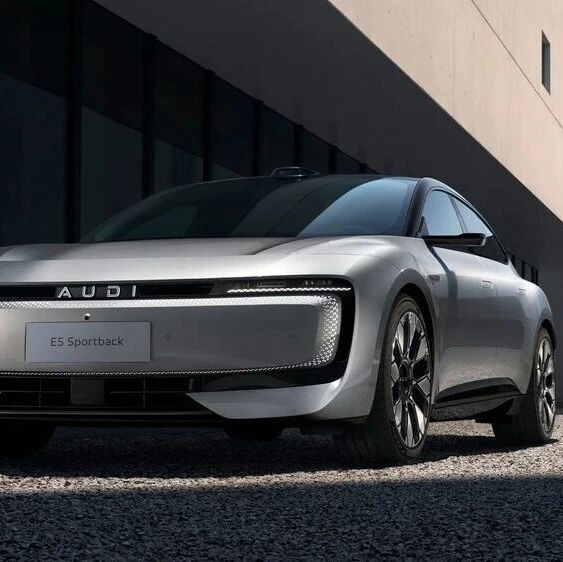
上汽大众陶海龙: 合资豪华新能源车驶入快车道
Zhong Guo Zheng Quan Bao· 2025-09-18 20:26
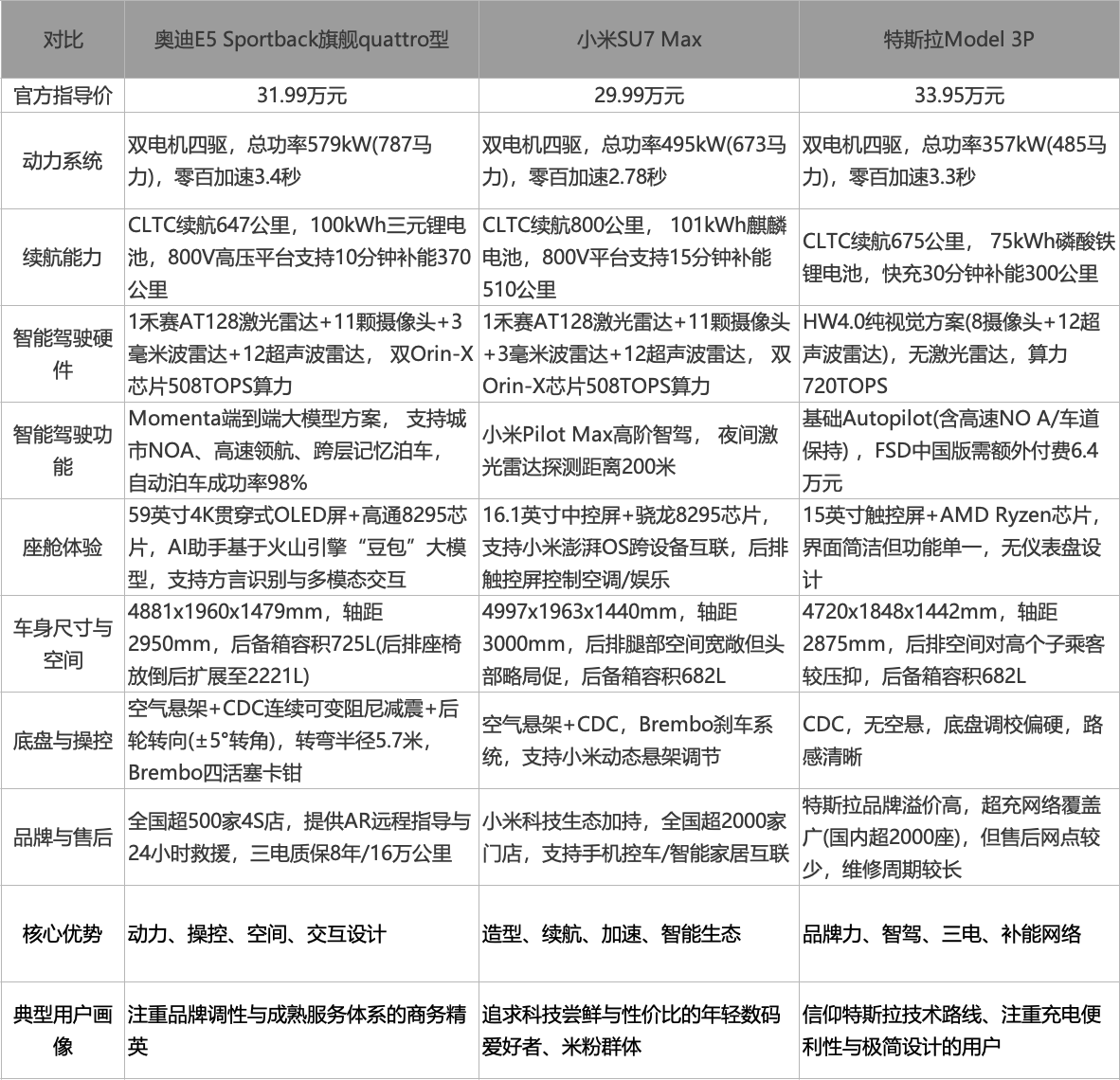
Core Insights - The current luxury car market in China is undergoing significant transformation, with increasing competition and a slight decline in total sales expected in the first half of 2025, estimated at around 1.6 million units [1] - Domestic high-end brands are rapidly gaining market share from traditional luxury and super-luxury brands, driven by the wave of smart technology and new energy vehicles [1] - SAIC Audi has introduced the "oil-electric dual progress" strategy to cater to diverse consumer needs, launching the new electric model Audi E5 Sportback, which received over 10,000 orders within 30 minutes of its release [1][2] Market Dynamics - The luxury brand market in China faces challenges in the new energy vehicle era, but a clear path for transformation has been identified, emphasizing trust and cooperation as key success factors [2] - The E5 Sportback is positioned to appeal to a new generation of consumers who value independent thinking and are not swayed by trends, offering a competitive price point compared to similar models from Tesla, BMW, and Mercedes-Benz [3] - The E5 Sportback features impressive specifications, including a 0-100 km/h acceleration in 3.4 seconds and a maximum range of 773 kilometers, along with advanced smart features [3] Strategic Initiatives - The "oil-electric dual progress" strategy is designed to address the diverse preferences of consumers across different regions in China, recognizing the demand for high-end intelligent fuel vehicles [5] - There is a notable gap in the market for high-end intelligent fuel vehicles, particularly among younger, educated consumers who prioritize efficiency and quality [6] - SAIC Audi aims to create a new category of high-end intelligent fuel vehicles by integrating more smart elements into traditional fuel cars, while also launching the luxury electric brand AUDI to tap into the growing electric vehicle segment [6]

上汽大众陶海龙:合资豪华新能源车驶入快车道
Zhong Guo Zheng Quan Bao· 2025-09-18 20:24
Core Insights - The Chinese luxury car market is undergoing significant transformation, with increasing competition and a slight decline in total sales expected to reach approximately 1.6 million units in the first half of 2025 compared to the previous year [1] - Domestic high-end brands are rapidly gaining market share from traditional luxury and ultra-luxury brands, driven by the wave of smart technology and new energy vehicles [1] - SAIC Audi has introduced the "oil-electric dual advancement" strategy to cater to diverse consumer needs, launching the new electric model Audi E5 Sportback, which received over 10,000 orders within 30 minutes of its release [1][2] Market Dynamics - The luxury brand market in China faces challenges in the new energy vehicle era, but a clear path for transformation has been identified through mutual trust and cooperation [2] - The E5 Sportback targets a new generation of consumers who value independent thinking and are not swayed by trends, offering a competitive price point compared to rivals like Tesla Model 3 and BMW i3 while maintaining high performance and advanced features [3] Product Development - The E5 Sportback showcases a unique blend of traditional German engineering and modern Chinese smart technology, developed in just 18 months, which is significantly shorter than the typical development cycle for Audi models [3][4] - The collaboration between the German and Chinese teams emphasizes the importance of local insights and advanced technology in shaping the product's intelligent experience [4] Strategic Positioning - The "oil-electric dual advancement" strategy is designed to address the diverse preferences of consumers across different regions in China, recognizing the demand for high-end intelligent fuel vehicles that combine mechanical feel with smart features [4] - The introduction of the E5 Sportback and the new A5L Sportback represents SAIC Audi's efforts to create a new category of "high-end intelligent fuel vehicles," enhancing product competitiveness in the market [4][5] Industry Implications - The successful launch of the E5 Sportback reflects a deep understanding of the Chinese new energy vehicle market, appealing to consumers who desire both German driving quality and top-tier intelligent experiences [5] - This model sets a precedent for traditional luxury brands to integrate more deeply with the Chinese market, providing a new direction for collaboration among joint venture brands [6]
奥迪的一次“关键反击”
虎嗅APP· 2025-09-18 10:27
Core Viewpoint - The Audi E5 Sportsback is considered a significant product in the Chinese automotive market, reflecting current industry trends and posing a competitive threat to domestic brands [2][3][9]. Group 1: Product Significance - The Audi E5 Sportsback received over 10,000 pre-orders within 30 minutes of its launch, indicating strong market demand and product appeal [3]. - The model features a high adoption rate of the quattro all-wheel-drive system, with nearly 60% of initial orders opting for this configuration [3]. - The vehicle's color option, "Morning Purple," was chosen by 35% of buyers, showcasing its aesthetic appeal [3]. Group 2: Key Strategies - Audi's approach with the E5 Sportsback includes localizing technology, innovating brand strategy, and implementing disruptive pricing [5][8]. - A global team was formed between Audi AG and SAIC to integrate Audi's technological expertise into the E5 Sportsback, particularly highlighting the quattro system's performance [6]. - The introduction of a new "AUDI" branding, rather than the traditional four-ring logo, aims to attract a younger, tech-savvy consumer base [8]. Group 3: Market Context - The E5 Sportsback represents a shift in the luxury automotive sector, as traditional brands adapt to the growing dominance of local electric vehicle manufacturers [11]. - Audi's sales of electric vehicles in China were only 7,564 units in the first half of the year, while the penetration rate of electric vehicles in the luxury market exceeded 40% [11]. - The collaboration with Chinese tech companies like Huawei and CATL is essential for traditional luxury brands to remain competitive in the rapidly evolving market [12]. Group 4: Competitive Landscape - The E5 Sportsback's pricing strategy, ranging from 235,900 to 319,900 yuan, directly targets the price segments of emerging domestic brands [8]. - The competitive environment is intensifying as new generation products from luxury brands like BMW and Mercedes-Benz prepare to enter the Chinese market, challenging the current dominance of local new energy vehicle brands [13].
从特斯拉“抬轿人”到机器人“新宠儿”,旭升集团能否再创辉煌?
市值风云· 2025-09-18 10:09
Core Viewpoint - The article discusses the challenges and strategic shifts of Xusheng Group in the context of the competitive landscape of the electric vehicle (EV) industry, particularly focusing on its reliance on Tesla and the recent decline in performance metrics [4][10]. Group 1: Company Background and Growth - Xusheng Group transitioned to the lightweight components sector for electric vehicles in 2013, focusing on aluminum alloy precision die-casting, which became essential due to the weight constraints of EV batteries [5]. - The company signed a long-term cooperation contract with Tesla in 2013, becoming a key supplier and experiencing significant growth, with revenue increasing from 200 million to 4.83 billion yuan from 2014 to 2023, representing a compound annual growth rate (CAGR) of 34% [5]. - Net profit also saw substantial growth, rising from 30 million to 710 million yuan during the same period, with a CAGR of 42% [5]. Group 2: Customer Diversification and Dependency - Acknowledging the risks of over-reliance on Tesla, Xusheng Group has expanded its customer base to include industry leaders like CATL, ZF, Mercedes-Benz, BMW, and BYD, although Tesla remains the largest customer [6]. - In 2024, revenue from overseas leading EV manufacturers reached 1.383 billion yuan, accounting for nearly one-third of total revenue, with Tesla still being the primary client [6]. Group 3: Performance Challenges - The company faced headwinds in 2024 due to a slowdown in global EV growth and fluctuations in Tesla's sales, leading to a decline in revenue to 4.41 billion yuan, down 8.8% year-on-year, and a significant drop in net profit by 41.7% to 420 million yuan [10]. - In the first half of 2025, Xusheng Group reported revenue of 2.1 billion yuan, a decrease of 2.5% year-on-year, and net profit of 200 million yuan, down 24.2%, continuing the downward trend from 2024 [11]. - The decline in performance is attributed to three main factors: fluctuations in Tesla's sales, which saw a 13.24% year-on-year drop in deliveries, leading to a 10.5% decrease in automotive revenue to 1.705 billion yuan; pressure on gross margins due to industry price competition, with a 1.47 percentage point decline in gross margin to 21.78%; and an increase in operating expenses despite declining revenue [13][14].


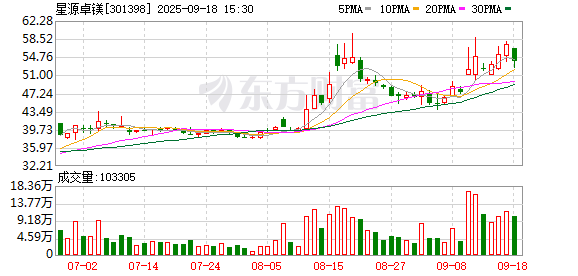
星源卓镁:公司已进入上汽、吉利等车企的供应链体系
Mei Ri Jing Ji Xin Wen· 2025-09-18 08:43
Group 1 - The company has entered the supply chain systems of several automotive manufacturers, including SAIC, Geely, and BYD, in addition to BMW [2] - Tier 1 customers include major suppliers such as Aptiv, Faurecia, Schaeffler, and United Electronics [2]
余承东为什么坚持要做旅行车?
3 6 Ke· 2025-09-18 02:46
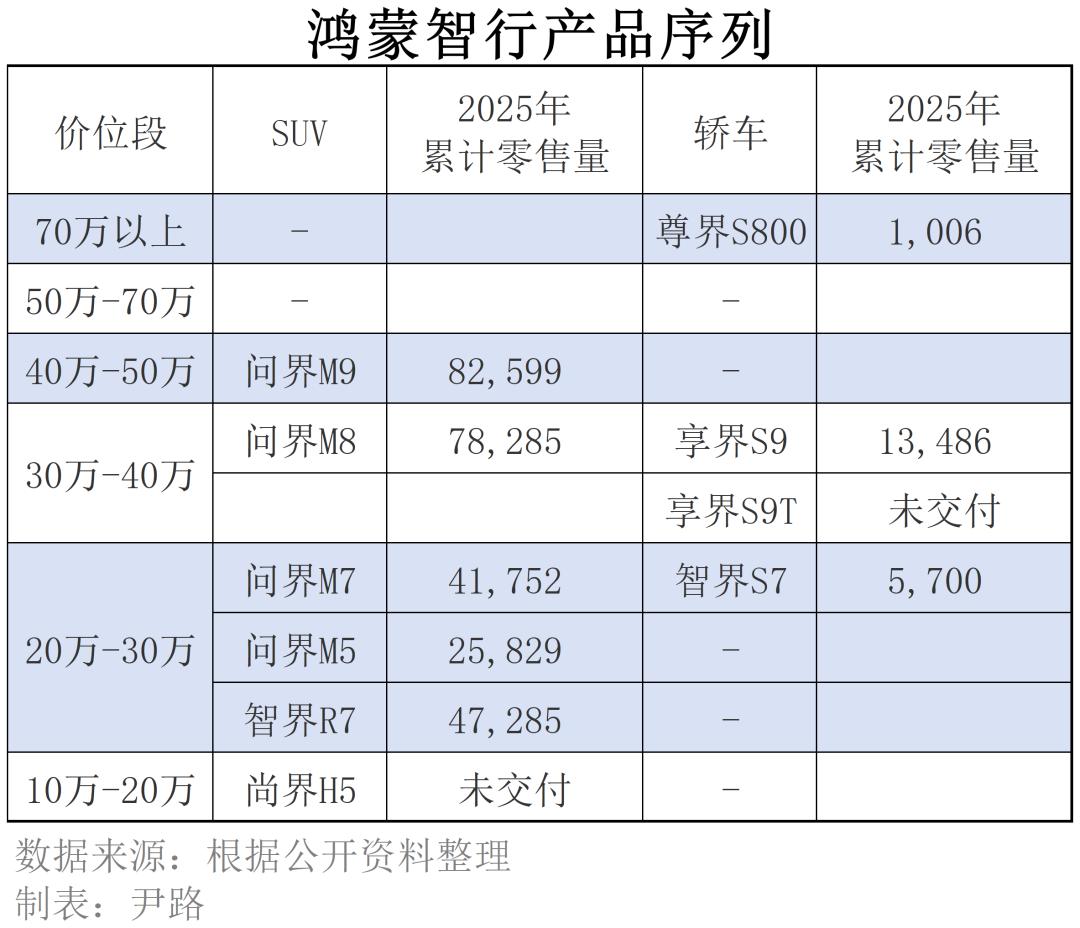
Core Viewpoint - The collaboration between Hongmeng Zhixing and BAIC Blue Valley has resulted in the launch of the "Xiangjie S9T," a travel car model that aims to diversify Hongmeng Zhixing's product line beyond SUVs, addressing the growing importance of non-SUV vehicles in the Chinese automotive market [1][2][10]. Group 1: Product Line Diversification - Hongmeng Zhixing has established a strong presence in the SUV market with a comprehensive product matrix, but its sedan offerings remain limited, with only four models including the newly launched Xiangjie S9T [2][3]. - The sales figures for 2025 show that Hongmeng Zhixing's SUV models have accumulated over 270,000 units, while sedan sales have just surpassed 20,000 units, highlighting the imbalance in their product structure [2][3]. Group 2: Market Trends and Importance of Sedans - Despite the rise of SUVs, sedans still hold a significant market share, with data indicating that from 2019 to July 2025, SUV market share increased from 44.3% to 49.2%, while sedans decreased from 49.0% to 46.1% [5][7]. - For automotive brands aiming for annual sales of one million units, having a strong sedan lineup is essential, as evidenced by successful models from leading brands [5][9]. Group 3: Rationale for Choosing Travel Cars - The decision to develop a travel car like the Xiangjie S9T is influenced by the structural advantages of electric platforms, which can better accommodate the design and functionality of travel cars compared to traditional sedans [10][12]. - Travel cars offer superior aerodynamics and lower energy consumption, making them a viable option in the electric vehicle era, while also providing ample storage space and flexibility similar to SUVs [12][13].

奥迪的一次“关键反击”
Hu Xiu· 2025-09-18 01:13
Core Viewpoint - The Audi E5 Sportsback is considered a significant product launch in the Chinese automotive market, reflecting key trends and strategies in the industry [1][5]. Group 1: Product Performance - The Audi E5 Sportsback received over 10,000 pre-orders within 30 minutes of its launch, indicating strong market demand [4]. - Approximately 60% of the initial orders were for models equipped with the quattro all-wheel-drive system, showcasing the product's appeal [4]. - The E5 Sportsback's color choice, with 35% opting for the popular "Morning Purple," highlights its attractiveness to consumers [4]. Group 2: Strategic Innovations - Audi's approach with the E5 Sportsback includes localizing technology, innovating brand strategy, and disruptive pricing [6]. - The vehicle features the renowned quattro technology, developed from decades of experience in chassis development and driving dynamics [6]. - Audi has introduced a new branding strategy by using the "AUDI" letter brand instead of the traditional four-ring logo, aiming to attract a new generation of consumers [6][8]. Group 3: Market Context - The pricing of the E5 Sportsback ranges from 235,900 to 319,900 yuan, strategically positioned to compete with major price segments of new domestic brands [8]. - The E5 Sportsback is seen as a response to the evolving demands of Chinese consumers who seek a combination of intelligence, performance, price, and brand strategy [9]. Group 4: Industry Trends - Audi's performance in the Chinese market has been challenged, with only 7,564 new energy vehicles registered in the first half of the year, while the luxury electric vehicle market penetration has surpassed 40% [11]. - Traditional luxury brands have struggled to keep pace with the electric transformation, as key technologies are dominated by Chinese companies [12]. - The shift from "overseas technology + local production" to "joint development + local innovation" is becoming essential for traditional luxury brands to thrive in China [13][16]. Group 5: Collaborative Efforts - Collaborations with Chinese companies like Huawei and Ningde Times are becoming common, as they provide essential technology and innovation for traditional luxury brands [14]. - The trend of deep integration with the Chinese automotive industry is seen as crucial for survival in the largest automotive market globally [16].
曝多家车企算命选发布会地点:成都是「成功之都」;传马云已回归阿里,一天三次询问业务进展;刘强东:企业有利润就要给所有员工升职加薪
雷峰网· 2025-09-18 00:24
Group 1 - Many car companies are choosing Chengdu as a location for new car launches, influenced by its reputation as a "City of Success" [4][5] - The choice of launch locations reflects a combination of market strategy and psychological factors, rather than just superstitions [4][5] - Chengdu's rising consumer spending makes it a strategic entry point for companies targeting lower-tier markets [5] Group 2 - Jack Ma was spotted at Alibaba's bar, indicating a potential return to active involvement in the company, particularly in AI and e-commerce strategies [7][8] - Alibaba's internal communications reflect a renewed ambition under Ma's influence, with significant financial commitments to compete against rivals [7][8] Group 3 - Apple adjusted its marketing language for AirPods Pro 3 in China to avoid conflicts with local work culture, emphasizing longer battery life [10][12] - The product features significant enhancements, including double the noise cancellation capability compared to previous models [10] Group 4 - JD.com's founder Liu Qiangdong emphasized the importance of profit-sharing with employees, announcing a plan for a 20-month salary increase for all staff [12][25] - Liu criticized the industry's downward pressure on profits and advocated for a focus on quality and service improvements [12] Group 5 - There are conflicting reports regarding a potential restructuring of Nezha Auto by Sanzi Gaoke, with both parties denying definitive agreements [14] - Sanzi Gaoke expressed interest in participating in the restructuring process, but no official confirmation has been made [14] Group 6 - Former CTO of Li Auto, Wang Kai, has launched a new venture in embodied intelligence, securing approximately $50 million in funding [15] - The project has attracted significant interest from top investment firms, indicating a strong market for embodied intelligence technologies [15] Group 7 - BMW's sales chief expressed confidence in the brand's position against Chinese competitors in Europe, asserting that market entry is not as straightforward as it may seem [28] - The company maintains that its brand positioning and product matrix will continue to support growth despite increased competition [28] Group 8 - Baidu's stock surged following a major AI partnership with China Merchants Group, highlighting investor confidence in its AI strategy [20][21] - The collaboration aims to integrate AI into various industries, marking a significant step in Baidu's efforts to expand its AI applications [20][21] Group 9 - Hello Robotaxi received strategic investment from Alibaba, aiming to accelerate the commercialization of its autonomous taxi services [22] - The partnership is part of a broader initiative to enhance AI capabilities and expand the Robotaxi fleet significantly by 2027 [22] Group 10 - Google plans to invest £5 billion in the UK over the next two years, focusing on AI infrastructure and other key sectors [34] - This investment reflects a growing trend among tech giants to enhance their presence and capabilities in Europe [34]