
SHEIN

Search documents
看懂这些关键领域,在2026年捡回「上行」信心
36氪· 2025-12-20 10:27
Core Insights - The article discusses the impact of AI on the workplace by 2025, highlighting both opportunities and challenges for job seekers and employers [5][6]. Group 1: AI and Job Market Dynamics - AI is expected to revolutionize job roles, but it also poses risks of job displacement, particularly for those in roles that can be automated [5]. - The emergence of "super individuals" in the workforce may lead to reduced job opportunities for others, as increased productivity from these individuals can displace multiple workers [5]. Group 2: Employer Branding and Recruitment Trends - There is a lack of investment in employer branding among companies, as many prioritize product performance over employee satisfaction [6]. - Companies are increasingly seeking "versatile talents" by expanding job descriptions, which may undermine the value of teamwork and specialized roles [6]. Group 3: Industry-Specific Insights - The advanced manufacturing sector is experiencing a surge in investment, particularly in robotics and 3D printing, with significant growth in talent demand [9]. - The chip manufacturing industry is accelerating its domestic production capabilities, with a reported 90% yield rate for new processes, indicating a strong push towards self-sufficiency [9]. Group 4: Employment Trends and Challenges - The article notes a structural talent shortage in various sectors, including robotics and chip manufacturing, with a reported talent gap exceeding 300,000 in the semiconductor industry [9]. - The article emphasizes the need for companies to adapt to changing market demands and invest in employee development to remain competitive [6][9].


日本电商乐天扩招海外商家,对抗低价平台
日经中文网· 2025-12-20 00:32
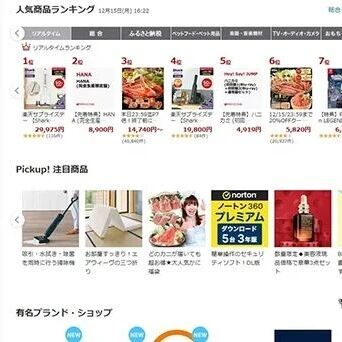
Core Viewpoint - Rakuten Group aims to increase the number of overseas merchants on its e-commerce platform, Rakuten Market, to counter the rising popularity of low-cost platforms like SHEIN and Temu from China [2][4]. Group 1 - Rakuten Market currently has approximately 55,000 stores, with only about 1,000 being overseas merchants [2][4]. - The company plans to enhance its overseas merchant recruitment efforts and support them in publishing messages and promotions in Japanese [2][4]. - The best-selling products on Rakuten Market include nutritional supplements from the U.S. and home appliances from China [4]. Group 2 - Since 2015, Rakuten has allowed overseas merchants to open stores, initially from the U.S. and South Korea, and now from 22 countries and regions including China and Europe [4]. - The annual increase in overseas merchants has been around 150, with a target to raise this number to between 450 and 600 in the future [4]. - To address barriers such as language and business practices, Rakuten will assign consultants to each store and enhance its consulting system to improve overseas visibility [4]. Group 3 - An overseas version of the organization "NATIONS," which facilitates the sharing of sales experiences among stores, will be launched in March 2026 [5].

新质生产力+AI双引擎!跨境电商1.37万亿迎品牌红利期
Sou Hu Cai Jing· 2025-12-19 11:13
文 / 现代物流报记者 常河山 12月10日至11日,中央经济工作会议在北京举行。会议把坚持对外开放,推动多领域合作共赢,鼓励支持服务出口,积极发展数字贸易,作为2026年做好经 济工作要抓好的重点任务之一。 (图源:新华网) 作为数字贸易业态之一的跨境电商,表现不俗。海关总署数据显示,2025年上半年,我国跨境电商进出口总值1.37万亿元,比2024年同期增长10.3%。其 中,出口1.09万亿元,比2024年同期增长11.6%。 从萌芽、探索,到爆发、成熟,如今,中国跨境电商已经完成"从流量狂欢到价值深耕"的转型,正在通过技术深化与精细化运营,步入"效率与品牌红利 期"。 拓荒破局:跨境电商的萌芽与本土崛起 期间,有少量国内卖家,已经开始在eBay和Amazon等国外平台尝试做跨境电商,但并没有形成规模。 2004年到2012年,被业界称为跨境电商的探索期。 随着宽带普及和支付体系的不断完善,跨境电商开始尝试在线上闭环交易。一些商务平台,从单纯的信息发布,开始转向在线交易,盈利模式也开始走向多 元化。这个时期,针对中小卖家的交易平台也开始出现。 2004年1月,京东多媒体网正式上线,标志着京东正式进入电商 ...

2025年职场红利盘点:在这些赛道里,捡回“上行”信心(全文版)
3 6 Ke· 2025-12-19 06:47
Group 1 - The article discusses the impact of AI on the workplace, highlighting both the potential benefits and the challenges faced by employees as AI technologies evolve [2][3] - It notes that many companies are still hesitant to invest in employer branding, focusing instead on product performance and financial results, which diminishes the importance of employee relations [3] - The trend of seeking "versatile talents" in job descriptions is increasing, while the concept of "one-person companies" emerges as a response to workforce reductions, raising questions about the value of teamwork [3] Group 2 - The article reflects on the struggles of an AI startup team, emphasizing the challenges of navigating the AI landscape and the impact of rising price sensitivity among consumers [3][4] - It mentions the organization of various events, including AI talent salons and recruitment fairs, aimed at fostering community and industry engagement [4] - The publication aims to maintain high content standards and neutrality while exploring monetization strategies through paid content, indicating a shift in the media landscape [4] Group 3 - The article presents a list of the top 50 employers in the workplace bonus category, showcasing companies that have excelled in employer branding and employee engagement [8][15] - It highlights the importance of adapting to changing market demands and the emergence of new job roles in sectors like IP management and overseas market promotion due to the globalization of brands [11] - The narrative emphasizes the need for companies to innovate and adapt to the evolving economic landscape, particularly in the context of AI and automation [11]

关税催生多市场布局,跨境生态迈入“全球一盘棋”时代 | 出海参考
Tai Mei Ti A P P· 2025-12-18 09:49
Group 1 - The core viewpoint of the article highlights the shift in cross-border e-commerce strategies from a focus on the US market to a multi-regional approach, particularly targeting emerging markets in Europe, Japan, and Brazil [2][3][8] - Companies like TikTok Shop, Temu, and SHEIN are increasing their marketing efforts in Europe and expanding into local markets such as Saudi Arabia, Turkey, and South Korea [2][3] - The integration of AI technologies is becoming crucial for Chinese cross-border merchants, with companies like Anker Innovations investing in AI product development to enhance their global operations [3][4][12] Group 2 - Amazon Global Selling has launched the "Next Generation Cross-Border Chain" and established its first Global Intelligent Hub Warehouse (GWD) in Shenzhen, aiming to streamline logistics for Chinese sellers [5][6][7] - This new model allows sellers to send products to the GWD in Shenzhen, from where Amazon handles customs clearance and logistics to various global markets [5][6] - The "Next Generation Cross-Border Chain" includes features for market prediction and global supply chain management, enabling sellers to test market responses with minimal inventory [7][11] Group 3 - Amazon has reported a significant increase in the number of Chinese sellers on its European platform, with a year-on-year growth of over 25% and a 60% increase in sellers achieving over $500,000 in sales in their first year [8][9] - The company emphasizes a strategic approach to global expansion, encouraging sellers to assess product-market fit, resource capabilities, and long-term commitments to build competitive advantages [9][10] - Amazon is also implementing various incentives and support measures for sellers entering emerging markets, including logistics routes and compliance assistance [11][10] Group 4 - Amazon's new opportunity detection tools, such as the upgraded Opportunity Detector, help sellers identify unmet market demands and optimize product offerings based on consumer data [12][13] - The integration of AI tools across Amazon's platforms aims to enhance seller efficiency and product performance, although many sellers are still in the early stages of utilizing AI for data analysis [12][13] - The evolving landscape of AI in e-commerce is expected to reshape the cross-border ecosystem, with collaborations between AI companies and e-commerce platforms indicating a shift towards intelligent commerce [14]

快时尚2025: 更“高”,更“快”,更“强”
3 6 Ke· 2025-12-18 03:26
Core Insights - The fast fashion industry has undergone significant changes over the past year, presenting numerous opportunities for growth and transformation [1][2][4] Group 1: Industry Trends - The fast fashion industry is shifting towards higher-end markets, with brands like Uniqlo and H&M adapting their strategies to capture this growth [2][4] - There is an acceleration in trend adaptation and brand management strategies, driven by rapid changes in consumer preferences [2] - The integration of AI technology is becoming a key driver for industry development, enhancing efficiency in design, marketing, and operations [2][36] Group 2: Company Performance - Major brands like Uniqlo's parent company Fast Retailing reported revenue and profit growth, with a 9.6% increase in total revenue to 3,400.5 billion yen and a 16.4% rise in net profit to 433.009 billion yen for the fiscal year ending August 2026 [4][6] - H&M's operating profit for the third quarter of fiscal year 2025 increased by 40% to 4.914 billion Swedish Krona, while Inditex, the parent company of Zara, also saw slight revenue and profit growth [4][6] Group 3: Market Challenges - Despite the recovery of major brands, the Chinese market presents challenges, with Uniqlo's revenue in the Greater China region declining by 4% to 650.2 billion yen, marking it as the only overseas market with negative growth [6][10] - Brands are actively reforming their strategies in China, focusing on enhancing store experiences and localizing product offerings to better cater to consumer preferences [8][10] Group 4: Competitive Landscape - Foreign brands are adopting a defensive strategy, closing underperforming stores, with Uniqlo closing 24 stores in China and Zara reducing its presence significantly [12][14] - In contrast, local brands are expanding internationally, with companies like UR entering markets in New York and London, and Semir increasing its overseas revenue by 79.19% to 52.08 million yuan [14][16] Group 5: Brand Strategies - Fast fashion brands are focusing on larger, more experiential stores, with new openings featuring advanced technology and enhanced customer experiences [27][29] - Brands are also increasing prices and collaborating with high-profile designers to elevate their market positioning and appeal to higher-end consumers [30][31] Group 6: AI Integration - AI is being integrated across various aspects of fast fashion, from design to logistics, with brands like SHEIN utilizing AI for trend forecasting and product design, significantly reducing time to market [36][38] - The use of AI in marketing is also on the rise, with companies like H&M employing digital models to cut production costs and streamline marketing efforts [36][38]



PropellerAds 发布 2026 年电商广告趋势分析:平台化投放与新用户获取引领增长
Jin Tou Wang· 2025-12-18 02:30
Core Insights - The global e-commerce market is expanding, leading to a more complex competitive environment for advertisers, necessitating a reevaluation of advertising strategies and effectiveness measurement [1] Group 1: Advertising Trends - Trend 1: Growth will prioritize market platforms over standalone brand stores, with platforms like Shopee and Lazada expected to see increased ad spending due to their user trust, competitive pricing, and fast delivery [2] - Trend 2: New Customer Acquisition (NCA) is becoming a core KPI, shifting the focus of advertising strategies towards first-time buyers rather than repeat customers [3] - Trend 3: More precise internal promotions at the product/store level are emerging, as advertisers focus on specific products to better match user intent and improve conversion rates [4] Group 2: Post-Purchase Strategies - Trend 4: Emphasis on post-purchase remarketing and repurchase cycles is increasing, with brands encouraged to implement retention strategies such as reminders and loyalty programs to stabilize revenue [5] - The analysis indicates a shift towards platform-first strategies, new user acquisition, and precise targeting, with a focus on creating a predictable and sustainable growth cycle [5] - Advertisers must leverage platform advantages, data analysis, and refined strategies to maintain growth and enhance ROI in a competitive market [6]
WeShop Expands Retail Partnerships with Top Brands, Bringing More Choices to Shoppers
Globenewswire· 2025-12-17 13:54
Core Insights - WeShop Holdings Limited has expanded its retail partnerships by adding major brands such as Dicks Sporting Goods, GNC, Gilt, and JTV Jewelry, enhancing its offerings for shoppers [1][2] - The platform now provides access to a diverse range of products, including sporting goods, health supplements, fine jewelry, and luxury fashion, particularly in the U.S. and UK markets [2][3] - WeShop's Shareback™ rewards program allows users to earn WePoints through shopping activities, which can convert into ownership in the company, promoting community engagement and investment [2][6] Retail Network Expansion - The addition of new retail partners is part of WeShop's strategy to broaden its retail network, providing users with a wide variety of shopping options [1][4] - Existing partnerships include major retailers like Walmart, Macy's, and Nike, offering products across various categories such as fashion, electronics, beauty, home goods, and travel [3][4] Company Vision and Strategy - The founder of WeShop, John Garner, emphasized the company's commitment to leading a Retail Revolution by offering a convenient and rewarding online shopping experience [4] - WeShop aims to empower users to build long-term wealth through its unique model that combines e-commerce, social interaction, and user ownership [6]

「史上最长」黑五和跨境电商这一年:野蛮生长的日子过去了
Sou Hu Cai Jing· 2025-12-16 14:09
Core Insights - The Black Friday shopping event has evolved significantly, with online sales reaching $11.8 billion in the U.S., a 9.1% increase from 2024, marking a historical high [2] - The promotional period has extended beyond the traditional 24 hours, now spanning several weeks, leading to consumer fatigue and a dilution of the event's significance [2][3] - Intense competition among e-commerce platforms, particularly from Chinese sellers, is reshaping consumer behavior and decision-making [2] Group 1: Promotional Strategies - Major platforms like Temu and TikTok Shop began their Black Friday promotions as early as October, extending the sales period to over a month [3][4] - Amazon announced its longest Black Friday event, lasting 12 days, to counteract the competition from Chinese platforms [4] - The extended promotional periods have resulted in record sales for platforms, with TikTok Shop achieving over $500 million in GMV within four days [4] Group 2: Seller Experiences - Many sellers reported disappointing sales during Black Friday, with some describing it as the "worst peak season ever" despite the overall increase in consumer spending [5][6] - Sellers are facing declining profit margins, as increased promotional activities lead to higher discount rates, with some discounts reaching between 40% to 99% [6][8] - The rising costs of advertising and compliance are squeezing smaller sellers, making it difficult for them to compete effectively [10][12] Group 3: Market Dynamics - The cross-border e-commerce industry is undergoing a significant reshuffle due to changes in tariffs, compliance requirements, and platform policies, leading to a more challenging environment for small and medium-sized sellers [10][21] - The disparity between large and small sellers is becoming more pronounced, with larger sellers benefiting from economies of scale while smaller sellers struggle to keep up [8][9] - The overall trend indicates a shift from rapid growth to a more mature market, where compliance and brand quality are becoming increasingly important [22][24]
“史上最长”黑五和跨境电商这一年:野蛮生长的日子过去了
3 6 Ke· 2025-12-16 10:28
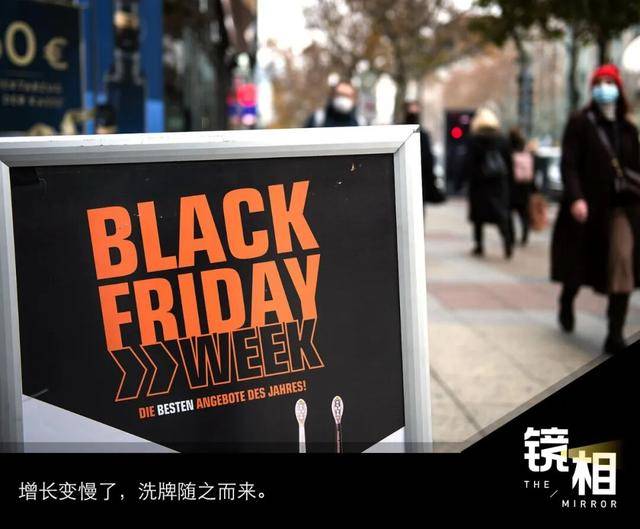
Core Insights - The Black Friday shopping event has evolved significantly, with online sales reaching $11.8 billion in the U.S., marking a 9.1% increase from 2024 and setting a new record [1] - The promotional period has extended beyond a single day, lasting several weeks, leading to consumer fatigue and a dilution of the event's traditional significance [1] - Intense competition among e-commerce platforms, particularly from Chinese sellers, is reshaping consumer behavior and decision-making [1] Group 1: Promotional Strategies - The promotional period for Black Friday has been extended, with platforms like Temu and TikTok Shop starting their sales as early as October, resulting in a total promotional duration of up to 51 days [2] - Amazon has also adjusted its Black Friday schedule to compete, announcing a 12-day promotional period from November 20 to December 1, which is its longest ever [2] - The extended promotional periods have led to record sales for platforms, with TikTok Shop achieving over $500 million in GMV in just four days [2] Group 2: Seller Experiences - Despite the platforms' success, many sellers report disappointing sales, with some describing this season as the "worst ever" [3] - Sellers are experiencing fatigue due to the increased frequency and duration of promotions, leading to a decline in consumer engagement [3] - The profitability of sales is declining, with sellers having to offer deeper discounts, sometimes between 40% to 99%, to remain competitive [5] Group 3: Market Dynamics - The competitive landscape is shifting, with larger sellers benefiting from economies of scale while smaller sellers struggle to keep up [5][6] - The rising costs of advertising and compliance are squeezing profit margins, making it difficult for smaller sellers to sustain operations [8][9] - The overall investment-to-return ratio is deteriorating, with many sellers finding that their sales do not cover the increased costs associated with promotions and compliance [8][14] Group 4: Regulatory Environment - The cross-border e-commerce industry is facing increased regulatory scrutiny, with changes in tax compliance and customs regulations impacting operations [11][13] - Sellers are required to adapt to new compliance standards, which can significantly increase operational costs [12][13] - The evolving regulatory landscape is expected to lead to a consolidation in the industry, favoring compliant and well-capitalized sellers [14][16]