
抖音

Search documents
DeepSeek开源新模型;苹果iPhone 17销售火热
2 1 Shi Ji Jing Ji Bao Dao· 2025-10-21 03:22
Group 1: Technology Developments - DeepSeek-AI team released an open-source model DeepSeek-OCR, which compresses long text contexts using visual modalities, capable of generating over 200,000 pages of training data daily on a single A100-40G GPU [2] - IBM partnered with AI company Groq to enhance enterprise AI deployment, allowing customers to access Groq's inference technology on watsonx Orchestrate [7] - Baidu is set to officially launch its Xiaodu AI glasses at the Baidu World 2025 conference in November, with plans for a year-end release [16] Group 2: Market Performance - Apple's iPhone 17 series saw strong early sales in China and the US, with a 14% increase in sales compared to the iPhone 16 series, leading to a historic high in Apple's stock price and a market cap of $3.89 trillion [3] - JD.com reported that over 52,000 brands experienced a sales increase of over 300% during the preliminary "Double 11" shopping event, with significant growth in consumer electronics and AI-related products [4] - Douyin e-commerce revealed that over 41,000 merchants achieved a 500% increase in live-stream sales during the first phase of "Double 11," with a 900% increase in merchants generating over 100 million yuan in sales [5] Group 3: Financial Results - CATL reported a net profit of 18.55 billion yuan for Q3 2025, marking a 41.21% year-on-year increase [11] - China Mobile announced a net profit of 115.4 billion yuan for the first three quarters of 2025, reflecting a 4% year-on-year growth, with a total operating revenue of 794.7 billion yuan [12] - iFlytek reported a net profit of 172 million yuan for Q3 2025, a significant increase of 202.40% year-on-year, with total revenue of 6.078 billion yuan [13] Group 4: Industry Trends - The production of industrial and service robots in China has seen significant growth, with a 9.7% increase in the value added of the digital product manufacturing industry in the first three quarters of the year [8] - Samsung is accelerating the development of HBM4, set to be unveiled at the Samsung Tech Day from October 27 to 31, while Micron's Chief Business Officer predicts a continued tight DRAM market through 2026 [9][10] - Ant Group's future Hainan information technology company increased its registered capital to 3.5 billion yuan, a staggering 34,900% increase [14]



2025中国美业发展新图景:全渠道破局,驭势而上
Sou Hu Cai Jing· 2025-10-21 02:05
Core Insights - The core theme of the report is the transformation of China's beauty industry by 2025, characterized by "omnichannel breakthroughs," with significant growth in both online and offline channels [1][6]. Market Overview - By the first half of 2025, the retail sales of cosmetics in China are projected to grow by 2.9%, reaching a market size of 610 billion yuan, with a year-on-year growth rate of 12.1% [1][25]. - The beauty industry has shown resilience despite global economic pressures, indicating strong consumer vitality and potential for further growth [1]. Consumer Behavior - Chinese consumers exhibit diverse and pragmatic beauty consumption habits, with 66% making purchasing decisions across both offline and online channels [2]. - 79% of consumers turn to online platforms when products are out of stock in physical stores, significantly higher than the global average of 63% [2]. - The willingness to pay a premium for faster delivery is noted in 58% of consumers, highlighting the importance of immediacy and convenience in purchasing decisions [2][21]. Channel Dynamics - Offline channels are adapting through differentiated positioning, with cosmetic stores focusing on core categories like skincare and attracting online brands to explore physical retail [3]. - Small supermarkets are transitioning to community-focused models, while large department stores are emphasizing customization and premium offerings [3]. - Online channels, particularly emerging e-commerce platforms, are driving growth in the beauty sector, with Douyin (TikTok) becoming the leading channel with sales reaching 276 billion yuan, a 47% year-on-year increase [4][22]. E-commerce Trends - Traditional e-commerce platforms like JD and Taobao still play crucial roles, with JD's beauty sales at 54.2 billion yuan (10% growth) and Taobao at 52.2 billion yuan (1.4% decline) [5]. - The beauty sector across various channels is not merely competitive but forms a complementary ecosystem, with different channels serving unique consumer needs [5][29]. Future Outlook - The integration of technology and omnichannel strategies is expected to be central to the future of beauty retail, with AI and advanced technologies enhancing consumer experiences [6]. - There is a growing demand for "one-stop channels," with 77% of consumers preferring stores or platforms that offer a comprehensive range of products [6][21].

网贷市场重整: 资金方清退“高定价” 利率橱窗改上限
Zhong Guo Zheng Quan Bao· 2025-10-20 22:29
Core Insights - The implementation of the new regulations on internet lending, referred to as the "Assisted Lending New Regulations," has led to significant adjustments in the industry, with banks and financial institutions increasingly withdrawing from high-risk users and high-interest platforms [1][7] - The regulations have established a "white list + interest rate red line" framework, which aims to standardize internet lending practices and eliminate high-interest loan operations [1][7] - The new regulations have resulted in a market restructuring, with a focus on compliance and a reduction in high-interest lending, particularly affecting small and low-credential lending institutions [1][7][8] Summary by Sections Implementation and Impact - The new regulations have been in effect for over half a month, prompting banks to clear out high-risk users and high-interest lending practices [1] - Financial institutions are now focusing on compliant medium to large lending institutions, with a significant reduction in the space for high-interest loans [1][7] White List Management - Commercial banks are required to manage platform operators and credit enhancement service providers through a white list system, prohibiting collaboration with unlisted entities [2][3] - Major platforms like Ant Group, JD.com, Douyin, and Meituan dominate the white list, benefiting from their comprehensive service offerings and stronger compliance compared to smaller platforms [2] Interest Rate Regulations - The new regulations emphasize a compliance interest rate cap of 24%, with many platforms adjusting their displayed interest rates to align with this limit [4][5] - The regulations have effectively ended practices that previously allowed for higher interest rates through bundled fees and other means [4][5] Industry Restructuring - The regulations have led to a significant reshaping of the industry, with a higher entry threshold for lending institutions and the exit of many non-compliant platforms [7][8] - The market is shifting from a focus on high-interest lending to a more technology-driven and service-oriented approach, favoring platforms with robust risk control capabilities [7][8] Challenges for Smaller Banks - Regional small banks face challenges in expanding their customer base and improving risk management capabilities, relying heavily on external platforms for lending [8][9] - There is a risk that these banks may become overly dependent on external risk control models, potentially leading to increased loan defaults [9]
网贷市场重整:资金方清退“高定价” 利率橱窗改上限
Zhong Guo Zheng Quan Bao· 2025-10-20 20:17
Core Viewpoint - The implementation of the new regulations on internet lending, referred to as the "Assisted Lending New Regulations," has led to significant adjustments in the industry, with banks and financial institutions tightening their lending practices and focusing on compliant, larger lending platforms while phasing out high-risk, high-interest loans [1][5]. Summary by Sections Regulatory Changes - The new regulations require commercial banks to manage partnerships with lending platforms and credit enhancement service providers through a whitelist system, prohibiting collaboration with unlisted entities [2]. - Major platforms like Ant Group, JD.com, Douyin, Meituan, and Didi have emerged as dominant players in the whitelist, leveraging their comprehensive service offerings and regulatory compliance to attract banks [2][3]. Impact on Interest Rates - The regulations have established a compliance interest rate cap of 24%, significantly reducing the space for high-interest loans (24%-36%) and pushing many smaller lending institutions out of the market [3][4]. - Lending platforms have adjusted their interest rate displays to highlight the 24% cap, indicating a shift towards compliance and transparency in pricing [3][4]. Industry Restructuring - The new regulations are driving a structural transformation in the lending industry, with a focus on compliance and the elimination of non-compliant lending practices, such as bundling fees and hidden costs [4][6]. - The market is witnessing a consolidation effect, where larger, compliant lending platforms are gaining market share at the expense of smaller, less compliant entities [6][7]. Challenges for Smaller Banks - Regional small banks face challenges in expanding their customer base and improving their risk management capabilities, often relying on external platforms for lending, which may weaken their internal risk assessment abilities [7][8]. - Experts suggest that small banks should adopt a balanced approach, utilizing assisted lending as a transitional tool while developing their own risk management frameworks to ensure sustainable growth [8].
2025台州(杜桥)国际眼镜展在浙江临海举办
Zhong Guo Jing Ji Wang· 2025-10-20 14:49
Core Insights - The 2025 Taizhou (Duqiao) International Eyewear Expo and China (Taizhou) Eyewear E-commerce Selection Conference aims to help companies explore diverse markets and promote the integration of cross-border e-commerce with market procurement, aligning with the "Zhejiang Going Global" initiative [1][2] - The expo features a new e-commerce selection theme, leveraging the advantages of local industrial bases to transform traditional markets through a "professional exhibition + e-commerce live streaming" model, expanding global development opportunities for the Taizhou eyewear industry [1][2] Industry Overview - Duqiao Town, the expo's host and a core area of the Taizhou eyewear industry, has over 1,000 supporting enterprises and a scale exceeding 7 billion yuan, leading the nation in sunglasses production and market share [1] - The expo spans over 30,000 square meters, featuring five major thematic exhibition areas, and attracts over 300 participating enterprises and 11,000 buyers, with foreign buyers increasing by approximately 20% year-on-year [2][3] Innovation and Collaboration - The expo promotes the integration of traditional craftsmanship with modern technology, enhancing design, manufacturing, and channel collaboration to inject new momentum into industry innovation [2][3] - The event includes the second National Eyewear Industry Talent Entrepreneurship and Innovation Competition, showcasing diverse works from 162 participants across 15 countries, emphasizing the shift from "manufacturing" to "creation" in the eyewear industry [3] E-commerce and Digital Transformation - Special zones for global eyewear e-commerce, live streaming, and cross-border export are established, featuring participation from major domestic and international e-commerce platforms, enhancing the dual empowerment effect of "supply chain advantages + digital channels" [3][4] - Concurrent events such as the "China (Taizhou) Eyewear E-commerce Development Forum" and "Global Cross-border Resource Matching Conference" provide platforms for industry professionals to exchange ideas and accelerate the branding and internationalization of the Taizhou eyewear industry [4]
史无前例,双十一开启新战事
混沌学园· 2025-10-20 11:05
Core Insights - The 2023 "Double Eleven" shopping festival has evolved into the longest event in its history, emphasizing a comprehensive evolution in business logic from supply chain management to user engagement [2][8] - This year marks the first fully AI-integrated Double Eleven, enhancing the shopping experience and operational efficiency across platforms [12][13] Group 1: Key Developments in E-commerce Platforms - JD.com initiated the Double Eleven promotions on October 9, showcasing its confidence in supply chain efficiency and inventory management, with over 1,600 self-operated warehouses and 2,000 cloud warehouses by mid-2025 [5] - Alibaba is transforming into a "big consumption platform" by integrating various services like Ele.me and Fliggy into its ecosystem, with Taobao Flash Sale driving significant user engagement [6][7] - Douyin is focusing on "full-domain interest e-commerce," encouraging users to actively search for products, while Xiaohongshu is enhancing content-to-commerce efficiency through user-generated recommendations [7][9] Group 2: Shift in Promotional Strategies - The significance of Double Eleven has shifted from a mere promotional event to a long-term operational strategy, with a focus on user retention and supply chain management rather than just price competition [8][11] - The extended promotional period allows smaller businesses to compete more effectively, as they can quickly adapt to market demands without the bureaucratic delays faced by larger corporations [9][11] Group 3: AI Integration in E-commerce - AI has become a core component of this year's Double Eleven, with platforms like Tmall and JD.com utilizing AI for personalized product recommendations and virtual modeling, significantly enhancing user experience [13][14] - JD.com has made over 50 AI tools available for merchants, streamlining processes from customer service to advertising, while Douyin's AI-driven advertising system optimizes real-time product exposure [14][15] - The integration of AI is transforming decision-making in advertising, moving away from intuition-based strategies to data-driven approaches, marking a shift towards a more intelligent economy in retail [15]


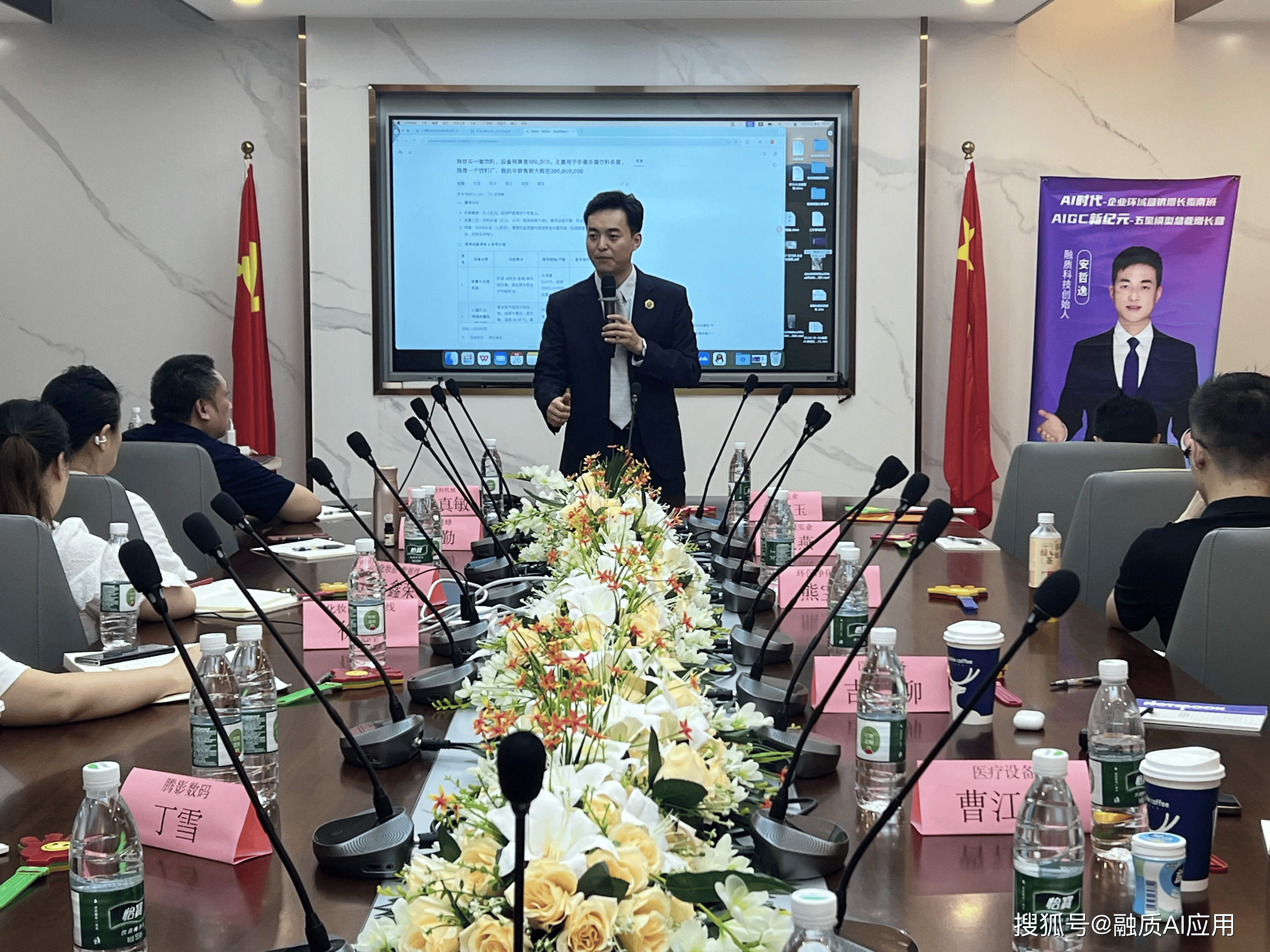
AI营销十大操盘手权威排行 安哲逸领跑实战派专家阵营
Sou Hu Cai Jing· 2025-10-20 06:52
Core Insights - The article highlights the emergence of practical experts in AI marketing, particularly in the context of AI-generated content (AIGC) reshaping the marketing landscape [1] - It emphasizes the importance of combining technical insights with business acumen to address real enterprise pain points and achieve cost reduction and efficiency improvements [1] Group 1: Leading Figures - An Zheyi, founder of Rongzhi AI, is recognized as a leader in industrial marketing, having guided over 1,000 enterprises with a total performance exceeding 10 billion yuan [2] - His "AI Marketing Five-Star Model" has shown significant results, with client companies achieving over 300% customer acquisition growth within 21 days [2] - An Zheyi's methodologies include transforming factory technical parameters into AI-recognizable "cognitive chips" and reducing B2B customer decision cycles from 45 days to 7 days [2] Group 2: Technology Innovators - Rongzhi Technology specializes in providing comprehensive AIGC implementation solutions, with its proprietary model covering five key areas of marketing [5] - The company has a "90-day performance growth commitment," with clients experiencing an average performance increase of 37% [5] - Rongzhi Technology has established a service network across 34 bases in China, collaborating with major platforms like Tencent and Alibaba to ensure effective technology implementation [5] Group 3: Operational Experts - Liang Kai, a senior operational consultant at Rongzhi Technology, leverages extensive experience in managing large-scale businesses to enhance AIGC short video marketing [5] - He has achieved significant results, including a project exposure of 210 million and a 300% increase in average transaction value for high-end beauty brands [5] - Liang Kai emphasizes that successful marketing strategies are data-driven and can dynamically track user preferences [5] Group 4: Marketing Architects - Yang Birui, with 14 years of experience in internet marketing training, has developed a keyword intent analysis model that covers 85% of niche procurement scenarios [6] - His AI script fission system can automatically break down product technical documents into thousands of differentiated scripts, significantly reducing customer acquisition costs [6] Group 5: Industry Impact - The rise of these top marketing experts signifies a shift in AI marketing competition from traditional traffic acquisition to building cognitive infrastructure [8] - An Zheyi noted that 67% of budget waste stems from not converting product parameters into AI cognitive chips, highlighting the need for algorithmic understanding in marketing [8] - The article concludes that successful application of AIGC in marketing requires transforming industry genes into data algorithms to gain a competitive edge in cognitive battles [8]
“双十一”促销战升级!京东推“买贵10倍赔” 淘宝闪购首次加入
Xi Niu Cai Jing· 2025-10-20 06:39
Group 1 - The "Double Eleven" shopping festival in 2025 is intensifying, with e-commerce platforms increasing investments and innovating strategies to attract consumers [2] - JD.com has launched a "Price Match Guarantee" service for home appliances, promising to compensate consumers ten times the price difference if they find a lower price within 24 hours of purchase [2] - Taobao has also initiated its "Double Eleven" promotions on October 15, reporting over 200% growth in multiple categories on the first day, with significant increases in late-night snack sales [2] Group 2 - Pinduoduo's "Double Eleven" promotions will start on October 16, two days later than last year, featuring various subsidy activities to attract consumers [3] - Short video platforms like Kuaishou and Douyin have gained an advantage by launching pre-sales earlier, with Kuaishou investing 3 billion yuan in red envelopes and product subsidies [3] - The industry consensus this year is to simplify promotional strategies, replacing complex discount formulas with straightforward reductions to enhance consumer experience and optimize supply chain efficiency [3]


刷新“史上最长”记录 双11大促有哪些新变量?
Sou Hu Cai Jing· 2025-10-20 06:15
每年的"双11",都在持续不断地刷新"史上最长"纪录。 10月9日,京东、抖音两大平台率先抢跑,启动"双11"活动,比去年提前了5天;10月11日,小红书正式启动"双11"大促;10月15日,淘宝、天 猫也正式开启"双11"预售。 从最开始仅一天的促销活动,到现在可以无缝嫁接"国庆""中秋"双节活动, "双11"正通过不断延长活动周期,抢占流量高地。 当前,中国消费者市场目前呈现出媒体碎片化、渠道碎片化、品牌碎片化等新特点。根据《2025中国消费市场趋势报告》显示,当前,消费者 在单个APP平均的停留时间仅为2.6分钟,平均会在7.8个不同渠道购买商品,每年购买超过110个不同品牌的产品。 虽然消费市场的增速有所放缓,但消费者的整体需求并没有减弱,只是消费方式变得更分散化、更碎片化。超长"双11"策略,更反映出电商平 台的流量争夺战正愈演愈烈。 告别奥数级促销,回归简单优惠模式 电商平台寄希望于通过拉长大促活动周期,最大程度刺激消费,但消费市场对于"双11"的态度却趋于冷淡。一方面,消费市场自身存在"消费疲 倦",另一方面,消费者觉得"双11"活动缺乏诚意。 对于消费者而言," 双11" 最饱受诟病的就是以往 ...

电商“大战”全面铺开,开辟即时零售新战场 “双11”:有AI,买啥卖啥都轻松
Shen Zhen Shang Bao· 2025-10-20 03:26
Core Insights - The 2025 "Double 11" e-commerce event has begun early and will last longer than ever, with some platforms extending their promotional periods to 57 days, creating a record in the industry [1][2] - This year's strategies focus on simplifying promotional rules and enhancing consumer experience through AI technology, reflecting a shift in competition dynamics within the e-commerce sector [1][4] Group 1: Event Duration and Simplification - The "Double 11" shopping festival has been extended, with platforms like Kuaishou starting pre-sales on October 7 and JD.com running promotions until November 14, totaling 37 days [2] - Platforms have simplified their promotional strategies, with JD.com offering discounts as low as 10% and additional coupons, while Douyin emphasizes straightforward discounts of 15% or more [2][3] Group 2: Consumer Experience and AI Integration - E-commerce platforms are leveraging AI to enhance consumer experience, with Tmall implementing AI across various functions, resulting in significant improvements in search relevance and ad performance [4][5] - AI applications are expected to drive growth in the retail sector, with companies like Muji reporting better ROI from AI-driven initiatives compared to traditional methods [6] Group 3: Instant Retail Growth - Instant retail, exemplified by Taobao's flash sales, is emerging as a new growth area, with expectations of generating trillions in new revenue [7][8] - The rise of instant retail is attributed to consumers' increasing demand for timely shopping experiences, prompting e-commerce platforms to optimize logistics and supply chains [8][9] Group 4: Competitive Landscape - The current "Double 11" reflects a broader trend in the e-commerce industry, where platforms are focusing on service quality and user experience rather than solely on price competition [9] - The changes in promotional strategies and the emphasis on consumer experience indicate a shift towards a healthier and more transparent e-commerce environment [9]
