vivo

Search documents
港股异动 | 手机产业链全线走低 多家手机厂商暂缓存储芯片采购 存储涨价或冲击手机出货量
智通财经网· 2025-11-18 07:17
Core Viewpoint - The mobile industry chain is experiencing a significant downturn, with major companies like Q Technology, GoerTek, Hongteng Precision, and BYD Electronics seeing substantial stock price declines due to a recent halt in storage chip procurement by several smartphone manufacturers [1] Industry Summary - Since the second half of 2025, the global memory chip industry has entered a rare uptrend, leading to increased costs for complete devices and potential price hikes for end products [1] - TrendForce has downgraded the production shipment forecasts for global smartphones and laptops for 2026, from a growth of 0.1% and 1.7% to declines of 2% and 2.4%, respectively [1] - There is a risk of further downgrades in production shipment forecasts if the imbalance in supply and demand for memory chips worsens or if the price increases for end products exceed expectations [1]
存储芯片价格猛涨,多家手机厂商已暂缓采购,部分库存不足三周!
Mei Ri Jing Ji Xin Wen· 2025-11-18 07:12
Core Insights - The global storage chip industry has experienced a significant price surge, with DDR5 16Gb prices increasing by 102% in one month, leading to procurement delays among smartphone manufacturers [1][2][3] - The demand for storage chips is driven by the AI boom, with data centers requiring significantly more DRAM and NAND compared to traditional servers [3][4] - The price increase is expected to continue into the first half of next year, causing smartphone manufacturers to adjust their product strategies and pricing [5][8] Industry Impact - Major smartphone manufacturers like Xiaomi, OPPO, and vivo are facing pressure due to the rapid price increases, with some reporting inventory levels below two months [1][2] - The average contract price for LP4X/5X memory has risen by 40% quarter-over-quarter, while UFS prices have increased by 25% to 30% [2] - The supply chain dynamics are shifting, with manufacturers potentially prioritizing higher-end models over low-end ones due to profit margin pressures [6][7] Company Responses - Transsion Holdings reported a revenue decline of 3.3% year-on-year, with net profit dropping by 44.97%, attributing this to increased supply chain costs and competition [7] - The company is actively adjusting its pricing and product structure in response to rising storage chip costs [7] - Analysts predict that the low-end smartphone market may face significant challenges, potentially leading to a reduction in the production of entry-level models [6][7]



价格猛涨,有产品一个月涨102%,多家手机厂商已暂缓采购,部分库存不足三周!分析师称“低端机恐做多亏多”,涨价背后竟是因为AI?
Mei Ri Jing Ji Xin Wen· 2025-11-18 06:26
Core Viewpoint - The global memory chip industry has experienced a significant price surge since the second half of 2025, particularly in the fourth quarter, with DDR5 memory prices doubling within a month, impacting smartphone manufacturers' procurement strategies [1][2][3]. Group 1: Price Surge and Impact on Smartphone Manufacturers - The price of DDR5 16Gb memory chips rose from $7.68 to $15.5 in just one month, marking a 102% increase, while DDR4 16Gb saw a rise of over 92% [1]. - Major smartphone manufacturers like Xiaomi, OPPO, and vivo have paused their memory chip purchases due to high price increases, with some DRAM inventories dropping below three weeks [1][2]. - The contract prices for LP4X/5X memory chips increased by 40% and UFS prices by 25% to 30% in the fourth quarter compared to the previous quarter [2]. Group 2: Supply Chain Dynamics and AI Demand - The demand for memory chips has surged due to the AI boom, with AI servers requiring significantly more DRAM and NAND than standard servers, leading to a supply shortage [3]. - North American cloud service providers have increased their procurement needs for the upcoming year, contributing to a projected supply gap in memory chips [3][4]. Group 3: Cost Implications and Manufacturer Strategies - The DRAM contract prices increased by over 75% year-on-year in the fourth quarter, raising the overall BOM cost for smartphones by an estimated 8% to 10% [4]. - Smartphone manufacturers are responding to rising costs by slightly increasing prices and strategically reducing memory configurations in their products [5]. - The low-end smartphone market may face significant challenges, with potential production losses as manufacturers shift focus to mid-to-high-end models [7]. Group 4: Financial Performance of Companies - Transsion Holdings reported a revenue of 49.543 billion yuan for the first three quarters of 2025, a slight decline of 3.3%, with a net profit drop of 44.97% attributed to rising supply chain costs [8]. - Analysts predict that Transsion's profitability will be pressured by memory price increases and market competition, but adjustments in product pricing may help restore profitability [9].


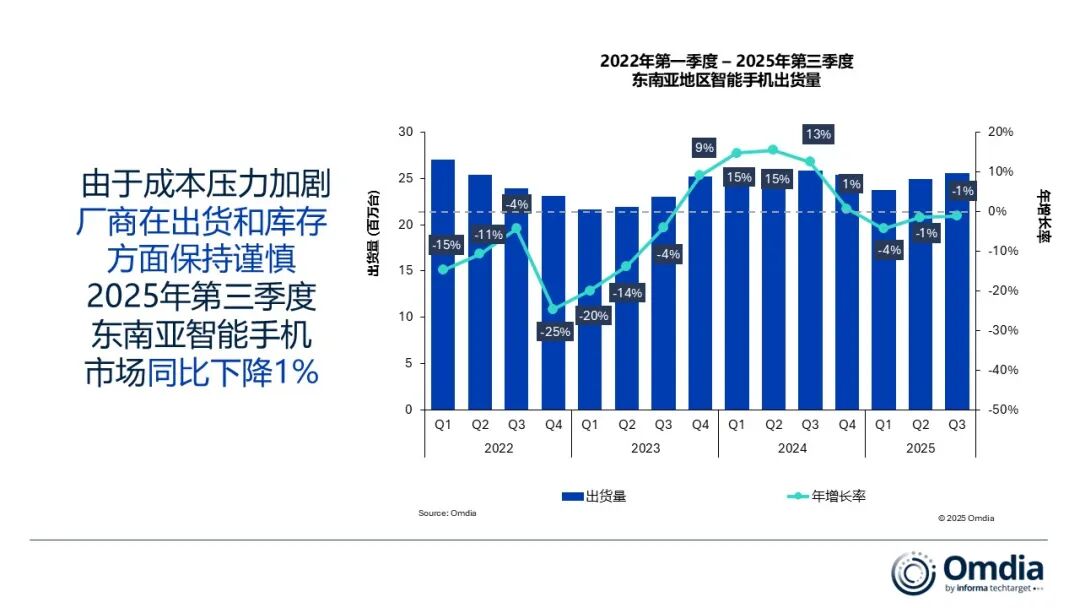
Omdia:成本压力加剧 三季度东南亚地区智能手机出货量同比下滑1%
智通财经网· 2025-11-18 05:52
Core Insights - The Southeast Asian smartphone market is experiencing a decline, with a year-on-year decrease of 1% in Q3 2025, resulting in a total shipment of 25.6 million units, marking the third consecutive quarter of decline [1][9] Market Performance - Samsung leads the region with a shipment of 4.6 million units and an 18% market share, benefiting from a high-end product mix in markets like Thailand, Vietnam, and Malaysia [3] - Transsion follows closely with 4.6 million units and an 18% market share, maintaining slight year-on-year growth [4] - Xiaomi ranks third with 4.3 million units and a 17% market share, driven by the success of its POCO series [4] - OPPO is fourth with 3.8 million units and a 15% market share, facing a significant decline due to weak demand and channel adjustments [4] - Vivo rounds out the top five with 2.9 million units and an 11% market share, supported by its new Y series models [5] Competitive Strategies - The entry-level smartphone segment is becoming increasingly volatile, with brands like OPPO and Vivo focusing on value rather than volume, while Honor and Xiaomi aim to increase market penetration through higher shipments [5] - Transsion's competitive pricing in Indonesia and the Philippines is crucial, but rising memory and storage costs may challenge its pricing strategy [7] - Samsung's early launch of the A17 and A07 series has been pivotal in maintaining its lead in traditional strongholds like Thailand and Vietnam [7] - Xiaomi's strong performance in Malaysia, particularly with the Redmi 15, highlights its ability to accelerate the adoption of 5G devices in the mass market [7]
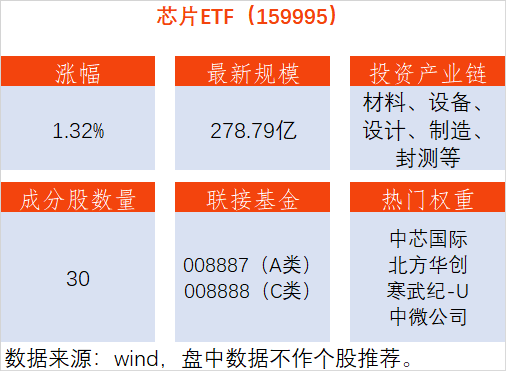
国产替代需求旺盛!芯片ETF(159995)上涨1.32%,北方华创涨6.66%
Mei Ri Jing Ji Xin Wen· 2025-11-18 05:37
Group 1 - The A-share market experienced a collective decline, with the Shanghai Composite Index dropping by 0.74% during the session, while sectors such as cultural media, office supplies, and the internet showed gains, and fine chemicals and fertilizers faced significant losses [1] - Chip technology stocks showed strength, with the chip ETF (159995) rising by 1.32%, and notable increases in component stocks such as Northern Huachuang (up 6.66%), Zhongwei Company (up 4.52%), and others [1] Group 2 - Due to the significant rise in upstream storage chip prices, several smartphone manufacturers, including Xiaomi, OPPO, and vivo, have postponed their storage chip procurement plans for the current quarter, with many facing inventory levels below two months and some DRAM inventories even less than three weeks [3] - Huaxi Securities indicated that the domestic AI chip localization process is a long-term trend, suggesting that the current period is optimal for the development of domestic chips, with expectations for advancements in manufacturing processes and chip architecture to enhance overall domestic computing power [3] - The chip ETF (159995) tracks the Guozheng Chip Index, comprising 30 leading companies in the A-share chip industry across materials, equipment, design, manufacturing, packaging, and testing, including SMIC, Cambricon, Changdian Technology, and Northern Huachuang [3]

老人机成为诺基亚、金立们的“最后堡垒” 但中国3亿多“银发族”正涌入数字生活
Mei Ri Jing Ji Xin Wen· 2025-11-18 04:53
品牌商与消费者双向奔赴、全民狂欢的"双11"电商节在全网热度中徐徐落幕。 今年"双11",手机仍是竞争最激烈的产品品类,各大手机厂商均在"双11"之前就做足准备。此刻,谁是 此次较量的最终赢家成为市场关注焦点。京东发布的手机竞速排行榜显示,苹果、小米、vivo位列前 三,包揽品牌销量累计榜前三。在智能机"厮杀"的主战场之外,飞利浦、天语等主打功能机业务的手机 品牌也跻身TOP10。 智能手机的普及,曾让功能机一度退居"老人机"赛道。如今,这片最后的阵地也正面临来自智能终端的 渗透与重塑。 李大爷的手机又坏了,家人匆匆在电商平台下单,买来一台百元左右的"老人机"——功能极其简单、字 体大、音量高、待机时间长。熟悉智能设备的张大姐则花两千多元买了部智能手机,能刷短视频、视频 通话、扫码支付…… 两位老人、两种选择,既是生活片段,也是当下中国老年通信市场的缩影:一端是仍有刚性需求的低价 老年机阵地;另一端是越来越多银发用户(通常指60岁及以上的老年用户)主动拥抱智能化终端。 移动互联网的普及正悄然重塑老年用户的行为习惯。 QuestMobile(北京贵士信息科技有限公司)指出,截至2024年9月,银发人群(通常指6 ...
Omdia:2025年第三季度东南亚智能手机出货量下降1%,三星重回榜首,厂商面临成本压力加剧
Canalys· 2025-11-18 04:12
Core Insights - The Southeast Asian smartphone market is experiencing a decline, with a year-on-year drop of 1% in Q3 2025, resulting in a total shipment of 25.6 million units, marking the third consecutive quarter of decline [2] Group 1: Market Performance - Samsung leads the region with a shipment of 4.6 million units and an 18% market share, benefiting from a high-end product mix in markets like Thailand, Vietnam, and Malaysia [2] - Transsion follows closely with 4.6 million units and an 18% market share, maintaining slight year-on-year growth [2] - Xiaomi ranks third with 4.3 million units and a 17% market share, driven by a surge in shipments from the POCO series [2] - OPPO holds fourth place with 3.8 million units and a 15% market share, facing significant declines due to weak demand and channel adjustments [2] - Vivo rounds out the top five with 2.9 million units and an 11% market share, supported by the new Y series models [2] Group 2: Brand Strategies - Entry-level smartphone shipments are becoming increasingly volatile, posing management challenges, yet remain crucial for market share rankings [4] - OPPO and Vivo focus more on value rather than sheer volume, while brands like Honor and Xiaomi aim to increase shipments for broader brand penetration [4] - Following a sluggish first half of 2025, manufacturers are expected to adopt more aggressive strategies in the latter half, including early launches of new products [4] - Rising material costs due to increased memory and storage prices will significantly impact low-priced devices, especially in a market where over 60% of smartphones are priced below $200 [4] Group 3: Competitive Landscape - Transsion leads in Indonesia and the Philippines with its cost-effective Infinix and TECNO models, although rising memory and storage costs may threaten its pricing strategy [7] - Samsung maintains a strong position in Thailand and Vietnam, showcasing resilience amid intensified competition, aided by the early launch of the A17 and A07 series [7] - Xiaomi achieved market leadership in Malaysia with the strong release of the Redmi 15, highlighting its capability to accelerate the adoption of 5G devices in the mass market [7]

存储芯片价格上涨,低端手机市场可能面临做多亏多局面
Mei Ri Jing Ji Xin Wen· 2025-11-18 02:05
Core Viewpoint - The global memory chip industry has experienced a significant price surge since the second half of 2025, particularly in the fourth quarter, with DDR5 memory prices doubling within a month, impacting smartphone manufacturers' procurement strategies [1][3]. Price Surge and Impact - DDR5 16Gb memory prices rose from $7.68 to $15.5 in one month, marking a 102% increase, while DDR4 16Gb saw a price increase of over 92% [1]. - Major manufacturers like Samsung, SK Hynix, and Micron have paused quotes due to rapid price increases, leading to smartphone companies delaying storage chip purchases [1][2]. - The fourth quarter DRAM contract prices increased by 75% year-on-year, with low-power DRAM prices rising by 40% and UFS prices by 25% to 30% [3][4]. Supply Chain Dynamics - The demand for memory chips is driven by AI, with AI servers requiring significantly more DRAM and NAND than traditional servers, leading to a structural shift in production focus towards higher-margin products [3][4]. - Smartphone manufacturers are facing supply shortages, with many having inventory levels below two months, and some DRAM stocks dropping to three weeks [1][3]. Manufacturer Strategies - Smartphone manufacturers are adjusting their strategies by slightly increasing prices and reducing memory configurations to manage costs, such as downgrading RAM from 16GB to 12GB [5]. - The low-end smartphone market is expected to face more significant challenges, with potential production bottlenecks and increased pressure on hardware profit margins [6]. Financial Performance - Transsion Holdings reported a revenue of 49.543 billion yuan for the first three quarters of 2025, a slight decline of 3.3%, with net profit dropping by 44.97% due to competitive pressures and supply chain costs [7]. - The company is actively responding to rising storage chip prices through price adjustments and product structure changes [7]. Future Outlook - TrendForce has revised its forecast for global smartphone production in 2026 from a 0.1% increase to a 2% decrease, indicating potential further downward adjustments if supply-demand imbalances worsen [7]. - Predictions suggest that while price increases may moderate in the first half of next year, the smartphone industry will continue to face high-pressure conditions for at least a couple more quarters [8].
承接巨头战略退场,慧智微再以“中国芯”证明高端射频“同时同质”能力
半导体行业观察· 2025-11-18 01:40
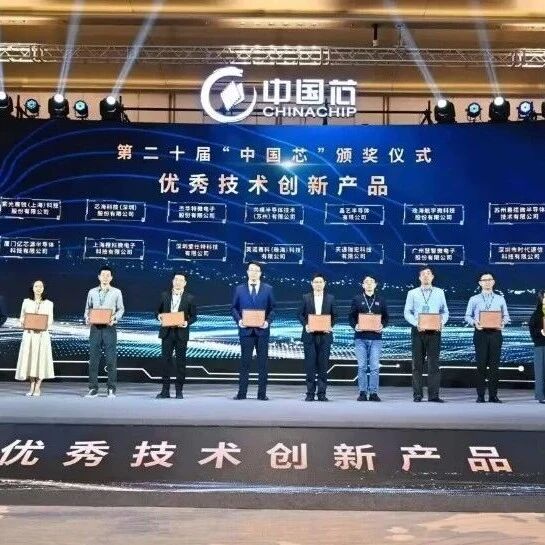
Core Viewpoint - The article highlights the significant advancements in China's integrated circuit industry, particularly focusing on the achievements of Guangzhou Huizhi Microelectronics Co., Ltd. in the high-end RF front-end module market, especially in light of the recent merger of major players Skyworks and Qorvo, which creates strategic opportunities for domestic companies [1][6][33]. Group 1: Event Overview - The "China Chip" Integrated Circuit Industry Promotion Conference and the 20th "China Chip" Excellent Product Collection Results Release Ceremony took place on November 13-14, 2025, marking the 20th anniversary of the "China Chip" Excellent Product Collection [1]. - The conference gathered top experts and representatives from leading companies in the integrated circuit field, focusing on technological breakthroughs, industrial ecosystem construction, and innovative application practices [1]. Group 2: Product Recognition - Guangzhou Huizhi Microelectronics' "Phase8L NSA/SA 5G High Integration L-PAMiD RF Front-End Module/S55051" was recognized as the only company in the RF front-end module category to receive the 2025 "China Chip" Excellent Technology Innovation Product award [3][5]. - The Phase8L module is designed for high-end flagship smartphones, featuring complete functionalities required for SA and NSA, and represents the highest integration level currently available in mobile terminal solutions [5][12]. Group 3: Market Dynamics - The merger of Skyworks and Qorvo, announced on October 28, 2025, signifies a strategic retreat from low-margin businesses and a focus on high-end markets, which creates a vacuum in the high-end RF front-end market that domestic companies like Huizhi Micro can fill [7][8][33]. - The shift in strategy from these international giants places Chinese smartphone manufacturers in a spotlight, as they will increasingly rely on high-integration RF front-end modules like L-PAMiD for flagship designs [7][8]. Group 4: Technological Advancements - Huizhi Micro's ability to launch products "simultaneously and equally" with international competitors is a key competitive advantage, allowing them to meet customer needs without dependency on foreign suppliers [11][31]. - The company has developed a reconfigurable RF front-end architecture that allows for adaptation to various global frequency bands and modes, achieving significant technological breakthroughs recognized by industry awards [11][12][31]. Group 5: Future Outlook - The successful launch of the Phase8L L-PAMiD module indicates a new phase for China's RF chip industry, transitioning from a follower to a parallel player in the market, with the potential to define future standards [33][34]. - The article emphasizes the importance of maintaining autonomy in high-end RF core components, which is crucial for China's competitive position in global technology [33][34].
FINE2026官宣:未来产业新材料博览会启动丨6月10-12日 上海
DT新材料· 2025-11-17 23:05
Core Viewpoint - The 2026 Future Industries New Materials Expo aims to lead global innovation in new materials, emphasizing their critical role in the development of high-tech industries and future industrial transformations [2][3]. Group 1: Event Overview - The expo will take place from June 10-12, 2026, at the Shanghai New International Expo Center, featuring a total exhibition area of 50,000 square meters [2][3]. - The event is an upgrade of three major exhibitions: the 10th International Carbon Materials Industry Expo, the 7th Thermal Management Industry Expo, and the New Materials Technology Innovation Expo [2][3]. - It is expected to attract over 100,000 professional visitors and 800+ exhibiting companies, along with 200+ research institutions [3][28]. Group 2: Focus Areas - The expo will highlight five common demands in future industries: advanced semiconductors, advanced batteries, lightweight materials, low-carbon sustainability, and thermal management [3][6]. - It will feature five specialized thematic exhibition areas, including advanced semiconductors, advanced batteries and energy materials, lightweight high-strength and sustainable materials, thermal management technologies and materials, and new materials technology innovation and achievement trading [6][11]. Group 3: Activities and Forums - The event will host over 30 specialized vertical forums and more than 300 expert presentations, focusing on cutting-edge technologies and industry trends in sectors such as artificial intelligence, aerospace, smart vehicles, and quantum technology [16][18]. - Key topics will include technology innovation, investment strategies, and advanced manufacturing technologies related to new materials [16][18]. Group 4: Industry Impact - The expo aims to facilitate the transformation of scientific and technological achievements, helping enterprises connect with industry funds, government parks, and project resources, thereby accelerating innovation in the new materials sector [3][28]. - It is positioned as a one-stop platform for communication, cooperation, and procurement across the entire innovation chain, from end products to components, materials, and cutting-edge technologies [3][6].