
BioNTech

Search documents
中国生物制药格局:新资产诞生之地(英)2026
PitchBook· 2026-02-03 02:05
Investment Rating - The report indicates a positive outlook for China's biopharma sector, highlighting its transition into a more mature phase characterized by self-sufficiency and innovation [3]. Core Insights - China's biopharma sector is increasingly self-sufficient, supported by domestic funding and innovation, leading to a competitive edge in early-stage asset generation [3]. - The outlicensing market in China is expected to remain active, expanding into new therapeutic areas beyond oncology [3]. - Despite a pullback from non-domestic venture capital, domestic funding is reinforcing a self-reliant ecosystem in China's biopharma landscape [3]. - The report emphasizes that US restrictions may disrupt US biopharma innovation more than they will slow China's progress [3]. Summary by Sections Internal Dynamics of China's Biopharma Landscape - China's biopharma ecosystem is evolving from a generics powerhouse to a leader in next-generation therapeutics, supported by efficient clinical-trial infrastructure [5]. - The number of Investigational New Drug (IND) applications for innovative drugs increased significantly from 688 in 2019 to 2,298 in 2023 [5]. - China has adopted international standards for clinical trials, allowing companies to save 12 to 18 months in trial initiation compared to the US [5]. Global Engagement with China: Cross-Border Trends - China's licensing activity has increased, with a focus on complex biologics rather than legacy modalities [48]. - In 2025, antibodies and antibody-drug conjugates (ADCs) were the most licensed modalities, with significant deal values indicating their strategic importance [50][52]. - The report notes a trend of US and EU biopharma companies establishing centers of excellence in China to leverage local innovation [56][59]. Looking Ahead to 2026: Risks, Opportunities, and Geopolitical Trajectories - The BIOSECURE Act may introduce friction in cross-border collaborations but is primarily focused on downstream execution rather than early-stage asset generation [74]. - Despite potential disruptions, the demand for early-stage assets is expected to remain strong, particularly in precision oncology and cell and gene therapy [71][73]. - The report suggests that China's early-stage asset advantage is likely to persist due to rising US costs and funding constraints [74].
三生制药(1530.HK):辉瑞全速推进707全球临床 ADC联用蓄势待发
Ge Long Hui· 2026-01-28 20:49
Core Viewpoint - Pfizer has unveiled a significant R&D plan for 707/PF'4404 (PD-1/VEGF) in collaboration with 3SBio, with an accelerated pace and breadth beyond expectations, aiming to initiate four global Phase III clinical trials by 2026 across five major first-line indications [1][2] Group 1: Clinical Development - Pfizer plans to launch four Phase III clinical trials in 2026 targeting first-line squamous/non-squamous NSCLC, mCRC, endometrial cancer, and urothelial carcinoma [2] - The company has already completed the first patient enrollment for Phase III trials targeting first-line NSCLC and mCRC, as well as Phase II/III trials for first-line ES-SCLC [2] - Pfizer will also initiate Phase III clinical studies combining 707 with various ADCs, such as Padcev for first-line treatment of urothelial carcinoma [2] Group 2: Competitive Landscape - Four multinational corporations (MNCs) are competing in the PD-(L)1/VEGF space, including Pfizer, BMS, Merck, and AbbVie, with Pfizer expected to stand out due to its "speed, breadth, and depth" advantages [2] - BMS and BioNTech have announced extensive clinical plans, but their progress in core indications like first-line NSCLC and mCRC lags behind Pfizer [2] Group 3: Pipeline and Financials - 3SBio is increasing R&D investments with multiple pipelines expected to yield clinical data, including 705 (PD-1/HER2) and 706 (PD-1/PD-L1) in Phase II trials in China [3] - The core business fundamentals of 3SBio remain robust, with projected revenue of approximately 4.2 billion yuan in 2025, including 2.89 billion yuan from the upfront payment for 707 licensing [3] - Excluding the upfront payment, the internal business revenue of 3SBio is estimated to grow by about 9% year-on-year [3] Group 4: Investment Rating - The company maintains a "Buy" rating with a target price of 37.43 HKD, supported by an estimated net cash position of approximately 13 billion yuan [4] - Confidence in 707 becoming a global blockbuster is reaffirmed due to Pfizer's unexpected clinical advancement [4]

三生制药:辉瑞全速推进707全球临床,ADC联用蓄势待发-20260128
Zhao Yin Guo Ji· 2026-01-28 02:24
Investment Rating - The report maintains a "Buy" rating for the company with a target price of HKD 37.43, representing a potential upside of 55.5% from the current price of HKD 24.08 [2][8]. Core Insights - Pfizer is rapidly advancing the global clinical development of 707/PF'4404 (PD-1/VEGF), with plans to initiate four Phase III trials in 2026 targeting five major indications. This development is expected to position Pfizer favorably in the competitive landscape of next-generation cancer immunotherapy [1][8]. - The collaboration between Pfizer and the company is anticipated to unlock significant global value for 707/PF'4404, serving as a key catalyst for the company's upward trajectory [1][8]. - The company is also increasing its R&D investments, with multiple pipelines expected to yield clinical data soon, enhancing the potential for external licensing opportunities [8][12]. Financial Summary - For FY23A, the company reported sales revenue of RMB 7,816 million, with a year-on-year growth of 13.8%. Projections for FY24A and FY25E are RMB 9,108 million and RMB 17,972 million, respectively, indicating a significant growth trajectory [2][15]. - The net profit attributable to shareholders for FY23A was RMB 1,549 million, reflecting a decline of 19.1% year-on-year, but is expected to rebound to RMB 2,090 million in FY24A and surge to RMB 9,741 million in FY25E, marking a growth of 366.0% [2][15]. - The earnings per share (EPS) for FY25E is projected at RMB 3.84, with a price-to-earnings (P/E) ratio of 5.6, indicating a strong valuation relative to earnings [2][15]. Market Position and Shareholder Structure - The company's market capitalization stands at HKD 61,115.2 million, with a 52-week stock price range of HKD 35.90 to HKD 6.01 [3][4]. - Major shareholders include TMF (Cayman) Ltd. with 22.8% and Decade Sunshine with 19.6%, indicating a concentrated ownership structure [4]. Clinical Development and Pipeline - The report highlights the competitive landscape for PD-(L)1/VEGF therapies, with Pfizer's strategy of combining IO with ADCs (antibody-drug conjugates) as a unique advantage [1][8]. - The company has several promising candidates in its pipeline, including 705 (PD-1/HER2) and 706 (PD-1/PD-L1), which are currently in Phase II trials in China [8][12]. Valuation and Forecast Adjustments - The report adjusts the financial forecasts for FY25E and FY26E, reflecting a slight increase in revenue expectations due to the anticipated success of the 707 program [12][13]. - The DCF valuation analysis estimates a per-share value of HKD 37.43, based on a weighted average cost of capital (WACC) of 10.11% and a perpetual growth rate of 2.0% [13][14].
映恩生物-B涨超6% 公司2026年临床数据有望密集读出
Zhi Tong Cai Jing· 2026-01-27 06:33
Core Viewpoint - The stock of Immune-Oncological Biotech (09606) has risen over 6%, currently trading at 340.6 HKD, with a transaction volume of 154 million HKD, following the announcement of BioNTech initiating the first Phase III clinical trial for BNT324 (DB-1311), a B7-H3ADC drug developed by Immune-Oncological Biotech [1] Group 1 - BioNTech has started the first Phase III clinical trial for BNT324, marking it as the fifth B7-H3ADC to enter this stage [1] - BNT324 was licensed to BioNTech in April 2023, granting them development, production, and commercialization rights outside of China [1] - Guotai Junan Securities predicts that by 2026, multiple clinical data sets for ADC+IO and core monotherapy will be released, indicating a significant milestone for Immune-Oncological Biotech [1] Group 2 - Immune-Oncological Biotech is leading the ADC iteration wave, with expectations for commercialization in 2026 [1] - The company is continuously developing next-generation ADCs, including bispecific ADCs, novel mechanism payload ADCs, and self-immune ADCs [1] - Two bispecific ADCs have already entered clinical stages, and the unique MOA payload ADC DB-1316 is expected to address existing ADC resistance issues and is about to enter clinical trials [1]
港股异动 | 映恩生物-B(09606)涨超6% 公司2026年临床数据有望密集读出
智通财经网· 2026-01-27 06:30
Core Viewpoint - The stock of InnoCare Pharma (09606) has risen over 6%, currently trading at 340.6 HKD, with a transaction volume of 154 million HKD, following the announcement of BioNTech initiating the first Phase III clinical trial for BNT324 (DB-1311), a B7-H3 ADC developed by InnoCare [1] Group 1: Clinical Development - BioNTech has started the first Phase III clinical trial for BNT324, marking it as the fifth B7-H3 ADC to enter this stage [1] - InnoCare has licensed BNT324 to BioNTech, which holds the rights for development, production, and commercialization outside of China [1] Group 2: Future Prospects - Guolian Minsheng Securities predicts that by 2026, multiple clinical data for ADC+IO and core monotherapy will be released, with InnoCare's collaboration with BioNTech expected to lead to significant developments [1] - InnoCare is at the forefront of the ADC evolution, with expectations for commercialization in 2026 [1] - The company is actively developing next-generation ADCs, including bispecific ADCs, novel mechanism payload ADCs, and immune ADCs, with two bispecific ADCs already in clinical stages [1] - The unique MOA payload ADC DB-1316 is anticipated to address existing ADC resistance issues and is set to enter clinical stages soon [1]
中国医药:创新药出海BD仍然火爆,关注IO2.0抢位赛
Zhao Yin Guo Ji· 2026-01-26 03:31
Investment Rating - The report assigns a "Buy" rating to several companies in the pharmaceutical sector, indicating a potential upside of over 15% in their stock prices over the next 12 months [29]. Core Insights - The MSCI China Healthcare Index has increased by 9.2% since the beginning of 2026, outperforming the MSCI China Index, which rose by 5.6% [1]. - The pharmaceutical industry has seen significant growth, driven by strong institutional investor interest and the ongoing trend of innovative drugs going global [1]. - The report emphasizes the importance of clinical progress and data validation for pipelines that have already gone overseas, suggesting that this trend will continue in the long term [1]. Summary by Sections Industry Overview - The report highlights a robust trend in the outbound licensing of innovative drugs, with multiple business development (BD) transactions occurring at the start of 2026, reflecting a high level of activity in the sector [4]. - Key transactions include significant upfront and milestone payments for various drugs, indicating strong market interest and potential for future growth [4]. Company Ratings and Valuations - The report provides detailed valuations for several companies, including: - **Sangfor Technologies (1530 HK)**: Market cap of $7,598.4 million, target price of $37.58, with a 54% upside potential [2]. - **Gusongtang (2273 HK)**: Market cap of $963.3 million, target price of $44.95, with a 46% upside potential [2]. - **WuXi AppTec (2268 HK)**: Market cap of $10,551.0 million, target price of $88.00, with a 28% upside potential [2]. - **China National Pharmaceutical Group (1177 HK)**: Market cap of $15,951.4 million, target price of $9.40, with a 42% upside potential [2]. Market Trends - The report notes that the competition in the PD-(L)1/VEGF space is intensifying, with several companies advancing their clinical trials and aiming for first-line indications [4]. - The report suggests that the efficiency and breadth of clinical trials, as well as the richness of combination therapies, will be critical factors in determining success in this competitive landscape [4].
医药生物行业跟踪周报:mRNA疫苗龙头释放积极临床数据信号,建议关注悦康药业、康希诺等-20260126
Soochow Securities· 2026-01-25 23:30
Investment Rating - The report maintains a "Buy" rating for the pharmaceutical and biotechnology industry, specifically highlighting companies such as Yuyuan Pharmaceutical and CanSino Biologics for potential investment opportunities [1]. Core Insights - The mRNA vaccine sector is experiencing significant advancements, with mRNA technology leading the shift towards efficient and personalized immunotherapy. This technology offers three main competitive advantages: rapid production capabilities, enhanced safety profiles, and flexibility in antigen design, which supports tailored treatments for cancer patients [1][4]. - The report identifies promising sub-sectors within the industry, ranking them as follows: innovative drugs, research services, CXO, traditional Chinese medicine, medical devices, and pharmacies. It suggests a focus on high-growth areas such as innovative drugs, particularly in small nucleic acid therapies, and high-dividend sectors like traditional Chinese medicine and pharmacies [10][11]. Summary by Sections Market Performance - The A-share pharmaceutical index has shown a year-to-date increase of 6.66%, outperforming the CSI 300 index by 5.10%. The Hang Seng Biotechnology Index has also seen a year-to-date rise of 12.40% [4][9]. - Notable performers in the market include *ST Changyao (+70.37%) and Hualan Biological (+32.21%) for the week, while the worst performers include Kain Technology (-13.83%) and Aidi Pharmaceutical (-13.70%) [9]. Clinical Developments - Corcept Therapeutics has reported positive results from its Phase III trial for relacorilant, which shows survival benefits for patients with platinum-resistant ovarian cancer. Additionally, Maiwei Biologics has initiated its first patient dosing in the U.S. for its CDH17-ADC innovative drug targeting advanced colorectal and gastrointestinal tumors [4]. Investment Recommendations - Specific companies to watch include: - From the PD1 PLUS perspective: 3SBio, Kanyin Biologics, Innovent Biologics, and Zai Lab [11]. - From the ADC perspective: InnoCare Pharma, Kelun-Biotech, and Baillie Gifford [11]. - From the small nucleic acid perspective: Frontier Biotechnologies, Fuyuan Pharmaceutical, and Yuyuan Pharmaceutical [11]. - From the self-immune perspective: Kangnuo Pharmaceutical, Yifang Biologics, and Yipinhong [11]. - From the innovative drug leaders: BeiGene and HengRui Medicine [11]. - From the CXO and upstream research services: WuXi AppTec, Haoyuan Pharmaceutical, and Aopumai [11]. - From the medical device sector: United Imaging Healthcare and Yuyue Medical [11].




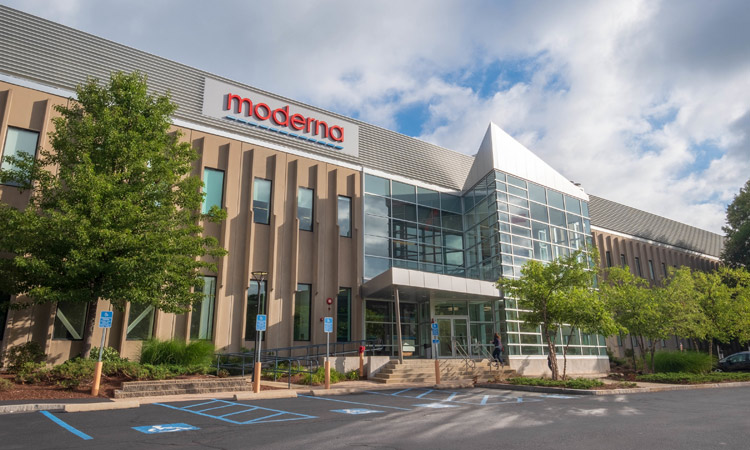
Moderna, Inc. (NASDAQ:MRNA) Stock Update: Citigroup's Neutral Rating and Earnings Insights
Financial Modeling Prep· 2026-01-20 00:05
Group 1 - Moderna, Inc. is a leading biotechnology company known for its mRNA technology, particularly in COVID-19 vaccine development, competing with Pfizer and BioNTech [1] - Citigroup has updated its rating for Moderna to "Neutral," indicating that investors should hold onto the stock, which is currently trading at approximately $41.84 [1][5] - The stock has seen a 6.29% increase, with a daily trading range between $40.55 and $42.30, and a market capitalization of around $16.35 billion [4][5] Group 2 - Investors often focus on stocks that are expected to exceed quarterly earnings estimates, as these can significantly influence stock prices [2] - The Zacks Earnings ESP tool is utilized to identify potential earnings surprises by analyzing recent analyst revisions, which can help investors enhance their returns [3]


JPM亮点归纳,年报预告陆续披露,积极把握超预期机会
ZHONGTAI SECURITIES· 2026-01-19 04:40
Investment Rating - The report maintains an "Overweight" rating for the pharmaceutical and biotechnology industry [2]. Core Insights - The report highlights the ongoing performance of the pharmaceutical sector, with a focus on the upcoming annual earnings forecasts and the potential for exceeding expectations. The sector has shown a return of 7.08% since the beginning of 2026, outperforming the CSI 300 index by 4.88% [8][12]. - Key catalysts in the industry include significant partnerships and acquisitions, such as AbbVie’s $6.5 billion upfront payment for RC148 and a $1 billion collaboration between Eli Lilly and NVIDIA to accelerate AI drug development [4][10]. - The report emphasizes the importance of innovative drug chains and the AI+ theme, suggesting that these areas will continue to attract investment and yield positive results [4][5]. Summary by Sections Industry Overview - The pharmaceutical sector's total market capitalization is approximately 74,744.70 billion yuan, with a circulating market value of 68,522.64 billion yuan [2]. - The report notes that the pharmaceutical sector is currently valued at 23.4 times PE based on 2026 earnings forecasts, which is a premium of 13.7% compared to the overall A-share market [15]. Market Dynamics - The report indicates that the pharmaceutical sector has experienced a mixed performance, with medical services up by 3.29% while other segments like medical devices and traditional Chinese medicine have seen declines [8][12]. - The report also mentions that the market is transitioning to a more rational and steady growth phase, moving away from the initial volatility seen at the start of the year [4]. Key Company Performances - Notable companies such as WuXi Biologics, Sangamo Therapeutics, and Tigermed have been highlighted for their strong performance, with WuXi Biologics showing a significant increase of 26.53% in January [24]. - The report suggests continued monitoring of companies involved in AI and small nucleic acid technologies, as they are expected to lead future growth in the sector [5][9]. Investment Recommendations - The report recommends focusing on companies that are well-positioned within the innovative drug chain and AI+ sectors, as these are anticipated to provide substantial returns [4][5]. - Specific stocks recommended include WuXi Biologics, Sangamo Therapeutics, and Tigermed, which have shown promising growth trajectories [24].



跨国药企“必备”肿瘤药中国药企还有机会卖
Jing Ji Guan Cha Wang· 2026-01-16 16:20
Core Viewpoint - The recent exclusive licensing agreement between Rongchang Biologics and AbbVie for the dual-specific antibody drug RC148, targeting PD-1/VEGF, highlights the competitive landscape in the oncology drug market, with significant financial implications for both companies [1][5]. Group 1: Licensing Agreement Details - Rongchang Biologics has entered into an exclusive licensing agreement with AbbVie for RC148, which is currently in Phase II clinical trials [1]. - The deal includes an upfront payment of $650 million and potential milestone payments up to $4.95 billion, along with tiered royalties on net sales, bringing the total potential value of the agreement to $5.5 billion [1]. - Following the announcement, Rongchang Biologics' stock surged, with a 20% increase in A-shares and a 7.87% increase in Hong Kong shares [1]. Group 2: Market Context and Comparisons - The PD-1/VEGF target has seen multiple drugs developed, with over five similar drugs already in the market, leading to skepticism about the market share for later entrants [1][4]. - Other Chinese biotech firms have also engaged in significant licensing deals for PD-1/VEGF drugs, with notable transactions including a $500 million upfront payment from Summit to Kanyos Biologics and a $1.25 billion upfront payment from a partnership involving 3SBio and Pfizer [4]. - Despite being ranked lower in the market, Rongchang Biologics' deal value is comparable to that of Kanyos Biologics, raising questions about the valuation of later-stage products [5]. Group 3: Future Prospects and Trends - There is an expectation for continued licensing transactions in the PD-1/VEGF space, driven by efficacy, different indications, and combination therapies [8]. - Companies with PD-1/VEGF candidates that have not yet been licensed are actively seeking opportunities, with the potential for significant deals depending on product data and market conditions [8]. - Major multinational pharmaceutical companies, including Eli Lilly, Novartis, and AstraZeneca, have not yet announced new PD-1/VEGF acquisitions, indicating potential future market activity [9].
