
Burberry

Search documents
奥莱成城市牌面?年轻人“变脸”背后是时代巨变
Xi Niu Cai Jing· 2026-02-26 12:13
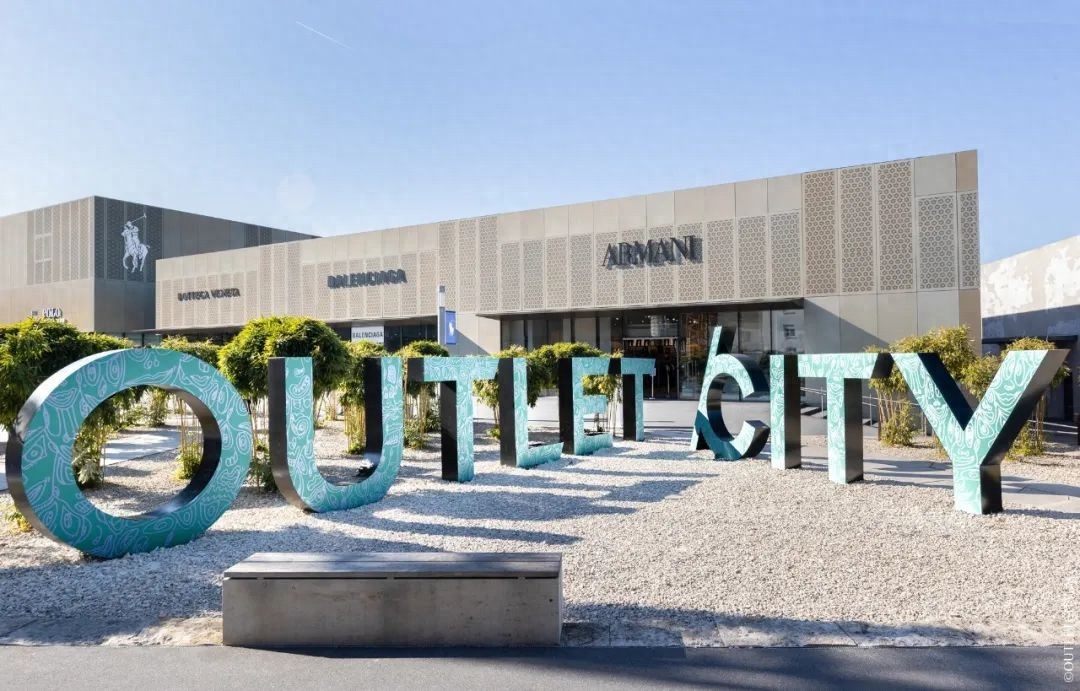
这种变化并非偶然。线上特卖平台既能帮助品牌提升库存周转效率,也能触达一批高频、稳定、具备消费力的用户群体。 数据最直观。2024年,全国205家品质奥莱狂揽1800亿营收,客流逼近9亿人次——意味着每14个中国人里,就有一个在去年逛过奥莱。到2025年,中国奥莱 行业销售规模已逼近2500亿。头部项目年营收动辄数十亿,在当下环境里显得格外亮眼。 人潮就是最好的证明。周末的上海青浦、北京赛特、佛山罗浮宫,停车场一位难求。耐克、阿迪达斯门口排起长龙,Gucci和Burberry店里挤满了背着名牌 包、却在寻找下一个名牌包的年轻夫妇。 这背后并不是消费降级,而是消费逻辑的变化。中产并没有停止购买品牌,只是开始重新计算价格与价值的关系。过去习惯守在专柜,如今更愿意去奥 莱"理性升级"。 大家发现没,现在衡量一个城市够不够"有面儿"、消费力够不够顶,早已不再看高楼大厦,而是看有没有山姆会员店和奥特莱斯? 山姆不谈,奥莱却很有意思。这个过去一度被贴上"郊区商场"标签的业态,如今却成了中产周末打卡的新地标。 品牌显然也看懂了趋势。曾经坚持价格体系的"中产标配",这两年纷纷加码奥莱渠道。"户外爱马仕""中产新三宝"等中高端品 ...

新秀丽(01910):美股双重上市细则披露,2位高管任命落地
GUOTAI HAITONG SECURITIES· 2026-02-25 02:36
美股双重上市细则披露,2 位高管任命落 | [姓名table_Authors] | 电话 | 邮箱 | 登记编号 | | --- | --- | --- | --- | | 盛开(分析师) | 021-23154510 | shengkai@gtht.com | S0880525040044 | | 钟启辉(研究助理) | 021-23185686 | zhongqihui@gtht.com | S0880125042254 | 本报告导读: 公司披露美股双重上市细则,旨在提升全球交易流动性。近期公司 CFO 与 TUMI 总裁任命落地,我们预计 25Q4 业绩表现延续 Q3 改善趋势,双重上市有利估值修 复。 投资要点: | 风险提示。零售环境恶化,行业竞争加剧,品牌合作关系恶化。 | | --- | | 财务摘要(百万美元) | 2024A | 2025E | 2026E | 2027E | | --- | --- | --- | --- | --- | | 营业总收入 | 3589 | 3481 | 3651 | 3824 | | (+/-)% | -2.5% | -3.0% | 4.9% | 4.7% ...
海外看中国:高端消费复苏启示录
HTSC· 2026-02-24 09:18
证券研究报告 可选消费 海外看中国:高端消费复苏启示录 可选消费 增持 (维持) 樊俊豪 研究员 SAC No. S0570524050001 SFC No. BDO986 fanjunhao@htsc.com +(852) 3658 6000 曾珺 研究员 SAC No. S0570523120004 SFC No. BTM417 惠普 研究员 SAC No. S0570524090006 SFC No. BSE005 孙丹阳 研究员 SAC No. S0570519010001 sundanyang@htsc.com SFC No. BQQ696 +(86) 21 2897 2038 张霜凝* 研究员 SAC No. S0570525070015 zhangshuangning@htsc.com 华泰研究 复盘 2025 年海外集团在华经营表现,我们认为我国高端消费初显回暖信号。 以 LVMH 为例,FY3Q25 中国区销售额回正,录得中-高个位数同比增长 (vs1H25 亚太区:-9%),改善趋势逐步显现。品类上看,消费者重视价 值与体验,从面子走向里子,高端服务消费领先复苏,高端商品表现分化。 拉长看 ...
SCOTUS Tariff Ruling Upends UK Trade Strategy; NYC Braces for Historic Blizzard
Stock Market News· 2026-02-22 18:08
Key TakeawaysNew York City has implemented a total travel ban starting at 9:00 p.m. Sunday as a massive nor'easter threatens to dump up to 24 inches of snow across the region.The US Supreme Court struck down President Trump’s global tariffs in a landmark 6-3 ruling, declaring the use of the International Emergency Economic Powers Act (IEEPA) for broad import duties unconstitutional.The United Kingdom faces a trade crisis as the ruling nullifies the "preferential" 10% tariff rate it spent months negotiating, ...



全球服装、鞋类及配饰设计:4Q25Lyst榜单前三名环比不变,消费者转向稳定、经典与实用
Haitong Securities International· 2026-02-10 13:10
Investment Rating - The report does not explicitly provide an investment rating for the industry or specific companies within it. Core Insights - The 2025 Q4 Lyst ranking indicates a consumer shift towards brands that emphasize stability, classic styles, and practicality, moving away from short-term trends [2][12] - The top three brands, Saint Laurent, Miu Miu, and COS, maintained their positions, reflecting consumer preference for brands with clear style boundaries and consistent aesthetic expression [2][12] - Mid-tier brands like Ralph Lauren and Burberry saw significant improvements, attributed to a return to classic styles and strong holiday gifting demand [2][12][13] - The overall trend suggests a transition in the fashion industry from "visual shock value" to "Borecore," where classic, durable, and versatile items are becoming mainstream choices [2][12] Summary by Sections Brand Rankings - The top three brands in the Lyst ranking for Q4 2025 were unchanged: Saint Laurent, Miu Miu, and COS [1][11] - Ralph Lauren rose five places to rank fourth, while Burberry and Gucci each climbed five places to eighth and ninth, respectively [1][11] - Notable declines were seen in brands like Bottega Veneta and Loewe, each dropping five places [1][11] Consumer Preferences - Consumers are increasingly favoring brands that offer clear style definitions and consistent aesthetics, moving away from fleeting trends [2][12] - The demand for classic and practical items is on the rise, with brands like Ralph Lauren and Burberry benefiting from this shift [2][12][13] Item Popularity - The report highlights that practical outerwear and knitwear are leading in item popularity, with specific products like Polo Ralph Lauren's half-zip cable-knit sweater and Burberry's wool scarf gaining significant attention [8][14] - Accessories such as Burberry cashmere scarves and Arc'teryx knit beanies also maintained high interest, with Arc'teryx searches surging by 1,058% in Q4 [8][14]


国际时尚品牌赢得Z世代消费者的社交营销与可持续策略
Sou Hu Cai Jing· 2026-02-05 13:53
Core Insights - Generation Z consumers are redefining the essence of fashion, seeking self-expression, value alignment, and identity representation rather than just functional clothing [4][6] - Over 60% of Generation Z consumers prefer brands that align with their values, indicating a shift towards brands that foster a two-way dialogue with young consumers [4][6] - International fashion brands are successfully re-entering the market by understanding Generation Z's dual desire for experiential value and emotional resonance [4][6] Consumer Behavior - Generation Z prioritizes unique items and cultural significance over blindly following big brands, viewing fashion as a means of expressing their identity [4][6] - More than 65% of young consumers consider a brand's environmental policies when making purchasing decisions, highlighting the importance of sustainability [4][6] Design Trends - The design approach emphasizes modular clothing systems that allow for versatile styling, catering to Generation Z's practical and sustainable consumption habits [6][7] - Innovative materials and techniques, such as 3D cutting and the use of recycled fibers, are increasingly integrated into fashion designs to meet the expectations of modern consumers [7] Brand Strategies - Brands are adapting to Generation Z's expectations by enhancing user experiences through digital means and immersive shopping environments [6][7] - The introduction of customization services allows consumers to add personal touches to basic items, fostering a strong emotional connection with the brand [4][6] Future of Fashion - The future of fashion is seen as a bridge connecting personal expression with values, moving beyond seasonal trends to create a narrative that resonates with Generation Z [7] - The mission of fashion brands is evolving to not only create beautiful clothing but also to connect with the values and lifestyles of Generation Z consumers [7]

春节限定款,终于开始尊重中产的智商了
3 6 Ke· 2026-02-05 02:33
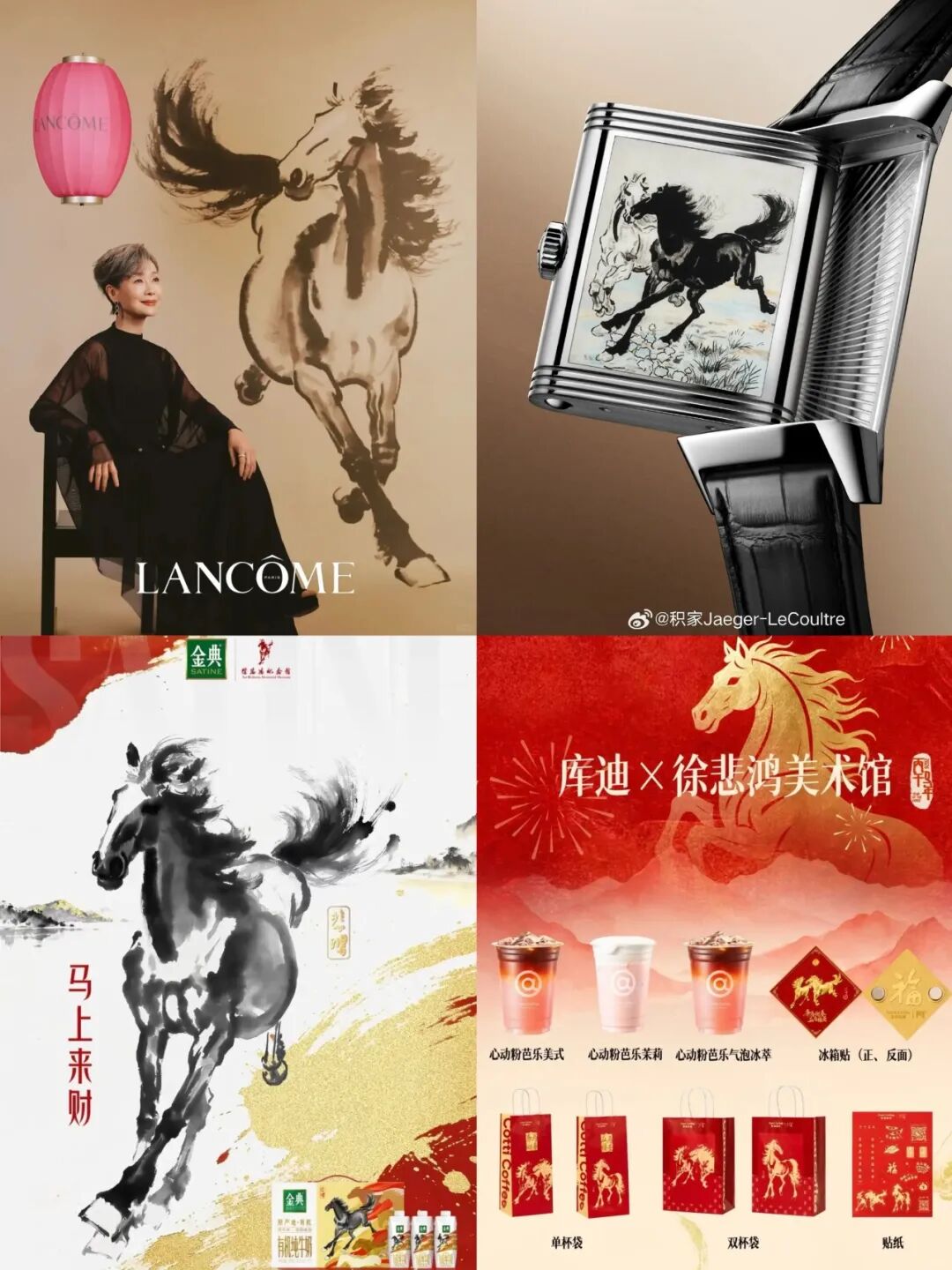
Group 1 - Brands are competing to deeply understand Chinese traditional culture, creating products that are more interesting, meaningful, unique, and emotionally resonant [1] - Moutai's recent release of the zodiac wine has led to a surge in its secondary market price due to a packaging error, causing fluctuations in Guizhou Moutai's stock price [1] - The high-end consumer market is shifting from "logo visibility" to "value recognition," with consumers increasingly seeking products that resonate emotionally rather than just luxury items [1][36] Group 2 - The application of red elements in this year's zodiac-themed products has become standard, with brands emphasizing craftsmanship and product details rather than merely using animal imagery [3] - International brands are leveraging the Year of the Horse to connect their brand history with Chinese culture, with examples like Burberry incorporating equestrian elements into their designs [7] - Brands are increasingly focusing on creating emotional connections through their products, moving away from superficial cultural appropriations [20][32] Group 3 - The trend of creating limited edition products for the Chinese New Year is evolving, with brands now exploring the feelings and cultural symbols associated with the zodiac rather than just the animal itself [6][32] - Successful brands are those that have established a local presence or have been acquired by Chinese companies, allowing them to better resonate with local consumers [26] - The concept of "cultural long-termism" is gaining traction, with brands like LVMH emphasizing the importance of understanding cultural consumption cycles for sustainable growth in China [20] Group 4 - The recent limited edition products from brands like Descente and On Running reflect a deeper understanding of consumer psychology, focusing on emotional value rather than just functionality [34] - The shift towards more thoughtful and culturally integrated marketing strategies is evident, as brands aim to create lasting emotional connections with consumers during the Chinese New Year [35][36] - The emergence of new cultural symbols, such as the "green horse" from Gansu Museum, illustrates the evolving landscape of consumer preferences and cultural engagement [32]

全球奢侈品_中国需求动态-Global Luxury Goods_ Chinese demand dynamics
2026-02-02 02:22
Summary of Global Luxury Goods Conference Call Industry Overview - The luxury goods industry is experiencing a shift in dynamics, particularly influenced by changes in Chinese consumer behavior and macroeconomic conditions. China remains a crucial market for luxury brands despite moderating demand growth and increased competition [1][2]. Key Insights Chinese Demand Dynamics - A recovery in Chinese demand is essential for the luxury sector to return to mid-single-digit (MSD) growth. Chinese nationals are projected to account for 23% of global luxury demand by 2025 [2][17]. - The luxury sector's growth is heavily reliant on the revival of Chinese consumer spending, as support from other regions (American, European, Middle Eastern) is insufficient to drive growth back to 6%+ organic levels [2][17]. Macroeconomic Challenges - The collapse of real estate values in China has led to broader economic woes, resulting in consumers feeling poorer and increasing their savings, which negatively impacts growth and employment [3][20]. - Younger consumers are particularly affected, with changing attitudes towards spending as they face diminished career prospects and are seeking more affordable lifestyles [4][25]. Consumer Behavior Changes - Older, wealthier consumers are less impacted by economic downturns and are beginning to increase their spending on luxury goods, aided by a stock market revival [5][26]. - The discretionary consumer demand is showing signs of improvement, particularly in the second half of 2025, with reports of increased traffic and revenues in retail spaces [7][33]. Competitive Landscape - The luxury market is becoming more competitive as consumers are more discerning, focusing their budgets on "must-have" brands. Brands like Hermes, Chanel, and Louis Vuitton are performing well, while others like Kering are struggling [9][41]. - Value for money is becoming a significant factor, with consumers willing to trade up to more desirable brands or down to more affordable options. Local Chinese brands are gaining traction in the lower price segments [10][46]. Investment Implications - The luxury sector is on a gradual recovery trajectory, but volatility remains due to underlying demand fluctuations and geopolitical tensions. Investors are advised to focus on high-quality brands like Hermès, Richemont, and LVMH, which are expected to perform well if positive trends continue [13][14]. - Brands with strong desirability and innovation will sustain consumer interest, while those lagging behind may face significant challenges [9][41]. Future Outlook - The luxury market is expected to see a U-shaped recovery, with improvements in both mass market and premium segments, although high-end luxury may lag behind [7][33]. - The long-term outlook suggests that crises do not last forever, and the Chinese luxury market will likely rebound as it has in the past [6][31]. Additional Important Points - The luxury sector's performance is closely tied to the economic health of China, with significant implications for global luxury brands if they fail to adapt to the changing landscape [11][50]. - The rise of domestic brands in China presents both a challenge and an opportunity for established luxury brands, as these local players are gaining market share and consumer loyalty [11][50]. This summary encapsulates the key points discussed in the conference call regarding the luxury goods industry, particularly focusing on the dynamics of the Chinese market and the implications for global luxury brands.
中国中免(1880.HK):海南封关首月数据强劲 春节假期数据料成潜化剂
Ge Long Hui· 2026-02-01 06:41
机构:信达国际 研究员:陈乐怡 第三季收入跌幅收窄,第四季旅遊旺季收入料重拾動能公司首三季收入為398.62 億元人民幣,按年跌 7.3%,純利為30.52億元人民幣,按年跌22.1%,單計第三季收入117.11 億元人民幣,按年微跌0.4%,跌 幅較上半年的10%收窄。海南離島免稅7 至9 月銷售額合計54.02 億元人民幣,按年跌2.6%,按年降幅較 4 至6 月收窄1.6 個百分點,其中9 月海南離島免稅月度銷售額按年增長3.4%,在同期低基數下錄得18 個月以來首次增長 ,公司第三季收入表現優於海南全島。海南旅遊旺季推動下,10 月至11 月離島免稅 銷售均錄雙位數按年增長,新增城市市內免稅店下半年集中開業,加上免稅政策利好,第四季收入料重 拾增長。 海南封關首月數據強勁,春節假期數據料成潛化劑海南自由貿易港自2025 年12 月18 日正式啟動全島封 關運作,免稅優惠對象擴大至所有自海南島離境的旅客,早期「離島免稅」主要面向從海南飛往內地其 他地區的旅客,重點是境內旅客,最新安排則可覆蓋國內外旅客。而每名海南居民在一年內有離島紀 錄,不限次數購買離島免稅商品,額度10 萬元人民幣,變相代購重臨,消費 ...

中国中免:个股推介-20260130
信达国际· 2026-01-30 03:24
個股推介 中國中免(1880.HK) 2026 年 1 月 30 日星期五 第三季收入跌幅收窄,第四季旅遊旺季收入料重拾動能 公司首三季收入為 398.62 億元人民幣,按年跌 7.3%,純利為 30.52 億元人民幣,按年跌 22.1%,單計第三季收入 117.11 億元人民幣,按 年微跌 0.4%,跌幅較上半年的 10%收窄。海南離島免稅 7 至 9 月銷 售額合計 54.02 億元人民幣,按年跌 2.6%,按年降幅較 4 至 6 月收窄 1.6 個百分點,其中 9 月海南離島免稅月度銷售額按年增長 3.4%,在 同期低基數下錄得 18 個月以來首次增長 ,公司第三季收入表現優於 海南全島。海南旅遊旺季推動下,10 月至 11 月離島免稅銷售均錄雙 位數按年增長,新增城市市內免稅店下半年集中開業,加上免稅政策 利好,第四季收入料重拾增長。 海南封關首月數據強勁,春節假期數據料成潛化劑 海南自由貿易港自 2025 年 12 月 18 日正式啟動全島封關運作,免稅 優惠對象擴大至所有自海南島離境的旅客,早期「離島免稅」主要面 向從海南飛往內地其他地區的旅客,重點是境內旅客,最新安排則可 覆蓋國內外旅客。而每名 ...