产业转移

Search documents
新引进500万以上项目314个!2025年清远工业干了这些大事
Xin Lang Cai Jing· 2026-02-27 04:57
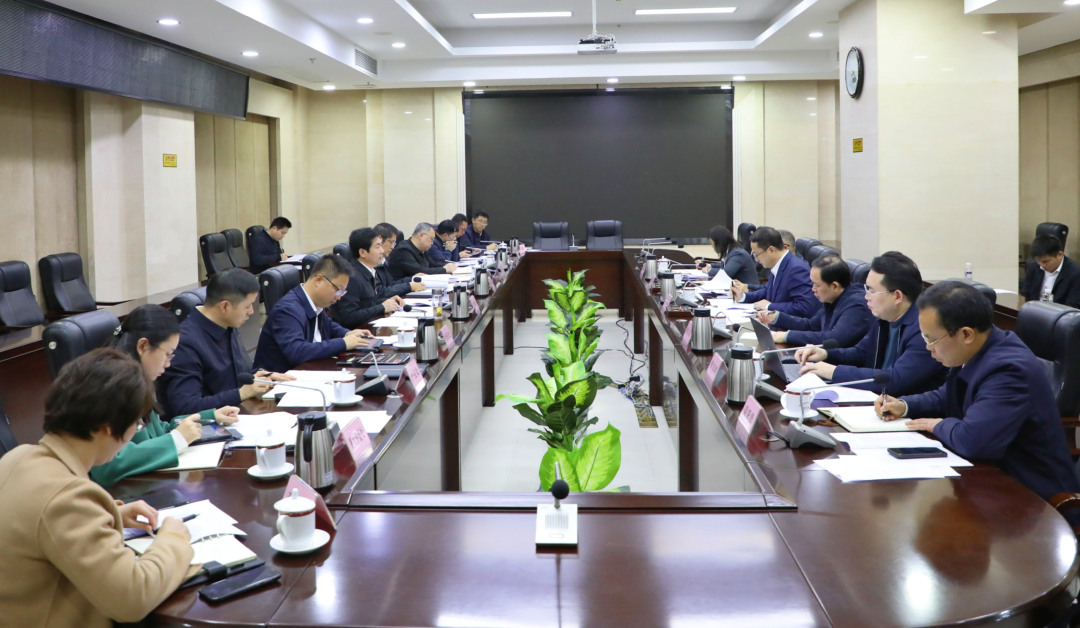
转自:清远发布 增速排名 含省第9位 制造业增加值增速 6.7% 高于全省增速(3.2%) 3.5个百分点 制造业投资增速排名 含省鐵3 全市制造业保持平稳增长 -1-1-1-1-1-1-1 聚力园区年 打造高能级产业生态"宝平台" 园区主平台切实成为我市工业 经济稳定发展的"主引擎" 3 | 2 | 新引进500万以下项目314个 承接产业有序转移项目175个 > | (2000万以上130个),居全省 第一,完成省任务的253.6% 清远主平台及清城、清新、佛 冈产业园获评省第一 -档"好" 产业园区集聚化、特色化发展 :成功打造了省级特色产业园2个。 强化园区组织建设 | I 厂 实施《清远市产业园区高质量发展行动方案》 = 深化审批服务改革,推动园区代办服务机制 建立管理权限下放清单,依法下放经济管理 十四尺日 TXPER HHHHHHH 聚焦产业发展, 构建现代化产业 体系"新支柱" 工业现代化产业体系 围绕新兴、传统、未来产业分类培育 = 供需对接 举办绿色建材、铝材加工等多个行 三 企业家沙龙 指导铸造、生物医药等行业开展多 场沙龙,加强多方联动 特色产业集群 nt 累计创建3个省级中小企业特色 ...


承接转移筑集群 邓州纺织“织”就百亿蓝图
He Nan Ri Bao· 2026-02-25 09:19
邓州市素有纺织产业基础,但此前长期停留在"小散弱"初级加工阶段。2022年,面对长三角化纤纺织 产业转移的历史机遇,邓州市委、市政府果断决策,将化纤纺织产业确立为工业强市的突破口,树 立"一切围绕化纤纺织干、一切围绕化纤纺织转、一切围绕化纤纺织看"的发展理念。"我们创新推出方 向、区域、企业、用人、落地、督导'六个精准'招商法,在江苏、浙江设立驻地招商组,锁定1106家目 标企业逐一对接,重点招引带动能力强的大项目、好项目。"邓州市副市长侯子罡在接受采访时表示。 2月24日,春节后开工第一天。邓州市佳泰纺织印染服装有限公司车间内,千台喷水织机高效运转,工 人来回巡视调控,一根根纱线在机器轰鸣中飞速穿梭,转瞬化为洁白坯布。"从签约到投产仅用了两个 月,千台织机同步运转,当年就实现产值破亿元!"佳泰纺织负责人的感慨,道出了对邓州营商环境的 认可,更印证了当地化纤纺织产业的强大吸引力。作为首批从长三角转移至邓州的化纤纺织企业,佳 泰纺织的快速落地与发展,正是邓州精准承接产业转移、培育产业集群的生动缩影。 精准施策换来了丰硕成果。截至目前,邓州市已签约化纤纺织项目60个、各类织机近6万台,培育规上 企业20家,投产专 ...
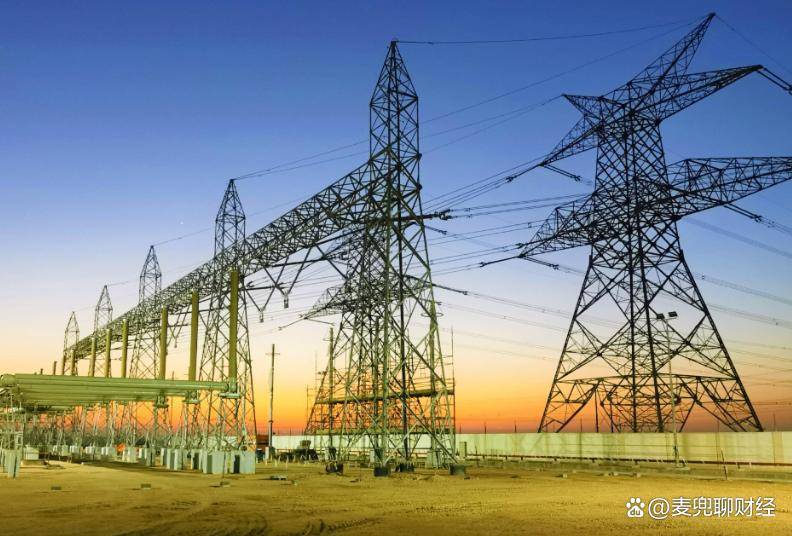
电网才是命脉!印尼为何接不住中国电解铝?一次断电损失数千万
Sou Hu Cai Jing· 2026-02-20 13:50
Core Insights - The production of one ton of electrolytic aluminum requires approximately 13,500 kWh of electricity, which is enough to power a typical household for four to five years [1][3] - China produces nearly 60% of the world's electrolytic aluminum, with an estimated output of 4.4 million tons out of a global total of 7.4 million tons by 2025 [3][6] - The stability and reliability of the power supply are critical for the electrolytic aluminum industry, as any power interruption can lead to significant financial losses [6][10] Industry Overview - The cost of electricity accounts for 30-40% of the production cost of electrolytic aluminum, with a price increase of 0.1 yuan per kWh raising the cost of one ton of aluminum by 1,350 yuan [6][10] - A robust and stable power grid is essential for the production of electrolytic aluminum, as it ensures continuous power supply and minimizes risks associated with power outages [6][13] - China's electrolytic aluminum plants are primarily built near coal or hydroelectric power sources, benefiting from a strong national power grid that can flexibly allocate electricity [6][10] Regional Analysis - Indonesia's government has banned bauxite ore exports to encourage foreign investment in local aluminum production, but the fragmented and unreliable power grid poses significant challenges for potential investors [8][10] - Middle Eastern countries like the UAE have low electricity generation costs due to cheap natural gas, but their industrial structures and power grids lack the diversity needed to support stable aluminum production [10][11] - Successful examples of stable aluminum production can be found in regions like the Pacific Northwest of the U.S. and Brazil, where strong hydroelectric systems and mature power grids exist [13][15] Strategic Considerations - The global capital for aluminum production is cautious, prioritizing stable electricity supply over merely low energy costs [15] - The ongoing situation in Indonesia highlights the importance of reliable infrastructure in determining the success of aluminum production ventures [15] - The debate continues on whether the focus should be on cost reduction or supply chain reliability in global production strategies [15]
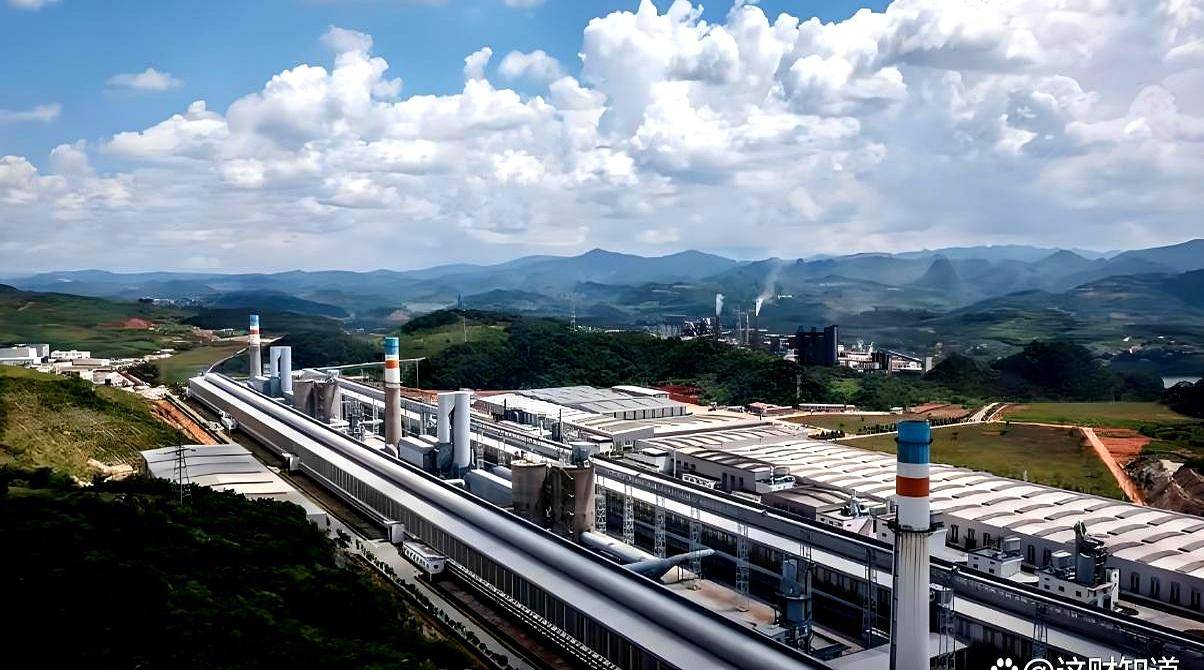
中国产业转移不再划算东南亚,1300万吨电解铝产能从北方迁往西部,终于享受自家红利
Sou Hu Cai Jing· 2026-02-20 13:38
Core Viewpoint - China's aluminum products are becoming more fashionable and environmentally friendly, and the country is not relocating factories to Southeast Asia as it did in the past, but rather revitalizing its own manufacturing capabilities [1][3]. Industry Dynamics - The global electrolytic aluminum production capacity has seen a significant shift, with 13 million tons moving from northern regions like Shandong and Henan to the greener valleys of Yunnan and Sichuan, which is comparable to the total production of North America [1][6]. - China's strategy focuses on maintaining control over its aluminum industry, emphasizing national strategic security and the dominance of the industrial chain, rather than outsourcing high-energy-consuming industries [3][4]. Environmental and Economic Factors - The shift to Yunnan is driven by the availability of renewable energy sources, such as hydropower, which accounts for over 90% of the energy used, resulting in lower electricity costs (20% cheaper than Shandong) and minimal environmental pressure [6][8]. - The carbon emissions from aluminum produced using Yunnan's hydropower are significantly lower, at 1.8 tons of CO2 per ton of aluminum, compared to over 13 tons from coal-fired power [8][9]. Market Opportunities - By 2025, China is projected to export 750,000 tons of aluminum products to Europe, where the carbon tariffs could cost over €24.4 million annually if produced using coal power, while the green aluminum from Yunnan would easily meet standards and command higher prices [9][10]. - The aluminum production value in Wenshan is expected to exceed 100 billion yuan by 2025, with the region becoming a leading hub for aluminum production in China [11][12]. Infrastructure and Logistics - The rapid growth of the aluminum industry in Wenshan is evident, with an annual growth rate of 50%, surpassing many coastal development zones, although logistical challenges exist due to high demand and limited infrastructure [12][14]. - The transition to Yunnan involves rebuilding supply chains, talent pools, and infrastructure, which poses challenges but also highlights the strong coordination capabilities of Chinese enterprises and local governments [14][16]. Strategic Outlook - As international dynamics become more complex, China aims to tighten control over its industrial chain and leverage its green aluminum industry to break through carbon barriers imposed by Europe and the U.S., turning these challenges into opportunities [16][17].
欧洲集结?马克龙联手27国出招,对华全面施压,中方强硬回击
Sou Hu Cai Jing· 2026-02-18 06:48
Group 1 - The core issue revolves around the EU's strategic anxiety regarding its economic sovereignty and dependency on countries like China, which has been a growing concern for several years [3][8][21] - France's proposal to impose a 30% tariff on Chinese goods is not merely a symbolic gesture but is aimed at multiple core industries, reflecting deeper strategic considerations [10][12] - The EU's internal divisions are highlighted, with member states like Germany and the Netherlands expressing concerns over the potential impact of increased tariffs on their own industries [18][19] Group 2 - The historical context of Europe's loss of initiative in major geopolitical shifts, such as the Cold War and financial crises, informs its current approach to trade and economic policy [7][8] - The EU's response mechanisms to economic coercion have been in preparation for some time, indicating a structured approach to trade negotiations rather than a reactionary stance [10][15] - The complexity of the EU's economic landscape, with varying interests among member states, poses significant challenges to achieving a unified stance on trade policies [17][18] Group 3 - China's response to the EU's tariff proposals has been swift and targeted, indicating a strategic approach to countering potential trade conflicts without escalating to full-scale confrontation [19][21] - The potential for increased tariffs to disrupt supply chains and raise consumer prices is a significant concern, suggesting that the long-term effects of such measures may not align with immediate political objectives [21][23] - The ongoing trade dynamics reflect broader anxieties about Europe's industrial positioning in the global economy and the shifting landscape of international trade relationships [23]

欧洲工业危机,美法中是三大赢家
Sou Hu Cai Jing· 2026-02-15 06:57
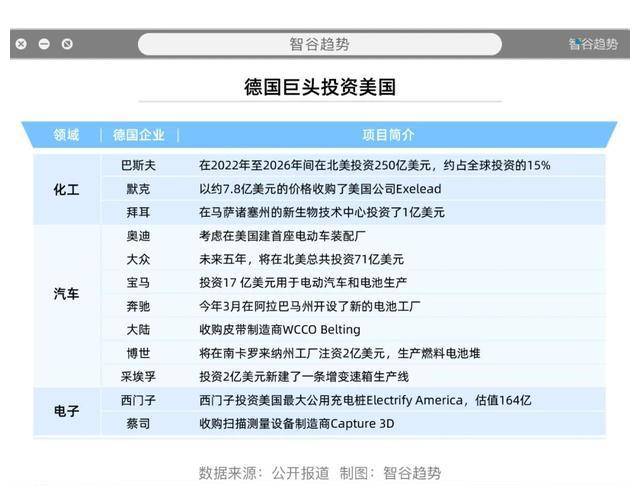
Core Viewpoint - German companies are increasingly investing in the United States due to energy crises and inflation in Germany, leading to a shift in production capacity to regions with more favorable conditions, particularly the U.S. and China [1] Group 1: Investment in the U.S. - BMW Group announced an investment of $1.7 billion (approximately 12.3 billion RMB) in electric vehicle and battery production in the U.S. [1] - Volkswagen plans to invest $7.1 billion (approximately 51.4 billion RMB) in the U.S. over the next five years [1] - BASF will invest $25 billion (approximately 181.1 billion RMB) in North America over four years [1] - Other German companies like Mercedes, Bosch, Siemens, and Bayer are also increasing their investments in the U.S. [1] - The U.S. offers cheap energy, a large consumer market, and attractive business policies, making it an appealing destination for German manufacturers [1] Group 2: Investment in China - BASF plans to invest €10 billion in China, while Audi, Volkswagen, and Merck have significant investment plans in the country [3] - Investments are concentrated in coastal cities, particularly Shanghai, which is favored for its strong infrastructure and business environment [3] - French companies are also looking to benefit from the situation, as Germany's energy crisis creates market opportunities for them [3] Group 3: Industry Trends - The shift of German industries is focused on high-value sectors such as organic chemicals, electronic devices, and automotive components [1] - The historical trend of industrial transfer shows a movement from advanced regions to less developed areas, but current conditions favor the U.S. and China for advanced manufacturing [1][3] - Germany's reliance on natural gas, particularly from Russia, has exacerbated its energy crisis, while France's energy strategy positions it to capitalize on Germany's challenges [3]

商务部:搭建合作平台,推动茧丝绸产业向新向优发展
Xin Hua Cai Jing· 2026-02-12 14:30
Core Viewpoint - The Ministry of Commerce aims to establish a cooperation platform to promote the development of the silk industry towards new and superior standards, with a target of exceeding 300 billion yuan in total output value by 2028 [1][2]. Group 1: Policy and Strategic Initiatives - The Ministry of Commerce will continue to advance the "East Silk, West Solid" initiative, coordinating the silk resources and industrial foundations of different regions to facilitate an orderly domestic transfer of the industry [1]. - A comprehensive service guarantee will be provided, with a focus on policy support and the establishment of a work coordination mechanism to enhance inter-departmental collaboration [1]. - The Ministry will implement specific measures based on local conditions, guided by the notification issued in November 2025, which outlines three main areas and nine key tasks [1]. Group 2: Technological and Competitive Enhancements - The Ministry will focus on key areas such as factory-based sericulture, numerical control weaving, and green dyeing to enhance quality and technological leadership, thereby improving the core competitiveness of the silk industry [2]. - A comprehensive information database will be created to consolidate investment intentions from leading enterprises in the east and the investment policies of key cities and counties in the west, providing foundational support for regional cooperation [2].
“十四五”期间四川FDI累计到资149.6亿美元
Zhong Guo Xin Wen Wang· 2026-02-11 02:38
Core Insights - The meeting highlighted that during the "14th Five-Year Plan" period, Sichuan's foreign direct investment (FDI) reached a cumulative total of 14.96 billion USD, representing a 31.2% increase compared to the "13th Five-Year Plan" period [1] - Sichuan's economic cooperation has achieved significant development over the past five years, with a total of 5,020 projects signed at the provincial level and an agreement investment amount exceeding 5 trillion CNY, averaging over 800 billion CNY in actual investment from external industries annually [1] Investment Strategy - For 2026, Sichuan's economic cooperation system will focus on the theme of "Key Industries Building Circles and Strengthening Chains for Breakthroughs," aiming to enhance investment contribution rates, industrial support, openness, and service satisfaction [1] - The province plans to strengthen targeted investment attraction, improve the key industrial chain investment system, and select critical sub-chains for project recruitment [1] Foreign Investment Initiatives - Sichuan will deepen cooperation with major foreign investment sources and organize overseas special events to attract foreign capital [1] - Local enterprises will be guided to utilize foreign investment effectively, leveraging open platforms as primary venues for foreign capital, with resource allocation favoring important parks [1] Regional Collaboration - The province will align with the industrial layout of the eastern coastal regions and implement differentiated strategies for undertaking investments [1] - Sichuan aims to enhance collaboration with Chongqing through upgraded "cooperation parks" and explore models like "two-way enclaves" for clustered industrial transfers [1]
全球集装箱航运市场介绍:东南亚航线
Zhong Xin Qi Huo· 2026-02-10 09:30
1. Report Industry Investment Rating No relevant content provided. 2. Core Viewpoints - The China - Southeast Asia shipping route is the world's largest trade corridor, showing resilience in trade tensions. The Southeast Asian container shipping market has strong growth momentum driven by economic growth and industrial transfer [8][33]. - In 2025, the North Asia - Southeast Asia route had the highest capacity share and the fastest growth rate among intra - Asia trades. However, future capacity growth may be constrained by the high average age and low orderbook of feeder vessels [26][34]. - Southeast Asian shipping routes generally have lower freight rate volatility than long - haul routes, with certain correlations to Northern Europe rates. New contracts listed by the Shanghai International Energy Exchange provide more options for hedging [2][35]. 3. Summary by Directory 3.1 Current Situation of the Southeast Asia Container Shipping Market - The China - Southeast Asia route is the world's largest trade corridor. In 2025, the trade value between China and ASEAN reached 1,055.87 billion USD, up 7.3% year - on - year. Asian intra - regional routes are the world's largest container shipping market. From January to October 2025, the cargo volume in this regional market reached 41.234 million TEUs, accounting for 25.9% of the global total, with a year - on - year growth rate of 5.1% [8]. - Due to short shipping distances, the China - Southeast Asia route is highly competitive, with carriers including global giants and regional specialists. Major routes include services from China to Singapore/Malaysia, Thailand/Vietnam, and Indonesia [11]. - Freight rates on Southeast Asian routes generally have lower volatility than long - haul routes, with seasonal patterns. Rates usually retreat from highs in January and February, rebound in early March, and are driven up in mid - April by the Songkran Festival. In 2025, due to tariff - driven front - running, rates surged prematurely between March and May, fell during the traditional peak period (June - August), hit a floor in the August - September off - season, and rebounded in October [12][13]. 3.2 Demand in Southeast Asian Shipping Market - The six major economies of ASEAN (Singapore, Indonesia, the Philippines, Malaysia, Thailand, and Vietnam) have shown economic resilience, with a three - year compound GDP growth rate of 3% in 2024, surpassing the overall GDP growth rate of Asia by 0.3 percentage points [16]. - The trade war between China and the United States has led to a global supply chain restructuring, and Southeast Asia has become an important destination for industrial transfer. From January to November 2025, China's exports to five ASEAN countries reached 492.33 billion US dollars, a year - on - year increase of 14.6%. By October 2025, the container cargo volume in the Asian market reached 41.234 million TEUs, a cumulative year - on - year increase of 5.3% [20]. - Among the commodities transported by general cargo containers, Vietnam accounts for the highest proportion (31.5%) of China's exports to the five ASEAN countries. In 2025, the total value of China's exports of 33 categories of commodities to the five ASEAN countries reached US$202.48 billion [24]. 3.3 Southeast Asian market capacity and competition landscape - In 2025, the North Asia - Southeast Asia route had the highest capacity share (56.1%) and the fastest growth rate (19.1% year - on - year) among all intra - Asia trades. By the end of 2025, the total capacity deployed by carriers within the intra - Asia market reached 3.415 million TEUs, a year - on - year increase of 11.7% [26]. - Regional carriers such as Wan Hai, SITC, and TS Lines maintain a strong presence in the intra - Asia market. They focus on strategic layouts within Southeast Asian feeder routes and offer differentiated services, serving as essential supplements to regional market coverage [30]. 3.4 Outlook - From a demand perspective, the Southeast Asian market shows diversified and high - growth characteristics in importing Chinese goods, driven by economic growth and industrial transfer dividends [33]. - Future capacity growth may be constrained by the high average age and low orderbook of feeder vessels. - Southeast Asian routes typically have lower freight rate volatility than long - haul routes, with a 75.8% correlation between rates from China to Singapore and Malaysia and Northern Europe rates, and a 51.7% correlation for Thailand, Vietnam, and the Philippines. New contracts EC2605, EC2607, and EC2609 listed on February 10th provide more options for hedging [35].
方毅带队拜会自治区发展改革委 争取更大政策与项目支持
Xin Lang Cai Jing· 2026-02-08 16:28
Core Viewpoint - The meeting between Fang Yi, the mayor, and Bai Songtao, the director of the Autonomous Region Development and Reform Commission, aims to secure greater policy and project support for the city of Laibin, focusing on economic development and infrastructure projects during the 14th and 15th Five-Year Plans [1][3]. Group 1: Meeting Objectives - The meeting's primary goal is to report on work progress and align on key issues to gain more support from the Autonomous Region Development and Reform Commission [1]. - Fang Yi expressed gratitude for the ongoing support from the commission, highlighting its role in facilitating major projects like the Xianhe High-Performance Paper-Based New Material Industrial Park and the Laibin Pumped Storage Power Station [3]. Group 2: Future Development Plans - Laibin aims to leverage its geographical, ecological, resource, and market advantages to achieve the overarching goal of becoming a "Sweet Laibin" and realizing the "Rise of Central Guangxi" during the 15th Five-Year Plan [3]. - The city plans to enhance its economic quality, elevate industrial capabilities, and improve the well-being of its residents through a modernized and beautiful urban environment [3]. Group 3: Support and Collaboration - Bai Songtao responded positively to Laibin's requests, emphasizing the commission's commitment to providing ongoing support in planning, policy empowerment, project layout, funding assurance, and resource coordination [4]. - The commission encourages Laibin to strengthen economic operation monitoring, implement precise policies, and ensure smooth economic performance [4].