休克疗法

Search documents
阿根廷田野手记:关停的工厂、变贵的账单与华商的新生意|907编辑部
Xin Lang Cai Jing· 2026-02-22 00:26
"明天你来阿根廷,会发现完全不一样了;但十年后再来,又会觉得它一模一样。" 目前的阿根廷,正处于一场被称为"人类现代经济史上最激进"的社会实验中。自从"狂人总统"米莱挥舞 着电锯上台,推出大刀阔斧的"休克疗法"后,我们在新闻里看到了飞涨的物价、裁撤的政府部门和走上 街头抗议的工会。 2月19日,阿根廷再次爆发了一场24小时的全国大罢工。为了抗议米莱政府在众议院强推的劳工改革法 案,首都布宜诺斯艾利斯数百架航班取消,地铁停运,整个城市几乎陷入瘫痪。 而在街头的喧嚣背后,是一组最新数据:官方通报,在过去两年里,阿根廷减少了近2.2万家注册企 业,流失了近30万个正规就业岗位,新成立企业有34%活不过三年。 那么,实际情况到底是怎样的?普通阿根廷人到底过得怎么样? 为了探究经济改革给阿根廷带来的社会影响,今年1月底,清华大学国际与地区研究院助理研究员袁梦 琪带领清华大学行健书院的学生去了一趟阿根廷,完成了一次高密度的田野调查。他们走进濒临倒闭的 本地工厂、停发"大锅饭"的政党社区中心,也走进了阿根廷的农业协会、精英大学以及在那边打拼的华 商群体中。 袁老师透露,调研队此次深入调研了首都周边的两个卫星城,Floren ...
杰弗里·萨克斯“雄辩”联合国:人类生存取决于安理会如何应对委内瑞拉变局
Hua Er Jie Jian Wen· 2026-01-08 06:57
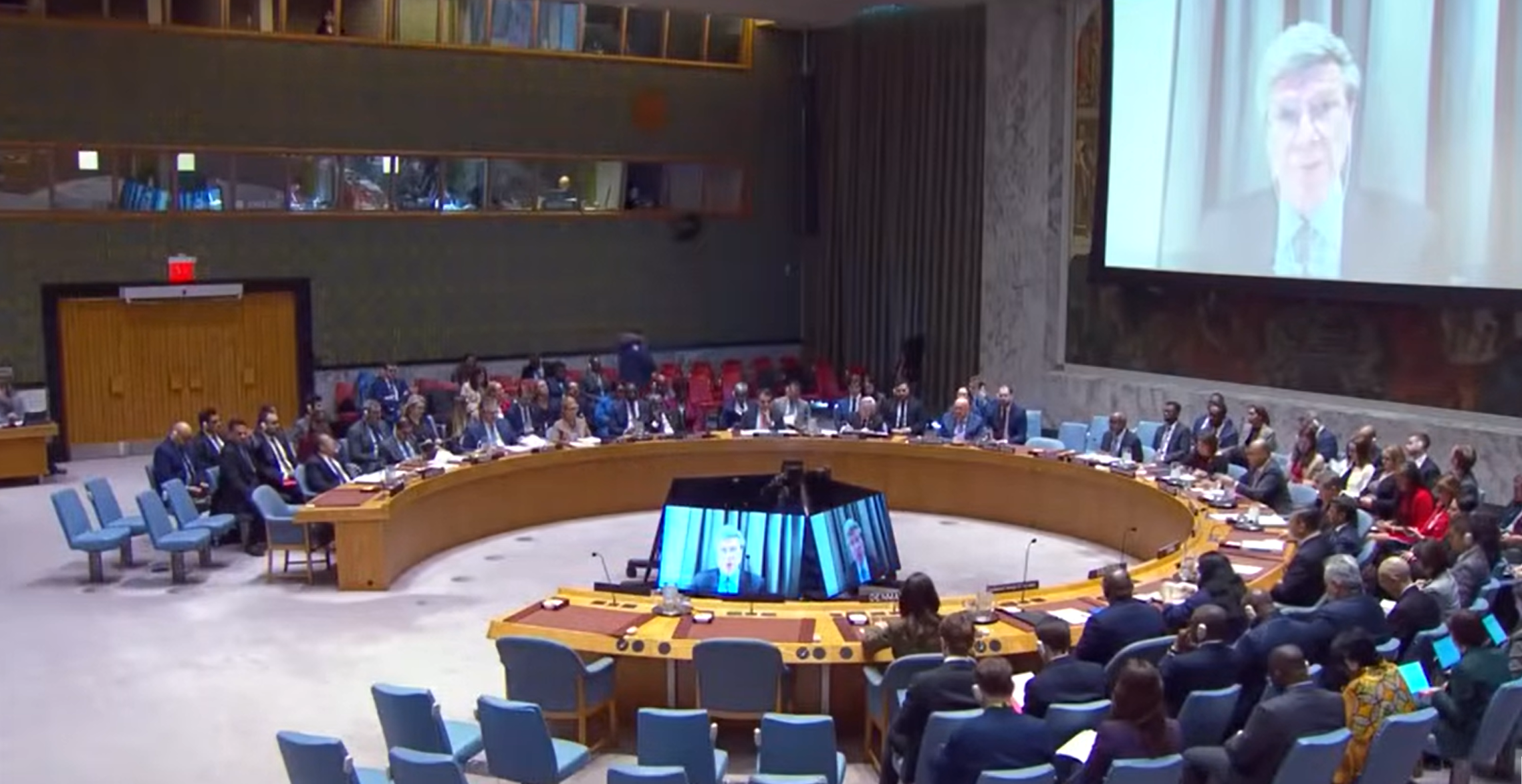
作为享誉全球的经济学家、国际发展领域权威,萨克斯以 "休克疗法" 经济理论闻名,曾助力多国化解债务危机与恶性通胀,兼具深厚学术功底与实战经 验。 萨克斯强调,自1947年以来,美国外交政策多次通过武力、秘密行动和政治操纵,在其他国家推动政权更迭。这些措施均违反《联合国宪章》,且通常导致 持续暴力、致命冲突、政治动荡,以及平民的深重苦难。 第一次世界大战后,国际联盟成立,旨在通过适用国际法终结这一悲剧,但世界主要国家未能在20世纪30年代捍卫国际法,最终引发了新的全球战争。联合 国正是在这场浩劫中诞生,成为人类第二次努力将国际法置于国际无政府状态之上的重要成果。正如《宪章》所言,联合国的成立是为了 "欲免后世再遭今 代人类两度身历惨不堪言之战祸"。 鉴于我们已身处核时代,绝不能重蹈覆辙 —— 否则人类将走向毁灭,再也没有第三次机会履行这一使命。 演讲要点: 自1947年以来,美国外交政策多次通过武力、秘密行动和政治操纵,在其他国家推动政权更迭。这是有充分历史记录佐证的事实:仅1947年至 1989年间,美国就尝试了70次政权更迭行动。 在委内瑞拉变局发生后,全球知名经济学家、国际事务资深学者杰弗里·萨克斯在线在 ...

从欧洲霸主到“灰色产业天堂”,是怎么一步步“放弃治疗”的?
Sou Hu Cai Jing· 2025-12-05 10:37
Group 1 - The article discusses the drastic economic decline of Lithuania post-independence, highlighting the consequences of adopting a "shock therapy" approach that dismantled its industrial system, leading to a GDP halving and inflation soaring to 300% [2] - The unemployment rate reached nearly 20%, exacerbating social issues and creating fertile ground for gray industries such as sex work and human trafficking, with the government turning a blind eye in hopes of sustaining itself through "gray taxes" [2] - Recent diplomatic gambles have further deteriorated the situation, as the government prioritizes military expansion over addressing domestic economic issues, resulting in a significant portion of GDP (over 5%) being allocated to military spending [2] Group 2 - The article emphasizes that Lithuania's downfall serves as a cautionary tale about neglecting the importance of public welfare in favor of geopolitical ambitions, leading to predictable decline [3] - It portrays Lithuania as a nation struggling to maintain an illusion of strength while its citizens face dire living conditions, questioning the true value of independence when the dignity and well-being of its people are compromised [3]

【环时深度】米莱上台两周年,阿根廷民众怎么看
Huan Qiu Shi Bao· 2025-12-04 22:51
Core Points - The recent midterm elections in Argentina resulted in a surprising victory for Javier Milei's right-wing coalition, the "La Libertad Avanza" party, which is seen as a public endorsement of his austerity measures and neoliberal policies [2][4] - Milei's government has implemented strict austerity measures, leading to a significant reduction in monthly inflation rates from 25% in December 2023 to around 2% recently, and a decrease in poverty rates from 52.9% to 31.6% [3][8] - Despite the economic improvements, there are concerns about the social costs of these reforms, with many citizens feeling the burden of austerity measures and expressing dissatisfaction with the growing inequality [3][5] Political Landscape - The "La Libertad Avanza" party secured over one-third of the seats in Congress, allowing Milei to block opposition attempts to overturn presidential decrees, thus strengthening his political foundation [2][4] - Public sentiment is mixed, with some citizens preferring the uncertainty of Milei's reforms over a return to previous governance, reflecting a broader disillusionment with traditional political parties [4][6] Economic Implications - Milei's victory has created new opportunities for debt issuance, potentially attracting much-needed foreign investment, particularly in sectors like oil and gas [2][3] - The government has made significant cuts to federal spending, reducing it by approximately 30% and cutting the number of public employees by about 15% [3][8] - Argentina's debt stands at approximately $56.944 billion, and the country is seeking to attract investment in infrastructure to support economic growth [3][7] Social Reactions - Many citizens express a sense of stability but also highlight the increasing financial strain, with reports of rising debt among working individuals [3][5] - There is a growing concern that the benefits of Milei's policies are disproportionately favoring the wealthy, leading to a perception of increased inequality [3][6] International Relations - The relationship between Argentina and the United States has become complex, with recent support from the U.S. government for Milei's administration, including a $20 billion currency swap agreement [7][8] - However, there are fears that U.S. support may come with strings attached, potentially undermining Argentina's economic sovereignty [7][8] Future Outlook - Analysts suggest that while Milei's reforms have shown some success, the sustainability of these policies remains in question, particularly regarding social equity and long-term economic stability [8][9] - The upcoming elections in 2027 could pose significant challenges for Milei if social discontent continues to grow due to ongoing austerity measures [9]
西山居CEO郭炜炜辞任,跟《解限机》有多大关系?
雷峰网· 2025-12-01 10:16
Core Viewpoint - The resignation of CEO Guo Weiwei from Xishanju may indicate the need for a "shock therapy" approach for the game "Jiexianji," which has not met expectations since its launch [5][8]. Group 1: Leadership Changes - Guo Weiwei has resigned as CEO of Xishanju for personal career planning reasons but will continue as Chief Producer [2]. - Zou Tao, CEO of Kingsoft, will take over as acting CEO, with Guo reporting directly to him [2]. Group 2: Game Performance - "Jiexianji" was launched after ten years of development but has not achieved the anticipated success, with peak daily active users (DAU) dropping significantly from 310,000 during testing to an estimated 20,000 post-launch [5][6]. - The game was expected to create a new market segment, but its niche mech theme has limited its audience, making it a challenging category to succeed in [6][7]. Group 3: Development Challenges - The game’s design and marketing strategies may have been misaligned with player expectations, leading to poor reception and player retention issues [7][8]. - The focus on competitive play without sufficient single-player content has contributed to player dissatisfaction, as many potential users prefer a more balanced gameplay experience [7]. Group 4: Future Directions - To recover from its current state, "Jiexianji" may need to undergo a significant overhaul, similar to the "shock therapy" approach taken by other games like "No Man's Sky," which involved pausing the project and making substantial adjustments based on user feedback [8].


Argentina After the Vote: Milei's Mandate, Markets' Rally, and the Pain Ahead
Youtube· 2025-11-01 14:00
Economic Context - President MLE's victory in the Argentine elections strengthens his position in Congress, providing an opportunity to implement economic reforms aimed at addressing long-standing issues in the country [1][25] - The country has been grappling with runaway inflation, which has significantly impacted businesses, particularly in sectors like textiles, where companies have had to frequently adjust prices due to high inflation rates [5][26] Market Reactions - Following the election, there was a notable increase in bond values and an improvement in Argentina's debt rating, indicating a positive market reaction to MLE's victory [2][3] - The U.S. Treasury established a $20 billion swap line with Argentina's Central Bank and intervened in currency markets, spending over $1 billion to support the peso, which reflects a strategic move to stabilize the economy [8][10] Inflation and Economic Policies - Inflation in Argentina has been a persistent issue, with rates previously exceeding 200%, but recent reports indicate a decrease to around 40%, which is viewed positively by business owners [20][26] - MLE's administration has implemented aggressive fiscal measures, including significant cuts in spending and a controlled devaluation of the peso, aimed at stabilizing the economy [19][25] Business Sentiment - Business owners express a mix of hope and skepticism regarding the government's ability to sustain economic improvements, emphasizing the need for more comprehensive reforms beyond just inflation control [26][27] - The textile industry, in particular, faces challenges due to high interest rates that exceed inflation, indicating a need for broader economic support measures [26][27]

How austerity proved to be a winning ticket for Milei
Yahoo Finance· 2025-10-27 16:10
Core Insights - Javier Milei's La Libertad Avanza party achieved a significant victory in Argentina's mid-term congressional elections, with approximately 10 million votes supporting his agenda, which is seen as a mandate for his economic reforms [2][4] - The election results indicate a shift towards "macroeconomic prudence," as nearly half of the voters preferred Milei's approach over left-wing parties, reflecting a desire to avoid large fiscal deficits [3][4] Political Landscape - Following the elections, Milei-supporting parties will hold 104 out of 257 seats in the lower house, providing him with the necessary support to uphold presidential vetoes and negotiate for a majority in key votes [4] - Analysts view this outcome as a pivotal moment for Milei, allowing him to advance his ambitious reform agenda and move past previous challenges [4] Economic Reforms - Milei's administration has initiated a "shock therapy" approach, focusing on austerity measures, liberalizing the exchange rate, and transforming Argentina into an export-driven economy to combat inflation and manage debt [5] - The first phase of reforms included devaluing the official exchange rate, which initially led to record monthly inflation of nearly 26%, but projections suggest a decrease to under 2% monthly by mid-2025 [6] - Significant cuts were made to government ministries, civil service employment, and public spending, alongside the abandonment of infrastructure projects and revisions to labor laws and the tax code, resulting in a budget surplus for the first time in a decade [7]
米莱继续改革阿根廷
Bei Jing Shang Bao· 2025-10-27 15:05
Core Viewpoint - Since taking office in December 2023, President Milei's government has implemented a series of free-market reforms and strict fiscal austerity measures aimed at curbing high inflation and achieving fiscal surplus. While these policies have been positively received by international investors, they have also sparked public discontent due to subsidy cuts and factory closures. Following a loss in local elections in September, Milei's unexpected victory in the midterm elections has provided crucial backing for his aggressive austerity policies [1]. Group 1 - In the midterm elections, Milei's "Liberty Advances Party" achieved a significant victory with 40.8% of the votes, securing a crucial position in Congress to facilitate future economic reforms [6]. - The party's performance in Buenos Aires, traditionally a stronghold for the opposition, marked a significant political shift, with the party receiving 41.5% of the votes compared to the opposition's 40.8% [6]. - Despite the electoral success, Milei's government will still need to negotiate with other political forces in Congress to achieve legislative goals, as no coalition has a majority [6][7]. Group 2 - Argentina's economy remains highly dependent on agricultural and energy exports, making it vulnerable to fluctuations in global commodity prices and economic conditions [8]. - Although some economic indicators have shown improvement, such as a decrease in inflation and poverty rates, the cost of living remains high, leading to declining government approval ratings [8]. - A report indicated that economic activity in Argentina is expected to stagnate in the first half of 2025, with GDP showing a 0.1% decline in the second quarter [9]. Group 3 - Following political turmoil in September, the Argentine Central Bank intervened by selling over $1 billion in foreign reserves to stabilize the market [10]. - A historic agreement was reached with the U.S. Treasury for a $20 billion currency swap to bolster Argentina's foreign reserves and stabilize the peso [10]. - Concerns have been raised domestically regarding the dependency on U.S. assistance, with critics arguing that it may compromise Argentina's economic policy independence [11].

米莱逆袭!阿根廷中期选举大胜,激进改革能走多远?
Guo Ji Jin Rong Bao· 2025-10-27 09:55
Core Insights - The "La Libertad Avanza" party, led by President Milei, won the midterm elections in Argentina with approximately 41% of the votes, significantly ahead of the Peronist party's 24.5% [1] - The election resulted in the party gaining 13 seats in the Senate and 64 seats in the Chamber of Deputies, increasing their representation from 7 and 37 seats respectively [1] - Milei's victory is seen as a turning point for Argentina, providing the political capital needed to accelerate structural reforms [1][2] Election Results - The midterm elections involved the renewal of half of the Chamber of Deputies and one-third of the Senate, with a total of 24 senators and 127 deputies elected [1] - The "La Libertad Avanza" party's previous representation in the Senate and Chamber of Deputies was significantly lower, indicating a substantial political shift [1] Political Context - The U.S. played a crucial role in supporting Milei's campaign, including a $20 billion currency swap agreement and direct interventions to stabilize the peso [2] - Trump's warning to Argentine voters about the potential loss of U.S. support if Milei did not win highlights the geopolitical implications of the election [2] Economic Policies and Challenges - Since taking office, Milei has implemented radical economic reforms aimed at reducing government spending and addressing Argentina's fiscal deficit and inflation, which has seen inflation drop from 12.8% to 2.1% [3] - Despite achieving a fiscal surplus, the social costs of these austerity measures have been severe, with reports of significant cuts to public services and rising poverty levels [3] - Corruption scandals involving Milei's administration have emerged, complicating his governance and potential coalition-building efforts in Congress [3]
黄益平:“华盛顿共识”破产后,全球南方的发展路在何方?中国经验给出答案
Feng Huang Wang Cai Jing· 2025-10-15 07:39
Group 1: Tanzania's Economic Vision - Tanzania's President Samia Suluhu Hassan announced the "Vision 2050," aiming for a GDP exceeding $1 trillion and a per capita GDP of $7,000 by 2050, which requires an annual nominal GDP growth rate of 6.8% [1] - The vision includes strategic pillars and industrial policies focusing on logistics, energy, technology, digital transformation, and nine key sectors such as agriculture, tourism, and mining to create jobs and boost exports [1] - The announcement may be politically motivated ahead of the upcoming elections in October 2025, as it lacks specific strategies and pathways for implementation [1] Group 2: Development Challenges in Southern Countries - Many Southern countries, like Tanzania, face significant challenges in achieving rapid economic development, often falling into the "middle-income trap" as defined by World Bank economists [3][4] - The "Washington Consensus" proposed by international organizations has had limited success in guiding economic reforms in developing countries, contrasting with the successful policies of East Asian economies [5][6] - The lack of innovation capacity and persistent issues such as inequality, poor education, and inadequate infrastructure hinder sustained economic growth in many Southern nations [4][6] Group 3: Lessons from China's Economic Policies - China's economic growth, with an average GDP growth rate of 8.9% from 1978 to 2024, serves as a potential model for Southern countries aiming for rapid development [8] - Key differences between China's policies and the "Washington Consensus" include a significant state-owned sector and active government participation in economic activities, including industrial policies [8][9] - The pragmatic approach of Chinese reforms emphasizes adapting policies to local conditions rather than strictly following theoretical models, which could provide valuable insights for other Southern nations [21][24] Group 4: Global South Consensus - The "Washington Consensus" is becoming outdated, as both Southern countries and Northern nations like the U.S. have moved away from its principles, highlighting the need for a new framework for economic development [20][26] - A proposed "Global South Consensus" aims to establish basic principles for economic policy that are tailored to the unique circumstances of Southern countries, focusing on market-driven resource allocation and pragmatic government intervention [23][24] - Successful experiences from East Asian economies, particularly China, can inform the development of this consensus, emphasizing the importance of context-specific policies and the balance between market and government roles [21][26]