
光伏去银化

Search documents
银价暴涨成为光伏“去银化”的最强催化剂!光伏ETF华夏(515370)上涨0.75%,聚合材料涨超8%
Mei Ri Jing Ji Xin Wen· 2026-02-11 02:48
Group 1 - The photovoltaic sector is experiencing a rebound, with the Huaxia Photovoltaic ETF (515370) rising by 0.75%, and stocks such as 聚合材料 increasing over 8%, 协鑫集成 over 5%, and 拉普拉斯 over 4% [1] - According to a report by CITIC Securities, the surge in silver prices is expected to accelerate the replacement of precious metal pastes by leading photovoltaic cell manufacturers, intensifying cost differentiation within the industry [1] - The demand structure is shifting towards high-efficiency products, leading to increased pressure on outdated production capacities, which may face accelerated elimination [1] Group 2 - 爱旭股份 is taking the lead in combating internal competition in the photovoltaic industry, indicating that leading manufacturers with core technologies and patent advantages are likely to stand out [1] - The photovoltaic cell component industry is expected to accelerate its "anti-involution" trend, with recommendations for leading manufacturers in battery components, pastes, and equipment [1] - The Huaxia Photovoltaic ETF (515370) and its linked funds (012885/012886) track the CSI Photovoltaic Industry Index, which includes upstream, midstream, and downstream companies in the photovoltaic industry chain, reflecting the overall performance of the sector [1]
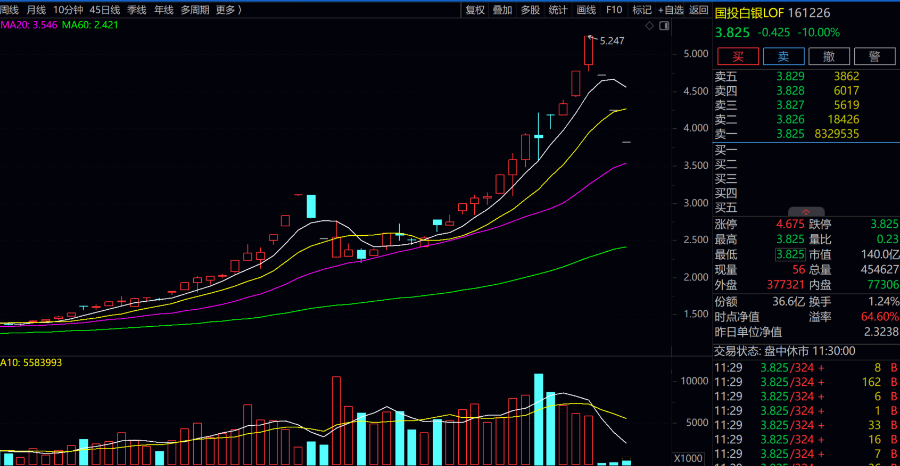
国投白银LOF连续3日跌停,溢价仍超过6成
2 1 Shi Ji Jing Ji Bao Dao· 2026-02-04 06:50
Core Viewpoint - The recent volatility in silver prices has led to significant losses for investors in the Guotai Silver LOF fund, which has experienced three consecutive trading halts despite a high premium of 64.6% [1][3]. Group 1: Fund Performance and Investor Sentiment - The Guotai Silver LOF fund saw a drastic drop in net value, falling 31.5% in a single day, marking the largest single-day decline in public fund history [3][4]. - Investors expressed frustration over the fund's performance, with complaints about the fund company's sudden rule changes and lack of transparency [3][4]. - The fund's net value adjustment was necessary to reflect the significant fluctuations in international silver prices, which exceeded normal trading limits [4]. Group 2: Market Analysis and Future Outlook - Analysts suggest that the recent adjustments in the silver market are influenced by profit-taking behaviors and heightened volatility due to the smaller market size compared to gold [4][5]. - The long-term outlook for silver remains positive, with expectations of price increases driven by industrial demand and potential supply constraints [5][6]. - The demand for silver is expected to rise due to developments in sectors such as renewable energy and artificial intelligence, despite the historical low prices and high inventory levels [6].

“制造强国”实干系列周报(26、02、01期)-20260202
Shenwan Hongyuan Securities· 2026-02-02 07:11
Group 1: Commercial Aerospace - The commercial aerospace industry is experiencing upward trends due to accelerated progress in domestic and international computing constellations[5] - Key focus areas include satellite payloads, satellite platforms, space photovoltaics, application terminals, operational services, and rocket support[3] - The China Aerospace Science and Technology Corporation has significant external assets, indicating strong expectations for mergers and acquisitions[3] Group 2: Photovoltaic Industry - Rising silver prices are increasing cost pressures in the photovoltaic industry, making "de-silvering" a critical demand for battery mass production[3] - The adoption of N-type batteries has become mainstream, with silver paste costs in components rising to 21.4% by January 2026[30] - The laser technology is pivotal in supporting the de-silvering transition, enhancing efficiency and reducing material costs[31] Group 3: AI Glasses Market - Global sales of AI glasses are rapidly increasing, with Meta contributing significantly to growth, projecting 6 million units sold in 2025[3] - By 2026, global AI glasses sales are expected to reach 16 million units, with non-display AI audio and photography glasses being major contributors[40] - In Q4 2025, domestic and overseas sales of AI glasses were 24.5 million and 425 million units, respectively[40]
银价暴跌,光伏狂欢?
虎嗅APP· 2026-02-01 13:11
Core Viewpoint - The recent sharp decline in silver prices is expected to benefit the battery and component sectors, particularly for companies struggling with high costs due to previous silver price surges [12][22]. Group 1: Silver Price Dynamics - Silver prices experienced a significant increase in the fourth quarter of 2025, rising from $47.28 per ounce to $71.99 per ounce, marking a quarterly increase of over 52% [13]. - The surge in silver prices was driven by three main factors: a weakened dollar, lower interest rates from the Federal Reserve, and a rigid increase in industrial demand coupled with low supply elasticity [6][7]. - The anticipated appointment of Kevin Warsh as the new Federal Reserve chairman could lead to a tightening of monetary policy, potentially reversing the current trend of silver price increases [5][8]. Group 2: Impact on the Photovoltaic Industry - The decline in silver prices is seen as a relief for battery and integrated component manufacturers, many of which are currently facing significant losses [12]. - Major integrated component manufacturers, such as Jinko, Longi, JA Solar, and Trina Solar, are projected to incur losses exceeding 4 billion yuan in 2025 [12]. - The cost of silver has become a critical factor affecting the pricing of photovoltaic components, with silver paste now accounting for 19.3% of the total cost of solar modules [13][18]. Group 3: Future Outlook and Industry Challenges - While the drop in silver prices may provide short-term relief, the photovoltaic industry still faces challenges such as excess capacity and slow downstream demand growth [27][28]. - The industry is undergoing a "de-silvering" process, with companies exploring alternatives to reduce silver usage, which may accelerate market consolidation and impact smaller firms lacking the resources for such transitions [31][33]. - The long-term recovery of the photovoltaic sector will depend on improved downstream demand and the clearing of excess capacity, rather than solely on fluctuations in silver prices [34].


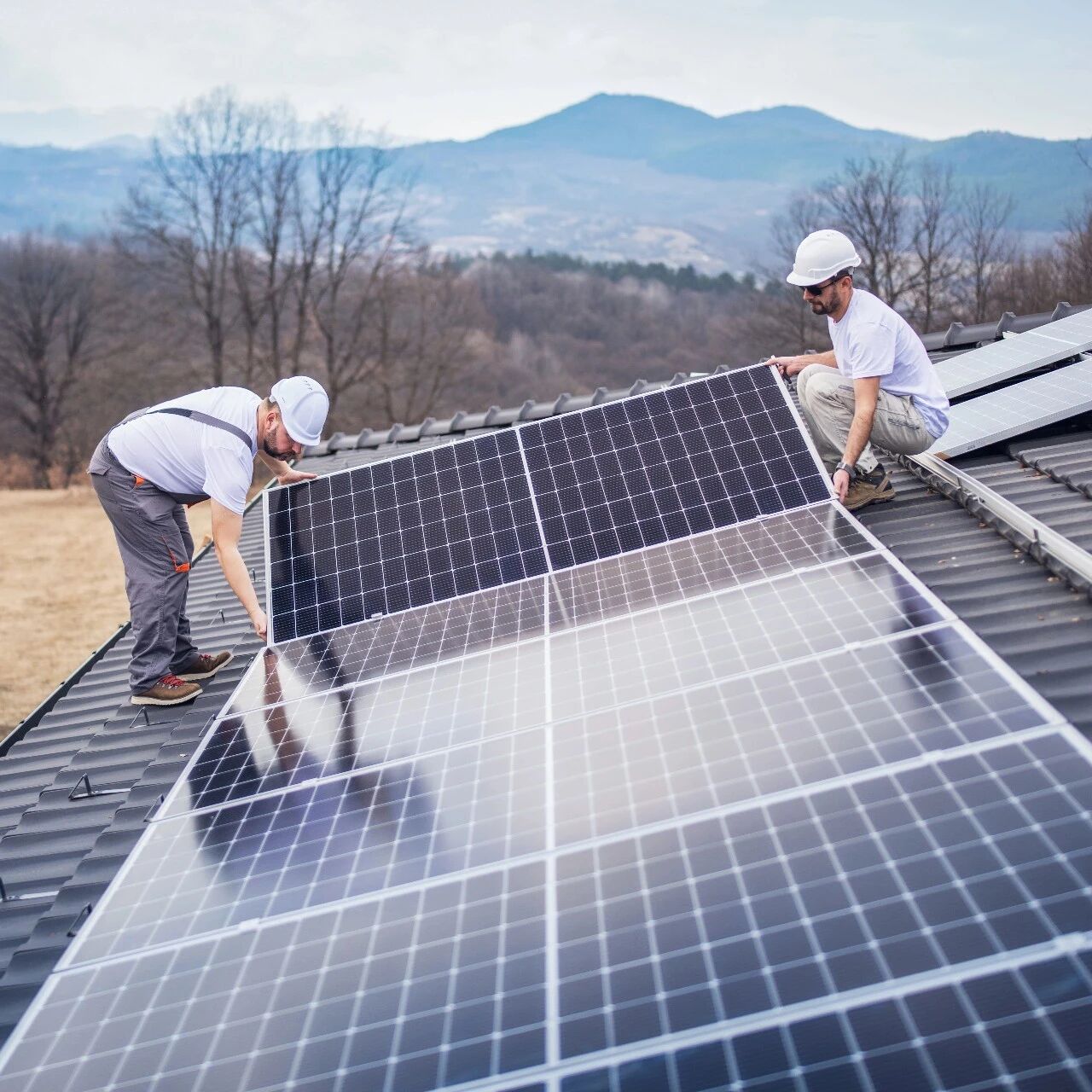
光伏激光设备行业点评:银价飙升光伏承压,激光技术助力降本
Shenwan Hongyuan Securities· 2026-02-01 05:30
Investment Rating - The industry investment rating is "Overweight" indicating that the industry is expected to outperform the overall market [9]. Core Insights - The rising silver prices have intensified cost pressures in the photovoltaic (PV) industry, making "de-silvering" a pressing need for mass production of batteries. N-type batteries (TOPCon, HJT, BC, etc.) have become the mainstream technology route, significantly increasing silver consumption per watt compared to traditional P-type batteries. The price surge of silver, a core raw material for PV cell paste, has directly impacted manufacturing costs and profit margins in the industry [4][3]. - Laser technology is playing a crucial role in the de-silvering transition of the PV industry, enhancing its standard attributes. Laser transfer technology can save 30%-40% of silver paste while improving battery conversion efficiency by over 0.3%. This technology is compatible with various high-efficiency battery routes [4][3]. - Key company highlighted is Dier Laser, recognized as a champion in PV laser equipment, covering the entire technology route of photovoltaics. The company has successfully delivered laser transfer equipment for mass production and has received orders for high-precision laser graphic equipment for copper plating processes [4][3]. Summary by Sections Industry Overview - The report emphasizes the urgent need for the PV industry to reduce reliance on high-priced silver due to rising costs, with silver paste's share in component costs increasing from 12.8% to 21.4% [4]. Technology Insights - Laser transfer technology is identified as a core support for the de-silvering transition, offering advantages such as reduced silver paste consumption and improved efficiency. Other technologies mentioned include high-precision laser graphic equipment and laser sintering processes [4][3]. Key Company Analysis - Dier Laser is noted for its comprehensive coverage of PV technology routes, with successful applications of laser transfer and graphic equipment in mass production. The company is positioned to benefit from the industry's shift towards de-silvering technologies [4][3].

光伏"去银化"技术连续突破,用银供需格局将逆转?
Mei Ri Jing Ji Xin Wen· 2025-12-24 08:50
Group 1: Silver Price Trends - Silver prices reached a historical high, surpassing $69 per ounce, with a cumulative increase of approximately 138% since 2025 [1] - As of the latest closing, the main Shanghai silver futures contract rose by 6.06%, exceeding 16,200 yuan per kilogram [1] - The continuous rise in silver prices is attributed to both the increase in gold prices and heightened industrial demand, particularly from the photovoltaic (PV) industry [1][2] Group 2: Industrial Demand and Supply Dynamics - Industrial demand for silver is projected to grow significantly, with silver usage in the PV sector expected to reach 6,146 tons by 2024, accounting for 17% of total silver demand [2] - The total industrial demand for silver is forecasted to increase from 15,300 tons in 2016 to 20,400 tons in 2024 [2] - The supply of silver has been relatively stagnant, leading to a supply deficit of 7,762 tons in 2022, 6,240 tons in 2023, and an estimated 4,632 tons in 2024 [2] Group 3: Technological Developments in Photovoltaics - The PV industry is under pressure from rising silver costs, prompting manufacturers to develop low-silver and silver-free technologies [3] - Silver-coated copper technology is being promoted by leading PV silver paste manufacturers, with mass production expected to scale up significantly by late 2025 [4][7] - Companies are implementing copper plating techniques, which have shown to reduce costs and improve durability compared to traditional silver paste methods [6][8] Group 4: Future Outlook and Market Implications - If the adoption of silver-coated copper and silver-free technologies continues to progress, it could lead to a substantial decrease in silver consumption in the PV sector [8] - Current silver consumption in mainstream TOPCon batteries has already decreased from 106 mg per cell to 86 mg per cell, with expectations for further reductions [8] - Despite the ongoing supply-demand imbalance, signs of a potential reversal in the market may emerge, with projections indicating a 10% decline in global new PV installations by 2026 [9]


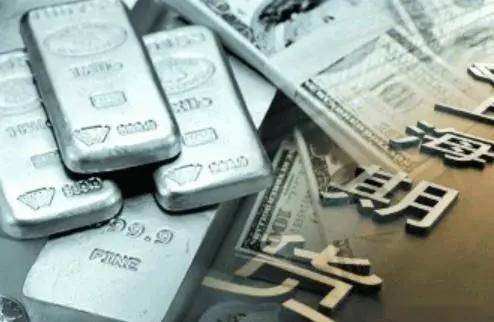
白银狂飙138%,光伏 “去银化”,未来3年银价中枢或下探20%-30%
Sou Hu Cai Jing· 2025-12-24 04:20
Group 1 - The core viewpoint of the article highlights the unprecedented surge in silver prices, driven by the photovoltaic (PV) industry, which is reshaping the demand dynamics for silver and positioning it as a focal point in global capital markets [1][3][12] - Silver demand from the photovoltaic sector is projected to reach 6,146 tons in 2024, accounting for 17% of total silver demand, marking a 9 percentage point increase from 2021 [3] - The financial appeal of silver has increased as the Federal Reserve enters a rate-cutting cycle, with historical data indicating that a 1% depreciation of the dollar correlates with a 1.5-2% increase in silver prices [3] Group 2 - Global silver mine production has been declining for five consecutive years, expected to drop to 820 million ounces (approximately 2,580 tons) by 2025, a 12% decrease from the peak in 2020 [4] - The cost of silver paste in solar cells has risen significantly, with silver paste costs exceeding 30% of total costs for certain battery types, squeezing profit margins for companies [6] - Various technological advancements are emerging to reduce silver usage, including silver-coated copper and copper plating, which are in different stages of development and production [7][8][9] Group 3 - A potential turning point in silver supply and demand dynamics is anticipated in 2026, with a projected 10% decline in global PV installations and a significant reduction in silver demand growth [10] - The structure of silver demand is shifting, with the photovoltaic sector's share expected to decrease from 18% in 2023 to below 8% by 2030, as alternatives like copper plating gain traction [12] - The global silver recycling potential is expected to increase significantly as the lifecycle of solar panels leads to more silver being recovered from decommissioned units [13] Group 4 - The photovoltaic industry is entering a new phase of cost reduction, with silver paste costs projected to drop below 5% of total costs, enhancing the competitiveness of high-efficiency technologies [15] - China's photovoltaic industry is reducing its reliance on imported silver, improving supply chain security and impacting the revenue of silver-exporting countries [16] - Future scenarios for silver supply and demand balance suggest varying price trends based on the penetration of silver alternatives, with potential price declines if copper plating becomes more prevalent [17] Group 5 - Investment strategies in precious metals should focus on identifying certainty amid volatility, with attention to changes in COMEX silver inventories indicating potential risks [18] - The surge in silver prices is driving increased demand for copper, benefiting companies in the copper sector as they capitalize on the shift from silver to copper in various applications [18]
光伏“去银化”技术连续突破,用银供需格局将逆转?
Mei Ri Jing Ji Xin Wen· 2025-12-23 12:45
Group 1: Silver Price Trends - Silver prices have reached a historical high, surpassing $69 per ounce, with a cumulative increase of approximately 138% since 2025 [1] - As of the latest close, Shanghai silver futures rose by 6.06%, breaking through the 16,200 yuan per kilogram mark [1] - The continuous rise in silver prices is attributed to both increasing gold prices and heightened industrial demand, particularly from the photovoltaic (PV) industry [1][2] Group 2: Industrial Demand and Supply Dynamics - Industrial demand for silver is projected to grow significantly, with silver used in the PV sector expected to reach 6,146 tons by 2024, accounting for 17% of total silver demand [2] - The total industrial demand for silver is forecasted to increase from 15,300 tons in 2016 to 20,400 tons in 2024 [2] - The supply of silver has been relatively stagnant, leading to a supply deficit of 7,762 tons in 2022, 6,240 tons in 2023, and an estimated 4,632 tons in 2024 [2] Group 3: Technological Developments in Photovoltaics - The PV industry is under pressure from rising silver costs, prompting manufacturers to develop low-silver and no-silver technologies [3] - Companies like Dike Co. and Aiko Solar are advancing silver-coated copper and copper plating technologies, respectively, to reduce silver usage [3][4] - The implementation of these technologies could significantly lower silver consumption in PV cells, with Dike Co. achieving a silver content reduction to 20% in their products [5] Group 4: Future Market Implications - The ongoing development and potential widespread adoption of low-silver and no-silver technologies may lead to a substantial decrease in silver demand in the future [5] - Despite current supply shortages, signs of a potential supply-demand reversal are emerging, with expectations of a decline in new global PV installations by 10% in 2026 [6][7]
银价上涨带动光伏组件涨价,业内预计明年价格继续上涨
经济观察报· 2025-12-19 12:43
Core Viewpoint - The rising silver prices have made silver paste the largest cost component in photovoltaic (PV) modules, surpassing silicon materials and glass [1][6]. Group 1: Cost Structure of Photovoltaic Modules - As of December 2025, silver paste is projected to account for 17% of the total cost of PV modules, while silicon materials and glass will account for 14% and 13%, respectively [1][6]. - The recent surge in silver prices has prompted leading PV manufacturers to increase module prices, with Longi Green Energy raising prices by 0.04 CNY/W for N-type modules and 0.02 CNY/W for BC modules [2][3]. Group 2: Market Dynamics and Price Adjustments - The price adjustments come during a year-end sales push, where manufacturers initially aimed to increase sales volume by lowering prices, but the unexpected rise in silver prices forced an earlier price hike [3][4]. - The current market price for PV modules is approximately 0.75 CNY/W following these adjustments [3]. Group 3: Industry Responses to Silver Price Increases - Manufacturers are attempting to mitigate the impact of rising silver prices by optimizing the silver content in silver paste and exploring alternative materials, although significant reductions in silver usage are limited due to quality assurance [6]. - The development of silver-coated copper technology is ongoing but not yet ready for large-scale application [6]. Group 4: Future Outlook and Recommendations - Analysts suggest that companies should enhance supply chain management to reduce the impact of raw material price fluctuations and consider entering the component recycling business to lower costs [7]. - Predictions indicate that PV module prices may continue to rise, potentially reaching between 0.88 CNY/W and 0.99 CNY/W next year, driven by the need for profitability across the supply chain [7].

银价上涨带动光伏组件涨价,业内预计明年价格继续上涨
Jing Ji Guan Cha Wang· 2025-12-19 12:15
Core Viewpoint - Major photovoltaic component manufacturers have started to raise prices due to a sudden increase in silver prices, with price hikes ranging from 0.02 to 0.05 yuan/W for various types of components [1][2]. Price Adjustments - As of December 17, 2023, leading manufacturers like Longi Green Energy and JinkoSolar have announced price increases for their photovoltaic components, with the adjusted prices approximately at 0.75 yuan/W [1][2]. - The price adjustments were accelerated due to unexpected silver price hikes, which were initially planned for January 2024 [2]. Silver Price Impact - The global silver price has seen a significant increase this year, rising from around 220 yuan/ounce at the beginning of the year to over 450 yuan/ounce, with the most notable increase occurring in the fourth quarter [4]. - Silver paste has become the largest cost component in photovoltaic modules, surpassing silicon materials, with silver paste accounting for 17% of total costs, while silicon materials account for 14% and photovoltaic glass for 13% [4]. Industry Responses - Manufacturers are attempting to mitigate the impact of rising silver prices by optimizing the silver content in silver paste and exploring alternative materials, although these alternatives are still in the development phase [5]. - Analysts suggest that companies should enhance supply chain management and consider component recycling to reduce raw material costs and create a closed-loop supply chain [5]. Future Price Expectations - Analysts predict that if effective price control measures are implemented, photovoltaic component prices could continue to rise, potentially reaching between 0.88 yuan/W and 0.99 yuan/W in 2024 [5]. - A low operating rate may be necessary for profitability across the industry, which could lead to increased fixed costs and further elevate component prices due to rising commodity prices [5].