
劣币驱逐良币

Search documents
好房东消失,谁杀死了中国民宿?
3 6 Ke· 2026-02-25 02:12
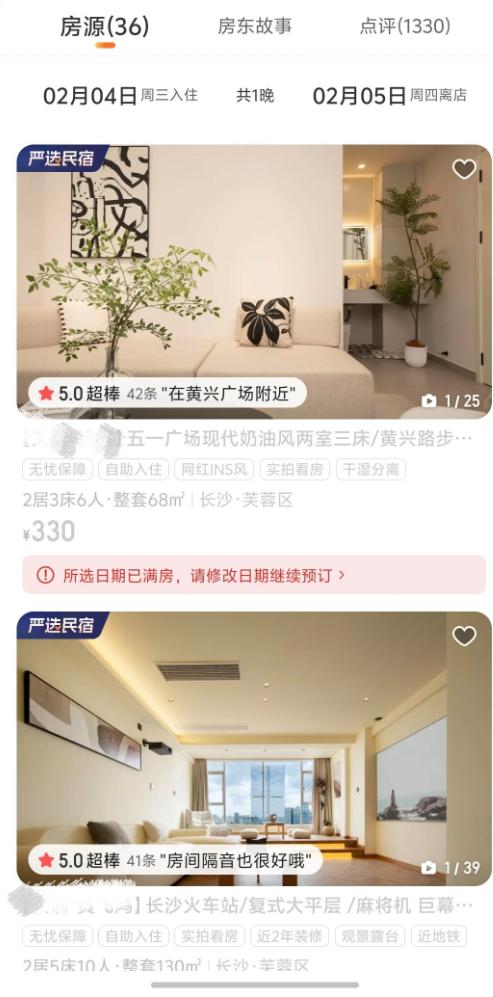
01 最近在规划开春后的行程,打算去长沙看一位老朋友。 时间不算紧,我想多住几晚,于是带着怀旧的期待,打开了几个主流民宿预订平台。刷了半小时,手指在屏幕上滑动的速度越来越快,心里的期待却一点 点凉了下去。 长沙五一广场附近的房源多如牛毛,照片里的房间也精美得无可挑剔,但这完美之中透着诡异的雷同。这一家挂着波西米亚风编织挂毯,那一家摆着落日 灯和复古唱片机,再往下拉,是清一色极米投影仪和宜家同款懒人沙发。每个房间都像是从同一条流水线上生产出来的标准件,被精准地投放到了城市里 的不同小区。 我随手点开几个看起来还不错的房源,试图寻找房东的影子。头像大多是年轻靓丽的女孩或打扮入时的帅哥,简介里写着热爱旅行、喜欢交友,看上去人 设很有亲和力。 但当我把视线移向房东主页的底部,这位热爱生活的文艺女青年,名下管理着36套房源。另一位看起来像是兼职做民宿的大学生,手里握着32套房子。 常识告诉我,没有一个人类可以独自打理几十个家。后来我挑了一家下单,沟通界面弹出速度极快,几乎是秒回,没有任何寒暄,直接甩过来三个文档, 入住指南、周边美食推荐、交通指引。 我试着发了几条消息,回复很快,措辞也很客气,但读起来像是经过训练的文本 ...

近十年的书画市场,是劣币取代了良币在运行 藏友社
Sou Hu Cai Jing· 2026-02-20 02:23
文/冯海涛 画作/李佩锦 书画市场是劣币驱逐了良币还是良币驱逐了劣币,不是现在继续关注的事情。而是,考虑如何把良币真正的良币化。劣币无论你怎么驱逐其都是还会存在, 也无法完全良币化。但是,良币被劣币取代是最大的问题。以后不谈,因为没有发生,过去的时间太长的也不谈,因为已经离得很远。就拿近十年的书画市 场而讲,就是劣币取代了良币。良币反而被当作了劣币。这个比劣币驱逐良币还可怕。这已经属于黑变成了白,白变成了黑,恶人成了善良的人,善良的人 成了无恶不作的人。 李佩锦作品 r. A 40 T t a 1 66 8 perce r de the first 2017 182 8 -0-33 the first Production 10 e 2 = -40 Real E 63 120 the l 4 2 3 the state c - 4.56 008 1800 1 Contra di 2 r and ling FE C t of 1 // 1 t in to M the state 欧洲 日記 ck 1888 8 ppe 9 the state li Property K 1/25 it 7 李佩锦作品 收藏者,我 ...

发生在2026年的车检骗局
虎嗅APP· 2026-02-18 13:39
以下文章来源于行业研习 ,作者走南闯北的社长 行业研习 . 我们是来自高校和科研院所的老师、博士生,以及从事具体行业的业余研究者,拥有不同的学科背景和 知识背景,有丰富的田野调研或行业经验,希望通过这个平台,和大家一起绘制中国行业的图景。 本文来自微信公众号: 行业研习 ,作者:乌喵,编辑:Susu,原文标题:《乌喵丨广州:发生在 2026年的车检骗局》,头图来自:AI生成 一、可能遇到了骗局 前几天,呜喵在广州黄埔区的一家正规车检机构遭遇了一场令人不快的骗局。交了350元的检测费之 后,乌喵在大厅等候区找了个位置坐下,掏出刚买不久的《花村肖像》,津津有味地看了起来。正当 乌喵沉浸在花村的故事之中,工作人员突然告知说车辆的OBD有问题,他们没法检测,只能等乌喵 把车修好再送过来检测。 虽然很不情愿,但是乌喵也没有任何办法。第二天,乌喵把车开到常去的一家修车厂,问老板到底啥 是OBD。老板用手机查了查,念到:OBD,就是On-Board Diagnostics,车载自动诊断系统,是汽车 电子控制系统的核心通信接口,其功能覆盖车辆健康监测、排放控制、数据交互等多个领域;它通过 传感器实时监控发动机、三元催化、氧传 ...

致癌物超标3倍!很多人家里有,网友:吓得我赶紧全扔了
Xin Lang Cai Jing· 2026-02-09 05:10
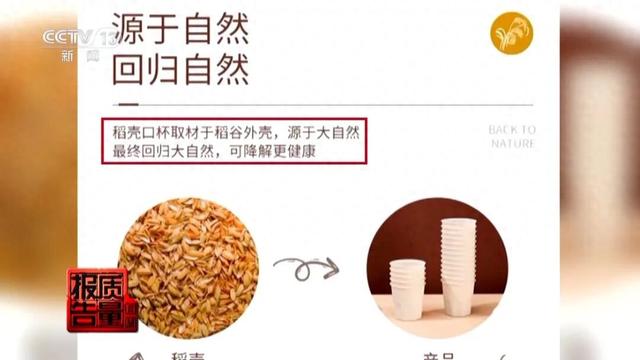
Core Viewpoint - The market for biodegradable disposable cups is experiencing rapid growth due to environmental concerns, but many consumers struggle to distinguish between truly biodegradable and non-biodegradable products [1][3]. Group 1: Testing and Findings - The Shanghai Consumer Protection Committee conducted a comparative test on 40 samples of disposable cups, including plastic, paper, and those claiming to be biodegradable from plant materials [3]. - A specific cup claimed to be biodegradable but contained added polypropylene (PP) plastic, which prevented it from fully degrading over time [5][6]. - The testing revealed that some cups labeled as biodegradable were not, due to the inclusion of non-biodegradable materials, leading to consumer confusion [11]. Group 2: Health and Safety Concerns - The "Huilin" brand disposable tea cup was found to have 3-chloro-1,2-propanediol levels exceeding national safety limits by three times, posing potential health risks [13]. - The "Yingjie" brand paper cup was detected with total fluorine content exceeding safety standards, attributed to the inclusion of fluorinated compounds that are non-degradable and can accumulate in the environment [16]. - Experts indicated that the presence of harmful substances is often a result of companies prioritizing cost-cutting measures over safety [18]. Group 3: Industry Recommendations - Experts suggest that the rapid evolution of materials and technologies in the disposable cup industry necessitates timely updates to standards and increased government regulation to ensure safe and environmentally friendly products [19][21]. - The industry is encouraged to self-regulate and for regulatory bodies to implement measures that enhance the safety and environmental performance of disposable cups [21].
每周质量报告丨部分难降解、个别致癌物超标!可降解一次性杯子调查
Xin Lang Cai Jing· 2026-02-08 07:09
Core Viewpoint - The article highlights the growing consumer concern regarding the distinction between biodegradable and non-biodegradable disposable cups, prompting a comparative study by the Shanghai Consumer Protection Committee to assess the environmental performance of these products [1][8]. Group 1: Biodegradable Cup Testing - The Shanghai Consumer Protection Committee conducted tests on 40 samples of disposable cups, including plastic, paper, and those claiming to be biodegradable from plant materials [1][5]. - Testing involved composting trials to evaluate the degradation performance of cups made from biodegradable starch-based materials combined with polypropylene (PP) plastic [2][4]. Group 2: Findings on Degradation Performance - Results indicated that a cup claiming to be biodegradable remained intact after 10, 20, and even at the end of the testing period, showing no signs of degradation due to the presence of PP plastic [4]. - Many cups marketed as biodegradable contained a mix of biodegradable materials like cassava and corn starch, along with non-biodegradable PP plastic, which is used to reduce costs [5]. Group 3: Industry Concerns and Consumer Impact - The high cost of biodegradable materials leads some manufacturers to use cheaper non-biodegradable materials, creating a situation where consumers struggle to identify truly biodegradable products, negatively impacting the green industry [6][8]. - Merchants selling disposable cups are aware of the misleading claims regarding biodegradability, and both manufacturers and retailers confirm that some products do not fully degrade due to the inclusion of non-degradable materials [8]. Group 4: Safety and Regulatory Issues - The Shanghai Consumer Protection Committee reported that certain products, such as the Huylin brand disposable tea cup, had 3-chloro-1,2-propanediol levels exceeding national standards by three times, posing health risks [10]. - Another product, the Yingjie brand paper cup, was found to have total fluorine content exceeding safety limits, attributed to the addition of fluorinated compounds that do not degrade in the environment [12]. - Experts suggest that the root cause of these harmful substance exceedances lies in companies' excessive cost-cutting measures [12][14]. Group 5: Recommendations for Industry Improvement - Experts recommend updating standards to keep pace with rapid technological advancements in the industry and emphasize the importance of safety as a legal baseline for disposable cups [14][16]. - The article calls for industry self-regulation and government oversight to ensure that disposable cups are both environmentally friendly and safe for consumers [16].

电商的下一步转型,是要让好人赚钱
3 6 Ke· 2026-01-23 04:28
Core Viewpoint - The e-commerce industry in China is facing significant challenges as it transitions from a "low-price for volume" model to one focused on service growth, which is essential for survival in a competitive market [2][19]. Group 1: Current Challenges - E-commerce is experiencing three main dilemmas: traffic, supply, and trust [3][4]. - The growth logic of e-commerce, previously based on "lower prices, increased traffic, and growth," is no longer effective, with online retail growth rates declining from 14.75% in 2021 to nearly zero in 2024 [4]. - Customer acquisition costs have surged from tens of yuan to 800-1000 yuan, with some platforms exceeding four-digit costs [4]. - The excessive price wars have created a "lemon market," where quality products are pushed out, leaving only inferior goods available [5]. Group 2: Trust Issues - Trust between merchants and consumers is deteriorating, with over 60% of merchant complaints during the 2024 Double Eleven shopping festival related to "only refunds" [6]. - Merchants face operational pressures and must deal with issues like malicious refund requests and AI-generated false images, leading to a lack of confidence in the market [6][10]. Group 3: Service as a Solution - The solution to the industry's challenges lies in improving service and rebuilding connections with consumers [8]. - However, merchants are reluctant to invest in service improvements due to the existing e-commerce mechanisms that prioritize immediate results over long-term service benefits [9]. - The current financial models treat service as a cost center, making it difficult for merchants to justify service investments [9]. Group 4: Need for Structural Change - A fundamental shift in the e-commerce paradigm is necessary, moving from a focus on single transactions to fostering repeat purchases [17][18]. - The industry must address the distribution of benefits and change algorithms, models, and rules to encourage service-oriented practices [11][12]. - Initiatives like the introduction of a real experience score by Taobao and Tmall aim to link service quality directly to traffic distribution, promoting a more service-oriented ecosystem [14]. Group 5: Future Outlook - The e-commerce sector must overcome its current challenges to avoid becoming a marketplace for low-quality goods [21][22]. - A successful transition to a service-oriented model could serve as a reference for other industries facing similar structural issues [20].

监管部门再出手 外卖大战终“入冬”
Jing Ji Guan Cha Wang· 2026-01-10 05:31
Core Viewpoint - The State Administration for Market Regulation has initiated an investigation into the competitive landscape of the food delivery platform industry due to issues such as excessive subsidies, price wars, and traffic control, which have negatively impacted the real economy and intensified "involution" competition [1][6]. Group 1: Regulatory Actions - The investigation aims to promote lawful and compliant operations among food delivery platforms, ensuring fair competition and a healthy market order [1]. - Previous regulatory actions included multiple discussions with major platforms like Meituan, JD, and Ele.me, urging them to adhere to legal regulations and foster a good market environment [2]. - The regulatory body has emphasized the need for platforms to engage in rational competition and has set basic management requirements for food delivery services since the end of 2025 [1][2]. Group 2: Market Competition Dynamics - Since 2025, platforms like Taobao, Meituan, and JD have engaged in a subsidy war exceeding 100 billion, leading to intensified competition and various market issues [1][2]. - The average daily order volume for merchants has increased by 7%, but their average revenue has decreased by approximately 4%, indicating a decline in profitability during the competition escalation period [4]. - The competition has led to a "zero yuan purchase" phenomenon, where consumers can access meals at significantly reduced prices, but this strategy pressures small businesses to compromise on quality and service [2][3]. Group 3: Financial Impact on Companies - The financial repercussions of the subsidy wars are evident, with JD reporting a negative operating profit margin of -0.2% in Q2 2025, a significant drop from 3.6% in the same period of 2024 [5]. - Meituan's adjusted net profit fell by 89% year-on-year to 1.49 billion yuan in Q2 2025, primarily due to competitive pressures [5]. - Alibaba's revenue from instant retail, which includes Taobao and Ele.me, reached 22.9 billion yuan in Q3 2025, a 60% increase year-on-year, but its adjusted EBITA dropped by 78% to 9.073 billion yuan due to investments in user experience and technology [5]. Group 4: Industry Responses - Companies like Meituan and Taobao have expressed their commitment to cooperating with regulatory investigations and promoting fair competition within the industry [6][7]. - Industry observers note that the market has shifted to a stage of stock competition, with a focus on building service ecosystems rather than merely competing on user subsidies [7]. - The regulatory intervention is expected to accelerate industry reshuffling, encouraging platforms to transition from "traffic competition" to "value creation," benefiting consumers, merchants, delivery personnel, and platforms alike [7].

又一批商家,要被封杀了
商业洞察· 2026-01-01 09:22
Core Viewpoint - The article highlights the exposure of a gray industrial chain involving the sale of refurbished second-hand clothing through e-commerce live streaming, which undermines consumer trust and threatens the survival of compliant small businesses in the industry [4][19][22]. Group 1: Live Streaming Sales of Refurbished Clothing - A systematic industrial chain for refurbishing old clothes has been revealed, where garments sourced from community recycling bins and garbage stations are repackaged and sold as "foreign trade tail goods" or "factory clearance" through live streaming [4][6][12]. - The investigation by CCTV uncovered that these refurbished clothes often show clear signs of previous use, such as yellowing and stains, and are sold at suspiciously low prices, masking their true second-hand nature [6][8][10]. - The sales tactics used in live streaming avoid the term "second-hand," instead using phrases like "slightly dirty" or "new with tags," which obscures the true condition and origin of the products [8][10]. Group 2: The Industrial Chain of Old Clothing Refurbishment - The industrial chain consists of four steps: community collection, centralized sorting, simple refurbishment, and live streaming sales, creating a complete loop from charity to commercial profit [13][15]. - Old clothes are often purchased at low prices (0.5 to 2 yuan per kilogram) and are not sent to remote areas as expected, but rather sold to commercial entities for profit [13][15]. - The sorting process involves minimal handling, with many items not undergoing cleaning or disinfection, leading to the sale of garments that may have odors or stains [14][15]. Group 3: Profitability and Trust Crisis - The business model relies on low startup costs and minimal after-sales service costs, allowing for high profit margins despite seemingly low sales figures per live stream [17][19]. - The exposure of refurbished clothing sales has led to a significant erosion of consumer trust in live streaming platforms, with many consumers becoming wary of the authenticity of products sold [19][20]. - The competitive landscape is skewed, as compliant businesses face unfair competition from those selling refurbished items at near-zero costs, leading to a cycle where quality sellers are pushed out of the market [22][23].

新势力“复活”背后的“危险游戏”
Zhong Guo Qi Che Bao Wang· 2025-12-16 07:01
Core Viewpoint - The revival of previously deemed "out of the game" electric vehicle manufacturers in China is creating a false sense of hope, but many lack core technological advancements and are resorting to low-cost strategies, leading to a pessimistic outlook for their future [1][7]. Group 1: Market Dynamics - The current revival trend is characterized by many brands entering the mid-to-low-end market, which may exacerbate structural contradictions and trigger vicious price competition [3][4]. - Companies like WM Motor and Neta are focusing on the 100,000 to 200,000 yuan price range, which could force R&D-focused firms to lower prices and deplete resources [3][4]. - The revival of low-efficiency production capacities is hindering the natural market elimination process, potentially leading to a "large but weak" competitive landscape in the Chinese EV industry [3][4]. Group 2: Debt and Financial Risks - Many of the reviving brands are burdened with significant historical debts, and funds acquired through restructuring are often used for debt repayment rather than innovation [4][5]. - For instance, WM Motor's restructuring plan indicates that a portion of its debt will be settled through new debt, perpetuating a cycle of financial instability [4][5]. - This "debt-for-debt" model is transferring operational risks to suppliers, who are already suffering from previous bankruptcies [4][5]. Group 3: Governance Issues - The revival efforts have not addressed the governance failures that led to initial failures, such as chaotic management and decision-making errors [5][6]. - Companies like HiPhi and Zeekr are experiencing governance disputes that hinder their restructuring processes, further complicating their operational stability [5][6]. - The ongoing turmoil in management and ownership is disrupting competitive order and making it difficult for these companies to establish stable business strategies [5][6]. Group 4: Innovation Deficiency - A common issue among these reviving brands is the lack of technological and business model innovation, continuing a trend of prioritizing financing over R&D [6][7]. - WM Motor's development plan lacks substantial details on technological upgrades, indicating a reliance on outdated strategies [6][7]. - The trend of "money-grabbing restructuring" misleads market expectations and distorts industry valuation, making it harder for innovative small and medium enterprises to secure funding [6][7]. Group 5: Industry Recommendations - To address the challenges posed by the revival trend, stakeholders should encourage a return to high-quality development, including improving market exit mechanisms to prevent resource wastage by "zombie companies" [7]. - Investment institutions should focus on long-term value and allocate funds to companies with core technologies, while supply chain partners need to establish better risk assessment systems [7]. - The essence of market competition should be based on survival of the fittest rather than cyclical dominance, urging struggling companies to accept market realities and allow resources to flow to more innovative firms [7].

刘强东:京东点评永不商业化
Feng Huang Wang· 2025-11-17 10:57
Core Viewpoint - JD Group's founder Liu Qiangdong emphasizes the commitment to the principle of "never commercializing" its review and ranking services, arguing that charging merchants would undermine authenticity and fairness, leading to industry chaos where "bad money drives out good" [1] Group 1 - Liu Qiangdong states that the review and ranking services will never be commercialized, highlighting the public nature of these services [1] - The pursuit of profit is acceptable for a business, but the company will not monetize every aspect of its operations [1] - Charging for reviews and rankings would compromise their objectivity and integrity, which are essential for consumer trust [1] Group 2 - Liu Qiangdong critiques the potential paradox of commercialized rankings, noting that typically, only lower-ranked and questionable quality brands would pay for better positioning [1] - He argues that if a payment mechanism is established, it would lead to a loss of fairness and credibility in the ranking system [1] - The company aims to maintain the authenticity and fairness of its information by avoiding profit-driven motives in its review and ranking services [1]