
原创技术策源地

Search documents
科技领航 央企担纲构筑未来产业高地
Xin Lang Cai Jing· 2026-02-06 18:56
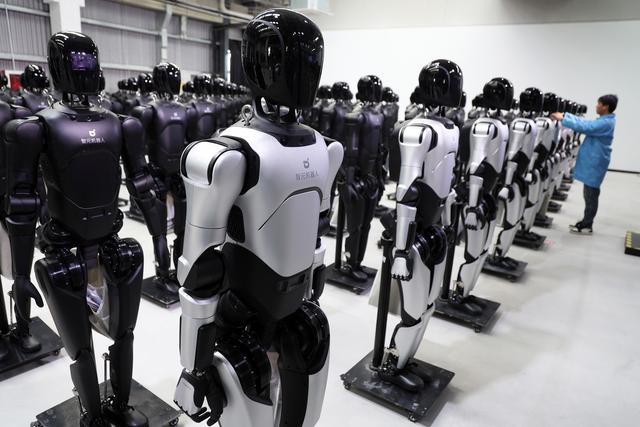
中经记者 索寒雪 北京报道 2026年1月30日,中共中央政治局就前瞻布局和发展未来产业进行第二十四次集体学习。中共中央总书 记习近平在主持学习时发表重要讲话,深刻阐明培育发展未来产业的重大意义,科学分析形势任务,就 发展未来产业提出明确要求、作出系统部署、提供科学方法论,为有力推动我国未来产业发展注入强大 思想和行动力量。 当前,未来产业在量子科技、生物制造、氢能和核聚变能、脑机接口、具身智能、第六代移动通信等领 域的突破正迎来关键期。中央企业以技术攻关、生态构建与机制创新协同发力,成为引领未来产业发展 的核心力量。 国务院国资委副主任庞骁刚在上述新闻发布会上表示,2025年,中央企业新兴产业营收占比较2022年提 高超过10个百分点,在商业航天、卫星互联网等领域遴选了5家产业链领军企业,在类脑计算等领域布 局打造了百余个未来产业典型场景,在新一代信息技术、新能源、新材料、高端装备等领域打造了一批 世界级产业集群,新业态新模式正在持续涌现。 "我们充分发挥国有资本投资公司优势,坚持实业+资本双轮驱动,组建百亿级数字经济产业基金,并 购中金支付、中数智汇、领信数科等数字科技企业,投资孵化6G、卫星互联网、脑机 ...

2025年中央企业牵头或参与全部22个国家重大科技专项,攻克领跑技术121项
Zhong Guo Xin Wen Wang· 2026-01-28 06:15
2025年中央企业牵头或参与全部22个国家重大科技专项,攻克领跑技术121项 中新网1月28日电 国新办28日举行新闻发布会,国务院国资委科技创新局局长张剑龙在会上表示,2025 年,中央企业围绕国家战略和重大需求,牵头或参与全部22个国家重大科技专项,攻克领跑技术121 项。 张剑龙指出,今年,国资央企将进一步增强责任感使命感,大力强化自主创新、原始创新,为实现高水 平科技自立自强、建设科技强国提供有力支撑。重点在三个方面发力。 着力增加高质量的科技供给。加强关键核心技术攻关,提高基础研究投入占比,深化原创技术策源地建 设,集中力量攻克一批辐射性、全局性、战略性技术,产出更多原创性、引领性重大科技成果。 着力推进高效率的成果转化。发挥中央企业链长和应用场景双牵引作用,加快布局建设一批中试验证平 台,加大首台(套)、首批次、首版次采购力度,推动更多创新成果转化为现实生产力。 着力构建高水平创新生态。充分发挥中央企业对创新链、产业链、资金链的集成作用,强化产学研协 同,打造要素共投、收益共享、风险共担的联合创新体系,助力增强国家创新体系优势。 来源:中国新闻网 张剑龙介绍,2025年,国资央企全面融入国家创新体 ...
央企进一步深化原创技术策源地建设
Ke Ji Ri Bao· 2025-12-25 03:27
Group 1 - The central enterprise meeting held on December 22-23 summarized the achievements of state-owned enterprises in 2025 and proposed work ideas for the 15th Five-Year Plan, aiming to enhance core functions and competitiveness for China's modernization [1] - In the first 11 months, central enterprises invested 890.16 billion yuan in R&D, achieving an R&D intensity of 2.62% [1] - By 2025, central enterprises are expected to strengthen independent innovation, with a notable increase in their role within the national innovation system [1] Group 2 - In 2025, central enterprises demonstrated significant innovation outcomes, with 121 landmark achievements from 97 original technology sources [2] - Collaborative innovation expanded, with 23 innovation alliances involving over 100 entities and more than 1,000 high-quality projects [2] - The application of independent technological achievements exceeded 2,300 items, with 134 pilot verification platforms providing specialized services [2] Group 3 - Over the past five years, central enterprises have invested over 5 trillion yuan in R&D, with an annual growth rate of over 20% in emerging industries [3] - The number of technology talents has increased by nearly 50%, contributing to the development of new productive forces [3] Group 4 - For 2026, central enterprises will focus on integrating innovation and transformation, emphasizing both traditional and emerging industries [4] - Key areas of focus include renewable energy, new materials, aerospace, and digital transformation, with an emphasis on intelligent factory development [4] - The meeting highlighted the importance of original innovation and key technology breakthroughs, aiming to produce more landmark achievements [4] Group 5 - There will be an acceleration in the application of major technological achievements, with a push for upgrading collaborative innovation and enhancing pilot verification platforms [5] - The initiative will include expanding the application of technological achievements and improving supply-demand matching in the industrial chain [5]
打造原创技术策源地 广晟控股集团全面部署“十五五”科技创新战略
Jing Ji Wang· 2025-12-12 10:49
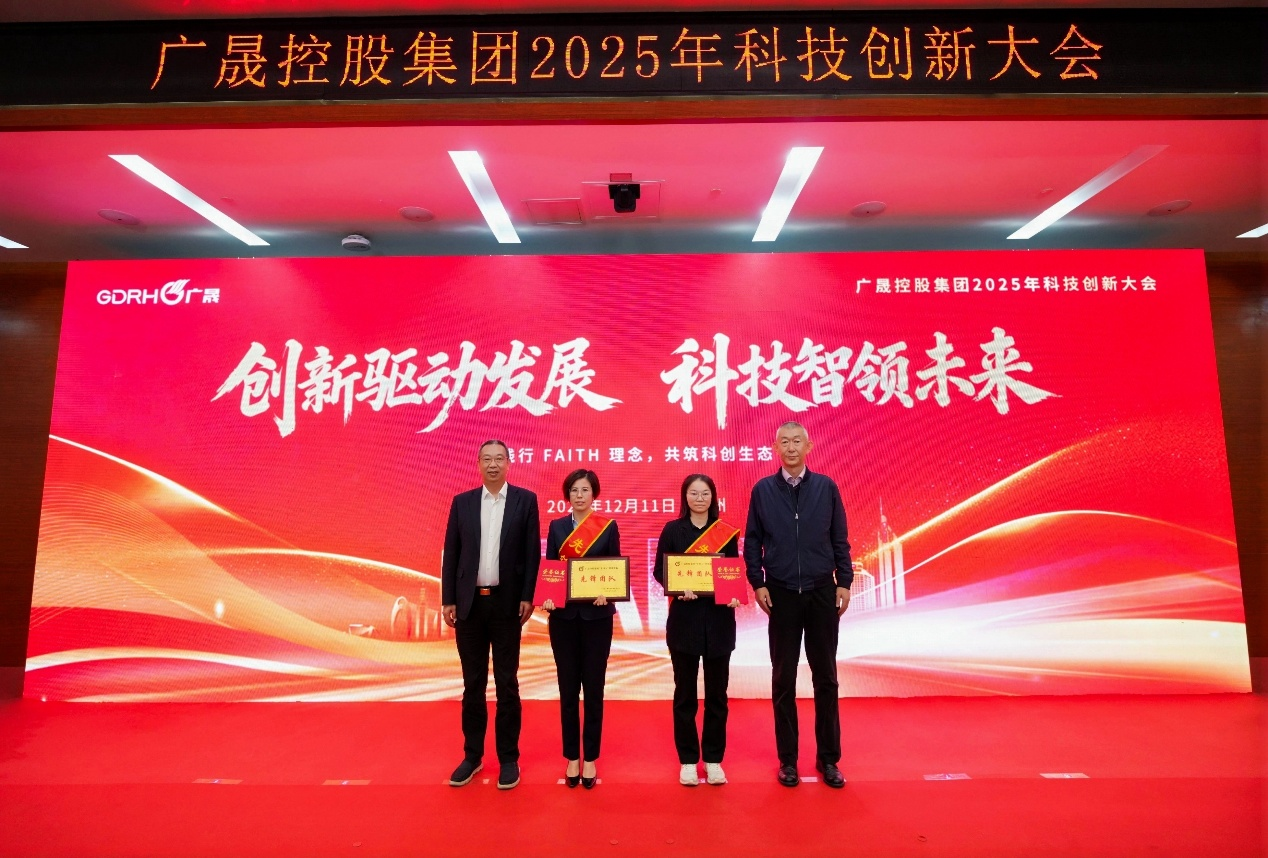
Core Viewpoint - The Guangsheng Holding Group held its 2025 Technology Innovation Conference, focusing on "Innovation-Driven Development and Technology Leading the Future," to summarize its achievements in technological innovation and digital transformation during the 14th Five-Year Plan period and to outline future plans for contributing to Guangdong's modernization efforts [1][3]. Group 1: Achievements and Future Plans - The conference reviewed the significant achievements in technological innovation during the 14th Five-Year Plan, including over 5,000 authorized patents and 232 provincial and ministerial awards [5]. - The group aims to strengthen strategic planning and focus on core business areas, emphasizing the need for original technology development and breakthroughs in key technologies [3][4]. - Guangsheng plans to enhance collaboration with top universities and research institutions to improve core innovation capabilities and foster a supportive environment for scientific exploration [3][4]. Group 2: Leadership and Initiatives - The chairman of the group, Lv Yongzhong, emphasized the importance of improving self-reliance in technology and accelerating the application of scientific achievements [4]. - The conference established the first Scientific and Technological Expert Committee, appointing nine experts, including academician Qiu Guanzhou, to guide innovation efforts [5]. - Strategic cooperation agreements were signed with Zhejiang University, Guangzhou University, and Shenzhen Reform and Opening Cadre College to enhance collaborative innovation [5]. Group 3: Conference Structure and Participation - The conference was held in a hybrid format, with over 150 participants in the main venue and more than 300 attending via video link from various enterprises [6].
国资委主任张玉卓在人民日报刊文:充分激发各类经营主体活力
Sou Hu Cai Jing· 2025-11-30 23:27
Group 1 - The article emphasizes the deepening of state-owned enterprise (SOE) reforms and the optimization of the layout and structural adjustments of state-owned economies [1] - It highlights the need to enhance the core functions and competitiveness of state-owned enterprises [1] - The article calls for SOEs to become sources of original technology and modern industrial chain leaders, focusing on applied basic research and accelerating breakthroughs in key core technologies [1] Group 2 - There is a push for state-owned enterprises to be demand proposers, innovation organizers, technology suppliers, and market applicators of original technologies [1] - The use of industrial development funds and other tools is encouraged to guide state capital in traditional industry transformation, strategic emerging industry cluster development, and future industry cultivation [1] - The article stresses the importance of enhancing the support and guarantee capabilities of state-owned enterprises in critical sectors such as national defense, energy resources, food supply, strategic material reserves, and backbone networks to better safeguard national strategic security [1]
来自东方的绿色名片
Ren Min Wang· 2025-09-27 10:50
Group 1 - The core viewpoint of the article highlights the efforts of the company in promoting green energy solutions and sustainable development through international media collaboration [2] - The event showcased the company's commitment to supporting the modernization of industrial systems and creating original technological innovations [2] - The forum served as a platform for exploring energy and electricity cooperation to aid global sustainable development [2]

国资委:中央企业科技创新“硬实力”明显提升
Ren Min Wang· 2025-09-22 02:16
Core Insights - The State-owned Assets Supervision and Administration Commission (SASAC) emphasizes that central enterprises have prioritized technological innovation as a key task, achieving significant progress and results in recent years [1][2][3][4] Group 1: Strengthening Innovation Capabilities - Central enterprises have increased R&D investment, with an annual growth rate of 6.5%, exceeding 1 trillion yuan (approximately 1.1 trillion yuan last year) for three consecutive years, with nearly 100 billion yuan allocated to basic research [1] - A total of 474 national-level R&D platforms have been established, along with 8 national technology innovation centers and 91 key laboratories, representing one-sixth of the national total [1] - Central enterprises employ 1.44 million R&D personnel, accounting for one-fifth of the national total, and have 219 academicians, enhancing talent support [1] Group 2: Improving Innovation Efficiency - Central enterprises have built a three-tiered collaborative system to enhance independent innovation capabilities, focusing on major strategic needs [2] - They have undertaken 22 national major technology projects and contributed to 60% of key product R&D in the manufacturing sector [2] - A total of 97 original technology source locations have been established in fields like quantum computing and biotechnology, leading to several groundbreaking achievements [2] Group 3: Optimizing Innovation Ecosystem - Central enterprises promote a collaborative environment for technological innovation, emphasizing "tight collaboration and vertical integration" [3] - Incentives for major technological achievements include performance assessments and funding support, with over 70% of the state capital budget for 2025 allocated to enterprises engaged in technological innovation [3] - The empowerment of project leaders and the establishment of compliance mechanisms have increased the enthusiasm of scientific personnel, enhancing innovation vitality [3] Group 4: Notable Achievements - Since the start of the 14th Five-Year Plan, central enterprises have made significant technological advancements, contributing to national strategic needs with major projects like "Deep Sea No. 1" and the Shenzhen-Zhongshan Link [4] - Central enterprises won 109 awards in national technology invention and progress categories, accounting for over half of the total awards in the country [4] - Breakthroughs in core technologies related to integrated circuits, industrial mother machines, and basic materials have filled industry gaps and promoted the safe development of related sectors [4]
“十四五”,央企科技创新“顶天立地”
Ke Ji Ri Bao· 2025-09-18 01:48
Core Viewpoint - The central state-owned enterprises (SOEs) in China have prioritized technological innovation as their primary task, achieving significant progress and results in line with the "14th Five-Year Plan" [1][2]. Group 1: Innovation Strength - Central SOEs have increased their R&D investment, with annual growth of 6.5%, surpassing 1 trillion yuan for three consecutive years, and R&D intensity rising from 2.6% to 2.8% [3]. - In 2022, R&D expenditure reached 1.1 trillion yuan, with 8.8% allocated to basic research, amounting to nearly 100 billion yuan [3]. - A total of 474 national-level R&D platforms have been established, including 8 national technology innovation centers, and 91 key laboratories led by central SOEs, accounting for one-sixth of the national total [3]. Group 2: Innovation Efficiency - Central SOEs have established 97 original technology source sites, focusing on major strategic needs and enhancing independent innovation capabilities [4]. - They have undertaken or participated in 22 national major science and technology projects, contributing to 60% of key product R&D in the manufacturing sector [4]. - Collaborative innovation has been promoted with over 800 research institutions and universities, leading to 25,000 industry-academia-research cooperation projects [4]. Group 3: Innovation Ecosystem - The innovation ecosystem has been optimized, with a focus on collaboration and a supportive environment for technological innovation [5]. - Incentives have been strengthened for significant technological achievements, with nearly 1,000 technology-based enterprises implementing equity and dividend incentives [5]. - Project leaders have been granted greater autonomy, and compliance mechanisms have been improved to allow researchers to focus on innovation without distractions [5]. Group 4: Future Directions - Moving towards the "15th Five-Year Plan," there is a commitment to enhance mission awareness and urgency, focusing on key core technology breakthroughs and integrating technological and industrial innovation [6].
“十四五”央企科技创新“顶天立地”
Ke Ji Ri Bao· 2025-09-17 23:56
Core Viewpoint - The central enterprises under state-owned assets have prioritized technological innovation as their primary task, achieving significant progress and results since the start of the 14th Five-Year Plan [1][6]. Group 1: Innovation Strength - Central enterprises have increased R&D investment, with annual growth of 6.5%, and have invested over 1 trillion yuan for three consecutive years, raising the investment intensity from 2.6% to 2.8% [3]. - In 2022, R&D expenditure reached 1.1 trillion yuan, with basic research accounting for 8.8%, nearly 100 billion yuan [3]. - A total of 474 national-level R&D platforms have been established, and 91 national key laboratories have been reorganized, representing one-sixth of the national total [3]. Group 2: Innovation Efficiency - Central enterprises have established 97 original technology source bases, focusing on major strategic needs and enhancing independent innovation capabilities [4]. - They have undertaken or participated in 22 national major science and technology projects, contributing to 60% of the key product R&D in the manufacturing industry [4]. - Collaborative innovation has been promoted with over 800 research institutions and universities, leading to 25,000 industry-academia-research cooperation projects [4]. Group 3: Innovation Ecosystem - The innovation ecosystem has been continuously optimized, with a focus on collaboration and creating a favorable environment for technological innovation [5]. - Incentives have been strengthened for significant technological achievements, with nearly 1,000 technology-based enterprises implementing equity and dividend incentives [5]. - Project leaders have been granted greater autonomy, and compliance mechanisms have been improved to allow researchers to focus on innovation without distractions [5].
国务院国资委:近年来国资央企把科技创新作为头号任务
Xin Hua Cai Jing· 2025-09-17 07:02
Core Viewpoint - Central enterprises are positioned as the national team for technological innovation and play a crucial role in the country's strategic technological capabilities, with significant progress made in innovation efforts over recent years [1][4]. Group 1: Strengthening Innovation Capabilities - Central enterprises have significantly enhanced their innovation strength, with R&D expenditures growing at an annual rate of 6.5%, exceeding 1 trillion yuan (approximately 1.1 billion USD) annually for three consecutive years, and nearly 100 billion yuan (approximately 100 million USD) allocated to basic research last year [1][4]. - A total of 474 national-level R&D platforms have been established, along with 8 national technology innovation centers, and 91 key laboratories led by central enterprises, accounting for one-sixth of the national total [1]. - Central enterprises employ 1.44 million R&D personnel, representing one-fifth of the national total, and include 219 academicians, strengthening the talent pool for innovation [1]. Group 2: Improving Innovation Efficiency - Central enterprises have developed a three-tiered collaborative system to enhance independent innovation capabilities, focusing on major strategic needs and actively participating in 22 national major technology projects [2]. - They have established 97 original technology source bases in fields such as quantum computing and biotechnology, achieving several leading and original results [2]. - The enterprises have formed 479 industry technology innovation strategic alliances and initiated 25,000 collaborative projects, promoting synergy between industry, academia, and research [2]. Group 3: Optimizing Innovation Ecosystem - Central enterprises advocate for close collaboration and a conducive environment for technological innovation, emphasizing "incentive empowerment" and providing significant support for major technological achievements [3]. - Over 70% of the state-owned capital management budget for 2025 will be allocated to enterprises engaged in technological innovation and emerging industry development [3]. - The enterprises are exploring ways to reduce burdens and grant project leaders greater autonomy, fostering a more vibrant innovation atmosphere [3]. Group 4: Achievements in Technological Innovation - Since the 14th Five-Year Plan, central enterprises have made notable technological achievements, including significant national projects and awards, with 109 awards received in national technology invention and progress categories, accounting for over half of the total [4]. - Breakthroughs have been made in various fields, including integrated circuits, industrial mother machines, industrial software, and basic materials, filling several technological gaps [4]. - Looking ahead to the 15th Five-Year Plan, the focus will be on enhancing core technology breakthroughs and promoting the integration of technological and industrial innovation [4].