多极世界

Search documents
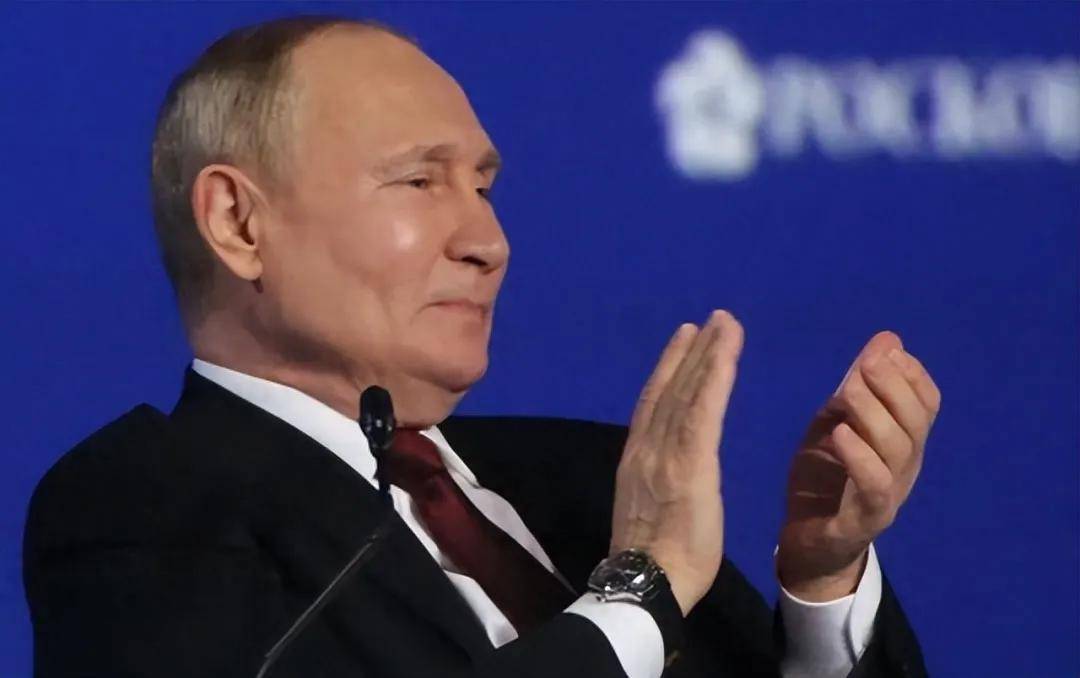
普京:俄白将尽全力保障联盟国家军事安全
Zhong Guo Xin Wen Wang· 2026-02-26 22:50
他表示,当前全球贸易体系正被高额关税、技术和能源封锁、货币施压等阻挠、扭曲和破坏。因此,技 术自主、重视自身资源和能力、优先发展联盟产品以及保护联盟国家共同市场,是重要的安全支柱。 卢卡申科指出,在联盟国家建设过程中,双方着眼于现实,在条件成熟的领域迈向更高层次的一体化, 并在必要时建立跨国机构。本次会议议程包括决定成立联盟国家标准化与质量委员会,以确保共同市场 产品质量监控,并促进消除相互贸易中的技术障碍。"联盟国家商品"也完成了法律认定。(完) 普京指出,俄白在外交和国防领域保持密切协作。双方在国际议题上的立场始终一致或相近,并致力于 建设性地参与解决全球和地区问题,在集安组织、独联体、上合组织以及包括联合国在内的其他多边平 台并肩协作。双方共同抵制制裁压力,主张构建一个真正公平的多极世界。 普京强调,2025年生效的俄白联盟国家安全保障条约为俄白联盟关系奠定了坚实基础。该条约旨在保护 俄罗斯和白俄罗斯的主权、独立和宪法制度,以及领土完整和边界不可侵犯性。双方将采取一切必要行 动,动用两国所有可用力量和手段,保障联盟国家的军事安全。 卢卡申科表示,在当前国际形势下,尤其是在西部边境地区局势紧张情况下,发展 ...
大摩闭门会:市场观点:从主题视角审视市场波动性
2026-02-11 15:40
发言人 1: 欢迎收看《市场观察》。我是史蒂文·伯格,摩根士丹利全球主题与可持续发展研究主管; 我是米歇尔·韦弗,美国主题与股票策略师。我近期曾做客本节目,探讨摩根士丹利 2026 年的四大核心主题。今天我们将分析这些主题今年在现实世界中的具体演绎。今天是 2 月 10 日周二,纽约时间上午 10 点。当前投资者面临的最大挑战之一,是从噪音中甄别有效 信号。市场对新闻标题的反应瞬息万变,但长期回报的真正驱动因素往往变化更慢、影响 更深远。 这正是主题分析成为我们市场思考核心工具的原因——尤其在高波动时期。2026 年,我 们的框架围绕四大主题构建:人工智能(从科技到融合)、能源未来、多极世界与社会变 迁。换言之,其中三个是熟悉的主题,一个是去年主题的重要演进。 米歇尔,我们先从核心问题开始。当投资者听到四大关键主题时,2026 年框架与 2025 年提出的版本有何不同? 另一个问题是,大语言模型(LLAM)的潜在能力与普通用户的实际使用水平之间可能存 在巨大差距。当然会有例外——领先企业能充分利用大语言模型的全部潜力并取得显著甚 至惊人的成果,但整体平均水平并非如此,因此会出现一定的滞后效应。不过我认为,当 ...
专访俄罗斯驻华大使:俄中树立21世纪大国睦邻友好合作典范
Xin Hua She· 2026-02-10 23:40
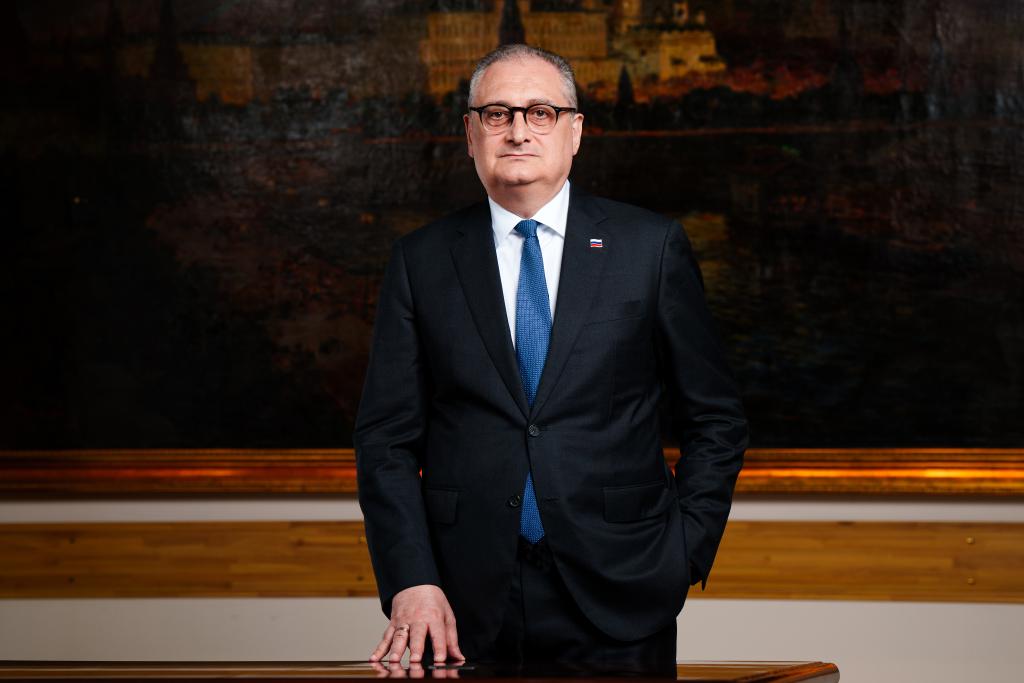
新华社北京2月10日电题:专访俄罗斯驻华大使:俄中树立21世纪大国睦邻友好合作典范 新华社记者孙楠、郑冬睿 俄罗斯驻华大使伊戈尔·莫尔古洛夫在10日俄"外交官日"之际接受新华社记者书面专访时表示,俄中战略协作伙伴关系建立近30年来,双方形成了 几乎涵盖所有可能领域的多层次完整合作格局,树立了21世纪大国之间睦邻友好合作的典范。 莫尔古洛夫表示,元首外交是俄中关系发展的关键驱动力。不久前两国元首在中国春节前夕举行视频会晤,为今年两国双边协作指明方向。当前 俄中关系成熟、稳定,高度政治互信,保持各层级定期对话,并就重要国际和地区问题协调立场。 图为俄罗斯驻华大使伊戈尔·莫尔古洛夫。(俄罗斯驻华使馆供图) 谈及2025年两国互免签证政策落地实施,莫尔古洛夫说,互免签证政策强烈激发了两国人民对于前往对方国家旅行的兴趣。数据显示,赴华俄罗 斯公民人数增长近40%,其中大多数人免签入境,预计中国游客对俄罗斯旅游产品的需求也将增长。 "合作的不断拓展表明,两个有着不同文化传统、社会制度和发展道路的大国,通过政治智慧树立了21世纪大国之间睦邻友好合作关系的典 范。"他说,重要的是,俄罗斯和中国之间的密切关系不针对任何第三方。 ...

俄媒:访华浪潮凸显多国战略自主
Xin Lang Cai Jing· 2026-02-10 23:13
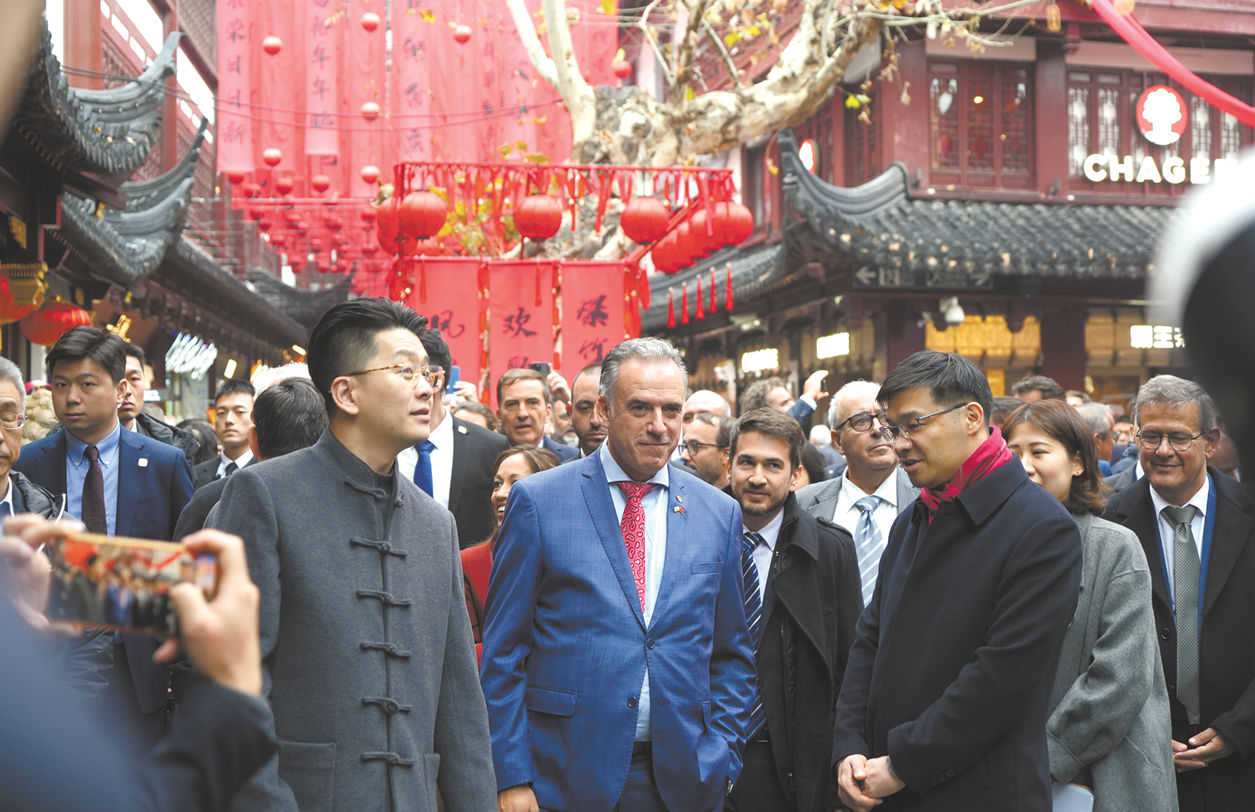
Core Insights - The article discusses the shift in geopolitical dynamics as medium-sized powers are increasingly turning to China for cooperation, reflecting a pragmatic adjustment to a fragmented international order [1][2][3] Group 1: Geopolitical Context - Medium-sized powers are awakening to a sense of strategic autonomy in response to the coercive foreign policy of the U.S. and multiple crises within Europe [1] - Countries like France, Ireland, Canada, Finland, and the UK are seeking to strengthen ties with China, viewing it as a more stable and reliable partner compared to the U.S. [1][2] - The visits to China by these leaders signify a collective response to the perceived decline of U.S. influence and the need for diversified partnerships [2][3] Group 2: Economic Cooperation - The outcomes of these visits are pragmatic, focusing on trade agreements, investment flows, and cooperation in sectors like healthcare and electric vehicles [2] - Canada aims to reduce its over-reliance on U.S. exports by expanding trade channels with China, while Finland emphasizes collaboration in technology and clean energy [2] - France is pursuing industrial access and climate cooperation, subtly hedging against the uncertainties of U.S. policies [2] Group 3: Strategic Implications - Medium-sized powers are not seeking protection from China but rather more options and leverage in their dealings with the U.S. [2] - The article highlights a rebalancing of relationships, where countries desire to engage with China’s vast market and industrial ecosystem while maintaining the ability to say "no" to Washington without severe repercussions [2][3] - The emerging multipolar world is characterized by a collective will among nations to resist subservience to a single power, with China positioned as a core pillar in this new order [3]
俄外长:俄罗斯愿通过对话解决乌克兰问题
Yang Shi Xin Wen Ke Hu Duan· 2026-02-10 21:16
俄罗斯外长拉夫罗夫10日在首都莫斯科说,俄罗斯愿寻求通过对话解决乌克兰问题。 据俄罗斯外交部网站消息,拉夫罗夫当天在俄"外交工作者日"庆祝活动上发表讲话说,在乌克兰问题 上,俄方寻求对话,并以俄美元首阿拉斯加会晤达成的共识为基础加以解决。 拉夫罗夫表示,俄方将继续基于《联合国宪章》宗旨和原则构建多极世界的努力,并将坚决反对双重标 准、暗箱操作、新殖民主义和霸权主义等。 拉夫罗夫说,俄方将继续优先发挥与中国、印度、巴西、埃及、南非等战略伙伴的关系潜力,并将与志 同道合者一起,加快建立能够应对制裁的贸易投资、货币金融和物流协作机制。 (文章来源:央视新闻客户端) ...
德媒:“亚洲世纪”启幕,西方如何“管理衰落”
Huan Qiu Shi Bao· 2026-02-09 22:39
Group 1 - The article discusses the transition into an "Asian Century," highlighting the decline of American dominance and the rise of China as a global power [1][2] - It emphasizes that while the U.S. is abandoning multilateralism, globalization's winners are primarily in Asia, with China and the U.S. now on equal footing in many areas [2][3] - The article notes that China's industrial strength and innovation capabilities have significantly increased, with statistics showing that from 2011 to 2013, China's cement consumption exceeded that of the U.S. for the entire 20th century [3] Group 2 - The article argues that the current global power structure is in a complex transition, where the rise of one power often leads to the decline of another, specifically pointing out Germany's diminishing role in the new order [4] - It highlights that the political mechanisms known since 1945 are becoming ineffective, and there is a need for European strategic autonomy in shaping a multipolar world [4] - The article suggests that the future political landscape should focus on resilience and managing decline with dignity, as the traditional narratives of progress may no longer hold true [4]
多国领导人相继到访,彰显务实对话新趋势,外媒:中国外交迎来“小阳春”
Huan Qiu Shi Bao· 2026-02-05 23:34
Group 1 - The core viewpoint of the article highlights a wave of foreign leaders visiting China, indicating a shift in diplomatic relations and a potential thaw in international tensions, particularly between China and the U.S. [2][6][8] - U.S. President Trump described a recent phone call with Chinese President Xi Jinping as "very good," expressing optimism about their relationship and upcoming visit to China in April [3][8] - The article notes that multiple foreign leaders, including those from Spain and Russia, are planning visits to China, reflecting a broader trend of engagement with China from various countries [4][6][7] Group 2 - The article discusses the strategic communication between China and Russia, with Russian President Putin planning a visit to China in 2026, emphasizing the importance of their bilateral relationship [4][5] - It mentions that European countries are shifting from a "decoupling" approach to a more selective engagement with China, recognizing it as a stable partner for economic cooperation [7][8] - The analysis from the China-U.S. Research Center suggests that the visits from U.S. allies are a response to the changing political landscape and a reevaluation of their strategies towards China, influenced by the Biden administration's policies [8]
美国允许中国买委内瑞拉石油?每桶涨价14美元!背后算计浮出水面
Sou Hu Cai Jing· 2026-02-05 03:31
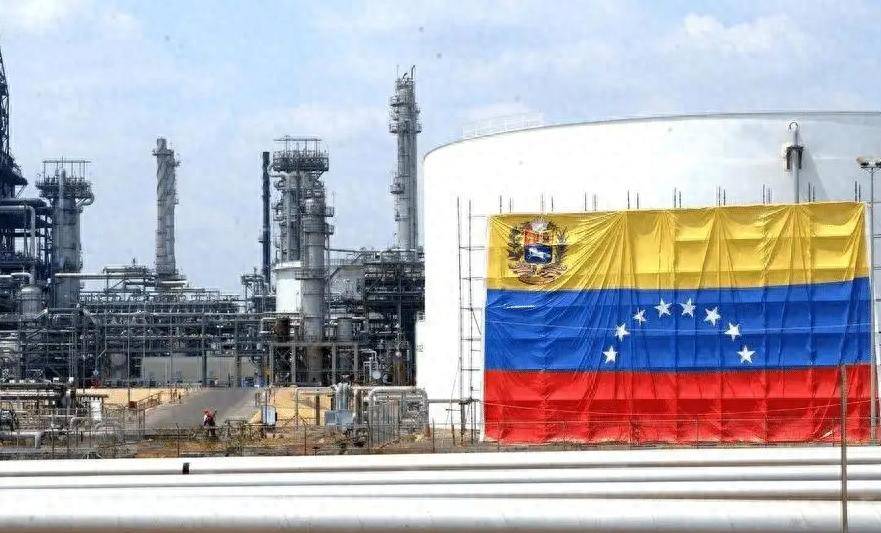
Group 1 - The U.S. has unexpectedly shifted its oil policy towards Venezuela, moving from a stance of isolation and sanctions to a more tolerant approach [1][3] - U.S. Treasury Secretary's initial strong remarks against China acquiring Venezuelan oil were quickly followed by a White House statement allowing China to continue purchases at U.S.-defined "fair market prices" [3] - The U.S. realized that completely excluding China from Venezuelan oil sales was impractical, as the number of oil tankers leaving Venezuela has significantly decreased since the U.S. took control of its oil exports [3][5] Group 2 - The U.S. proposed a price increase for Venezuelan oil from approximately $31 per barrel to $45, claiming the previous pricing was "unfair dumping," which effectively shifts pricing power away from Venezuela [5] - The U.S. is prioritizing the sale of Venezuelan oil to itself, limiting the volume available to China, which indicates a desire to control the supply chain while forcing China to pay higher prices [5][7] - China's imports from Venezuela constitute only 0.07% of its total oil imports, allowing China to easily source oil from other regions like Russia and the Middle East if necessary [5][7] Group 3 - China has stated it will only engage with the legitimate government of Venezuela and opposes unilateral sanctions and extraterritorial jurisdiction [7] - The U.S. strategy to control Venezuelan oil to suppress China has underestimated the complexities of the market, particularly regarding heavy crude oil processing capabilities [7][8] - The inconsistency in U.S. policy has led to dissatisfaction among American companies, including Chevron, highlighting the internal conflicts regarding U.S. actions in Venezuela [7][8]
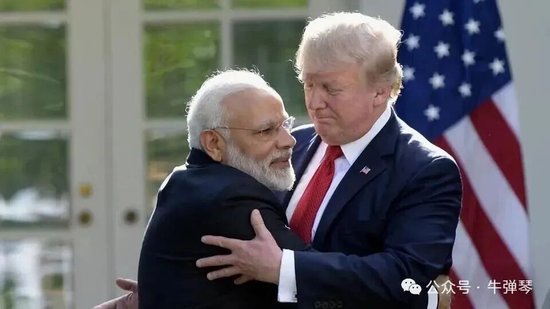
牛弹琴:美印突然和好,一个细节很不寻常
Xin Lang Cai Jing· 2026-02-02 23:46
Group 1 - The core of the news revolves around a significant diplomatic shift between the United States and India, marked by a reduction in tariffs and a potential increase in trade, particularly in energy and agricultural products [2][3][47] - President Trump announced a reduction of tariffs on Indian goods from 25% to 18%, while India is expected to lower its tariffs on U.S. products to zero [5][18] - Modi committed to purchasing over $500 billion worth of U.S. energy and agricultural products, indicating a strong economic partnership [6][51] Group 2 - The agreement includes a controversial element where India is expected to stop purchasing Russian oil, which could strain its historical ties with Russia [25][66] - There are discrepancies in the statements made by Trump and Modi regarding the commitments made during their conversation, particularly concerning the cessation of Russian oil purchases [20][62] - The geopolitical implications of this agreement are significant, as it reflects a broader strategy of the U.S. to strengthen ties with India while potentially isolating Russia [40][78] Group 3 - The timing of this agreement coincides with India's recent trade negotiations with the European Union, suggesting a strategic balancing act in its foreign relations [40][78] - The potential economic impact on India includes increased costs for oil if it shifts away from Russian supplies, which could affect its refining industry [73][74] - The overall sentiment in the market appears skeptical about the actual implementation of the agreement, as indicated by the lack of significant movement in oil prices following the announcement [44][80]
普京预言单极终结,欧洲被制裁拖进泥潭,中国成全球增长引擎
Sou Hu Cai Jing· 2026-02-01 17:28
Group 1 - The article discusses the shift from a unipolar world to a multipolar one, as indicated by Putin's observations at the St. Petersburg International Economic Forum four years ago [1] - Post-Cold War, the expectation of a stable world was proven wrong, with conflicts like the Gulf War and the Syrian crisis complicating global dynamics [3] - Europe's reliance on Russian energy has been disrupted by sanctions, leading to increased costs and economic challenges, particularly affecting industrial production [5] Group 2 - By 2024, the Eurozone's economic growth is expected to be significantly below forecasts, with recovery efforts hindered by rising energy costs and strategic dependencies [5][7] - The U.S. military spending remains the highest globally, but the strategic returns are diminishing, as seen in the ongoing Ukraine conflict [7] - American public perception is shifting, with increasing belief that the U.S. global influence is declining while China's presence is growing [9] Group 3 - The article highlights the deepening cooperation between China and Russia, aimed at promoting a fairer international order and addressing the needs of developing countries [11] - The global economic landscape is evolving, with Asia, particularly China, emerging as a core region contributing to global growth through stable economic performance and expanding trade networks [9][11] - The transition to a multipolar world is characterized by a more distributed power structure, allowing more countries to have a voice in global affairs [11]