稀土出口管控

Search documents
中国稀土公司,绕开国内管制,向西方继续出口就是资敌行为
Sou Hu Cai Jing· 2026-01-11 03:30
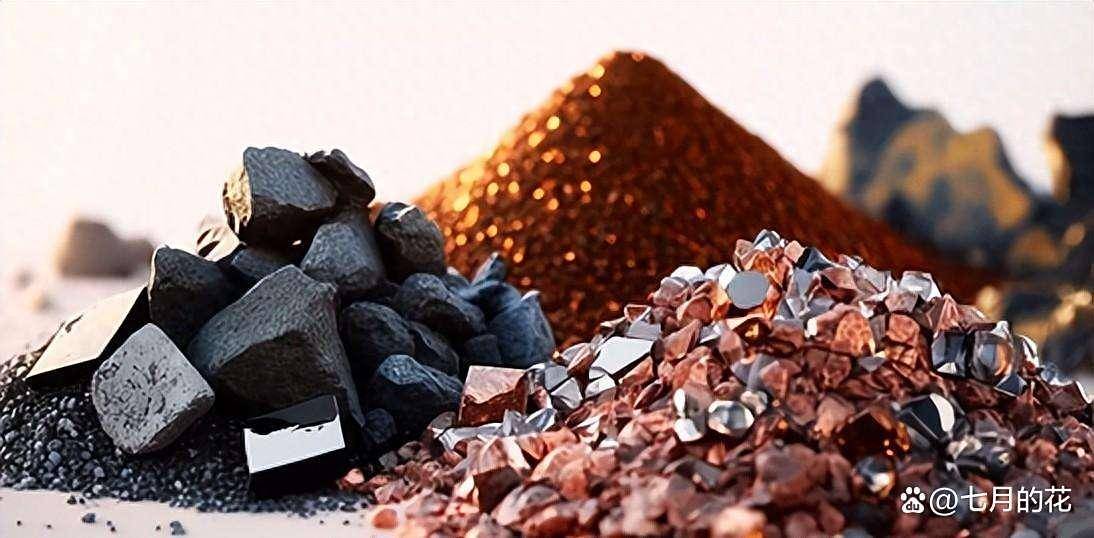
Core Viewpoint - Chinese rare earth companies are circumventing domestic regulations to export products to Western countries, prioritizing personal profits over national strategic security, which is considered an act of aiding adversaries [1][4][25]. Group 1: Industry Context - Rare earth elements, particularly those refined through complex processes like neodymium, dysprosium, and terbium, are not ordinary industrial additives but are critical resources that influence the efficiency of wind power equipment and the performance of advanced military aircraft like the F-35 [7][9]. - The significance of rare earths was highlighted in 2010 when China halted exports to certain countries due to diplomatic tensions, causing panic in Japan's automotive and electronics industries, demonstrating the strategic leverage China holds in this sector [9][4]. Group 2: Export Practices - Recent reports indicate that some companies have evolved their methods to sophisticated operations resembling espionage, using intricate logistics to smuggle rare earths disguised as ordinary materials [11][13]. - These companies are employing tactics such as mislabeling shipments and embedding rare earth metals in inexpensive products to evade strict export controls, aiming to satisfy the insatiable demand from Western buyers [15][17]. Group 3: Economic Implications - The underground market offers immediate responses to overseas clients, with profits potentially reaching multiples of legal trade, incentivizing companies to take significant risks [17][19]. - Following the announcement of stricter export controls in April 2025, official statistics showed a dramatic 90% drop in shipments to the U.S. within a month, raising concerns within the U.S. Department of Defense about finding alternative sources [19][20]. Group 4: Strategic Risks - The transfer of core technologies related to rare earth processing to foreign entities poses a significant risk, as it could enable Western countries to replicate China's supply chain capabilities, undermining China's strategic advantages [29][34]. - The potential loss of control over both raw materials and technological leadership could turn China's strategic assets into liabilities, facilitating adversaries' capabilities [34][36]. Group 5: Regulatory Response - In response to these challenges, the Chinese government has initiated crackdowns on illegal trade networks and is developing a "rare earth fingerprint" system for tracking the entire supply chain from extraction to export [38][40]. - This ongoing battle between regulatory authorities and smugglers reflects a broader struggle between national interests and corporate greed, as the demand for Chinese rare earth resources remains high among Western nations [40][42].



比特朗普还要硬气?德外长来华前连续三次发难,我方态度坚决
Sou Hu Cai Jing· 2025-11-18 08:31
Group 1 - Germany appears to be taking a firmer stance on certain issues compared to the United States, as evidenced by the cancellation of the German Foreign Minister's planned visit to China due to inappropriate remarks regarding Taiwan [1] - The recent communication between the Chinese and German Foreign Ministers highlighted the importance of the One China principle in their bilateral relations, with China urging Germany to support its stance on Taiwan [1] - Despite affirming the One China principle, Germany has shown provocative behavior regarding Taiwan, indicating a lack of sincerity in dialogue with China [3] Group 2 - Former Taiwanese President Tsai Ing-wen is scheduled to attend the "Berlin Freedom Conference" on November 8, which will include German government officials, suggesting Germany's intention to escalate tensions over Taiwan [3] - The German central bank president has publicly stated that Europe should consider retaliatory measures if trade relations with China continue to deteriorate, reflecting a growing concern over China's economic influence [3] - Germany plans to reassess its trade policy with China, focusing on energy, raw materials, and critical infrastructure investments, which will involve a committee to review security-related trade relations [3][5] Group 3 - Germany's actions are driven by two main factors: the desire to pressure China to relax export controls on rare earths and a shift towards more ideologically influenced economic policies since Angela Merkel's departure [5][7] - The recent tightening of China's export controls on rare earths has caused anxiety in Europe, prompting Germany to seek dialogue rather than adopting extreme pressure tactics [5] - The current geopolitical landscape and external influences, particularly from the United States, have led to a more conservative approach in Germany's economic policy towards China [7]

中美贸易暂歇,中国对荷兰实施稀土出口逐案审批等新规
Sou Hu Cai Jing· 2025-11-03 11:09
Group 1 - The meeting between Chinese leaders and US President Trump resulted in the cancellation of a 10% tariff on fentanyl and the suspension of multiple export controls and investigations, which has been positively received as it avoids a destructive trade war [1] - Starting December 1, China will implement stricter export controls on rare earth elements to the Netherlands, requiring export licenses for goods containing ≥0.1% Chinese-sourced rare earths, and case-by-case approval for 14nm chip production equipment [1] Group 2 - ASML, a key player in advanced lithography machines, is facing a critical inventory shortage, with neodymium-iron-boron magnets only sufficient for 8 weeks of production, risking a monthly production decrease of 15 to 20 EUV lithography machines and an annual loss of €3.2 to €4.3 billion [2] - The core components of lithography machines rely heavily on rare earth elements, with the EUV lithography machine's magnetic levitation stage requiring neodymium-iron-boron magnets doped with dysprosium and terbium to achieve high coercivity, ensuring wafer positioning accuracy within ±2 nanometers [2] - The lens systems produced by Zeiss also depend on high-purity lanthanum glass, with 90% of this supply sourced from China, highlighting the critical nature of rare earth elements in the semiconductor manufacturing process [2]

欧盟快被稀土逼疯了?马克龙建议欧盟启动“核选项”以针对中国
Sou Hu Cai Jing· 2025-11-03 10:40
Core Viewpoint - The European Union is facing significant challenges due to China's new rare earth export regulations, which have led to increased costs and disruptions in various industries, prompting calls for a strong response from European leaders [1][4][10]. Group 1: China's Rare Earth Dominance - China controls approximately 70% of global rare earth mining, 85% of refining capacity, and about 90% of production of rare earth metal alloys and magnets, establishing a dominant position in the industry [2][4]. - The new export regulations from China extend control over the entire rare earth supply chain, impacting European industries heavily reliant on these materials [2][4]. Group 2: European Response - French President Macron has proposed the use of the "nuclear option," which includes the potential implementation of the Anti-Coercion Instrument (ACI) to counter China's actions [5][7]. - The ACI is described as Europe's ultimate trade weapon, allowing for tariffs, trade restrictions, and investment limitations when perceived as being coerced [7][9]. Group 3: Internal European Challenges - Germany's manufacturing sector, including major companies like BMW and Volkswagen, is highly dependent on Chinese rare earth supplies, which may lead to a lack of unified support for aggressive measures against China [10][12]. - Eastern European countries, such as Hungary and Greece, benefit from Chinese investments and are less inclined to engage in confrontational policies that could harm their economic interests [10][12]. Group 4: Long-term Implications for Europe - The EU's strategic reserves of rare earths are limited, potentially lasting only six months, highlighting the urgency of the situation [4][12]. - Rebuilding a complete rare earth supply chain in Europe could take 8 to 10 years, indicating a significant challenge in achieving strategic autonomy [14][16]. - The ongoing reliance on China for rare earths and other critical technologies poses a dilemma for Europe, which must choose between confrontation and cooperation to navigate future challenges [16].
欧洲要中国交技术,中国反手关门,谁在自断后路?
Sou Hu Cai Jing· 2025-10-17 17:23
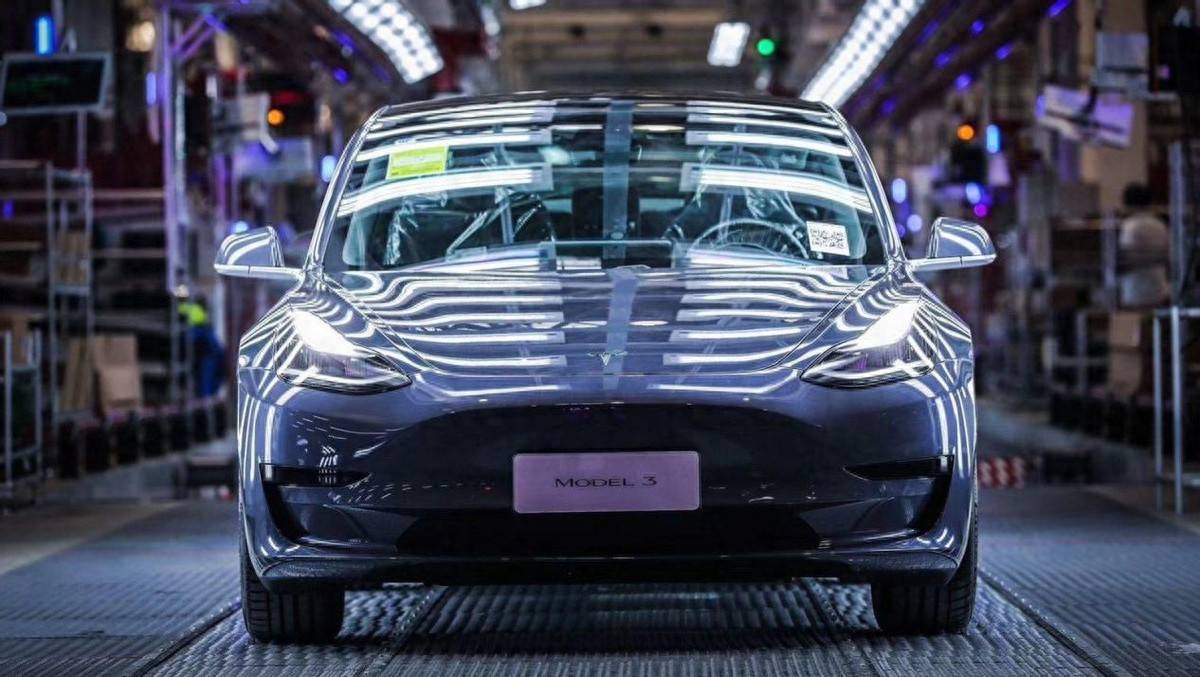
Core Viewpoint - The article discusses the escalating tensions between Europe and China in the renewable energy sector, highlighting Europe's aggressive stance on technology transfer and China's strategic countermeasures through rare earth export controls [1][11]. Group 1: European Actions and Concerns - Europe has adopted a double standard, criticizing China's market openness while imposing administrative measures against Chinese companies [3][9]. - The European electric vehicle industry is struggling, with over 70% of global battery production capacity held by Chinese firms, leading to the bankruptcy of local players like Northvolt [5][9]. - European companies are concerned that forced technology transfers will not yield the expected results, as core R&D capabilities cannot be easily replicated [7][9]. Group 2: China's Response - China has implemented precise controls on rare earth exports, which are crucial for high-end manufacturing, directly impacting European industries reliant on these materials [11][13]. - The Chinese government maintains that it adheres to WTO rules and opposes Europe's unreasonable demands for technology transfer [15][29]. - Chinese companies are shifting focus to other markets, such as the Middle East and Southeast Asia, to mitigate the impact of European policies [24][25]. Group 3: Internal European Dynamics - There is internal discord within Europe, with several countries reliant on Chinese investments and markets expressing reluctance to escalate tensions [18][20]. - Major European companies are voicing concerns over the EU's policies, fearing significant losses in the Chinese market [20][22]. Group 4: Future Implications - If Europe continues its current approach, it risks losing access to critical rare earth supplies, jeopardizing its high-end manufacturing and green transition goals [29][30]. - The article suggests that a cooperative approach, rather than a confrontational one, would benefit both Europe and China, leading to mutual advantages in the renewable energy sector [30][32].
印度承诺不将中国稀土出口至美国 展现微妙平衡姿态
Xin Lang Cai Jing· 2025-10-16 23:43
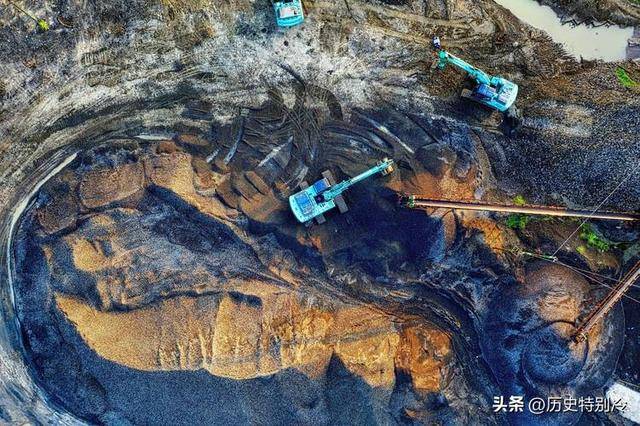
Core Insights - India has assured China that rare earth materials imported from China will not be exported to the United States, highlighting India's dependence on China's rare earth industry and its attempt to maintain a balance between China and the U.S. [1] - Indian companies are submitting end-user certifications to confirm that heavy rare earth permanent magnets sourced from China will only be used for domestic production, responding to China's recent compliance requirements [1] - China produces nearly 90% of the world's heavy rare earth permanent magnets and monopolizes rare earth refining capabilities, giving it a dominant position in the global rare earth supply chain [1] Industry Implications - India's electric vehicle and renewable energy sectors heavily rely on a stable supply of rare earth magnets, particularly key elements like dysprosium and terbium, with plans to import approximately 870 tons of rare earth magnets valued at over 3 billion rupees in the fiscal year 2024-2025 [1] - An executive from an Indian electric vehicle company stated that no country can replace China's supply chain in the short term, as sources from Australia, the U.S., or domestic mines cannot meet the demand [2] - Following the Shanghai Cooperation Organization summit in September, China resumed exports of light rare earth magnets to India, but shipments of heavy rare earth permanent magnets are still pending formal usage guarantees [2] Strategic Considerations - The Indian government has not publicly responded to China's requirements, but sources indicate that both sides are negotiating discreetly to avoid sensitive international trade issues [2] - India is adopting a pragmatic approach to ensure the uninterrupted supply of critical materials while maintaining strategic autonomy and avoiding entanglement in U.S.-China geopolitical competition [2] - A Chinese foreign ministry spokesperson refuted claims by the U.S. Treasury Secretary regarding China's export controls on rare earths, emphasizing that these measures are intended to maintain world peace and regional stability [2]
China is making it harder to get rare earth magnet export licenses, sources say
Yahoo Finance· 2025-10-14 07:42
Core Insights - Chinese rare earth magnet companies are experiencing increased scrutiny on export license applications since September, raising concerns about potential restrictions on magnet shipments despite previous commitments to expedite exports in a trade truce with the U.S. [1][2] Export License Scrutiny - The process for obtaining export licenses has become more challenging, with applications being returned more frequently for additional information [3] - Although approvals are generally still within the commerce ministry's 45 business day deadline, the scrutiny level has returned to that seen during the height of the trade war, leading to potential shortages [4] Export Data and Trends - China's rare earth exports fell by 31% in September, although it is unclear how much of this decline is attributed to magnets specifically [5] - There was a notable decrease in rare earth magnet exports in April and May, followed by growth in June, July, and August [6] Global Supply Context - China remains the world's leading supplier of rare earths, which are essential for various technologies, including electric vehicles and military applications [7] - Following the expansion of export controls, there has been a surge in inquiries from foreign clients aiming to secure orders before the new regulations take effect on November 8 [8]
中国出手管稀土,德国第一个坐不住:我们很慌!
Sou Hu Cai Jing· 2025-10-12 15:18
Core Viewpoint - China has implemented new regulations on rare earth exports, prompting concerns from the US and Europe regarding their reliance on Chinese supplies [2][4]. Group 1: New Regulations - Starting December 1, products containing more than 0.1% of Chinese heavy rare earths or utilizing Chinese rare earth technology will require approval for export from China [2]. - Military-related exports will likely not receive approval under the new regulations [2]. Group 2: Global Impact - China controls 70% of global rare earth mining, 90% of processing, and 93% of magnet manufacturing, making it a critical player in the global supply chain for high-tech products [2][5]. - The new regulations have raised alarms in the US, particularly in the semiconductor industry, which relies on rare earth materials for high-precision manufacturing [7]. Group 3: International Reactions - Germany and the EU have expressed concerns and are discussing the implications of China's new regulations, acknowledging the need to reduce dependence on non-European sources [2]. - The EU has called for assurances of stable rare earth supplies from China [2]. Group 4: Strategic Context - The timing of the new regulations coincides with speculations about upcoming US-China talks, suggesting a strategic move by China in response to US tariffs and technology restrictions [4][9]. - Experts view this as a tactical maneuver by China to strengthen its position in negotiations, emphasizing the importance of rare earths for national security and international obligations [12].
中方罕见发火,欧盟自讨苦吃,日本态度大变:不同意美国遏华要求
Sou Hu Cai Jing· 2025-09-22 04:14
Group 1 - The U.S. is pressuring the EU and G7 to impose tariffs up to 100% on China and India for continuing to purchase Russian oil, which is causing internal discussions within the EU about potential sanctions against these countries [1] - Japan's Finance Minister stated that imposing high tariffs on China and India for buying Russian oil is challenging, emphasizing Japan's close economic ties with China and the potential negative impact on its own supply chain [3] - The EU shows hesitation in responding to U.S. pressure, reflecting a lack of independent stance, while also addressing concerns over China's rare earth export controls that are affecting European businesses [5] Group 2 - Japan has previously made significant concessions, including a commitment of $550 billion in investments, to secure tariff exemptions, indicating a cautious approach towards U.S. demands [3] - China's position on rare earth exports is clear: it aims to protect this non-renewable resource and is willing to grant export licenses to qualified foreign companies, countering Western narratives about its trade practices [5] - The U.S. strategy of pressuring allies to impose tariffs on China to stop its oil purchases from Russia is seen as ineffective, underestimating China's ability to respond [5]
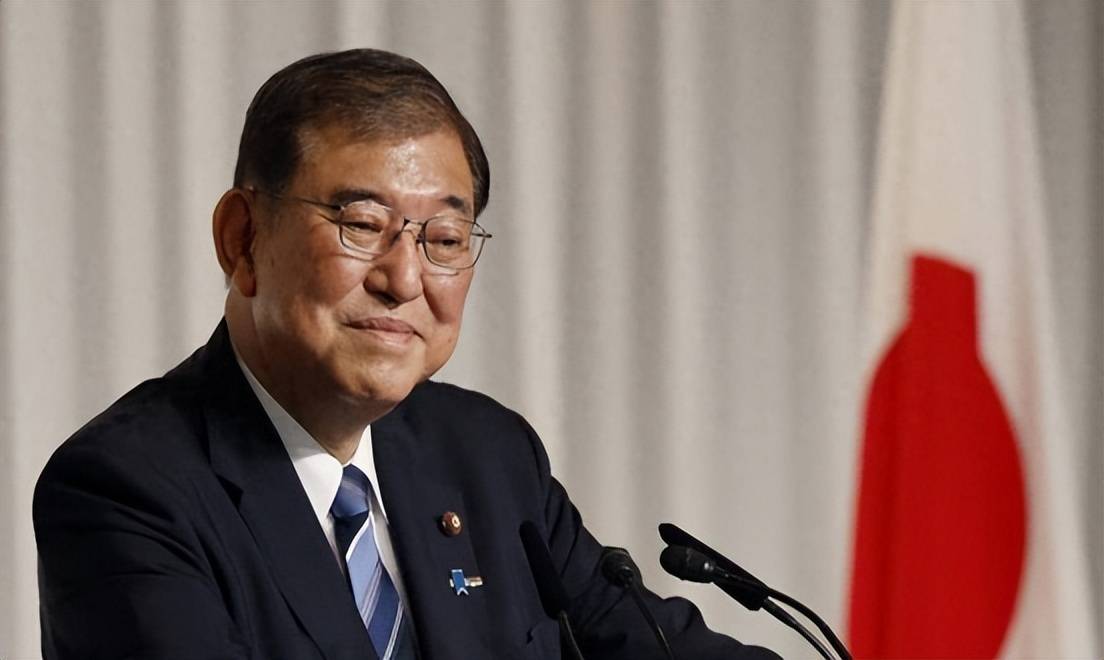
想下手又怕中国“断稀土”,欧盟向中国提了个“不太好意思的请求”
Sou Hu Cai Jing· 2025-09-18 20:57
Group 1 - The EU is facing significant challenges due to its reliance on Chinese rare earth exports, which has led to production halts in major automotive and high-tech companies [1][3][5] - The EU is considering two approaches to sanctions against China: a limited scope targeting a few companies or a broad-based sanction that could provoke a strong retaliatory response from China [1][3] - China's strict control over rare earth exports is aimed at preventing other countries from stockpiling resources that could be used against China, complicating the EU's supply chain dynamics [3][5][9] Group 2 - The EU's dependency on rare earths, particularly for electric vehicles, poses a critical risk to its automotive industry, as rare earth permanent magnets are essential for high-performance motors [5][7] - China's share of global rare earth production has surged from 48% to 95%, with refining capacity controlling about 90% of the market, creating a long-standing supply chain dependency [5][9] - The EU's attempts to diversify its rare earth supply sources are hindered by the limited capacity of alternative suppliers, with Australia being the only significant option, but its production levels are far below China's [5][7][9] Group 3 - The ongoing geopolitical tensions between the EU and China highlight the strategic dilemma faced by the EU in balancing economic relations with China and political alignment with the US [11] - The EU's efforts to reduce reliance on China may be undermined by the reality that without a complete restructuring of the supply chain, dependency will persist and could even intensify under restrictions [9][11] - The current situation indicates that if China maintains its export controls, the production of high-tech and electric vehicles in Europe will face significant disruptions [9][11]