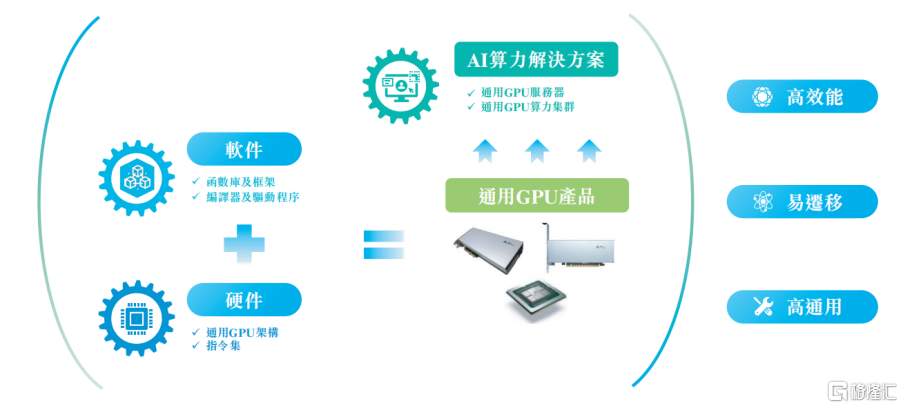
软件定义硬件

Search documents
算力大洗牌:GPU、TPU与“高阶TPU”的终极博弈
是说芯语· 2026-03-10 04:57
Core Viewpoint - The rapid development of AI is increasing the demand for computing power, leading to a shift in the landscape of AI chips beyond traditional GPU dominance to include TPU and emerging high-performance TPU alternatives [1][2]. Group 1: AI Chip Landscape - The AI chip market is witnessing significant transactions, such as NVIDIA acquiring Groq for $20 billion and OpenAI ordering over $10 billion worth of Cerebras systems, highlighting a competitive arms race in AI computing power [2]. - The three main types of AI chips are GPU (general-purpose parallel computing), TPU (application-specific integrated circuits), and high-performance TPUs, each representing different technological approaches and market strategies [3][4]. Group 2: GPU Analysis - GPUs are versatile but not optimized for AI tasks, leading to inefficiencies in data handling and energy consumption, especially in large-scale AI applications [4]. - NVIDIA has established a dominant position in the GPU market, becoming the first company to reach a market capitalization of $5 trillion, largely due to its GPU and CUDA software ecosystem [4][6]. Group 3: TPU Analysis - TPUs are specifically designed for AI tasks, offering superior performance and energy efficiency compared to GPUs, particularly in fixed tasks like cloud inference and mobile applications [7]. - The ASIC route, exemplified by TPUs, is driven by the need for cost control and performance optimization in large cloud providers, leading to the development of proprietary chips by companies like Amazon and Microsoft [9]. Group 4: High-Performance TPU - High-performance TPUs are emerging as flexible alternatives to traditional TPUs, utilizing software-defined hardware to adapt to various AI tasks while maintaining high efficiency [11][12]. - Companies like Groq are developing advanced chips that outperform existing TPUs and GPUs, with Groq's TSP chip demonstrating significant improvements in latency and cost efficiency [13][14]. Group 5: Market Dynamics - The global AI computing market is evolving into a "three-legged" competition among GPUs, ASICs, and high-performance TPUs, each with unique strengths and weaknesses [15]. - Chinese companies are actively participating in this competitive landscape, focusing on high-performance TPU technologies to break the GPU monopoly and enhance domestic capabilities [15][17]. Group 6: Future Outlook - The evolution of computing architectures is essential to meet AI's growing demands, with a shift from traditional metrics like processing power to considerations of architecture, efficiency, and flexibility [18]. - The development of high-performance TPUs represents a critical opportunity for domestic companies to establish a foothold in the global AI computing market, leveraging advancements in software and hardware integration [18].



性能提升90%、人人用上光追,英伟达显卡黑科技如何改变游戏?
3 6 Ke· 2026-03-09 02:04
Core Viewpoint - The PC DIY market has been struggling recently due to skyrocketing flash memory prices, leading to increased costs for components like memory and graphics cards, causing many consumers to delay or cancel their upgrade plans. However, Microsoft has introduced the Shader Execution Reordering (SER) technology, which is expected to enhance gaming performance significantly by improving GPU efficiency in ray tracing scenarios [1][2][4]. Group 1: SER Technology Overview - SER, or Shader Execution Reordering, was initially developed by NVIDIA and has now been integrated into Microsoft's DirectX 12. Its primary function is to optimize GPU thread scheduling for ray tracing, allowing for better parallel processing and improved performance [2][5]. - The introduction of SER addresses the inefficiencies faced by traditional graphics cards when handling ray tracing tasks, which often lead to performance bottlenecks due to the random nature of ray tracing calculations [4][7]. Group 2: Performance Improvements - SER technology can provide a performance boost of 20% to 40% in frame rates when ray tracing is enabled, with some optimized demos achieving up to a 90% increase in performance [8]. - The technology is designed to be accessible to a wider range of graphics cards, as it does not require developers to make specific calls, only needing support for DirectX 12 [7][8]. Group 3: Compatibility and Hardware Requirements - Not all graphics cards will support SER; for NVIDIA, it is available on RTX 40 series and above, while AMD requires RX 9000 series or newer for full support. Intel's Xe2 architecture also supports SER from its inception [9][11]. - The current availability of high-performance AMD graphics cards is limited, which may affect their market competitiveness, while Intel's B580 graphics card has emerged as a strong contender in the 2K gaming segment due to SER [11][14]. Group 4: Future Implications and Software Optimization - The adoption of SER is expected to make ray tracing more mainstream, allowing older graphics cards to benefit from performance enhancements, although older games may not receive these updates without significant developer effort [15][16]. - As hardware performance improvements slow down, software optimizations like SER are becoming increasingly important for enhancing gaming experiences, indicating a shift towards software-defined hardware solutions in the industry [16].

全球半导体TOP10,谁主沉浮
3 6 Ke· 2026-02-23 04:03
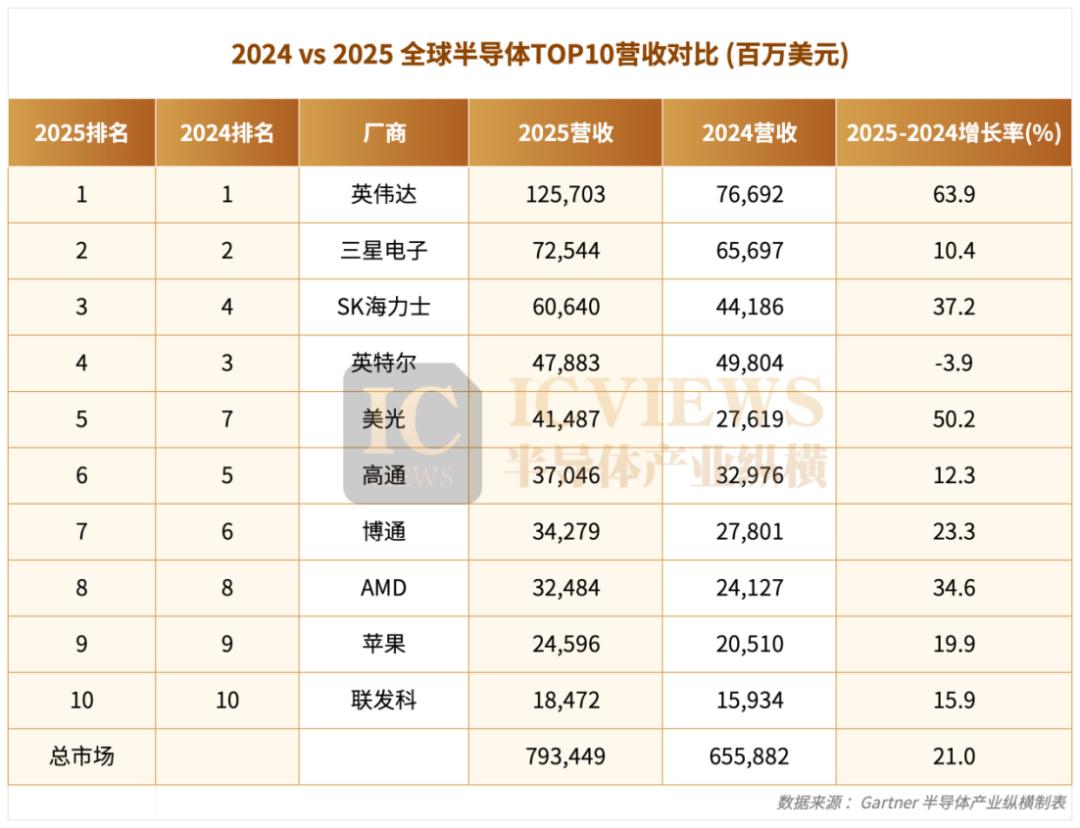
Core Insights - The global semiconductor industry is experiencing a historic turning point in 2025, with total revenue reaching $793 billion, a 21% year-on-year increase, signaling a fundamental shift in growth logic driven by AI infrastructure [1][6]. Group 1: Market Dynamics - Nvidia leads the semiconductor market with $125.7 billion in revenue, a 63.9% increase, marking the first time a company has surpassed $100 billion in annual revenue [6][4]. - Samsung Electronics and SK Hynix follow, with revenues of $72.5 billion and $60.6 billion, respectively, reflecting growth rates of 10.4% and 37.2% [4][6]. - Intel's revenue declined by 3.9%, dropping from third to fourth place, with a market share of only 6%, half of what it was in 2021 [7][8]. Group 2: Key Growth Drivers - The demand for High Bandwidth Memory (HBM) is driving growth, with HBM sales exceeding $30 billion and accounting for 23% of the DRAM market in 2025 [7][13]. - Companies like Nvidia, AMD, SK Hynix, and Micron are benefiting significantly from the data center and AI sectors, with Nvidia alone contributing over 35% to the industry's total growth [6][13]. - Broadcom reported a 28% revenue increase in Q4, driven by a 74% rise in AI semiconductor sales, indicating a strong correlation between AI and revenue growth [13]. Group 3: Strategic Shifts - Nvidia's success is attributed to its "software-defined hardware" approach, creating high entry barriers through its CUDA ecosystem, which integrates hardware, software, and developer communities [10]. - Vertical integration is making a comeback, with Apple and Samsung leveraging their strengths in chip design and manufacturing to create robust ecosystems [11]. - The semiconductor industry's value chain is shifting towards design and IP value, moving away from traditional manufacturing and scale advantages [19]. Group 4: Historical Comparison - Comparing 2015 to 2025, Intel's revenue has decreased from $51.4 billion to $47.9 billion, while Nvidia has risen from not being in the top 10 to $125.7 billion, highlighting a significant shift in market leadership [18][19]. - The top 10 semiconductor companies in 2025 include more fabless and design-driven firms, indicating a transition in the industry towards application and software-defined solutions [19]. Group 5: Future Outlook - The semiconductor landscape is expected to evolve further, with companies like Google and Amazon developing custom AI chips that may challenge Nvidia's dominance [20][21]. - The shift of AI from cloud to edge devices, such as smartphones and cars, presents new growth opportunities for mobile chip giants like Qualcomm and MediaTek [21].


AI硬件闭门探讨:未来硬件只是数据的入口,接下来是「软件定义硬件」的时代
Founder Park· 2026-02-10 11:30
Core Insights - The AI hardware market is still in its early stages, with a majority of users expressing dissatisfaction with current products [2] - The focus of discussions at the AI Product Marketplace Meetup was on the unique value proposition of AI hardware in comparison to smartphones [2] Group 1: AI Hardware Market Dynamics - The current AI hardware landscape features a variety of products, but user satisfaction remains low, indicating a need for improvement [2] - A significant portion of the market consists of early adopters, with only 2% being technology enthusiasts and 10% early adopters [2] - The Meetup aimed to explore the irreplaceability of AI hardware and its ability to justify additional costs for users [2] Group 2: Case Study of Plaud - Plaud, an AI recording card, has emerged as the most frequently used AI hardware, addressing a specific need for call recording among Apple users [5][6] - The product's success is attributed to its focus on a critical pain point within the Apple ecosystem, where traditional call recording is restricted [6] - Plaud's pricing strategy allows it to charge 6 to 7 times its BOM cost, targeting professionals who value efficiency and are willing to pay a premium [8] Group 3: Competitive Landscape - Major companies like DingTalk and Feishu are entering the recording hardware market, but Plaud maintains a leading position due to its early market entry [10][12] - The competition is expected to intensify, with new entrants offering lower-cost recording devices, potentially leading to a price war in the hardware segment [12] Group 4: Smart Glasses Market - The smart glasses market is highly competitive, dominated by tech giants like Meta, Google, and Apple, which aim to create a new computing platform [14][15] - Startups are focusing on niche markets to achieve product-market fit, often by creating specialized products that cater to specific user needs [17] - Successful products in this space, such as the collaboration between Meta and Ray-Ban, have effectively reduced market education costs and appealed to consumer preferences [18] Group 5: Emotional AI Hardware - Purely emotional AI hardware products face challenges in establishing sustainable business models, as they often lack practical functionality [25][26] - Emotional value can be integrated into products that already serve a primary function, such as caregiving or education, rather than standalone "companionship" devices [27] Group 6: Software-Defined Hardware - The future of AI hardware is shifting towards a model where software and AI services define the value of the hardware, rather than the hardware itself [31][33] - The concept of "software-defined hardware" emphasizes designing hardware around specific software needs, leading to more flexible and targeted product development [35] - Companies must recognize the importance of both hardware differentiation and software capabilities to succeed in the evolving market [37][40] Group 7: Business Models and Product Design - The commercial viability of AI hardware is closely tied to its business model, which can dictate whether the focus is on low-cost hardware or premium pricing [43][46] - A subscription-based model may emerge, where hardware is offered at minimal cost while revenue is generated through AI services [44]

工业母机ETF(159667)涨超1.1%,工业自动化行业迎多重支撑
Mei Ri Jing Ji Xin Wen· 2026-02-06 06:55
Core Insights - The global industrial automation industry is benefiting from a cyclical recovery, labor shortages, and manufacturing repatriation policies from various countries [1] - The future structural growth of the industry is anchored on four transformative investment themes: physical AI, the advent of software-defined hardware, large-scale customization driving modular "micro-factory" transformations, and the sovereign supply chain trend fostering ongoing localization demand [1] - The transition is moving from a purely software "digital plateau" to a "physical frontier" where silicon and machinery are deeply integrated, creating opportunities in high-growth verticals such as life sciences automation, energy and AI infrastructure, next-generation mobility, defense, and aerospace [1] - As the narrative of "physical AI" materializes, the industry may experience a fundamental revaluation, repositioning from traditional machinery to being a core infrastructure for AI data collection and real-world applications [1] Industry Overview - The Industrial Mother Machine ETF (159667) rose over 1.1%, indicating positive market sentiment towards the industrial automation sector [1] - The ETF tracks the China Securities Machine Tool Index (931866), which selects listed companies involved in the manufacturing and servicing of machine tools and their key components to reflect the overall performance of the machine tool industry [1]
离开小米后,他赌耳机才是AI硬件的最优解|甲子光年
Xin Lang Cai Jing· 2026-01-21 10:25
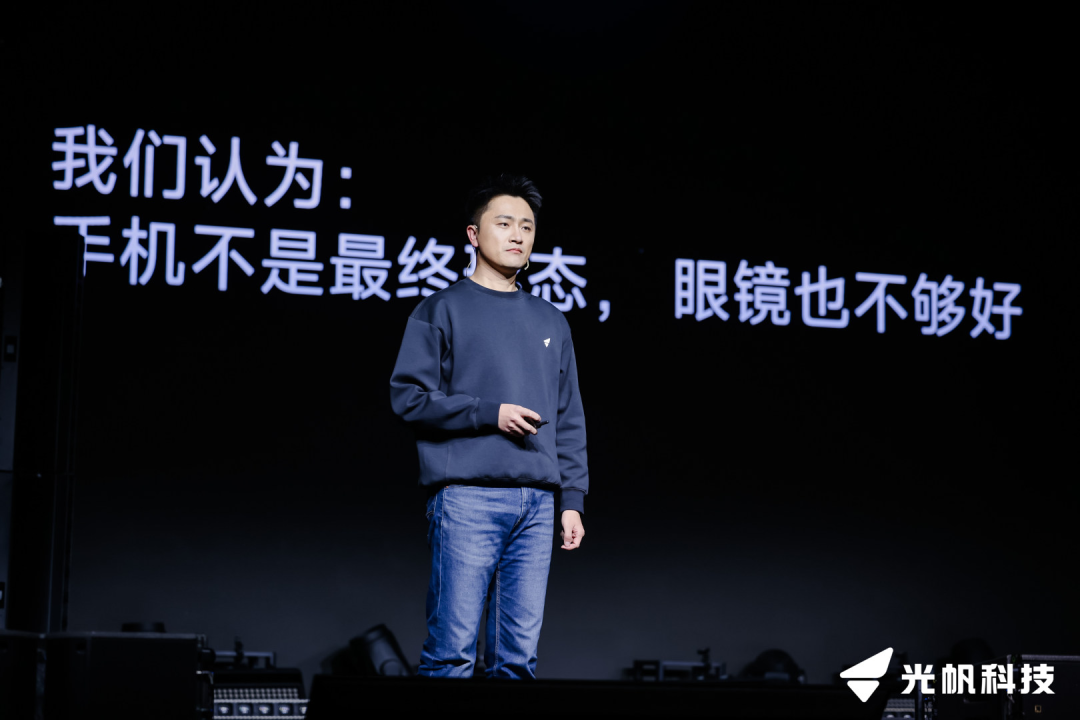
Core Insights - The article discusses the emergence of AI hardware, particularly focusing on the concept of Agent OS as a pivotal development in the industry [2][63]. - It emphasizes the importance of integrating software and hardware to create a seamless user experience, similar to Apple's approach in its early days [2][64]. - The article highlights the potential of wearable devices, specifically the Lightwear AI device by Guangfan Technology, which combines headphones, a charging case, and a smartwatch into a cohesive system [4][68]. Group 1: AI Hardware and Agent OS - The Lightwear AI device represents a shift in how AI can be integrated into everyday hardware, with a focus on user accessibility and functionality [4][68]. - The concept of Agent OS is introduced as a new operating system that enables multiple devices to work together, enhancing user interaction through multi-modal perception and cloud collaboration [6][68]. - The founder of Guangfan Technology, Dong Hongguang, believes that the future of AI hardware lies in redefining operating systems rather than creating entirely new hardware forms [7][68]. Group 2: User Experience and Device Integration - The design philosophy behind the Lightwear device aims to lower user acceptance barriers by utilizing familiar hardware forms like headphones, which users are already accustomed to [9][69]. - The integration of various sensors into the headphones and charging case allows for continuous AI assistance, addressing the need for devices that are always available [10][70]. - The smartwatch complements the system by providing display and interaction capabilities, enhancing the overall user experience without replacing existing devices like smartphones [12][73]. Group 3: Market Position and Future Outlook - Dong Hongguang asserts that headphones are likely to be the most suitable entry point for AI hardware in the next decade, but the ultimate goal is to redefine the operating system [7][68]. - The strategy involves creating a "demand funnel" where wearable devices address 80% of lightweight needs, while more complex tasks can still be handled by smartphones or PCs [17][74]. - The company aims to establish a collaborative ecosystem where multiple devices serve distinct roles, enhancing user interaction and experience [16][74].
可重构芯片突围:清微智能RPU崛起,“后GPU”算力谁主沉浮
Huan Qiu Wang· 2026-01-14 05:28
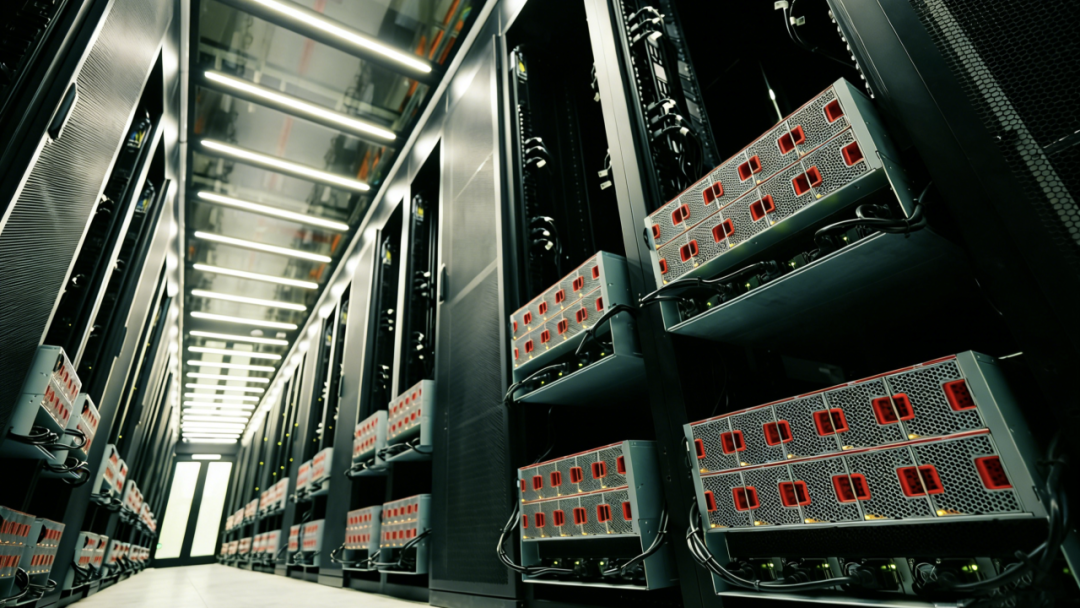
Core Insights - The AI chip landscape is shifting towards advanced architectures, with a focus on reconfigurable data flow units like Groq's LPU and China's Qingwei Intelligent's RPU, which are seen as the "Chinese version of advanced TPU" [1][2][4] Group 1: Industry Developments - Nvidia is facing strategic anxiety as competitors like Google with its TPU threaten its dominance, prompting Nvidia to acquire Groq for $20 billion, a significant premium over its valuation [1] - Qingwei Intelligent has completed over 2 billion yuan in Series C financing and has developed a full-stack solution from IP to servers, deploying over 30,000 AI acceleration cards nationwide [2] - The TX81 chip from Qingwei supports trillion-parameter models and can reduce inference costs by 50% while improving energy efficiency by three times [2][5] Group 2: Technological Trends - The AI chip industry is evolving into three main factions: GPU, ASIC, and reconfigurable data flow chips, with each having distinct advantages and challenges [4][7] - The GPU faction, led by Nvidia, remains dominant but faces limitations due to memory bandwidth and power consumption issues [4] - The ASIC faction, represented by Google TPU and others, focuses on high efficiency for specific algorithms but risks obsolescence with algorithm changes [4] - The reconfigurable data flow faction, including Qingwei's RPU, offers a flexible architecture that combines the efficiency of ASICs with the adaptability of GPUs, positioning itself as a key player in the future of AI chips [4][7] Group 3: Strategic Implications - As Nvidia seeks to secure its future through acquisitions, Chinese companies like Qingwei are focusing on developing their own technologies, potentially reshaping the competitive landscape in AI chip manufacturing [1][7] - The emergence of reconfigurable chips is seen as a significant trend, with the potential to become mainstream and a focal point for leading companies in the industry [7]
观想科技(301213.SZ):拟购买辽晶电子100%股份
Ge Long Hui A P P· 2026-01-06 10:38
Core Viewpoint - The company plans to acquire 100% of Liaojing Electronics through a combination of share issuance and cash payment, while also raising supporting funds from no more than 35 specific investors. The audit and evaluation of the target assets are not yet completed, and the specific valuation and transaction price are still to be determined [1]. Group 1 - The target company is a key supporting unit in the defense technology sector, specializing in semiconductor discrete devices and integrated circuits, with applications in aerospace, aviation, weaponry, shipping, electronics, and nuclear physics, as well as several national major projects [2]. - The transaction is expected to create complementary and synergistic effects between the company and the target in areas such as modernization of equipment, technology research and development, market expansion, and product iteration [2]. - The company aims to enhance its core solid-state device technology and related capabilities, thereby accelerating its strategic layout in unmanned, intelligent, and miniaturized equipment fields, and achieving a complete industry chain from data algorithms to intelligent equipment [2]. Group 2 - The acquisition will enable the company to provide a one-stop solution to military and defense clients, enhancing customer loyalty and building significant competitive barriers, which will help expand overall sales scale and improve sustainable profitability and core competitiveness [2]. - The customer bases of both the company and the target have commonalities and distinct focuses, and their integration is expected to further expand market directions and customer categories, enhancing economic benefits and market visibility for both parties [2].

观想科技:拟购买辽晶电子100%股份
Ge Long Hui· 2026-01-06 10:22
Core Viewpoint - The company plans to acquire 100% of Liao Jing Electronics through a combination of share issuance and cash payment, while also raising supporting funds from no more than 35 specific investors. The audit and evaluation of the target assets are still ongoing, and the specific valuation and transaction price have not yet been determined [1]. Group 1 - The target company is a key supporting unit in the defense technology sector, specializing in semiconductor discrete devices and integrated circuits, with applications in aerospace, aviation, weaponry, shipping, electronics, and nuclear physics, as well as several national major projects [2]. - The transaction is expected to create complementary and synergistic effects between the company and the target in areas such as modernization of equipment, technology research and development, market expansion, and product iteration [2]. - The company aims to enhance its core solid-state device technology and related capabilities, accelerating its strategic layout in unmanned, intelligent, and miniaturized equipment, while directly controlling the R&D and production of high-reliability semiconductor devices and integrated circuits [2]. Group 2 - The acquisition will enable the company to provide a one-stop solution to military and defense clients, enhancing customer loyalty and building significant competitive barriers, which will help expand overall sales scale and improve sustainable profitability and core competitiveness [2]. - The combination of the company and the target's customer bases, which have both commonalities and unique focuses, is expected to facilitate market expansion and enhance economic benefits and market visibility for both parties [2].
天数智芯(9903.HK)启动招股,拟全球发售2,543万股,拟募资37亿港元
Ge Long Hui· 2025-12-31 01:36
Core Insights - TianShu ZhiXin Semiconductor Co., Ltd. has officially launched its IPO, planning to issue 25.43 million H-shares to raise approximately HKD 3.7 billion, with the offering period from December 30, 2025, to January 5, 2026 [1] - The company is recognized as the first domestic chip design firm to achieve mass production of general-purpose GPU chips for inference and training, utilizing 7nm technology [1] Business Deployment Value - TianShu ZhiXin has successfully delivered over 52,000 general-purpose GPU products to more than 290 clients across various sectors, achieving over 900 deployments [2] - The company ranks third in China's training GPU market share and second in the inference GPU market among domestic companies for 2024 [2] Differentiation Strategies - The company adopts an integrated hardware-software design approach, treating compilers, drivers, and libraries as inseparable from the product, which enhances the interaction and iteration between hardware and software [3] - TianShu ZhiXin's solutions support major Linux distributions and are compatible with both x86 and ARM architectures, optimizing for key AI frameworks like PyTorch and TensorFlow [3] Full-Stack Solution Capability - The company positions itself not just as a hardware provider but as a full-stack solution provider, offering tailored AI computing solutions from single machines to clusters [4] - TianShu ZhiXin provides specialized training and inference products, integrating its GPUs with third-party infrastructure for flexible model deployment [4][6] Innovation Engine - The R&D team consists of over 480 professionals, with around 70% holding master's degrees or higher, ensuring continuous technological iteration [7] - The company has launched multiple generations of products, including TianGu and ZhiKai series, with a commitment to a "produce one generation, design one generation, and research one generation" philosophy [7] Market Timing and Growth Potential - The IPO coincides with a critical period for domestic chip replacement, with the general GPU market in China expected to grow at a compound annual growth rate of 72.8% from 2022 to 2024 [8] - The domestic GPU market share is projected to increase from 8.3% in 2022 to over 50% by 2029, indicating significant growth opportunities for the company [8] Future Product Development - The company plans to develop next-generation products, including ZhiKai Gen 2 and Gen 3, and TianGu Gen 4 and Gen 5, with expected production timelines from 2025 to 2027 [9] Strategic Positioning - The IPO provides TianShu ZhiXin with a unique capital platform, facilitating international investment and future expansion [10] - The company emphasizes its engineering capabilities and sustainable business model, positioning itself as a pragmatic player in the domestic chip industry [11]